
Best Black Tie Dress Colors for 2026 and When to Wear Them
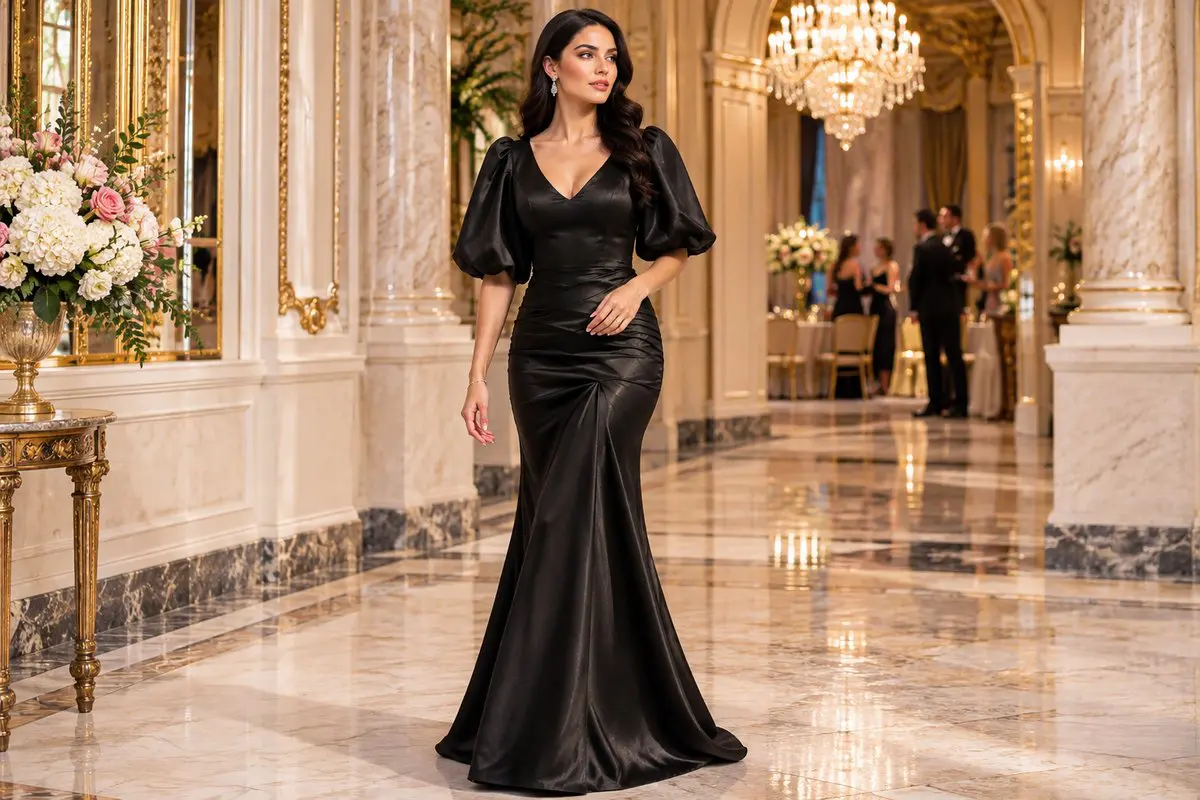
The best black tie dress colors for 2026 include black, midnight navy, emerald, burgundy, sapphire, and metallic gold. No specific shade is required by the dress code. Start with a formal, preferably floor-length silhouette, then choose color for the event, fabric, and lighting.
Which Black Tie Dress Colors Are the Safest Choices?
Black, navy, burgundy, and deep green offer the most adaptable starting points for traditional black tie. They create contrast without relying on bright prints or heavy embellishment. You can see how the dress code translates into actual silhouettes in Jovani's formal black tie gowns.
The invitation still determines how traditional the outfit should feel. If you are uncertain about length, coverage, or the meaning of black tie optional, consult Jovani's guide to black tie dressing before deciding on a shade.
A rich color does not automatically make a short or casual dress suitable for black tie. The cut, fabric, finish, and event instructions still need to work together.
Black and Midnight Navy for Traditional Galas
These two colors are reliable when the invitation is formal and the venue is conservative. They also let the silhouette and surface texture carry the design.
Black for a Clean, Formal Foundation
Black works particularly well in crepe, satin, and velvet. Jovani's black evening gowns range from simple fitted shapes to embellished designs, so the same color can produce different levels of visual impact.
For a concrete example, Jovani style 43818 is a floor-length satin mermaid gown with a ruched waist and puff sleeves. Its listed colors include black, emerald, red, and royal, showing how the same construction can read differently in each shade.
Navy for a Softer Alternative to Black
Midnight navy can look nearly black in a dim room but show a distinct blue cast in photographs. Sapphire and royal blue create more contrast, particularly in smooth or reflective fabrics.
If you prefer blue, compare the finish and depth of several formal gowns in blue rather than treating navy and cobalt as interchangeable. A swatch beside your face provides a better test than a phone screen.
Emerald, Burgundy, and Plum for Rich Color
Jewel tones are a strong answer when you want visible color without losing the seriousness of a formal dress code. Their effect changes with lighting and fabric, so choose a shade and a finish together.
Emerald and Deep Green
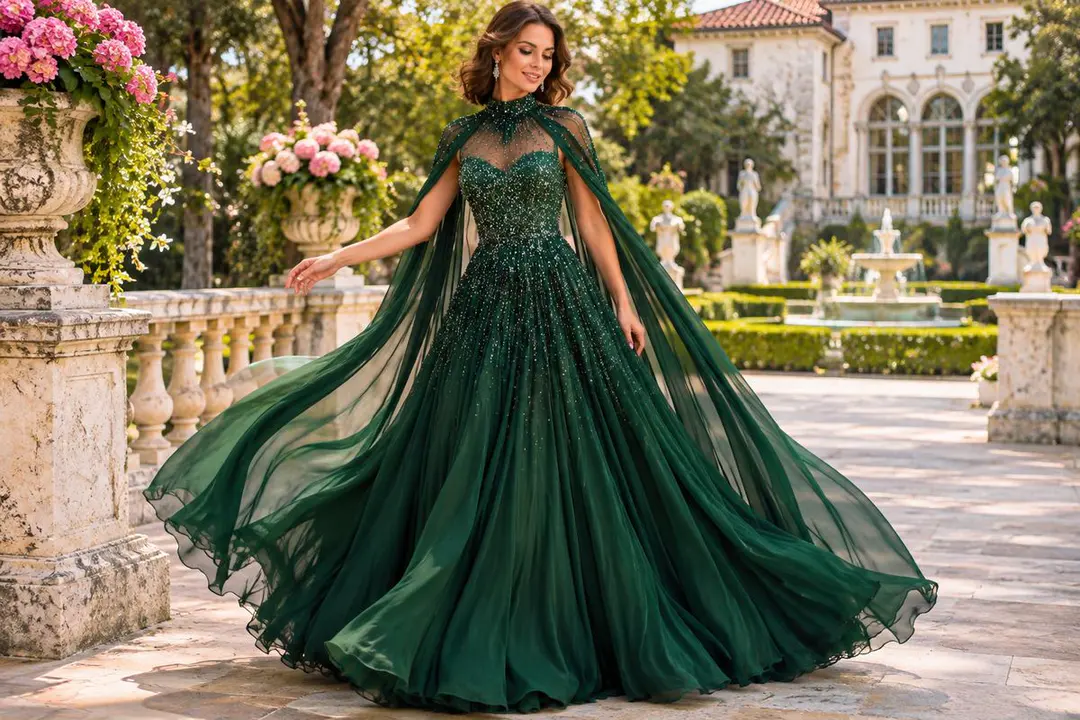
Emerald reads distinctly colored while retaining depth under evening lighting. For a softer interpretation, look at dark forest green or a muted green fabric instead of bright lime.
Jovani's green evening gowns include satin, crepe, and embellished options. Style 49743, for example, lists green and black and features a beaded high neckline with a flowing chiffon A-line design.
Burgundy and Plum
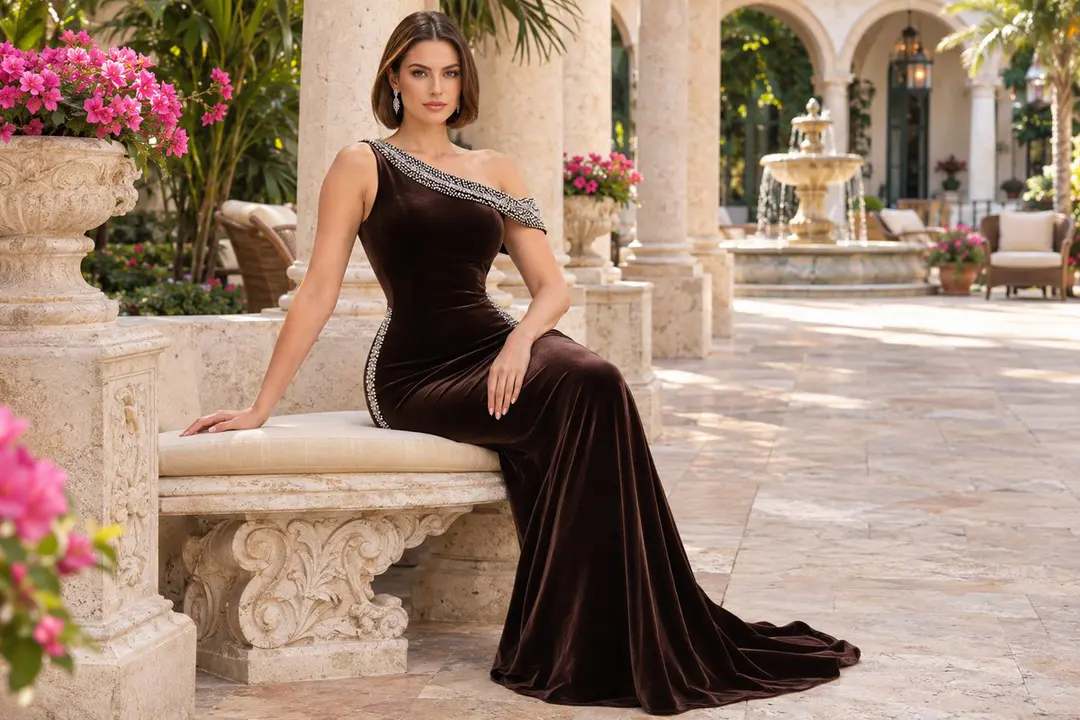
Burgundy suits black tie without needing sequins or a vivid red base. Plum offers a similar depth with a cooler purple direction. Both are useful choices for indoor dinners, awards nights, and evening receptions.
Jovani style 42975 lists burgundy among its colors and uses velvet with an off-shoulder neckline and fitted silhouette. The material gives the shade a subdued sheen rather than the sharper reflections of satin.
Cobalt, Red, and Metallic Gold for a Statement
A strong color can meet black tie requirements when the gown itself stays formal. For 2026, cobalt blue and reflective metallic finishes provide alternatives to the familiar dark palette, while red remains a deliberate, high-contrast choice.
Cobalt Blue and Red
Cobalt is brighter than navy and tends to hold its presence in large rooms. Deep red has a more restrained effect than scarlet. Use a clean neckline and controlled detailing when the color already draws attention.
The wider 2026 evening dress color trends offer additional inspiration, but the dress code should narrow that palette. A formal gala and a casual outdoor celebration do not call for identical styling.
Gold and Other Metallics
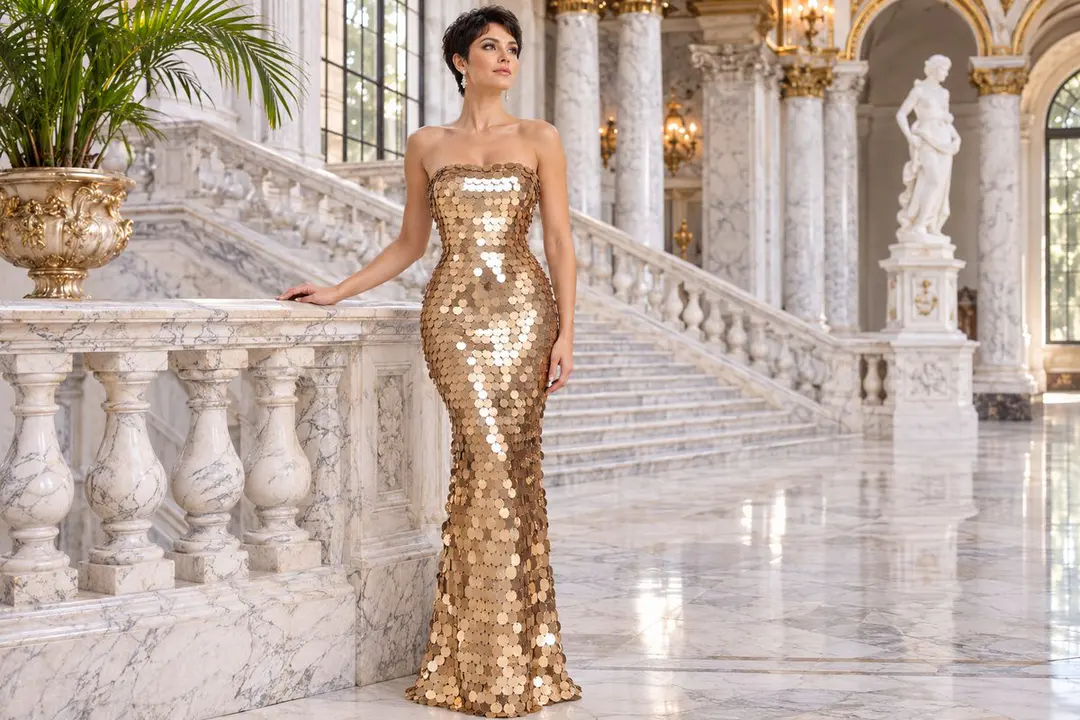
Gold can suit a gala or awards event, especially when the fabric reflects light without looking like a casual party dress. Jovani style 54713 is a floor-length, strapless mermaid gown made from gold sequin mesh, with a defined waist and flared hem.
When considering gold formal gowns, distinguish muted champagne and antique gold from highly reflective sequins. Silver and pewter can also work, particularly with cooler lighting and restrained accessories.
How Should Color Change with the Event?
Choose the color after identifying the occasion, not just the season. Black tie specifies formality, while the host and setting help determine how expressive the palette can be.
Traditional Charity Gala or Formal Dinner
Black, midnight navy, emerald, and burgundy are straightforward choices. A long gown with clean construction and a controlled finish generally works better than a daytime print or casual fabric.
Black Tie Wedding
Deep colors and refined metallics often work well for wedding guests. Avoid white, ivory, or bridal-looking champagne unless the couple requests them. Check any wedding-specific palette or cultural guidance before choosing red or a conspicuous metallic.
Creative Black Tie or Awards Event
Cobalt, vivid red, metallic gold, and sculptural color combinations allow more personality. Keep the garment's length, construction, and overall polish consistent with a formal invitation.
Why the Same Shade Changes Across Fabrics
A black tie dress color does not look identical in velvet, satin, crepe, or sequin mesh. Velvet has a directional, softer sheen; satin reflects broader highlights; matte crepe brings more attention to drape and seams. Beads and sequins can make a shade appear brighter as the wearer moves.
Jovani style 42975 shows how velvet can deepen burgundy. Style 43818 demonstrates the clearer highlights on a smooth satin surface. Style 54713 uses sequins to make gold the dominant visual feature. These are different design decisions, not interchangeable versions of the same finish.
Compare fabric samples under daylight and under lighting similar to the venue. Photos with flash can reveal shine that is less noticeable in a fitting room.
A Final Color Check Before Your Fitting
A flattering shade is one that works with your face, your comfort level, and the room where you will wear it. Rather than applying a strict rule by skin tone, compare two or three actual fabrics near your face. Jovani's guide to evening dress colors for your complexion explains that broader choice in detail.
Before committing, check the color against four practical questions:
- Does it remain distinct and appealing in both natural and warm indoor light?
- Does the fabric read formal at the full length of the gown?
- Does the shade suit the invitation and avoid competing with a wedding party?
- Can you move, sit, and photograph comfortably in the complete look?
Bring two preferred colors and any relevant style numbers to an authorized Jovani retailer so you can compare the actual gowns, not just their online photographs.
Frequently Asked Questions
Can I wear silver to a black tie event?
Yes. A floor-length silver gown can suit a gala or formal reception, especially when the silhouette is tailored and the accessories remain coordinated. Its shine should suit the event rather than overpower it.
Are patterned gowns suitable for black tie?
Some are. A subtle jacquard, tonal embroidery, or restrained formal print can work when the shape and material are appropriate. Large casual prints are less reliable for a traditional evening dress code.
Is red appropriate for a black tie wedding guest?
Usually, yes. A refined deep red or burgundy gown can fit the dress code, provided the couple has not set a conflicting color request. Follow the invitation and any cultural expectations.
Must a black tie gown be dark in winter?
No. Dark colors are common, but gold, silver, pale blue, and other shades can work year-round. Formal construction, event context, and suitable outerwear matter more than an unofficial seasonal color rule.