
A great evening dress should look effortless, but anyone who has stood in front of a mirror tugging at a bodice or stepping on a hem knows the truth. Fit problems can quietly ruin an otherwise stunning gown. Most evening dress fit issues are not really about size. They are about proportion, fabric behavior, and the way a silhouette interacts with your body. Understanding why these problems happen, and how to spot them before you commit to a dress, is the difference between a gown that wears you and one you actually feel confident in. This guide walks through the evening dress fit issues that appear most often in formal wear, why they happen, and what to look for when you are choosing a gown that will hold its shape from the first fitting to the last photograph of the night.
Why Evening Dress Fit Matters More Than You Think
Evening wear is built differently from everyday clothing. The fabrics are heavier, the construction is more structured, and most gowns are designed to skim, sculpt, or hold the body in a specific way. That precision is what makes formal dresses feel special, but it also leaves very little margin for error. A bodice that fits with even a small gap will photograph as a larger gap. A hem that is half an inch too long becomes a tripping hazard the moment you step onto a dance floor. Whether you are looking at full length formal gowns or shorter formal options, the difference between looking elegant and looking uncomfortable can come down to a quarter inch of seam.
There is also the comfort factor. You are likely to spend hours in your dress, sitting at a table, walking to a stage, posing for photographs, dancing. A gown that pinches at the waist or pulls at the bust during the first hour will be unbearable by the third. Getting the fit right is not just a styling decision, it is the foundation of an entire night. This is why heritage formal wear designers like Jovani invest so heavily in pattern engineering and bodice construction. The structural detail is invisible when a gown fits, and painfully obvious when it does not.
The Most Common Evening Dress Fit Issues
Bust Gaping and Pulling
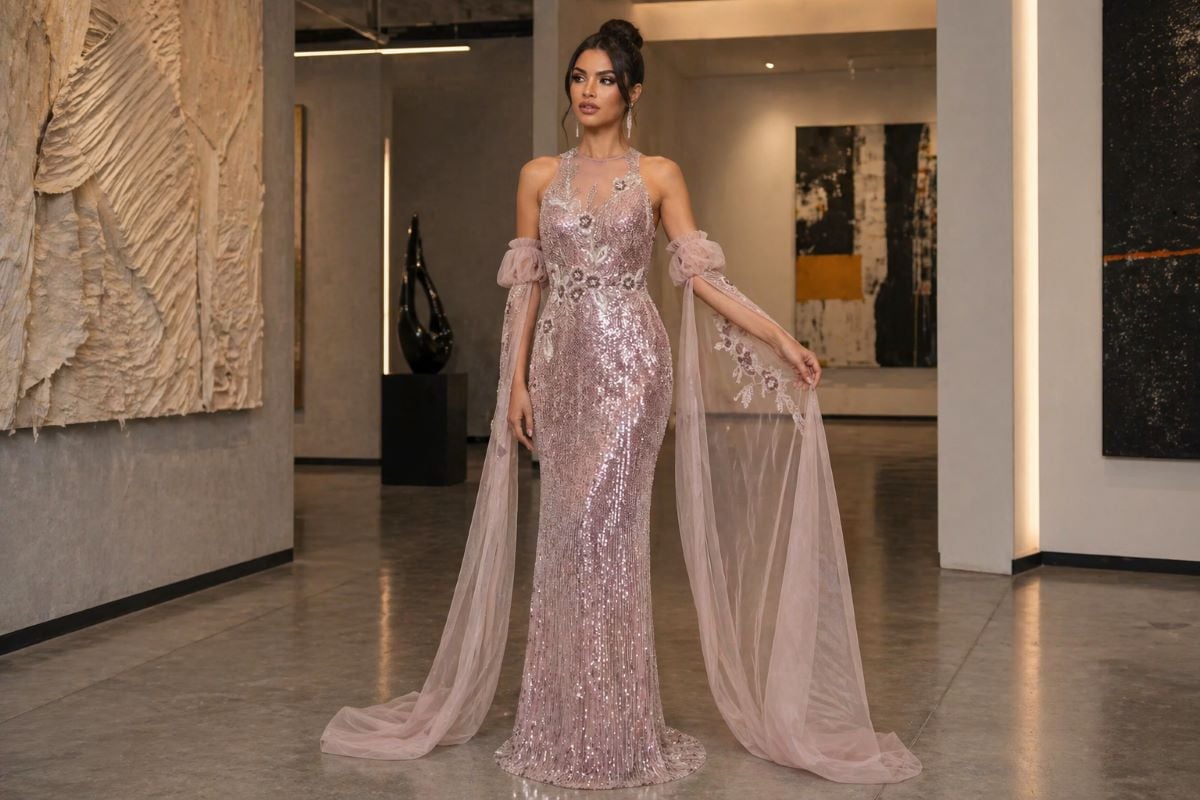
Bust fit is where most evening dress fit issues start. Gaping happens when the cup of the bodice is built for a fuller shape than yours, leaving a hollow space at the top. Pulling is the opposite. The fabric strains across the chest and creates horizontal lines. Both are visible in photos and both signal a fit mismatch. Strapless and sweetheart necklines are especially sensitive because they rely entirely on the bodice for hold. If the dress shifts when you raise your arms, the bust fit is wrong, and no amount of styling will hide it.
A Waist That Sits in the Wrong Place
Every gown is engineered around a defined waistline, whether natural, empire, or dropped. When the construction waist does not line up with your actual waist, the entire silhouette shifts. A natural waist seam that lands two inches below where it should will shorten your torso visually and make the skirt look heavier than the designer intended. This is one of the most overlooked common evening dress fit problems, partly because it is hard to see in a fitting room mirror without paying close attention to where the seams sit.
Hip Pulling on Fitted Gowns
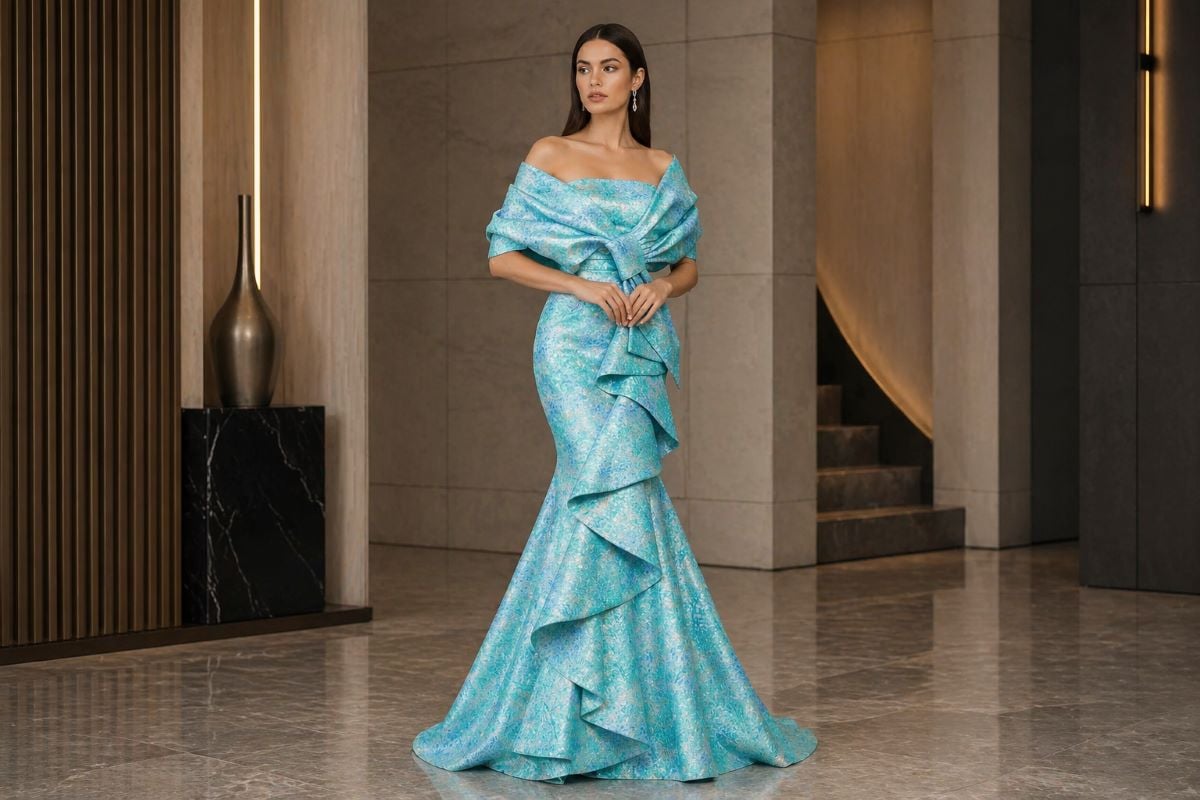
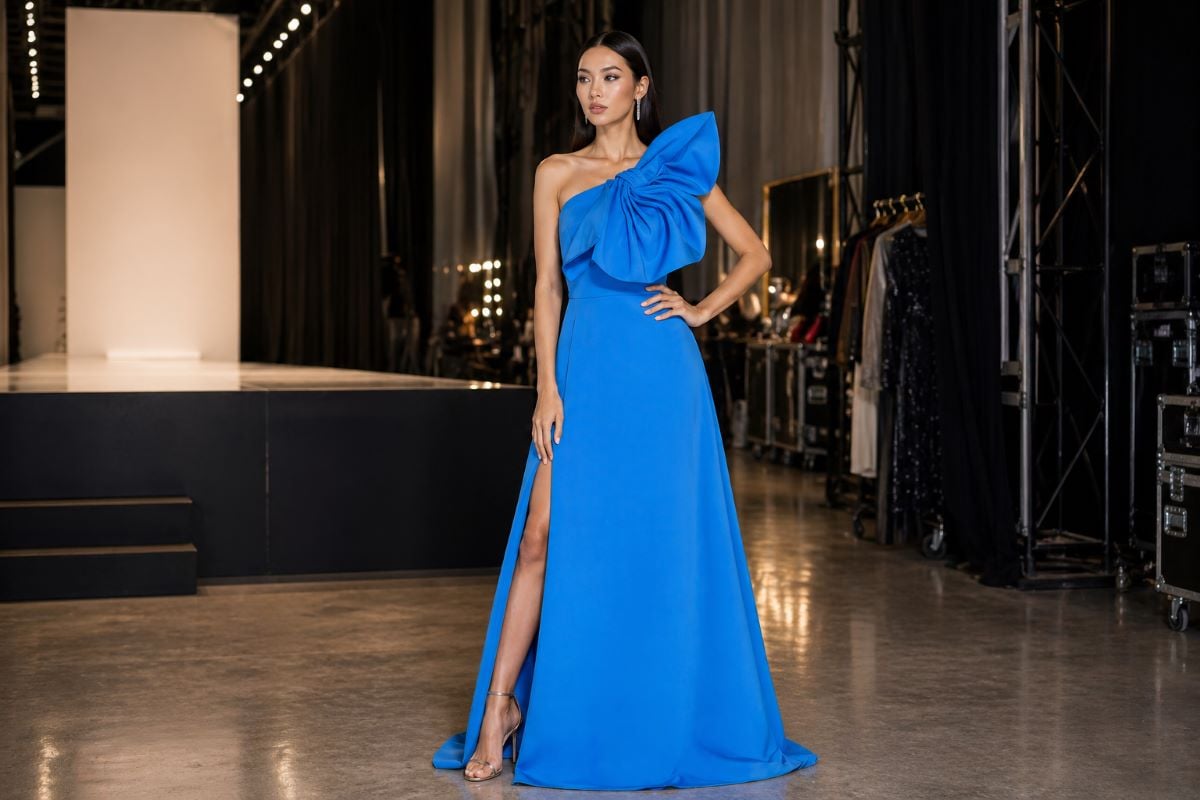
Mermaid and trumpet silhouettes are unforgiving through the hip area. If the dress pulls or shows stress lines at the hip, the gown is too narrow there even when the waist fits. Forcing a fitted gown to close at the hip will distort the flare below the knee and create a pinched, unnatural shape. The flare is meant to fall freely, not to be tugged outward by tension above it.
Shoulder Slip and Strap Drop
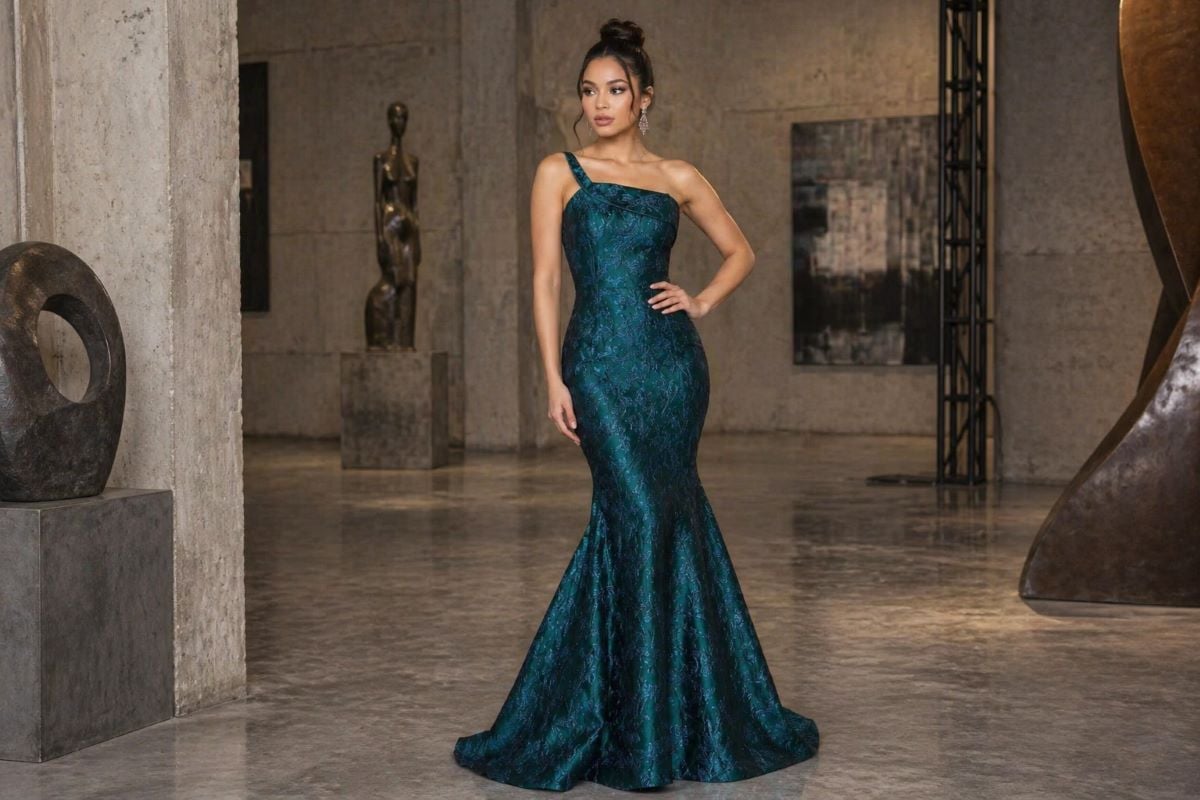
On gowns with straps or off the shoulder construction, slipping is one of the most frequent evening gown fit problems. Straps that fall during the night usually indicate a bodice that is loose at the back or a strap placement that does not match your shoulder width. This is fixable through alteration, but it is much easier to identify in a fitting than to discover halfway through an event.
Length Problems and Hem Drag
Floor length gowns are designed for a specific heel height. If you change your shoe choice between fitting and event, the hem will either drag or float above the floor in a way that looks unfinished. For long evening gowns, the rule of thumb is that the front hem should clear the floor by about a quarter inch in your actual shoes, with the back falling slightly longer for a clean drape. If you prefer short evening dresses instead, hem placement matters even more because the leg line is fully visible, and an awkward length will shorten the figure.
How Silhouette Affects Evening Gown Fit
Fitted and Mermaid Shapes
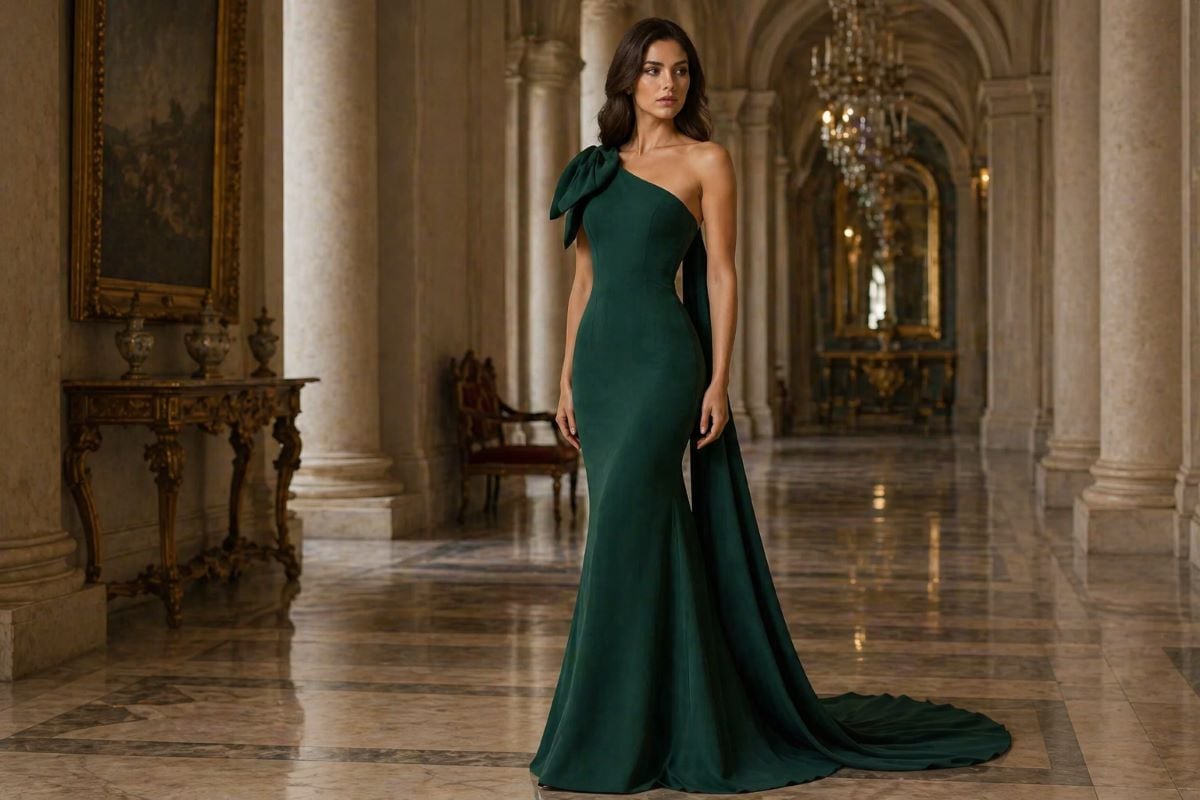
These silhouettes follow the body closely from bodice through hip, then flare out below the knee. They demand precise measurements at the bust, waist, and hip. There is almost no forgiveness in the construction. If your weight fluctuates between fitting and event, a fitted gown will show it before any other shape does.
A Line and Ball Gown Shapes
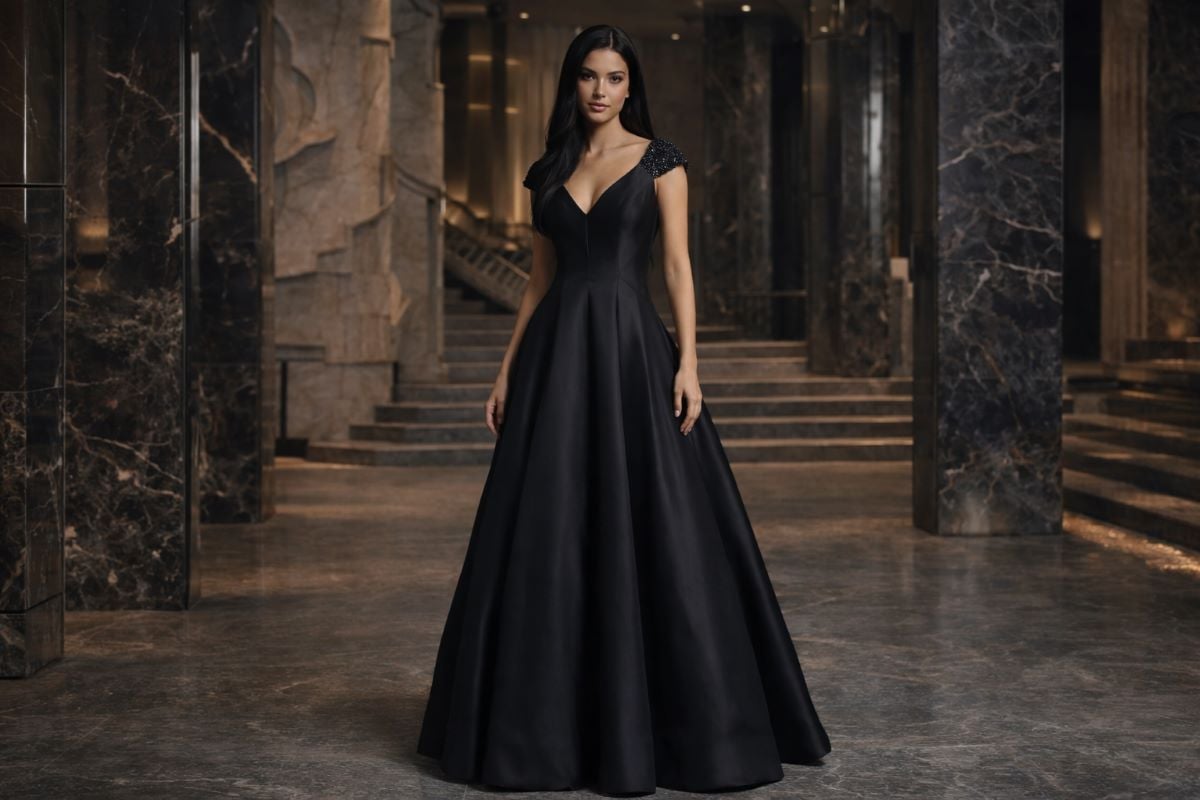
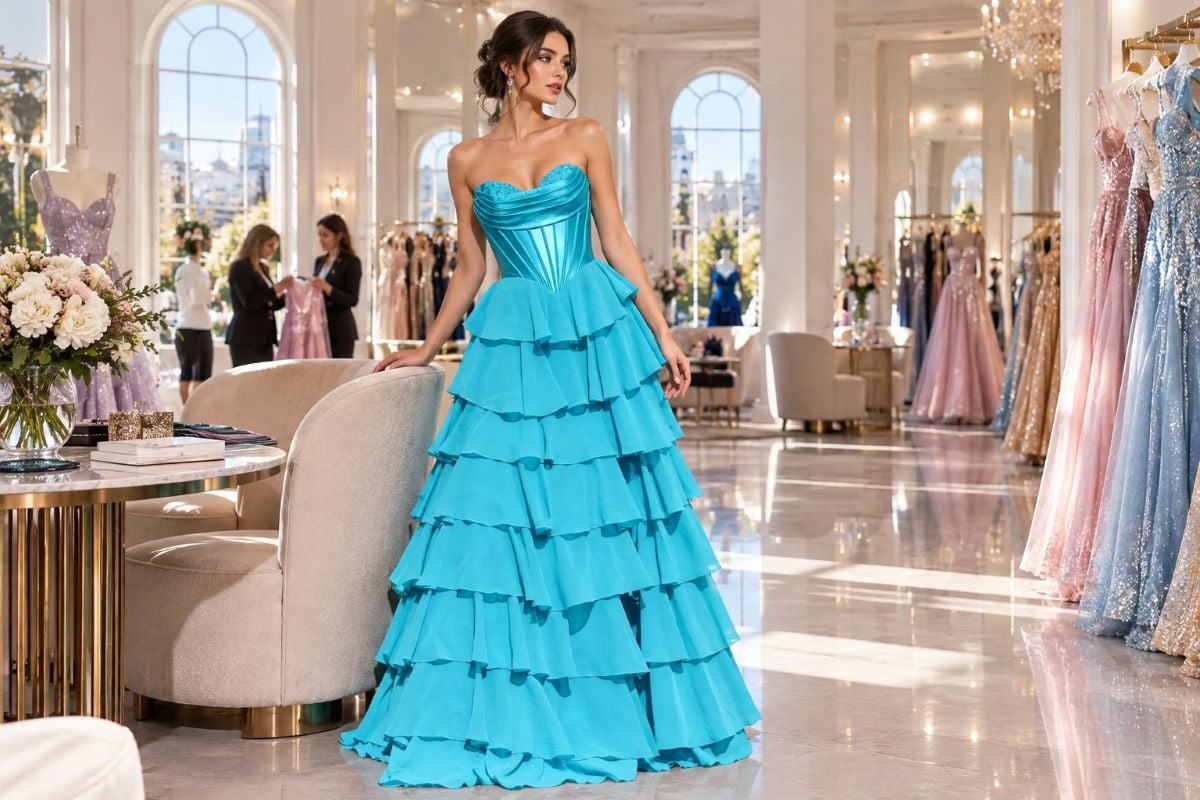
A line and ball gown silhouettes are more generous below the waist, which makes them easier to fit overall. The critical fit zone moves up to the bodice, the waist seam, and sometimes the shoulders. Skirt volume can hide minor hip variations, but a poorly fitted bodice on this kind of gown is just as obvious as on any other shape.
Sheath and Column Shapes
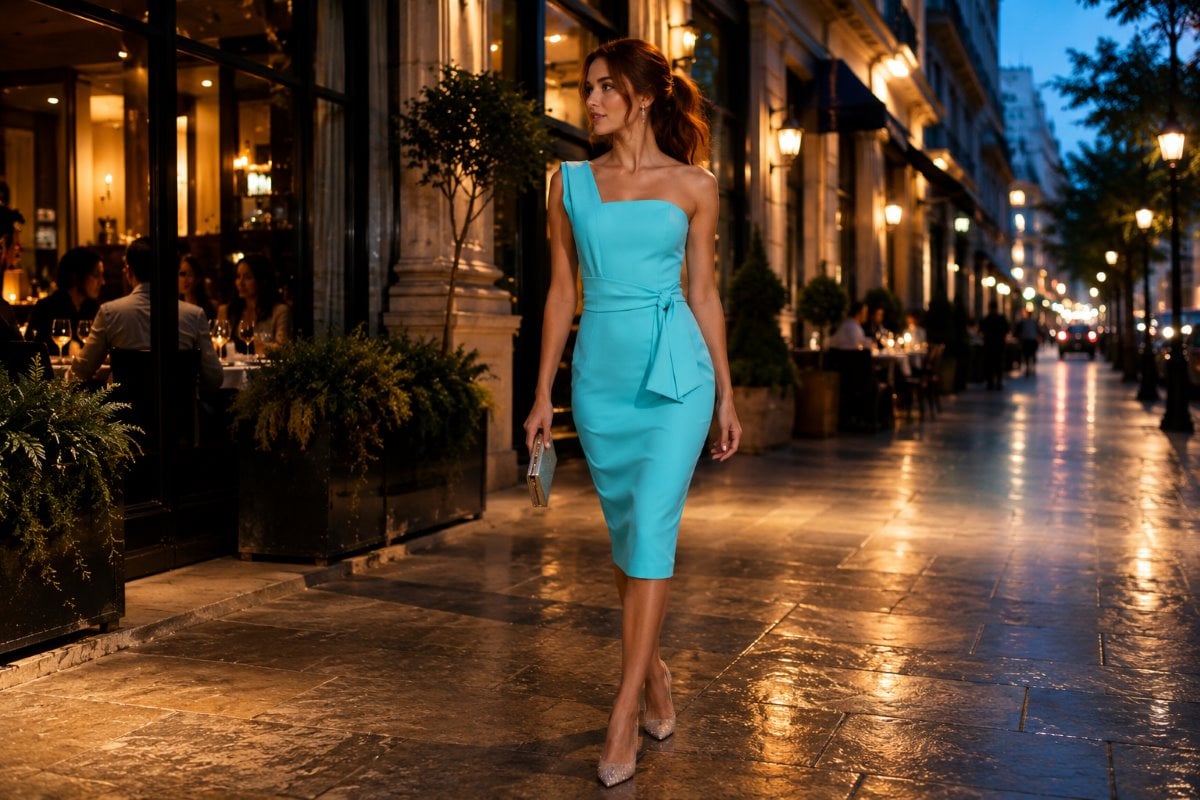
Sheath and column gowns fall straight from shoulder to hem. They look minimalist but they are surprisingly demanding because there is nowhere for the eye to be redirected. Any pulling at the bust, waist, or hip becomes visible immediately. These shapes reward precise measurements and good fabric quality, which is also true of well constructed cocktail attire, where shorter lengths leave little room for fit compromises.
Fit Considerations by Body Type
Petite Frames
Petite figures often run into length issues first. A standard floor length gown has a specific torso to skirt ratio, and on a shorter frame that ratio shifts. Hems may need to come up significantly, and skirt volume meant to flare below the knee may end up flaring at mid thigh. Choosing styles cut for petite proportions, or budgeting for hem alterations, prevents the dress from overwhelming the frame.
Tall Frames
Tall figures face the opposite problem. The bodice may sit too high, the natural waist seam may land above the actual waist, and the hem may finish shorter than intended. Length is harder to add than to remove, so tall wearers benefit from gowns made with extra length built in or from styles where the silhouette is more forgiving on proportion.
Curvy and Plus Size Frames
For curvy figures, the priority is structure. Well constructed plus size evening dresses with proper boning, a defined waist seam, and quality fabric will always fit better than a gown that relies on stretch alone. This is one area where Jovani’s design philosophy stands out, with patterns developed specifically for fuller figures rather than scaled up versions of straight size cuts. The result is a more confident fit through the bust, waist, and hip, where curvy wearers are most likely to encounter evening dress fit issues.
Smart Habits Before You Buy an Evening Dress
Get Properly Measured
Get measured properly before you start shopping. Bust, waist, hip, and torso length matter more than a generic dress size, and sizing varies between designers. A measurement chart is more reliable than the size you usually wear, and most reputable formal wear brands publish detailed sizing guides for exactly this reason.
Bring the Right Undergarments and Shoes
Bring the actual undergarments and shoes you plan to wear to your fitting. A strapless bra changes bust fit, shapewear changes waist measurement, and heel height changes hem length. Try sitting, walking, and raising your arms in any gown you are seriously considering. A dress that fits in a static pose but pulls the moment you move will pull all night.
Match the Dress to the Event
It also helps to think about the event. A wedding guest looking at mother of the bride gowns will have different fit priorities than someone shopping for a gala or a charity event. Knowing how long you will be on your feet, whether you will be dancing, and how the room temperature might affect comfort all influence which fit details matter most.
When Evening Dress Alterations Are Worth It
A skilled tailor can correct most evening dress fit issues if the structural bones of the gown are right. Taking in a waist, adjusting straps, hemming a skirt, and reshaping a bodice are routine alterations. What a tailor cannot easily do is add fabric where there is none, change a silhouette entirely, or correct a gown that is several sizes off. The smarter approach is to choose a dress that fits well in the most critical zone for that silhouette, then refine the rest through alteration.
Evening dress alterations also take time. Most reputable seamstresses ask for at least two to three weeks for formal wear, with a follow up fitting before the event. Building that timeline into your shopping schedule prevents last minute panic, and it gives you room to make adjustments if the first round of alterations is not quite right. For heavily beaded or embellished gowns, the timeline can stretch further, since each adjustment requires hand work to preserve the surface detail.
FAQs About Evening Dress Fit
1. What is the most common evening dress fit issue?
Bust gaping is the most common fit issue, especially on strapless and sweetheart necklines. It usually means the bodice cup is sized for a fuller shape than the wearer, and it almost always shows up in photos even when it seems minor in the fitting room mirror.
2. How long do evening dress alterations usually take?
Plan for two to three weeks for standard alterations, sometimes longer for more complex changes like reshaping a bodice or adjusting beaded fabric. A follow up fitting before the event is strongly recommended.
3. Should I buy an evening dress in a smaller size and have it taken in?
No. It is easier for a tailor to take a dress in than to let it out, but starting too small often means stress on seams and visible pulling that alterations cannot fully fix. Buy the size that fits your largest measurement, then tailor the rest.
4. How do I know if a dress fits properly in the bust?
The neckline should sit flush against your skin without gaps, and the fabric across the chest should be smooth with no horizontal pulling. Raise your arms and twist gently. If the bodice shifts or rides up, the fit is not right.
5. Can fit issues be fixed after the dress arrives, or should I return it?
Minor issues like length, waist intake, and strap adjustments are easily handled by a tailor. Bigger problems like a wrong silhouette for your body, a bodice multiple sizes off, or major shoulder structure issues are usually a sign to return the dress and start again.