
Shopping for cotillion dresses starts with a trick question, because “cotillion” means two different events wearing the same name. For most families it is a season of etiquette and dance classes for tweens ending in a dressy dance; for others it is a formal debutante presentation with a white gown and long gloves. The dress rules for the two barely overlap, so this guide sorts out which cotillion you have first, then dresses each one properly.
What Is a Cotillion, Exactly?
A cotillion is a formal social tradition with two modern forms. The first is an etiquette program: a series of classes where tweens and teens learn manners, conversation, and ballroom basics, closing with a semi-formal dance. The second is a presentation ball, also called a debutante cotillion, where young women are formally introduced to their community in floor-length gowns.
The name itself comes from an eighteenth-century French social dance, which is why dancing sits at the heart of both versions. Cotillion traditions run deep across the American South and in long-standing programs organized by community and service organizations, including celebrated cotillions in Black communities, and every program writes its own dress code, so the invitation always outranks any general rule.
Cotillion Dresses for the Etiquette-Class Kind
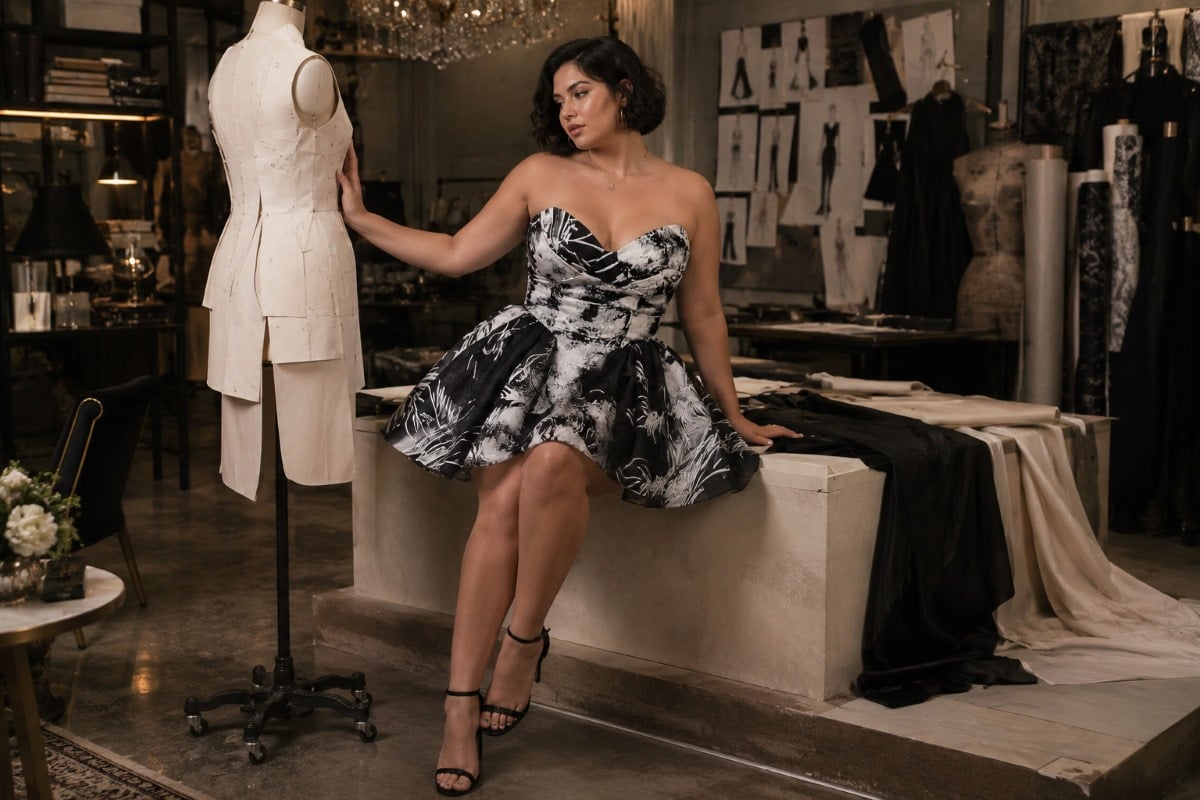
For class-series cotillions, think church-nice rather than red-carpet: most programs ask for knee-length or tea-length party dresses in soft colors or classic prints, with covered shoulders or a modest neckline, and shoes a girl can actually dance in. The tween range of girls dresses covers this brief exactly, and one dress usually serves the entire class season with rotation help from a cardigan or sash. White gloves appear on many class-cotillion checklists too, a small tradition that teaches the formality the program exists to pass down.
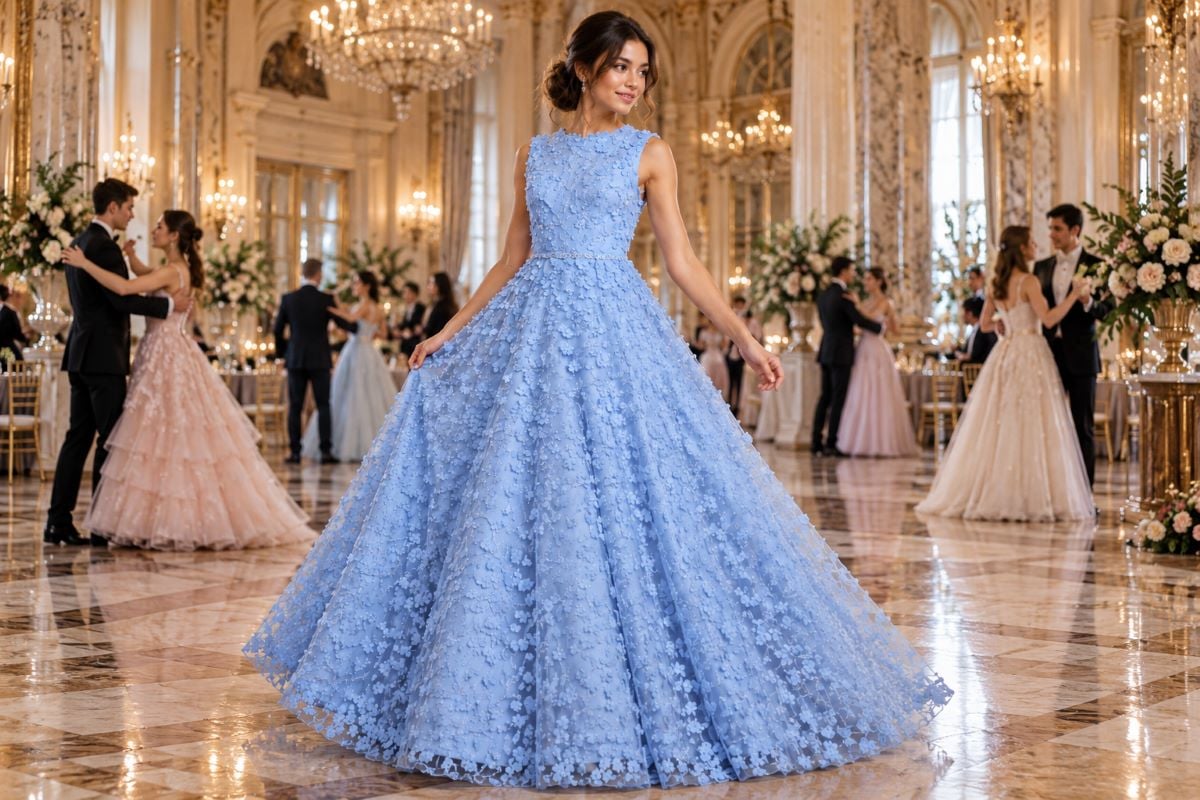
For the closing dance or a spring cotillion ball, the dress can step up half a level while keeping the same modesty math. Structured a-line evening dresses in tea length give a young teen the twirl the night deserves without fighting the program’s dress code, and the silhouette flatters every stage of growing into it.
Dresses for the Debutante Cotillion
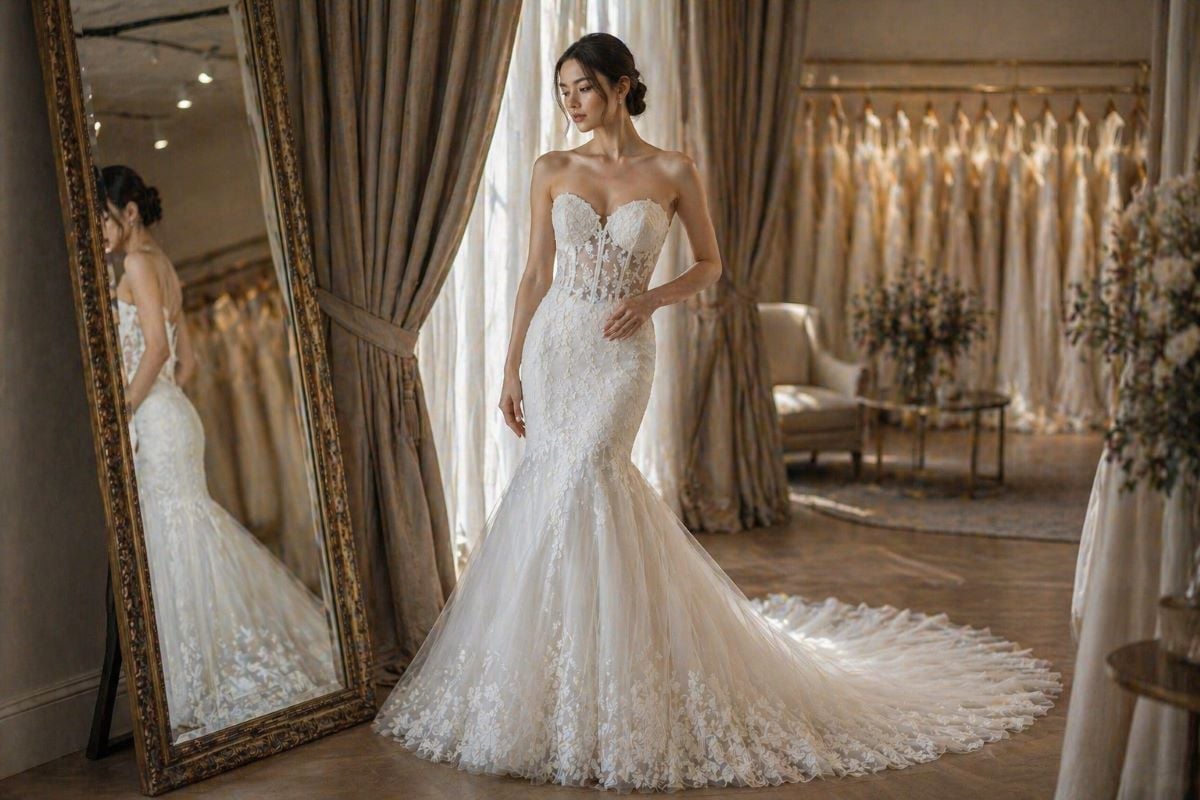
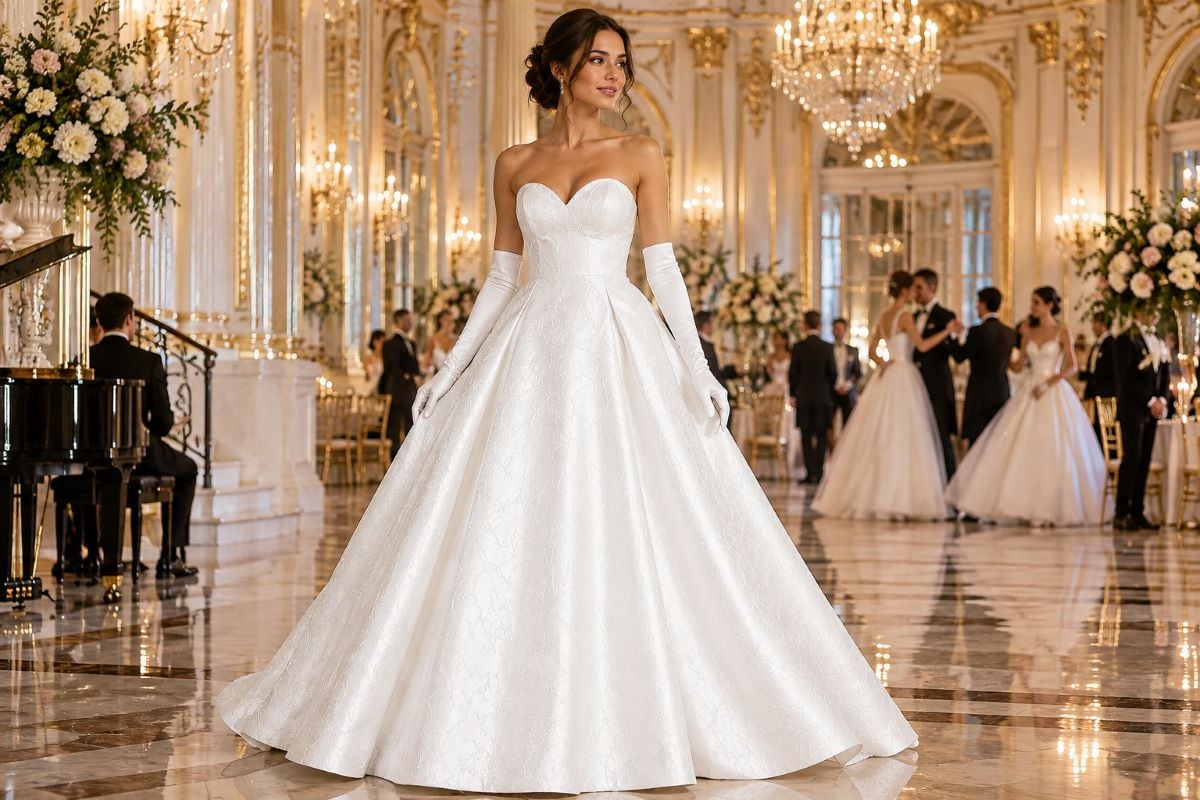
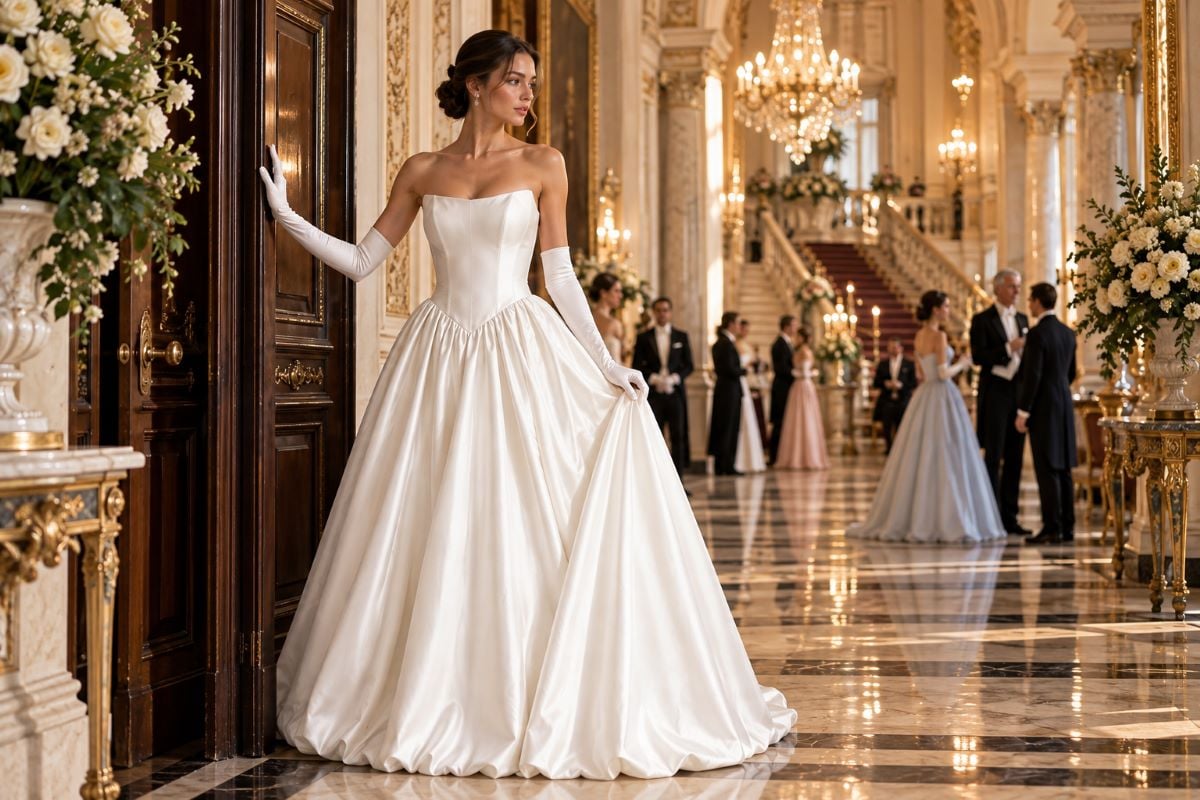
The presentation ball flips the formula: floor length, formal, and traditionally white or ivory. The classic uniform is a white ballgown or full A-line with long gloves, and white evening dresses built with structured bodices and clean trains are exactly the category to shop.
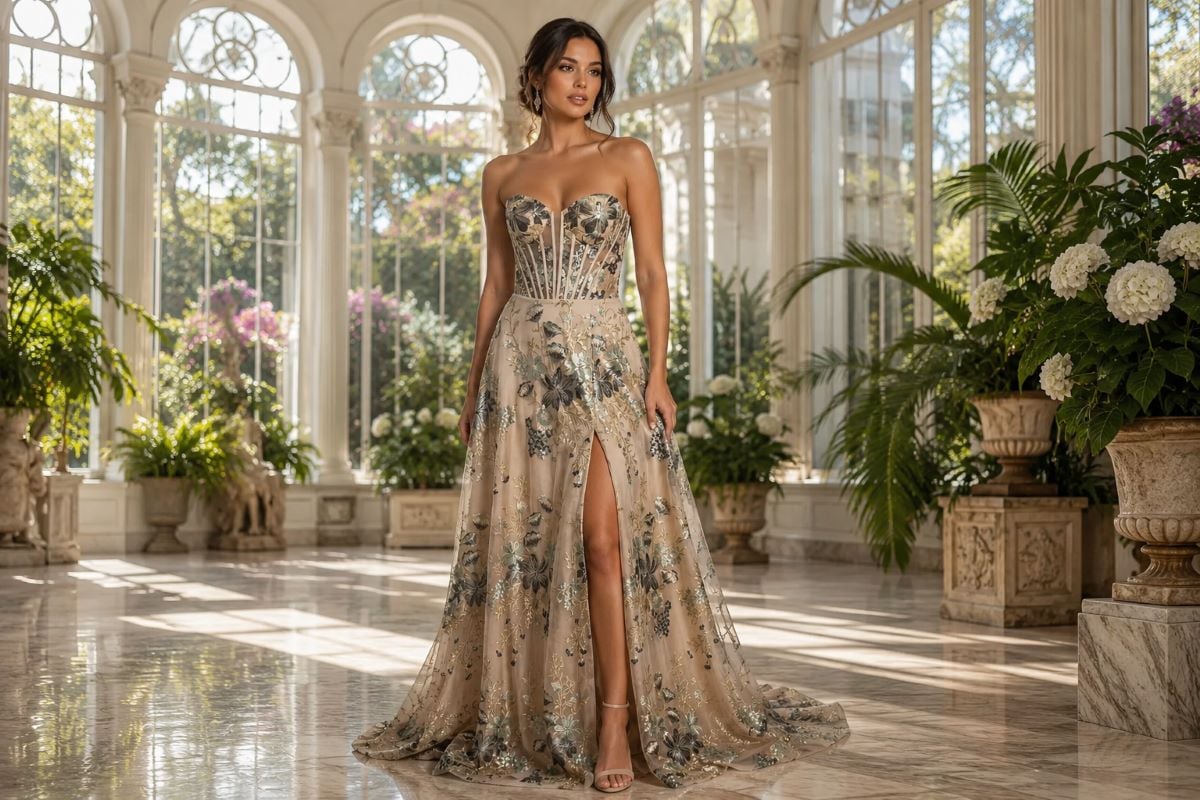
Necklines matter here, since many presenting organizations ask for modest cuts for the ceremony itself; the modest evening dresses range solves the ceremony and still dances beautifully afterward.
Our full debutante ball dress guide goes deep on that version of the night, from silhouette tradition to the bow itself, so if your invitation says presentation, continue there after this overview.
The Glove Question
Gloves are the accessory cotillions are famous for, and the rule is simpler than it looks: short white gloves for class programs and daytime events, long white gloves above the elbow for formal presentation balls, and always removed for eating. Fit them snug enough to stay smooth through a waltz, and practice the dance holds wearing them once before the night. For the formal version, our evening gown gloves guide covers lengths, fabrics, and how gloves change the look of a gown’s neckline.
Where Cotillion Fits in the Milestone Family
Parents comparing traditions can place cotillion on a simple map. A quinceanera and a sweet sixteen celebrate one girl’s birthday with her court and her party; a cotillion celebrates a group milestone, either a class completing its program or a season of debutantes being presented. The wardrobe logic rhymes across all of them, so families often shop the sweet sixteen dresses range for an older teen’s cotillion dance and get two occasions out of one gown.
And for the middle-school crowd, the cotillion dress often moonlights at the next milestone anyway; our 8th grade graduation dresses guide shows how far one well-chosen tea-length dress can travel.

Read the Invitation, Then the Room
Whichever cotillion is yours, two habits prevent every wardrobe mistake. First, treat the program’s cotillion dress code as law, because organizations vary and the invitation is the only rule that counts. Second, dress for the dancing: every cotillion, from a sixth-grade class to a white-gown ball, ends on a dance floor, so hems, straps, and shoes all have to survive a foxtrot. When in doubt between two options, the more classic one is always the safer cotillion answer.
One Tradition, Two Dress Codes
Cotillion dresses stop being confusing the moment you name your version: knee-length, modest, and dance-ready for the etiquette-class kind, floor-length white with long gloves for the debutante kind, and the invitation as referee for both. Solve that fork and the rest is ordinary dress shopping with better posture. Try either version on in person at an authorized Jovani retailer near you, and bring the gloves.
Cotillion FAQ
What is a cotillion?
A cotillion is either an etiquette and ballroom-dance program for tweens and teens ending in a formal dance, or a debutante presentation ball where young women are formally introduced to their community. The name comes from an eighteenth-century French social dance.
What do you wear to a cotillion?
For class-program cotillions, a knee-length or tea-length modest party dress with dance-friendly shoes, often with short white gloves. For a debutante cotillion, a floor-length white or ivory gown with long gloves.
What is the difference between a cotillion and a debutante ball?
A debutante ball is the formal presentation event itself, while cotillion can mean either that ball or the etiquette-class program that has no presentation. Many communities use the words interchangeably for the white-gown version.
Do you have to wear white to a cotillion?
Only for debutante presentations, where white or ivory is the tradition. Class-program cotillions welcome soft colors and prints, as long as the dress meets the program’s modesty and length guidelines.