
Finding the perfect formal dress is an exciting journey that goes far beyond selecting a beautiful silhouette or a luxurious fabric. One of the most transformative elements of any formal garment is its hue. The right shade has the power to illuminate your face, enhance your natural glow, minimize perceived imperfections, and make you look instantly more vibrant. When you begin searching for the perfect evening dress color for your skin tone, the objective is to find a shade that works in perfect harmony with your natural complexion rather than competing with it or washing it out.
Understanding how to select the ideal evening dress color for your skin tone is a styling secret utilized by top fashion experts, celebrity stylists, and red-carpet veterans. The perfect color creates a visual synergy where the wearer and the gown look like a unified masterpiece. Jovani designers spend countless hours perfecting fabric dyes—from deep, light-absorbing velvets to luminous satins—to ensure every color palette interacts beautifully with a diverse range of complexions. By understanding the basics of color theory, the way light interacts with fabric, and your own natural coloring, you can confidently select a gown that empowers you to look and feel your absolute best.
The Basics of Skin Tones and Undertones
Before diving into seasonal color analysis or specific palettes, it is essential to distinguish between your surface skin tone and your underlying undertone. Your surface tone is the color you describe yourself as having externally, such as fair, medium, olive, or dark. This surface layer can naturally shift throughout the year; you might appear paler in the winter and develop a deep tan during the summer months.
Your undertone, however, is the subtle, permanent hue beneath the surface of your skin that never changes, regardless of sun exposure or age. Undertones are dictated by the natural levels of melanin and carotene in your body, and they generally fall into three distinct categories: cool, warm, and neutral.
How to Find Your Undertone
Identifying your undertone is the crucial first step in your styling journey. A simple, industry-standard method is the vein test: observe the veins on the inside of your wrist under natural, uncolored sunlight. If they appear distinctly blue or purple, you lean toward cool undertones. If they look green, the yellow in your skin is mixing with the blue of the veins, indicating warm undertones.
Another highly effective indicator is the jewelry test. If bright silver or platinum jewelry makes your skin look awake and healthy, you likely lean cool. If pure gold jewelry enhances your natural glow, you are warm. Knowing this foundational information makes it completely effortless to identify which color families will flatter you the most.
Cool Undertone Dress Colors
Women with cool undertones typically have distinct hints of pink, red, or bluish hues beneath their skin. Finding the right evening dress color for your skin tone in this category means matching these subtle hints. The most flattering palettes for this profile draw inspiration from the depths of the ocean, dramatic jewel tones, and crisp, icy winter landscapes. Think of frosty pastels and deep, saturated hues that provide a striking contrast without visually overpowering the wearer.
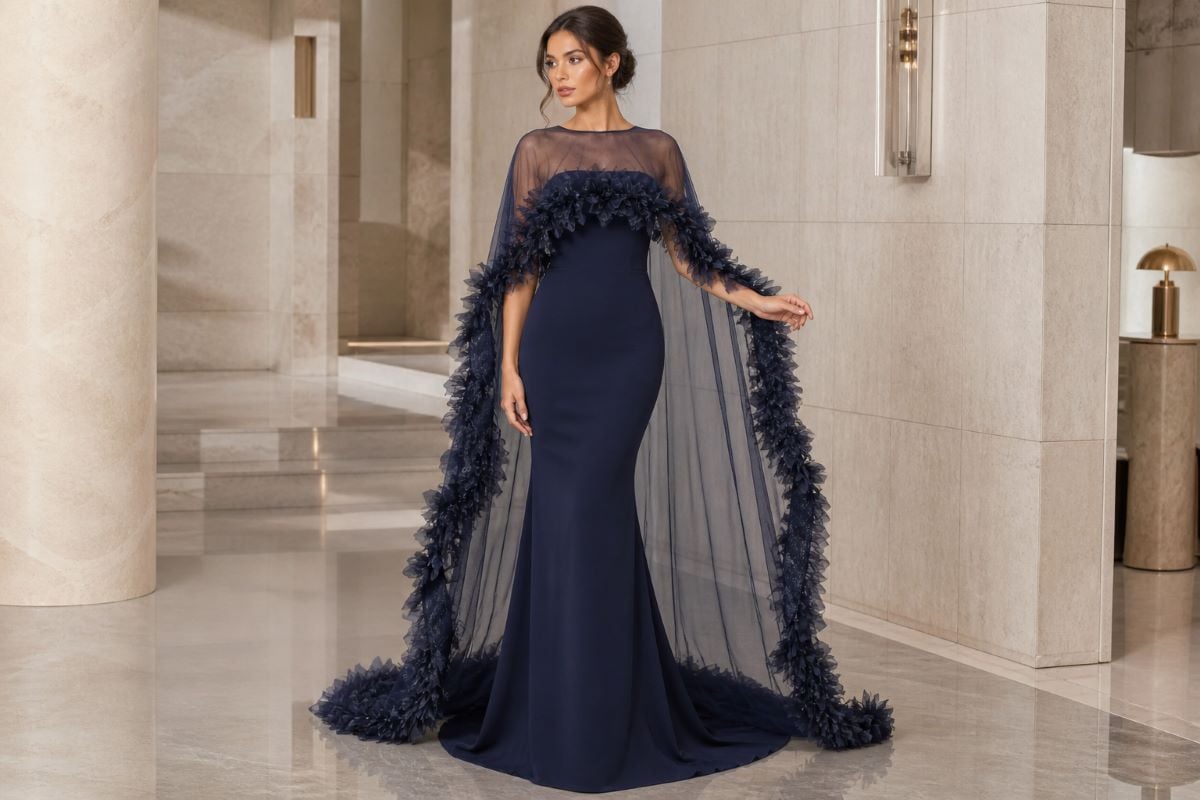
A universally celebrated and incredibly elegant choice for this complexion is navy, royal blue, or sapphire. Exploring collections of blue evening dresses often yields the absolute perfect match for cool complexions, as the blue base of the dyed fabric harmonizes perfectly with the inherent cool tones of the skin. Deep emerald greens and rich amethyst purples are also spectacular jewel tones that bring this profile to life.
Best Dress Colors for Pale Skin
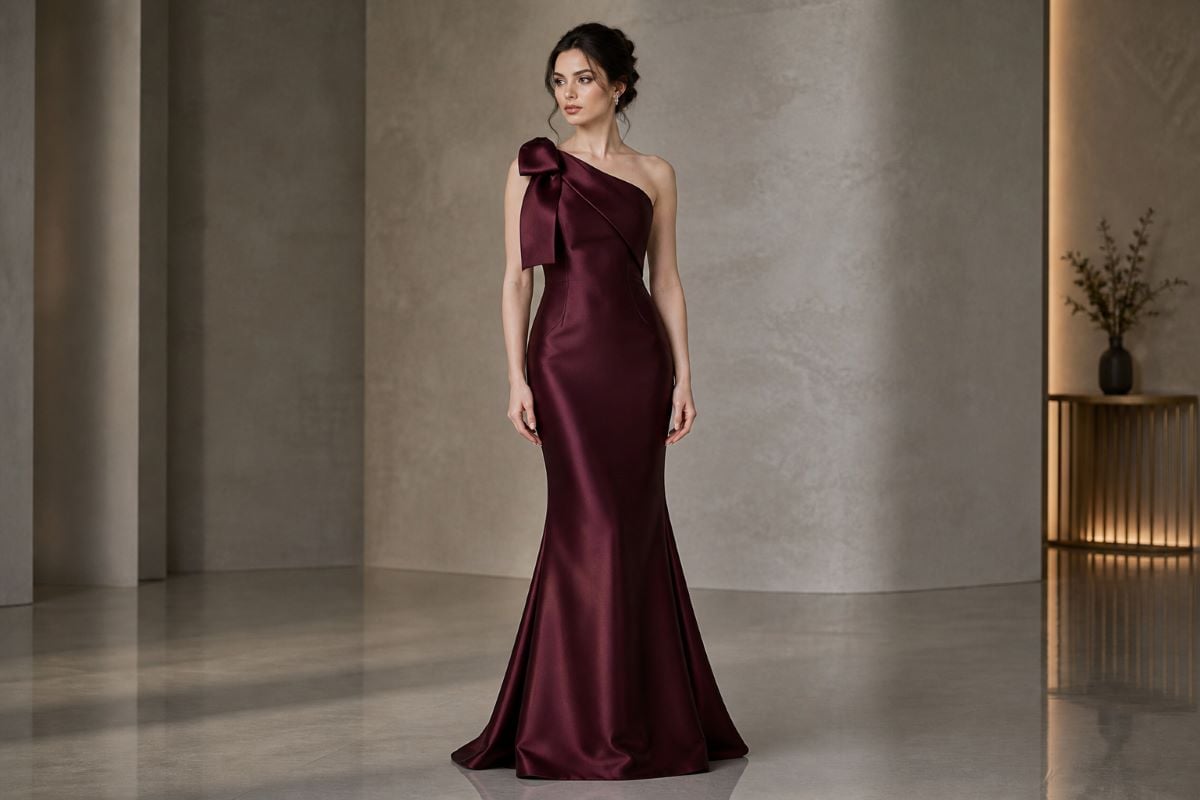
When searching for the best dress colors for pale skin, the primary objective is to create a deliberate contrast that prevents the complexion from appearing washed out or ghostly. Fair skin, especially when paired with cool undertones, looks exceptionally vibrant and aristocratic against rich, highly saturated hues.
Deep shades bring immediate warmth and vitality to a pale face. A bold, cinematic gown from a selection of red evening gowns creates a dramatic elegance that acts as a striking focal point, framing the face beautifully. Conversely, stark whites and very light pastels can blend too closely with a light complexion. If you prefer unapologetic, classic elegance, black formal dresses provide a sophisticated, high-contrast silhouette that creates a timeless and highly photogenic aesthetic.
Formal Dresses for Warm Undertones
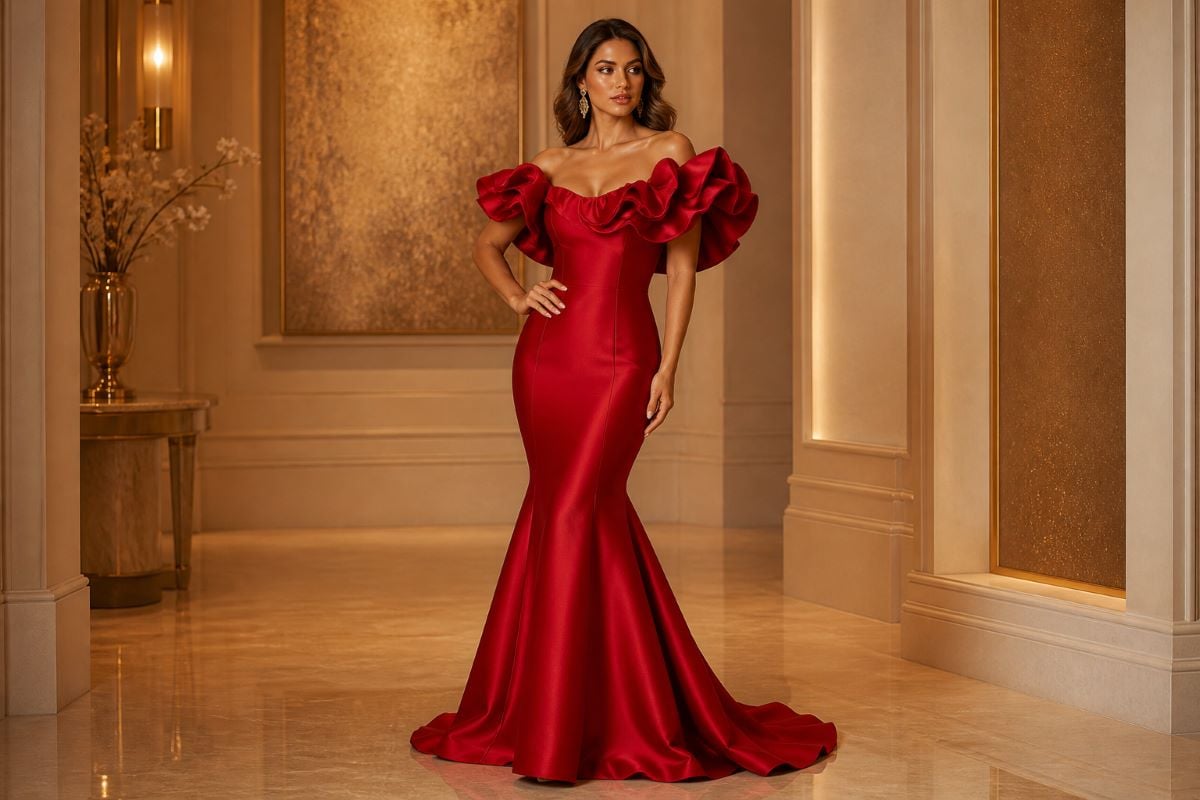
If your complexion features peachy, yellow, or golden undertones, you belong to the warm category. The most stunning formal dresses for warm undertones draw deep inspiration from earthy elements, autumn leaves, rich spices, and golden hour lighting. Colors like amber, warm coral, terracotta, rust, and golden mustard naturally enhance the built-in warmth of your skin, creating a cohesive and glowing look.
Vibrant, sunny hues look absolutely spectacular on this profile. Lively yellow prom dresses and evening gowns can make warm-toned skin appear radiant, mimicking a natural, sun-kissed glow regardless of the actual season. Warm complexions also look incredibly chic in deep, earthy greens like olive and moss.
Colors That Flatter Olive Skin
Olive skin is characterized by a complex combination of natural warmth paired with slightly greenish or yellow-green undertones. This highly versatile complexion can carry off an array of shades that other skin tones might struggle with.
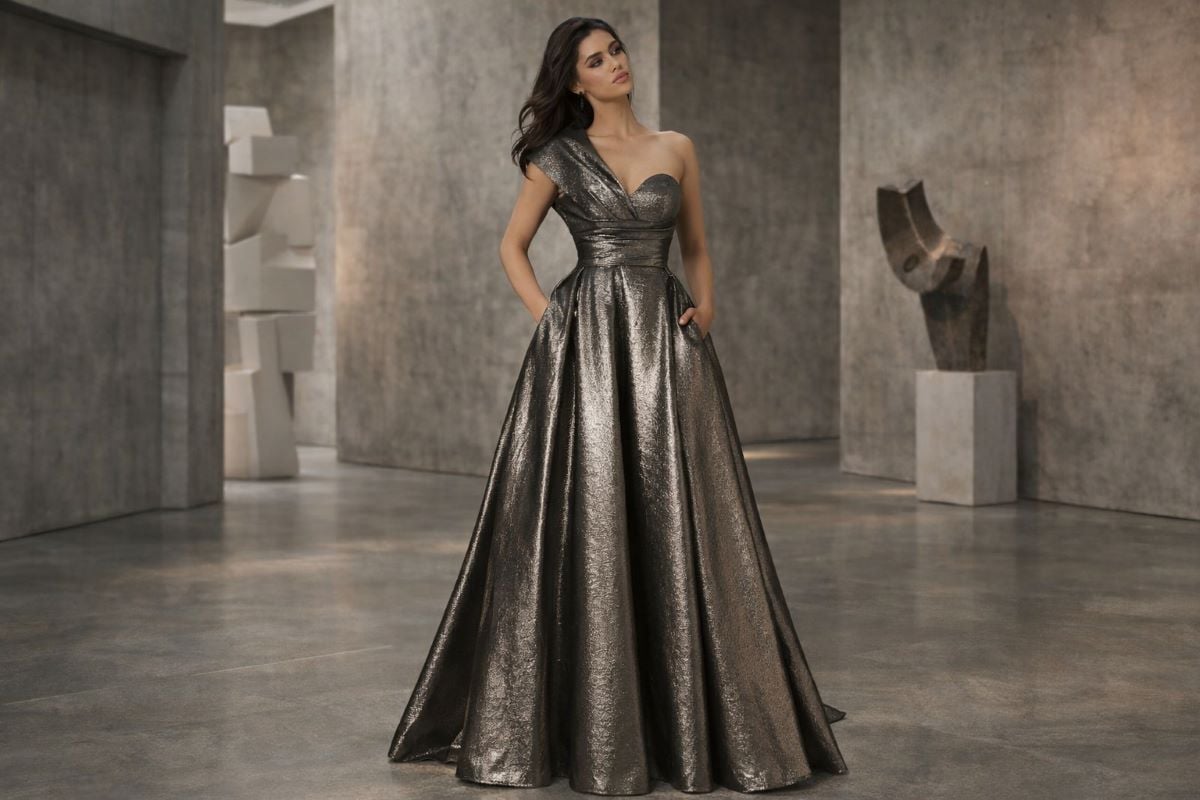
The most striking colors that flatter olive skin include bold tones that cut through the green undertones to provide a stunning contrast. Magenta, rich emerald, deep plum, and true fuchsia are spectacular choices. Because olive skin holds a natural depth, it also looks incredibly chic in muted, earthy palettes that reflect its own natural hues, such as sophisticated taupe or rich bronze.
Deep Complexions: Evening Gowns for Dark Skin Tones
Deep, rich complexions have the incredible sartorial advantage of looking breathtaking in both highly saturated neon brights and deeply romantic, moody dark hues. When browsing evening gowns for dark skin tones, vibrant colors like cobalt blue, hot fuchsia, bright coral, and amethyst purple create a spectacular visual impact. These intense, highly pigmented shades pop beautifully against deep skin, offering a striking red-carpet aesthetic.
High-shine fabrics and brilliant, heavy embellishments look particularly stunning against deeper complexions. Glistening metallic prom gowns in shades of rose gold, bronze, or shimmering silver create a dazzling contrast. The metallic threads catch the light and highlight the flawless finish of dark skin, ensuring the wearer remains the center of attention. Selecting the ideal evening dress color for your skin tone in this range guarantees that your complexion remains bright, defined, and luminous.
Choosing the Right Dress Color for Neutral Undertones
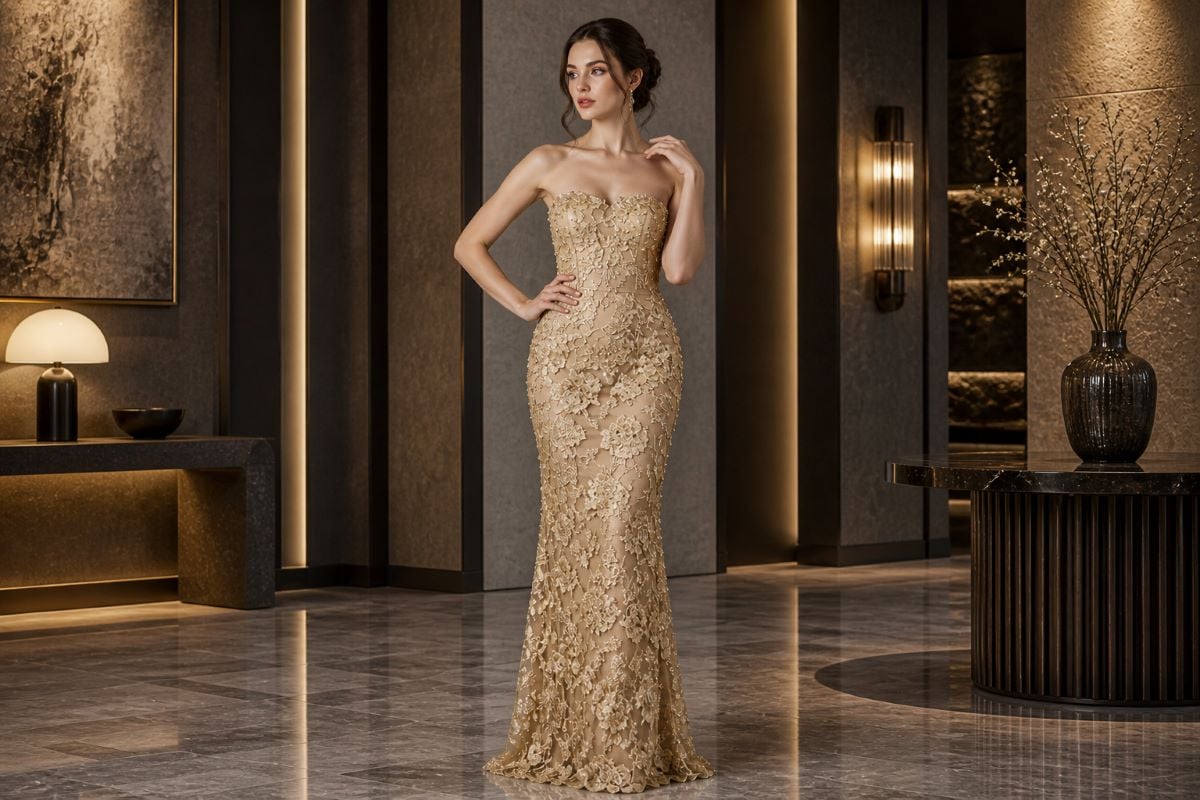
If your vein test was inconclusive and you find that both silver and gold jewelry suit you equally well, you likely possess neutral undertones. This coveted profile gives you the flexibility to wear almost any color on the visible spectrum with confidence.
However, true neutral complexions often look their absolute best in softened, complex, or muted shades rather than jarring neons. Colors like dusty pink, jade green, soft lagoon blue, and slate gray are exceptionally flattering. Because you sit right in the middle of the color wheel, you can confidently pull from both warm and cool color families depending entirely on your personal style preference.
The Impact of Fabric Quality on Color
It is vitally important to remember that the way a color interacts with your skin is heavily influenced by the physical fabric of the gown itself. A specific shade of emerald green dyed into a matte stretch crepe will look vastly different than that exact same shade applied to a luminous liquid satin or a heavily beaded tulle overlay.
Jovani utilizes premium materials because high-quality fabrics interact with and reflect light in a way that dramatically enhances a color’s depth. Heavy fabrics like velvet absorb light, making colors appear richer, darker, and more profoundly saturated. On the other hand, silk reflects light, making colors appear brighter and more fluid. Trusting an expert design house ensures that your chosen evening dress color for your skin tone remains vibrant and true to its intended shade under both natural daylight and the warm glow of an indoor chandelier.
About Dress Colors and Skin Tones FAQs
1. Are there any universally flattering dress colors?
Yes, certain colors strike a perfect balance between warm and cool, making them flattering on almost everyone regardless of their specific undertones. True teal, aubergine (a rich eggplant purple), soft blush pink, and a classic true red tend to look beautiful and harmonious across all complexions.
2. Can I wear a color that is not recommended for my undertone?
Absolutely. Color “rules” are helpful styling guidelines, not strict laws. If you fall in love with a color that theoretically clashes with your undertone, you can make it work through clever styling. Try wearing the challenging color further away from your face or adjusting your makeup with a cooler or warmer foundation to bridge the visual gap.
3. How does a spray tan or natural sun tan affect my dress color choice?
Getting a tan changes your surface skin tone by making it darker, but it does not change your fundamental undertone. If you have cool undertones and get a spray tan, you will simply have dark, cool-toned skin. You should still generally stick to your recommended cool, warm, or neutral color families for the most flattering, natural-looking result.
4. Does venue lighting affect how my dress color looks against my skin?
Lighting plays a massive, often underestimated role in color perception. Warm, indoor ballroom lighting can bring out the yellow hues in a dress, potentially altering how a cool-toned gown looks. Conversely, outdoor, natural daylight will show the truest version of the color. Always test your dress near natural light if possible before making a final decision.
If you are ready to find a spectacular gown that perfectly illuminates your natural beauty, explore your options at an authorized Jovani retailer to discover the ultimate evening dress color for your skin tone in person.