
Pageant Hair and Makeup: Pairing Your Look to Your Gown Color
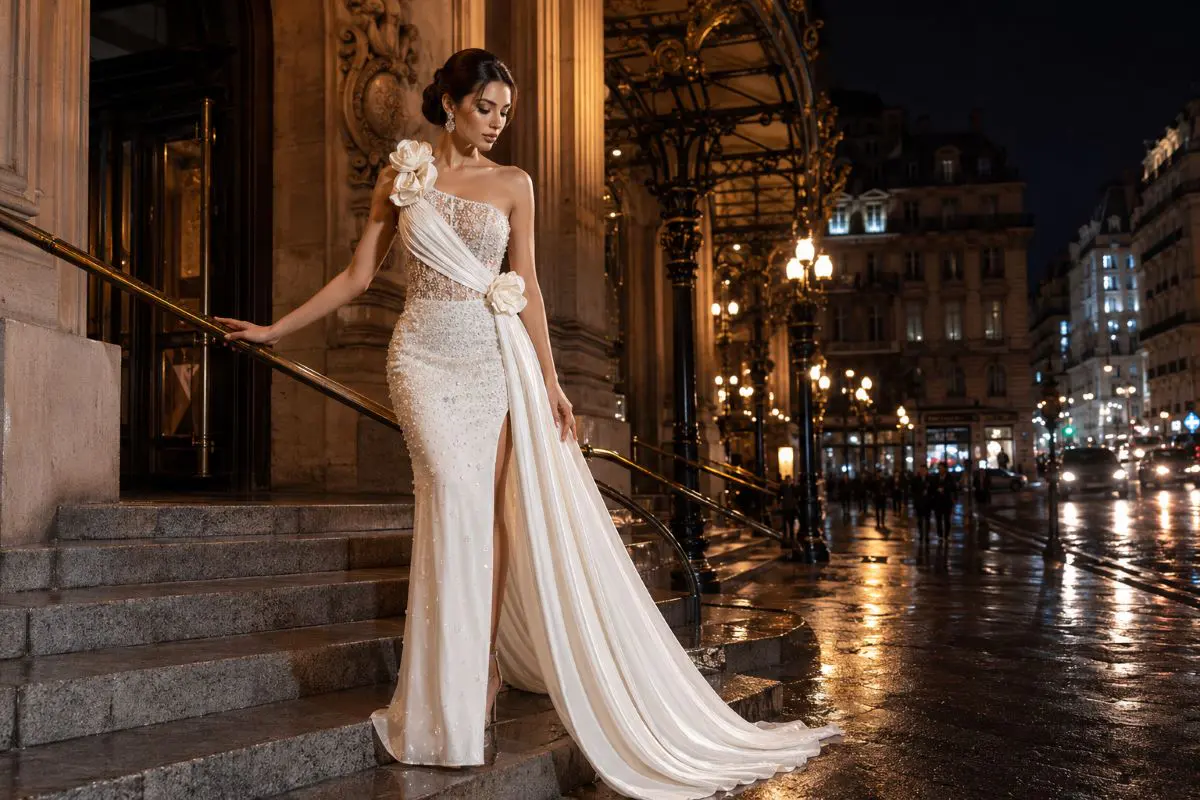
On a pageant stage, the gown gets the attention, but the hair and makeup are what tie the whole look together and make it read from the audience and the judges' table. The most polished contestants treat hair, makeup, and gown as one coordinated look rather than three separate decisions, and the gown's color is the thread that connects them. A warm gold gown calls for different makeup than a cool sapphire one, and the hair that frames a dramatic red gown is not always the hair that suits a soft blush. This guide walks through how to pair pageant hair and makeup to your gown color, covering warm and cool gowns, classic shades like red, black, and white, jewel tones and pastels, and how to keep the whole look cohesive, balanced, and camera-ready under bright stage lighting.
Why gown color guides hair and makeup
Gown color guides pageant hair and makeup because the three elements read as a single look on stage, and the color is what unifies them. A coordinated look, where the makeup tones and the hair complement the gown's color, reads as polished and intentional, while a mismatched look can read as disconnected even when each piece is beautiful on its own.
The gown's color sets the temperature and mood of the whole look, which the hair and makeup should support rather than fight. A warm-toned gown calls for warmer makeup tones, while a cool-toned gown calls for cooler ones, since matching the temperature keeps the look harmonious. Pageant makeup also has to read under bright stage lighting and from a distance, so the gown color helps guide choices that photograph and project well. The range of pageant gowns shows the range of gown colors a contestant might choose, and each one suggests a particular direction for hair and makeup.
Warm gowns versus cool gowns
The first and most useful distinction in pairing pageant makeup to a gown is whether the gown is warm-toned or cool-toned, since this sets the temperature of the whole look. Understanding this helps a contestant choose makeup tones that harmonize with the gown.
Warm-toned gowns
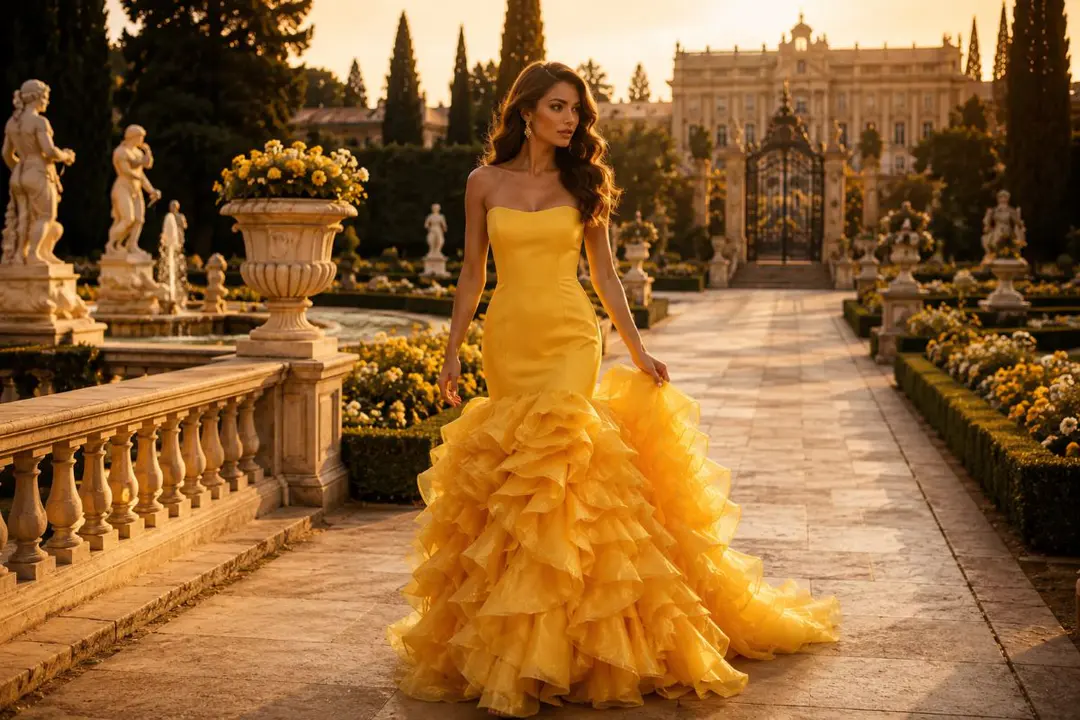
A warm-toned gown, in shades like gold, coral, warm red, peach, or champagne, pairs beautifully with warm makeup tones. Warm bronzes, golds, peaches, and warm browns on the eyes echo the gown's temperature, while a warm-toned blush and a lip in a warm red, coral, or nude keep the look harmonious. Warm metallics on the eyes also pick up a gold or champagne gown beautifully. For hair, warm tones suit soft, glamorous styles that complement the gown's richness. The principle is to keep the makeup in the same warm family as the gown, which makes the whole look read as cohesive and golden under stage lighting.
Cool-toned gowns
A cool-toned gown, in shades like sapphire, emerald, cool red, silver, or icy pastels, pairs beautifully with cool makeup tones. Cool silvers, taupes, plums, and cool-toned smoky shades on the eyes echo the gown's temperature, while a cool-toned blush and a lip in a blue-based red, berry, or rosy nude keep the look harmonious. Silver metallics pick up a sapphire or silver gown beautifully. The principle is to keep the makeup in the same cool family as the gown, which makes the whole look read as crisp and jewel-like on stage. Matching the temperature is what keeps a cool gown's look from feeling disconnected.
Pairing makeup to classic gown colors
Some gown colors are classics on the pageant stage, and each suggests a particular makeup direction. A red gown is bold and dramatic, so the makeup works best when it lets the gown lead, with a defined eye and a lip that complements rather than competes, often a softer nude or a red in the same temperature as the gown. A black gown is a dramatic, versatile backdrop that supports a strong makeup look, from a classic smoky eye to a bold lip, since the neutral gown can carry more drama on the face.
A white or ivory gown reads as fresh and elegant, suiting clean, luminous makeup with a glowing complexion and a soft eye, which keeps the look polished rather than heavy. The styles among black pageant dresses show how a dramatic neutral gown reads, which supports a strong, defined makeup look beautifully. Pairing the makeup to the specific gown color this way keeps the whole look intentional and balanced, letting the gown and the face work together rather than compete.
Jewel tones and pastels
Beyond the classics, jewel tones and pastels are popular pageant gown colors, and each suggests its own approach. A jewel-tone gown, in a rich emerald, sapphire, or ruby, is saturated and dramatic, so the makeup works best when it complements the gown's richness with defined but not competing color, often a neutral or tonal eye that lets the gown's color be the statement. The richness of a jewel gown reads beautifully against a polished, glowing complexion.
A pastel gown, in a soft blush, lavender, or powder blue, is gentle and romantic, so the makeup works best when it stays soft and fresh rather than heavy, with luminous skin, a soft eye, and a gentle lip that keeps the look harmonious with the delicate gown. Heavy, dark makeup can overwhelm a soft pastel gown, so balance matters. The red styles among red gowns show how a saturated warm color reads, which helps a contestant picture the makeup direction it suggests.
In the same way, the blue styles among blue gowns show how a saturated cool color reads, which suggests a cool-toned makeup direction to keep the whole look harmonious.
Choosing hair that frames the gown
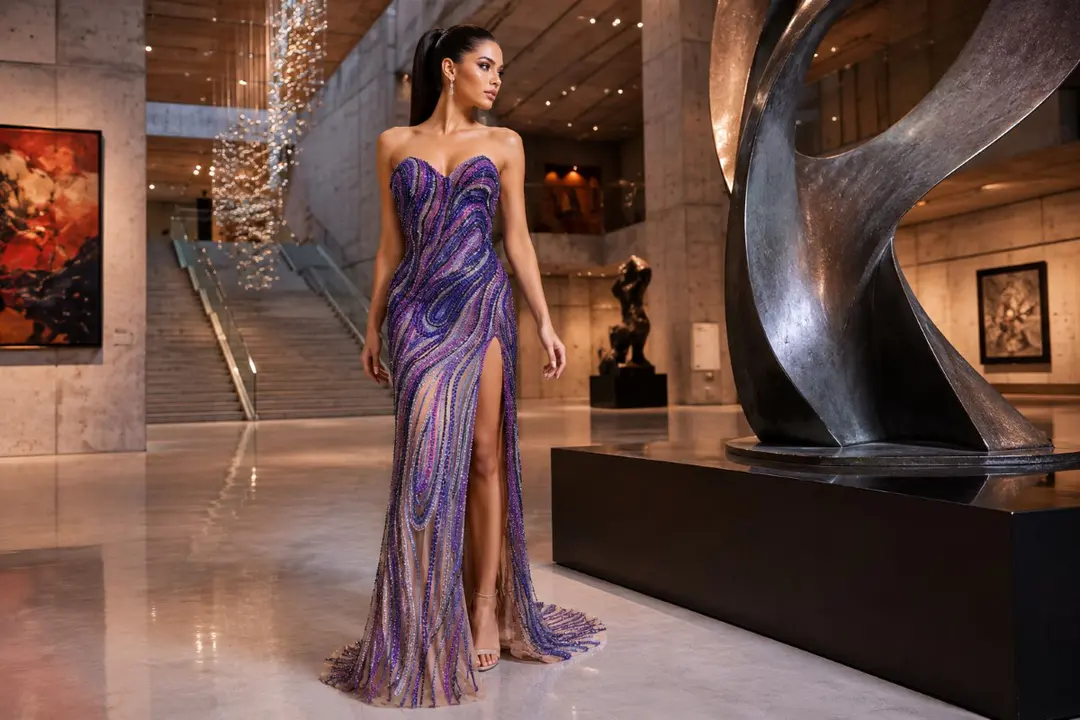
Hair frames the face and the gown, so the hairstyle works best when it complements both the gown's color and its neckline. A gown with a detailed or high neckline often pairs beautifully with an updo, which keeps the neckline visible and frames the face cleanly, while a simpler neckline can carry hair worn down or half-up. The gown's color also plays a role, since a dramatic, saturated gown is often balanced by a clean, polished hairstyle that does not compete, while a softer gown can carry a softer, more romantic style.
For the pageant stage specifically, hair needs to read from a distance and stay in place through the competition, so a polished, secure style matters as much as a pretty one. A style that frames the face and keeps the focus there helps a contestant connect with the judges. The guide to hairstyles for formal gowns covers how to choose a style that complements a gown, which applies directly to pairing hair with a pageant gown's color and neckline.
Keeping the whole look cohesive on stage
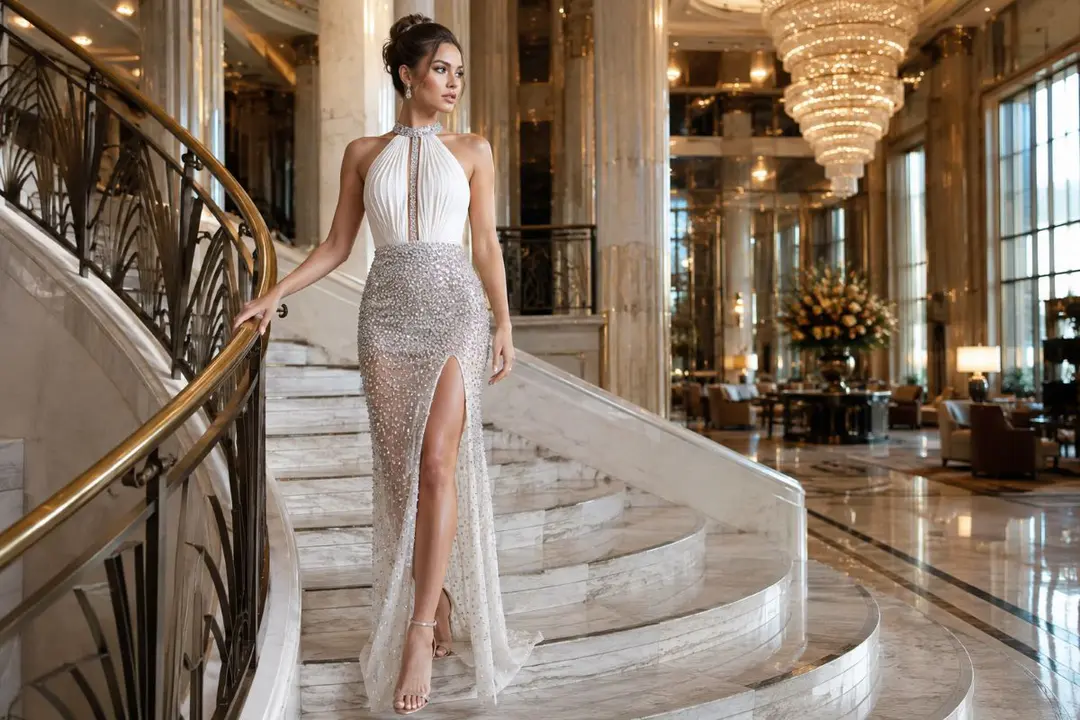
The goal of pairing hair and makeup to a gown color is a cohesive look that reads as one polished whole on stage, which comes down to balance. The most important principle is that the three elements should support each other rather than compete, with the gown's color setting the direction and the hair and makeup harmonizing with it. A balanced look lets the contestant, not any single element, be the focus.
Balance also matters between drama and freshness, since pageant lighting is bright and the look needs to read from a distance without becoming heavy. A defined eye paired with a softer lip, or a bold lip paired with a softer eye, keeps the makeup balanced and camera-ready. Coordinating the makeup color with the gown, choosing hair that frames the face and neckline, and keeping the whole look balanced is what makes a pageant look read as polished and intentional. For more on how the makeup color itself relates to the gown, the guide to choosing eyeshadow to match your outfit covers how to pair color, which applies directly to a pageant gown.
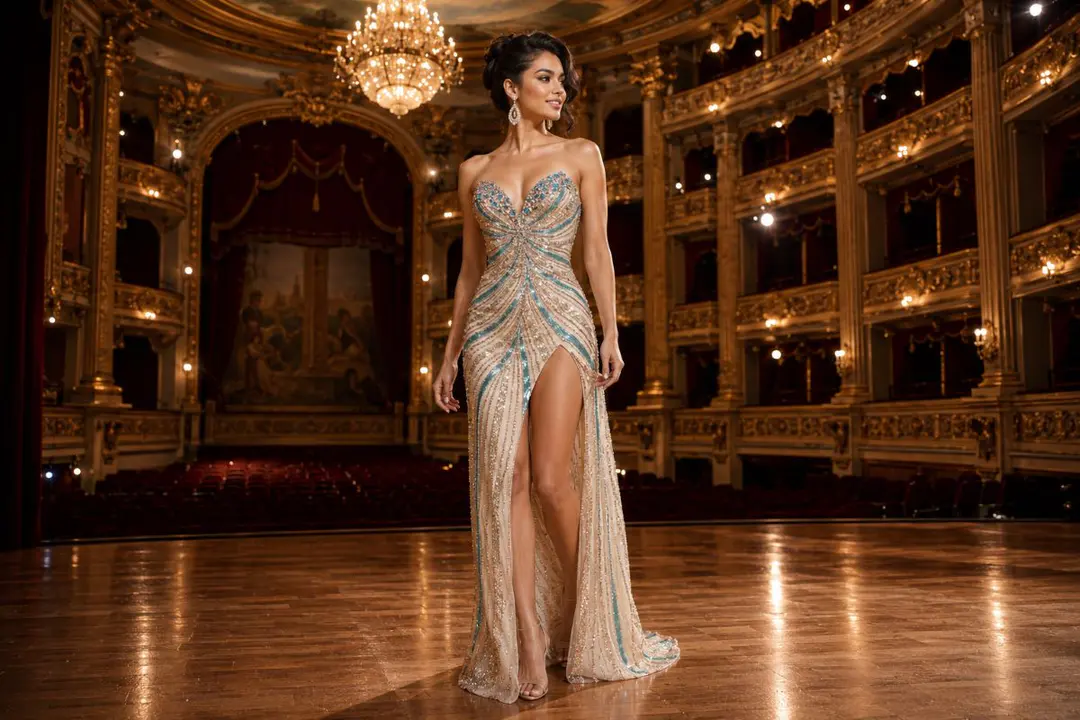
Pulling the pageant look together
Pulling a pageant look together comes down to treating the gown, hair, and makeup as one coordinated decision rather than three separate ones, with the gown's color as the guide. Matching the temperature of the makeup to the gown, choosing makeup that complements the specific color, framing the face with a hairstyle that suits the gown and neckline, and keeping the whole look balanced is what creates a polished, cohesive presence on stage.
The evening gown portion of a pageant is often where this coordination matters most, since the judges are assessing the whole picture of poise and presentation. A look where every element supports the gown reads as intentional and confident, which is exactly what a contestant wants on stage. The guide to how judges score the evening gown covers what the evening gown portion assesses, which helps a contestant understand why a cohesive hair, makeup, and gown look matters. To find an evening gown whose color anchors a polished, coordinated pageant look, explore the current styles through an authorized Jovani retailer.
Practical pageant makeup and hair tips
Beyond pairing colors, a few practical tips help pageant makeup and hair read well on stage, since the competition setting has particular demands. The most important is that pageant makeup needs to be more defined than everyday makeup, since bright stage lighting and distance can wash out a subtle look, so a contestant builds the look a little stronger than she would for a photograph up close.
Making the look last and read on stage
Pageant makeup also needs to last through a long competition, so a contestant does well to use long-wearing products and to set the look so it holds up under stage lights. Defining the eyes and the brows helps the face read from the judges' table, while a lip in a shade that complements the gown completes the look. The goal is pageant makeup that reads clearly from a distance while still looking polished and intentional, not heavy. Practicing the full look before the competition helps a contestant see how it reads under bright light.
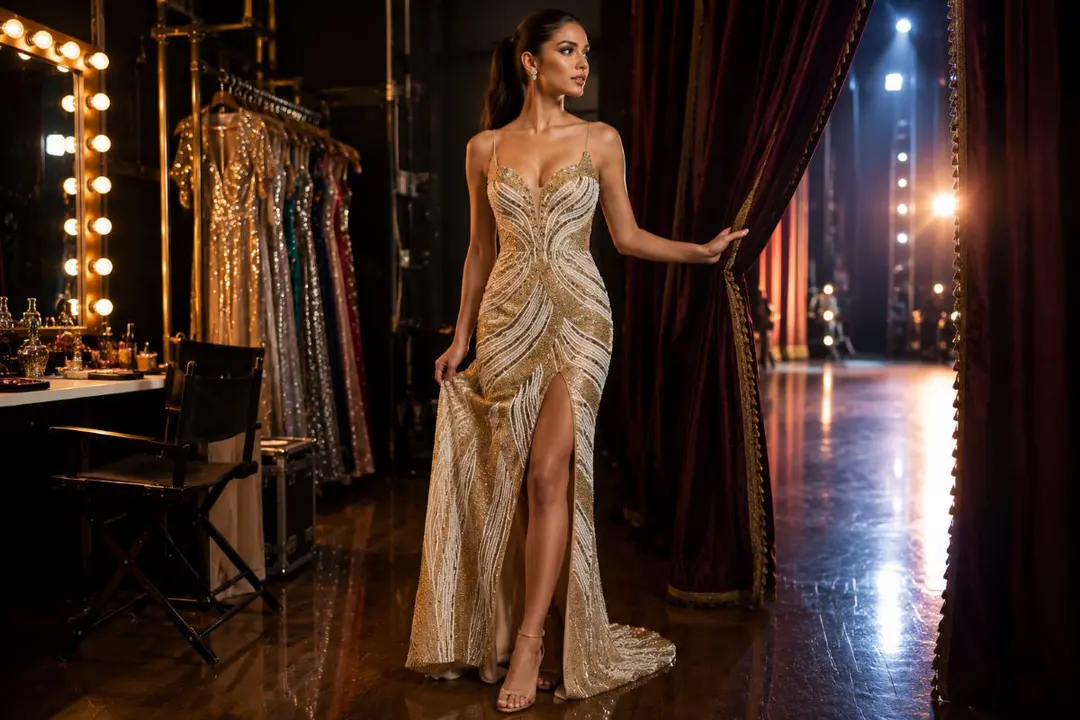
Coordinating hair with the gown and movement
Hair needs to stay secure through the competition, since a contestant walks, turns, and moves on stage, so a polished, well-pinned style matters as much as a pretty one. A style that frames the face and stays in place lets a contestant focus on her presentation rather than her hair. Coordinating the hair with the gown's neckline and color, as covered earlier, keeps the whole look cohesive. For more on how color and complexion relate, the guide to evening dress colors for pale skin and blonde hair covers how shades suit a complexion, which helps a contestant coordinate gown, hair, and makeup.
Treating the gown, hair, and makeup as one coordinated look, with the gown's color as the guide, is what separates a polished pageant presentation from a collection of pretty but disconnected pieces. Matching the temperature of the makeup to the gown, complementing the specific color, framing the face with a hairstyle that suits the gown and neckline, and keeping the whole look balanced and camera-ready creates a cohesive presence that reads beautifully from the judges' table. The evening gown is often where this coordination matters most, and a contestant who gets it right walks on stage looking intentional, confident, and complete, which is exactly the impression a coordinated gown, hair, and makeup look is meant to create on stage.
Frequently Asked Questions pageant makeup
Why should pageant hair and makeup match the gown color?
Pageant hair and makeup should coordinate with the gown color because the three elements read as a single look on stage, and the color is what unifies them. A coordinated look, where the makeup tones and hair complement the gown, reads as polished and intentional, while a mismatched look can read as disconnected even when each piece is beautiful on its own. The gown's color sets the temperature and mood of the whole look, which the hair and makeup should support to keep everything harmonious under stage lighting.
How do you match makeup to a warm-toned gown?
A warm-toned gown, in shades like gold, coral, warm red, or champagne, pairs beautifully with warm makeup tones. Warm bronzes, golds, peaches, and warm browns on the eyes echo the gown's temperature, while a warm-toned blush and a lip in a warm red, coral, or nude keep the look harmonious. Warm metallics pick up a gold or champagne gown beautifully. The principle is to keep the makeup in the same warm family as the gown, which makes the whole look read as cohesive and golden on stage.
How do you match makeup to a cool-toned gown?
A cool-toned gown, in shades like sapphire, emerald, cool red, or icy pastels, pairs beautifully with cool makeup tones. Cool silvers, taupes, plums, and cool smoky shades on the eyes echo the gown's temperature, while a cool-toned blush and a lip in a blue-based red, berry, or rosy nude keep the look harmonious. Silver metallics pick up a sapphire or silver gown beautifully. The principle is to keep the makeup in the same cool family as the gown, which makes the whole look read as crisp and jewel-like.
What makeup goes with a red pageant gown?
A red gown is bold and dramatic, so the makeup works best when it lets the gown lead. A defined eye paired with a lip that complements rather than competes, often a softer nude or a red in the same temperature as the gown, keeps the look balanced. Matching the temperature matters, since a warm red gown suits warm-toned makeup and a cool red suits cool-toned makeup. The goal is a polished look where the eye and lip support the dramatic gown rather than competing with it.
What makeup suits a pastel pageant gown?
A pastel gown, in a soft blush, lavender, or powder blue, is gentle and romantic, so the makeup works best when it stays soft and fresh rather than heavy. Luminous skin, a soft eye, and a gentle lip keep the look harmonious with the delicate gown. Heavy, dark makeup can overwhelm a soft pastel, so balance matters most. The aim is a fresh, polished look that complements the gown's softness while still reading from a distance under stage lighting, which keeps the whole presentation cohesive.
How do you choose hair to go with a pageant gown?
Hair frames the face and gown, so the style works best when it complements both the gown's color and its neckline. A detailed or high neckline often pairs beautifully with an updo that keeps the neckline visible, while a simpler neckline can carry hair down or half-up. A dramatic, saturated gown is often balanced by a clean, polished style that does not compete, while a softer gown can carry a more romantic one. For the stage, the style also needs to read from a distance and stay secure through the competition.