
The Art of Color: Enhancing Pale Skin and Blonde Hair
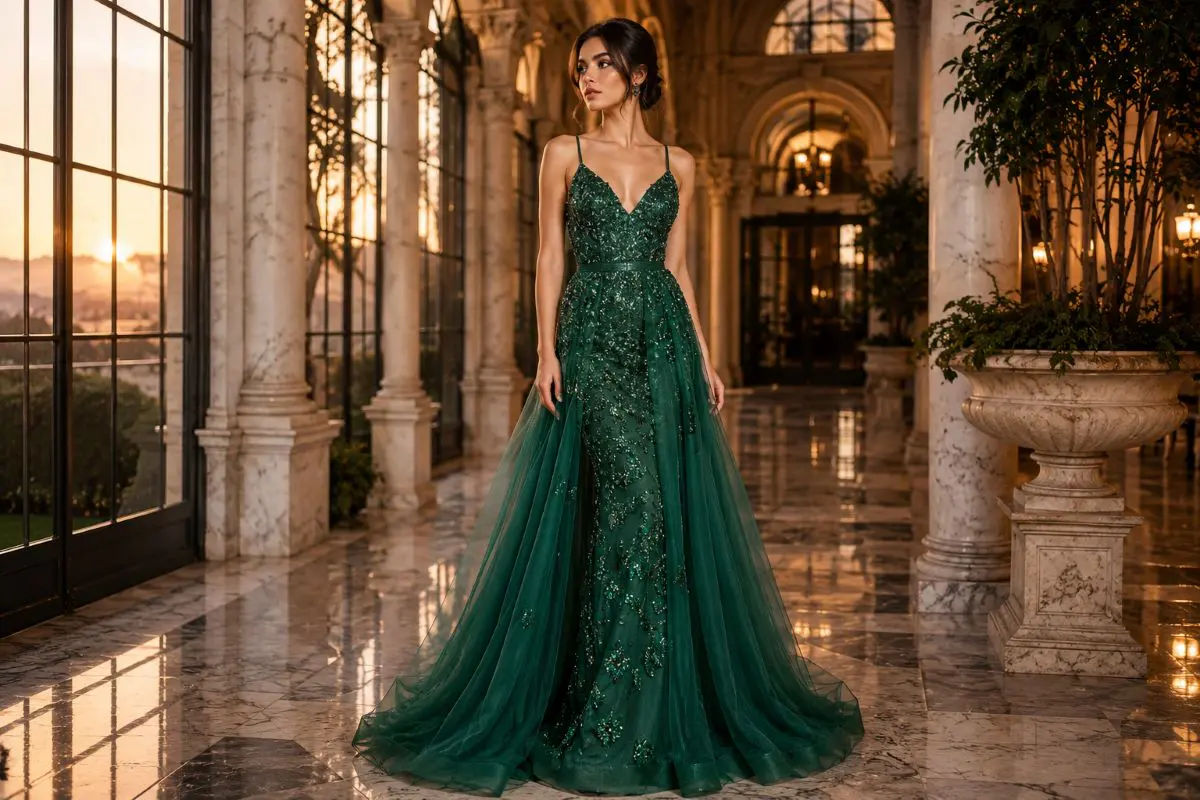
The combination of pale skin and blonde hair is a classic, ethereal aesthetic that has graced red carpets, high-society galas, and royal events for decades. From the iconic elegance of golden-era Hollywood stars to modern-day fashion muses on the runway, this distinct coloring possesses a natural delicacy and striking luminosity. However, dressing for highly photographed formal occasions when you have a light complexion and fair hair presents a unique and often intimidating set of stylistic challenges. Finding the best evening dress colors for pale skin and blonde hair is an art form that blends high fashion with fundamental color theory.
The wrong shade of fabric can easily wash out your delicate features, making the skin appear pallid, tired, or overwhelmed, while inadvertently causing the hair to look dull, ashy, or excessively brassy. Conversely, the exact right hue can instantly illuminate your face, bring out the subtle, beautiful undertones of your complexion, and make your blonde hair shine with brilliant dimension and healthy vitality. When you are attending a milestone event—be it a black-tie wedding, a charity gala, or a sophisticated award ceremony, your gown should act as a magnificent frame that elevates your natural beauty rather than competing with it.
When searching for the absolute perfect colors for formal wear, the primary objective is to create a harmonious balance through strategic, deliberate contrast. You want colors that are rich enough to ground your look and provide a bold frame for your face, without being so overpowering that they eclipse your natural features. At Jovani, our design philosophy heavily incorporates the science of color theory, ensuring that every woman can find a shade that feels as though it was custom-made for her unique beauty. Our luxury formal dresses are crafted not just with exquisite fabrics, but with a deep understanding of how color interacts with the human form.
Navigating the vast, overwhelming spectrum of available colors requires a nuanced understanding of how different fabric dyes interact with human skin under various lighting conditions. It is not merely about picking your favorite color off a rack; it is about choosing the optimal shade to ensure you look vibrant, healthy, and undeniably sophisticated from the moment you step into the room until the final photograph is taken. This comprehensive guide will explore the most flattering shades, the fascinating color science behind why they work so perfectly, and how to style them flawlessly for your next major event.
The Science of Skin Undertones for Fair Complexions
Before identifying the best evening dress colors for pale skin and blonde hair, you must carefully analyze and understand your specific undertone. The terms "pale skin" and "blonde hair" are incredibly broad and are not monolithic categories. The secret to unlocking your ultimate, perfect color palette lies not in the surface lightness of your skin, but in identifying your specific underlying hues. Surface skin tone is what we describe as pale, fair, or light, but the undertone is the subtle, permanent hue that lies just beneath the surface of the skin. Crucially, your undertone never changes, regardless of sun exposure, aging, or the changing seasons.
How to Accurately Identify Your Undertone
For women with fair skin, undertones generally fall into three distinct categories: cool, warm, and neutral. Accurately identifying yours is the first, non-negotiable step in curating a flawless formal wardrobe. Here are the professional methods fashion stylists use to determine a client's true undertone:
- Cool Undertones: Your skin has subtle hints of pink, red, or blue. You likely burn easily in the sun before tanning, and your skin may flush easily in extreme temperatures or when you are nervous.The Vein Test: Look at the veins on the inside of your wrist in natural, indirect daylight. If they appear visibly blue or purple under the skin, you definitively have a cool undertone. The Jewelry Test: Silver, platinum, white gold, and gunmetal jewelry tends to look much more harmonious, crisp, and radiant against your skin than traditional yellow gold, which might look jarring or overly harsh. The White Test: If you hold a piece of stark, pure white paper next to your bare, makeup-free face, your skin will appear slightly pink or rosy in contrast.
- Warm Undertones: Despite being exceptionally pale, your skin has a peachy, golden, or slightly yellow tint. You might develop a slight, warm freckling or a golden tan in the summer months, and you rarely experience a harsh red sunburn.The Vein Test: Your veins may appear somewhat green or olive-toned. This is because you are looking at naturally blue veins through a yellowish or golden skin overtone. The Jewelry Test: Traditional yellow gold, copper, brass, and bronze jewelry beautifully complements your natural warmth and makes your skin look as though it is glowing from within. The White Test: Against a pure white piece of paper, your skin will look distinctly yellow, golden, or peachy.
- Neutral Undertones: You have an incredibly balanced, even mix of cool and warm hues. Your skin does not lean heavily pink or heavily yellow, existing in a beautiful, diplomatic middle ground.The Vein Test: Your veins might look colorless, or you may notice a distinct mix of both blue and green, making it exceptionally hard to decisively categorize them into one color family.The Jewelry Test: You are exceptionally lucky; you can effortlessly and equally wear both silver and gold metals without either looking out of place or clashing with your complexion.The White Test: Against white paper, your skin simply looks clear and even, without a strong flush of pink or yellow.
The Defining Role of Your Specific Blonde Hair Shade
Your specific shade of blonde hair also plays a critical, defining role in this equation. Hair color acts as a natural frame for your face, and its visual temperature must harmonize with both your skin and the fabric of your gown. Ignoring the temperature of your hair can result in a disconnected, mismatched aesthetic.
Platinum, ash, icy, silver, and champagne blondes carry inherently cool, violet-based tones. These ultra-cool shades look incredibly striking, modern, and editorial when paired with jewel tones that have a blue base. The coolness of the dress enhances the icy brilliance of the hair, preventing it from looking washed out.
Conversely, golden, honey, caramel, buttery, and strawberry blondes radiate distinct, sunny warmth. These hair colors reflect light beautifully when paired with rich, earthy tones or warm-based brights. The goal is to either match the temperature of your hair to the dress or use a deliberate, high-contrast complementary color to make the golden hues pop.
The Ultimate Power of Jewel Tones
When styling celebrity clients for the red carpet, fashion experts consistently agree that the best evening dress colors for pale skin and blonde hair belong to the jewel tone family. Jewel tones are deeply saturated, intensely pigmented, and incredibly regal. They provide the necessary high contrast to make pale skin pop beautifully without the harsh, draining, and sometimes severely aging effect that stark, solid black can occasionally cause on very fair complexions.
The Unmatched Majesty of Deep Blues
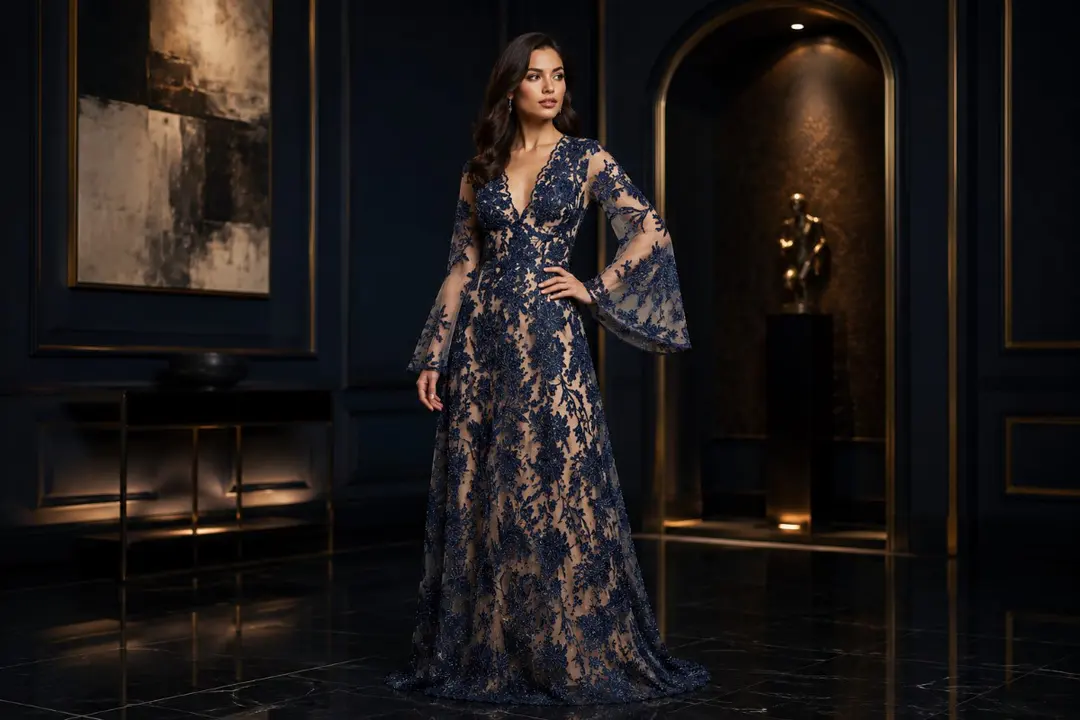
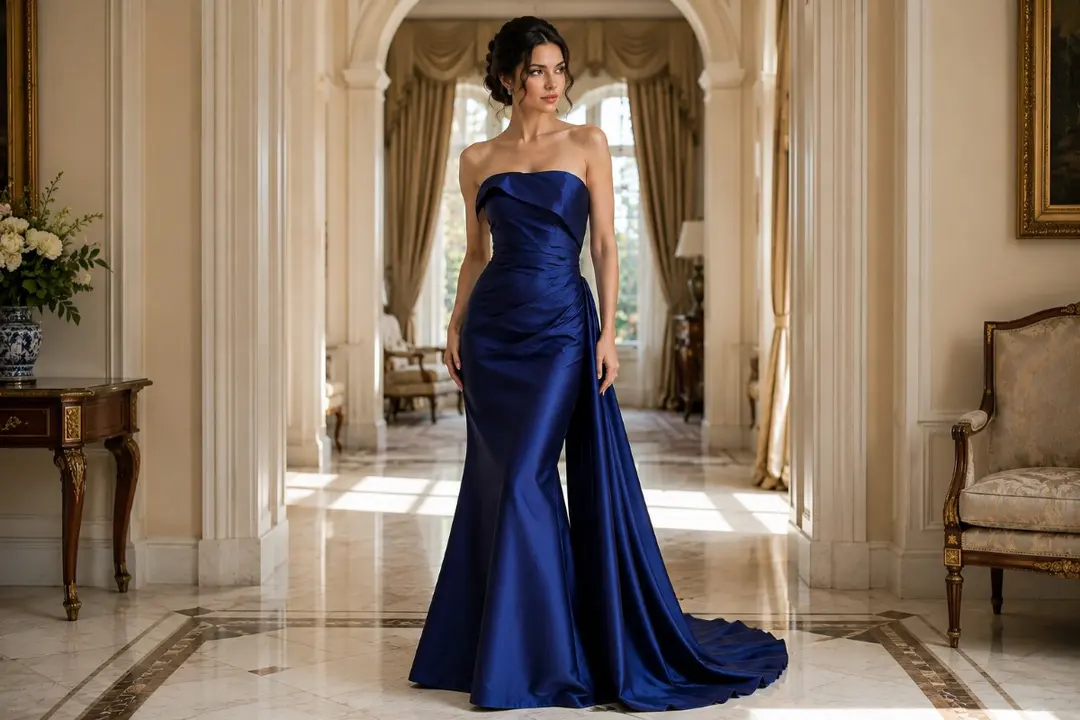
Blue is widely considered a universally flattering color, but for blondes with fair skin, dark, rich, and heavily saturated blues are particularly transformative and magical. Navy blue, midnight blue, cobalt, and deep sapphire offer a refined, aristocratic elegance that is remarkably versatile across all seasons and dress codes.
Because blue sits directly opposite to orange and yellow on the traditional color wheel, it provides a striking, dynamic contrast to golden and honey-blonde hair. This exact contrast acts as a visual amplifier, making the warm, golden tones in the hair appear visibly richer, more vibrant, and heavily dimensioned. For those with cool, icy ash-blonde hair, navy serves as a brilliant, softer alternative to black. It frames the face beautifully, highlighting the icy tones of the hair without casting harsh dark shadows on delicate pale skin.
Exploring a curated collection of blue evening dresses is often the first and most successful step for women who want a guaranteed show-stopping look for a black-tie event. The incredible depth of deep blue naturally recedes to the human eye, which has a remarkably slimming and elongating effect on the silhouette, while simultaneously pushing the lightness of the wearer's skin and hair forward, creating a radiant, glowing focal point that photographs brilliantly.
The Breathtaking Beauty of Emerald and Deep Greens
If we had to identify one single color family that consistently proves to be the most universally flattering and photographically stunning for blondes with pale skin, it is undeniably green. The symbiotic relationship between green hues and blonde hair is deeply rooted in fundamental color theory, and the visual results are consistently breathtaking across all lighting environments, from dim ballrooms to bright outdoor garden parties.
Emerald green is arguably the absolute pinnacle of formal color choices for this demographic. This rich, highly saturated, luxurious jewel tone works a specific kind of visual magic on light complexions. Many women with fair, cool-toned skin have subtle red, pink, or ruddy undertones, which can sometimes translate as an unwanted, uneven flush when they get warm, nervous, or dance at a gala. Because green is the exact, direct opposite of red on the color wheel, a deep emerald dress acts as a natural, full-body color-corrector. It visually neutralizes any redness in the skin, leaving the complexion looking incredibly flawless, even, and porcelain-like.
Furthermore, the incredible depth of emerald provides a stunning, high-contrast backdrop for blonde hair. Golden blondes will find that emerald makes their hair look like literal spun gold, pulling out the richest honey tones. Meanwhile, platinum blondes will look striking, editorial, and statuesque against the cool, crisp richness of the jewel tone. Browsing green formal gowns is highly recommended for anyone attending a formal winter gala, a prestigious military ball, or a high-end holiday event where you want to stand out from the inevitable sea of standard black gowns.
The Allure of Royal Purples and Amethysts
Purple is a color historically associated with royalty, luxury, opulence, and immense creativity. For light complexions, deep shades like plum, amethyst, eggplant, and dark violet are exceptionally flattering, visually arresting, and often criminally underutilized in formal wear. Wearing purple shows immense confidence and a keen eye for high fashion.
Purple is created by mixing cool blue and warm red, making it a highly versatile, adaptable color that can beautifully flatter both warm and cool undertones depending on the specific ratio of the shade. If you have cool undertones and icy ash-blonde hair, lean toward purples that have more blue in them, such as indigo, deep violet, or iris. If you have warm, peachy skin and golden-blonde hair, a plum, magenta, or warm berry-toned purple will bring a beautiful, incredibly healthy flush to your cheeks. These rich, dark hues offer a majestic contrast that prevents blonde hair from ever looking brassy or overly yellow, ensuring your overall appearance is impossibly polished and refined.
Making a Bold, Unforgettable Statement with Red
There is no garment in the history of fashion quite as iconic, powerful, or arresting as a red dress. It signifies supreme confidence, undeniable passion, cinematic romance, and fearless glamour. However, for women with light complexions, red can understandably be an intimidating color to approach. The absolute key to successfully wearing red lies entirely in selecting the correct temperature and base tone of the fabric's dye.
Blue-Based Cool Reds vs. Orange-Based Warm Reds
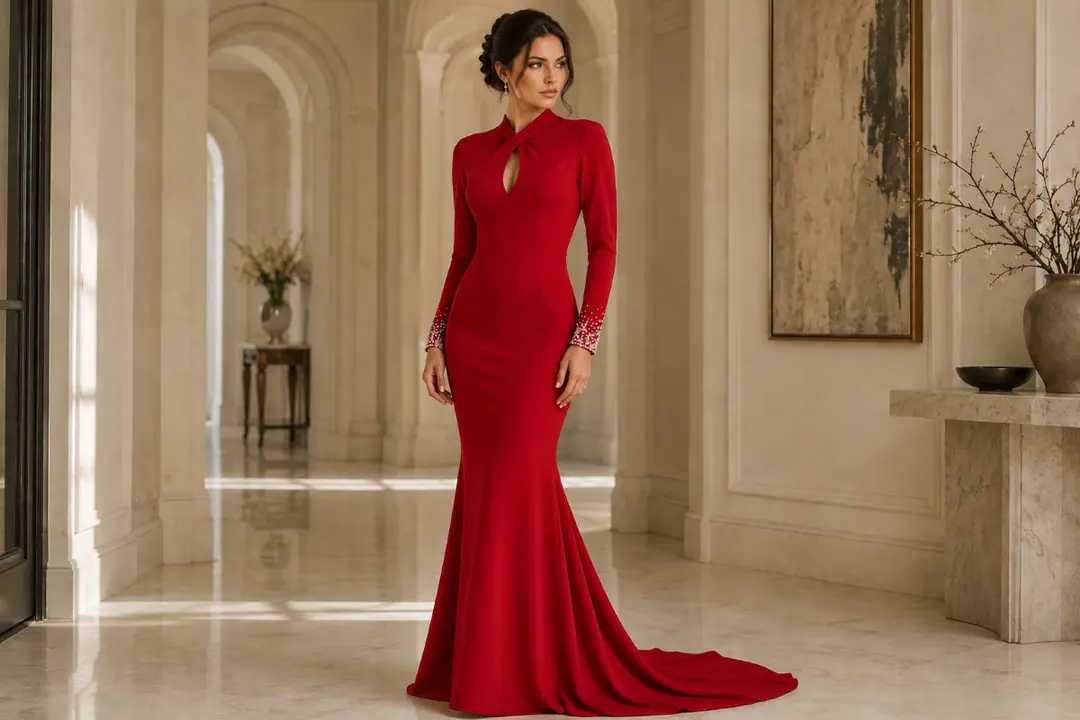
In the fashion and beauty industries, red is typically divided into two distinct, uncompromising categories: blue-based (cool reds) and orange-based (warm reds). Understanding this critical distinction is the absolute secret to wearing red with pale skin.
If you have pale skin, particularly with cool or neutral undertones, you must unequivocally prioritize blue-based reds. Think of deep, rich, regal colors like cherry red, true ruby, crimson, wine, and dark burgundy. These magnificent, cool-toned shades contrast beautifully with fair skin, creating an iconic "Snow White" aesthetic that is universally admired. Incredibly, the blue undertones within the dress will also visually counteract any yellow in your teeth and the whites of your eyes, making your smile appear significantly brighter and whiter in photographs.
Conversely, orange-based reds, such as bright tomato, fire engine, poppy, or brick red, should generally be avoided by those with cool, pale skin. The warm orange tones can violently clash with pink skin undertones, making the complexion appear flushed, inflamed, blotchy, or unnaturally warm. However, there is a notable, beautiful exception: if you are a warm blonde (honey, caramel, or strawberry) with distinctly warm, peachy skin undertones, a vibrant, warm poppy red or a deep rust can look absolutely sensational. It harmonizes perfectly with your natural golden glow, creating a sun-kissed, vibrant look.
If you are looking for a show-stopping look for a high school or collegiate event, opting for red prom dresses in a deep ruby or rich burgundy guarantees you will command the room the moment you walk through the doors. Wearing any shade of red requires a confident, upright posture and impeccable, precise tailoring.
The Impact of Fabric Texture and Sheen on Color
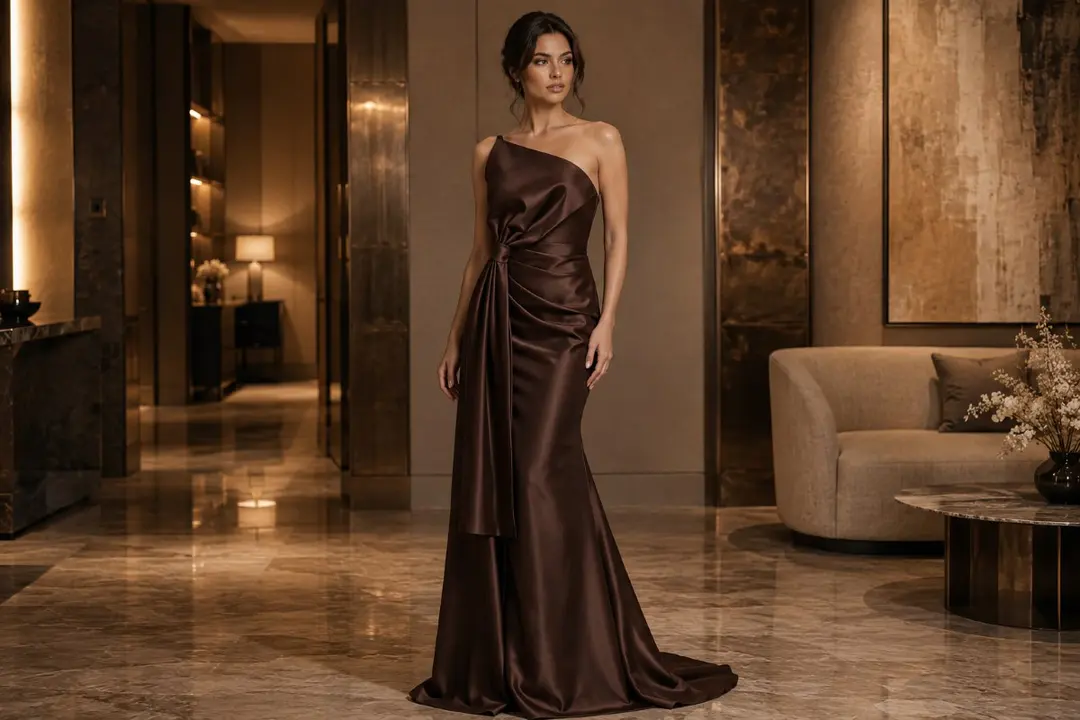
While knowing your perfect color is crucial, understanding how the physical material of the dress alters that color is just as important. The exact same shade of dark emerald green will look entirely different in a light-absorbing velvet compared to a light-reflecting, high-shine satin.
Light Absorption (Velvet, Crepe, Brocade)
When you choose dark, rich jewel tones like navy, plum, or burgundy, fabrics like velvet, heavy crepe, and rich winter brocade will significantly deepen the perceived color. These matte or highly textured fabrics naturally absorb ambient light. This absorption emphasizes the richness, darkness, and opacity of the dye, making the gown look incredibly luxurious, heavy, and saturated. This is the absolute perfect choice for fall and winter galas, creating a cozy yet impossibly elegant aesthetic.
Light Reflection (Satin, Silk, Sequin, Organza)
If you are choosing a lighter, brighter, or more vivid color, such as fuchsia, teal, or ruby red, fabrics like silk charmeuse, satin, chiffon, organza, and sequin mesh will actively reflect light. This brilliant reflection makes the color appear more vibrant, dynamic, lively, and energetic. It brings a sense of liquid movement to the color, which is ideal for spring and summer events, outdoor evening galas, or any event where you will be moving and dancing under spotlights.
The Critical Role of Dress Silhouette and Skin Exposure
While fabric matters, the silhouette heavily influences the best evening dress colors for pale skin and blonde hair by altering the proximity of the color to your face. The architectural cut of your gown dictates exactly how much of the fabric's color sits directly under your chin, which is the most critical area for color interaction with your complexion.
High-necked, long-sleeved gowns place a massive, unbroken block of color right next to your face. If you are wearing a very bold, dark, or potentially tricky color, this can easily overwhelm pale skin and make you look like a floating head. In these cases, you must be 100% certain that the color is in your perfect seasonal palette.
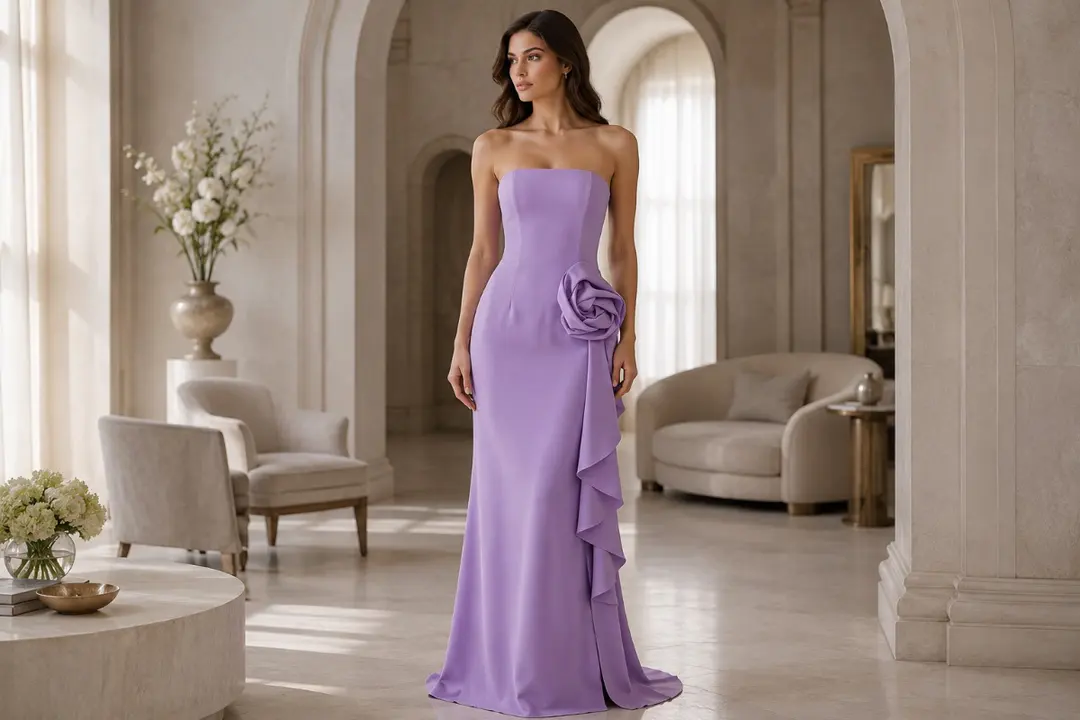
Conversely, open necklines create a highly necessary "buffer zone" of natural skin tone between the heavy fabric of the dress and your face. For instance, selecting strapless evening dresses provides a beautiful, elegant expanse of bare shoulders and décolletage. This breathing room allows you to wear almost any color—even ones slightly outside your ideal palette—because the color is pushed further down the body. The open neckline highlights your natural shape, frames your face beautifully, and perfectly balances the visual impact of a heavy or incredibly vibrant hue. Similarly, deep V-necks, sweethearts, and off-the-shoulder cuts serve this exact same harmonizing purpose.
If you want to emphasize your curves while wearing a solid jewel tone, opting for mermaid formal dresses can break up the block of color through structural tailoring. The dramatic flare at the knee adds visual interest at the bottom of the dress, drawing the eye down and creating a beautifully balanced, hourglass proportion that looks phenomenal in dark, rich colors.
Colors to Approach with Extreme Caution
Understanding what not to wear is just as vital as knowing your perfect shades. While fashion is deeply subjective and traditional rules are meant to be playfully broken by those with strong personal style and expert tailoring, there are certain color families that traditionally pose a significant, undeniable challenge for pale skin and blonde hair.
The Perilous Pastel Dilemma
Mint green, baby blue, pale lavender, icy pink, and soft butter yellow are often incredibly beautiful on the hanger, but they can be disastrously draining on pale skin. Because these colors fundamentally lack depth, heavy saturation, and contrast, they do not provide the necessary visual framing to make fair skin stand out. Instead, they blend dangerously into the lightness of the skin, resulting in a faded, tired, washed-out, or sickly appearance.
If you absolutely must wear pastels for a specific event theme (such as a spring wedding or a specific prom aesthetic), you must compensate heavily through styling. Pair the pastel dress with a slightly more dramatic, contrasting makeup look—perhaps a bolder, deeper lip color or a heavily defined, smoky eye. Furthermore, ensuring you have a faux glow or a professionally applied, subtle spray tan can provide the necessary contrast to stop the pastel from completely washing you out.
The Danger of Beiges, Nudes, and Champagnes
Beige, taupe, nude, and light champagne are incredibly risky and generally discouraged for very fair blondes. These pale earth tones can perfectly or closely match the lightness of pale, golden-toned skin, creating that dreaded washed-out, undefined, "naked" effect from a distance. It completely erases the structural lines of your silhouette and offers zero contrast to highlight your facial features or your hair.
The Black Dress Debate
The little black dress is a timeless, undisputed staple, and long black evening gowns are the ultimate epitome of formal, serious, traditional elegance. However, for very pale women with light blonde hair, a solid, heavy, matte black gown can sometimes be far too severe. The stark, extreme contrast can unintentionally highlight dark circles under the eyes, emphasize fine lines, drain all natural rosiness from the cheeks, and exaggerate paleness to the point of looking gothic rather than glamorous.
If you love black and are determined to wear it, you must ensure the dress has specific design elements that soften its visual impact. Break up the harshness of the solid dark color near your face with skin exposure (plunging necklines or high leg slits), romantic textures (like delicate Chantilly lace or soft tulle), or sparkling embellishments (crystals or sequins). This transforms black from severe to highly flattering and multifaceted.
About Evening Dress Colors for Pale Skin and Blondes FAQ's
1. What are universally considered the best evening dress colors for pale skin and blonde hair?
While individual undertones matter deeply, the most universally flattering, fail-proof colors for this specific demographic are always rich, highly saturated jewel tones. Deep emerald green, dark sapphire or navy blue, and rich amethyst or plum purple provide a stunning, high-end contrast. These deep colors make pale skin look incredibly flawless and porcelain-like while simultaneously bringing out the multidimensional shine, richness, and health of blonde hair.
2. Does wearing a solid black dress look too harsh on pale skin and blonde hair?
Solid, matte black can sometimes appear incredibly severe on very fair skin, as the intense, stark contrast can emphasize paleness, shadows, and facial fatigue. However, you can easily and effectively soften the look by choosing black dresses with open necklines (like a deep plunging V-neck, sweetheart, or off-the-shoulder design) to keep the heavy block of color away from your face. Choosing textured fabrics like sheer lace, soft tulle, or light-reflecting beaded mesh also breaks up the solidity of the black, making it much more wearable and glamorous.
3. Can I successfully wear yellow if I have fair skin and golden blonde hair?
Yellow is notoriously one of the most difficult and treacherous colors for pale blondes to wear successfully, as it can actively highlight sallowness in the skin and dangerously clash with the yellow tones in blonde hair, making the hair look brassy, damaged, or unkempt. If you absolutely love yellow, avoid pale pastels, lemon, and harsh neon shades at all costs. Instead, opt for incredibly rich, grounded, earthy shades like deep mustard, antique gold, or warm saffron, which provide enough depth to complement the skin without washing it out.
4. What specific metallic colors look best on light complexions?
When choosing metallic gowns or heavily sequined dresses, your skin's underlying temperature is the ultimate deciding factor. If you have cool, pink undertones, silver, gunmetal, and white gold will look incredibly harmonious, elegant, and icy. If you have warm, peachy undertones, classic yellow gold, bronze, and copper will make your skin look beautifully sun-kissed. Rose gold is a magnificent, universally flattering metallic that works beautifully on almost all pale skin tones due to its brilliant mix of warm and cool tones.
5. Are there any specific dress colors that make blonde hair look brassy or orange?
Yes. Wearing colors that are too close to the color of rust, bright orange, harsh primary yellow, or certain shades of yellow-green (like chartreuse) can reflect very poorly onto blonde hair. This is particularly true for chemically bleached or heavily highlighted hair, making it appear orange, yellow, brassy, or in need of a toner under harsh event lighting. To keep blonde hair looking bright, clean, and salon-fresh, stick strictly to contrasting, cool-based jewel tones.
The Jovani Promise: Unwavering Confidence in Every Shade
Ultimately, discovering the best evening dress colors for pale skin and blonde hair empowers you to step into any formal event with unmatched confidence, grace, and authentic power. Color is deeply psychological; when you wear a shade that you genuinely love and that physically flatters your unique features, your posture naturally improves, your smile brightens, and you carry yourself with an undeniable, magnetic elegance that turns heads.
However, that specific level of high-octane confidence is infinitely easier to achieve when you are wearing a garment of uncompromising, world-class quality. At Jovani, we pride ourselves on our meticulous, obsessive approach to fashion design. Our gowns are not merely pieces of fabric sewn together; they are structural, architectural marvels designed to lift, support, and flawlessly flatter the female form. We carefully curate our proprietary color palettes each and every season, ensuring that our emeralds are the richest, our navies the absolute deepest, and our reds the most striking and perfectly calibrated on the market.
The structural integrity of a Jovani dress—from the masterful, invisible inner corsetry to the flawless, hand-placed draping and precision beadwork—ensures that whatever color you choose, it is presented in the most elegant, luxurious, and supportive manner possible. Complementary dress colors can significantly elevate your natural beauty, but it is the expert tailoring and visionary design of a premier fashion house that transforms a beautiful color into an unforgettable, iconic fashion moment.
By deeply understanding your personal skin undertones, bravely embracing the unparalleled power of jewel tones, and carefully considering how fabric texture and dress silhouette interact with color, you can effortlessly navigate the world of luxury formal wear. You will undoubtedly find a gown that illuminates your fair complexion and blonde hair perfectly, leaving a lasting, breathtaking impression long after the evening ends.
Explore our exquisite, world-renowned collections today to find the perfect shade that illuminates your unique beauty, and discover exactly why so many women across the globe trust Jovani to make them look and feel absolutely extraordinary for their most important, highly photographed events.