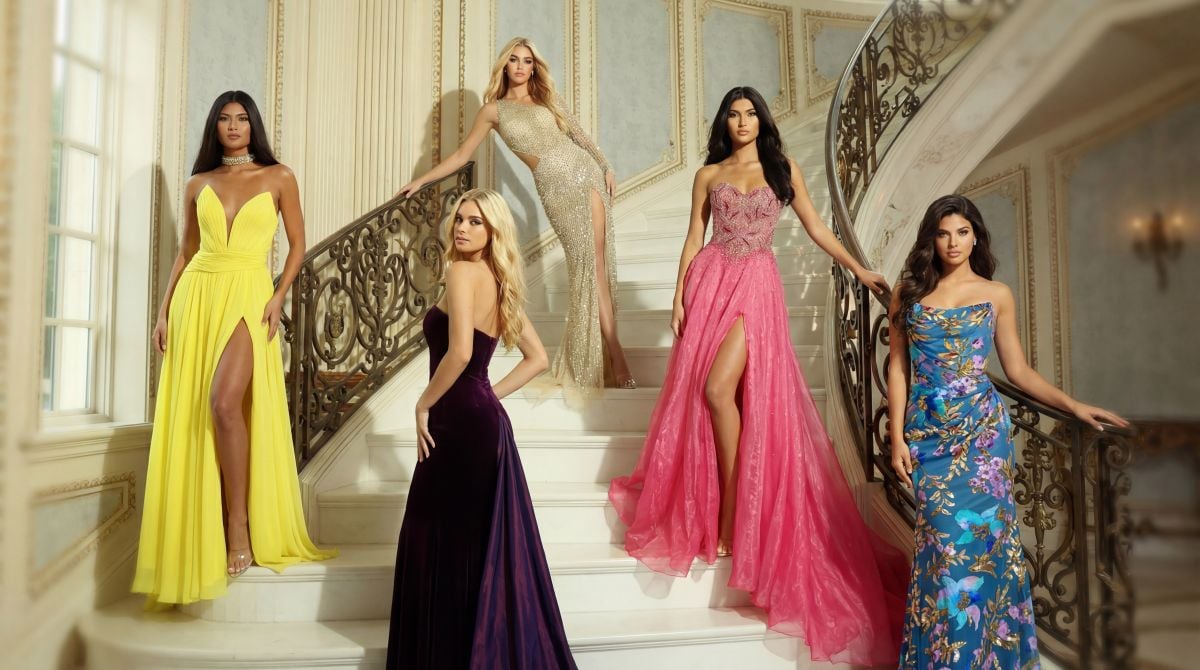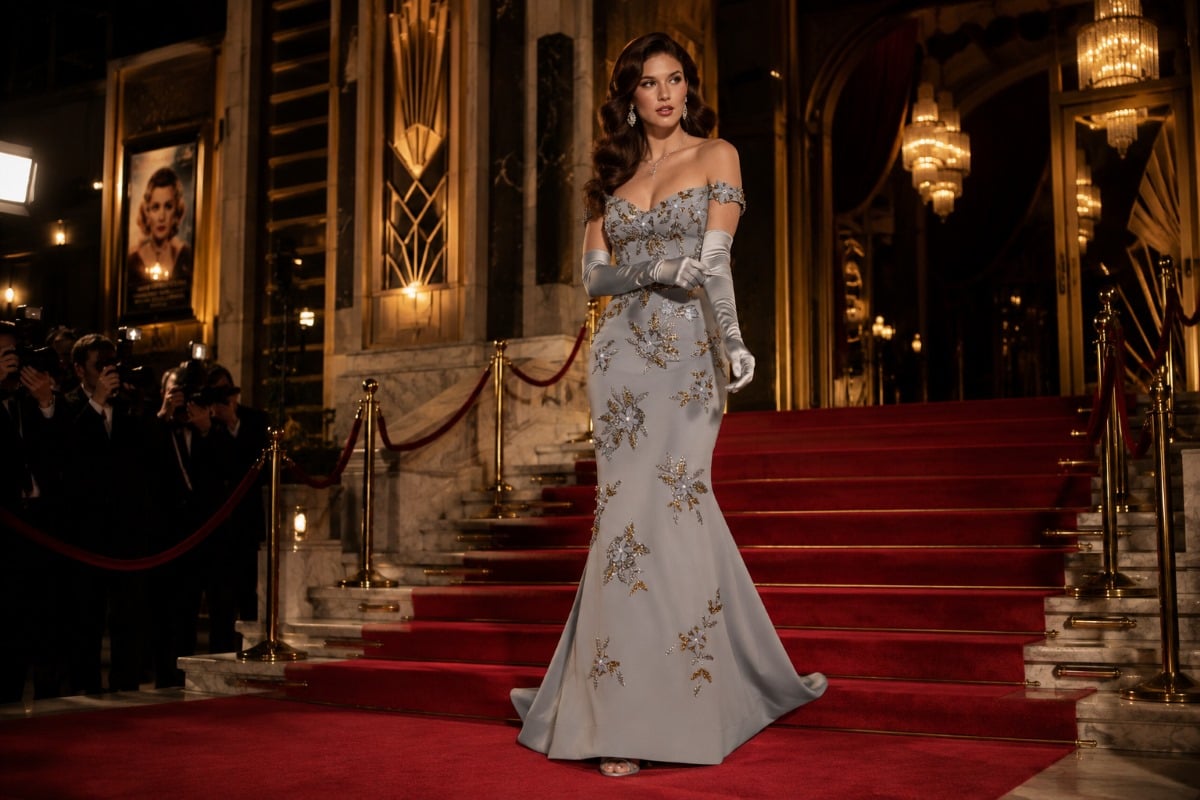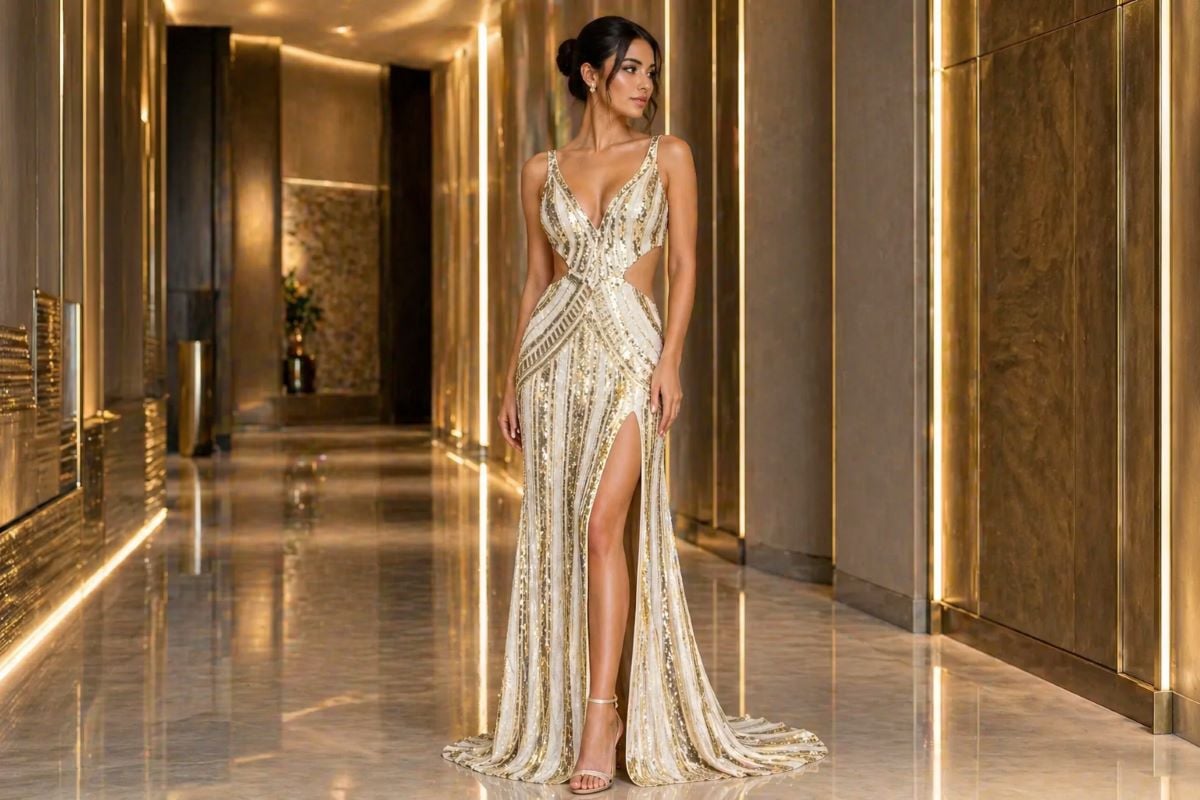

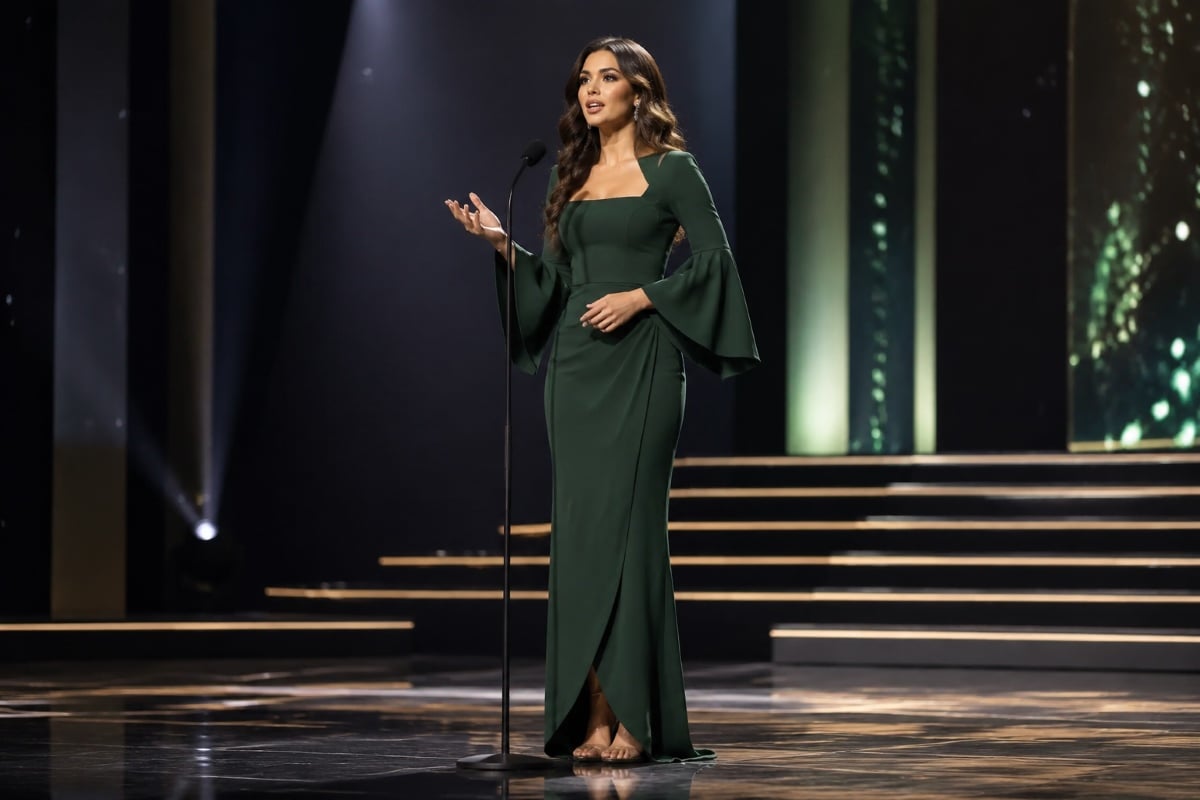
In a pageant, the on-stage question is one of the most decisive moments of the entire competition. A contestant stands before the judges and the audience, often in her evening gown, takes the microphone, and answers a question that can genuinely change the outcome. It is a moment of poise, articulation, and presence, and the gown she is wearing plays a quiet but real supporting role. Most styling advice focuses on the evening gown’s appearance as she walks, but the on-stage question demands something more specific: a gown that lets her stand still under scrutiny, move to and from the microphone gracefully, and project confidence while speaking, all without a single distraction. Choosing a gown with the on-stage question in mind means thinking about how it performs in that exact moment, which is what this guide is built to help with.
Why the On-Stage Question Deserves Its Own Styling Thought
The on-stage question is a different kind of moment from the evening gown walk, and understanding that difference is the key to dressing for it well. The gown has to do different work in each.
During the evening gown competition, a contestant is largely in motion, walking, turning, and presenting, and the gown is judged on how it looks and moves across the stage. During the on-stage question, by contrast, she is mostly stationary, standing at a microphone under direct attention while she speaks, which puts the gown under a completely different kind of scrutiny. Every detail is visible and still, the judges are focused on her face and words, and any discomfort or distraction from the gown becomes far more noticeable than it would be mid-walk.
This means the gown needs to support her in a specific way during the question: it must let her stand comfortably and confidently, move the short distance to and from the microphone with grace, and never pull her focus from her answer. The range of pageant gowns is engineered for exactly this kind of all-around stage performance, with construction that supports a contestant through both the walk and the moments of stillness like the on-stage question. Thinking about the gown’s behavior in that still, scrutinized moment is what separates a gown that merely looks good from one that genuinely serves the contestant when it matters most.
Comfort and Confidence While Standing Still
Because the on-stage question is a stationary moment under direct attention, how comfortable and secure a contestant feels standing in her gown matters enormously. Comfort here translates directly into visible confidence.
A Secure, Supportive Fit
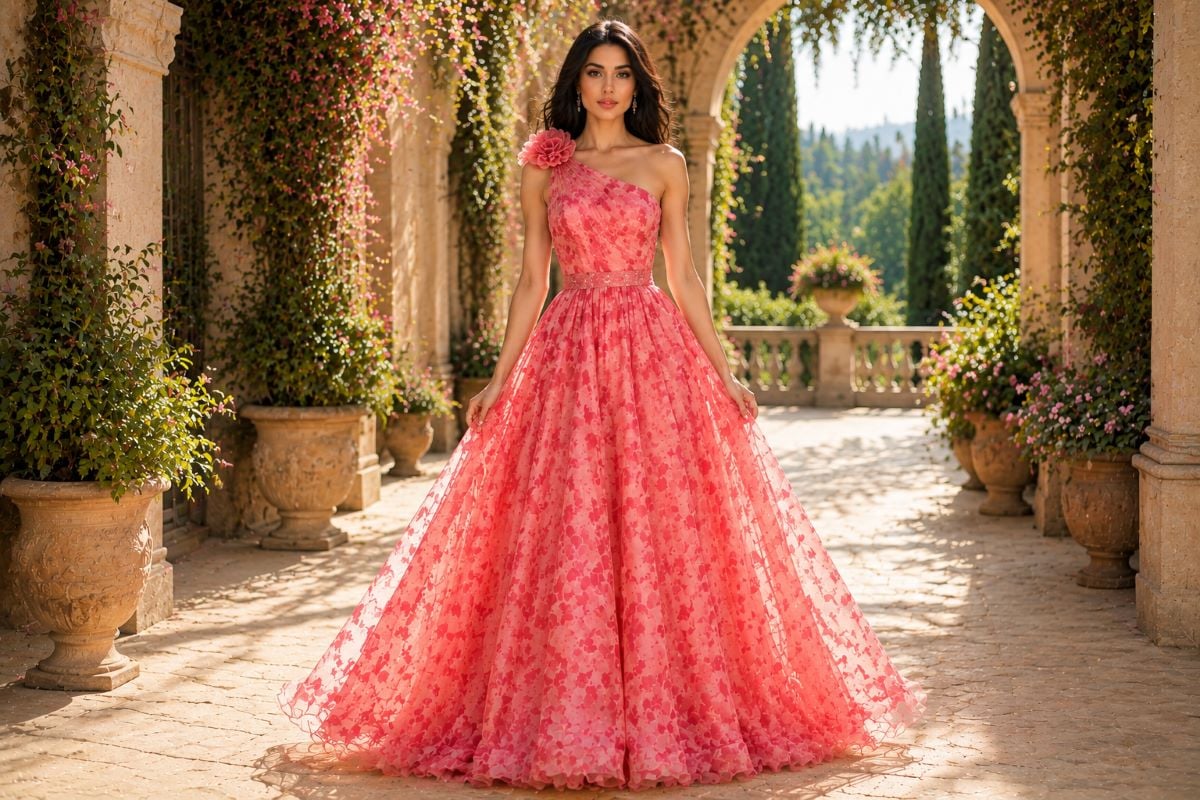
The most important quality for the on-stage question is a gown that fits so securely the contestant never has to think about it. A gown with proper construction, built-in support, and a precise fit lets her stand tall and breathe easily while she focuses entirely on her answer. Any insecurity about the fit, a strapless bodice that might shift or a neckline that needs adjusting, becomes a distraction at the worst possible moment. A gown with reliable structure and a fit confirmed through proper measurements gives a contestant the security to stand still under scrutiny and project calm confidence.
Freedom to Breathe and Speak
Speaking clearly and confidently requires the ability to breathe fully, which makes the gown’s fit through the torso genuinely important. A bodice that is supportive but not so tight that it restricts breathing lets a contestant project her voice and speak with ease. The styles among formal dresses are built with the kind of structured-but-comfortable construction that supports the body while allowing full, easy breathing, which is exactly what a contestant needs to answer a question with a clear, steady voice. A gown she can breathe and speak in comfortably is a gown that supports her performance.
Moving to the Microphone With Grace
The on-stage question usually involves a short walk to a microphone and back, and how easily a contestant can manage that movement in her gown affects the whole impression. Graceful movement requires the right construction.
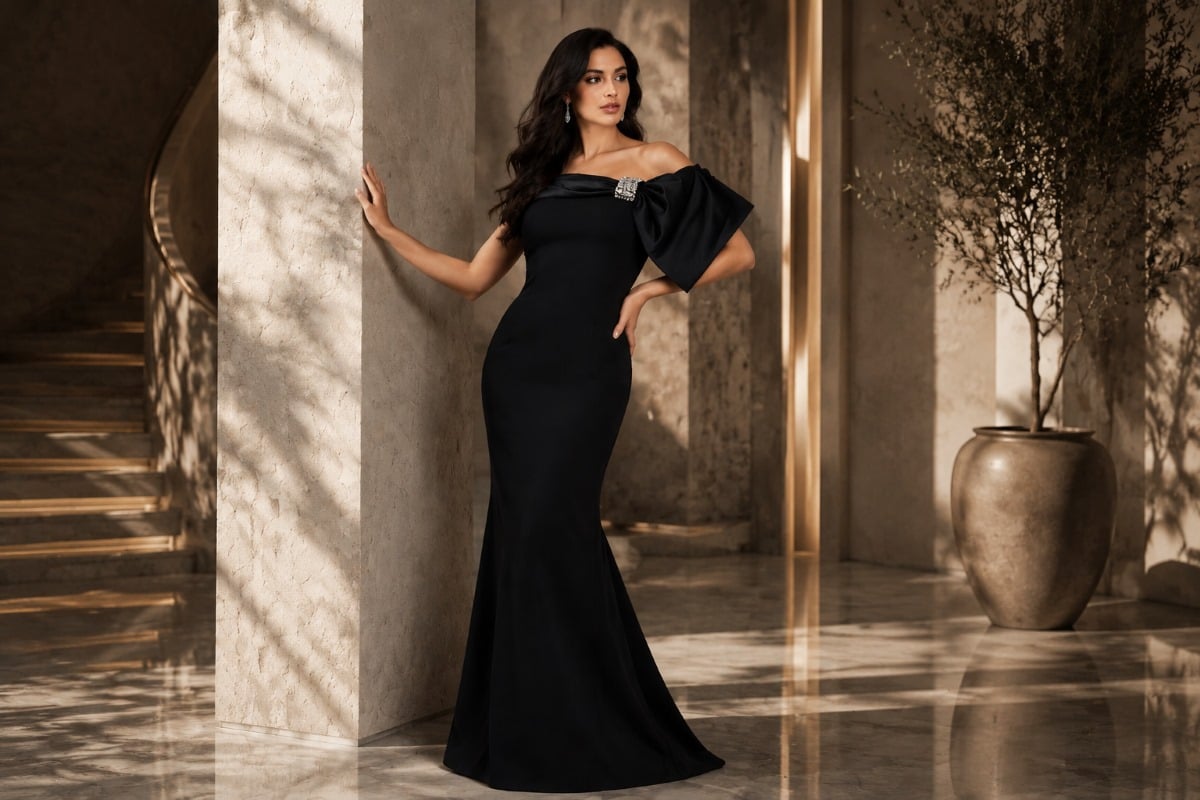
Walking the short distance to the microphone, standing, and returning to her place should look effortless, which depends on a gown that allows easy movement. A gown with enough room to stride comfortably, whether through a thoughtful skirt construction, a slit, or stretch in the fabric, lets a contestant move with poise rather than taking small, constrained steps. A gown that restricts movement makes even a short walk look awkward, which undercuts the confidence the moment requires. The styles among black pageant dresses show how a competition gown is constructed to allow graceful, confident movement, which serves a contestant in the on-stage question just as it does in the full walk.
The fabric and weight of the gown also affect how it moves during this moment. A well-engineered gown has its weight distributed so that the skirt moves with the contestant rather than dragging or swinging awkwardly, letting her turn toward the microphone and back with control. A gown that moves predictably and gracefully lets a contestant focus on her answer rather than managing her dress, which is exactly the kind of quiet support the on-stage question calls for.
Choosing a Color and Neckline That Frame the Face
Because the on-stage question puts the focus squarely on a contestant’s face and expression, the gown’s color and neckline take on particular importance in this moment. They frame the contestant as she speaks.
Colors That Draw the Eye Upward
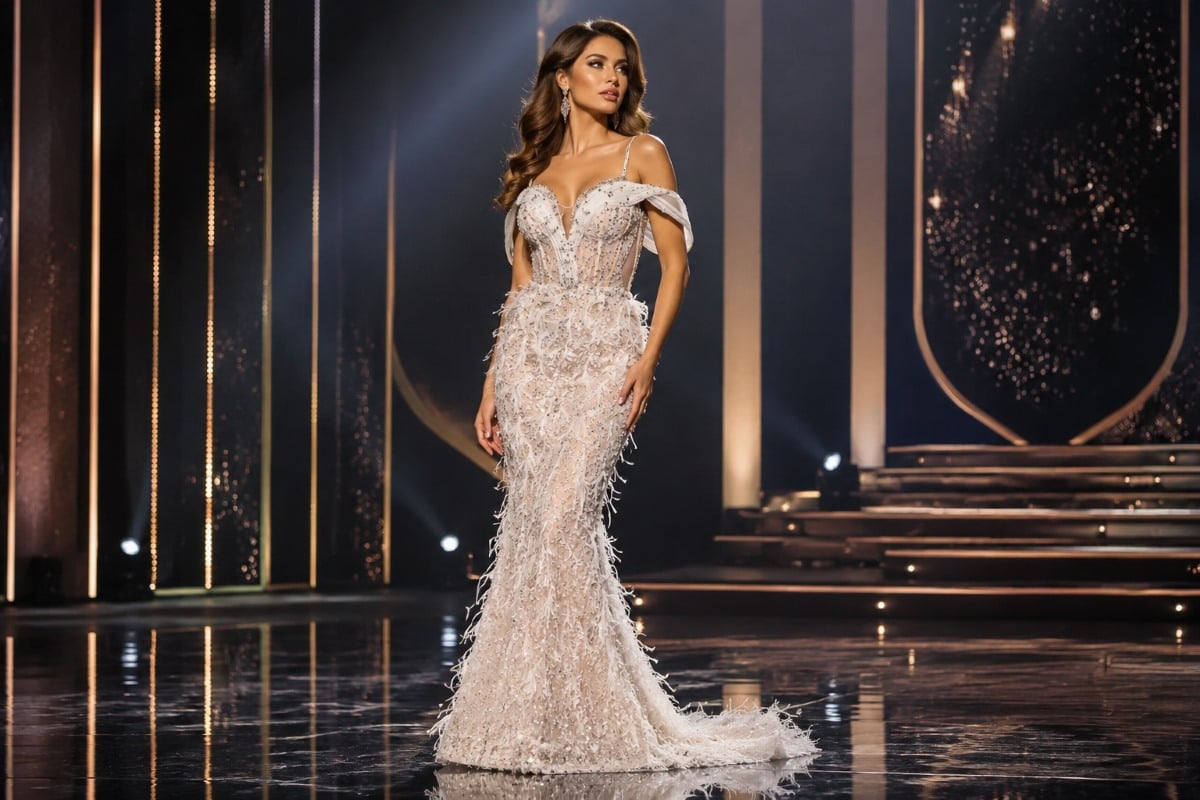
During the on-stage question, the judges are looking at the contestant’s face as she speaks, so a color that flatters her complexion and draws the eye upward serves her well. A shade that complements her skin tone makes her face the focal point, which is exactly where attention should be during her answer. A well-chosen color enhances her presence and makes her look vibrant and confident under the stage lighting. The principles of choosing a competition gown that performs under stage conditions are explored in this guide on winning pageant dress trends, which covers how color and design read under the specific demands of the stage.
Necklines That Frame, Not Distract
The neckline frames the face directly, which makes it especially important for the on-stage question. A neckline that draws the eye toward the face, like a well-placed sweetheart, halter, or elegant off-shoulder cut, enhances the contestant’s presence as she speaks. A neckline that is distracting or that requires adjustment, on the other hand, pulls focus from her words. Choosing a neckline that frames the face cleanly and stays securely in place lets the contestant’s expression and answer take center stage, which is exactly the effect the moment calls for.
Avoiding Distractions During the Answer
The single most important principle for the on-stage question gown is that nothing about it should distract, from the contestant’s focus or the judges’ attention. Eliminating potential distractions is what lets the gown support rather than interfere.
Several potential distractions are worth checking before the competition. Embellishment that is beautiful but noisy, beading that clinks or a fabric that rustles loudly, can interfere with a microphone, so a gown that is visually striking but quiet is ideal for the speaking moment. A gown that requires any adjustment, a strap that slips or a bodice that shifts, pulls a contestant’s hands and attention to her dress instead of her answer. Confirming that the gown stays perfectly in place, makes no distracting sound, and requires no fussing lets a contestant give her full attention to speaking.
The goal is a gown that simply disappears into the background of the moment, supporting the contestant’s poise and presence without ever competing with her words. The styles among best selling evening dresses show the kind of refined, reliable construction that lets a gown look spectacular while staying quietly in place, which is precisely what a contestant needs when every word counts. A gown that does its job invisibly is the gown that best serves the on-stage question.
Practicing and Preparing in Your Gown
Beyond choosing the right gown, preparing in it before the competition is what turns a good choice into a confident performance during the on-stage question. Practice removes the last sources of distraction.
Rehearse the Movement and Stance
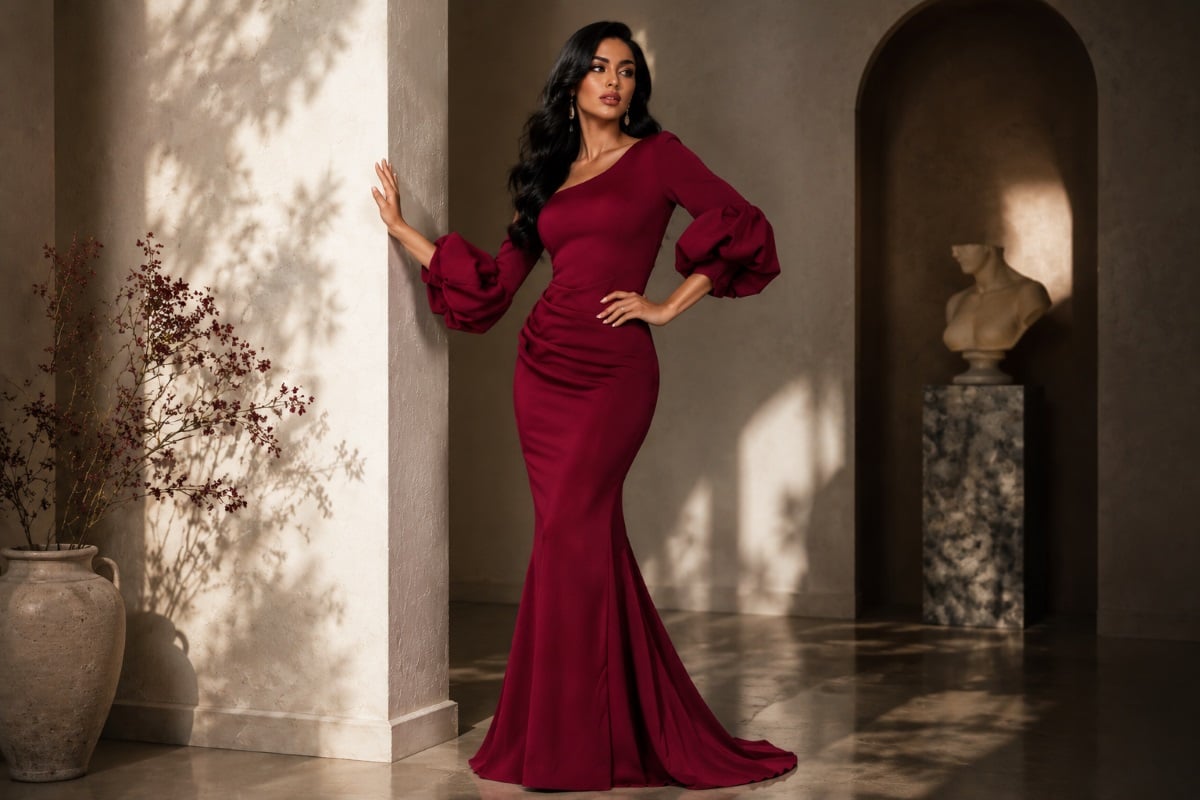
Practicing the on-stage question in the actual gown is invaluable, since it reveals anything the gown does that you would not notice standing still in a fitting room. Rehearse walking to a marked spot, standing as you would at the microphone, and returning, all in the gown and the shoes you will wear. This rehearsal lets you confirm the gown moves gracefully, stays in place, and lets you breathe and speak comfortably, so nothing surprises you on stage. The styles among pageant interview dresses serve the separate interview portion, but rehearsing the on-stage moment in your evening gown specifically prepares you for the question round, which has its own demands.
Confirm Every Detail Holds
Before the competition, confirm that every element of the gown holds up to the on-stage question’s demands: the fit stays secure when you raise your arms or turn, the neckline and straps stay in place, the embellishment makes no distracting sound, and you can breathe fully and project your voice. Checking these details in advance gives you complete trust in the gown, so on stage you can focus entirely on your answer. The styles among beaded formal dresses show how embellishment can be applied securely so it adds glamour without rustling or shifting, which is exactly the kind of reliable detail that holds up during a spoken moment. A gown you have tested thoroughly is a gown you can forget about when it matters.
Putting It Together for the On-Stage Question
Choosing a gown with the on-stage question in mind brings together everything that supports a contestant in that decisive moment. The right gown works on several levels at once.
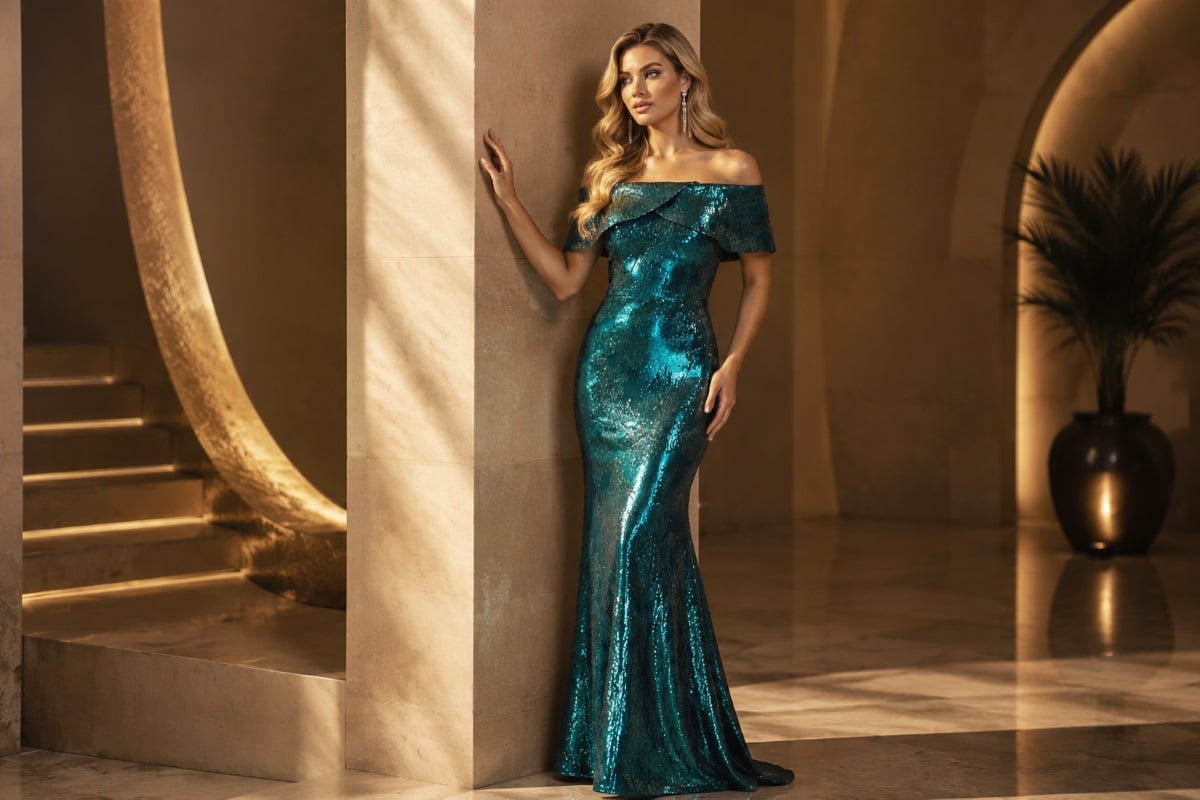
The ideal on-stage question gown fits securely enough that the contestant never thinks about it, allows full and easy breathing so she can speak clearly, permits graceful movement to and from the microphone, frames her face with a flattering color and neckline, and creates no distraction through sound, slipping, or fussing. When a gown does all of this, it lets a contestant stand under the judges’ full attention and deliver her answer with complete poise, which is exactly what the moment demands. The styles among long evening dresses offer the floor-length elegance and reliable construction that suit this decisive stage moment, combining presence with the practical support a contestant needs.
Above all, the right gown for the on-stage question is one that lets the contestant’s intellect, poise, and personality shine without any interference from her dress. The gown should be a confident, quiet foundation that supports her presence while keeping every eye and ear on her words. When a contestant trusts her gown completely, she can focus entirely on the answer that might win her the crown, which is the ultimate goal of dressing for this moment. The right gown gives her that freedom.
About the On-Stage Question Gown FAQ’s
What should I wear for the on-stage question in a pageant?
The on-stage question is usually answered in your evening gown, so the key is choosing a gown that supports you in that specific moment. It should fit securely so you never have to adjust it, allow full breathing so you can speak clearly, permit graceful movement to and from the microphone, frame your face with a flattering color and neckline, and create no distracting sound or slipping. A gown that supports you invisibly lets your answer take center stage.
Is the on-stage question dress different from the interview dress?
Yes, they are different moments. The interview is a private session with judges, often in a separate interview outfit like a dress or suit, while the on-stage question is answered publicly, usually in your evening gown, before the judges and audience. The on-stage question gown must perform under the stage lighting and during movement, while the interview outfit is about professional polish in a seated, close setting. Each calls for a different choice.
How do I make sure my gown does not distract during the on-stage question?
Check that the gown stays perfectly in place without slipping or needing adjustment, makes no distracting sound like clinking beads or loud rustling that could interfere with the microphone, and requires no fussing. A gown that fits securely, stays put, and stays quiet lets you give full attention to your answer. The goal is a gown that disappears into the background of the moment, supporting your poise without ever competing with your words.
What neckline is best for the on-stage question?
A neckline that draws the eye toward your face and stays securely in place serves the on-stage question best, since the judges focus on your face and expression as you speak. A well-placed sweetheart, halter, or elegant off-shoulder cut frames the face and enhances your presence. Avoid any neckline that requires adjustment or pulls focus, since the on-stage question is about letting your expression and answer take center stage cleanly.
Can I move comfortably to the microphone in a fitted gown?
You can, as long as the gown is constructed to allow movement. A fitted gown with a thoughtful skirt construction, a slit, or stretch in the fabric lets you stride comfortably to the microphone and back, while a gown that is too restrictive forces small, constrained steps. Confirm you can walk and turn with ease before the competition, since graceful movement during the on-stage question depends on a gown built to move with you.
Does the color of my gown matter for the on-stage question?
Yes, since the judges are looking at your face as you speak, a color that flatters your complexion and draws the eye upward serves you well. A shade that complements your skin tone makes your face the focal point and helps you look vibrant and confident under the stage lighting. A well-chosen color enhances your presence during the answer, supporting the impression of poise and confidence the on-stage question is designed to reveal.
The Gown That Lets Her Words Shine
Dressing for the on-stage question means choosing a gown that supports a contestant in one of the most decisive moments of the competition. The right gown fits so securely she never thinks about it, allows full breathing so she can speak with a clear voice, permits graceful movement to and from the microphone, frames her face with a flattering color and neckline, and creates no distraction through sound, slipping, or fussing. When a gown does all of this, it becomes a quiet, confident foundation that lets her intellect, poise, and personality take center stage exactly when it counts most. Choosing a gown with this moment in mind, not just the walk, is what lets a contestant focus entirely on the answer that could win her the crown. Jovani has spent more than forty years engineering pageant and evening gowns built to perform under the full demands of the stage, supporting contestants through every decisive moment of competition.