
What to Wear to Prom: Dress Code and Etiquette Guide
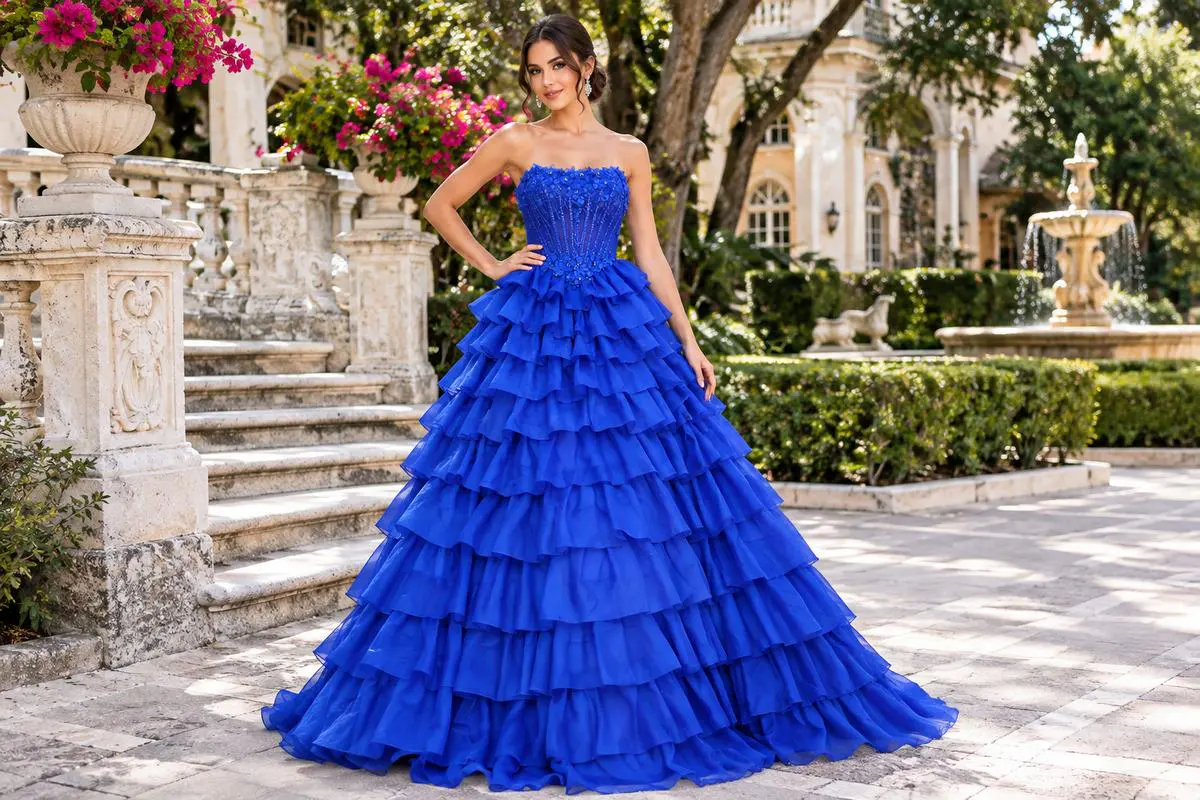
What to wear to prom starts with your school’s dress code, not a trend. Most proms call for formal attire, such as a floor-length dress, a dressy midi, or a tailored suit. Check the invitation, venue, and any written clothing restrictions before choosing your outfit. Then make sure you can sit, walk, and dance comfortably.
What Does the Prom Dress Code Actually Mean?
A prom dress code tells you how formal to dress and which clothing details your school permits. “Formal” usually means polished eveningwear rather than everyday party clothes. However, the school’s written requirements take priority over general etiquette advice. If an invitation simply says prom, ask the organizers about expected formality before spending money.
The safest starting point is prom attire suited to the venue and school rules. A hotel ballroom may favor more elaborate looks, while a school gym can accommodate simpler formal styles. Neither setting automatically determines a required hemline.
What to Wear to Prom for Different Dress Codes
Choose the level of formality first, then narrow down the silhouette, fabric, and accessories. A dress can be beautiful yet still feel too casual for a black-tie event. The same outfit may also be impractical for an outdoor celebration.
Formal or Black Tie Prom
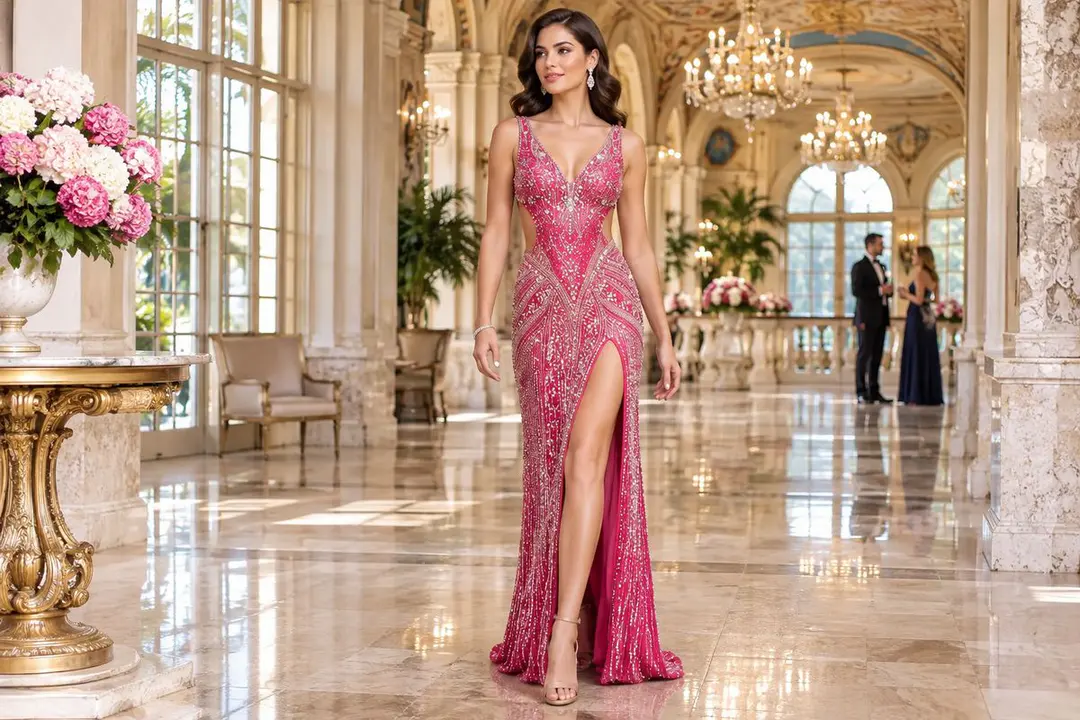
For a formal or black-tie prom, consider formal prom gowns, an elegant evening dress, or a dark suit or tuxedo. Floor-length styles are a familiar choice, but a school may allow other polished options. Check the invitation for any specific requirements before treating black tie as a universal rule.
Cocktail or Semi-Formal Prom
A cocktail or semi-formal dress code allows a dressy shorter hem, refined separates, or a tailored suit. Keep fabrics, shoes, and overall styling elevated enough for an evening event. Avoid assuming that any short casual dress qualifies as cocktail attire.
Themed Prom
A theme can guide your color palette and accessories without requiring a costume. For a masquerade theme, for example, a formal outfit can remain the foundation while the mask provides the theme detail. Ask whether the theme is optional or part of the event rules.
How Do You Check Whether a Prom Outfit Meets School Rules?
Read the actual school policy and compare each detail with the outfit you plan to wear. Schools may regulate necklines, cutouts, open backs, strap coverage, or skirt length. These requirements vary, so advice from another school cannot confirm what yours permits.
If coverage is a concern, school-friendly prom dresses offer a useful starting point for comparing necklines and backs. Jovani’s modest collection describes options with higher necklines and fuller coverage, but individual product details still need checking. Ask a school administrator about any ambiguous rule before purchasing.
Prom Dress Options That Feel Formal and Comfortable
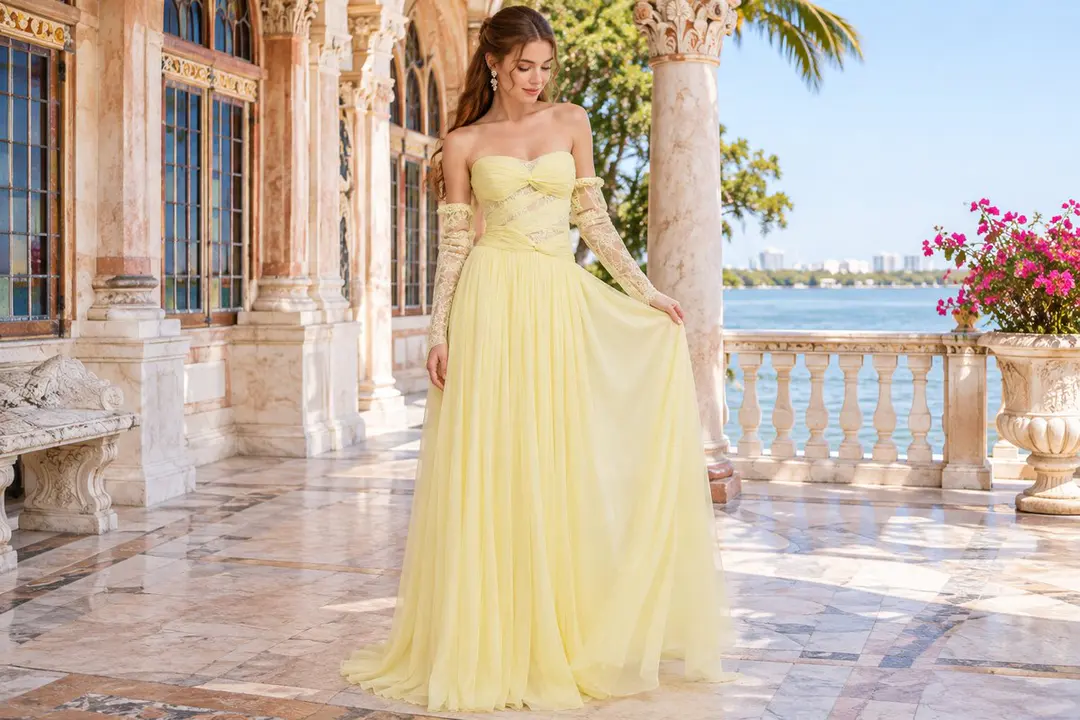
The right outfit should match the dress code and stay comfortable through photos, dinner, and dancing. Try several silhouettes rather than selecting only by how a dress looks while standing still. Fit and freedom of movement matter as much as the visual effect.
Ball Gowns and A-Line Styles
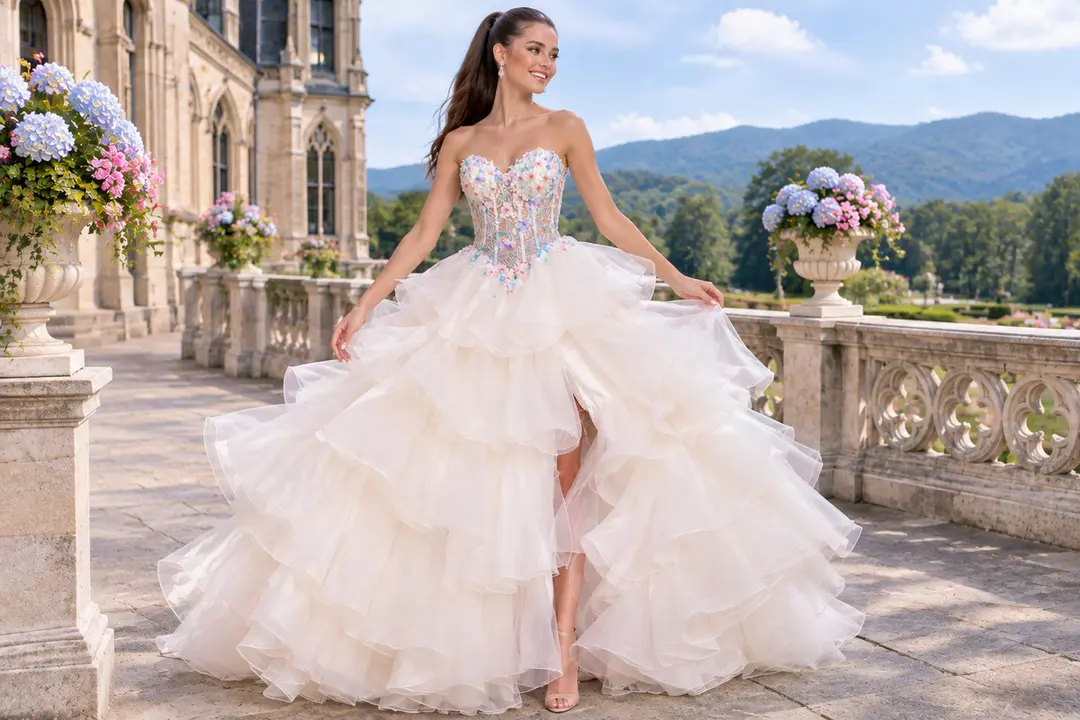
ball gown prom dresses create a traditional formal look with fitted bodices and full skirts. Jovani describes steel boning, built-in cups, and lined skirts in its ball gown collection. Those construction details can support the bodice, although a full skirt still needs room to move through doorways and crowded dance floors.
Column and Fitted Silhouettes
sleek column prom gowns create a narrower line with less skirt volume. Jovani lists stretch fabrics, structured bodices, and selected high-slit styles in this category. Try sitting and taking a full stride before deciding whether a fitted cut works for your evening.
Short, Midi, and Floor-Length Dresses
Short and midi dresses may be appropriate when the school allows them. A long dress often reads more formal, but length alone does not determine the dress code. Use the prom dress length guide for a closer comparison of hems, venues, and movement.
What to Wear to Prom for Guys and Suit Wearers
For guys and anyone who prefers tailoring, a dark, well-fitted suit is a practical formal option when the invitation does not require a tuxedo. A tuxedo is the more traditional black-tie choice. Match the shirt, shoes, and accessories to the stated formality rather than treating a jacket alone as sufficient.
Choose trousers that sit comfortably when seated, and check that the jacket allows natural arm movement. A tie or bow tie can complete the look, depending on the event. School policies may apply to suits and other outfits as well, so confirm those rules rather than assuming they only concern dresses.
Prom Etiquette That Affects Your Outfit
Prom etiquette is about consideration, comfort, and following event expectations. Coordinating colors with a date is optional, not an obligation. If you plan to exchange a corsage or boutonniere, agree on the details beforehand so both outfits remain comfortable and coordinated.
Shoes should be secure enough for walking and dancing, and accessories should not catch on other people’s clothing. The prom dance etiquette article covers behavior on the dance floor in more detail, including asking someone to dance and respecting personal space.
The Final Fitting Checklist Before Prom
Test the entire outfit at home or during your fitting rather than waiting for prom night. Wear the intended shoes and undergarments so the hem and bodice sit as they will at the event. Check your comfort in the following situations:
- Sit fully in a chair without pulling at the neckline or waist.
- Walk, turn, and climb a small step without catching the hem.
- Raise your arms and dance briefly to test support and movement.
- Check the dress under bright light for unwanted transparency.
- Confirm the school policy once more after any alterations.
For a more detailed fitting-room process, see Jovani’s prom dress shopping advice. If a garment needs alterations, ask the retailer about timing before committing to a style. Do not assume every neckline, fabric, or silhouette can be changed safely.
Common Prom Dress Code Mistakes
The most avoidable mistake is buying before reading the school’s dress code. Another is choosing a garment that looks formal in photographs but feels uncomfortable when seated. Also avoid relying on another student’s interpretation of a rule when the organizers can clarify it directly.
A final practical check is to consider the entire evening, including transportation, weather, and the venue. A train that looks impressive in a fitting room may need careful handling on stairs. Pack only the small essentials you can comfortably carry.
Once you know what to wear to prom, visit an authorized Jovani retailer to compare fit, coverage, and movement in person before making your final choice.
Frequently Asked Questions
Can you wear a short dress to prom?
Yes, if your school allows the length and the outfit matches the event’s formality. A dressy short or midi style can work for some proms, while other schools expect more formal coverage.
Can you wear black to prom?
Yes. Black is a classic formalwear color and is generally suitable for prom. Check for any unusual theme or color requirements announced by your school.
Do you have to match your prom date?
No. Matching colors is a personal styling choice rather than a standard etiquette requirement. Coordinating one small detail is enough if both people want a connected look.
Can you wear sneakers to prom?
Only if the school’s dress code permits them. Clean, dressy sneakers may work for a relaxed event, but formal footwear is a safer choice when the invitation specifies black tie or formal attire.