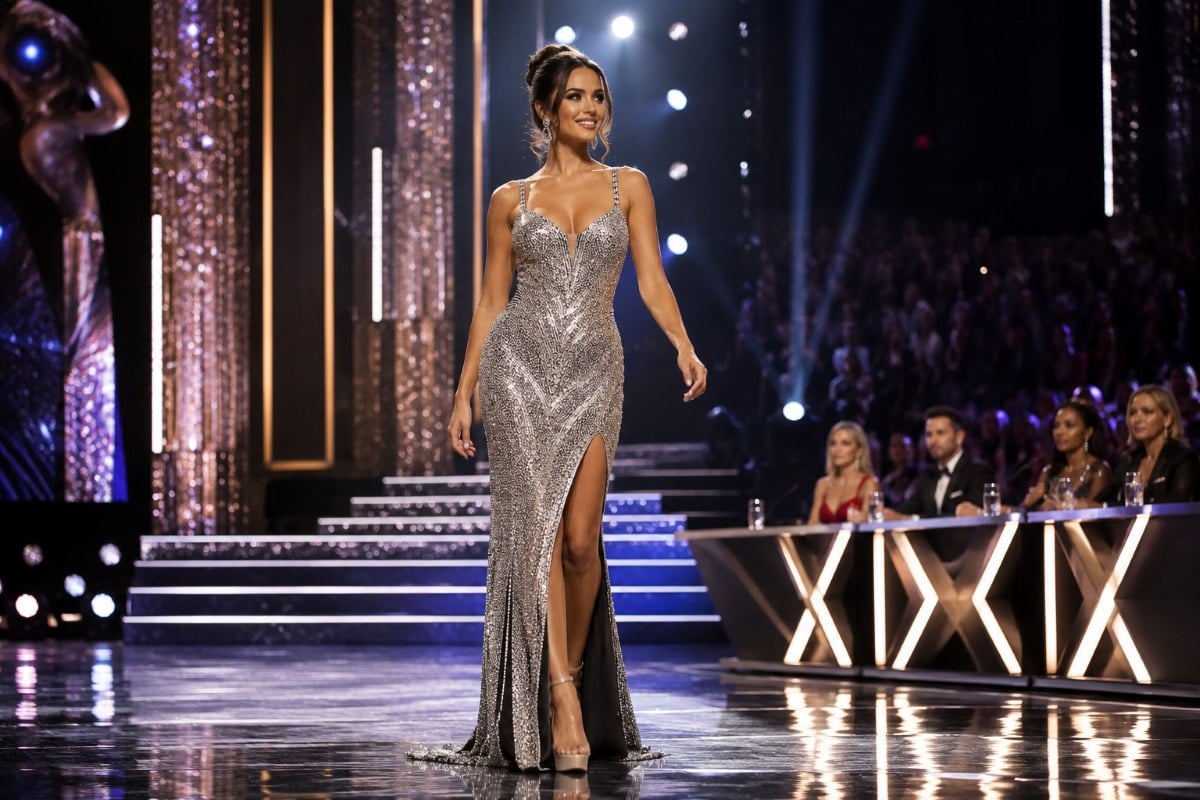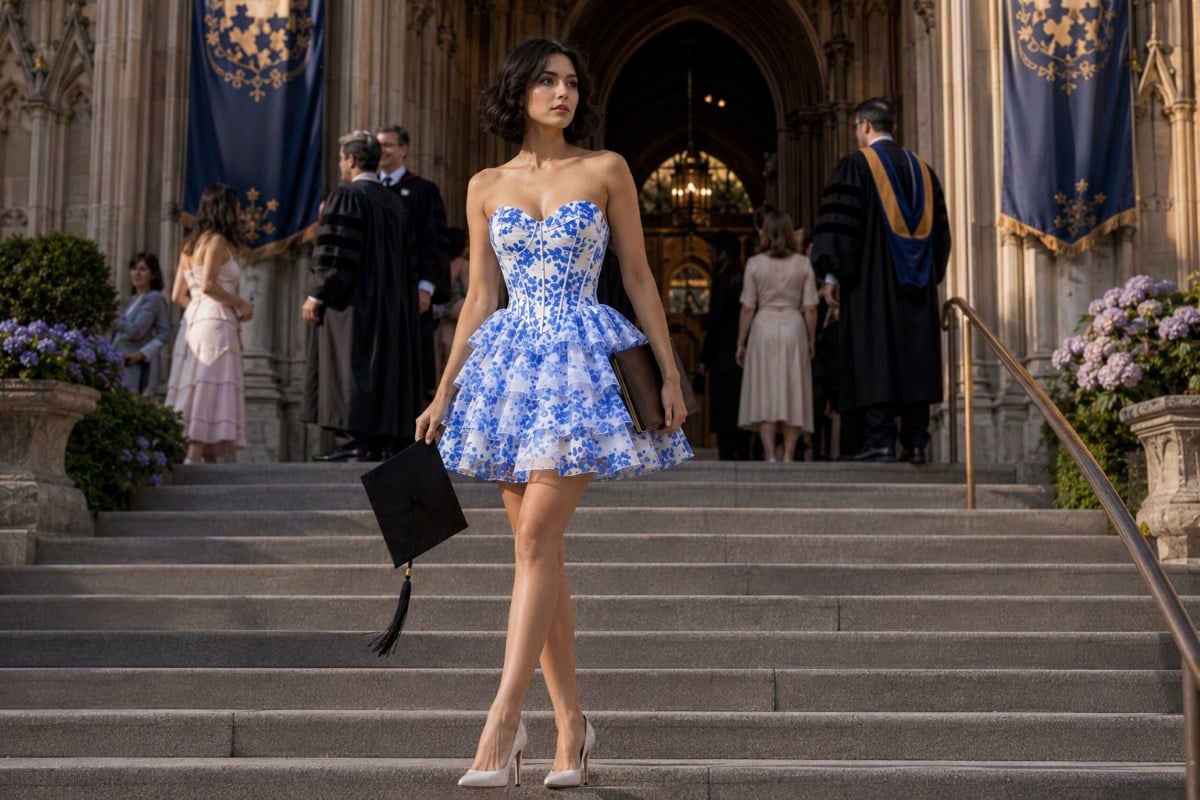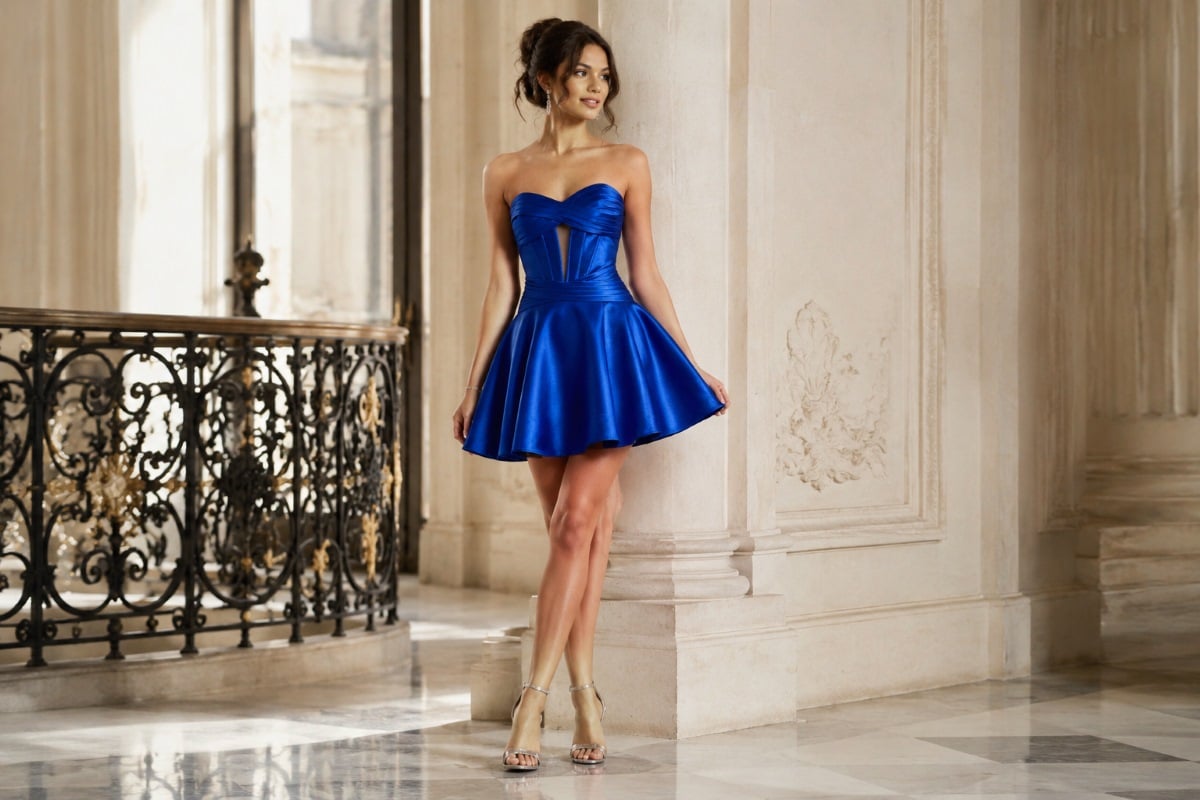

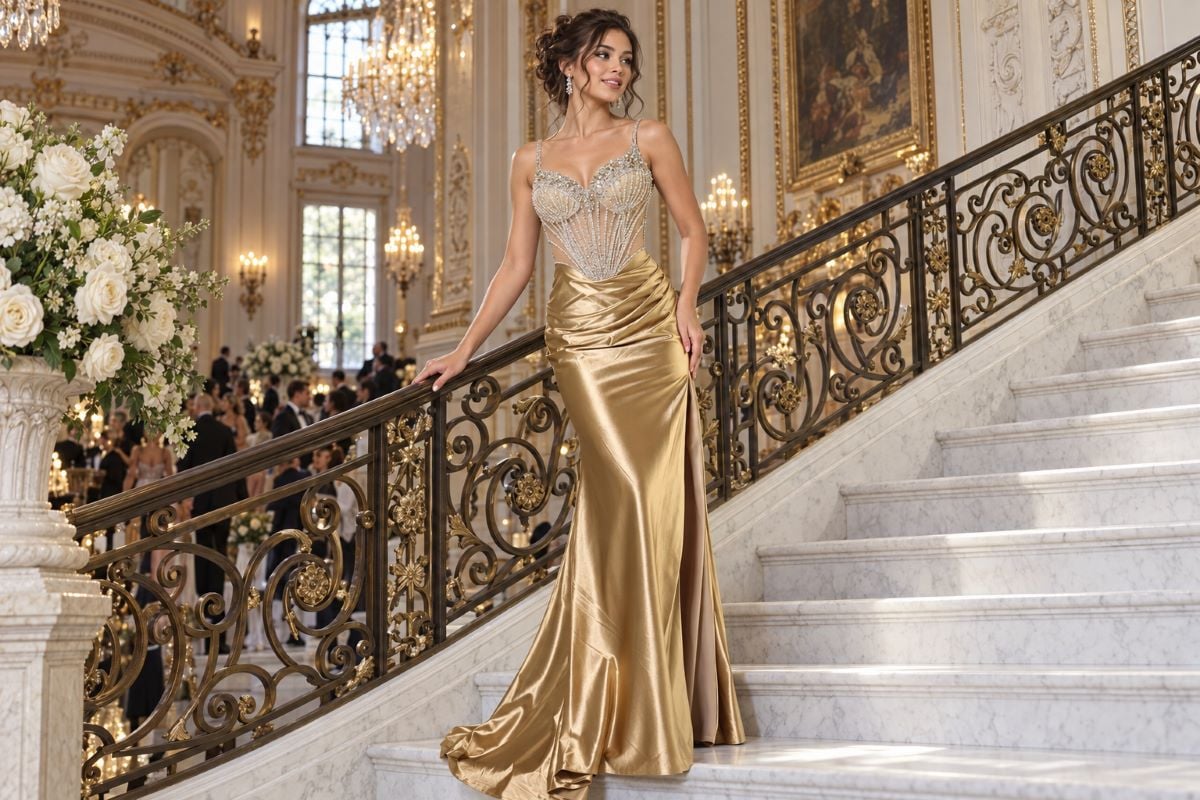
Do you have to wear a dress to prom? Almost never. No standard prom rule requires one: suits, jumpsuits, and two-piece sets are fully legitimate formalwear, and schools regulate formality, not which garment delivers it. The one honest exception: a minority of schools, often private or religious, publish explicitly gendered dress codes, so the first move is reading your school’s actual policy before building the outfit. This guide covers that check, then builds every non-dress route to full prom level.
Do You Have to Wear a Dress to Prom by Your School’s Rules?
Pull up the dress code, usually in the student handbook or the prom announcement, and read for three things. First, a formality standard (formal or semi-formal, which any tailored outfit meets); second, garment-neutral coverage rules (hem, neckline, and midriff lines that apply to every attendee); third, and rarely, gendered language that names dresses for girls specifically. Most codes stop at the first two, and any outfit below clears them. If yours contains the third, raise it with the administration early rather than at the door on prom night, because the door is the one place this conversation never goes well. Policy read, outfit next.
The Suit Route, Built Properly
A suit at prom succeeds on the same thing a gown does: fit and fabric doing the formal work. Tailoring is everything, sleeves and trousers hemmed to you, the shoulder seam sitting exactly at the shoulder, because a borrowed-looking suit reads casual while a fitted one reads like the best-dressed decision in the room. Fabric carries the evening register: velvet, satin lapels, subtle shine, or a saturated color move the suit from office to occasion in one choice. The dedicated suits collection is cut for exactly this brief.
Our women’s formal suits guide runs the full fit-and-fabric course, hemming budget included.
The Jumpsuit Route
The formal jumpsuit is the middle path: one piece like a gown, legs like a suit, and a wide-leg silhouette that photographs like a column and dances like trousers. The prom version wants evening fabric and structure, crepe, satin, a defined waist, and it leans on heels or polished flats to hold the long line. The jumpsuits range covers the register.
The styling course, from the shoulder layer to the jewelry math, lives in our evening party jumpsuits guide.
The Two-Piece and the Middle Ground
For anyone whose hesitation is about the gown’s formality rather than dresses themselves, two quieter routes exist. The crop-and-skirt set delivers prom drama with a modern edge, and two piece prom dresses own that lane outright.
And the minimalist gown, clean lines, no beadwork, architecture over ornament, often satisfies the same instinct that started the no-dress search, which is why simple prom dresses deserve one honest scroll before the final decision. Both keep every door open.
Making It Prom, Not a Meeting
Whatever the garment, prom level is a styling altitude, and three moves get any outfit there. Shine somewhere: a metallic shoe, a sequined layer, jewelry with presence, because evening light rewards one reflective element. Occasion hair and makeup: the same effort a gown would get, since the outfit reads as formal partly through everything around it. And one statement: a bold lip, a dramatic earring, a velvet jacket, the single element that says celebration rather than workday. Skip all three and a perfect suit reads like a conference; land them and it reads like the cover photo.
Coordinating With a Date When You’re Not in a Dress
The classic matching playbook, his tie to her dress, assumes a dress, but the system underneath it survives any outfit: pick one shared color or metal and repeat it once on each of you. A pocket square to your lapel flower, his boutonniere to your jumpsuit’s tone, her dress to your suit lining. The full color-matching system, boutonnieres included, lives in our guide to coordinating with your date’s outfit, and every rule in it translates garment-free.
The Answer, Once More With Confidence
So, do you have to wear a dress to prom: almost certainly not, and the exceptions announce themselves in writing, so read the policy, then build the route you actually want, the tailored suit, the wide-leg jumpsuit, the two-piece, or the gown you chose freely. Prom outfits that aren’t dresses stopped being a workaround years ago; they are simply formalwear now. And if the browsing changes your mind halfway, the full spread of prom gowns holds no grudge. Fit whichever route wins in person at an authorized Jovani retailer near you, and let the mirror, not the rulebook, make the final call.
Prom Outfit Rules FAQ
Is it OK to not wear a dress to prom?
Yes. Suits, formal jumpsuits, and two-piece sets are legitimate promwear at the vast majority of schools, which regulate formality rather than garment type. Check your school’s published dress code first, since a small minority spell out gendered rules.
Can a girl wear a suit to prom?
At most schools, absolutely: a tailored suit in evening fabric, velvet, satin lapels, or a rich color, meets any formal standard. Fit is the whole game, so budget for hemming and shoulder tailoring the way you would for gown alterations.
Can you wear a jumpsuit to prom?
Yes. A wide-leg formal jumpsuit in crepe or satin with a defined waist reads fully prom-appropriate, photographs like a column, and outdances most gowns. Style it with heels, occasion jewelry, and evening hair to hold the register.
What should you wear to prom if you hate dresses?
Pick the route that fits the hesitation: a tailored evening suit for structure, a formal jumpsuit for one-piece ease, or a two-piece set for modern drama, then add shine, occasion hair, and one statement element so the look reads celebration, not office.