
Red Carpet Inspired Prom Dresses: How to Get the Look
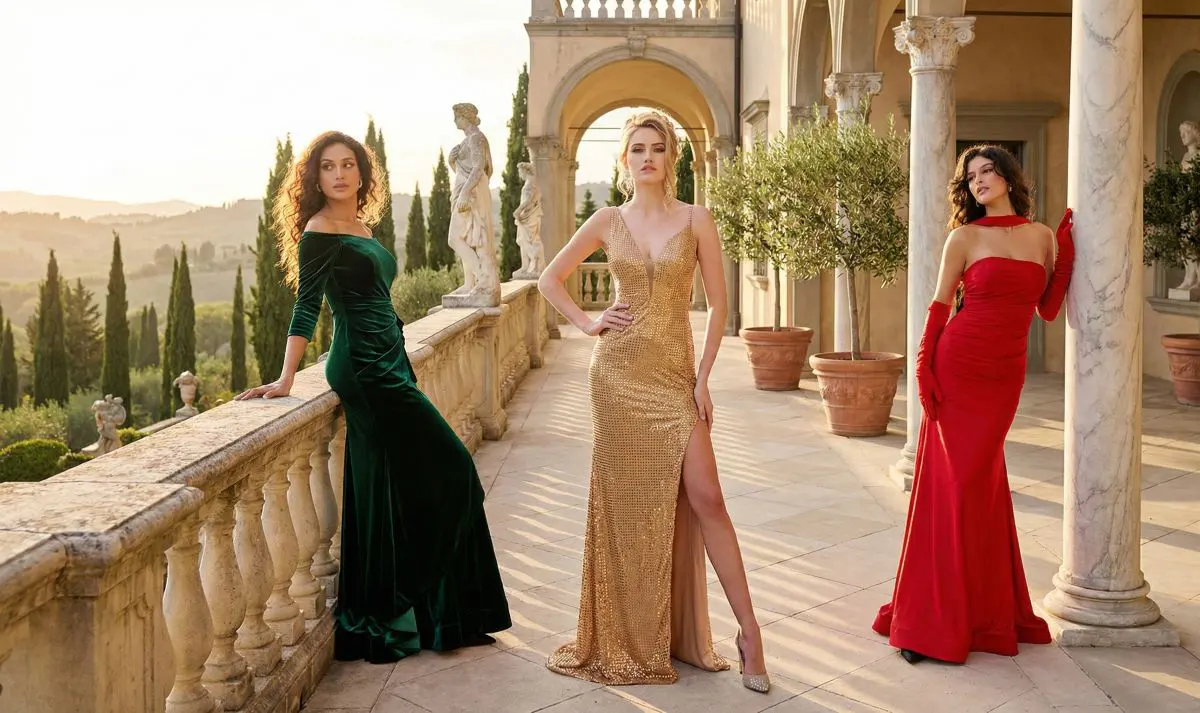
A red-carpet-inspired prom dress usually combines a formal silhouette, one strong visual feature, a deliberate finish, and a fit that still allows you to move comfortably through the event. The goal is not to copy a celebrity outfit. It is to borrow the design principles that make a formal look read clearly in person and in photos.
What makes a prom dress feel red-carpet inspired?
A red-carpet-inspired prom dress usually has a clear silhouette, controlled surface detail, and one feature that creates visual focus without making the entire gown compete for attention.
That focal point might be a sculptural neckline, a reflective surface, a strong color, a slit, or a controlled train. The effect comes from how those elements work together, not from adding every dramatic detail at once.
Silhouettes that create a red-carpet effect
Silhouette sets the outline of the look before color or embellishment enters the picture. The most useful question is how the gown reads from a distance and how well you can manage it while walking, sitting, and turning.
Long and clean lines
Floor-length gowns are common in formal red-carpet dressing because they create a continuous line and a strong sense of occasion. Length alone does not create the effect, so also look at how the skirt falls and whether the hem is manageable with your intended shoes.
If you want to compare formal options with less visual interruption, browse long prom dresses and focus on line, movement, and hem control.
Fitted silhouettes with controlled flare
Mermaid and trumpet shapes stay close through the torso and hip area before opening lower on the skirt. The flare point changes how easily you can take a full stride, so movement should be checked during the fitting rather than judged only from a photo.
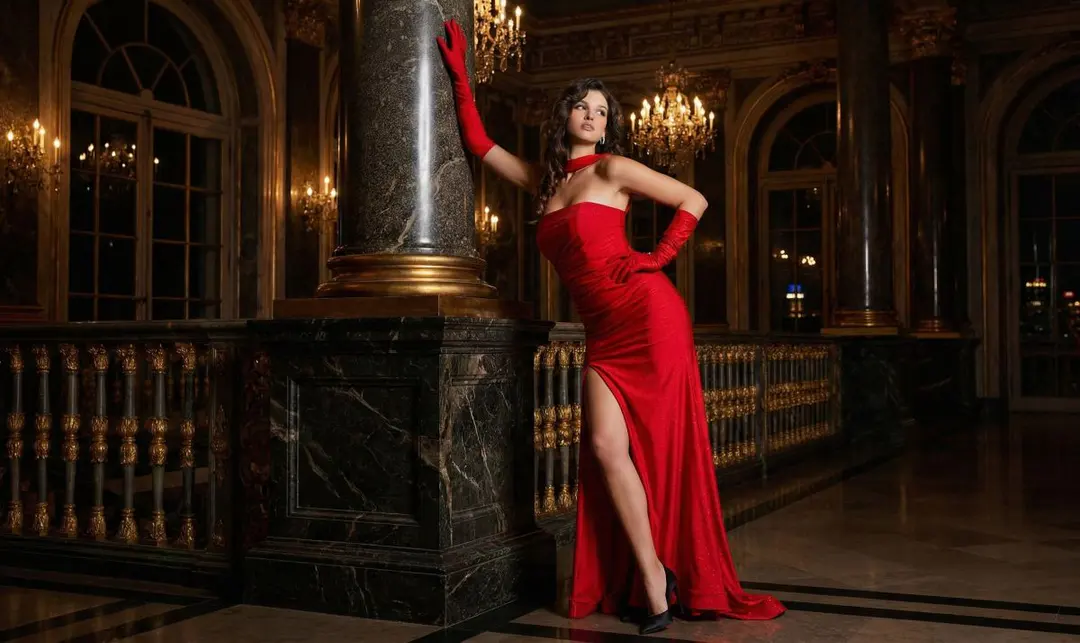
For a closer comparison of fitted shapes, mermaid prom dresses show how flare placement changes the overall outline and movement.
Sculptural and asymmetric shapes
Asymmetric necklines, bows, structured draping, layered volume, and unusual skirt shapes can create a strong red-carpet effect without relying on heavy embellishment. These details work best when they stay stable and do not interfere with movement.
How fabric finish changes the effect
Fabric changes how the dress reacts to light and movement. Instead of treating one material as automatically more formal, compare the surface finish, drape, weight, and amount of reflection.
Reflective finishes
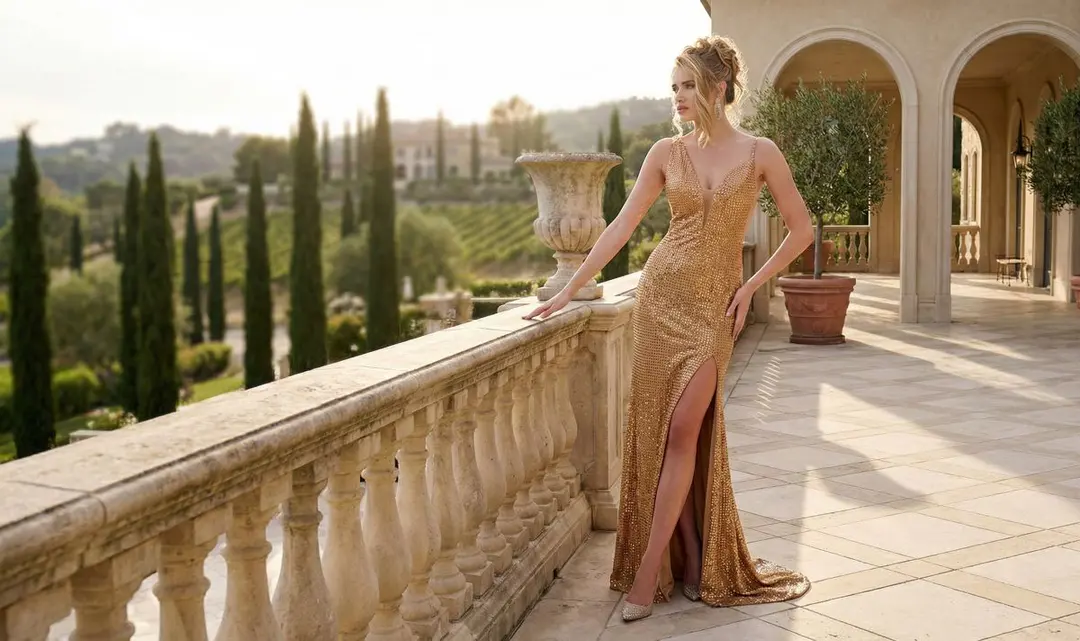
Sequins, metallic surfaces, and other reflective details create visible points of light as you move. That can make a simple silhouette read more strongly, especially in photography or evening lighting.
If reflection is part of the look you want, compare sequin prom dresses and pay attention to how dense the surface detail is across the gown.
Matte and deep textures
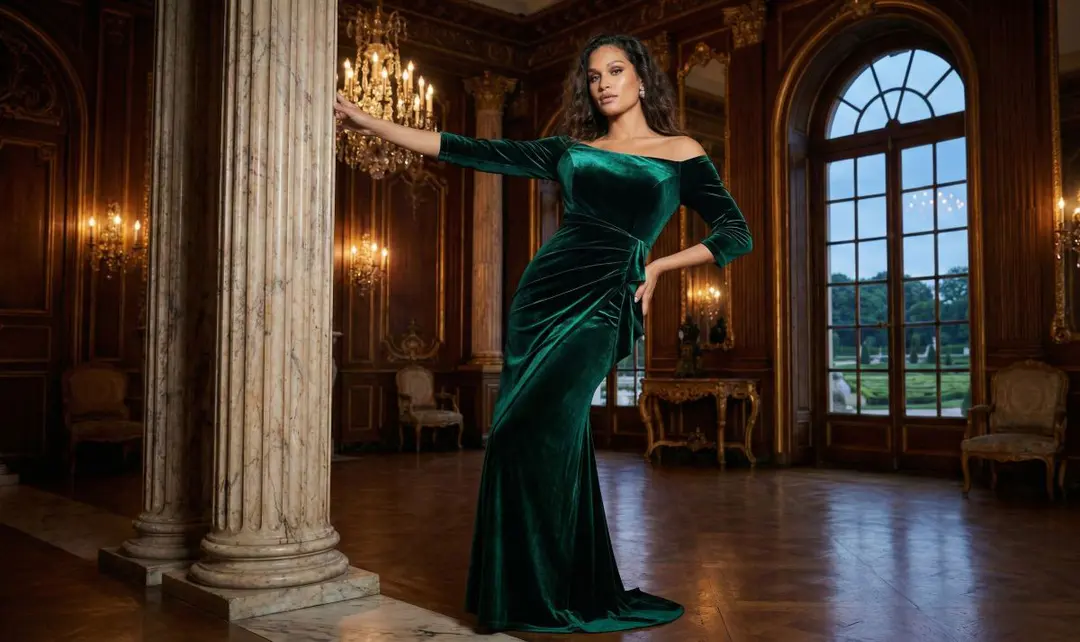
Velvet and other lower-shine surfaces can create depth without producing the same amount of reflected light. Texture can become the focal point when the silhouette and color are relatively controlled.
Fabrics that emphasize movement
Softer or layered fabrics can create visual interest through motion instead of shine. Check whether the skirt moves freely without becoming difficult to control, especially if the gown also includes a train or several layers.
How color changes the visual impact
Color affects how quickly the dress separates from the background and how much attention shifts toward the silhouette or surface detail. There is no single red-carpet color formula.
Saturated color
Strong red, green, blue, or purple can create high visual contrast when the surroundings are neutral. The effect depends on lighting and fabric finish, so the same shade may read differently in velvet, satin, or sequins.
Metallic and reflective color
Gold and silver create impact through both color and reflected light. A metallic gown may need less additional embellishment if the surface itself already carries most of the visual attention.
Black and deeper tones
Black and other deep tones place more emphasis on silhouette, neckline, and texture. In lower light, make sure the structural details of the dress remain visible enough for the effect you want.
Use one strong focal detail
A red-carpet look becomes easier to read when one element leads. That could be the neckline, back, slit, train, surface texture, or color rather than several equally strong details at the same time.
Necklines and shoulders
Off-shoulder, one-shoulder, halter, sweetheart, and deeper necklines all create different visual emphasis. Choose based on the line you prefer and how securely the neckline stays in place during normal movement.
Slits, trains, and back details
A slit or open back can create a strong focal point without adding surface decoration. Trains add movement and scale, but they also require more floor awareness while walking or dancing.
If a train is part of the look, Jovani's prom dress train guide explains how different train lengths affect movement and handling.
Red carpet details that need adapting for prom
Some red carpet staples rarely work at prom exactly as they appear. Very high slits and deep plunges are managed with tape and careful posing on a carpet, but at prom they have to survive dancing and school dress codes. A slit at mid-thigh or a V neckline with an illusion panel keeps the effect without the risk. Long trains look dramatic in one photo and become a problem the moment people start stepping on them, so choose a bustle or a detachable train. Feathers work as trim at a hem or neckline, but a full feather skirt sheds and is hard to sit in.
The part of celebrity style that translates best is texture. Red carpet looks are built for flash photography, and so is prom. Sewn sequins and beading catch light evenly, while matte fabrics keep the focus on the shape. Borrow one idea, the silhouette, the color or the texture, rather than copying the whole look.
How to make dramatic details practical for prom
Test the dress beyond a standing pose. Walk at a normal pace, sit fully, use stairs if available, raise your arms, and turn in both directions. A detail that looks strong in a photo should still work through a full event.
Check the train, slit, straps, neckline, and closures while moving. Also notice the total weight of the gown after several minutes rather than assuming a dramatic style will feel the same all night.
Red-carpet style is not limited to one size or coverage level
The same design principles can work across different sizes and coverage preferences. A clear silhouette, controlled detail, strong color, or reflective finish does not depend on one body type or one amount of skin exposure.
If you prefer more coverage, sleeves, higher necklines, fuller skirts, and covered backs can still create a strong formal look. If you prefer a more open design, check the actual neckline, back, and side placement for comfort and dress-code fit.
How to create the look without overspending
A red-carpet effect comes more from line, fit, finish, and one deliberate detail than from price alone. A simpler dress can still feel highly formal if the silhouette is clean and the focal point is clear.
If budget is part of the decision, browse prom dresses under $500 and compare the same red-carpet principles rather than assuming a higher price is required for the look.
What shoppers ask about red-carpet inspired prom dresses
These questions cover the practical choices that matter most when adapting red-carpet design ideas for prom.
What makes a prom dress look red-carpet inspired?
A clear silhouette, one focal detail, and a deliberate fabric or color finish are a strong starting point. The look does not require copying a celebrity gown or combining several dramatic elements.
Does a red-carpet prom dress have to be floor length?
No. Floor length is common in formal red-carpet dressing, but a shorter or asymmetric dress can still create the effect through structure, finish, and a strong focal detail.
Are sequin prom dresses good for a red-carpet look?
Yes. Sequins create visible reflection and can give a simple silhouette more visual impact. Check how the surface looks under the lighting you expect to encounter.
Can a simple prom dress still look red-carpet inspired?
Yes. A clean silhouette, strong color, unusual neckline, or controlled train can create a formal red-carpet effect without heavy embellishment.
How do I choose one statement detail without overdoing it?
Choose the element you want people to notice first, then keep the surrounding details quieter. If the fabric is highly reflective, the neckline or accessories may not need the same level of visual intensity.
What should I check before buying a dramatic prom gown?
Check walking, sitting, stairs, closures, neckline stability, train handling, and total weight. A dramatic detail should remain manageable through normal movement, not just look good while standing still.
Try the gown in person and check how the silhouette, fabric, and focal details work together through an authorized Jovani retailer.
What should you wear to a red carpet themed prom?
A floor length gown in a solid, saturated color is the most on-theme choice, since the entire visual reference is a full length dress photographed from the front. Red, black, emerald, sapphire and burgundy all work. Avoid prints and two-tone designs, which break the effect immediately.
Which silhouette photographs best?
A fitted mermaid or trumpet gives the clearest silhouette from any angle, which is why it dominates event photography. A column gown gives the cleanest line and reads as expensive with no embellishment. An A line is the practical compromise, carrying the formality while letting you move and dance normally.
How do you make a prom dress look more expensive?
Fit first, since tailoring does more than price. Then a single continuous color with no contrast breaks, a fabric with enough weight to hold its shape, and one focal point rather than several. Thin fabric under bright light is what most often gives a gown away.
Do you need a designer gown for a red carpet look?
No. What creates the effect is floor length, structure, exact fit and restraint. A well-altered gown in a strong solid color will read better than an expensive dress that does not fit properly.
Can a celebrity-inspired dress meet a school dress code?
Usually, with small changes: a lower slit, an illusion panel in a plunge, sheer sleeves instead of open sides, and a lined skirt. Check your school's written rules before you choose.
Do celebrity trends date prom photos?
Very specific ones can. Shape and color date more slowly than a novelty trim or unusual cut-out, so borrow the silhouette or color if you want photos that still look right years later.
Will it look the same at my prom as on a red carpet?
Not exactly, because event photographs are lit by many flashes at once, which flattens shadows and enriches fabric. School lighting is different. Test the gown with a phone flash on and off before you commit, and remember that unlike a red carpet, you will sit and dance in it.