
Pleated Prom Dresses: A Complete Style and Care Guide
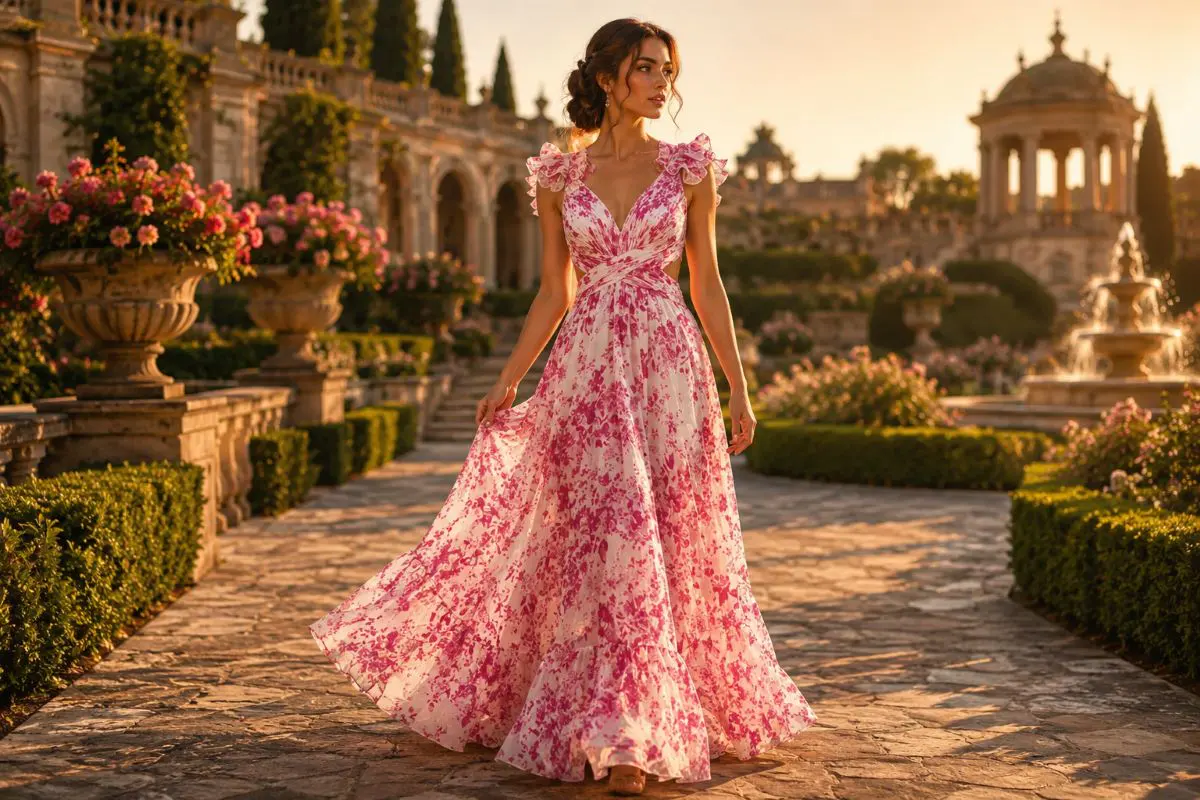
Pleated prom dresses use folded fabric to create texture, control volume, and change how a gown moves. The effect can be crisp and structured or soft and fluid, depending on the pleat type, fabric, and placement.
This guide explains the pleat styles you are most likely to see in formalwear, how they behave on different silhouettes, what to inspect during a fitting, and how to care for the dress without damaging the folds.
What is a pleated prom dress?
A pleated prom dress is a formal gown that uses repeated folds of fabric on the bodice, skirt, or both. Those folds can add texture, shape the volume of the skirt, and create more visible movement when you walk or turn.
Pleating can be sewn, pressed, or heat set, and the method affects how the folds behave. If you want to compare current examples, pleated prom dresses show how the same technique can look very different across chiffon, satin, fitted shapes, and fuller skirts.
The pleat types you are most likely to see in formal dresses
Knife pleats use repeated folds that face in the same direction. They create an orderly pattern and can appear on both bodices and skirts. The visual effect is clean and consistent because the folds repeat at a similar width.
Box pleats use paired folds that open away from each other. They create more controlled volume and a more structured surface. Inverted box pleats reverse that direction, so the folds meet toward the center instead.
Accordion pleats are narrow folds that alternate direction and open more visibly when the fabric moves. Sunburst pleats are related, but they begin narrower at one point and widen toward the hem. This creates a fan shaped pattern with more expansion lower in the skirt.
Crystal pleats are very narrow and fine, so the surface looks more textured than sculptural. Pintucks and gathered pleats are usually smaller details used to add surface interest rather than large skirt volume.

How pleat placement changes the look of a prom dress
The direction and starting point of a pleat often matter more than a body shape label. Vertical pleats create repeated downward lines. Box pleats add more controlled volume. Accordion and sunburst pleats open more noticeably as you walk or turn.
A pleated bodice keeps the texture near the upper part of the dress, while a pleated skirt moves the visual detail below the waist. A gown that combines both can feel more textured overall, but the exact balance depends on the fabric and the size of the folds.
If you prefer a gradually widening skirt, A Line prom dresses are a useful comparison point because pleats often have more room to open across that silhouette.
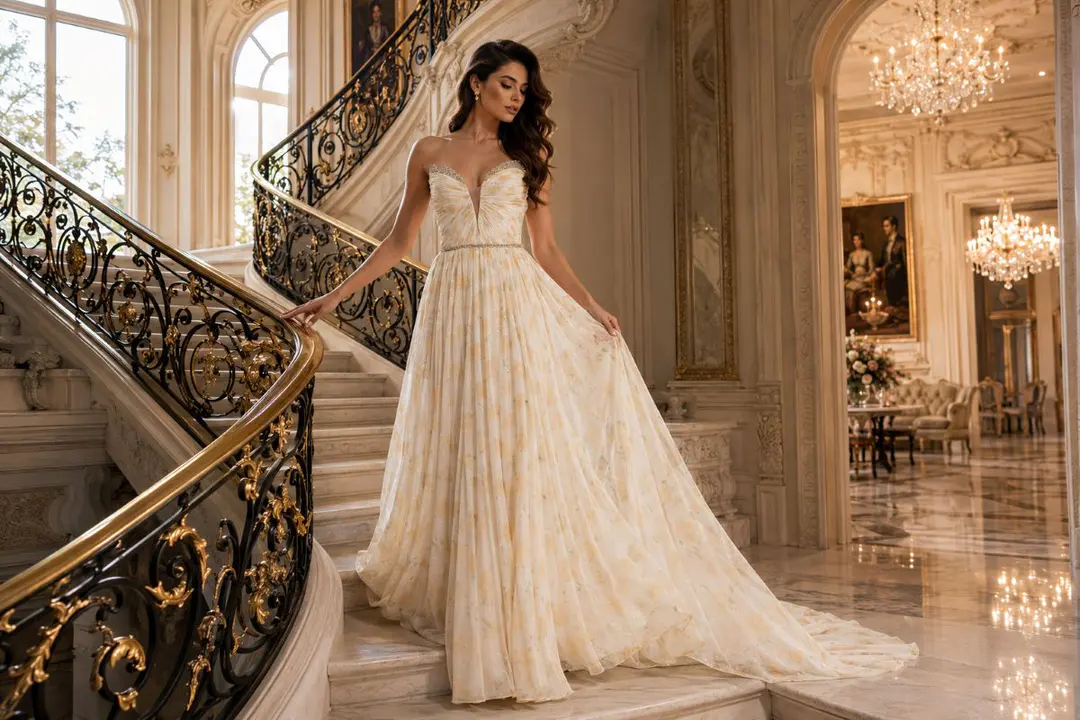
How fabric changes the way pleats behave
Fabric weight, fiber, finish, and pleat method all affect the result. Softer materials usually create more fluid folds, while firmer materials can hold a clearer edge. That does not make one option better than another. It changes the kind of movement and structure you see.
A chiffon prom dress can create soft movement because the fabric is light. Pleats in chiffon often open and settle gently as you walk. The result depends on the number of layers and how the pleats are set.
In satin prom dresses, the folds can appear more defined because the smooth surface catches light along each ridge. Satin can still drape softly, so the exact effect depends on the weight and construction of the gown.
Mikado, taffeta, crepe, and jersey can also be pleated, but they do not all behave the same way. If fabric behavior is a major part of your decision, the prom dress fabric guide explains the tradeoffs in more detail.

What should you check when trying on a pleated gown?
Start by looking at the pleats while the dress is hanging naturally. The folds should appear intentional rather than twisted or pulled off line. Check where they meet the waistband, bodice, side seams, and hem.
Then move in the dress. Walk several steps, sit, stand, and turn. Watch whether the pleat pattern settles back into place without obvious distortion. A fold does not need to stay perfectly rigid, but the overall pattern should still look consistent after normal movement.
Inspect the hem from the front and side. Pleated skirts can show unevenness clearly if the fabric pulls or twists. Also check the lining, because tension underneath the outer layer can change how the pleats hang.
Which pleated silhouettes are easiest to compare in person?
A Line gowns give pleated skirts room to open gradually. Ball gowns create more volume and can make box pleats or wider folds more visible. Fitted gowns can use smaller pleats or draped folds, especially around the bodice or hip area.
No silhouette is automatically more flattering because it uses pleats. Compare how the folds sit on the exact dress, how much volume they create, and whether you like the movement when you walk. Those observations are more useful than matching the gown to a body category.

How do you care for pleated fabric safely?
Start with the care label on the exact gown. Pleats can be created with different fibers and finishing methods, so one cleaning or heat rule does not apply to every dress.
Avoid pressing the folds with an iron unless the care instructions specifically allow it. Direct pressure can change the shape of some pleats. Steam may be appropriate for certain fabrics, but use it only when the label and garment construction support that method.
For storage, keep the gown in a way that avoids crushing the pleat pattern. Some dresses are best hung, while others may need support because of their weight. The guide on how to store a prom dress covers longer term storage in more detail.
How can pleats change the overall style of a prom look?
Pleats can make a simple gown feel more textured without adding beads or sequins. Narrow folds create a quieter surface, while larger box or sunburst pleats make the construction more visible.
The effect also changes with color and fabric. A reflective satin can make each fold easier to see under light. Chiffon softens the edges and creates more movement. A firmer fabric can make the pattern look more defined and controlled.

How should you choose a pleated prom dress?
Choose by looking at three things together: the pleat type, the fabric, and how the skirt moves. A fold that looks good on a hanger may behave differently once you sit or walk, so test the dress before deciding.
If you want more movement, compare softer fabrics and narrower folds. If you prefer a more defined structure, look at firmer fabrics or wider pleats. The final choice should feel comfortable and keep its intended shape through normal movement.
What shoppers ask about pleated prom dresses
What kinds of pleats are most common in prom dresses?
Knife, box, accordion, sunburst, crystal, and smaller gathered pleats are all used in formalwear. Each one changes the surface and movement of the fabric in a different way.
How do different pleat directions change the look of a prom dress?
Vertical pleats create repeated downward lines, while box pleats add controlled volume. Accordion and sunburst pleats open more visibly in motion, so the skirt can appear wider as you walk or turn.
What fabric works well for a pleated prom dress?
There is no single best fabric. Chiffon can create softer movement, while satin and firmer fabrics can make the folds look more defined. The result also depends on weight, fiber, and construction.
How can I tell if pleats are sitting correctly?
Check whether the folds look even, meet seams cleanly, and settle back into a consistent pattern after you walk or sit. Also inspect the hem and lining for pulling or distortion.
Can pleats lose their shape after steaming or cleaning?
Yes, some pleats can change if they are exposed to the wrong heat, moisture, or pressure. Follow the care label on the exact gown and avoid assuming that every pleated fabric can be steamed or pressed the same way.
Are pleated prom dresses still current?
Yes. Pleating remains common across current prom collections because it can add texture, control skirt volume, and create visible movement without relying on heavy embellishment.
Try different pleat types and fabrics in person with an authorized Jovani retailer before choosing the gown that feels best in motion.