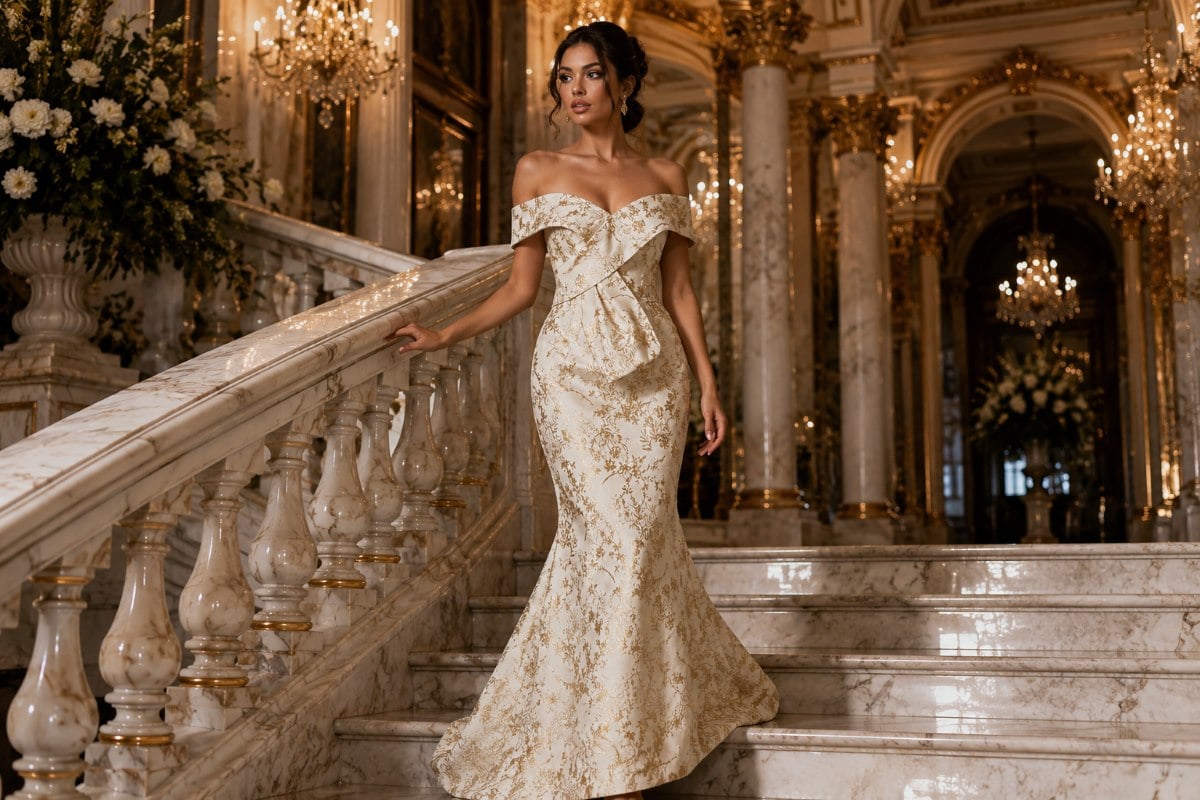


Most prom conversations focus on sparkle, volume, and drama, which means one of the smartest fabric choices often gets overlooked. Jersey is the quiet workhorse of formalwear: soft, comfortable, and effortlessly elegant in a way that has nothing to do with shine. For a girl who wants to look polished and actually enjoy her night, it is hard to beat. A jersey prom dress is made from a soft, stretchy knit fabric that drapes smoothly and moves with the body, giving a clean, sophisticated look that feels as good as it looks. It is the choice for comfort, movement, and understated style rather than maximum glitter. This guide walks through what jersey is, why it works so well for prom, which styles suit it, and how to keep the look comfortable and age-appropriate for a high school dance.
What jersey fabric actually is
Jersey is a knit fabric, which sets it apart from woven materials like satin or taffeta. Because it is knitted rather than woven, it has natural stretch and a soft, fluid drape that follows the body’s lines smoothly instead of holding a stiff shape. The surface is matte, with a clean, refined finish that reads as understated rather than flashy. Jersey is also soft against the skin and comfortable to wear for hours, which is a meaningful difference on a night that runs long. It is the fabric equivalent of a look that is put-together without trying too hard.
That combination of stretch, drape, and matte finish gives jersey a distinct character among prom fabrics. Where a structured satin holds a crisp silhouette and a sequined fabric shouts for attention, jersey flows and softens, creating clean vertical lines and graceful movement. The range of jersey prom dresses shows how the fabric can read as sleek and modern or soft and Grecian depending on the cut, but the underlying qualities stay the same: comfortable, fluid, and quietly elegant. Understanding what jersey is makes it easier to see why it suits some girls perfectly while a different fabric suits others.
Why jersey works so well for prom
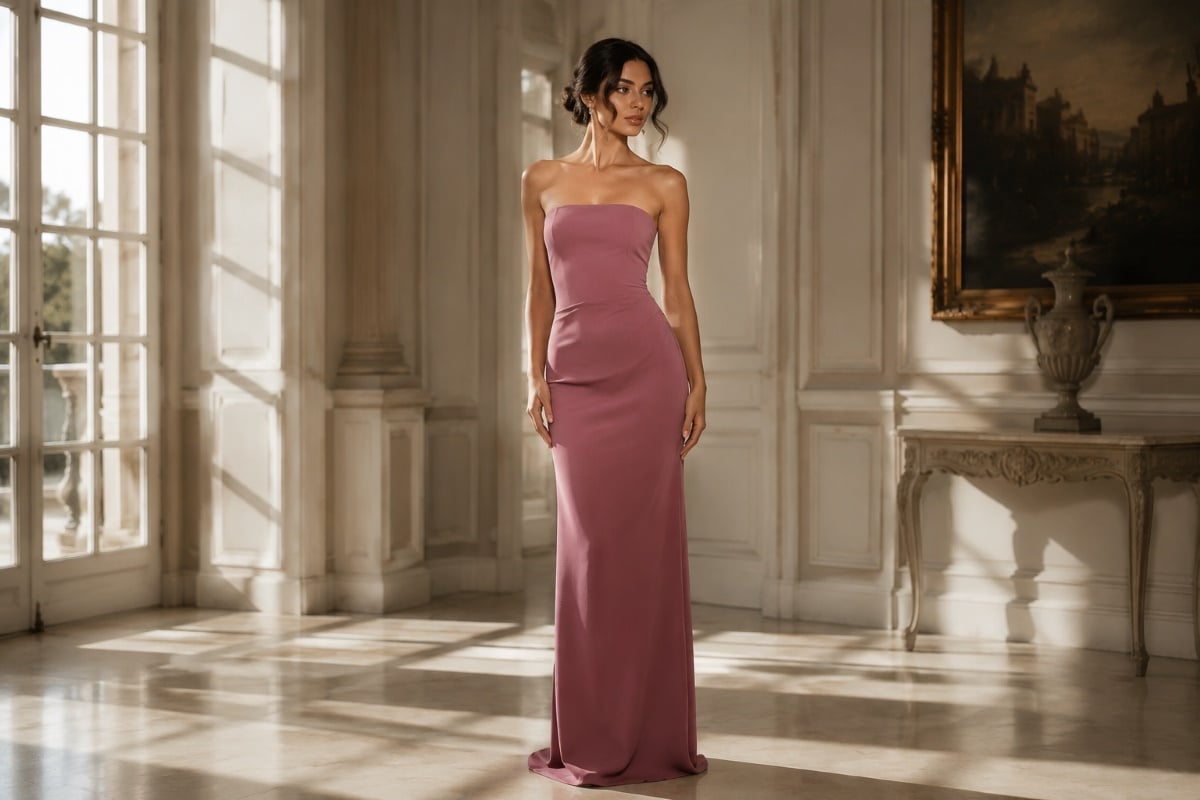
The biggest advantage of jersey is comfort, and comfort matters more on prom night than most girls expect. Prom is a long event that involves sitting through dinner, standing for photos, and dancing for hours, and a stiff or restrictive dress can turn an exciting night into an uncomfortable one. Jersey’s stretch and softness let a girl move, sit, eat, and dance without fighting her dress or constantly adjusting it. She can breathe comfortably and actually enjoy the evening, which is the whole point. A dress that looks beautiful but feels miserable is a poor trade, and jersey avoids that trap.
Jersey also reads as sophisticated in a way that has nothing to do with sparkle. The matte finish and clean drape feel refined and modern, giving a look that is polished without being fussy. This makes jersey a strong choice for a girl who wants understated elegance rather than maximum shine, or who simply prefers a calmer, more grown-up aesthetic. Among the many directions a dress can take, jersey sits firmly in the clean, minimal category, and the range of simple prom dresses shows how a pared-back style can read as genuinely chic. The appeal of jersey is that it lets a girl look effortless and feel comfortable at the same time.
The practical advantages people forget
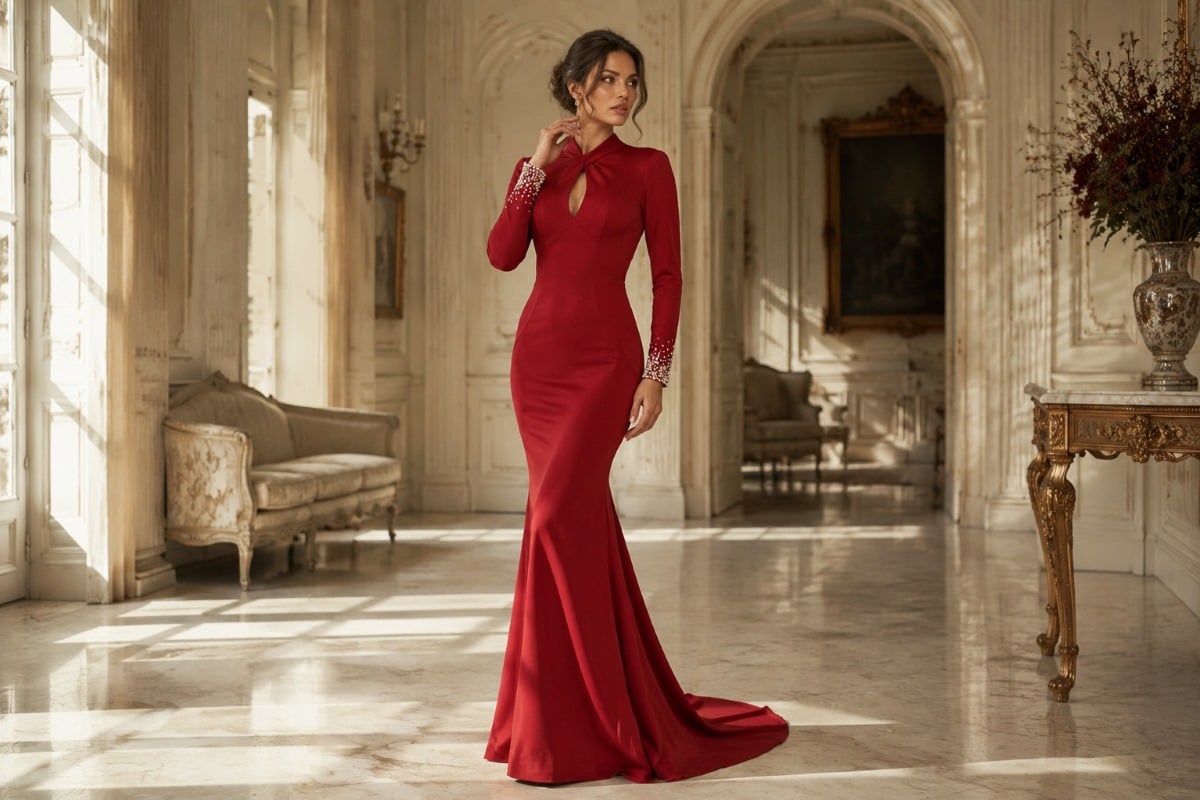
Jersey carries some quietly practical benefits that matter more than they first appear. It resists wrinkles far better than satin or taffeta, which means it travels well and looks smooth even after a car ride or a long evening, with no panic over creases before photos. The stretch is also forgiving, adapting to small changes in fit rather than pulling or gaping the way a rigid fabric can. For a girl traveling to prom, getting ready away from home, or simply wanting one less thing to worry about, these qualities are a real advantage. The fabric does its job without demanding constant attention, which frees a girl to focus on enjoying the night.
Which styles suit jersey best
One of the most useful things to understand about jersey is that it is far more versatile than its reputation suggests, working beautifully across both flowing and fitted styles. On the flowing side, jersey is the natural fabric for soft, draped, Grecian-inspired gowns, where it falls in graceful columns and creates elegant vertical lines. A draped jersey gown reads as timeless and refined, and the styles among long prom dresses show how a floor-length jersey silhouette can move with quiet, fluid grace. For a girl who loves the idea of a soft, easy gown that flatters through clean lines rather than structure, jersey in a flowing cut is an excellent match.
Jersey also works for sleeker, more fitted styles, where its stretch makes a fitted shape genuinely comfortable rather than restrictive. A fitted jersey dress skims smoothly and moves with the body, which is part of why the fabric is so popular for clean, modern silhouettes. The key for any fitted style, in jersey or otherwise, is choosing a fit that feels secure and comfortable and provides the coverage a girl wants, so she feels confident and at ease all night. The beauty of jersey is that it can deliver either a soft, flowing look or a clean, fitted one, which means a girl can choose the silhouette that suits her comfort and personal style rather than being limited by the fabric.
Matte elegance versus shine
Jersey’s matte finish is one of its defining features, and understanding how matte reads helps a girl decide whether it suits her. A matte fabric does not compete for attention the way a reflective one does, which means the focus stays on the girl rather than on the dress catching light. This reads as sophisticated and intentional, and it photographs cleanly without glare. For a girl who wants sparkle instead, jersey is simply the wrong fabric, and the contrast is worth seeing directly. The styles among sequin prom dresses show how a reflective fabric behaves under dance lighting, which is the opposite of what jersey offers. Choosing between matte and shine is one of the clearest ways to narrow down a dress, and jersey sits firmly on the refined, understated side of that line.
Color and how jersey wears it
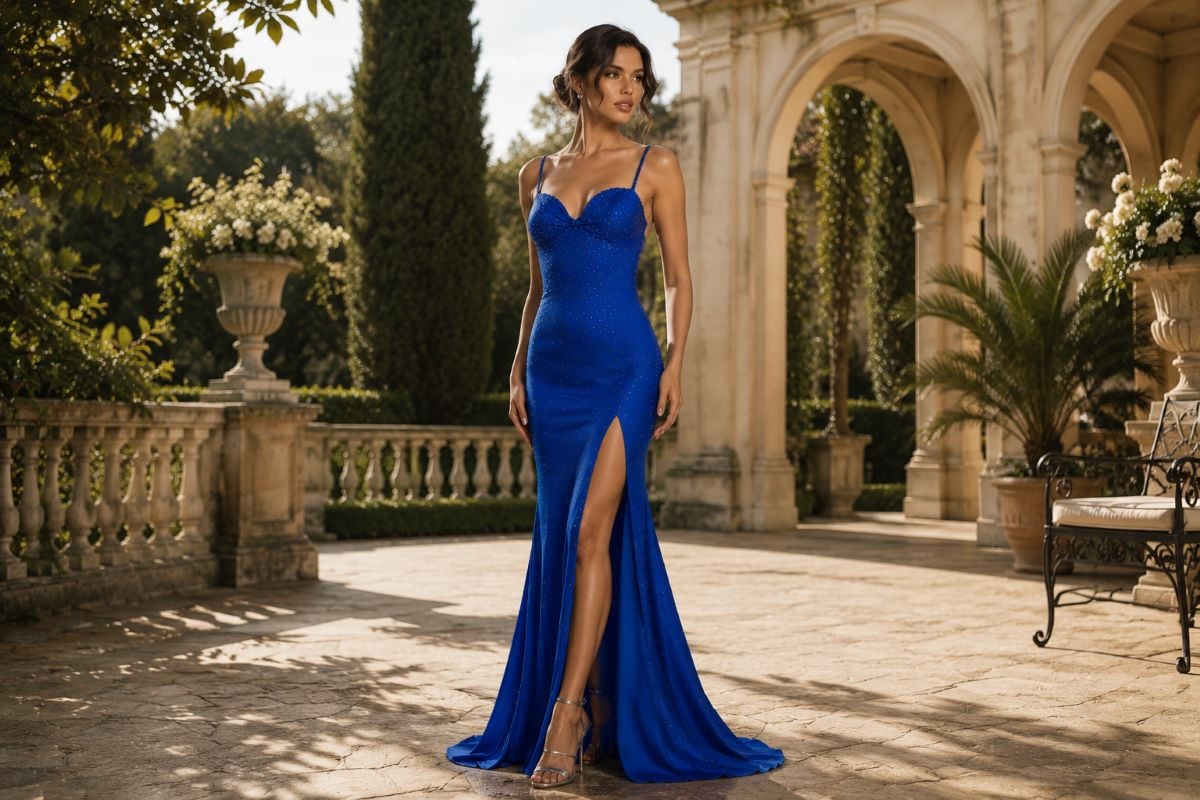
Jersey takes color beautifully, holding rich, saturated shades with a smooth, even finish that makes the color itself the focus. Because the fabric is matte, color reads as deep and sophisticated rather than shiny, which suits both classic and bold shades. Jewel tones like emerald, sapphire, and deep berry look especially rich in jersey, while classic shades like black, navy, and burgundy read as timeless and elegant. Softer colors work too, falling gently in a flowing jersey cut. The matte surface lets whatever color a girl chooses read clearly and cleanly, without the distraction of shine.
As with any prom dress, the most flattering color is the one that suits a girl’s complexion, and a shade chosen for her coloring will always look better than one picked purely for trend. Warm undertones tend to glow in golds, warm reds, and emerald, while cool undertones are flattered by sapphire, cool reds, and jewel shades. The clean, matte surface of jersey actually makes color choice a little more forgiving, since there is no shine to alter how the shade reads. Browsing the full range of prom gowns helps a girl see which colors she keeps gravitating toward before narrowing down, and jersey will carry almost any of them with that smooth, even depth. The goal is a color that makes the girl look radiant, and jersey’s matte finish lets the shade do exactly that.
Why quality matters with jersey
Jersey is a fabric where quality makes an enormous difference, because cheap jersey and quality jersey behave nothing alike. Thin, low-quality jersey can cling in unflattering ways, show every seam, and feel flimsy, while quality jersey has enough weight to drape smoothly, a proper lining to prevent any transparency, and the structure to hold a clean line without sagging. The difference is immediately visible and is one of the main reasons a well-made jersey dress looks far more refined than a cheap one. Construction underneath the fabric is just as important as the jersey itself, since the right lining and finishing are what let the fabric fall correctly and feel substantial.
This is where construction experience shows. Jovani has built dresses in its New York studio since 1983, and that long focus on quality, including proper lining and finishing that give a knit fabric weight and structure, is what allows jersey to read as elegant rather than flimsy. For a deeper look at how jersey compares with other prom fabrics in terms of drape, comfort, and finish, the prom dress fabric guide breaks down what each material does well, which helps a girl decide whether jersey’s qualities match what she wants. A quality jersey dress feels substantial and looks polished, which is the whole reason to choose the fabric in the first place.
Keeping a jersey look right for a high school dance
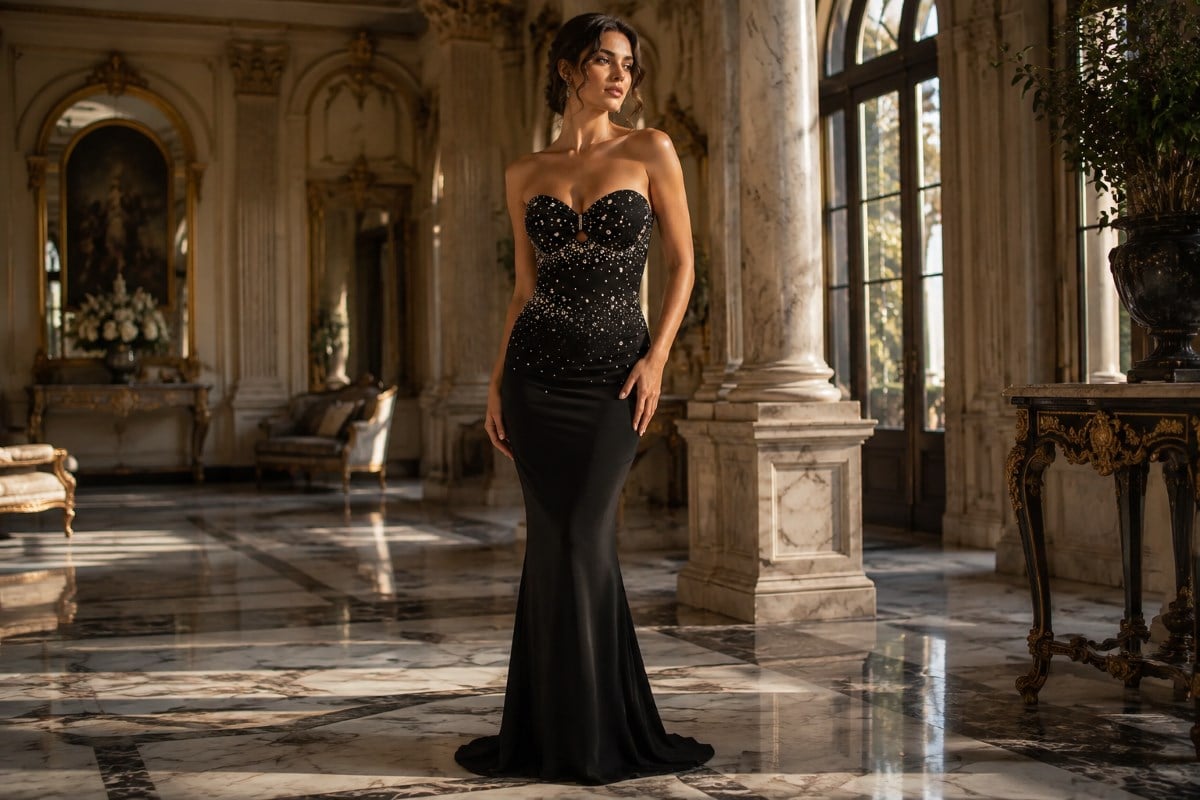
Because jersey has stretch and can be cut to a fitted shape, the most important thing for a high school dance is choosing a fit and coverage that feel comfortable and secure. A girl should feel confident and at ease in her dress, able to move and dance without adjusting it, and the fit should provide the coverage she wants rather than feeling too tight or revealing. Jersey makes this easy, since it is just as elegant in a soft, flowing cut as in a fitted one, so a girl who prefers more coverage can choose a draped style that flows beautifully and stays comfortable all night. The fabric never requires a revealing cut to look sophisticated.
A few practical checks keep the look firmly appropriate. Confirming the dress feels secure and comfortable when she sits and moves, choosing a neckline and coverage that suit her, and checking the school dress code for any rules on length or fit all matter more than chasing a particular trend. Length is part of this too, and a girl deciding between a flowing floor-length jersey gown and a shorter style can weigh the trade-offs of formality and ease of movement. The guide to short versus long prom dresses covers how length affects both the look and the practicality of a dress, which helps a girl choose a jersey style that suits her dance and her comfort. The aim is always a dress that lets her feel confident and at ease, not one that asks her to dress older than she is.
Styling a jersey dress
Because jersey is clean and understated, the styling around it can go in two directions, and both work well. A girl can keep everything minimal, letting the smooth drape and rich color carry the look on their own, which reads as effortlessly chic. Or she can add a little interest through accessories, since the matte simplicity of jersey gives jewelry and other details room to stand out without competing. Either way, comfortable shoes she can dance in matter, since a manageable heel will carry her through the night far better than something she has to think about with every step.
For a girl who is still weighing jersey against other fabrics and silhouettes, it helps to step back and think about the whole decision rather than just the fabric. The overview in the prom dress shopping guide walks through budget, fit, body type, and comfort in a calm, practical way, which puts jersey’s strengths in context against the full range of options. Keeping the styling intentional, whether minimal or lightly accessorized, is the surest way to let a clean fabric like jersey read as polished rather than plain.
Is a jersey dress right for you?
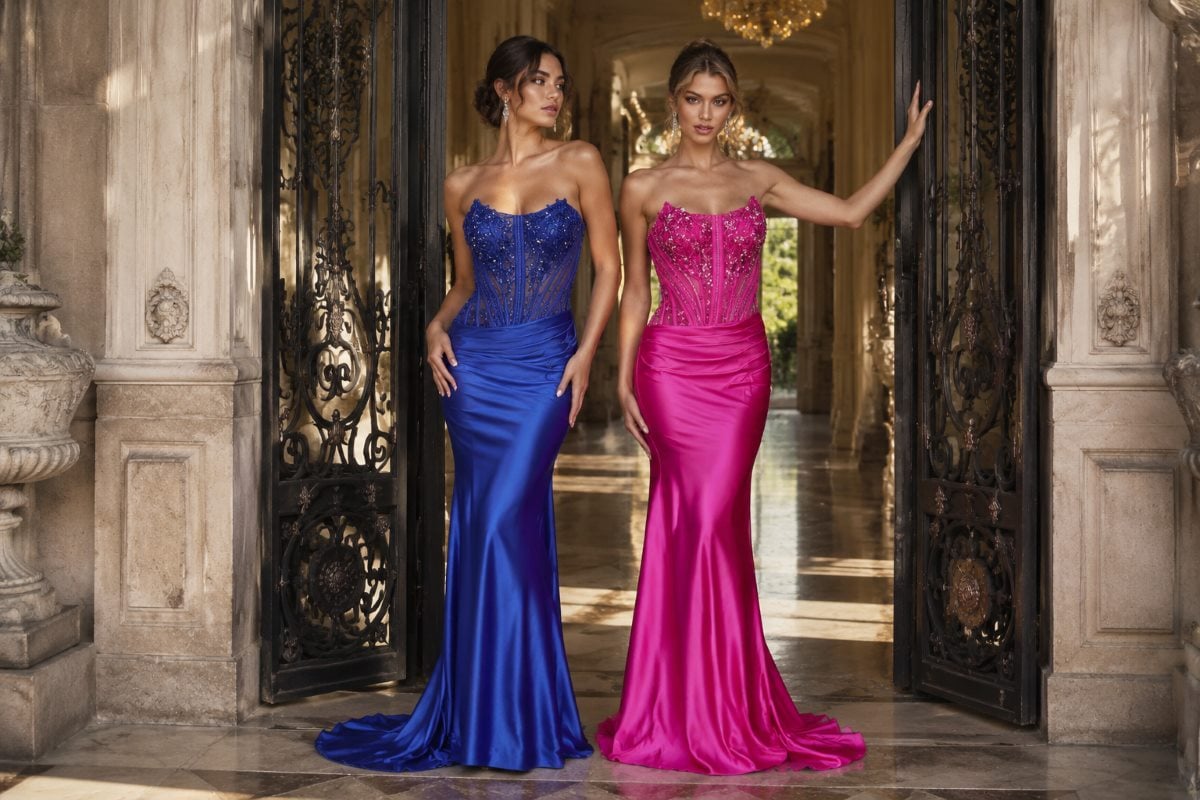
A jersey prom dress suits a girl who values comfort and clean, understated elegance, who wants to move and dance freely, and who prefers a refined, modern look over maximum sparkle. It rewards a girl who would rather feel effortless and comfortable than carry a heavy, structured gown, and it pays that back with a dress that looks polished and feels genuinely easy to wear. For a girl drawn to soft drape, rich matte color, and freedom of movement, jersey is an excellent match.
For a girl who wants sparkle, volume, or a dramatic structured silhouette, jersey is the wrong fabric, and a sequined, beaded, or structured style will suit her far better. There is no wrong answer, only the question of what a girl wants from her dress and how she wants to feel wearing it. If comfort, clean lines, and quiet sophistication appeal to her, jersey delivers something many flashier fabrics cannot. Understanding what jersey does well gives her one more strong, comfortable option to consider for her night.
Frequently asked questions jersey prom dress
What is a jersey prom dress?
A jersey prom dress is made from a soft, stretchy knit fabric that drapes smoothly and moves with the body. Unlike woven fabrics such as satin or taffeta, jersey is knitted, which gives it natural stretch, a fluid drape, and a matte, refined finish. It is soft against the skin and comfortable to wear for hours, making it a strong choice for a girl who wants a clean, sophisticated look with genuine comfort rather than maximum sparkle. Jersey works beautifully in both flowing and fitted styles.
Is jersey comfortable for a long night?
Yes, comfort is jersey’s biggest advantage. Because the fabric stretches and is soft, a girl can sit through dinner, stand for photos, and dance for hours without fighting her dress or constantly adjusting it. She can breathe comfortably and move freely, which makes a long event far more enjoyable. Jersey also resists wrinkles, so it looks smooth even after a car ride or a long evening. For a night that runs long and involves a lot of moving, jersey is one of the most comfortable fabric choices available.
Does jersey only work for fitted dresses?
No, jersey is far more versatile than its reputation suggests. It is the natural fabric for soft, draped, Grecian-inspired gowns that fall in graceful columns, and it also works for sleeker, more fitted styles. Its stretch makes a fitted shape comfortable rather than restrictive, while its drape makes a flowing shape elegant and easy. This means a girl can choose the silhouette that suits her comfort and personal style, whether she prefers a soft, flowing gown with more coverage or a cleaner, fitted line, without being limited by the fabric.
How does jersey compare to satin or sequins?
The main differences are finish and feel. Satin is woven, holds a crisp structured shape, and has a smooth sheen, while sequins are highly reflective and made for sparkle and drama. Jersey is knitted, soft, and matte, with a fluid drape and natural stretch that satin and sequins do not have. Jersey prioritizes comfort and understated elegance, where satin offers structure and sequins offer shine. A girl who wants a clean, comfortable, refined look will prefer jersey, while one who wants sparkle or a stiff silhouette should look elsewhere.
What colors look best in jersey?
Jersey holds rich, saturated colors beautifully with a smooth, even matte finish that makes the color itself the focus. Jewel tones like emerald, sapphire, and deep berry look especially rich, while classic shades like black, navy, and burgundy read as timeless and elegant. Softer colors fall gently in a flowing jersey cut. Because the fabric is matte, there is no shine to alter how a shade reads, which makes color choice a little more forgiving. As always, the most flattering color is the one that suits the girl’s complexion.
Is a jersey dress appropriate for a school dance?
Yes, jersey is an easy fabric to keep appropriate for a school dance, since it is just as elegant in a soft, flowing cut as in a fitted one. A girl who prefers more coverage can choose a draped style that flows beautifully and stays comfortable. Because jersey has stretch, the key is choosing a fit that feels secure and comfortable and provides the coverage she wants. Confirming the dress feels right when she moves and checking her school’s rules on length or fit ensures the look is both comfortable and age-appropriate.