
Red carpet prom red carpet dresses are a specific brief, and a red carpet prom look follows rules that ordinary prom dressing does not, and the ones worth borrowing are not the obvious ones. What makes a gown work under photographers’ lights is construction, a clean line and one deliberate focal point, not how much it costs or how dramatic it looks on a hanger.
Prom dresses for red carpet themes have a narrower brief than most people expect. This guide covers what actually transfers from award season to prom night, how to dress for a red carpet themed prom, and which red carpet habits are worth ignoring entirely.
What makes a red carpet prom dress work?
How do you get a red carpet look for prom? Four things do most of the work. Floor length is close to non-negotiable, because the unbroken vertical line is what creates the effect. Structure comes second, meaning a bodice with real boning and a proper lining that holds its shape rather than following yours. One focal point comes third, so a dramatic sleeve, an open back or a high slit, and only one of them. And the fit has to be exact, since red carpet gowns are tailored to the individual and that precision is what separates them from an expensive dress worn straight off the rack.
Dressing for a red carpet themed prom
Red carpet themed prom dresses answer a different brief, because plenty of schools run a red carpet or old Hollywood theme, and that changes the brief from personal preference to something closer to a dress code. The theme rewards a specific set of choices.
Prom dresses red carpet themes call for start with floor length. A red carpet themed prom is the one occasion where a short dress genuinely reads as off-theme, since the whole visual reference is a full length gown photographed from the front. Solid color is the second, because prints and two-tone designs do not appear on a red carpet and immediately break the effect.
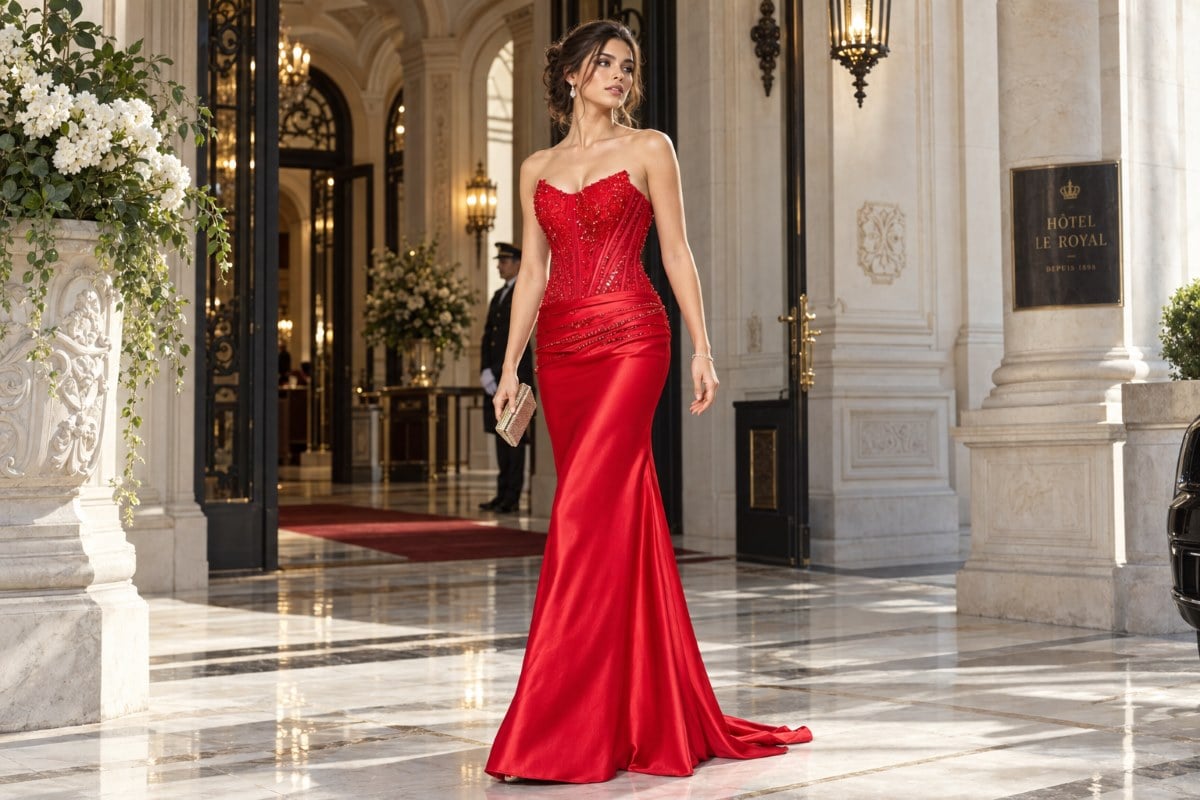
Deep saturated shades are the third, and this is where a red gown is the most direct answer to the theme. Emerald, sapphire and burgundy all work for the same reason, and black is the safest choice of all.
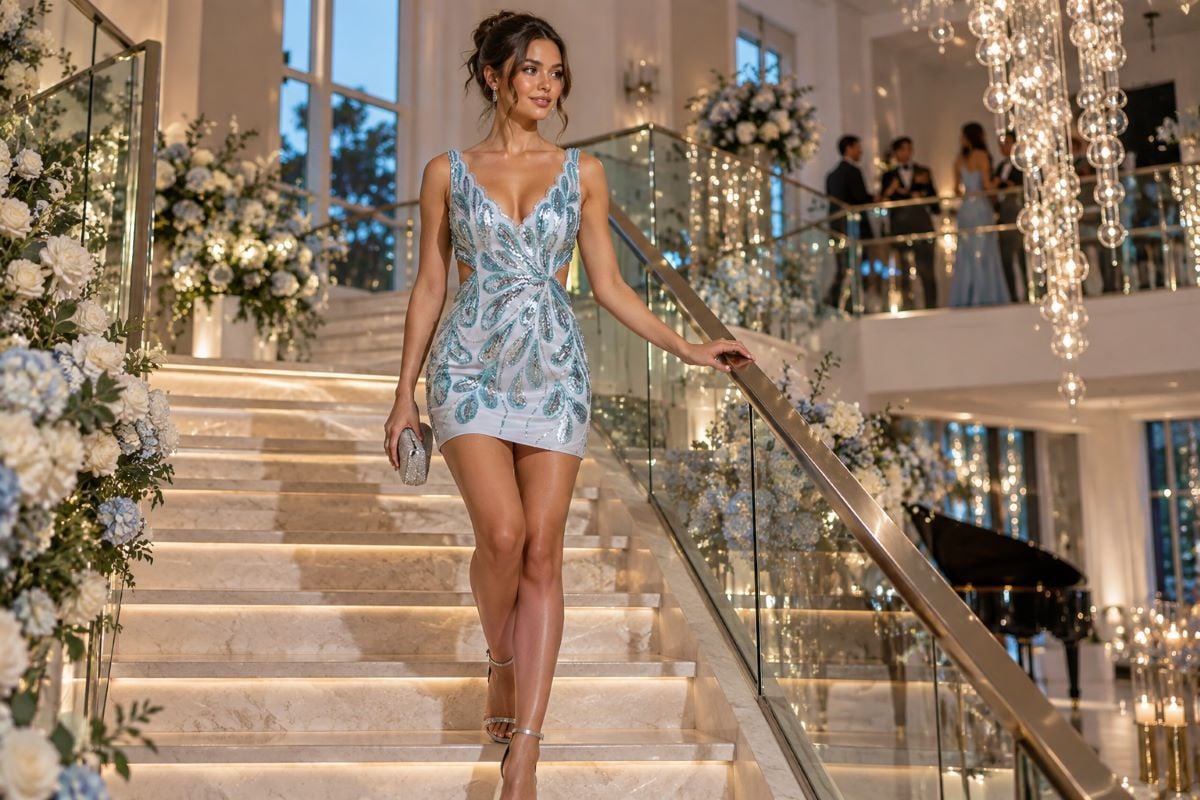
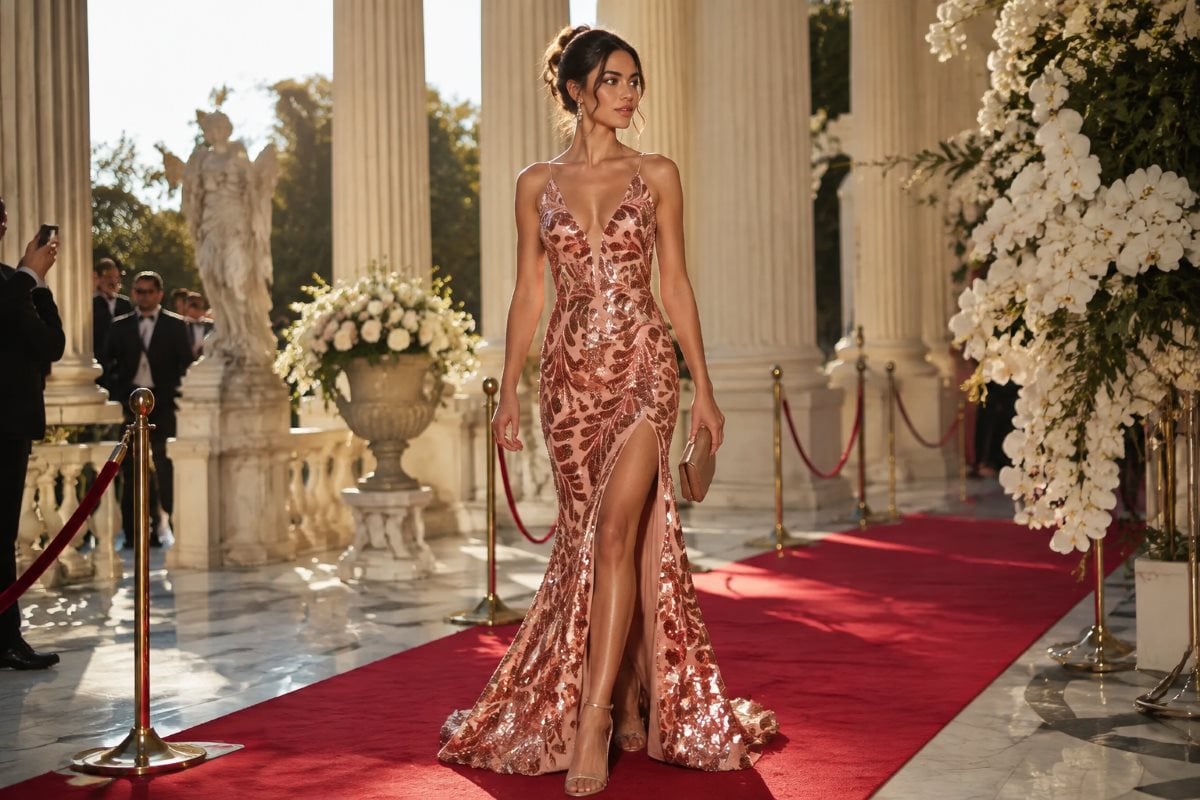
The fourth is texture over pattern. A sequin gown or a beaded bodice supplies visual interest without introducing a second color, which is exactly how award season dressing works.
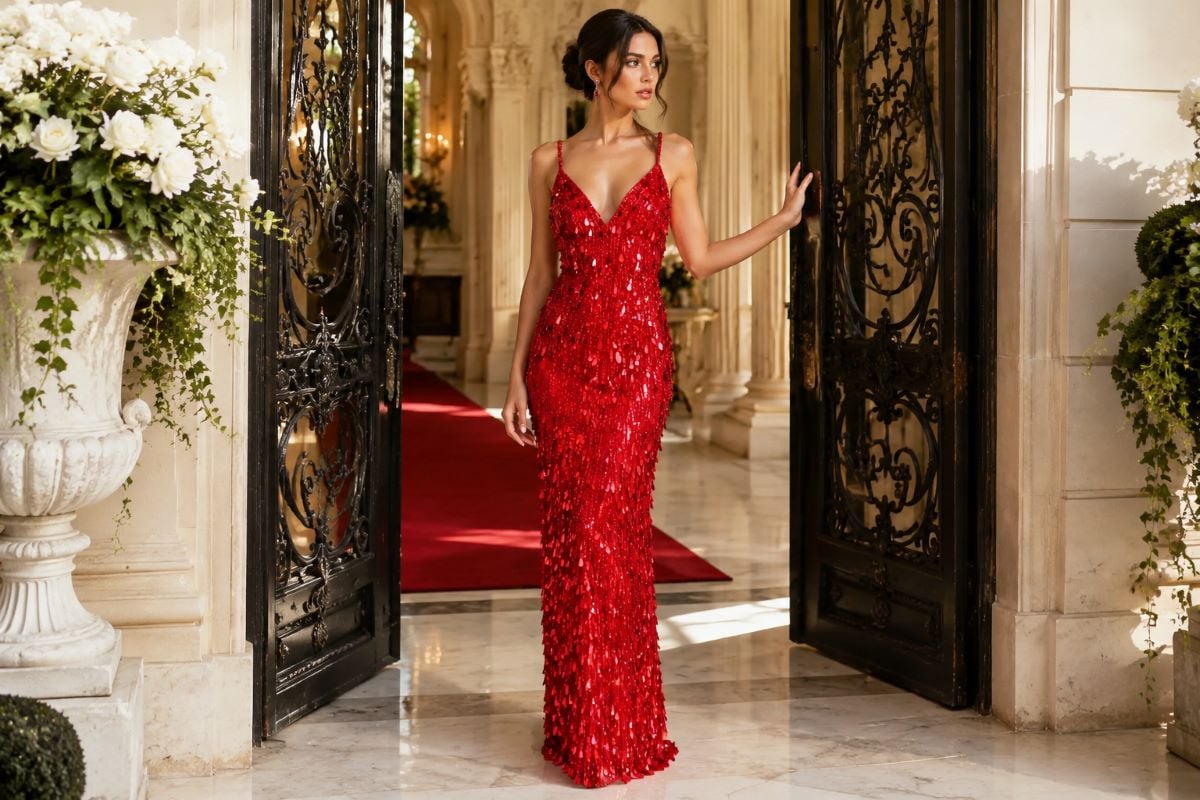
Silhouettes that carry the look
The prom red carpet silhouette people picture is a fitted mermaid or trumpet, the most photographed shape in formal wear, and the reason is mechanical rather than fashionable. A fitted torso with a flare below the knee gives the camera a clear silhouette from any angle, which is why it dominates step-and-repeat photographs.
A column gown does the opposite and gives the cleanest, most restrained line available. It is the shape that reads as expensive with no embellishment at all, and it is also the least forgiving of a poor fit.
An A line gown is the practical compromise. It carries the formality, works across the widest range of proportions and lets you move normally, which matters far more at prom than it does on a red carpet where nobody dances.
Full ball gowns appear on red carpets but less often than people assume, and they are the hardest to wear well. If you want volume, look for two or three well-cut layers rather than maximum tulle, since bulk at the waist undoes the effect.
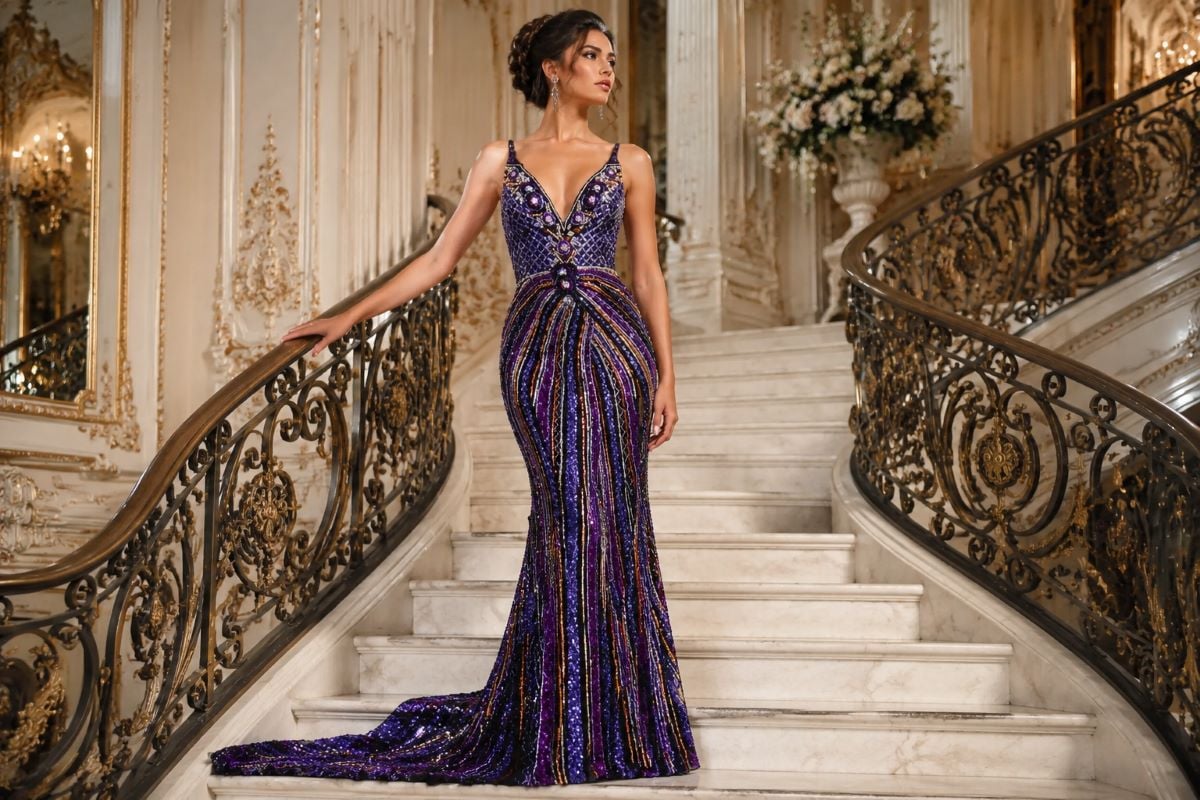
The one detail rule
The habit worth copying most is restraint. Award season gowns almost always carry a single strong feature and keep everything else quiet, and that discipline is what most prom looks are missing.
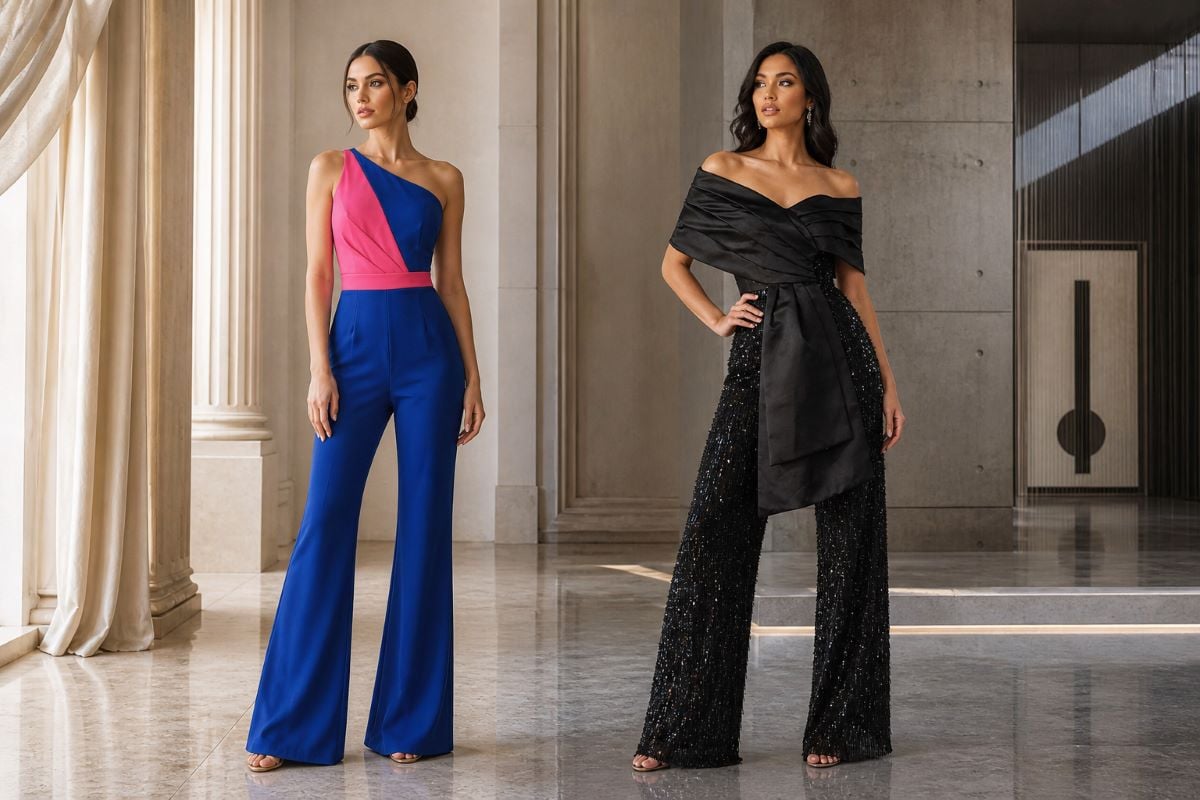
Pick one. A one shoulder neckline creates an asymmetric line that reads as designed rather than decorative.
A backless gown puts the interest where the camera catches it on a turn. A high slit adds movement without adding anything to the surface. A dramatic sleeve does the same at the top.
What does not work is two of those at once, or any of them combined with heavy all-over embellishment. That is the difference between a gown that looks considered and one that looks like it is trying to include everything.
What red carpet dressing hides
Three things make those gowns work that no photograph shows, and knowing them changes what you look for.
The first is tailoring. Almost every red carpet gown has been altered specifically to the person wearing it, often more than once. That precision is available to anyone through a decent tailor and it matters more than the price of the dress.
The second is professional lighting. Award season photographs are lit from the front by many flashes at once, which flattens shadows and makes fabric look richer than it does in a school gym. A gown that photographs beautifully at an event may look different under ceiling lights, which is worth testing with a phone flash before you commit.
The third is that nobody on a red carpet has to sit down, dance, or wear the dress for four hours. That is the single biggest difference between the two occasions, and it is why comfort should override the reference whenever the two conflict.
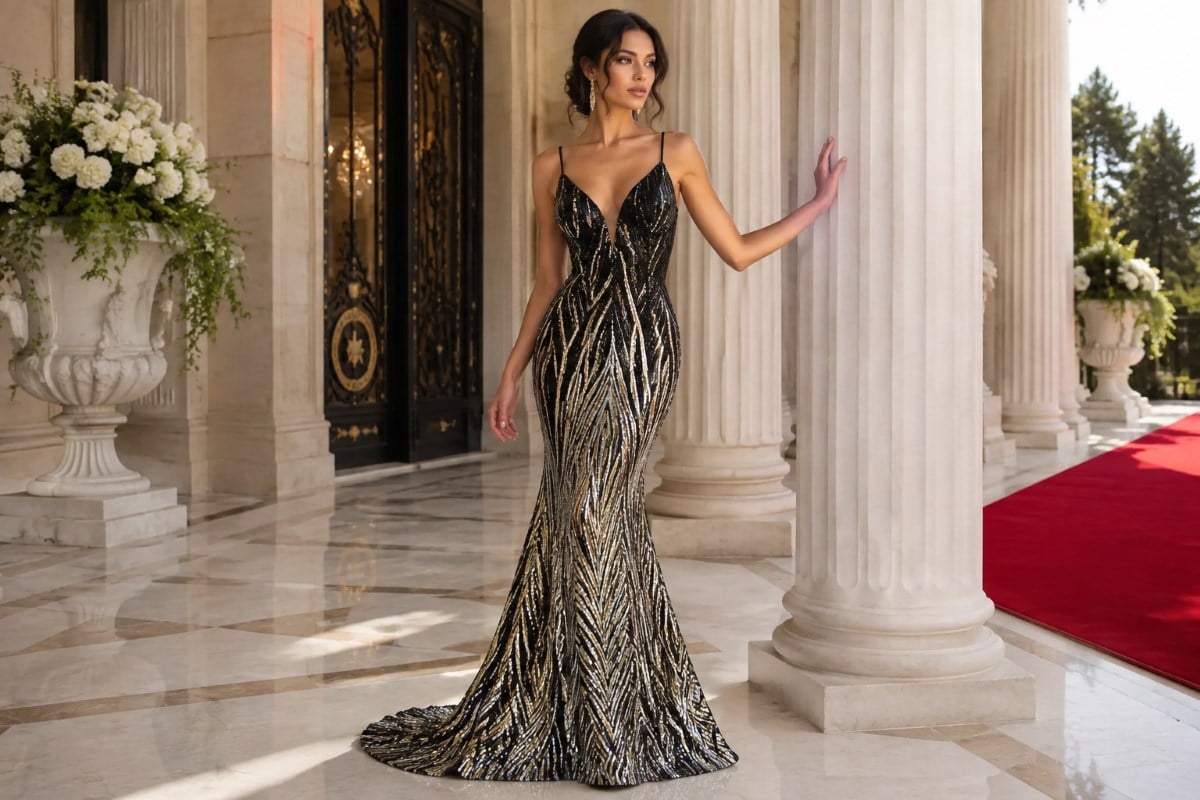
Color and fabric that reads expensive
A single continuous color from shoulder to hem is the strongest signal, more so than the shade itself. Black is the most reliable, then deep jewel tones, then metallics in gold or silver. Where it goes wrong is a contrast belt, a two-tone bodice or a light skirt against a dark top, since each break interrupts the line.
Fabric weight does more than fabric type. Heavier satin, mikado and good crepe all hold their own shape, which is what makes a gown look structured rather than draped over a body. Thin polyester satin under bright light is the fastest way to lose the effect, because there is nothing else to distract from it.
A luxury gown earns its price through those things rather than through a label: hand-sewn beading, boning in the bodice, a lining that hangs properly and seams that sit flat.
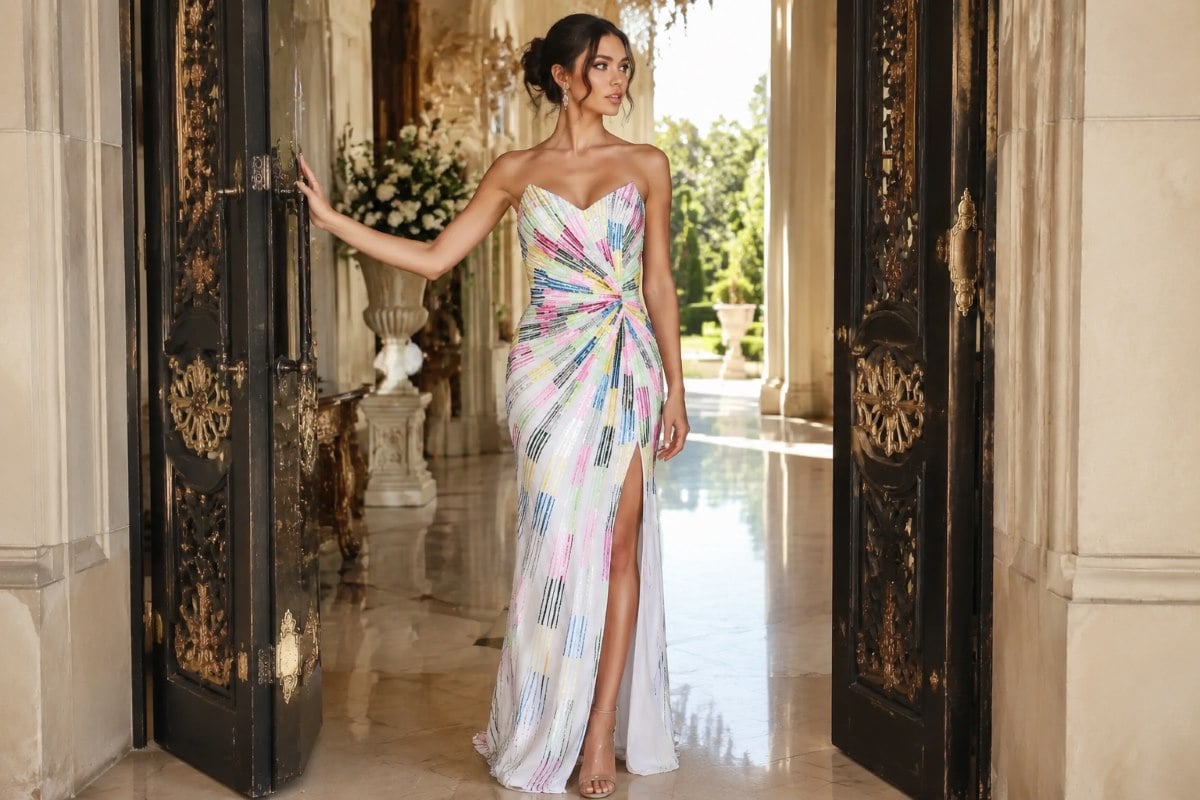
Styling around the dress
The rule is the same as the dress rule. If the gown is the statement, the jewelry is fine and the hair is simple. If you want a bold beauty look, the gown should be quieter.
Neckline decides the jewelry. An open or strapless cut leaves room for a necklace. A high neck, a halter or a one shoulder design fills that space already, so earrings become the piece and a necklace competes.
Shoes stay neutral almost always, since a floor length gown hides them anyway and comfort should win. Keep the bag small, because an oversized clutch interrupts the line that the whole approach is built around.
Red Carpet Prom Questions
What should you wear to a red carpet themed prom?
A floor length gown in a solid, saturated color is the most on-theme choice, since the entire visual reference is a full length dress photographed from the front. Red, black, emerald, sapphire and burgundy all work. Avoid prints and two-tone designs, which break the effect immediately.
Which silhouette photographs best?
A fitted mermaid or trumpet gives the clearest silhouette from any angle, which is why it dominates event photography. A column gown gives the cleanest line and reads as expensive with no embellishment. An A line is the practical compromise, carrying the formality while letting you move and dance normally.
How do you make a prom dress look more expensive?
Fit first, since tailoring does more than price. Then a single continuous color with no contrast breaks, a fabric with enough weight to hold its shape, and one focal point rather than several. Thin fabric under bright light is what most often gives a gown away.
Do you need a designer gown for a red carpet look?
No. What creates the effect is floor length, structure, exact fit and restraint, and all four are available at a wide range of prices. A well-altered mid-priced gown in a strong solid color will read better than an expensive dress that does not fit properly.
How many statement details should one dress have?
One. A one shoulder neckline, an open back, a high slit or a dramatic sleeve, and only one of them. Combining two, or pairing any of them with heavy all-over embellishment, is what separates a gown that looks considered from one that looks like it includes everything.
Will it look the same at my prom as on a red carpet?
Not exactly, because event photographs are lit by many flashes at once, which flattens shadows and enriches fabric. School lighting is different. Test the gown with a phone flash on and off before you commit, and remember that unlike a red carpet, you will sit and dance in it.
Seeing the fit in person
Everything on this page reduces to fit, and fit is the one thing no photograph shows. Two gowns in the same silhouette can look entirely different depending on torso length and where the waist seam falls.
Shortlist from the prom dresses collection first, narrowing by silhouette before color.
Then have the fit assessed at an authorized Jovani retailer and ask what alterations each option would need.