
You found the dress. After weeks of searching, the silhouette, the color, and the fit finally came together. Then a quieter question arrives. What goes over it? For most mothers, the layer gets decided last and chosen in a rush, yet it shapes how the entire outfit reads, from the chill of the ceremony to the warmth of the reception. Wraps and shawls for mother of the bride dresses are not an afterthought. They solve real problems: a cold stone church, bare arms you would rather cover, a venue that shifts from a sunlit garden into a cool evening. This guide explains every coverage option in plain terms, shows you how to match a layer to your specific dress, and tells you honestly when a wrap helps and when it gets in the way.
Why the right layer matters more than most mothers expect
A coverage piece does several jobs at once, and underestimating any of them leads to a long day spent uncomfortable or self-conscious. Understanding what the layer is actually for makes the choice far easier.
The first job is temperature. Wedding ceremonies are frequently colder than the photos suggest. Stone churches hold the chill, ballrooms run their air conditioning hard, and outdoor evening receptions drop in temperature the moment the sun goes down. A layer lets you stay present and comfortable instead of counting the minutes until you can move.
The second job is coverage and confidence. Many mothers feel uncertain about bare upper arms or a deeper neckline, and a wrap resolves that without forcing a compromise on the dress itself. You get the gown you love and the coverage you want. The third job is permanence. The layer appears in nearly every photograph taken that day, so it is not a temporary fix. It becomes part of the outfit’s record. The fourth job is flexibility, since one well-chosen piece can carry a single dress through the formal ceremony, the dinner, and the dancing. The layer is one element of a larger styling picture, and our companion guide on how to accessorize a mother of the bride dress covers how jewelry, shoes, and a clutch fit around it.
Knowing your options: every coverage piece explained clearly
Most articles on this subject use the words shawl, wrap, and stole interchangeably, which leaves shoppers confused at the point of purchase. The pieces are genuinely different, and the differences affect formality, warmth, and how each one sits on the body.
- Shawl and stole. A shawl is a length of fabric, usually rectangular or semicircular, draped over the shoulders and arms with no fastening. A stole is its narrower cousin, a slim band that rests across the shoulders. Both read soft and graceful, and in a rich fabric like silk or fine wool they suit even formal weddings.
- Wrap. A wrap is close to a shawl but often lightly shaped or gathered, so it sits more deliberately on the body and slips less. It reads a touch more tailored than a loose shawl while keeping the same easy drape.
- Bolero and shrug. A bolero is a short, structured jacket that ends at or above the waist, usually open at the front, often in lace or satin. A shrug is its softer relative, covering the shoulders and upper arms with less structure. Both give coverage without hiding the dress beneath. A lace bolero worn over a lace mother of the bride dresses gown ties the textures together for a considered, finished look.
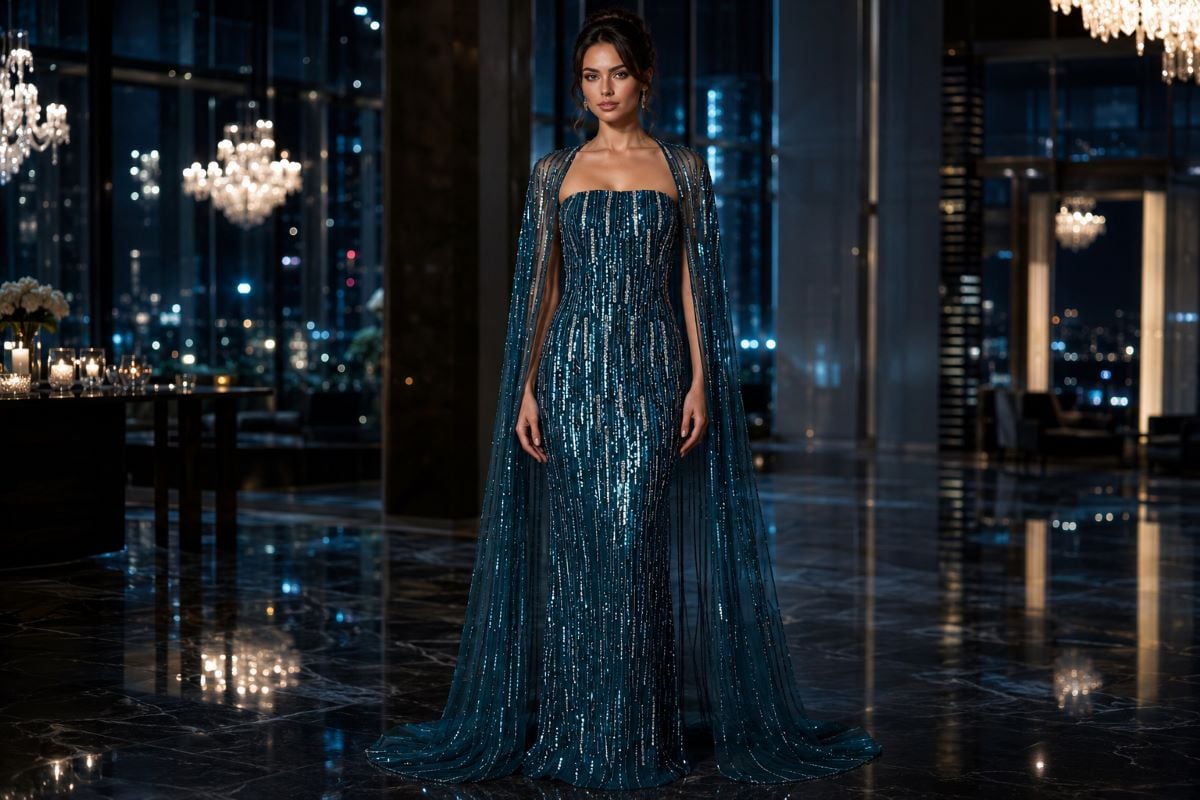
- Capelet and cape. A capelet is a short piece that falls from the shoulders over the back and upper arms. A cape is the longer, more dramatic version. Both feel modern and formal, and they are frequently designed as part of the gown rather than added separately.
- Sheer evening jacket. A longer, lightweight jacket with full sleeves in a sheer fabric. It delivers genuine arm coverage with a little structure, which suits mothers who want a polished, covered look without the weight of an opaque jacket.
As a quick rule, shawls and wraps drape, boleros and shrugs are short jackets, capes fall from the shoulders, and sheer jackets cover the arms with structure. Match the piece to how much coverage and formality the day calls for.
Choosing wraps and shawls for mother of the bride dresses by neckline and silhouette
The single mistake that undermines an otherwise lovely outfit is treating the layer as separate from the dress. The coverage piece should answer to the gown’s silhouette and neckline, not compete with it. Here is how to choose wraps and shawls for mother of the bride dresses based on what you are wearing underneath.
- Over a sheath or column dress. Keep the layer light and narrow. A fine stole or a slim wrap preserves the long, clean vertical line. A bulky bolero or a heavy fur breaks that line and shortens the look.
- Over an A-line dress. This is the most forgiving silhouette. Almost any layer works, from a draped shawl to a structured bolero, because the skirt’s gentle flare balances the upper half.
- Over a ball gown. Volume below calls for a little structure above. A tailored bolero or a capelet holds its own against a full skirt, while a thin shawl tends to look lost and slips constantly.
- Over a beaded or sequined bodice. Choose a plain, matte layer so the two surfaces do not fight for attention. A sheer evening jacket is a smart choice here, since the beading still reads softly through the fabric.
Neckline matters just as much. A V-neck pairs beautifully with a shawl draped to frame the open V rather than cover it. Sweetheart and strapless dresses benefit from a wrap or bolero you can keep on for the ceremony and slip off for portraits. For off-shoulder mother of the bride dresses, pick a layer that can sit lower on the arms or be removed entirely, so the neckline you chose still gets its moment. And for sleeveless mob gowns, the layer does the most work of all, since it is the only source of arm coverage you will have.
Matching fabric and weight to the season and the venue
A layer that looks right in the boutique can feel wrong on the day if the fabric does not suit the weather. Weight and fiber are practical decisions, not only aesthetic ones.
For warm-weather weddings, garden ceremonies, and beach receptions, reach for chiffon, organza, or fine tulle. These fabrics provide a whisper of coverage, move gently in a breeze, and never trap heat. They photograph with a soft, airy quality that suits daytime light, and they pair naturally with airy chiffon designs in the gown itself.
For spring and autumn weddings in transitional weather, lace and lightweight satin strike the balance. They give more presence than chiffon without the warmth of heavy fabric. For cold-weather and winter celebrations, and for any evening event, choose velvet, brocade, a heavier satin, or a faux fur stole. These hold warmth and add a richness that reads well under low evening light. If your celebration falls in the colder months, our guide to styling for a winter wedding goes deeper into seasonal fabric choices. Whatever the date, plan your layer for the coldest moment of the day rather than the average. A church at ten in the morning and a terrace at nine at night are two different climates, and one piece needs to carry you through both.
Getting the color of your wrap right
Color is where a layer either disappears into the outfit gracefully or announces itself as an obvious add-on. The goal is harmony, so the wrap reads as part of a planned look.
The safest and most elegant approach is a tonal match. A wrap in the exact shade of the dress creates an unbroken column of color that flatters every figure and lengthens the line. The second reliable option is a single, clear complementary tone. Navy with soft silver, champagne with muted gold, and deep plum with charcoal all coordinate without clashing. Metallic neutrals in soft gold, pewter, and silver are especially versatile, since they sit quietly beside most dress colors.
A few things to avoid. Steer clear of white, ivory, and pale champagne in the layer, since anything that reads bridal belongs to the bride alone. Check the wedding party palette before you commit, so your wrap does not clash with the bridesmaids or the groom’s mother. Consider your own coloring too. Warmer skin tones tend to glow beside gold, bronze, and warm neutrals, while cooler tones are flattered by silver, pewter, and true jewel shades. When in doubt, tonal matching never fails.
Keeping a wrap looking polished from ceremony to reception
A layer that slides off your shoulders every few minutes will distract you all day and ruin half your photographs. The practical mechanics of wearing a wrap rarely get discussed, and they make the difference between a piece that works and one that fights you.
To stop a shawl from slipping, start with the fabric. Silk and fine wool have natural grip and a little weight, so they stay put. Slippery polyester satin slides constantly. If your chosen piece is prone to moving, a discreet pin on the inside of the shoulder, or a small decorative brooch placed deliberately, anchors it without looking like a repair. Wearing the layer draped loosely over both arms, rather than clutched at the chest, also keeps it stable and looks more relaxed.
When you drape it, let the fabric fall evenly on both sides and resist the urge to knot it tightly, which creates bulk at the front and pulls the line off balance. Think about photographs as well. A matte layer photographs cleaner than a high-shine one, which can flare under a photographer’s flash. Plan for the transition between parts of the day too. A layer you can remove easily lets you shed it for dinner and dancing, so decide in advance where it will rest, since a small clutch will not hold it.
There is one route that removes most of these worries. Many Jovani gowns are designed with detachable shawls, cape overlays, and coordinating bolero options, all cut and colored to match the dress exactly. That built-in approach eliminates the color guesswork and the slipping problem in a single decision. Jovani has built structured eveningwear from its New York design studio since 1983, and that habit of designing coverage as part of the gown rather than an afterthought is one of the quiet advantages of choosing a designer dress.
When to skip the wrap entirely
Honest advice means admitting that a layer is not always the right answer. Adding one out of habit can work against an outfit rather than for it.
If your dress already has sleeves or substantial built-in coverage, a second layer is redundant and tends to look fussy and overdressed. If the gown has a detailed open back, a delicate neckline, or a heavily beaded bodice, a wrap covers the very feature that makes the dress special, so weigh that loss carefully. And if you only need brief warmth indoors, a piece you will remove within minutes may not justify the styling effort at all.
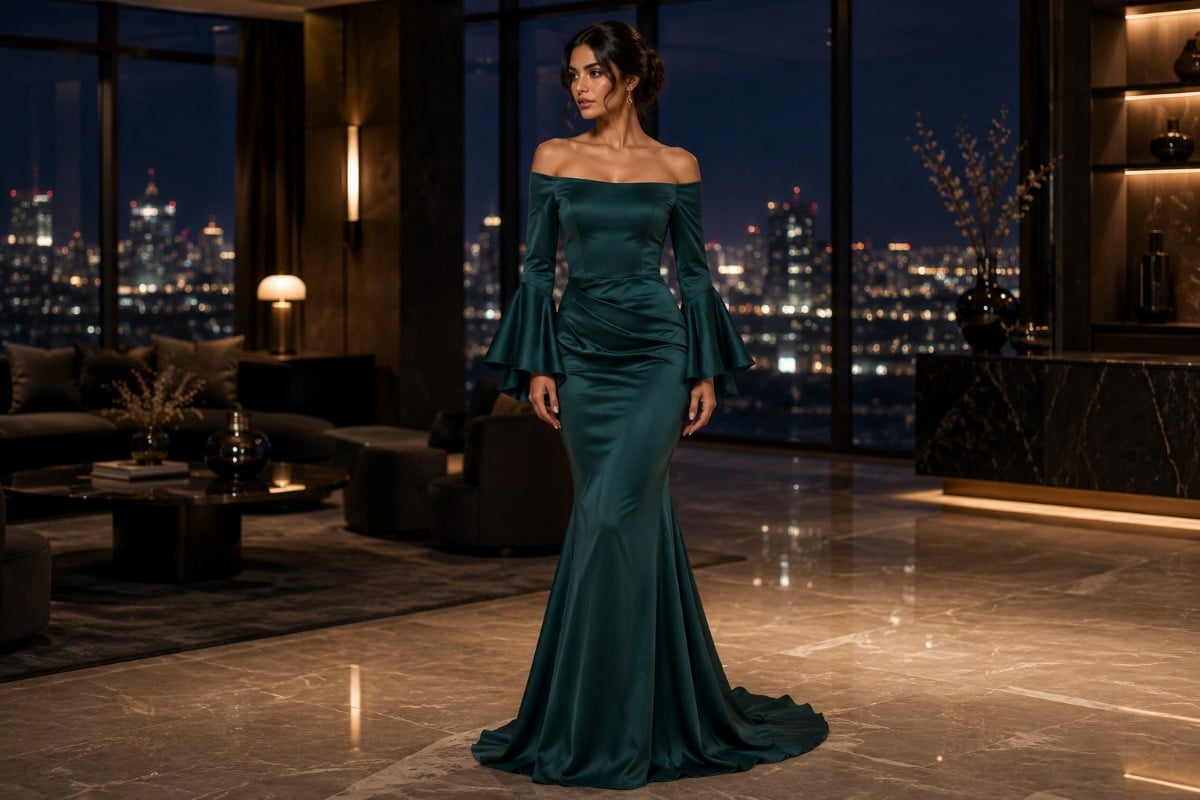
In these situations, the smarter move is often to solve the coverage question through the dress itself rather than an accessory. A long sleeve mother of the bride dresses gown gives full, elegant arm coverage with nothing extra to manage, and a structured covered neckline delivers modesty without a separate piece. Choosing coverage at the dress stage keeps the whole look intentional and frees you from fussing with a wrap all evening.
FAQs about mother of the bride coverups
What is the difference between a shawl, a wrap, and a stole?
A shawl is a loose length of fabric draped over the shoulders with no fastening. A stole is a narrower, slimmer version that rests across the shoulders. A wrap is similar to a shawl but lightly shaped or gathered, so it sits more deliberately and slips less. All three drape rather than fasten, and the right one depends on how much coverage you want.
What can I wear over a sleeveless mother of the bride dress?
A sleeveless dress pairs well with almost any layer, since the wrap becomes your main source of arm coverage. A draped shawl suits softer looks, a bolero or shrug gives structured coverage that still shows the dress, and a sheer evening jacket offers full sleeves with a polished finish. Match the formality of the layer to the wedding.
Should my wrap match my dress or contrast with it?
A tonal match in the exact shade of the dress is the most flattering and reliable choice, since it creates one unbroken line of color. A single complementary tone, such as silver with navy or gold with champagne, also works well. Avoid busy contrasts and anything in white or ivory, which reads bridal.
Are wraps and shawls still appropriate for formal weddings?
Yes. In a refined fabric like silk, lace, velvet, or fine wool, a wrap or shawl suits even black-tie weddings. Formality comes from the fabric and the finish rather than the type of piece. A capelet or a structured bolero also reads as formal and modern for evening celebrations.
How do I keep a shawl from slipping off my shoulders?
Choose a fabric with natural grip and a little weight, such as silk or fine wool, since slippery satin slides easily. A discreet pin inside the shoulder or a small decorative brooch holds the piece in place. Wearing it draped loosely over both arms rather than clutched at the chest also keeps it stable.
Can the mother of the bride wear a bolero jacket?
A bolero jacket for the mother of the bride is a classic and practical choice. It provides shoulder and upper-arm coverage without hiding the dress, and in lace or satin it looks polished for both daytime and evening weddings. It pairs especially well with sleeveless and strapless gowns.
When you are ready to see how coordinated coverage looks across silhouettes and fabrics, browse the mother of the groom gowns collection through an authorized Jovani retailer.