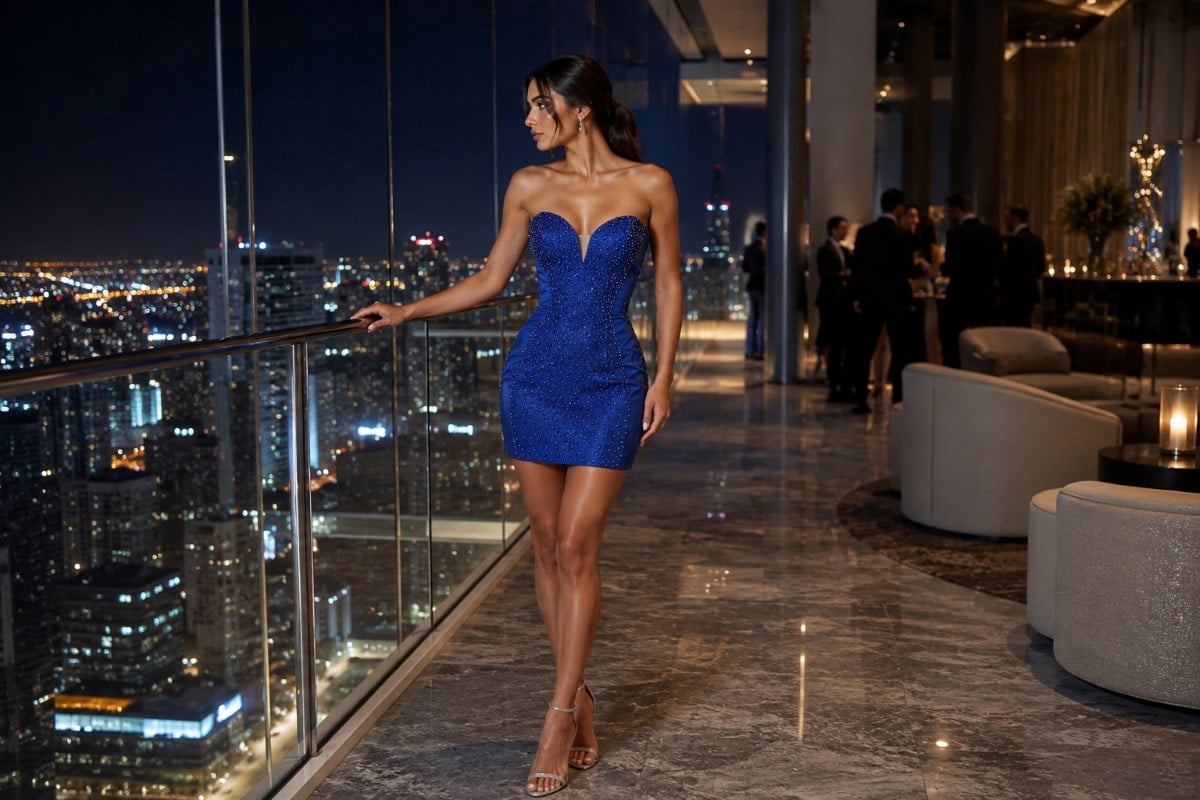

A winter formal dance dress sits in its own distinct category, separate from both a homecoming dress and a prom dress, and knowing the difference between them helps you choose well for the occasion. Winter formal, which is sometimes called winter ball, snowball, or simply the winter dance, is usually the dressier mid-year school event, often calling for a more elegant or longer dress than homecoming while not always reaching the full grandeur of prom. Held in the colder months of the school year, it also naturally invites styles, fabrics, and colors that suit the season, from velvet and long sleeves to rich, warm jewel tones. For a student figuring out what to wear to the dance, understanding how winter formal differs from the other dances, and what makes a dress feel right for a cold-weather evening, makes the whole choice much easier. This guide covers exactly that, from formality to fabric to finishing touches.
What Makes Winter Formal Different
Winter formal occupies a specific place among school dances, and knowing where it sits helps you choose the right level of dress. The formality and season both set it apart.
Winter Formal Versus Homecoming and Prom
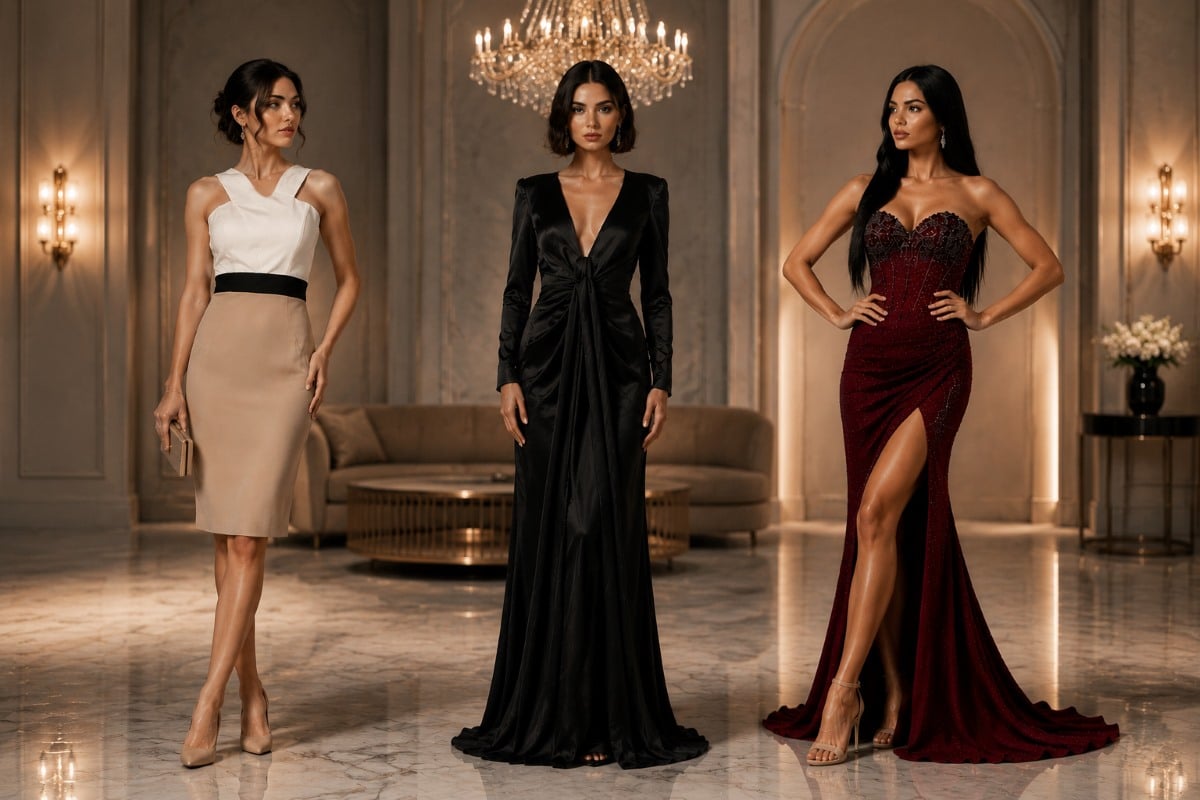
Winter formal usually falls between homecoming and prom in formality, though the exact level varies by school. It tends to be dressier than homecoming, often calling for a longer or more elegant dress, while not always reaching the full formality of prom, which is typically the year’s biggest event. Some schools hold winter formal as a semi-formal dance, while others treat it as a more elevated affair, so checking your school’s specific tone matters. Understanding these differences helps, and our guide to the difference between homecoming and prom dresses offers a helpful frame for placing winter formal between them.
Reading Your School’s Dress Code
Because winter formal varies so much from school to school, reading your specific dance’s expectations is the most useful first step. Check whether the invitation or your school describes it as semi-formal or formal, ask what students have worn in past years, and consider the venue, since a hotel ballroom suggests a dressier look than a school gym. Knowing the formality helps you choose between a shorter, semi-formal style and a longer, more elegant gown. Matching your dress to the actual tone of your school’s winter formal ensures you feel appropriately dressed and comfortable, neither overdressed nor underdressed for the evening. When in doubt, asking a few friends what they are planning to wear gives you a quick, reliable sense of where the formality lands, since the goal is to fit in comfortably with what everyone else is wearing while still feeling like yourself.
Choosing a Dress for the Winter Season
What truly sets a winter formal dress apart is the season, which opens up fabrics, colors, and styles that suit a cold-weather evening beautifully. Leaning into the season makes a dress feel right for the occasion.
Fabrics That Suit Winter
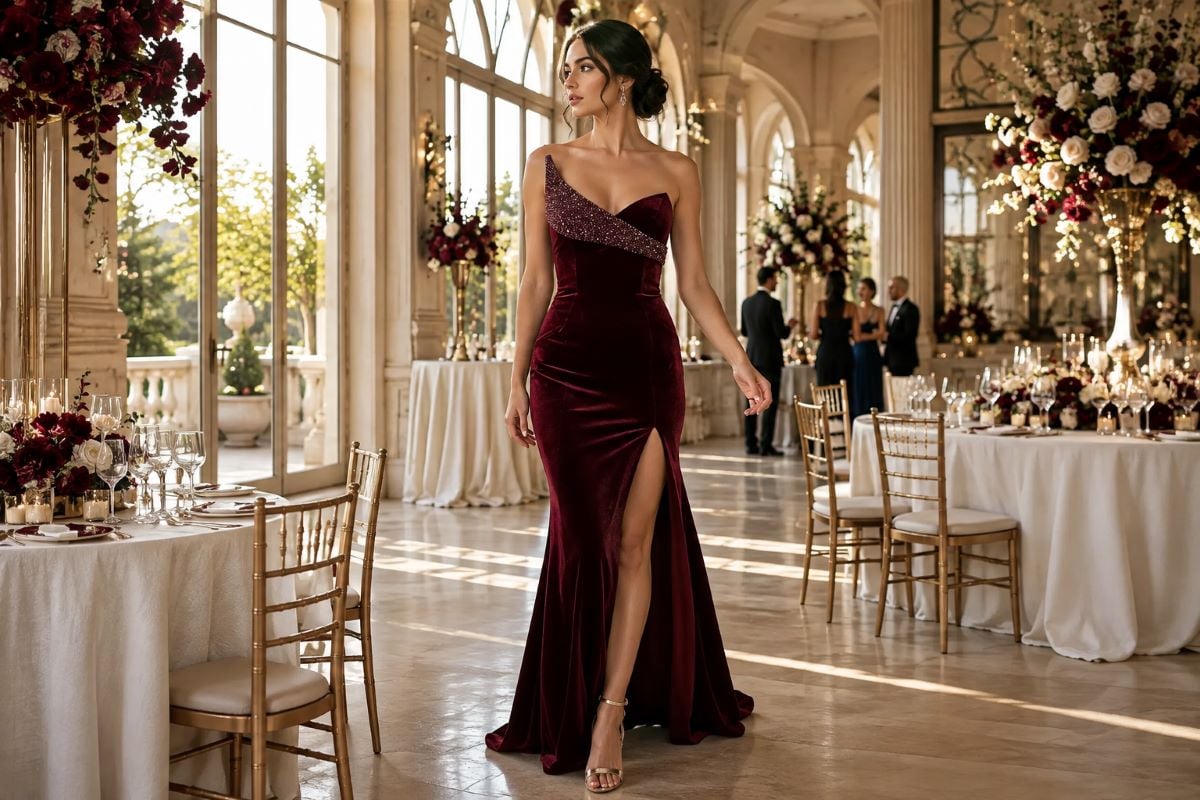
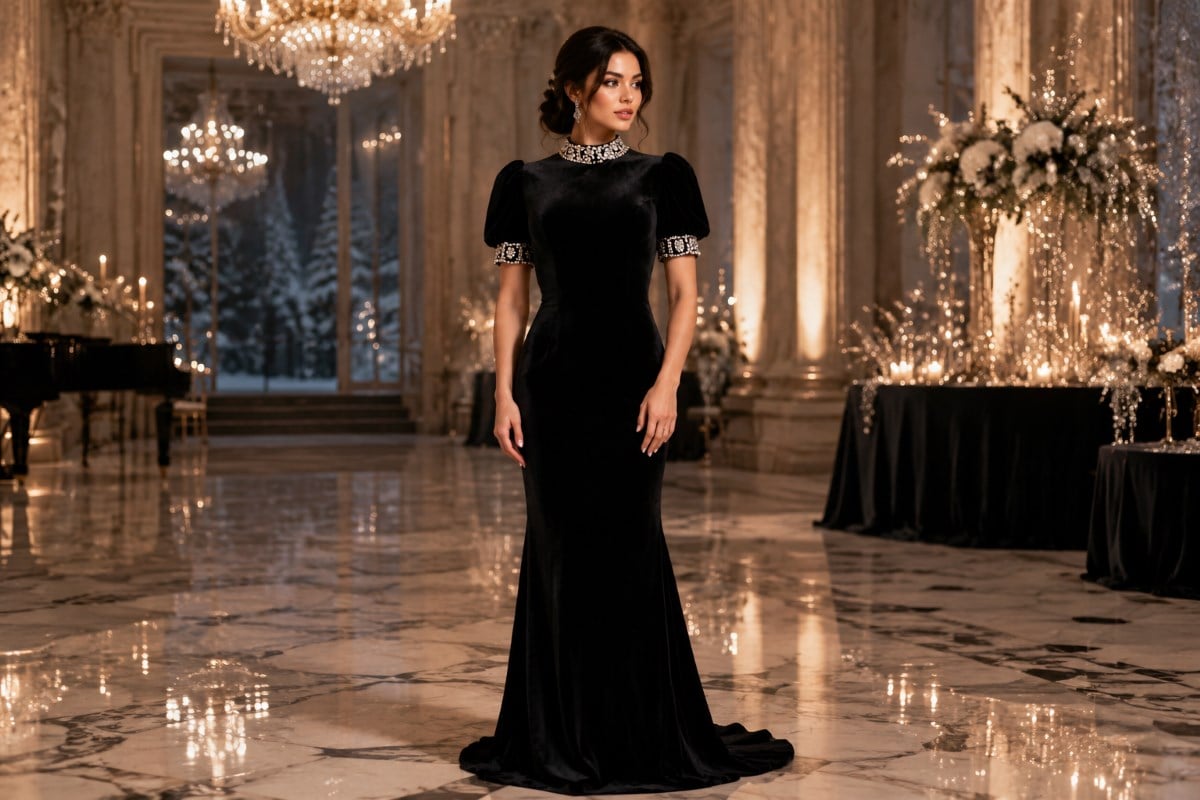
Winter invites richer, warmer fabrics that feel seasonally appropriate and add a sense of occasion. Velvet is a standout choice for winter formal, offering warmth, a soft rich texture, and a luxurious look that suits the season perfectly, as seen across our collection of velvet dresses. Satin and brocade also suit the cooler months, providing structure and a polished finish, while sequins and beading add sparkle that catches the light at an evening dance. Heavier, more substantial fabrics feel right for winter in a way that light summer materials do not, so choosing a fabric with some weight and richness helps a dress feel suited to the season and the formality of the event. A flowing chiffon that suits a summer dance can feel out of place in the depths of winter, while a velvet or satin dress feels immediately seasonal, which is part of what makes a winter formal dress distinct from a warm-weather one.
Winter Colors and Sparkle
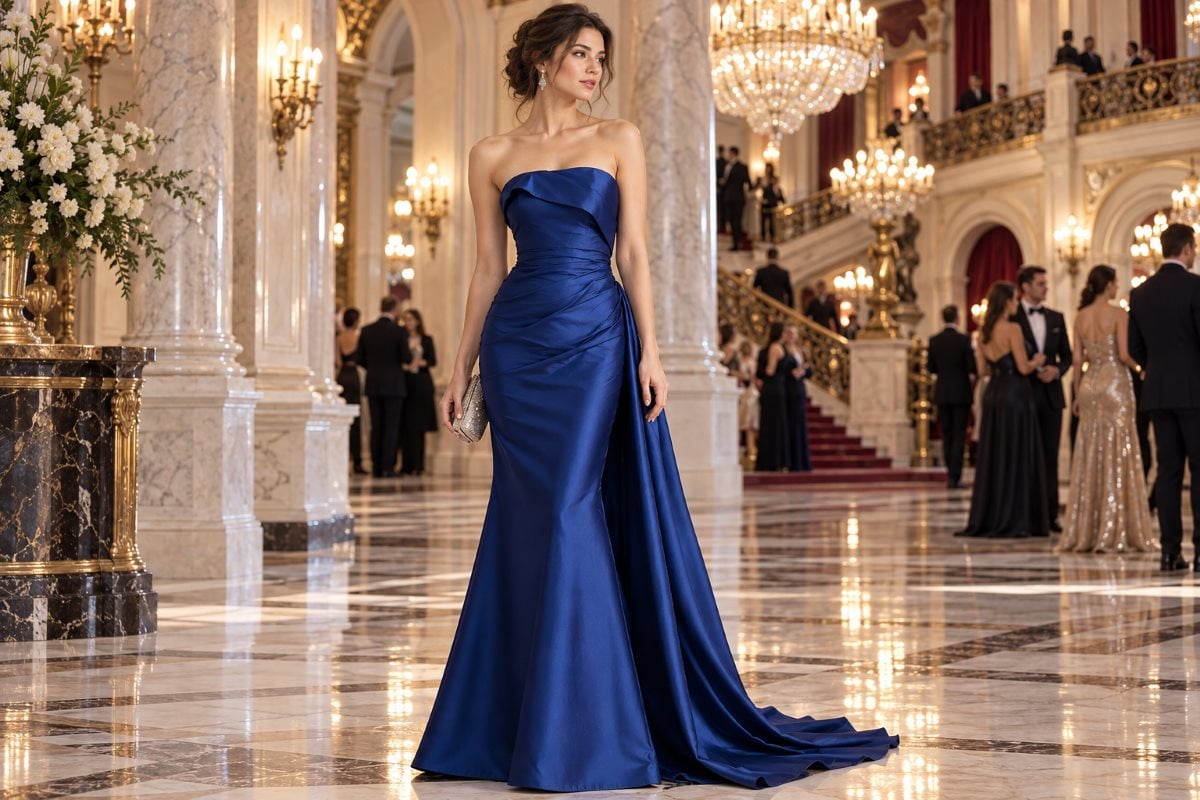
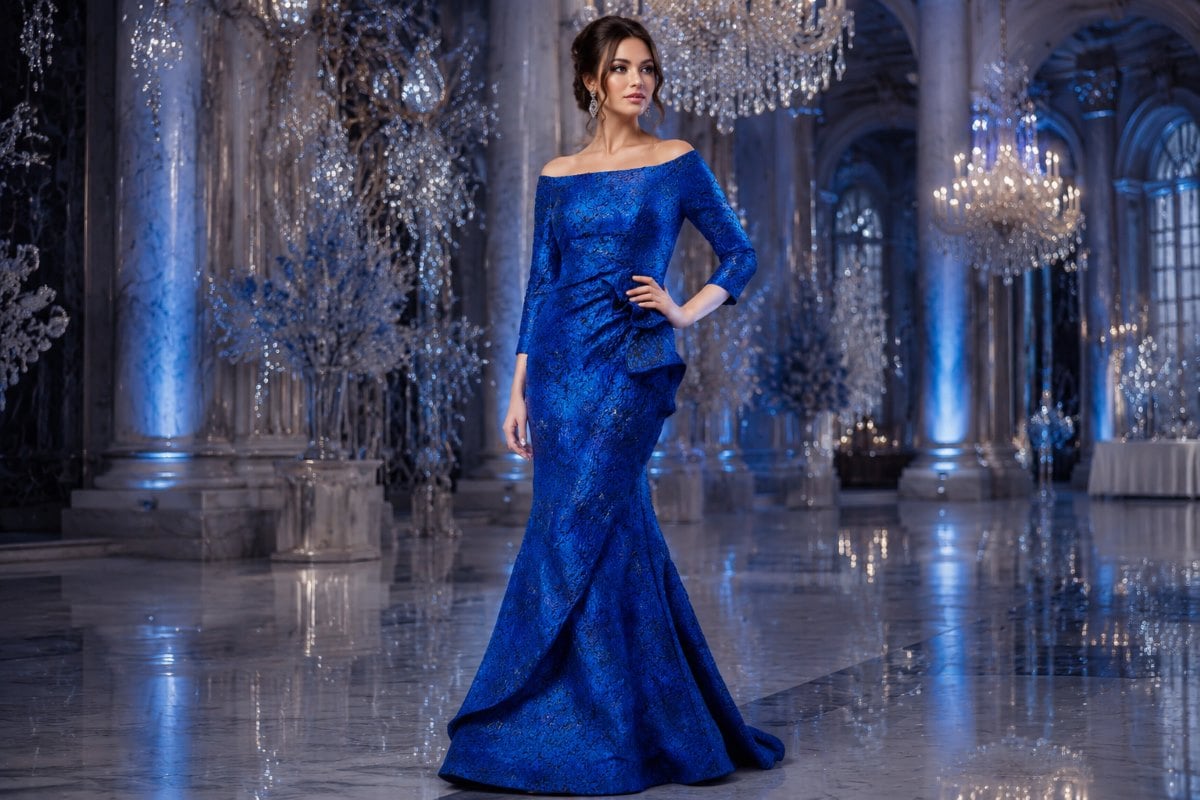
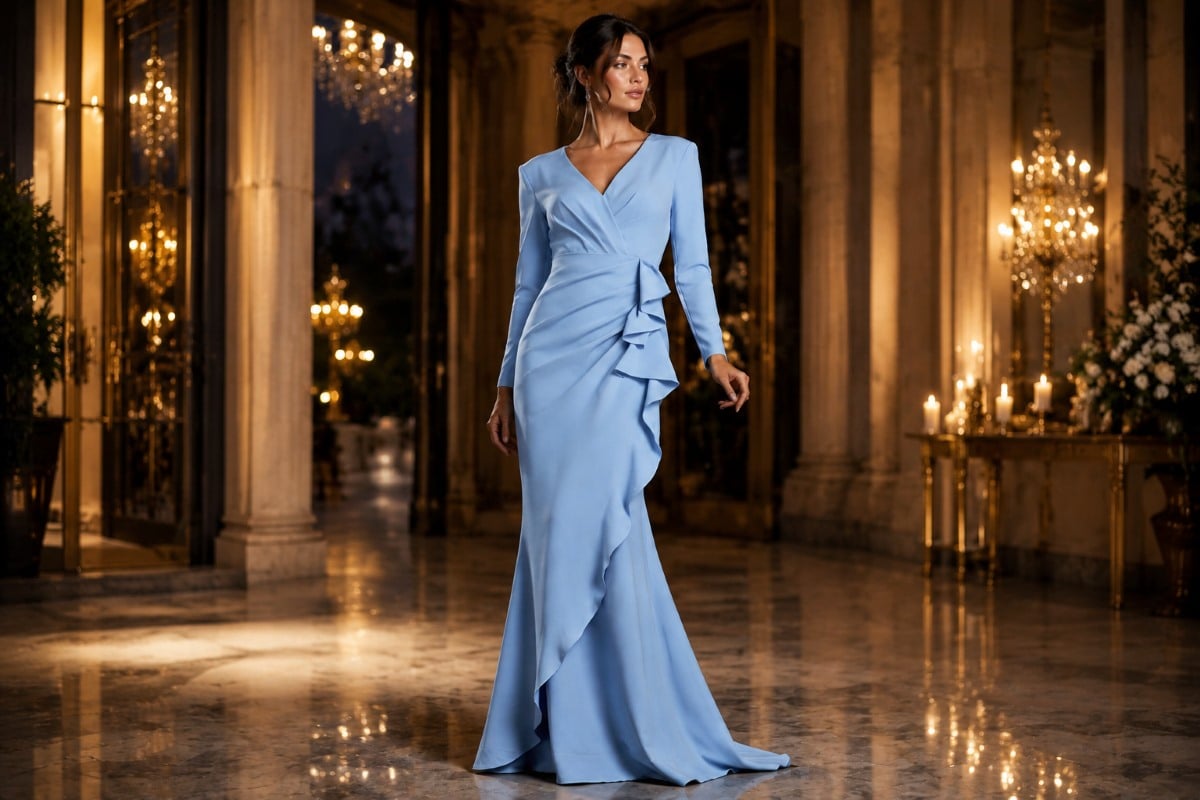
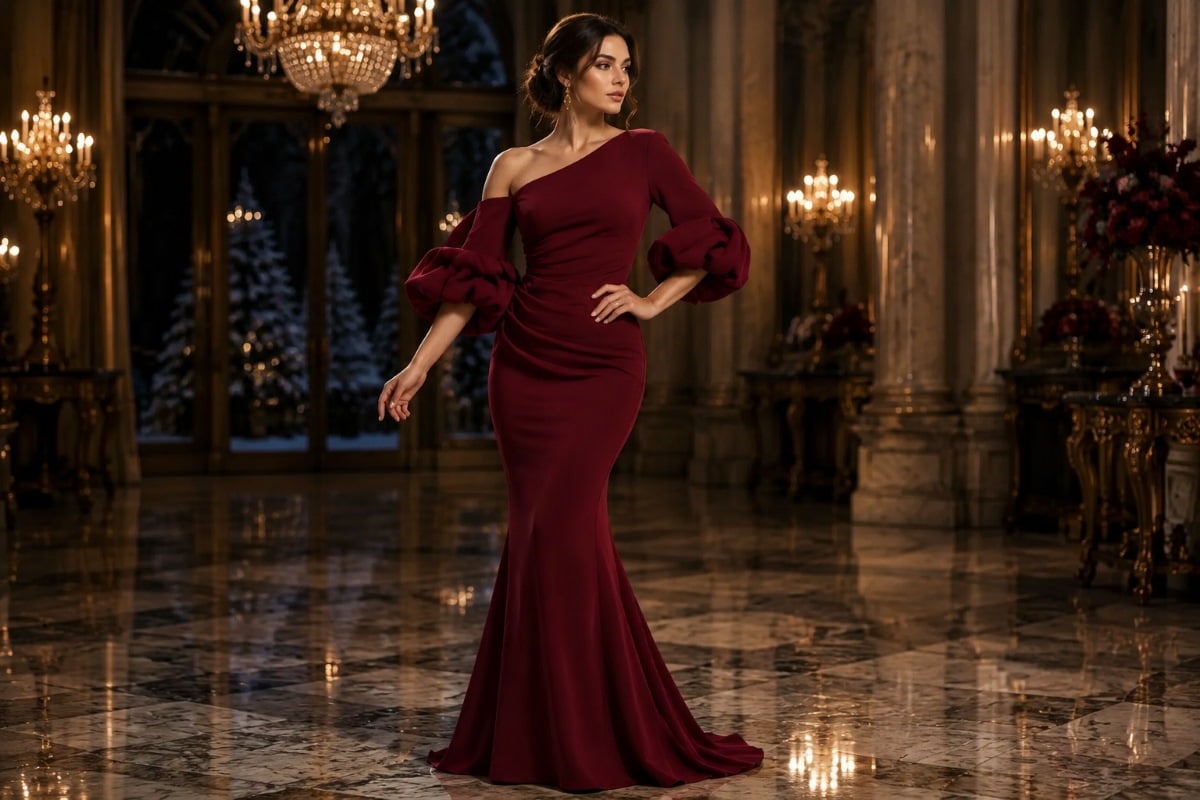
The winter season has a rich color palette that suits a formal dance beautifully. Deep jewel tones like emerald, sapphire, ruby, and amethyst feel luxurious and seasonal, while classic black is elegant and easy to accessorize. Icy tones like silver, pale blue, and white evoke a wintry, snowball theme and photograph beautifully under lights. Sparkle suits the season especially well, since sequins and beading catch the light and add festive glamour appropriate for a winter evening. Choosing a seasonal color helps a dress feel connected to the occasion, since a wintry shade instantly signals that the dress was chosen with the season in mind. Our dress color guide offers further direction on choosing a shade that suits you and the event.
Styles That Work for Winter Formal
Several dress styles suit a winter formal well, and the right one depends on the formality of your dance and your personal taste. A few approaches work especially nicely for the occasion.
Long Gowns for a Dressier Dance
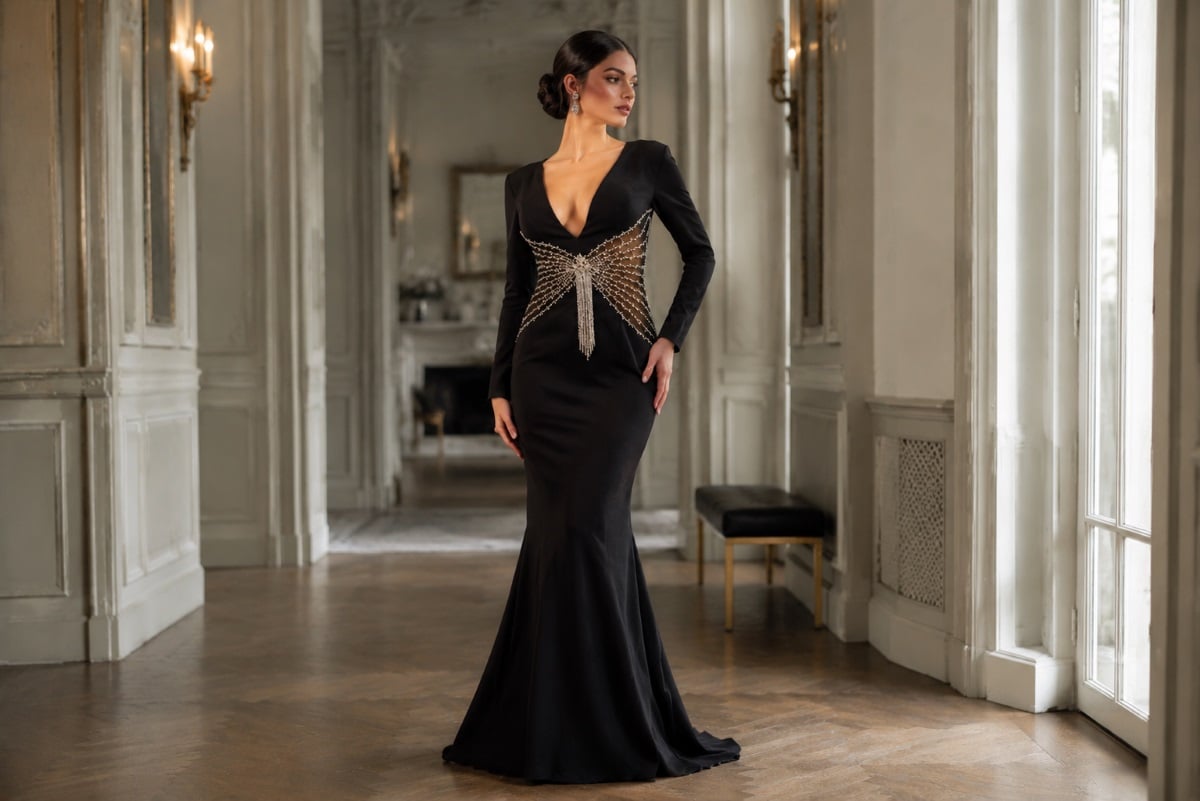
For a more formal winter dance, a long gown reads as elegant and seasonally appropriate, and the floor-length style suits the dressier nature of many winter formals. A long dress also offers more warmth and coverage for a cold-weather evening, which is a practical advantage in winter. The fuller length lends a sense of occasion that fits an elevated dance, and a long gown in a rich winter fabric and color feels perfectly suited to the season. For many students, winter formal is a chance to wear something a little more elegant than a homecoming dress, and a floor-length gown delivers exactly that elevated feeling while remaining age-appropriate for a school event. Our range of long formal dresses shows how a floor-length style can feel elegant and appropriate for a dressier school dance.
Sleeves and Coverage for Warmth
One of the easiest ways to make a dress feel suited to winter is to choose a style with more coverage. A long-sleeve dress offers warmth and elegance, suiting the cold-weather setting while looking polished and age-appropriate. A higher neckline or more covered style also feels seasonally right and keeps a student comfortable and confident through the evening. For an open-shoulder or sleeveless style, a wrap, a shawl, or a faux-fur stole adds warmth for arriving and leaving while letting the dress shine inside. Choosing coverage that suits both the season and a school setting keeps a winter formal look comfortable and appropriate. More coverage also tends to read as more elegant and put-together for a dressier dance, which suits the elevated nature of many winter formals while keeping a student comfortable in the cold. The sparkle of sequin styles pairs beautifully with a covered, elegant winter silhouette.
Matching Your Dress to the Winter Formal Theme
Many winter formals have a theme, often built around the season, and choosing a dress that fits the theme makes your look feel intentional and connected to the event. A little attention to the theme goes a long way.
Seasonal and Snowball Themes
Winter formals often lean into wintry themes like a snowball, a winter wonderland, or a frost-and-ice motif, which open up specific color and style choices. For a snowball or icy theme, silver, white, pale blue, and shimmering metallics suit the mood beautifully and photograph well under cool lighting. For a richer winter theme, deep jewel tones and velvet feel warm and luxurious. Choosing a dress that nods to the theme, whether through an icy shimmer or a rich seasonal color, helps your look feel part of the event. Festive, sparkling styles suit these themes especially well, much like the seasonal pieces in our collection of holiday party dresses, which lean into winter glamour.
Coordinating With Your Group
Many students attend winter formal with a group of friends or a date, and a little coordination can make for a polished look and great photos. This does not mean matching exactly, but choosing colors that complement each other, or agreeing on a general level of formality, helps the group look cohesive. If you are attending with a date, coordinating colors for a corsage, boutonniere, or tie ties the look together. Keeping coordination relaxed and fun, rather than rigid, suits the spirit of a school dance. A little planning with your group ensures everyone feels comfortable and looks great together for the winter evening.
Planning Ahead for Your Winter Formal Dress
A little planning makes finding the right winter formal dress easier and less stressful. Thinking through timing and fit ahead of the dance helps everything come together smoothly.
Giving Yourself Enough Time
Starting your dress search early gives you the best selection and enough time for any alterations a dress might need. Winter formal often falls in the busy stretch around the holidays, so shopping ahead avoids a last-minute rush when stores are crowded and popular styles may sell out. Beginning a few weeks before the dance, or earlier if you want a specific style, leaves room to find the right dress, order it if needed, and have it fitted comfortably. Giving yourself time also means you can make a calm, considered choice rather than settling for whatever is available at the last minute, which makes the whole experience more enjoyable.
Fit and Comfort for the Evening
A winter formal is a long evening of socializing and dancing, so a dress that fits well and feels comfortable matters as much as how it looks. A dress should let you sit, move, and dance easily, without anything too tight or restrictive that takes the fun out of the night. Trying a dress on and moving around in it, sitting and raising your arms, helps you be sure it will feel comfortable through the whole event. A well-fitted dress that you feel confident in lets you focus on enjoying the dance with your friends rather than thinking about your outfit. Comfort and confidence are what make any dance dress work, and they matter just as much for a winter formal as any other.
Completing Your Winter Formal Look
Beyond the dress, a few finishing choices complete a winter formal look and keep it comfortable for a cold-weather evening. Thinking through these details makes the night easier and more enjoyable.
Shoes, Warmth, and Practical Touches
Winter weather brings practical considerations that suit a little planning. Comfortable heels or dressy flats let you dance through the night, and bringing a wrap, shawl, or elegant coat keeps you warm arriving and leaving in the cold. Because winter evenings are dark and often wet or snowy, planning how you will get from the car to the venue without ruining your shoes or dress is worth a thought. Keeping a small bag with essentials close lets you enjoy the dance without worry. These practical touches matter more for a winter dance than a warm-weather one, and thinking them through ahead of time keeps the evening comfortable and fun.
Accessories and Seasonal Styling
Accessories complete a winter formal look while keeping it age-appropriate and festive. Simple jewelry like earrings or a delicate necklace complements a dress without overwhelming it, and sparkle in accessories suits the seasonal, celebratory mood. A small clutch keeps the look polished, and hair worn up or down both suit the occasion depending on the dress and your style. The goal is a put-together look that feels right for a school dance and the winter season, festive and elegant without being too formal or heavy. A winter formal dance dress styled thoughtfully, with seasonal touches and practical warmth, lets a student feel confident and comfortable through a memorable winter evening. For more seasonal dressing ideas, our look at fall and winter dress ideas offers further inspiration for the colder months.
Frequently Asked Questions About Winter Formal Dance Dresses
What is a winter formal dance?
Winter formal, sometimes called winter ball, snowball, or the winter dance, is usually the dressier mid-year school dance held in the colder months. It typically falls between homecoming and prom in formality, often calling for a more elegant or longer dress than homecoming while not always reaching the full grandeur of prom. The exact formality varies by school, so checking your specific dance’s tone helps you choose appropriately.
How is a winter formal dress different from a homecoming dress?
A winter formal dress is often dressier than a homecoming dress, frequently calling for a longer or more elegant style, since winter formal usually sits above homecoming in formality. The winter season also invites richer fabrics like velvet, more coverage for warmth, and seasonal colors like deep jewel tones and icy shades. A homecoming dress is more often short and casual, while a winter formal dress leans more elegant and seasonal.
What should I wear to a winter formal?
Choose a dress that matches your school’s formality, leaning elegant and seasonal. For a dressier dance, a long gown in a rich winter fabric like velvet suits the occasion, while a semi-formal dance allows a shorter, polished style. Lean into the season with warmer fabrics, more coverage, and winter colors like jewel tones or icy shades. Add a wrap or shawl for warmth, and choose comfortable shoes you can dance in. Above all, make sure the dress fits well and feels comfortable, since a long evening of dancing calls for something you can move in easily and feel confident wearing all night.
What colors are best for a winter formal dress?
Deep jewel tones like emerald, sapphire, ruby, and amethyst feel luxurious and seasonal for a winter formal, while classic black is elegant and versatile. Icy tones like silver, pale blue, and white evoke a wintry, snowball theme and photograph beautifully under lights. Sparkle from sequins or beading suits the season especially well. Choosing a seasonal color helps a dress feel connected to the occasion and the winter setting.
Should a winter formal dress be long or short?
It depends on your school’s formality. For a dressier or more formal winter dance, a long gown reads as elegant and seasonally appropriate, and offers more warmth and coverage for the cold weather. For a semi-formal winter formal, a shorter, polished dress works well. Checking whether your dance is described as semi-formal or formal, and what students have worn in past years, helps you decide on the right length.
How do I stay warm at a winter formal?
Choose a dress with more coverage, like a long-sleeve style or a longer gown, which offers natural warmth suited to the season. For an open-shoulder or sleeveless dress, add a wrap, shawl, or faux-fur stole for arriving and leaving in the cold. An elegant coat keeps you warm outside, and planning how to get from the car to the venue protects your dress and shoes. These touches keep you comfortable through a cold-weather evening.
When you are ready to find a winter formal dance dress that suits your school’s style and the season, work with an authorized Jovani retailer to find the look that fits you best. The full range of homecoming and dance dresses includes styles that translate beautifully to a winter formal occasion.