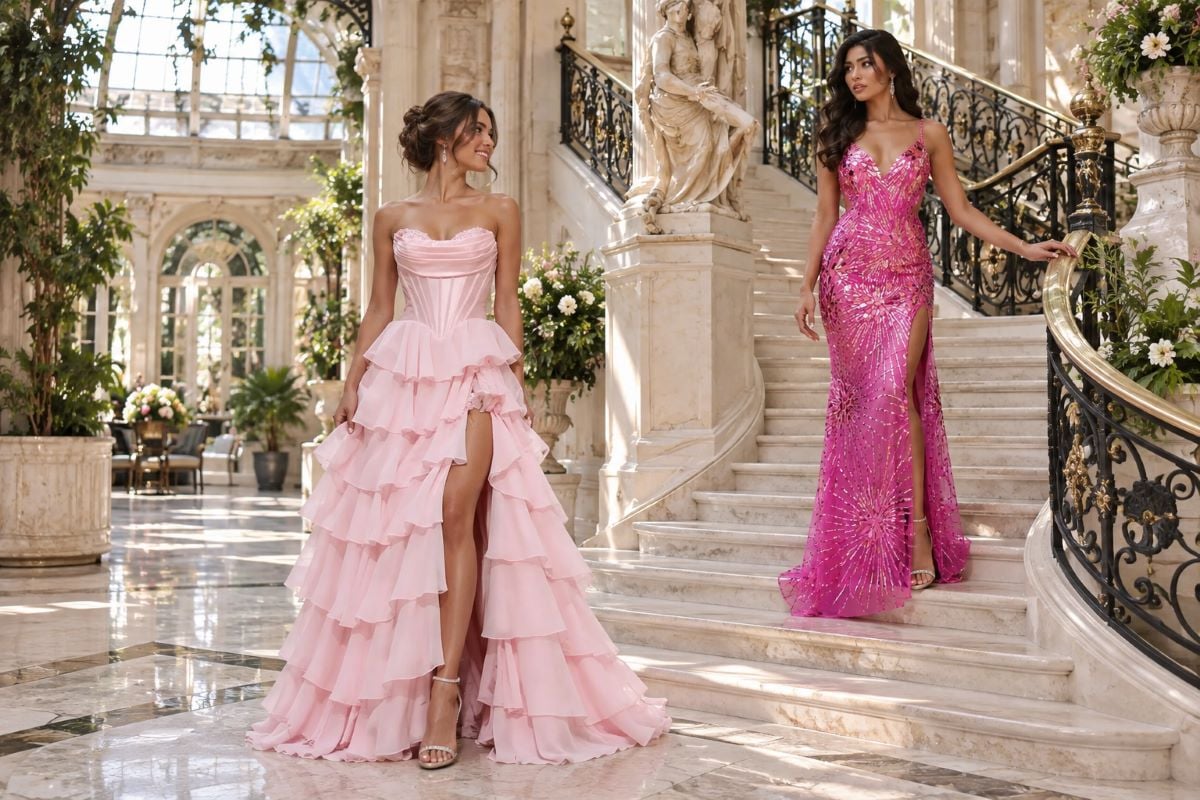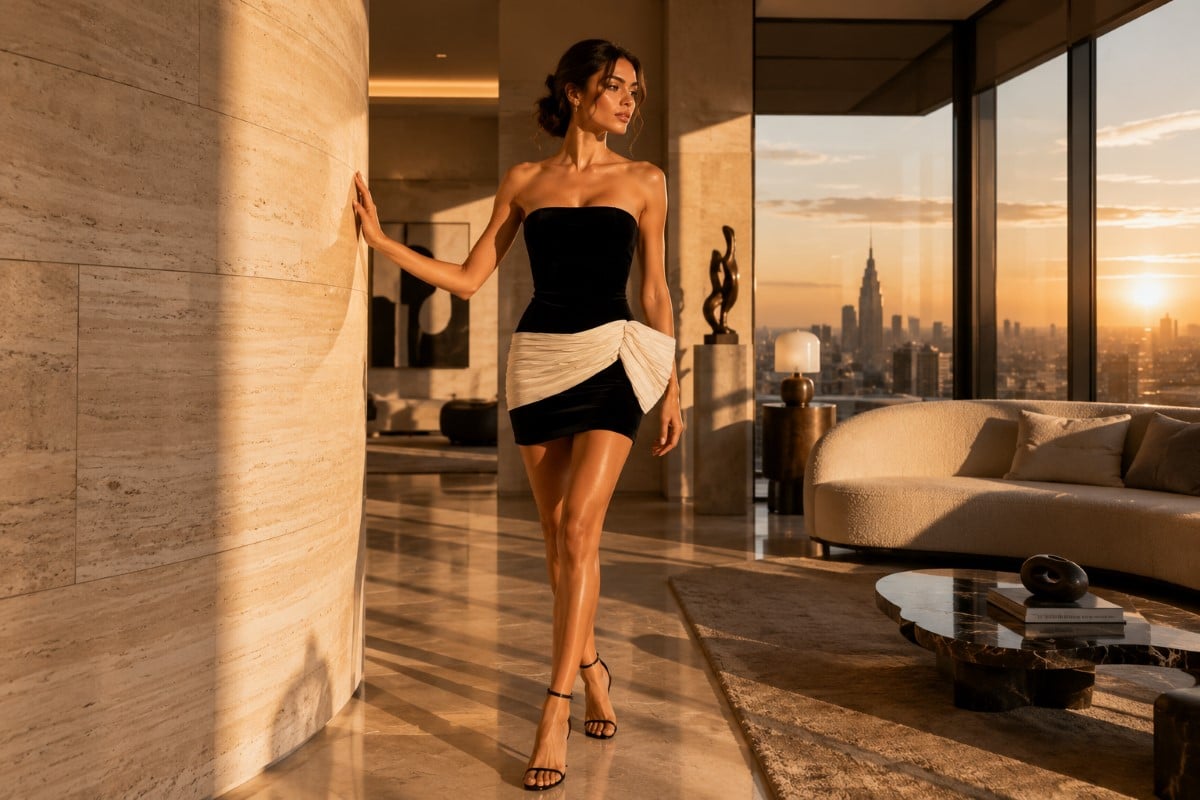

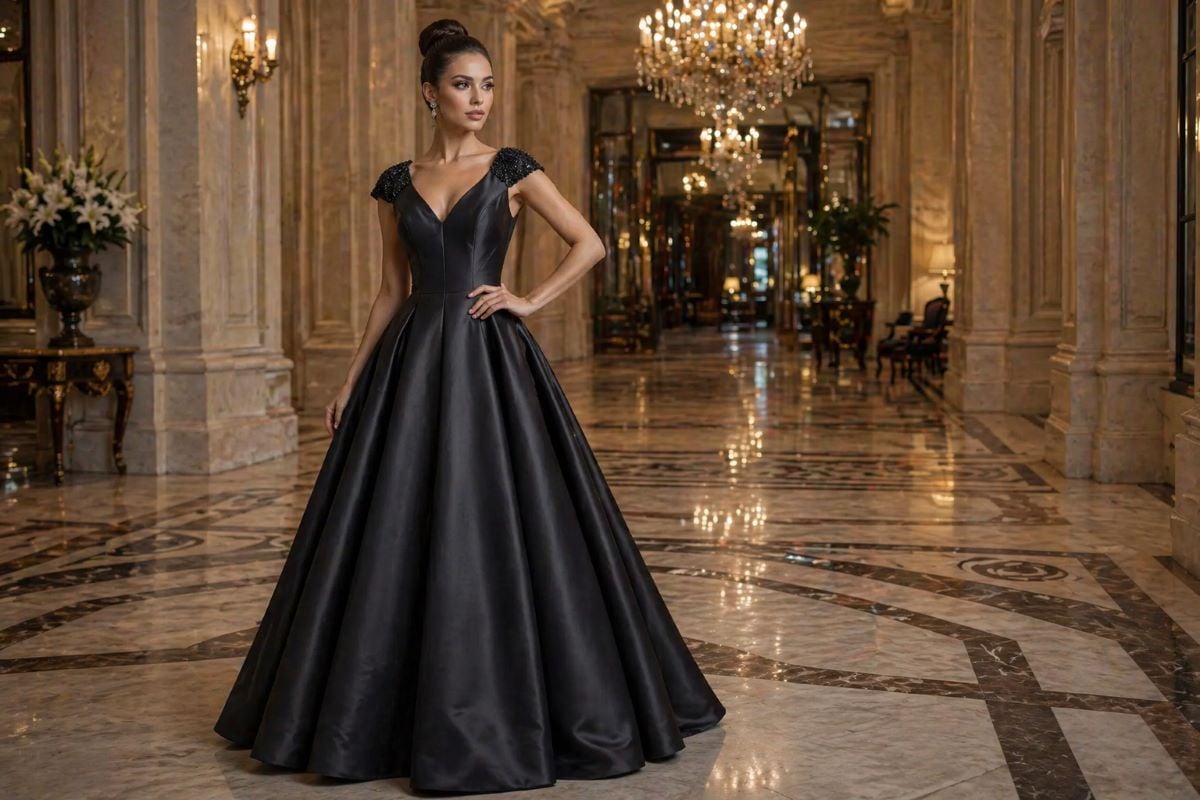
Preparing for a significant event often brings up a fundamental question of personal aesthetic: an internal dialogue between who you are every day and who you wish to be for one spectacular night. The balance between trend-setting innovation and time-honored elegance is at the heart of choosing the perfect outfit. When considering modern vs classic evening dress styles, the decision shapes not only how you look but how you carry yourself the moment you step into the room.
Receiving a formal invitation sparks an immediate visualization process. To make the best choice, it is essential to understand the variety of evening gowns available today. Over the decades, societal shifts, technological advancements in fabric, and the changing roles of women have all influenced the garments we wear to celebrate life’s most important milestones.
Whether your preference leans toward architectural precision or flowing romance, navigating the diverse world of formalwear requires an appreciation for what makes each approach distinct. Formal event dressing has always been a language of its own, communicating respect for the occasion, personal confidence, and individual taste. Selecting the right gown is your way of speaking that language fluently.
The Timeless Appeal of Classic Silhouette Dresses
There is a distinct comfort and undeniable majesty in traditional formal dresses. These pieces borrow heavily from the golden eras of fashion—particularly the mid-century couture movements that celebrated the hourglass figure and the inherent grace of the female form. The beauty of classic silhouette dresses lies in their predictability, in the absolute best sense of the word. They offer a guaranteed level of sophistication that never looks out of place or inappropriate for a high-level occasion.
Signature Fabrics and Masterful Construction
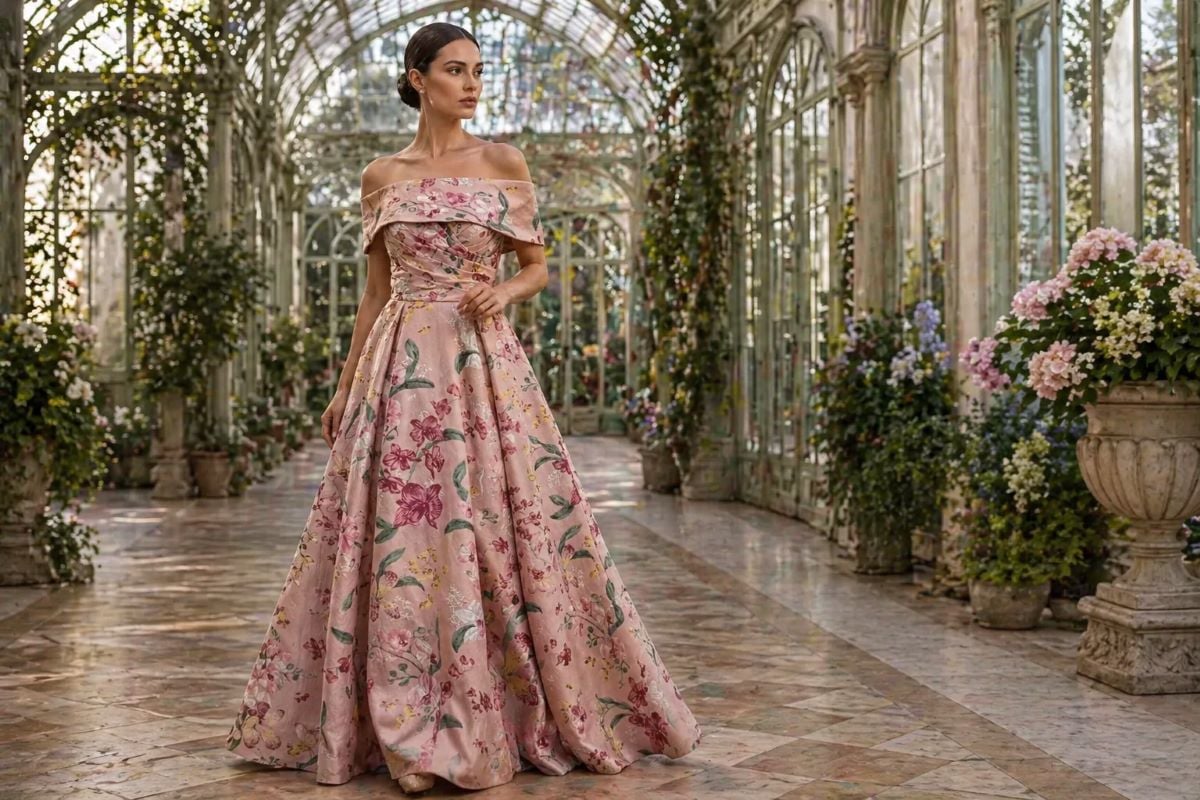
Think of the sweeping grace of long formal dresses that gently brush the floor, creating an elongated, regal profile. When exploring timeless evening gowns, the focus is heavily placed on exceptional tailoring, strict proportion, and luxurious, weighty fabrics. Designers of classic formalwear often utilize rich, light-absorbing velvet, heavy duchess satin, delicate Chantilly lace, and flowing silk chiffon. These materials naturally lend themselves to designs that drape elegantly and move beautifully with the wearer, requiring masterful construction such as built-in corsetry and precise boning—to maintain their flawless shape throughout an evening.
Universally Flattering Traditional Silhouettes
The foundations of classic style are built on universally flattering, mathematically balanced shapes. For example, the iconic cut of A-line evening dresses has remained a staple for decades because it seamlessly highlights the natural waist while offering a comfortable, forgiving skirt that glides effortlessly across a ballroom floor. It is a silhouette that requires no adjustment and offers total freedom of movement, a true hallmark of luxury.
Similarly, off-shoulder formal gowns frame the collarbone beautifully, drawing the eye upward to the face. This design offers a hint of romance and femininity without sacrificing an ounce of sophistication. These intentional choices frequently result in refined modest evening dresses that command respect and admiration at high-society galas, black-tie weddings, or diplomatic events.
In the debate of classic vs modern fashion, the classic approach seeks to endure. A woman choosing a classic gown often considers the archival nature of her choice, knowing that when she looks back at photographs in twenty years, her look will still translate as the epitome of taste and elegance.
The Bold Vision of Contemporary Formalwear
On the opposite side of the spectrum, modern evening gowns rewrite the established rules of formalwear, driven by a desire for individuality and impact. If classic style is about preserving tradition and fitting seamlessly into an aristocratic setting, modern fashion is about self-expression, pushing boundaries, and embracing the unexpected. Contemporary formalwear is deeply influenced by high-fashion runways and the modern woman’s demand for garments that reflect her dynamic lifestyle. For the woman who wants her outfit to be a bold conversation starter, modern evening attire is the definitive answer.
Architectural Cuts and Asymmetry
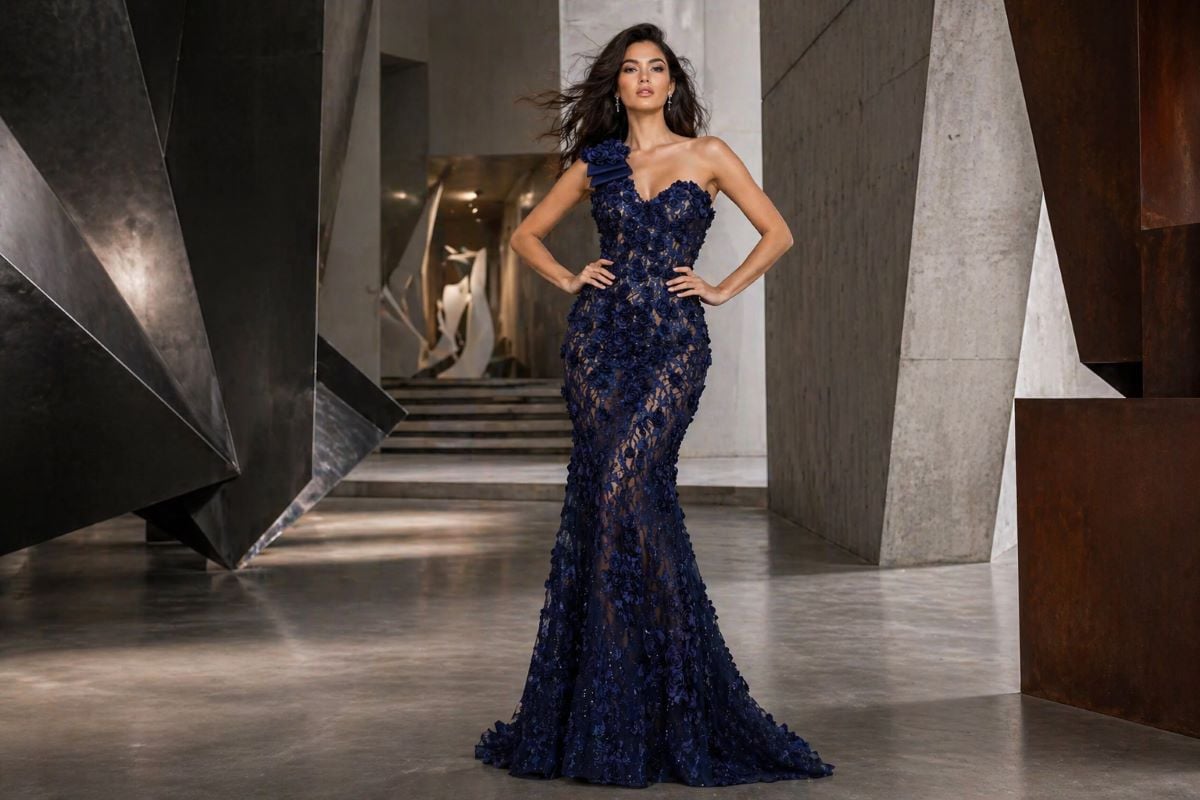
This aesthetic actively rejects the notion that formalwear must be rigid or predictable. Instead, it features asymmetrical hemlines that challenge the eye, sharp architectural necklines that plunge with geometric precision, sheer illusion panels that play with the concept of negative space, and dramatic thigh-high slits that introduce an element of fierce confidence.
Innovative Textiles and Statement Embellishments
The growing category of contemporary dresses has expanded to include sleek, form-fitting shapes that mold perfectly to the wearer. To achieve these body-skimming looks, designers turn to innovative textiles like stretch crepes, structured scuba fabrics, and liquid metallics that offer both support and undeniable allure.
Embellishments in modern design also take a distinctly different turn from their historical counterparts. Instead of standard floral lace appliqués or subtle pearl accents, modern designs might utilize aggressive geometric sequin patterns, mirrored metallic accents, or beaded formal dresses that catch the light with an almost futuristic brilliance. The modern gown uses texture not just as a decoration, but as a core structural element of the dress itself.
Modern vs Classic Evening Dress Styles: How to Choose
The choice between modern vs classic evening dress styles is rarely a simple one. It ultimately depends on a thoughtful combination of the event’s specific dress code, the architectural vibe of the venue, your personal comfort zone, and the specific narrative you wish to project for the evening.
Matching Your Event and Venue Setting
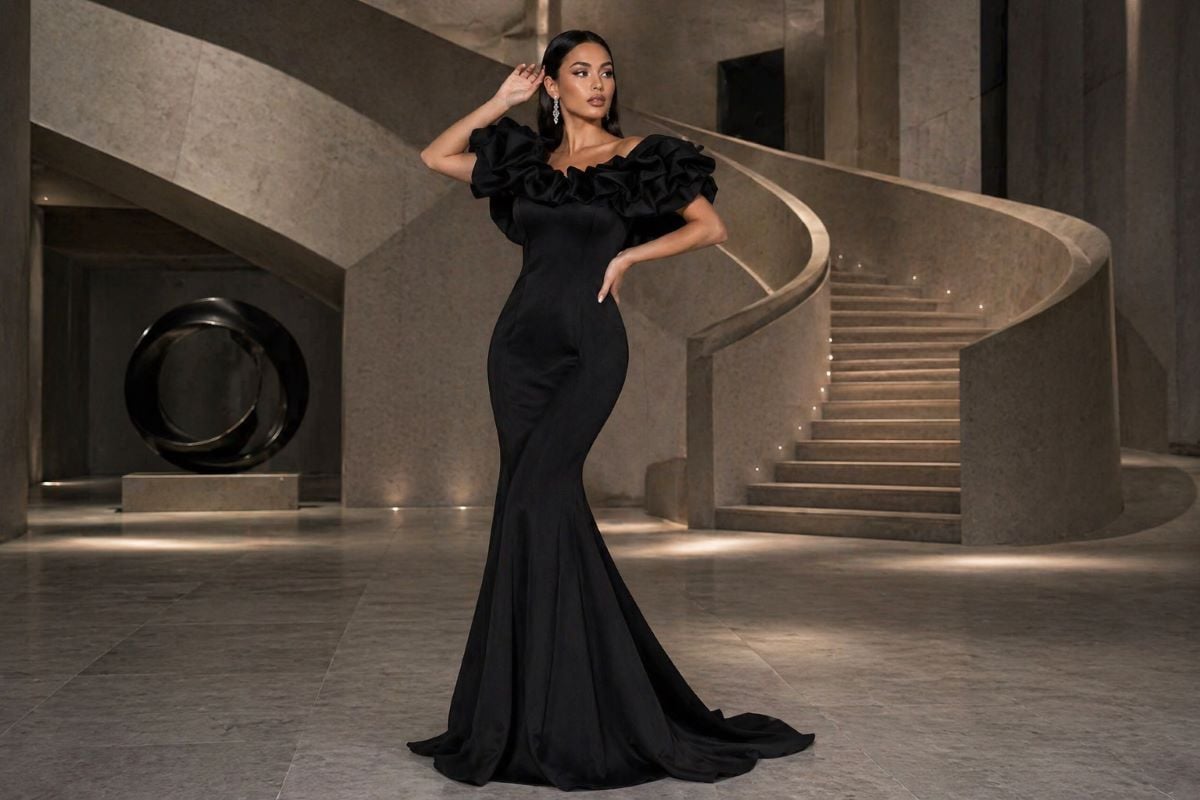
Strictly traditional events often call for timeless evening gowns. A formal state dinner at a historic hotel, a highly conservative religious wedding ceremony, or a legacy charity ball might be best suited to classic silhouette dresses that respect the gravity of the occasion. In these settings, blending in with an air of aristocratic grace is often the ultimate power move.
Conversely, an avant-garde art gallery opening, an industry awards dinner, or a fashion-forward metropolitan wedding held in an industrial loft space provides the perfect backdrop for cutting-edge modern evening gowns. The modern gown thrives in spaces with clean lines, contemporary lighting, and an atmosphere of celebration rather than strict ceremony.
Aligning with Your Personal Style
Your formal event dressing should never feel like a costume; it must be an elevated extension of who you truly are. Are you someone who loves vintage Hollywood glamour, collects antiques, and appreciates the quiet luxury of a perfect trench coat? A classic gown whispers elegance through subtlety and will feel like a natural fit.
On the other hand, if you closely follow the latest avant-garde fashion weeks, prefer streetwear aesthetics, love asymmetrical cuts, and gravitate toward statement jewelry in your daily life, traditional formal dresses might feel stifling. A modern gown speaks with bold, undeniable confidence and will better match your vibrant energy.
Considering Photographic Longevity
Consider how you want to remember the event. Classic styles are essentially immune to the passage of time. A beautifully tailored, unembellished satin A-line will look just as chic in a silver-framed photograph fifty years from now as it does today. Modern styles, however, capture a specific moment in fashion history. They are exciting and highly relevant, anchoring your memories to a culturally rich era in your life.
Strategic Accessorizing
Your choice of accessories can brilliantly bridge the gap in this stylistic conversation, allowing you to borrow from both worlds. You can take a highly classic, unadorned silk Mikado gown and give it a sharp, modern edge by styling it with a geometric metallic clutch, architectural heels, and sleek, slicked-back hair. Alternatively, a highly modern, daring cutout gown can be softened and beautifully grounded by pairing it with simple, heirloom diamond studs, a delicate tennis bracelet, and a traditional, romantic swept-up hairstyle.
Jovani’s Approach to Elegant Evening Dresses
As a deeply trusted, globally recognized leader in the luxury fashion industry, Jovani understands that women are multifaceted and do not fit neatly into a single stylistic box. Our design philosophy honors the rich, romantic heritage of traditional formalwear while constantly innovating and pushing boundaries to meet the bold desires of the modern woman.
Merging Heritage with Future Trends
Whether our master artisans are crafting a breathtakingly traditional, heavily layered ballgown or constructing a sleek, contemporary masterpiece from high-stretch crepe, Jovani prioritizes impeccable fit, premium fabrics, and unparalleled craftsmanship above all else. We believe that whether a dress is inspired by 1950s couture or 2026 runway trends, the internal construction and quality must be flawless.
We recognize that the distinction between classic and modern is not a rigid dividing line, but rather a beautiful, fluid spectrum where the finest elements of both worlds can merge. A Jovani dress might feature a strictly classic, regal silhouette, but be executed entirely in a bold, modern liquid metallic fabric. Our expansive collections are meticulously curated so that every woman, regardless of her age, body type, or personal aesthetic, can find a garment that aligns perfectly with her vision.
FAQ About Formal Dress Styles
1. What is the main difference between modern and classic evening dresses?
Classic dresses rely on time-tested silhouettes (like sweeping ballgowns and A-lines), traditional luxury fabrics (like satin, velvet, and Chantilly lace), and universally flattering cuts that have remained the standard of elegance for decades. Modern dresses experiment heavily with asymmetrical lines, daring structural cutouts, innovative high-tech fabrics, sheer illusion panels, and trend-driven embellishments.
2. Can I wear modern evening attire to a strict black-tie event?
Yes, you certainly can, provided the dress maintains the inherent formality, respect, and elevation required by the event’s dress code. To successfully wear modern evening attire to a traditional black-tie gala, ensure the gown is strictly floor-length and crafted from high-quality, luxurious fabrics. You can embrace modern design elements—like a high slit or an illusion neckline—as long as the overall execution remains sophisticated and polished.
3. Does age dictate whether I should choose a classic or modern style?
Not at all. The idea that mature women must only wear classic styles, or that younger women must only wear modern trends, is an outdated fashion myth. A woman in her twenties might feel most regal in a highly traditional velvet ballgown, while a woman in her sixties might command the room in a sleek, architectural crepe gown. Your choice should be dictated by your personal style identity, your body shape, and what makes you feel the most confident.
4. How do I choose the right style for my body type?
Classic silhouette dresses, particularly A-lines, are universally flattering as they cinch the smallest part of the waist and flow forgivingly over the hips. If you wish to highlight specific features, modern evening gowns often offer strategic cutouts, deep plunging necklines, or form-fitting shapes that accentuate natural curves. The most effective approach is to try on both distinct styles to discover which structural elements make you feel the most secure and supported.
5. Will a classic dress look outdated or boring?
Never. True traditional formal dresses are defined by their inherent timelessness. A well-tailored classic gown made from premium, high-quality fabric will look just as elegant and appropriate today as it would have twenty years ago. Far from being boring, a classic dress acts as a magnificent blank canvas, allowing the wearer’s natural beauty and personality to be the true focal point of the evening.
6. Does Jovani offer dresses that blend both modern and classic elements?
Absolutely. Many of Jovani’s most highly sought-after designs intentionally merge these two aesthetic concepts. For instance, we frequently utilize a classic, romantic mermaid silhouette but completely update it for the modern era with a sheer, exposed corset bodice or contemporary geometric beading. This deliberate fusion allows women to honor formal event dressing traditions while still showcasing a modern edge.