
The Invisible Underwear Guide: What to Wear Under Any Formal Dress
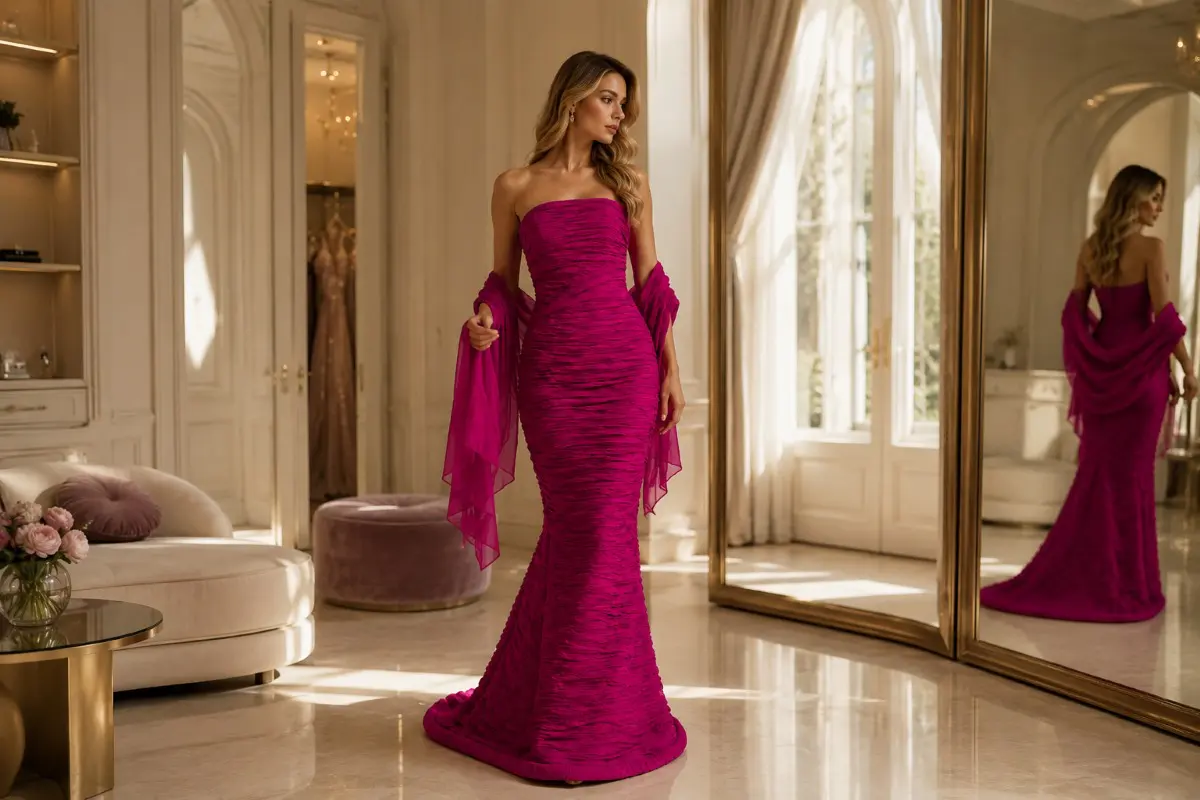
You have found the dress, scheduled the alterations, and chosen the shoes. Then you slip it on for a final check and see it: a faint line across the hip, a seam showing through the fabric, a hint of color where there should be none. The dress is perfect, but the wrong underwear underneath has quietly undone it. This is one of the most common and most fixable formal wear problems, and almost no one talks about it directly. Choosing invisible underwear for formal dresses is a real skill, because the right choice changes completely depending on the fabric and color of your gown. This guide explains exactly what to wear underneath so the dress, not the line beneath it, is all anyone sees.
Why Underwear Is a Fabric and Color Decision
Most underwear advice stops at one word: nude. It is good advice as far as it goes, but it is incomplete, because a formal gown is not a single material. A structured satin behaves nothing like a sheer lace, and a pale gown hides nothing that a dark one would. The underwear that disappears under one dress can show clearly under another. That is the whole insight this guide is built on: your underwear choice should follow the dress, not a single fixed rule.
Two properties of the gown decide everything. The first is the fabric, specifically how thin, how clingy, and how smooth it is. A thick, structured fabric forgives almost anything underneath, while a thin or body-skimming one reveals every seam and edge. The second is the color, because a pale or white gown can let darker underwear show straight through, while a deep color conceals far more. Once you read those two properties of your dress, the right underwear becomes obvious. The broad range of evening dresses spans every fabric and color, which is exactly why a single underwear rule cannot serve all of them.
The goal is always the same: a clean, uninterrupted line from the dress to the body, with nothing underneath drawing the eye. Achieving it is simply a matter of matching the right underwear to what your specific gown demands.

Underwear for Thin and Clingy Fabrics
The most demanding gowns are the thin, smooth, body-skimming ones, because they reveal the most. A fitted satin column, a sleek crepe sheath, or a jersey gown shows every seam, edge, and ridge underneath, so this is where underwear choice matters most.
Go Seamless
The single most important rule for a clingy fabric is seamless underwear. Standard underwear has stitched edges and seams that create visible ridges, the dreaded panty line, under a smooth gown. Seamless, laser-cut, or bonded-edge underwear has no stitched border, so it lies completely flat against the skin and vanishes under the fabric. Under a fitted satin or crepe gown, a smooth, edgeless foundation matters more than under any other silhouette, because the fabric telegraphs every line beneath it.
Consider a Thong or Smoothing Shaper
For the smoothest possible line under a clingy gown, a seamless thong removes the back panty line entirely. If you prefer more coverage or want light smoothing through the midsection, seamless shaping briefs or a smoothing slip achieve a clean line while gently shaping the silhouette. The key word remains seamless: a shaper with thick stitched edges defeats the purpose by creating its own visible lines. For more on how smoothing layers work under a gown, the guidance on shapewear for evening gowns covers when and how to add that layer well.
Underwear for Pale and White Gowns
Color is the second half of the equation, and a pale or white gown introduces a challenge that has nothing to do with seams: visibility through the fabric.
Match Your Skin, Not the Dress
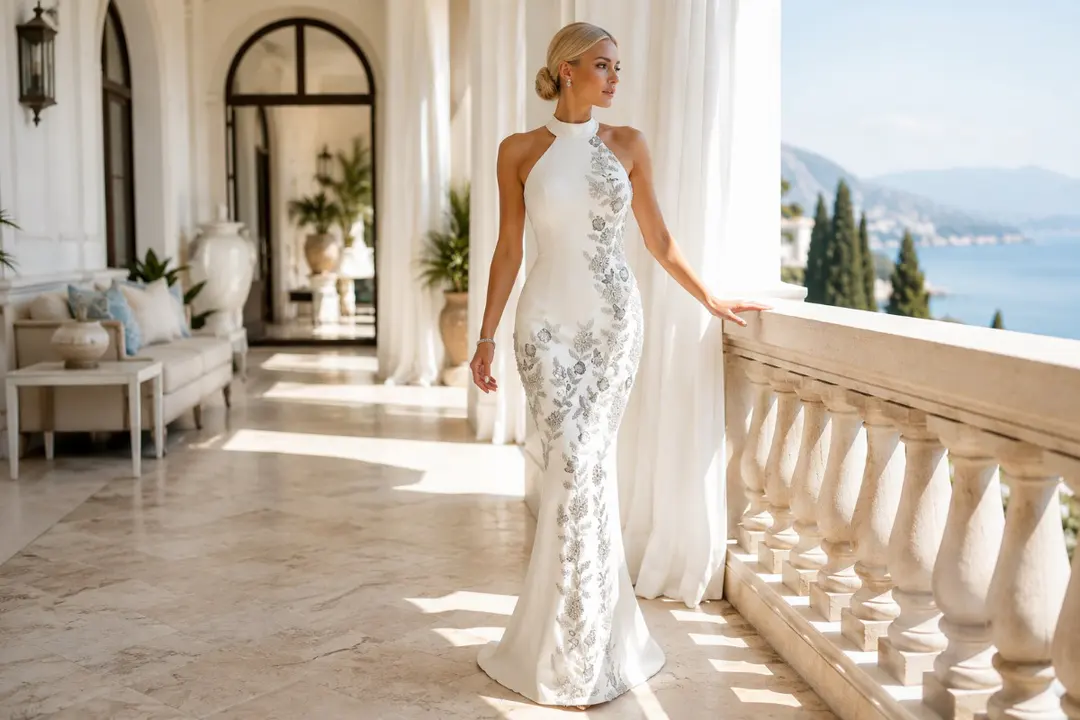
Here is the rule that surprises many women. Under a white or pale gown, you should not wear white underwear. White underwear is often more visible through a pale fabric than a nude tone, because it contrasts with your skin and creates a bright patch the eye catches. The genuinely invisible choice is underwear that matches your own skin tone as closely as possible. Skin-tone underwear blends with the body, so under the fabric there is no contrast for the eye to detect. This applies to the lightest, most delicate gowns especially, and the styles among white formal dresses are exactly the ones where a true skin-tone match makes the difference between invisible and obvious.
Watch the Fabric Thickness Too
A pale gown that is also thin is the most revealing combination of all, so it needs both rules at once: seamless construction and a true skin-tone color. If a pale gown is lined or made of a thicker fabric, you have a little more freedom, but the skin-tone principle still holds. When in doubt with anything pale, hold the underwear against your skin in natural light and check whether it disappears. If it stands out against your skin, it will likely stand out under the dress.
Underwear for Sheer and Lace Fabrics
Sheer panels, illusion netting, and all-over lace are beautiful, but they are the trickiest of all, because parts of the gown are genuinely see-through by design.
The approach here depends entirely on where the sheer sections fall. Many gowns with sheer or illusion details are lined through the body and only sheer at the edges, the upper chest, the arms, a panel at the back, in which case standard seamless, skin-tone underwear works fine because the sheer areas are not over the underwear. The styles among lace evening gowns are frequently built this way, with a solid lining beneath the decorative lace.
The real care is needed when a gown is genuinely sheer over the hip or lower body. In that case, skin-tone seamless underwear is essential, and a seamless thong is often the best choice to minimize what shows. Be honest with yourself in the fitting room about exactly how transparent the fabric is over each area, and choose the most minimal, skin-matched option for any truly sheer section. If a gown is sheer in a place where no underwear could be invisible, that is worth knowing before the event, not during it.
Lighting changes how sheer a fabric reads, which is another reason to test carefully. A lace or illusion panel that looks modestly opaque in a dim fitting room can turn far more transparent in bright daylight or under a camera flash. If your event will be photographed or held in strong light, judge the transparency under the brightest conditions you expect, not the softest. What disappears in a boutique mirror can reveal more than you intended in a flash photograph, so erring toward the more cautious, skin-matched choice protects you.
Underwear for Structured and Embellished Gowns
At the opposite end from clingy fabrics are the structured and heavily embellished gowns, and these are the most forgiving of all.
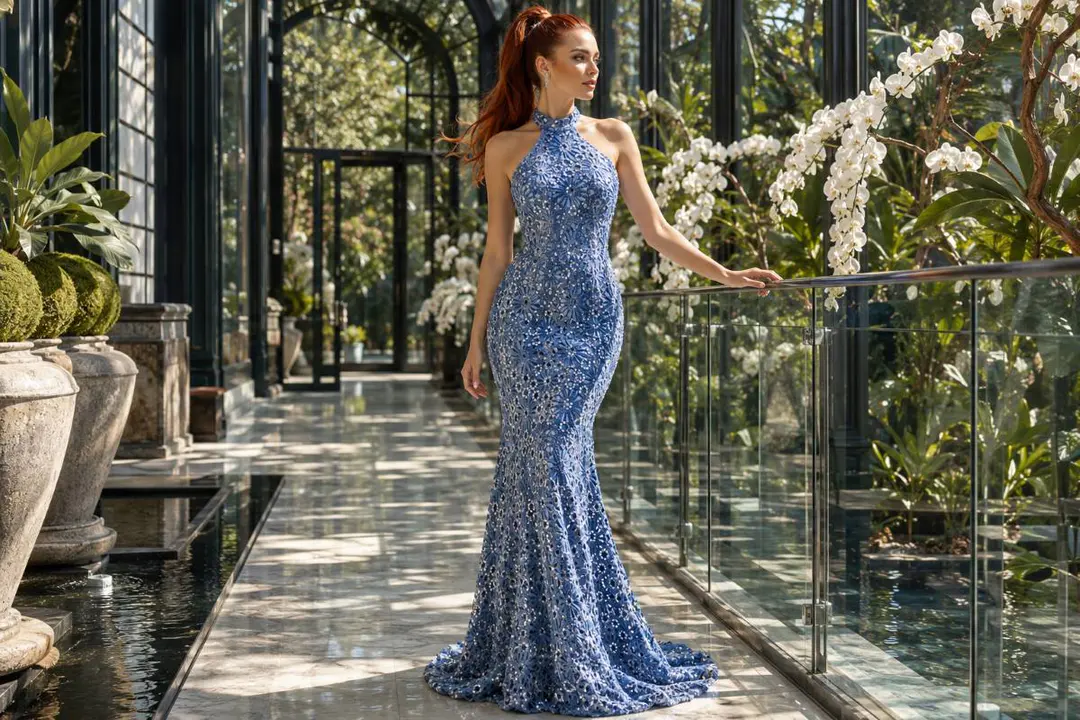
A gown made of thick, structured fabric, or one covered in beading or sequins, hides almost anything underneath. The surface is busy or substantial enough that seams and edges simply do not telegraph through. The styles among sequin evening dresses are a good example: the dense, textured surface means you have real freedom in your underwear choice, since nothing shows through all that sparkle. With these gowns, comfort can take priority over invisibility, because the fabric is doing the concealing for you.
That said, two things still matter even under a structured gown. If the gown is fitted through the hip despite being heavy, a smooth edge still helps at that specific point. And many structured formal gowns include built-in bust cups, which means you may not need a separate bra at all, only the right bottom layer. Always check the interior construction of the gown so you are not adding a layer the dress already provides.
It is also worth remembering that comfort itself is part of looking good. A structured gown is often heavier and worn for a long evening, so a comfortable, non-restrictive bottom layer that you can sit and dance in matters more than squeezing into the most minimal option. The fabric is already concealing the line, so there is no reason to sacrifice comfort for invisibility you do not need. Choose the layer that lets you move and breathe easily, and let the gown do the rest.

Matching Underwear to the Dress Silhouette
Beyond fabric and color, the cut of the gown adds one more layer to the decision, because different silhouettes expose different areas to scrutiny. Thinking about the silhouette rounds out your approach to invisible underwear for formal dresses.
A fitted or column gown is fitted from the bust all the way down, so the hip and seat are under the most scrutiny. This is the silhouette that most demands a seamless thong or a perfectly flat shaping brief, since any line across the lower body shows immediately, and the styles among fitted straight evening dresses are exactly where that flat, edgeless foundation earns its place. An A-line or ball gown, by contrast, is fitted only through the bodice and then flares away from the body, so the lower half is forgiving and you have far more freedom in your bottom layer. The volume of the skirt hides almost everything beneath it.
A high-slit gown introduces its own consideration, because the leg and upper thigh become visible when you move. Here a higher-cut, seamless style keeps the line clean even as the slit opens. And a gown with a fitted, body-skimming back asks for attention to the same area a backless dress would, so the back coverage of your underwear should sit where the fabric is most revealing. Reading the silhouette alongside the fabric and color completes the picture, and once you do all three together, choosing invisible underwear for formal dresses becomes second nature rather than a last-minute worry.

A Few Universal Rules That Always Apply
Whatever the fabric and color, a handful of principles hold true for every formal gown:
- Do the natural-light test. Try the full combination, dress and underwear, in natural daylight, which is far more revealing than indoor lighting. If a line or color shows in daylight, it will show in photographs.
- Bring your underwear to the final fitting. Wear the exact underwear and any shaping layer you plan to use to your last alterations appointment, so the dress is fitted over the real foundation, not a guess.
- Sit and move before deciding. Underwear can stay invisible standing still and reveal itself when you sit or walk. Test the full range of motion you will actually use during the event.
- Prioritize seamless over everything. When uncertain, seamless and skin-tone is almost always the safest combination across fabrics and colors.
- Confirm the dress's built-in support. Check for sewn-in cups and boning before adding your own layers, so you are not doubling up on something the gown already handles.
These small checks take only a few minutes and prevent the single most common last-minute formal wear surprise. For more on solving fit problems before the day, the guide on common evening dress fit issues is a useful companion to this one.
How the Right Foundation Improves the Whole Look
It is worth saying that invisible underwear does more than hide lines. The right foundation creates the clean, smooth canvas that lets a gown sit exactly as the designer intended. A seamless, skin-matched layer means the eye travels uninterrupted along the line of the dress, which reads as polished and expensive, while a visible seam or a contrasting color cheapens even a beautiful gown.
This is closely related to the way a smooth foundation can also refine the overall silhouette. When the base layer lies flat and the line is unbroken, the whole figure looks more streamlined in the dress, an effect explored further in the guide on how to look slimmer in an evening dress. The underwear you cannot see is quietly doing some of the most important work in the entire outfit, which is exactly why it deserves the same thought you give the dress itself.
Frequently Asked Questions About Underwear for Formal Dresses
What underwear should I wear under a tight satin dress?
Seamless underwear is essential under a smooth, clingy fabric like satin, because standard stitched edges create visible panty lines. A seamless thong removes the back line entirely, or seamless shaping briefs give a clean line with light smoothing. Avoid any underwear with thick stitched borders, which defeat the purpose.
What color underwear is invisible under a white dress?
Underwear that matches your own skin tone, not white. White underwear often shows through a pale gown more than a nude tone, because it contrasts with your skin and creates a bright patch. Skin-tone underwear blends with the body so there is no contrast for the eye to catch through the fabric.
How do I hide panty lines under a formal dress?
Choose seamless, laser-cut, or bonded-edge underwear that has no stitched border, so it lies flat against the skin. A seamless thong eliminates the back line completely. Always test the combination in natural daylight while sitting and moving, since lines can appear when you change position.
What should I wear under a sheer or lace gown?
It depends on where the sheer areas fall. If the gown is lined through the body and only sheer at the edges, standard seamless skin-tone underwear works fine. If it is genuinely see-through over the hip or lower body, a skin-tone seamless thong minimizes what shows. Check exactly how transparent each section is in the fitting room.
Do I need a bra under a structured formal gown?
Often not. Many structured and embellished gowns include built-in bust cups and boning, so you may only need the right bottom layer. Always check the interior construction before adding a separate bra, so you are not doubling up on support the dress already provides.
Why does my underwear show under some dresses but not others?
Because fabric and color change what reveals. Thin, clingy, smooth fabrics show seams and edges, while thick or embellished ones hide them. Pale colors let darker underwear show through, while deep colors conceal more. The right underwear follows the specific fabric and color of each gown rather than one fixed rule.
The Layer That Makes the Difference
The underwear no one sees is one of the most important choices in formal dressing, and getting it right is simply a matter of reading your dress. Choosing invisible underwear for formal dresses comes down to two questions: how thin and clingy is the fabric, and how pale is the color. A clingy gown needs seamless construction, a pale gown needs a true skin-tone match, a sheer gown needs both, and a structured gown forgives almost anything. Add the natural-light test and a final fitting in your real foundation, and the line beneath your dress will be exactly what it should be, invisible. Jovani has spent more than forty years constructing gowns with the linings, boning, and built-in support that work hand in hand with the right foundation, so the finished look is as clean as the design intends.
When you are ready to find a gown worth building the perfect foundation under, explore the full evening and formal collection through an authorized Jovani retailer.