
How to Choose the Perfect Evening Dress for Your Event
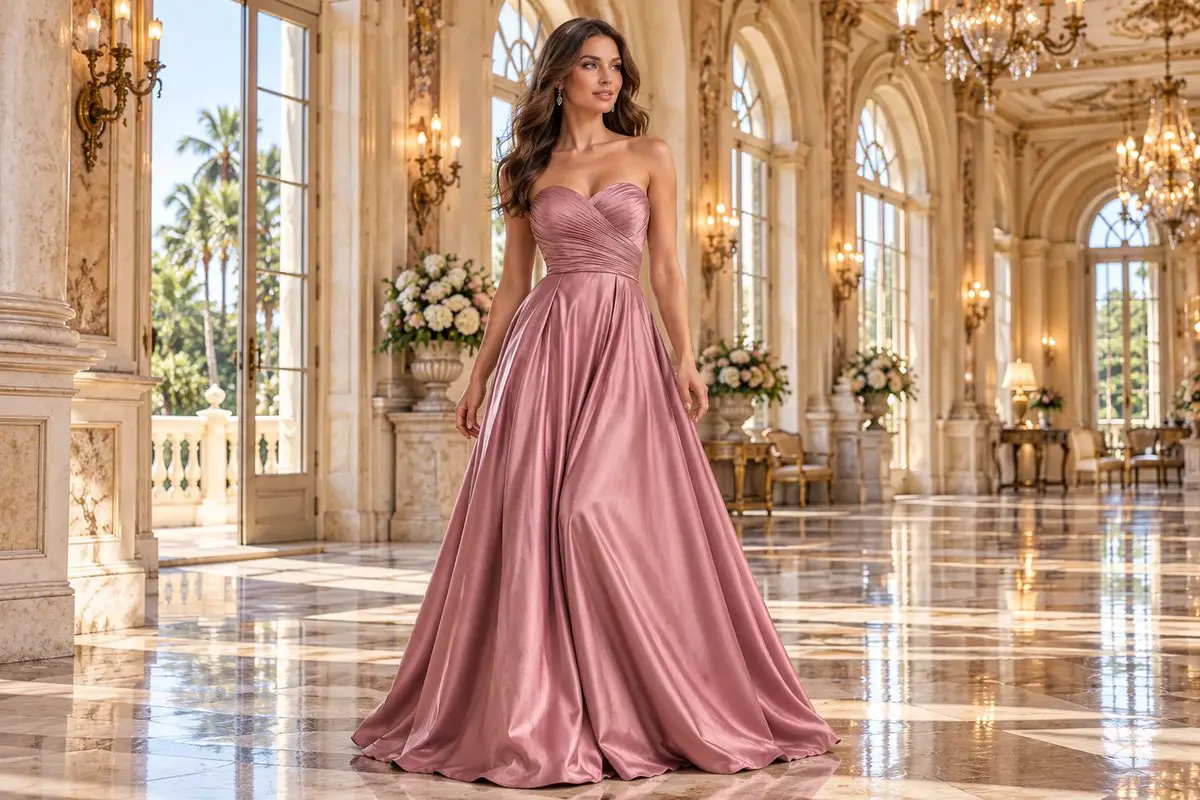
To choose the perfect evening dress, start with the invitation, then compare silhouette, length, fabric, and fit. The right gown should suit the event and let you move comfortably. Use those priorities in order, rather than choosing a color or detail first and trying to make everything else work around it.
A ballroom gala, formal wedding, and dressy dinner can call for different looks. This guide gives you a practical way to narrow options before your boutique fitting.
What Should You Consider First When Choosing an Evening Dress?
Start with the dress code and the event setting. The invitation establishes the level of formality, while the venue and schedule help you decide how much volume, coverage, and movement you need. Compare formal eveningwear only after you know the expectations.
Black Tie and Formal Celebrations
For traditional black tie, a floor-length gown is the dependable choice. A formal gala may welcome a sculpted silhouette or striking beadwork, but embellishment is not required. The host’s instructions take priority over any general styling guideline.
Dressy Receptions and Less Formal Evenings
A polished midi dress may suit a dressy reception or formal dinner with a flexible code. Consider whether you will walk outdoors, spend hours seated, or dance later. Those details can matter more than how dramatic a gown looks on a hanger.
Choose an Evening Dress Silhouette That Moves With You
Silhouette affects where a dress follows the body and how the skirt moves. Instead of assigning styles to fixed body types, decide whether you prefer a defined waist, a close fit, or room through the hips.
A-Line Dresses for Shape and Ease
An A-line dress narrows at the bodice and opens toward the hem. That shape can offer movement below the waist while retaining a clear outline above it. Consider A-line formal gowns when you want a structured bodice without a closely fitted skirt.
Jovani style 49688 offers a concrete example: its product page shows a strapless satin A-line gown with a ruched bodice. During a fitting, pay attention to how the neckline sits and how the skirt falls after you walk.
Mermaid Dresses for a Defined Silhouette
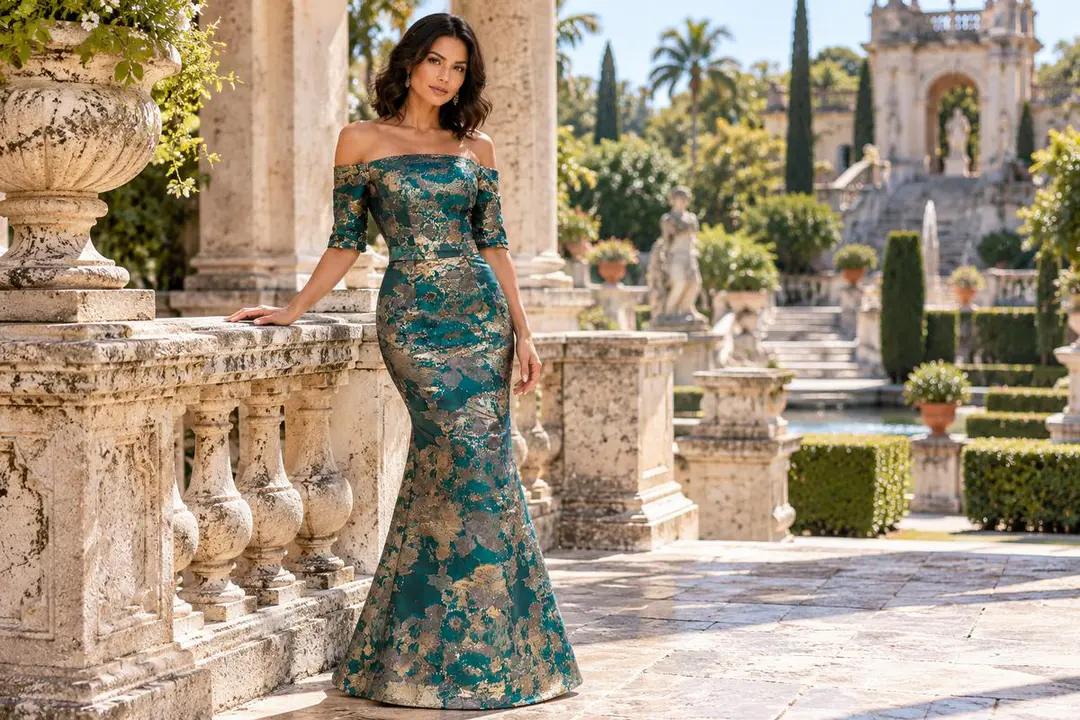
Mermaid shapes follow the body through the hips before opening near the knees. The silhouette can feel dramatic, but you should test the range of movement before choosing it. Compare mermaid evening styles and check how easily you can sit and climb a step.
Jovani style 51599 is an off-shoulder metallic jacquard mermaid gown. Its textured surface and shaped skirt provide a useful contrast to a simpler satin A-line design.
Let Dress Length Match the Invitation and Your Shoes
Length should follow the dress code first, then your proportions and footwear. Floor-length evening gowns are a familiar choice for black tie, while midi options may suit events with more flexibility. A hem that looks right barefoot can change once you add heels.
Bring your event shoes to the fitting and walk across the floor at a normal pace. Check that the front hem clears your steps without exposing an unintended gap. For more precise length comparisons, use Jovani’s evening dress length guide.
Use Fabric and Detail to Refine the Look
Fabric changes the visual weight, shine, and movement of an evening gown. Satin can reflect directional light, chiffon can create soft movement, and jacquard can hold more defined shapes. Evaluate the actual garment because its lining and construction influence the result.
Smooth Fabrics and Structured Shapes
Satin makes seams and draping easy to see, so inspect the dress in both bright and warm indoor light. Jovani style D5817 is a floor-length, fitted satin halter gown with an open back and high slit. That combination makes the movement test particularly important.
Embellished Fabrics and Surface Texture
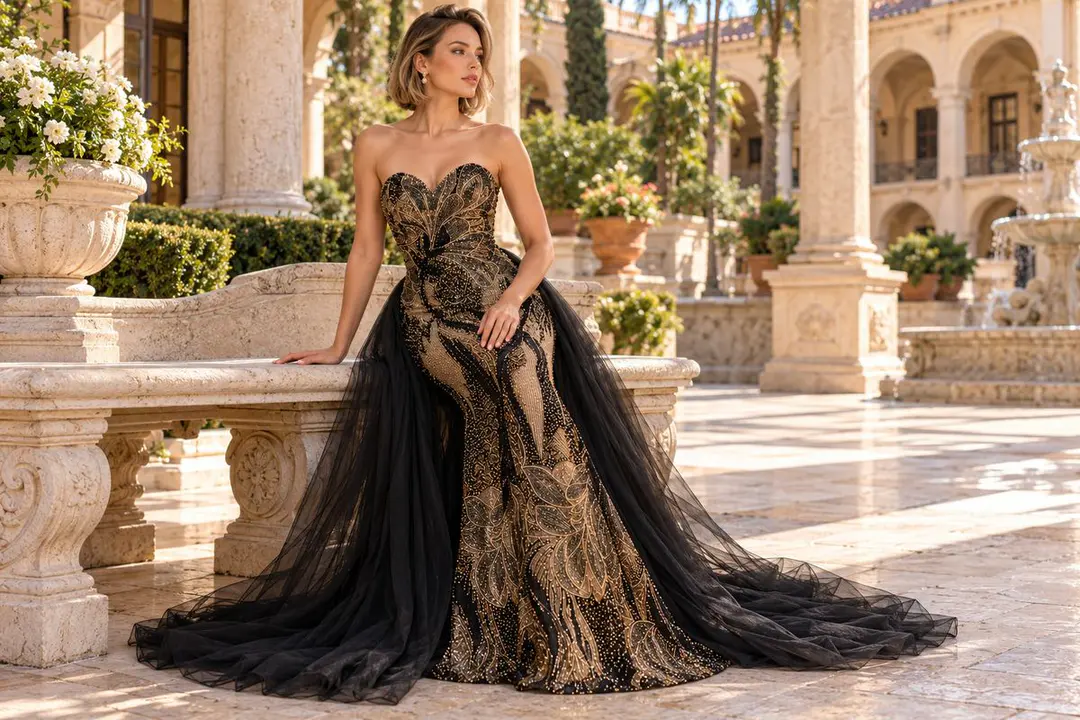
Sequins and beadwork can become the outfit’s focal point. Look through beaded formal dresses with the event’s lighting in mind, and check whether the weight or surface details affect comfort. Jovani style 48709 features black-and-gold beadwork on a strapless mermaid silhouette.
Two dresses with similar shapes can feel very different because of their materials. Jovani’s guide to evening gown fabrics goes deeper into fabric behavior, so you can keep this decision focused on the overall outfit.
How Can You Tell Whether an Evening Dress Fits?
A well-fitting evening dress stays secure while you walk, sit, and raise your arms. The neckline should not gap, the waist seam should land where intended, and the skirt should move without pulling. A good standing pose alone is not a reliable fit test.
Take front, side, and back photos, then repeat the movements in your intended undergarments. If you notice dragging, twisting seams, or a shifting bodice, ask what a tailor can realistically adjust. Jovani’s formal dress fit checklist covers those problems in detail.
Compare the dress to Jovani’s published measurements rather than relying on your everyday clothing size. The brand’s product pages provide bust, waist, and hip measurement guidance, while an authorized retailer can help confirm the best available size.
Choose Color and Neckline With the Full Outfit in Mind
Color should work with the event setting and your preferences, not a universal undertone formula. Try shades beside your face under more than one light source. Black, navy, red, and metallic tones can all be appropriate, depending on the invitation and the dress itself.
A halter or high neckline may pair best with earrings rather than a necklace. Strapless necklines leave room for either approach. Let the neckline and any existing beadwork guide jewelry, then check the full look before adding another prominent accessory.
Make a Final Decision at the Boutique
Shortlist two or three gowns and try each with the same shoes and undergarments. Notice which design stays comfortable after sitting, walking, and turning. Ask the retailer about availability and whether the alterations you need are feasible for the specific fabric and construction.
The best choice meets the invitation’s expectations without making you manage the dress all evening. Once the fit, movement, and overall styling work together, color and finishing details become easier decisions.
Visit an authorized Jovani retailer to compare your shortlist in person and discuss sizing and alterations before your event.
Frequently Asked Questions
What is the safest evening dress choice for a black-tie event?
A floor-length gown is the safest starting point for a traditional black-tie invitation. Choose a silhouette you can move in, then follow any additional guidance from the host.
Can you wear a midi dress to a formal evening event?
Yes, for some dressy dinners, receptions, and events with flexible formal guidelines. For traditional black tie, a floor-length gown is usually the more appropriate choice.
Should you choose an evening gown by body shape?
No single silhouette is required for a particular body shape. Start with your preferred fit, support, and movement, then compare how different cuts actually sit on your body.
What should you bring to an evening dress fitting?
Bring the shoes and undergarments you plan to wear, along with your current measurements. Test the dress while sitting and walking, and ask about any adjustments before ordering.