
How to Choose an Evening Dress With Lasting Appeal
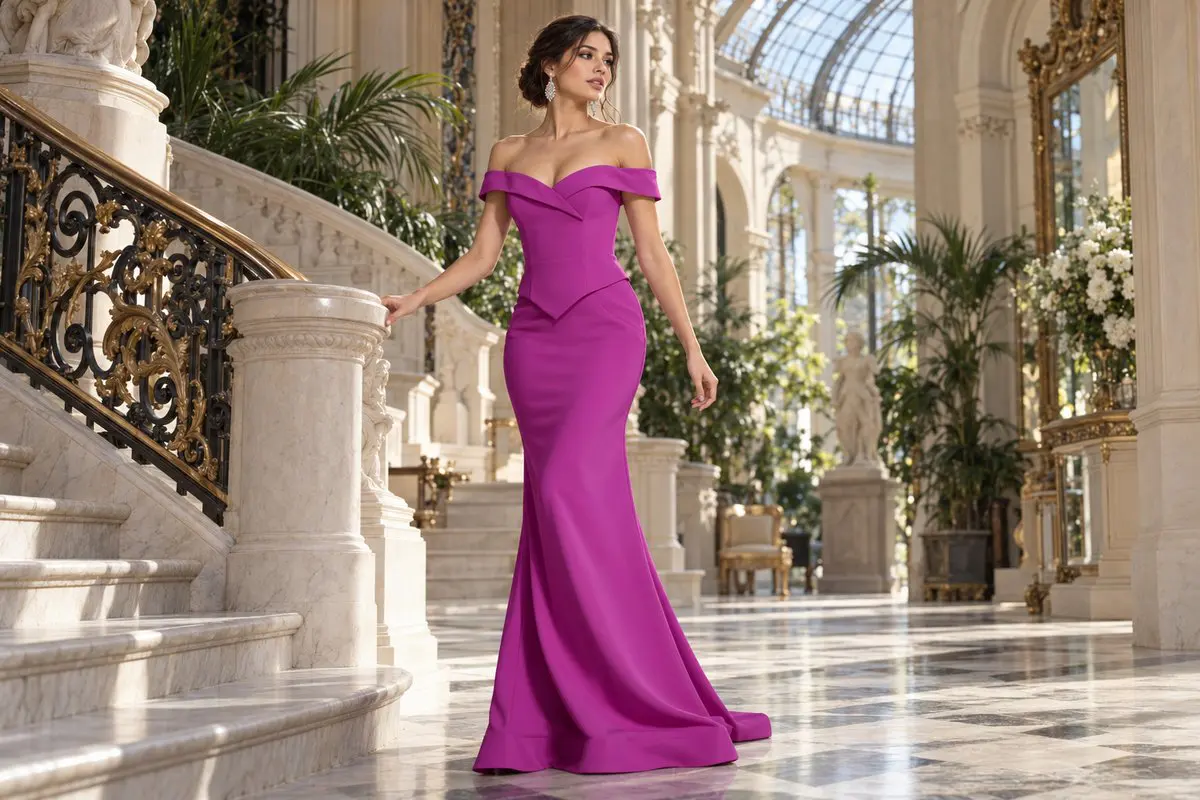
To choose an evening dress that remains useful beyond one event, focus on proportion, fabric, construction, and fit. A balanced silhouette and dependable material often matter more than a dramatic seasonal detail. Start with the occasion, then judge whether the gown works on your body and could suit another formal invitation.
Lasting appeal does not mean avoiding personality. A distinctive color or neckline can still work for years. The stronger test is whether the design feels complete without relying on a single fleeting trend.
What Makes an Evening Dress Worth Wearing Again?
An evening dress earns repeat wear through adaptable formality, comfortable fit, and details that remain easy to style. The gown should suit more than one setting without requiring major alterations. Start by reviewing the range of Evening Dresses and comparing structure rather than decoration alone.
Consider the actual events on your calendar. A formal charity dinner and a black-tie wedding may call for different styling, but one well-chosen gown can suit both. A dress chosen only for one photograph may be harder to wear again.
Choose Proportions Before Decorative Details
Proportion gives an evening gown its visual balance. Look at the relationship between neckline, waist placement, skirt shape, and hem. A clean silhouette can still be striking when the fabric falls well and the design highlights one clear feature.
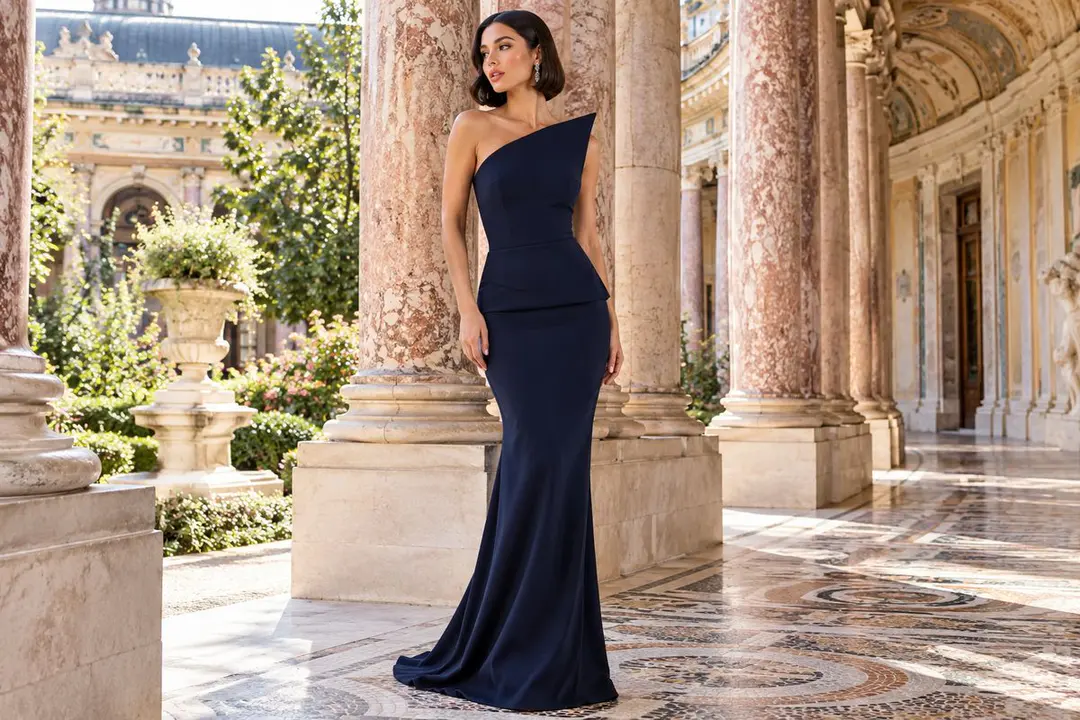
A-line and Column Silhouettes
An A-line skirt moves away from the waist and offers room through the hips. A column gown follows a straighter line and places more attention on drape. Neither shape is automatically more flattering; choose the one that stays balanced when you sit and walk.
Fitted and Full-Skirt Designs
A fitted gown can create a defined outline, while a fuller skirt makes a more formal statement. Evening Ball Gowns demonstrate how volume changes a dress’s presence. Judge whether the skirt and bodice feel proportional together, not whether the gown looks dramatic on a hanger.
Pick a Length You Can Actually Reuse
The best hem length follows the dress code and your likely future occasions. Long Evening Dresses are a strong option for many black-tie events, where floor-length gowns remain common. The exact hem still needs to clear the floor with your chosen shoes.
A dress need not reach the floor to feel polished. Midi Evening Dresses can suit some formal dinners and celebrations where a long gown is not required. Check the invitation before treating midi length as appropriate for every event.
How Can You Judge Fabric and Construction?
Judge eveningwear fabric by how it falls, moves, and recovers during wear. Smooth satin, flowing chiffon, and structured jacquard create different effects. Fabric weight alone does not indicate quality, and a shiny finish does not prove durability.
Inspect the lining, seams, closures, and areas under tension. Sit down, raise your arms, and look at how the material behaves afterward. If a fitted bodice twists or pulls, different sizing or alterations may be needed.
Jovani separates its evening collection into practical categories, including long, midi, and plus-size designs. These distinctions can make comparison easier, but product specifications still need checking for each style. Consider Plus Size Evening Dresses alongside other silhouettes rather than assuming one design suits every body.
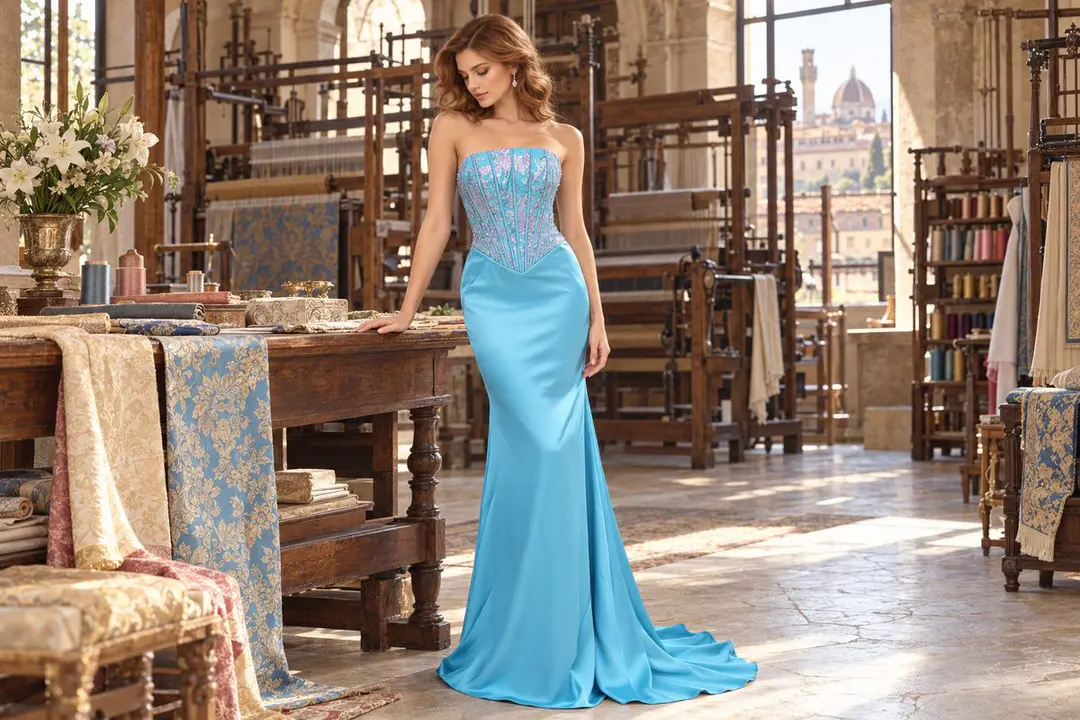
Use Neckline and Color to Create Flexibility
A gown with one clear neckline detail can be restyled with different accessories. An off-shoulder shape frames the collarbone, while a high neckline shifts attention toward earrings. Check the neckline while moving so support and coverage remain comfortable.
Black and deep neutrals can be practical, but a rich blue or burgundy may be just as versatile for your wardrobe. Choose a color that works with your existing shoes and outerwear. The broader evening dress style guide covers styling across occasions; this article focuses on lasting design choices.
Try the Dress as You Will Wear It
A gown should support ordinary movement during a formal evening. Wear the intended shoes and any required undergarments when you try it on. Walk, sit, turn, and lift your arms to see whether the dress shifts or restricts you.
Check that the waist stays in place and the straps do not slip. If alterations are needed, ask what changes are feasible before committing. For ordering and measurement questions, use the evening dress buying checklist rather than relying on size labels alone.
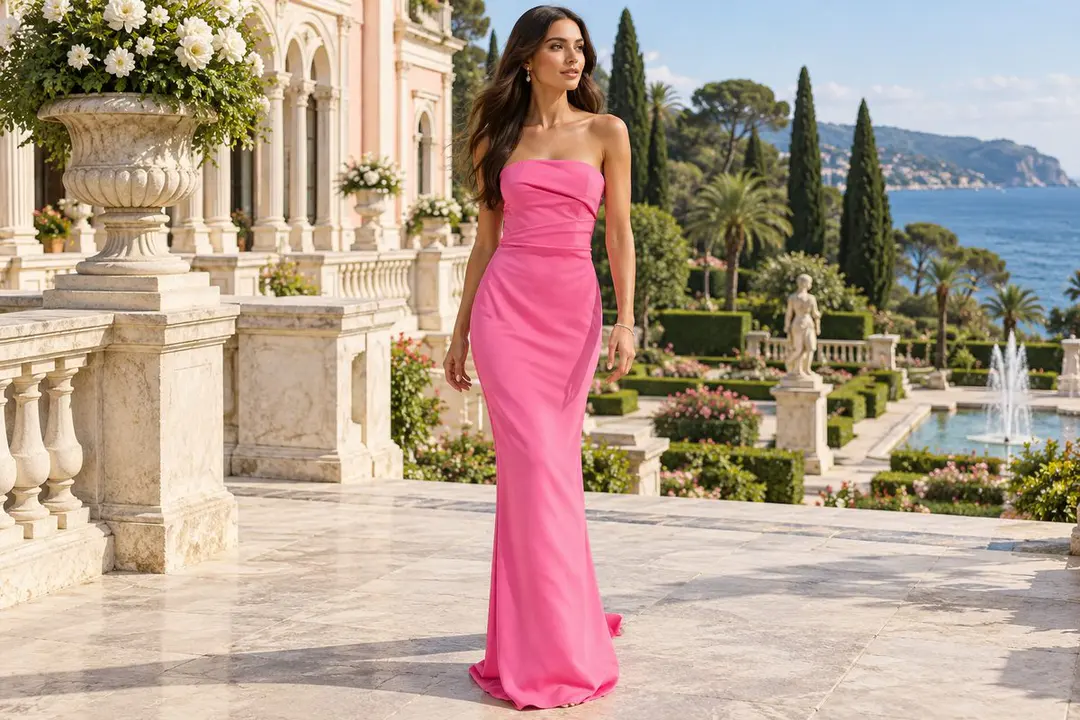
Make a Final Decision With a Short Checklist
Before buying, ask whether the dress has the right formality, proportion, fabric behavior, and comfort. A gown that meets those needs can remain appealing even as styling preferences change. If one detail feels inconvenient now, it may become more frustrating during a long event.
• Does the silhouette look balanced from the front, side, and back?
• Can you sit and walk without pulling at the bodice or hem?
• Will the color and neckline work with accessories you already own?
• Can you picture wearing the gown to another appropriate event?
Once the dress passes these checks, finish the outfit without hiding its strongest features. Our guide on how to accessorize an evening dress explains that final step in more detail.
For a closer look at available fits and fabrics, visit an authorized Jovani retailer using the Find a Store service.
Frequently Asked Questions
What is the most versatile evening dress silhouette?
An A-line or clean column silhouette is a practical starting point for many formal wardrobes. The best choice still depends on how the dress fits and moves on you.
Can a colorful evening gown still look classic?
Yes. Choose a color you enjoy wearing and can pair with accessories already in your wardrobe. Strong color does not automatically make a gown short-lived.
Is satin a good fabric for an evening dress?
Satin can be a good option when the cut, lining, and drape suit the design. Check how it creases and moves rather than judging quality from shine alone.
Should you buy an evening dress in a larger size for alterations?
Follow the specific size chart and ask an alterations professional before sizing up. Changing the waist or hem may be straightforward, but some bodice changes are more complex.