
Evening Dress Style Guide: Choose a Gown for Your Event
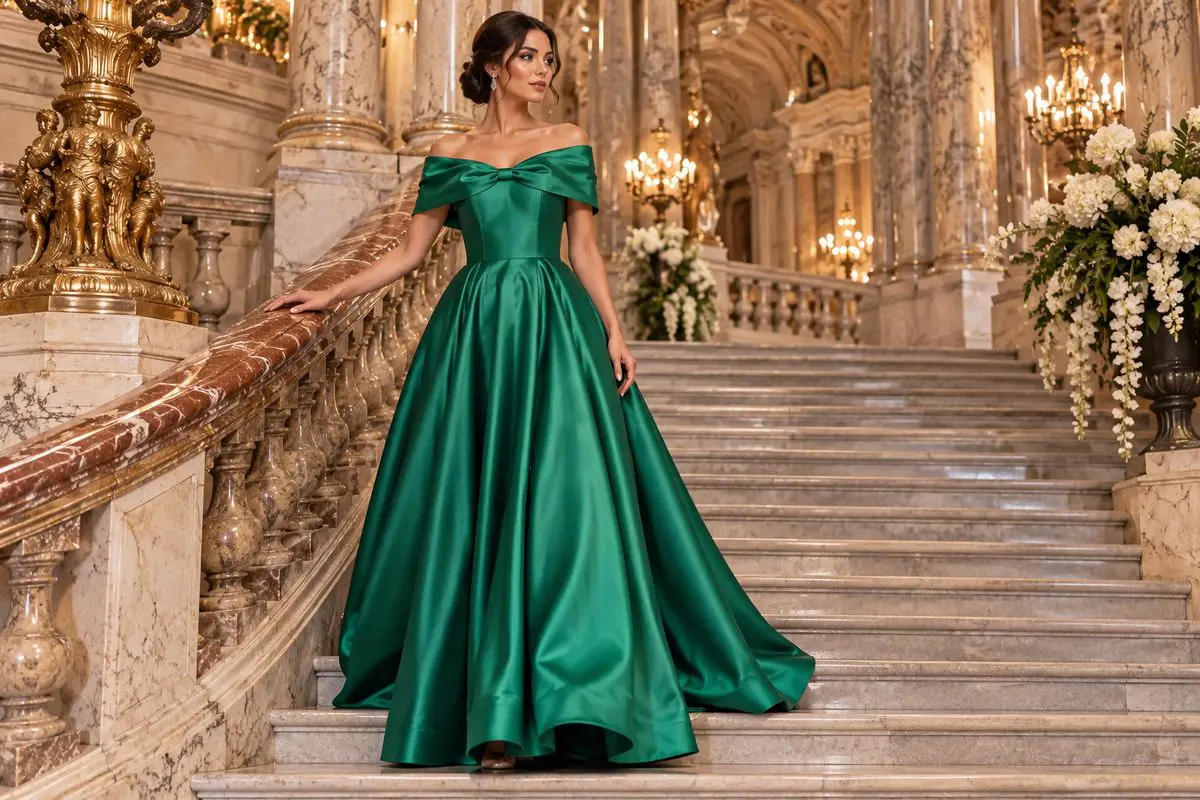
A useful evening dress style guide starts with the invitation, then narrows choices by length, silhouette, fabric, and comfort. For a black-tie gala, begin with a floor-length gown. For less formal evening celebrations, a polished midi may fit the occasion. Your final choice should also let you sit, walk, and move with confidence.
How Do You Choose an Evening Dress for the Occasion?
Choose the dress code first, then use the venue and event schedule to refine your options. An invitation sets the level of formality, while a seated dinner, outdoor reception, or dance floor affects practical details.
Black Tie Galas and Formal Receptions
Floor-length gowns are a dependable starting point for black-tie invitations. A structured bodice, considered neckline, and carefully finished hem help the look feel appropriate without requiring heavy embellishment. Compare different types of formal eveningwear before settling on a specific cut.
Evening Weddings and Dressy Celebrations
For an evening wedding, follow the invitation and consider the setting. A formal indoor reception may call for a longer dress, while a less formal celebration can allow a refined midi. Avoid white or bridal-looking designs unless the hosts request them.
If the dress code is unclear, ask the host rather than treating venue photographs as definitive. Check whether the event includes outdoor walking or changes between indoor and outdoor spaces.
Which Evening Dress Silhouette Matches Your Preferences?
Evening dress silhouettes change how a gown fits through the bodice, waist, and hips. Select a shape based on the degree of structure and movement you enjoy, not a rigid body-type rule.
A-Line for Movement and Waist Definition
An A-line design fits closer around the bodice and gradually opens toward the hem. This gives the skirt room to move without the volume of a full ball gown. Browse A-line formal dresses when you want a defined upper half and an easy walking shape.
Mermaid and Column for a Defined Outline
A mermaid gown follows the body through the hips and flares below. Try sitting and climbing a step to assess its movement. Jovani also offers mermaid evening silhouettes for shoppers who prefer a more sculpted outline.
A column dress falls in a straighter line and often feels visually quieter. The fit can be close or relaxed, so inspect the actual garment instead of assuming the label guarantees ease.
Evening Dress Length Guide: Floor Length or Midi?
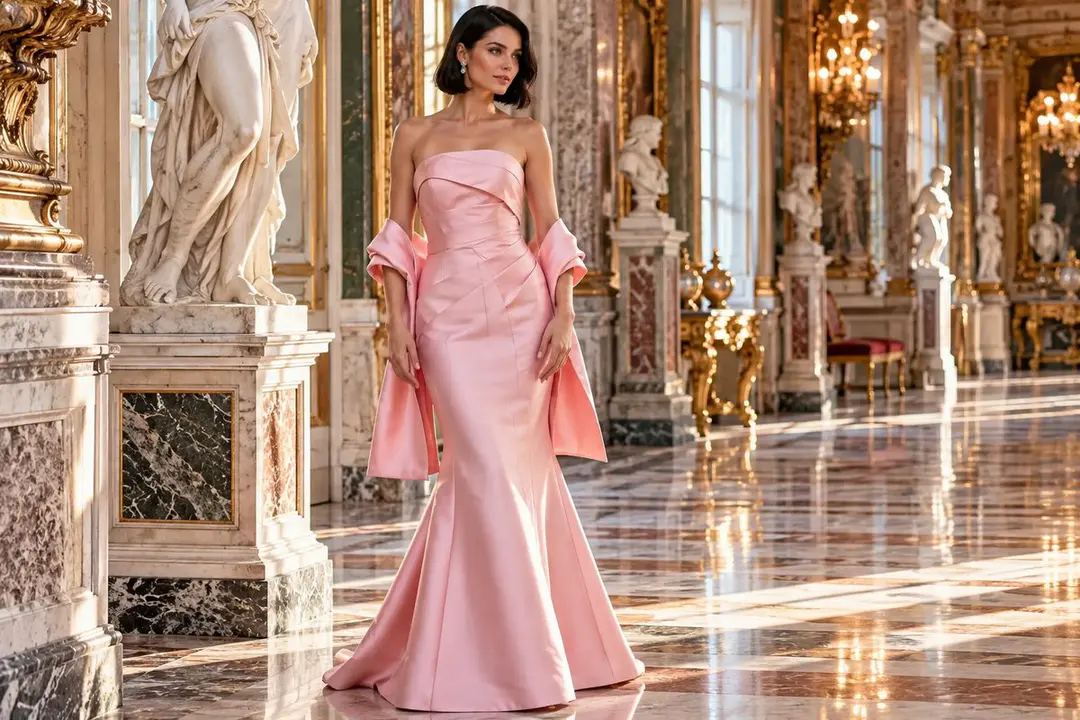
Length should reflect both the invitation and the practical demands of the night. Floor-length gowns suit traditional formal settings, while midi dresses can work for selected evening events with a less strict code.
When a Full-Length Hem Makes Sense
A long hem creates a ceremonial silhouette and gives sweeping fabrics room to fall. Look at long formal gowns for examples, then check the skirt with the shoes you plan to wear.
When a Midi Dress Is Appropriate
A midi can feel formal with purposeful tailoring, substantial fabric, and restrained accessories. It is a stronger choice for a dressy reception than a strict black-tie gala. Jovani’s midi evening styles demonstrate how a shorter hem can retain dressy proportions.
How Do Fabric and Detail Change an Evening Look?
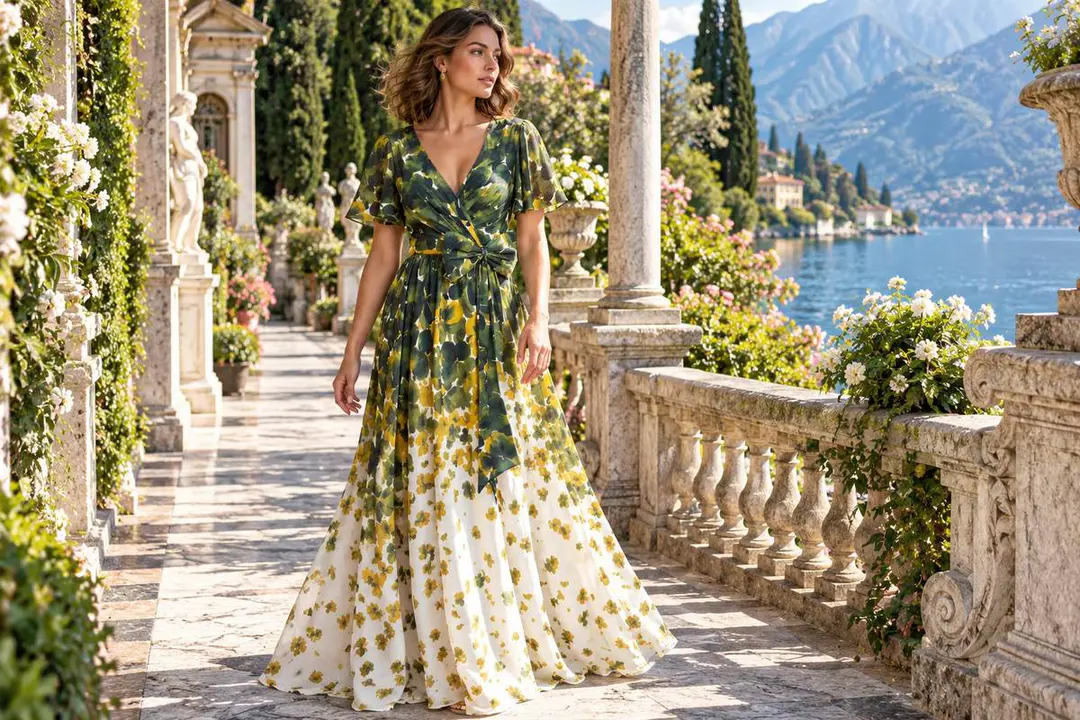
Fabric affects shine, weight, movement, and the visibility of seams. Satin reflects light, chiffon tends to float away from the body, and crepe often creates a smoother line. The fiber content and construction also matter, so two fabrics with the same name may behave differently.
Smooth Fabrics Versus Soft Layers
A smooth surface makes seams and draping noticeable. Chiffon and tulle layers create volume and movement, although they may require careful handling. For a closer explanation of materials and construction, read Jovani’s evening gown fabric guide.
Beading, Sequins, and Lace
Detailed surfaces add texture and can increase garment weight. Examine how embellishment sits near the armholes and where a clutch might rub against the dress. Choose the amount of decoration you feel comfortable wearing for an entire evening.
What Should You Check Before Buying?
An evening gown should look balanced while standing and remain comfortable when you move. Fit problems tend to appear at the neckline, waist, hips, and hem, so test those areas in person when possible.
- Sit in the dress and check whether the skirt pulls or rides up.
- Raise your arms slightly to see whether the neckline stays secure.
- Walk at a natural pace and check whether the hem catches.
- Confirm your planned shoes and undergarments work with the design.
If a seam twists, the bodice slides, or the hem drags, ask about realistic alterations before committing. Jovani’s evening dress fit checklist explains common issues and what can be adjusted.
Finish the Look Without Competing With the Dress
Let the neckline, fabric, and surface detail guide accessories. A heavily beaded bodice often needs only simple jewelry. A clean dress can support a stronger earring or an interesting evening bag without looking crowded.
Match the shoes to both the hem and the venue. Narrow heels may be difficult on grass or uneven pavement, while a long skirt needs a height that keeps the front from catching. Review Jovani’s formal evening styling rules for more guidance on proportion and accessories.
A Final Decision Before the Event
Compare your top choices in similar lighting and look at the front, side, and back. Consider where you will spend most of the evening, seated at dinner or moving between rooms. The right gown should meet the dress code and feel manageable throughout the event.
Jovani designs eveningwear in a range of lengths and silhouettes. Visit an authorized Jovani retailer to compare available gowns, confirm sizing, and discuss any needed alterations.
Frequently Asked Questions
What is the safest evening dress length for black tie?
A floor-length gown is the clearest choice for traditional black-tie events. If an invitation specifies another interpretation, follow the host’s guidance.
Can a midi dress be worn to an evening wedding?
Yes, for many dressy and semi-formal evening weddings. Choose a considered fabric and check the invitation before assuming a midi meets a formal dress code.
Is satin always better than chiffon for evening dresses?
No. Satin usually gives more surface shine, while chiffon offers lighter movement. Compare lining, weight, and construction to decide which feels right.
How far in advance should I choose an evening gown?
Choose early enough to allow for fitting and potential alterations. Ask the authorized retailer about actual availability and tailoring timelines rather than relying on a fixed deadline.