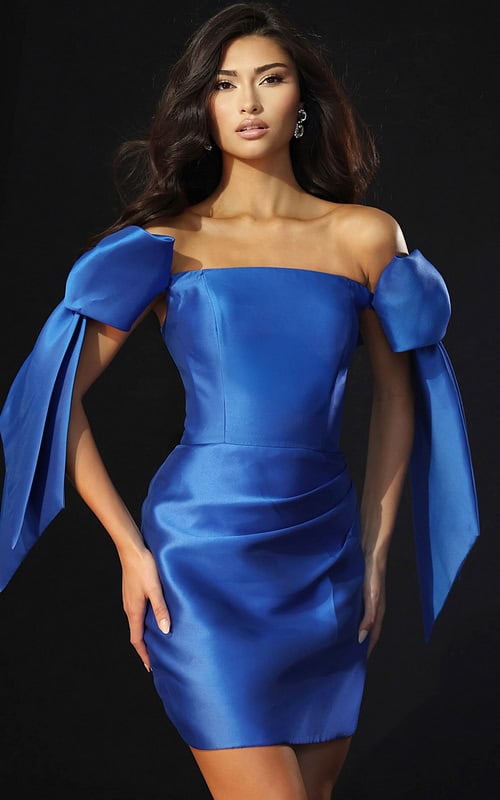
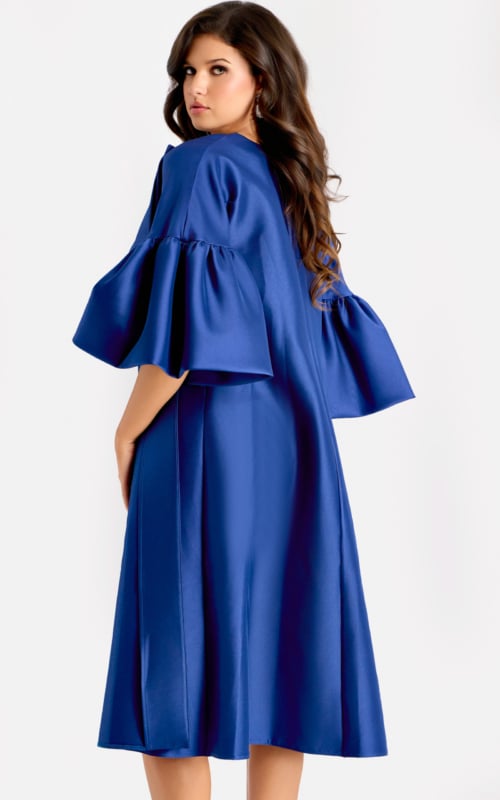
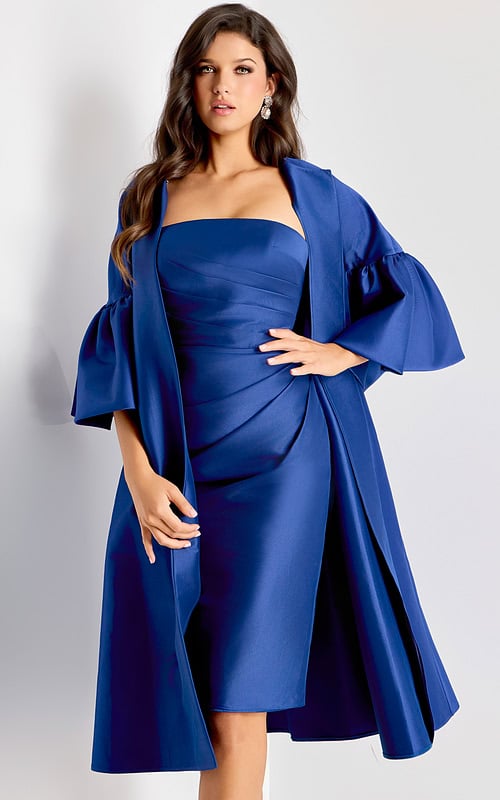
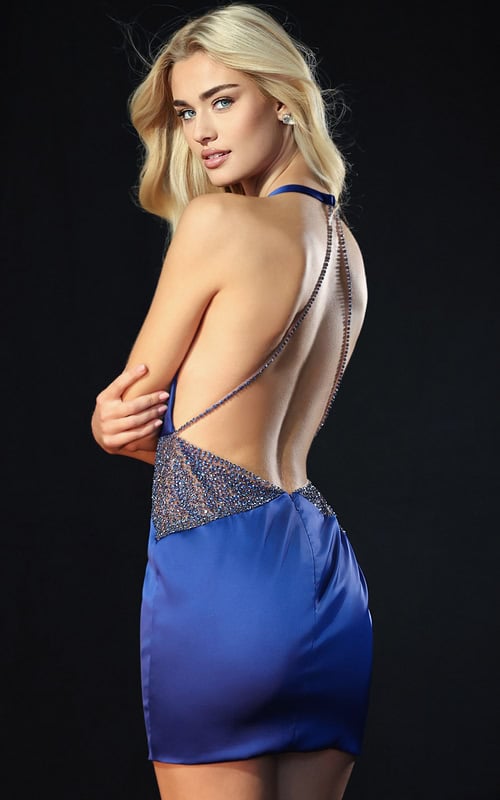
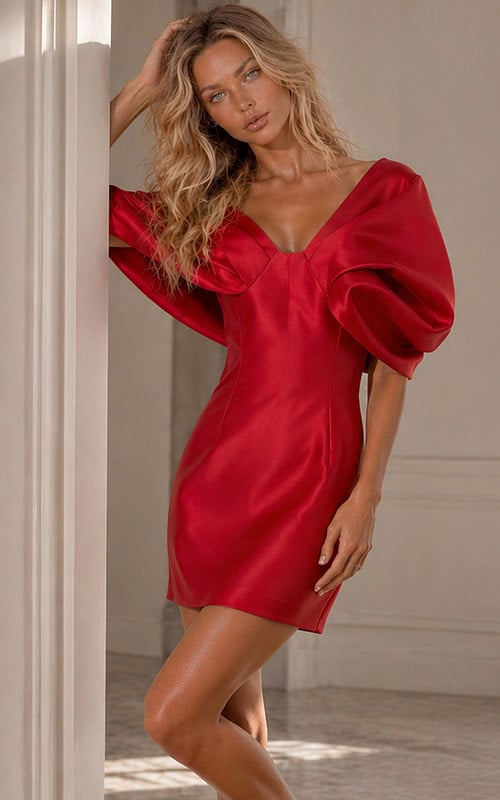
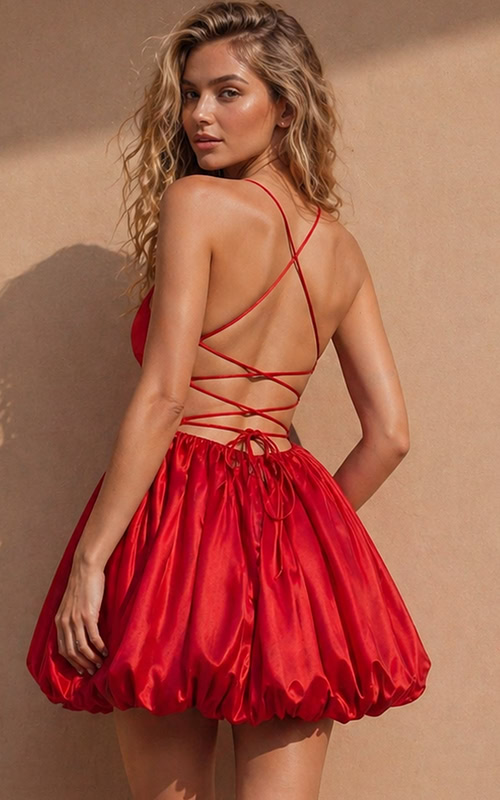
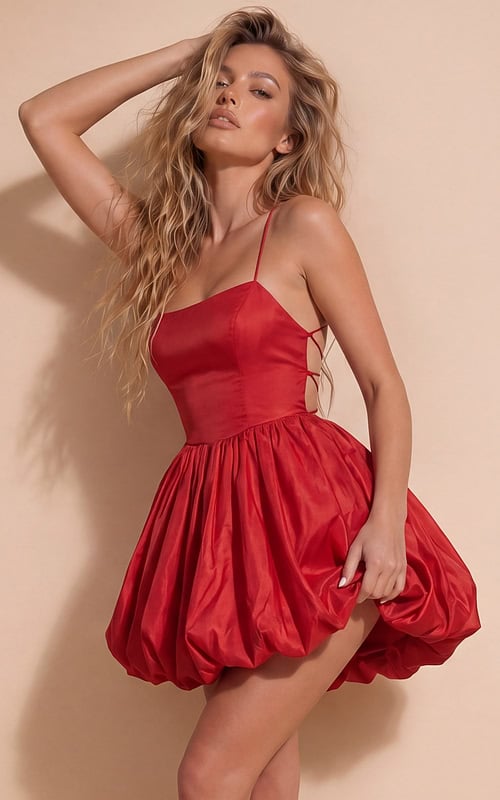
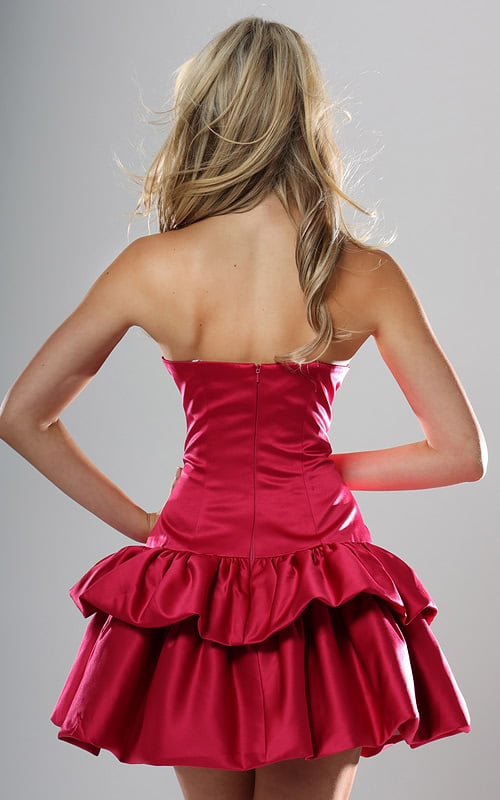
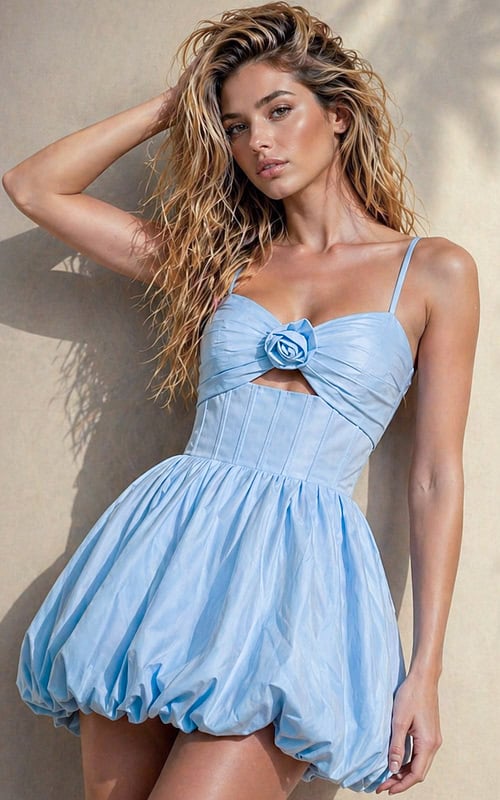
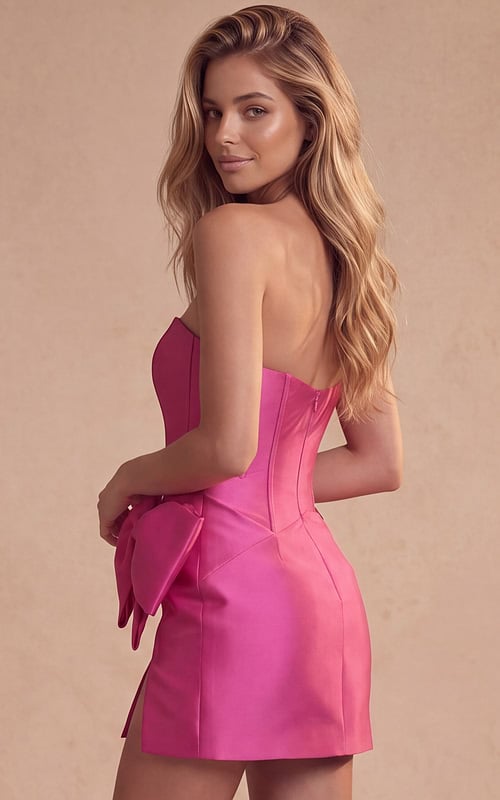
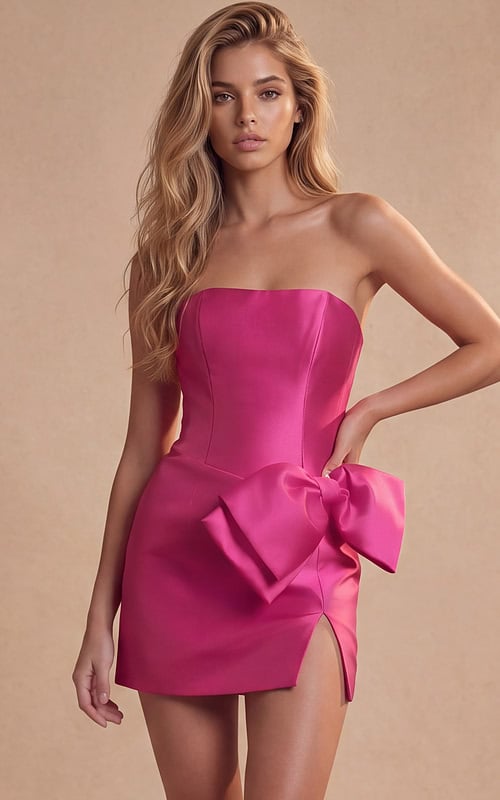
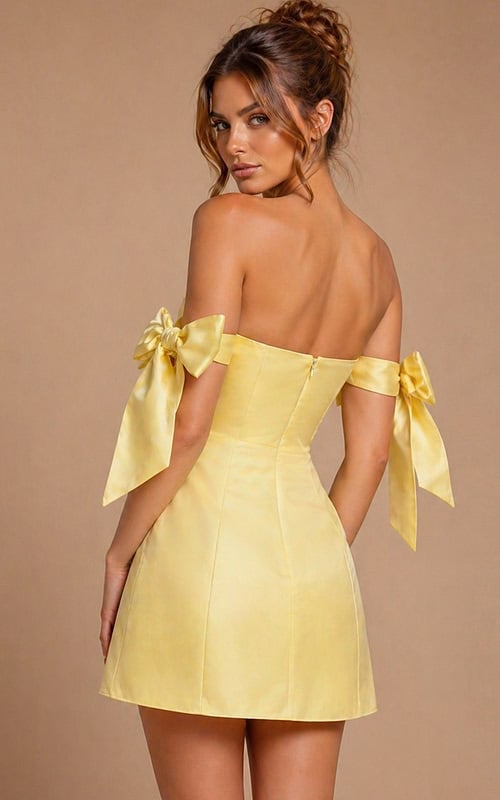
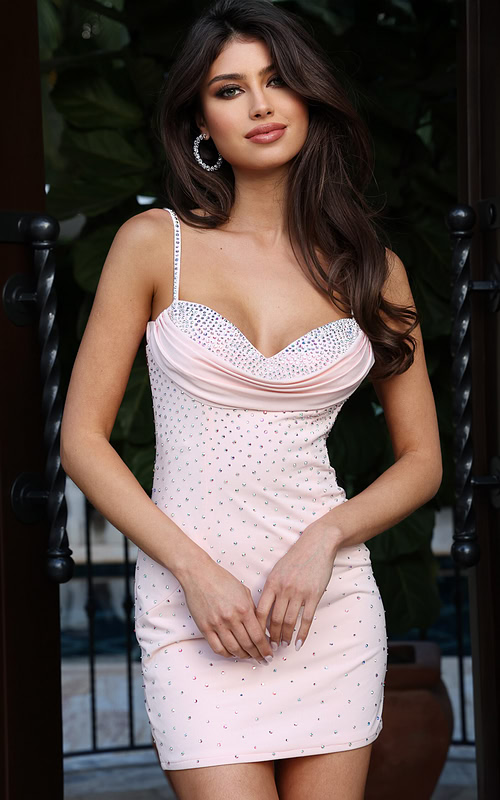
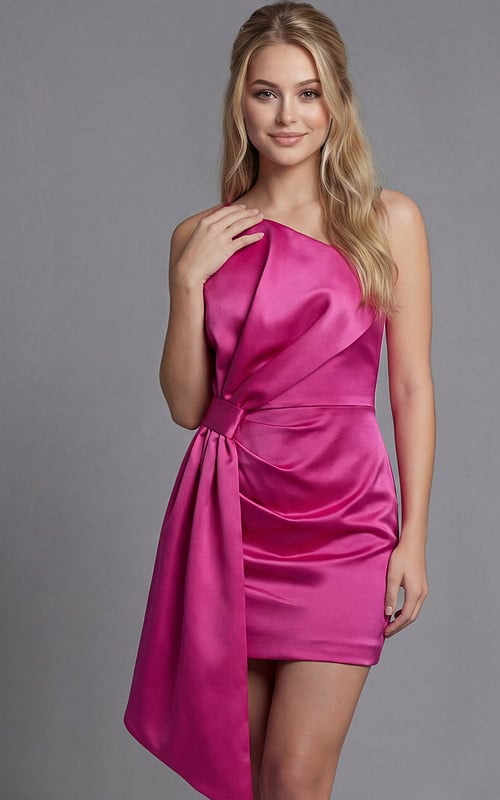
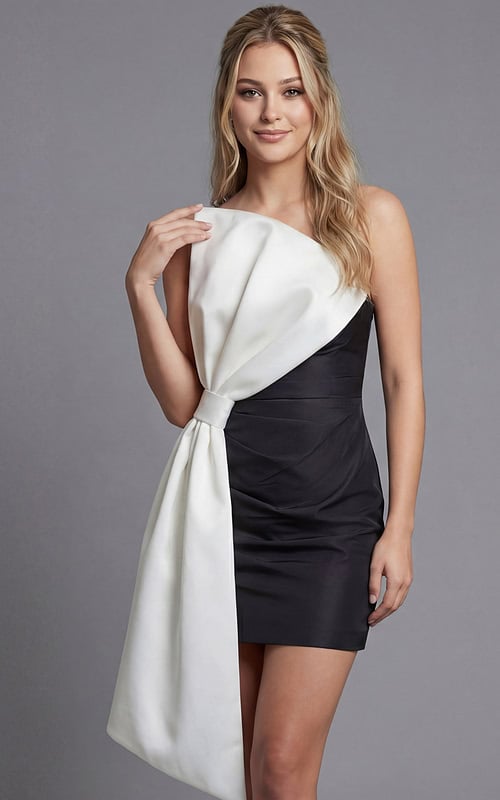
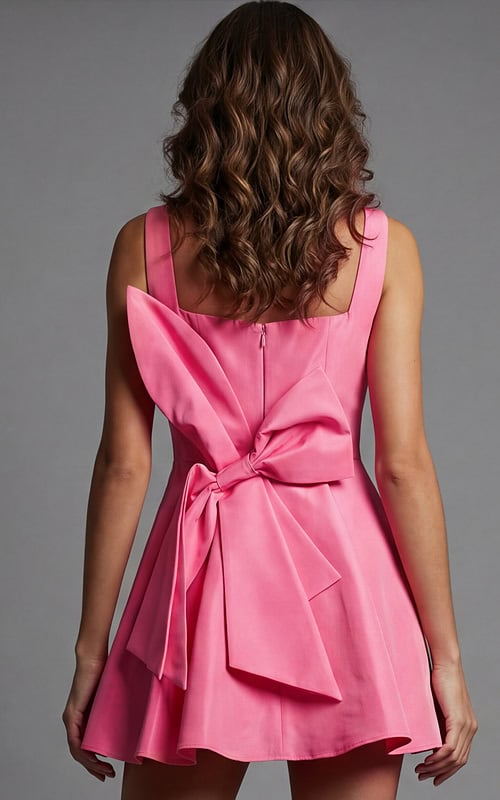
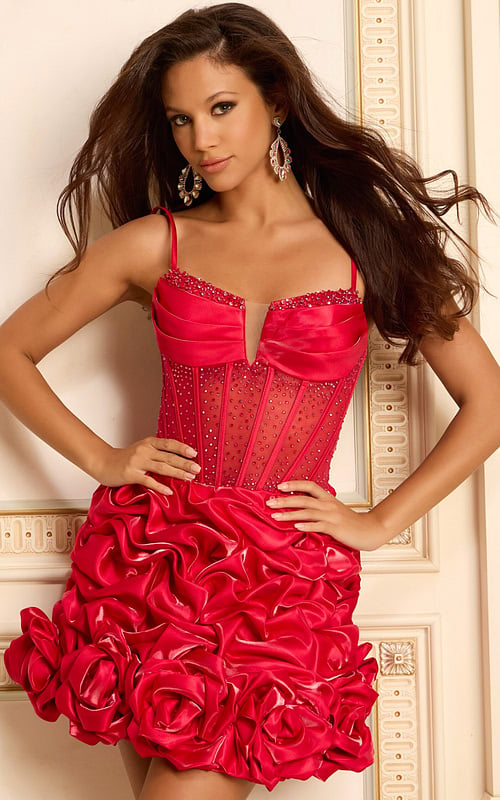
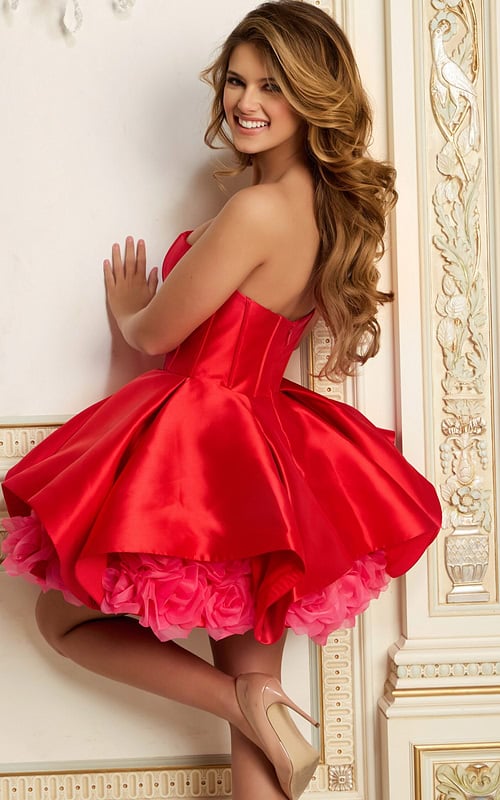
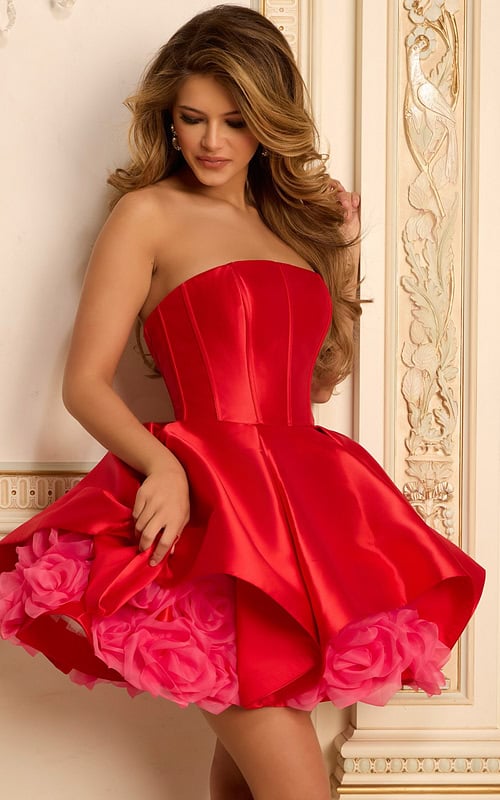
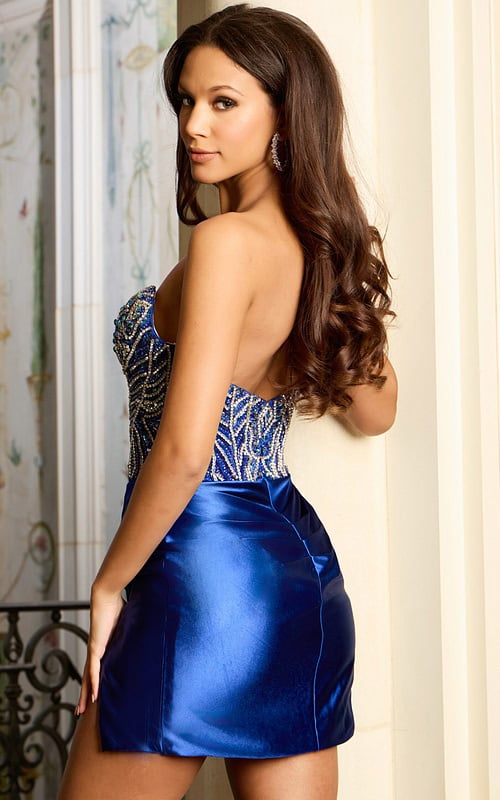
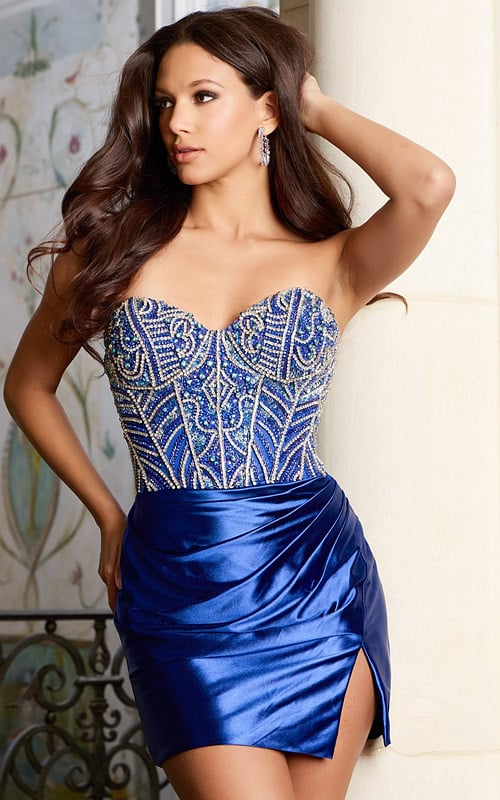
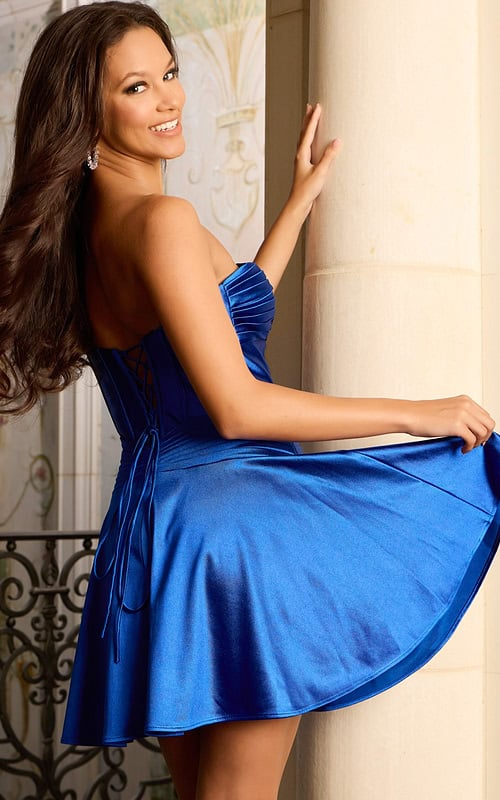
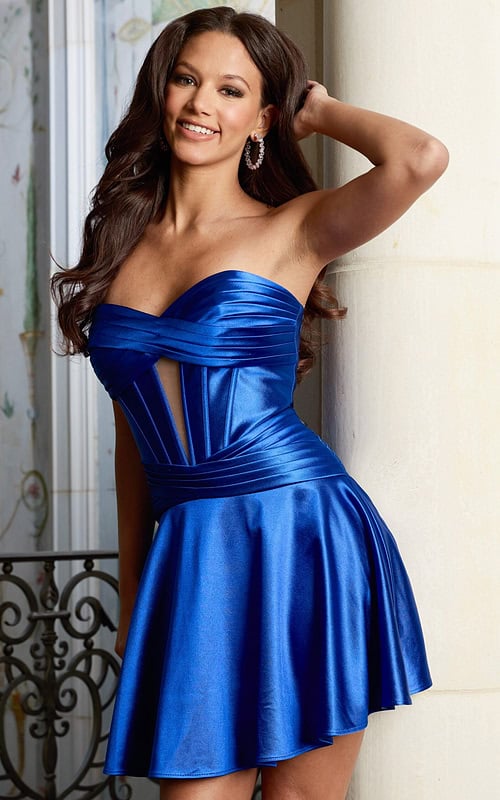
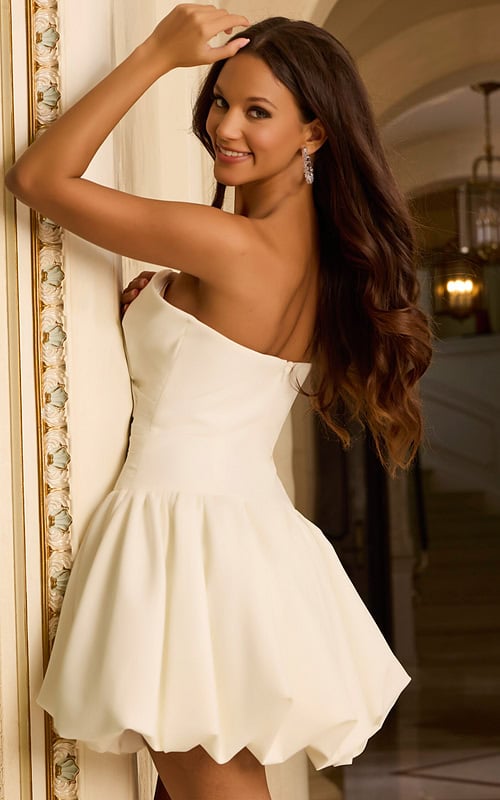
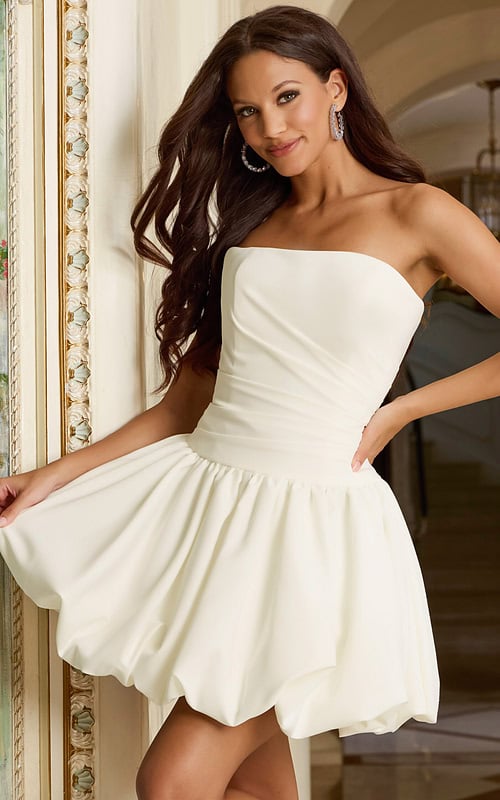
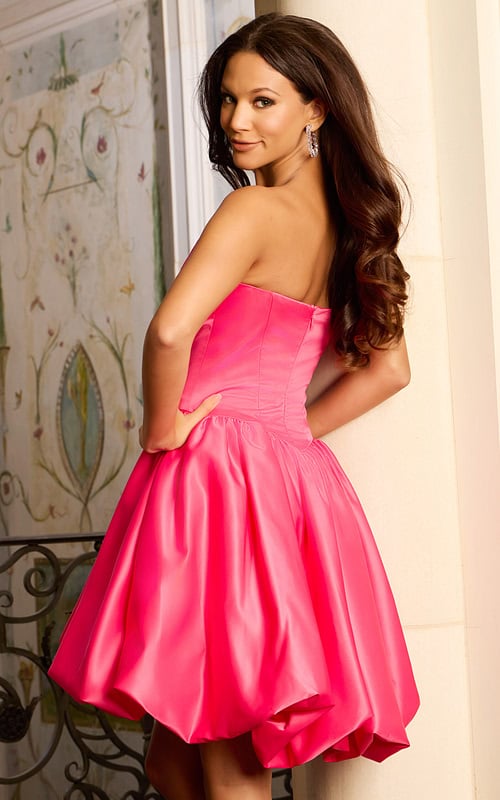
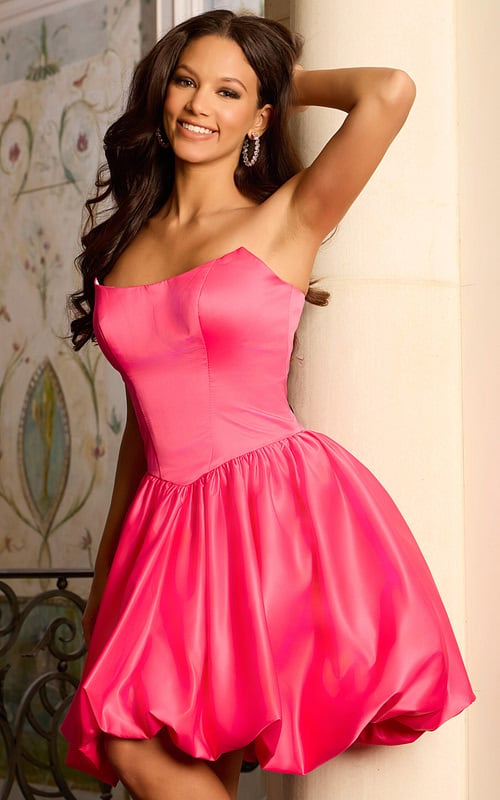
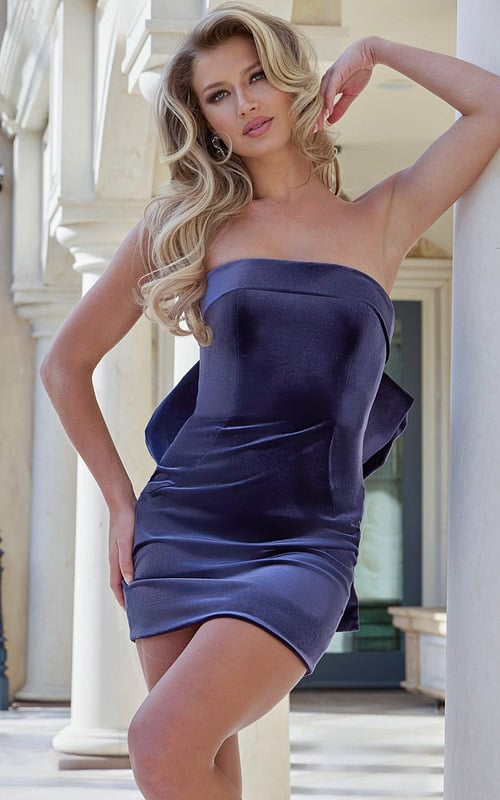
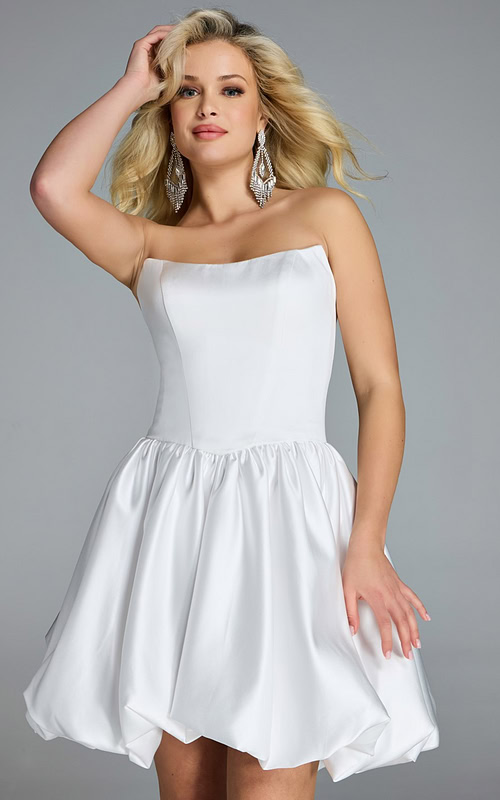
Satin cocktail dresses with refined fabric, fit, and construction
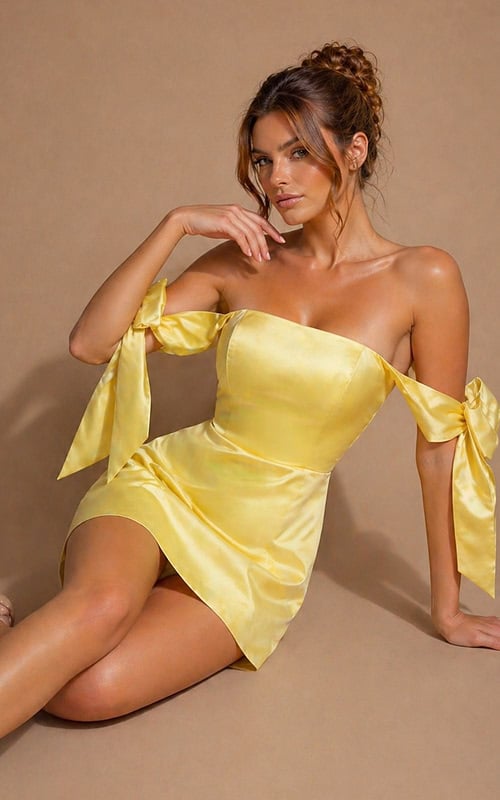
Satin cocktail dresses combine a smooth finish with carefully considered construction, where fabric behavior and silhouette work together to define the final look. Because satin reflects light across clean surfaces, details such as seam placement, lining, fabric weight, and bodice structure have a noticeable impact on fit. A fitted design can create a defined shape through precise tailoring, while a softer silhouette allows more movement and natural drape.
Jovani designs use satin across different silhouettes with features such as shaped bodices, defined waistlines, draped details, and precise tailoring. These elements influence how the fabric sits on the body, how the dress moves, and how comfortable the overall fit feels. When selecting a style, consider more than the satin finish. The right choice depends on how the silhouette supports the body, how the fabric responds to movement, and how the construction balances structure with comfort. For shoppers exploring different shapes and design directions, cocktail and party dresses offer additional styles to compare.
Selecting a silhouette based on fit and proportion
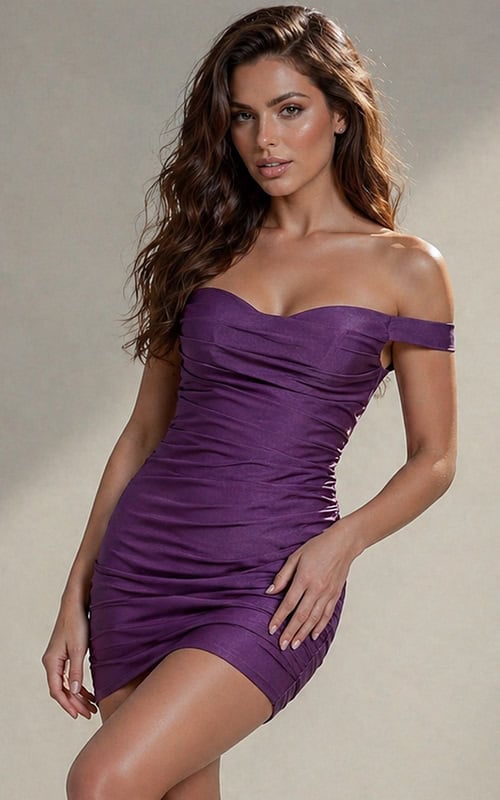
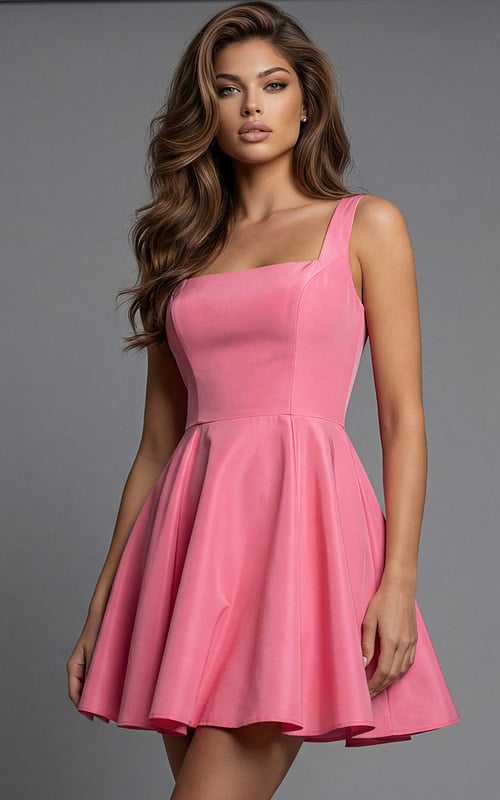
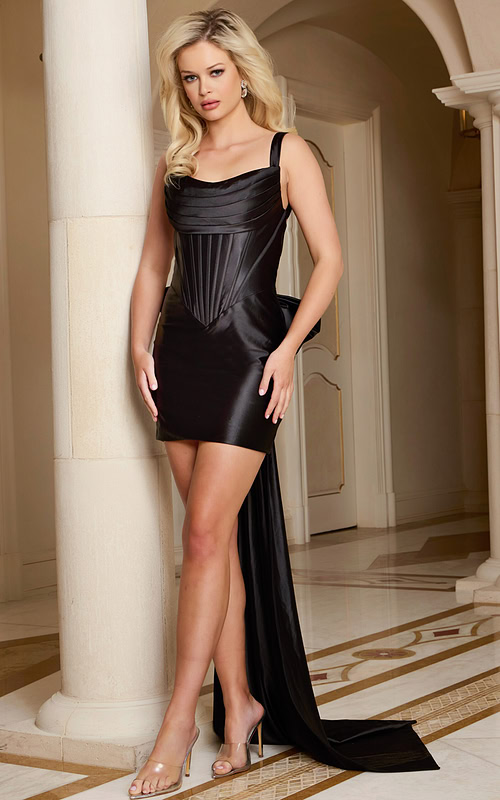
The silhouette determines how satin follows the body and how the overall proportions are balanced. Since satin has a smooth surface, the cut and construction of the garment become especially important because structural details are more visible. When comparing satin cocktail dresses, consider how the bodice, waistline, and skirt work together. A close-fitting silhouette can highlight precise tailoring, while designs with more volume through the skirt create additional movement and a softer profile.
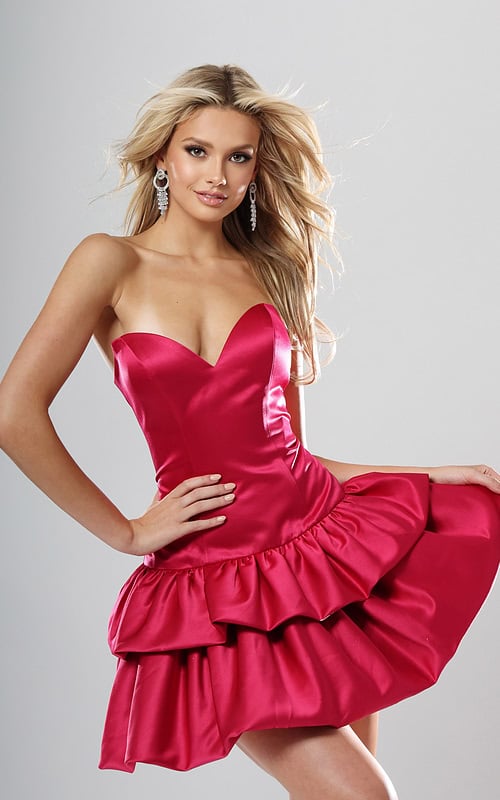
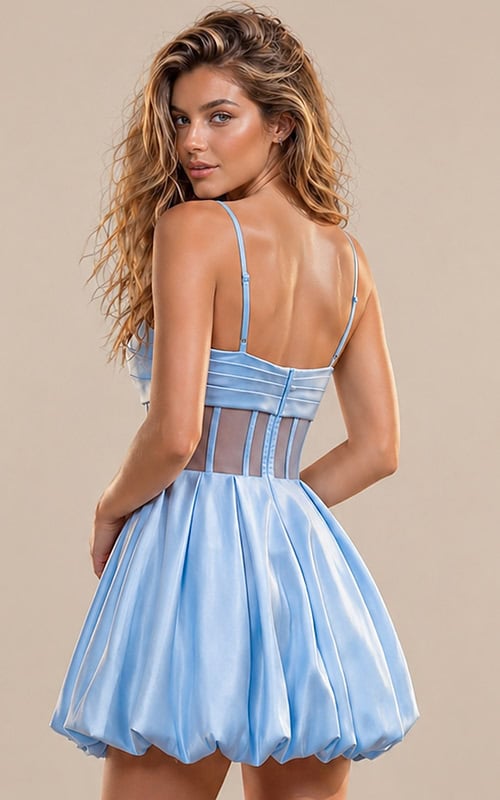
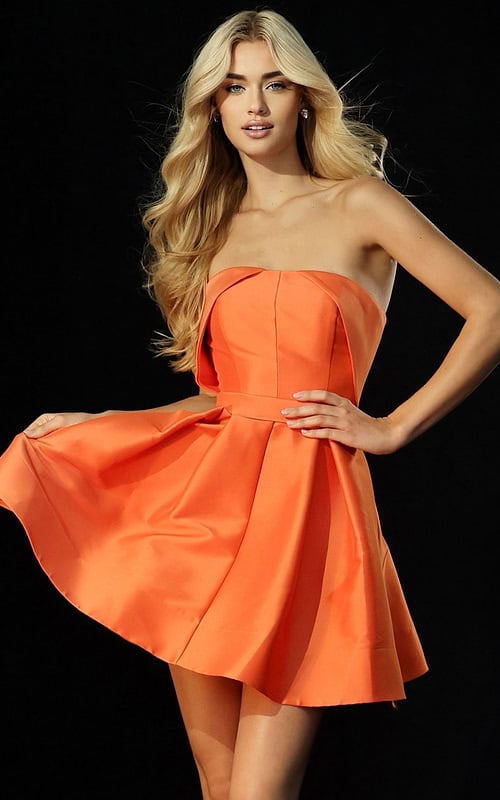
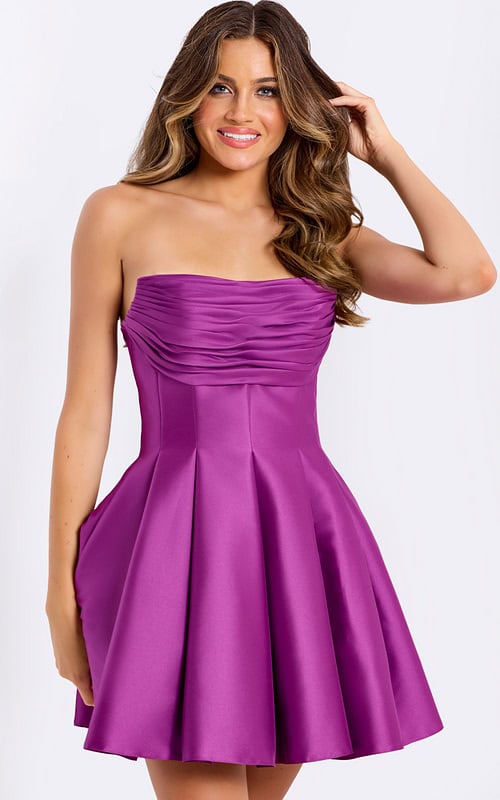
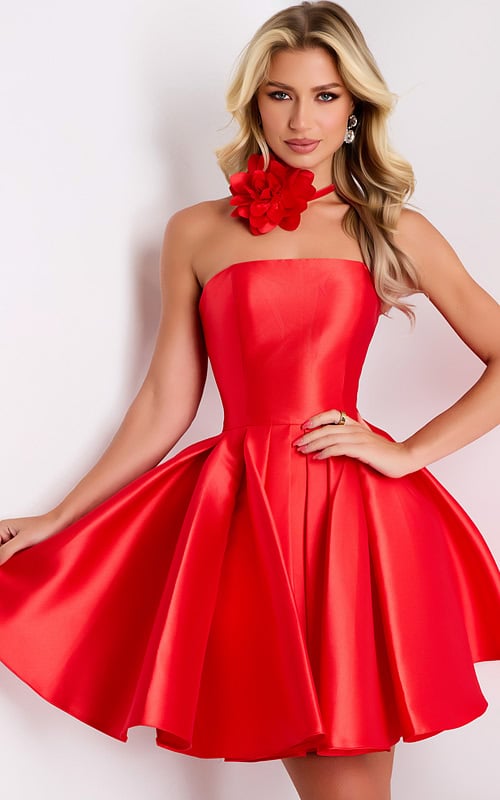
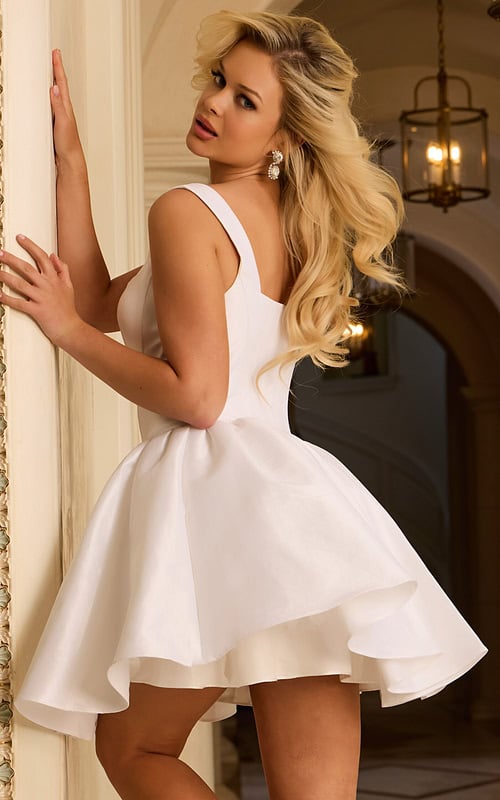
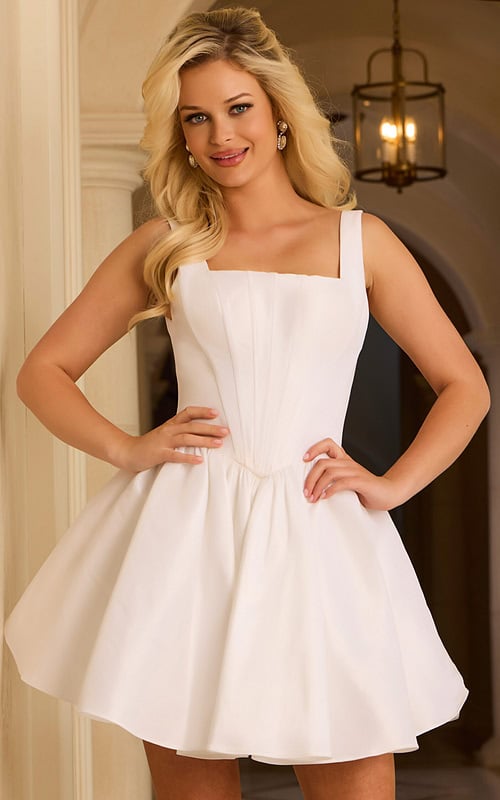
Fit and flare silhouettes combine a structured upper section with more room through the skirt. This balance can define the waist while allowing the fabric to move naturally. Shoppers who prefer this type of shape can explore fit & flare cocktail dresses to compare how different skirt constructions influence proportion and movement. Straight silhouettes create a streamlined appearance that allows the satin surface to remain the main design element. Draped styles introduce softer movement, while structured designs use internal support and seam placement to maintain their shape.
How satin weight, stretch, and lining influence the fit
The performance of satin depends on more than its appearance. Fabric weight, stretch level, lining, and internal structure determine how the material moves, holds its shape, and feels during wear.
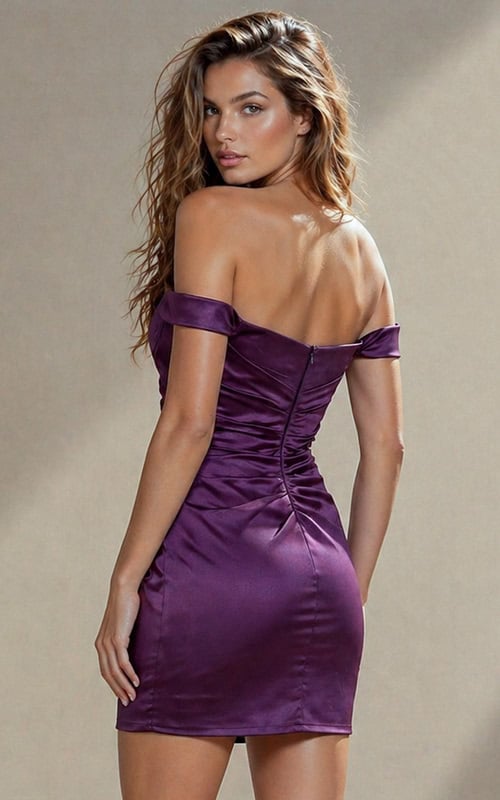
Lightweight satin often creates softer drape and fluid movement, while heavier satin can provide stronger structure and sharper lines. Stretch satin can improve flexibility in fitted designs, allowing the fabric to move comfortably while maintaining the intended silhouette.
Lining plays an important role in both comfort and construction. A properly designed lining helps the fabric sit smoothly, reduces tension across fitted areas, and supports the structure of the garment. In styles with a shaped bodice, internal support can influence how well the dress maintains its form. A satin cocktail dress should balance appearance, movement, and comfort. Comparing fabric weight, lining, and stretch helps identify the construction approach that best matches the preferred fit.
Neckline construction and support details
The neckline influences both the appearance and structure of a satin design. Since satin creates a smooth reflective surface, neckline details can significantly affect the overall balance of the silhouette.
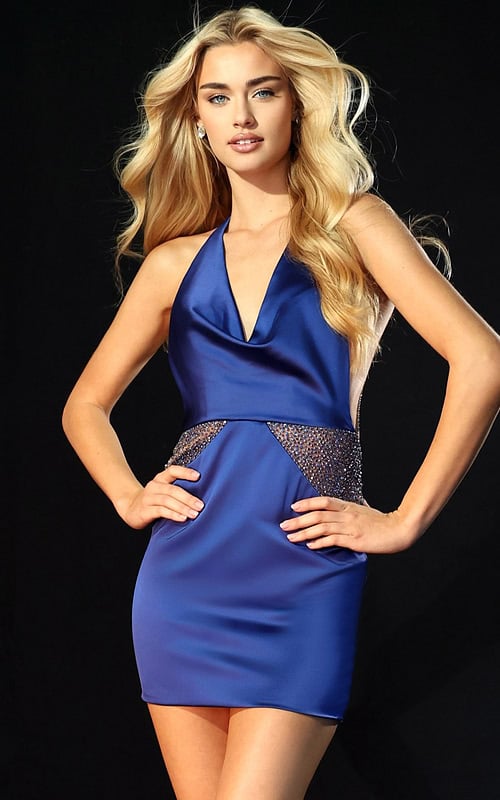
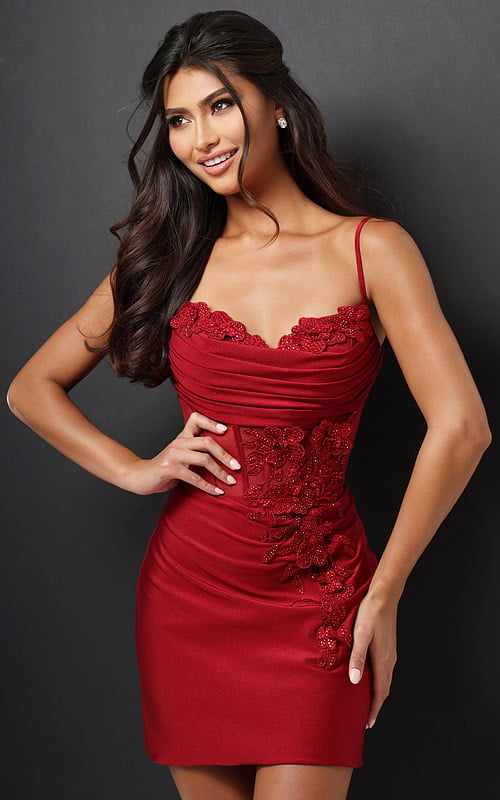
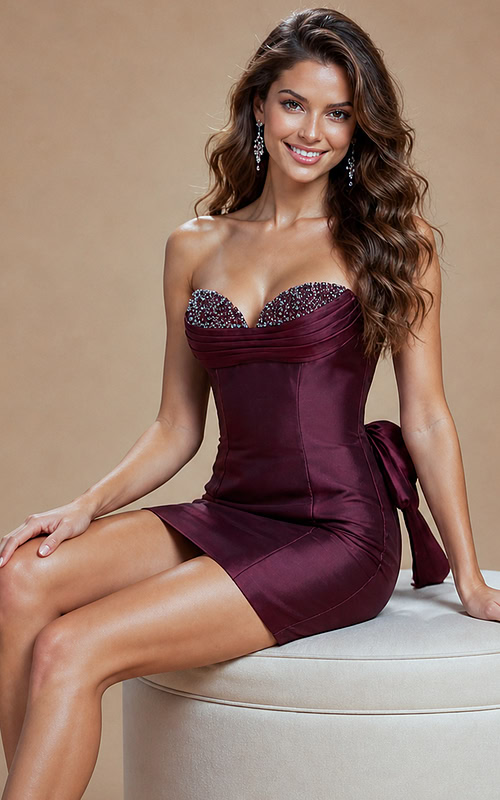
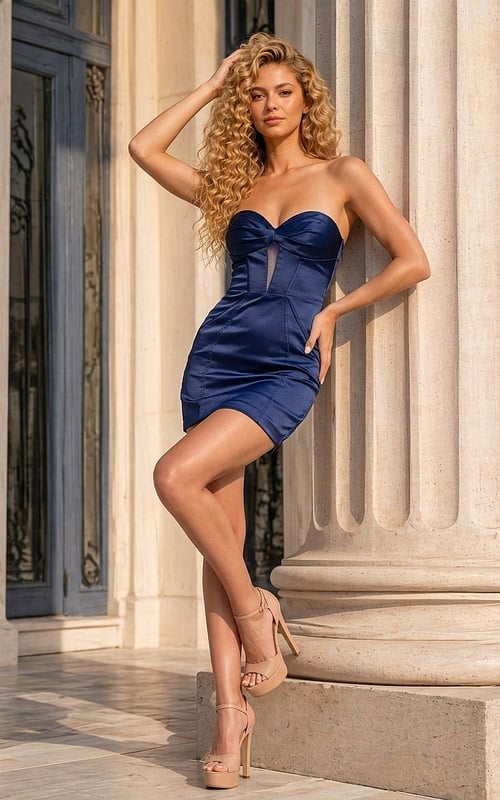
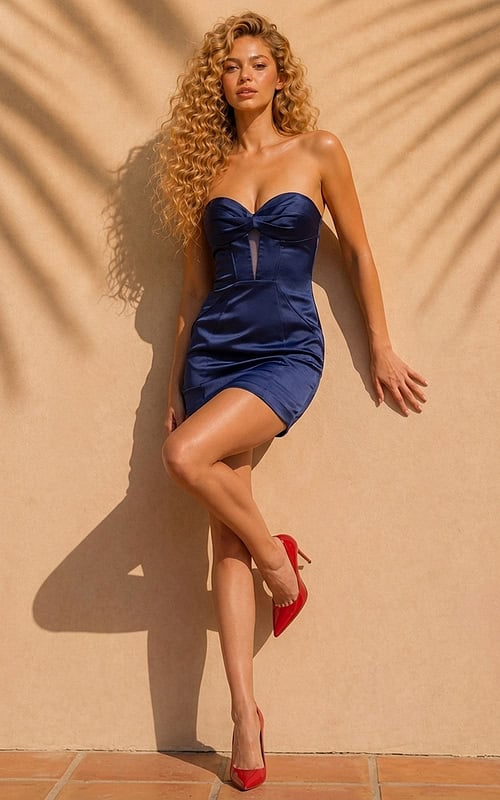
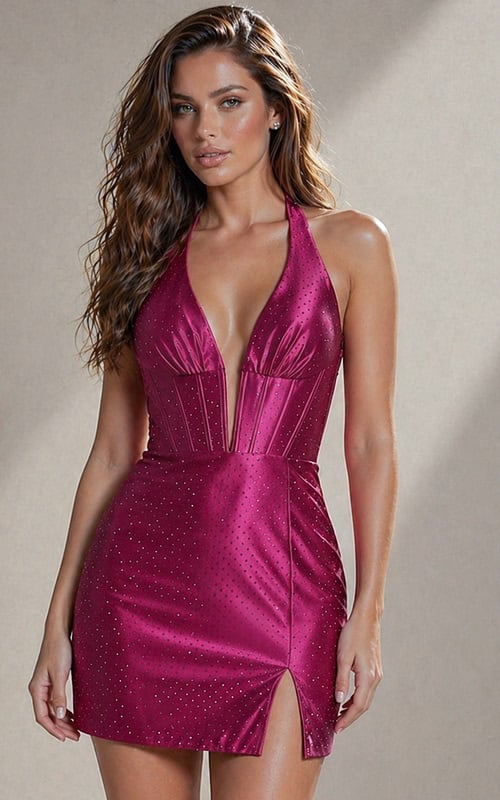
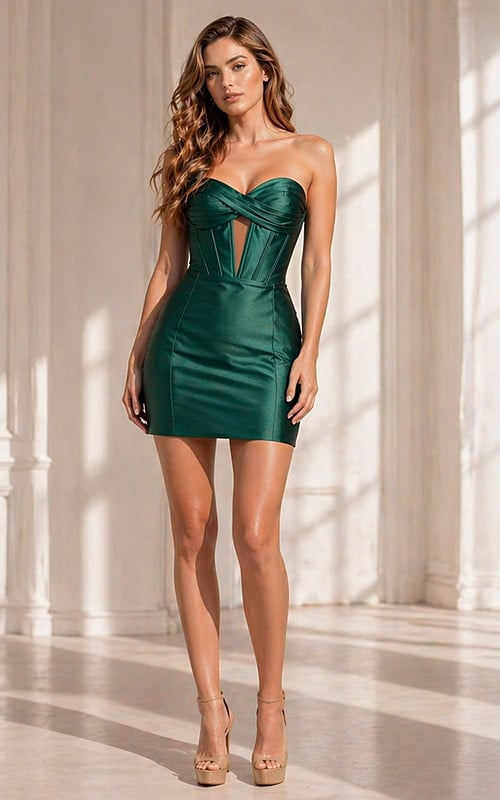
A V neckline creates a longer visual line while maintaining a clean shape. Sweetheart necklines often depend on internal support to maintain their curve, particularly in structured bodices. Draped necklines use additional fabric to create soft folds that complement satin’s natural movement. The neckline also affects how the upper part of the dress feels when worn. Comparing options such as v neck cocktail dresses can help shoppers understand how neckline shape changes the balance between coverage, support, and overall proportion.
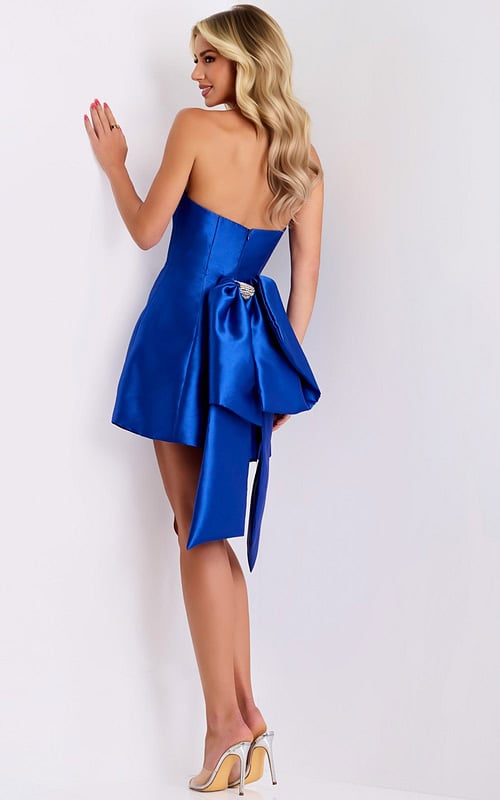
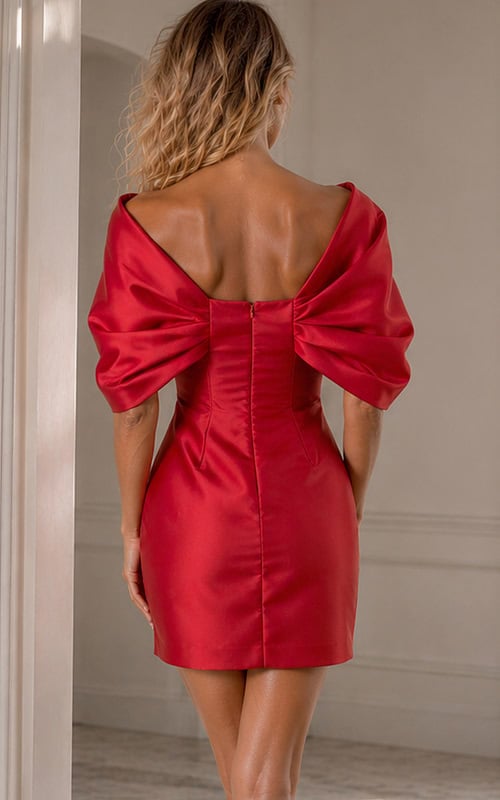
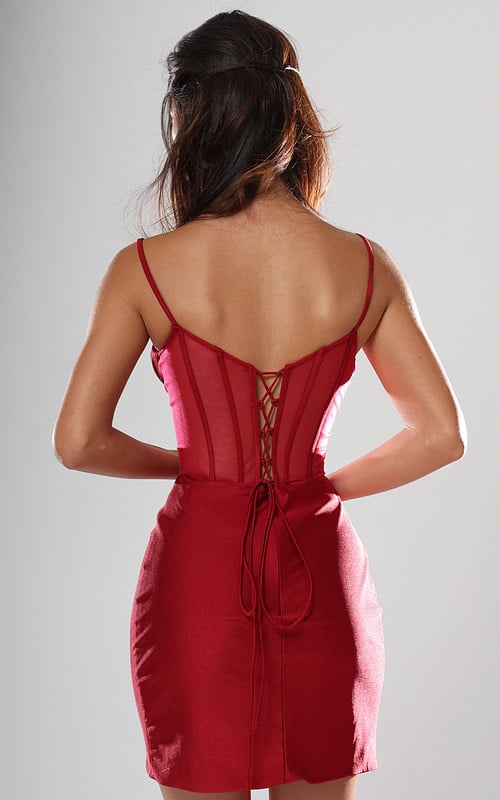
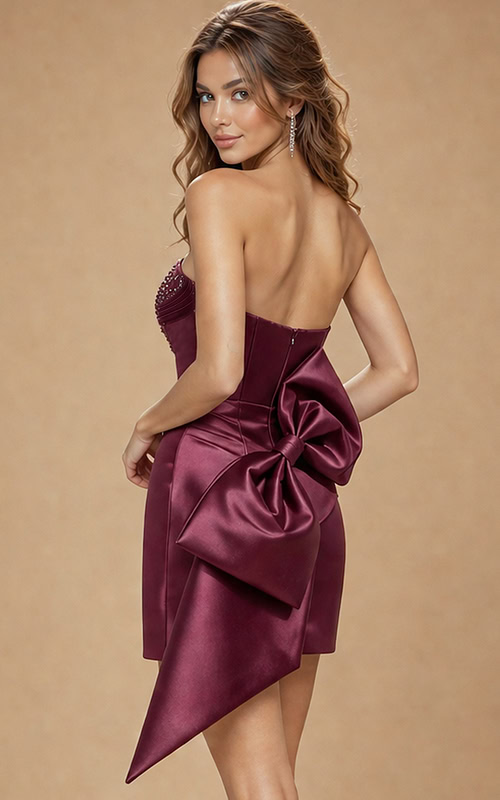
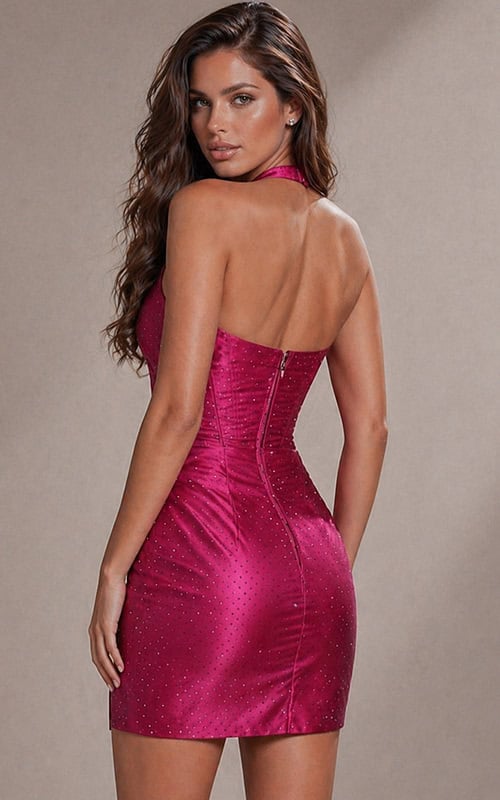
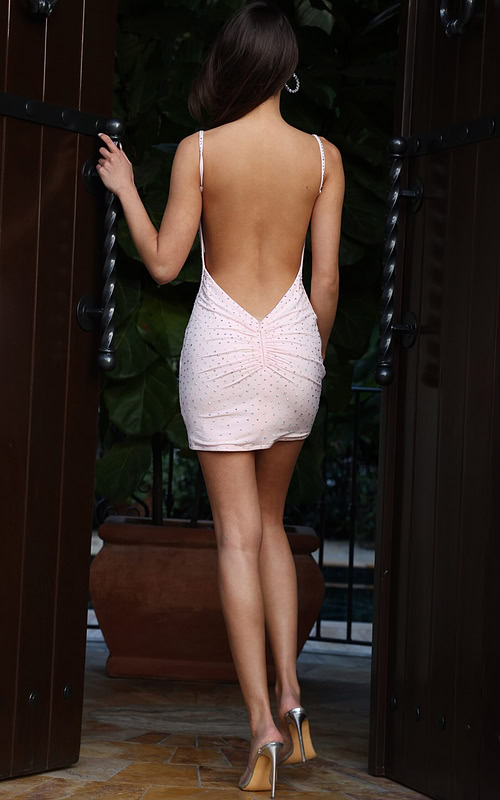
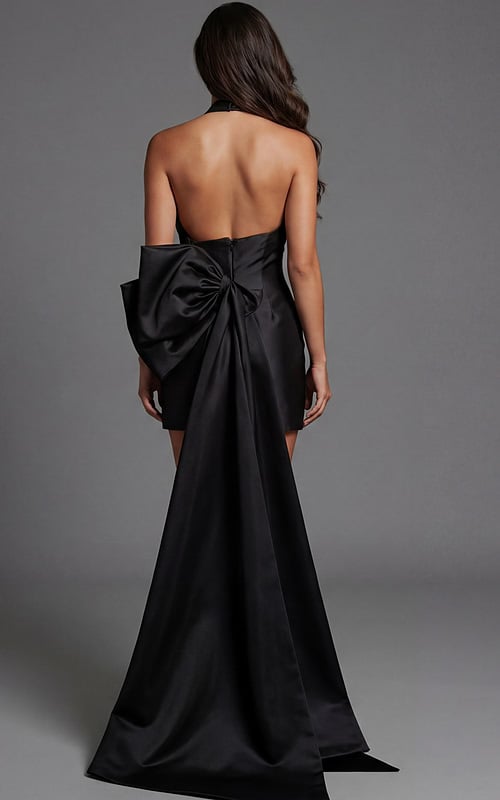
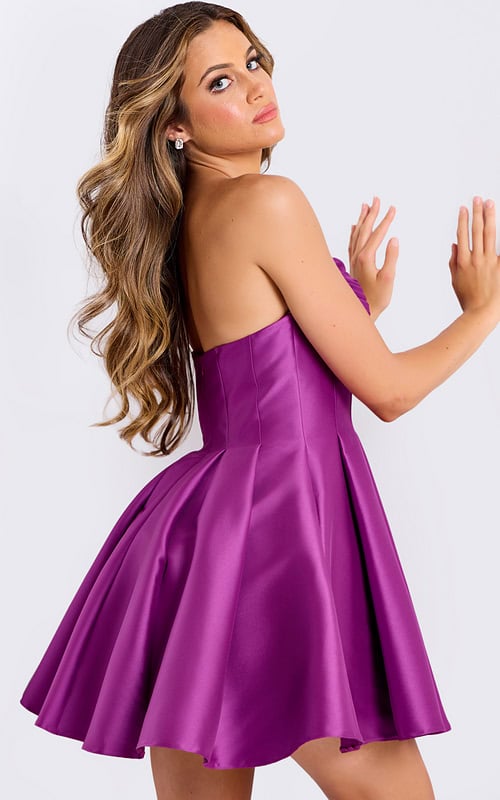
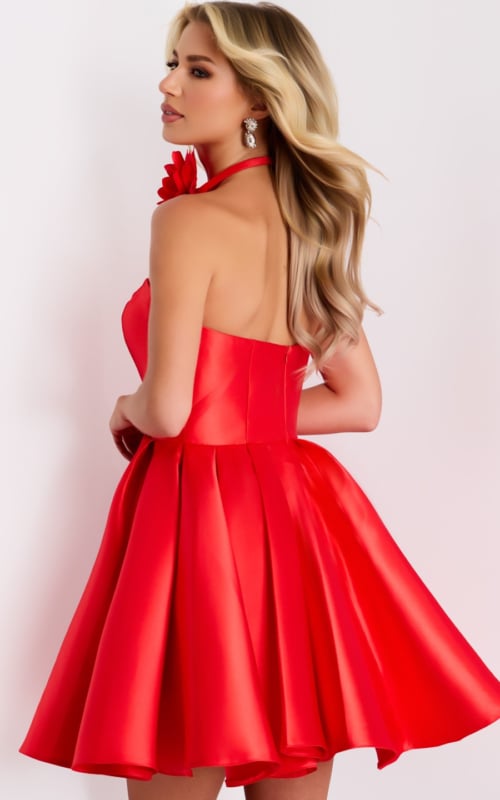
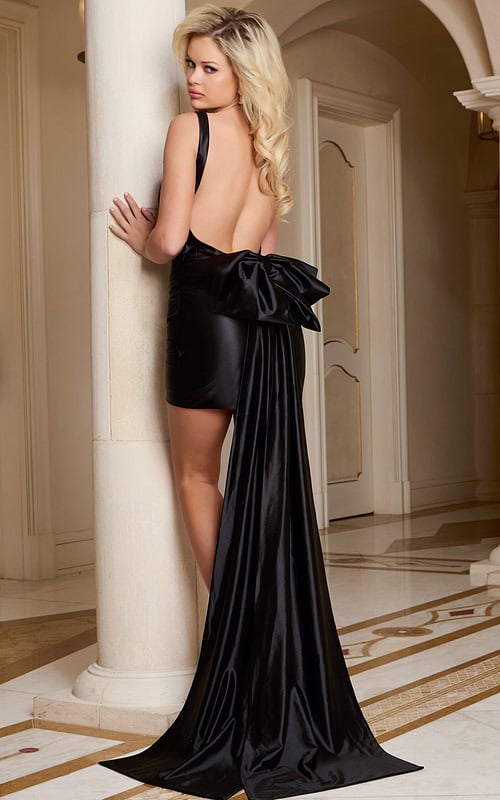
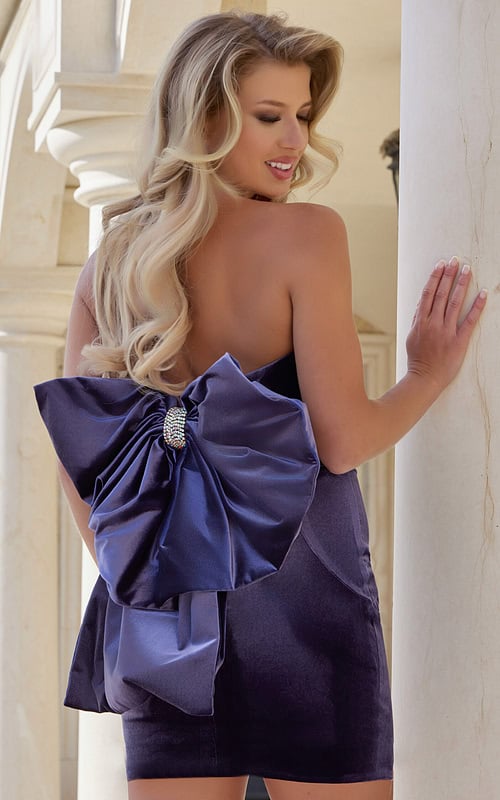
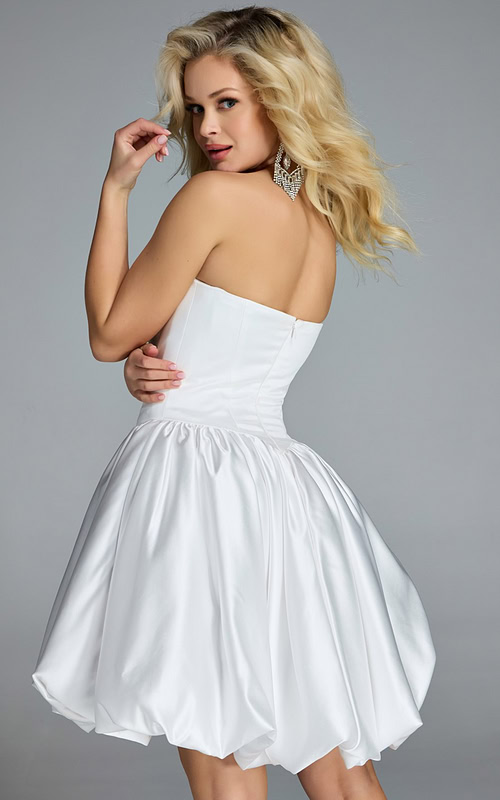
Back construction is another important consideration. Open-back designs require careful structural planning to maintain comfort and stability. Styles with different back details, including backless cocktail and party dresses, can offer different approaches to silhouette, support, and garment construction. A successful neckline works with the fabric rather than competing with it. The right balance between shape and support helps create a comfortable and polished fit.
Choosing length and proportion for a balanced silhouette
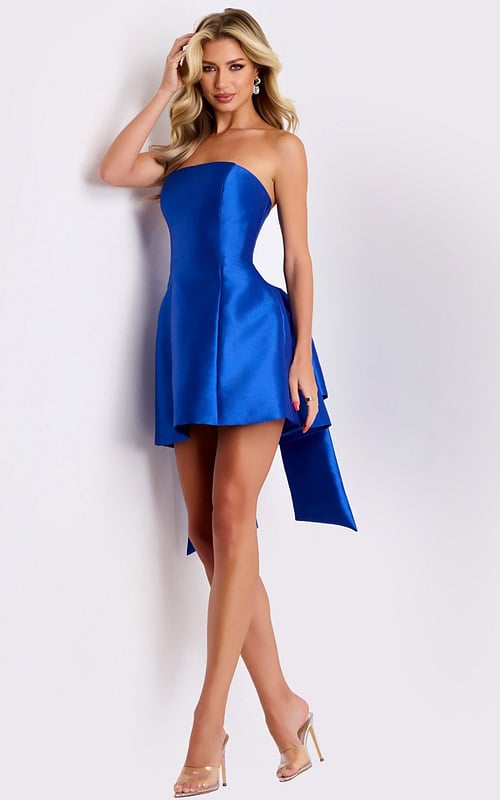
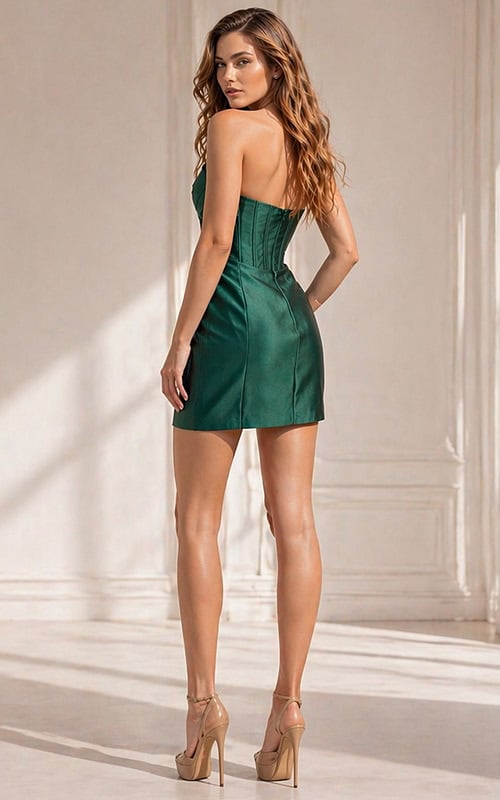
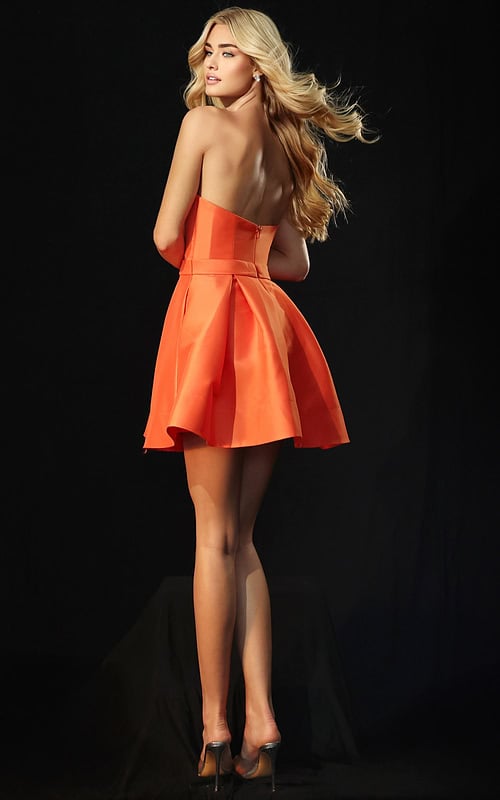
Length changes how the overall proportions of a satin dress are perceived. Shorter silhouettes often place more attention on the relationship between the bodice, waist, and skirt, making construction details more noticeable. Mini lengths can highlight fitted shaping, structured tops, and distinctive neckline details. Slightly longer short styles can create additional balance by allowing more movement through the skirt.
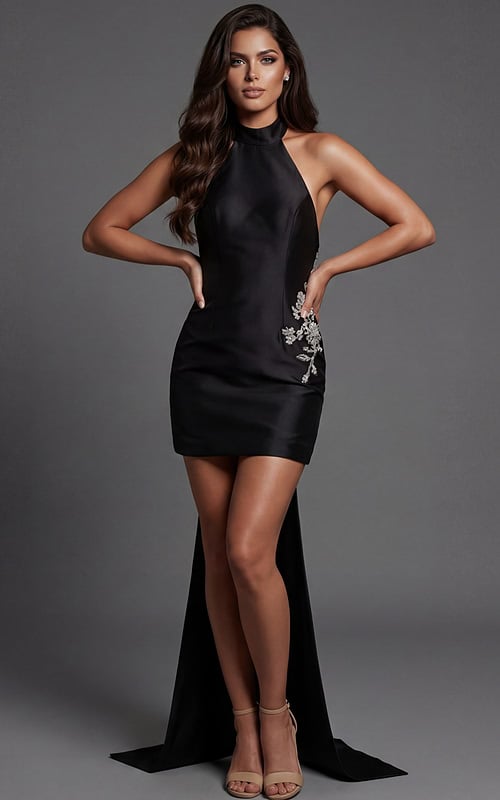
The right length depends on how fabric weight and silhouette interact. A fitted design may rely on stretch, shaping, and carefully placed seams, while a fuller skirt may require stronger fabric structure to maintain its form. The shoulder line can also influence the balance of a shorter silhouette. Looking at options such as halter short and cocktail dresses provides another way to compare how neckline structure affects proportion and fit.
Construction details that define satin designs
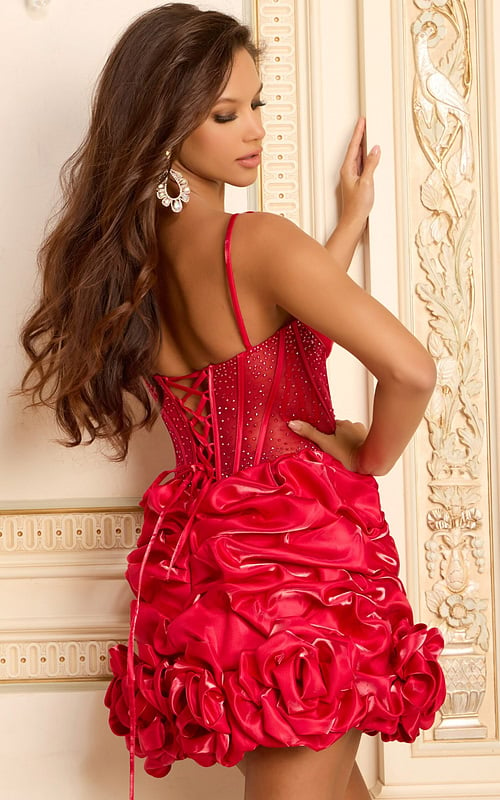
The quality of a satin design is often determined by details that are less visible at first glance. Internal boning, reinforced seams, lining quality, closures, and finishing techniques all influence how the dress supports the body and maintains its shape. A structured bodice can create a more defined outline, while carefully positioned seams can improve how the fabric follows the body. Softer construction allows more natural drape and movement, creating a different approach to fit.
Jovani combines fabric selection with garment construction to create satin styles with different levels of structure, flexibility, and shaping. When comparing satin cocktail dresses, look beyond color and surface shine. Consider how the fabric behaves, where support is provided, and how the silhouette is designed to move. These details make it easier to choose a style based on fit rather than appearance alone.
Comparing details before selecting your satin style
Choosing between satin designs often comes down to differences in construction. Two dresses may use similar fabric but create different results because of variations in silhouette, lining, neckline, and internal support. A fitted design may suit shoppers looking for a defined shape, while a softer silhouette may offer greater freedom of movement. A structured neckline can provide additional support, while a draped design can create a softer visual effect.
Pay attention to fabric recovery, seam placement, and finishing details when comparing options. These elements influence how the dress maintains its shape and how comfortable it feels during wear. Jovani’s satin collection includes different approaches to proportion, structure, and design detail. Understanding the relationship between fabric, fit, and construction makes it easier to select the right option. Satin cocktail dresses with thoughtful construction provide a balance of polished design, comfortable movement, and reliable fit.