
When you receive an invitation to a prestigious formal event, the first question that naturally arises is what to wear. Beyond the structural silhouette, the intricate beadwork, and the elegant drape of the fabric, color is undeniably the most defining element of any formal look. It is the first thing people notice from across a crowded ballroom, the defining feature that translates instantly through photographs, and the lasting visual impression left behind long after the night ends. The debate between classic vs trendy evening dress colors is a familiar one when preparing for a gala, sophisticated wedding, red-carpet appearance, or high-end formal dinner.
Do you rely on the proven elegance of a shade that has dominated the fashion world for decades, securing a look immune to the passage of time? Or do you step boldly into the spotlight with a vibrant hue that captures the current fashion zeitgeist? Today, with the influence of social media and global runway coverage, the sheer volume of color choices can feel overwhelming. However, mastering color theory in formal wear is the ultimate secret to curating a truly unforgettable wardrobe.
Jovani has spent decades mastering the art of the evening gown, creating luxurious collections that honor time-tested sartorial traditions while simultaneously embracing the exciting pulse of modern fashion. Understanding how to navigate this colorful landscape ensures your final choice feels authentic to your personality and appropriate for the venue. Let us delve into the nuances of formal color palettes to help you discover your ultimate event-ready hue.
The Enduring Power of Tradition
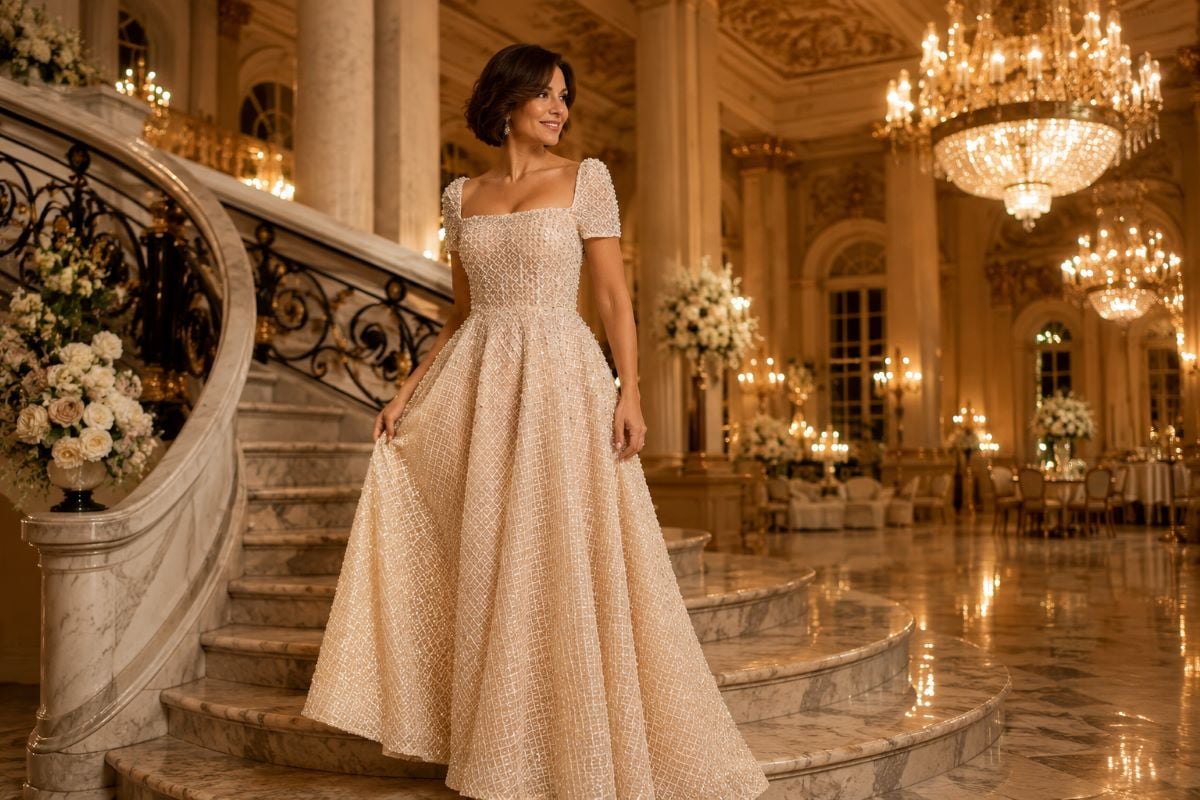
When weighing the foundational options between classic vs trendy evening dress colors, let us begin with the bedrock of formal wear. There is profound comfort and quiet confidence in choosing timeless formal gowns. Classic colors are aristocratic shades that exist above the fray of seasonal micro-trends. They offer guaranteed sophistication, ensuring that when you look back at photographs decades from now, you will feel only refined pride. When fashion historians discuss the best evening gown colors that never go out of style, deep, saturated tones are invariably the first to come to mind.
The Iconic Appeal of Black and Red
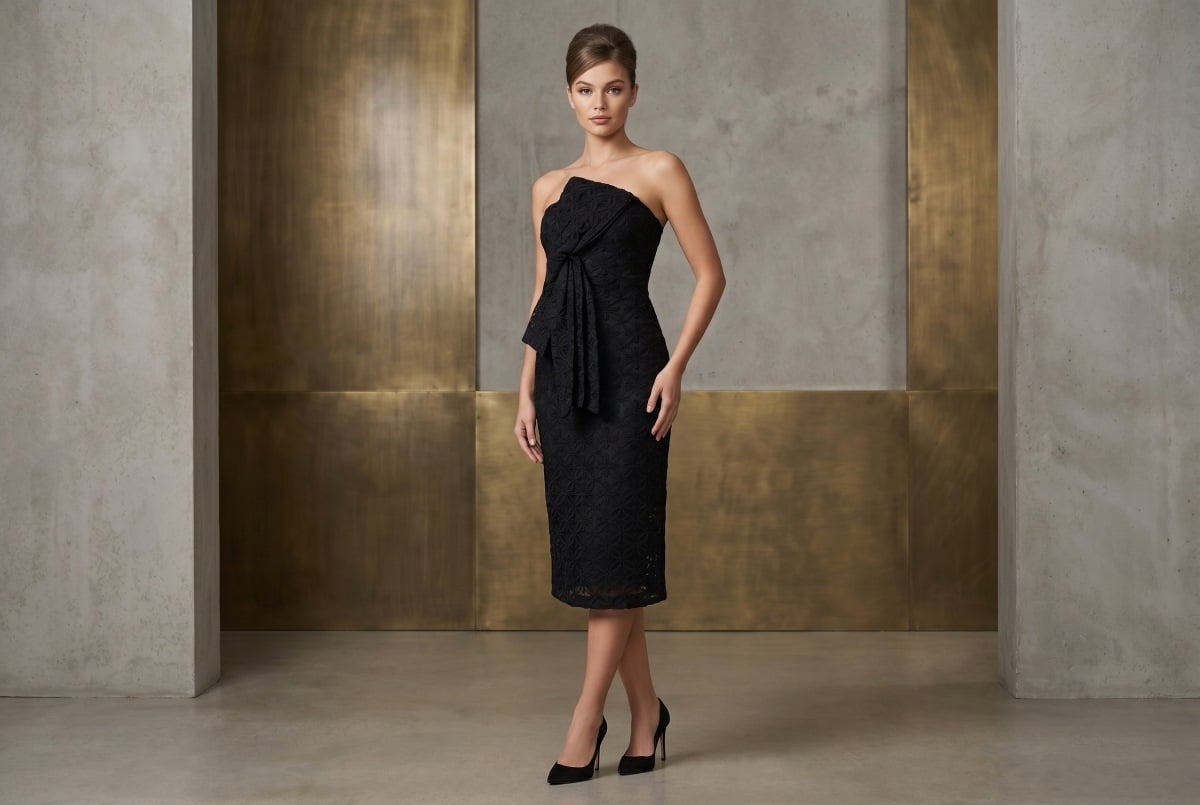
The most essential of these is, without a doubt, black. The enduring allure of black evening dresses lies in their incredible versatility and inherent grace. Black creates a strikingly sleek, slimming silhouette that flatters every body type. Moreover, it serves as the perfect, uninterrupted canvas for showcasing fine jewelry, bold makeup, or dramatic architectural details within the dress itself. It commands immediate respect and exudes an aura of high-society glamour.
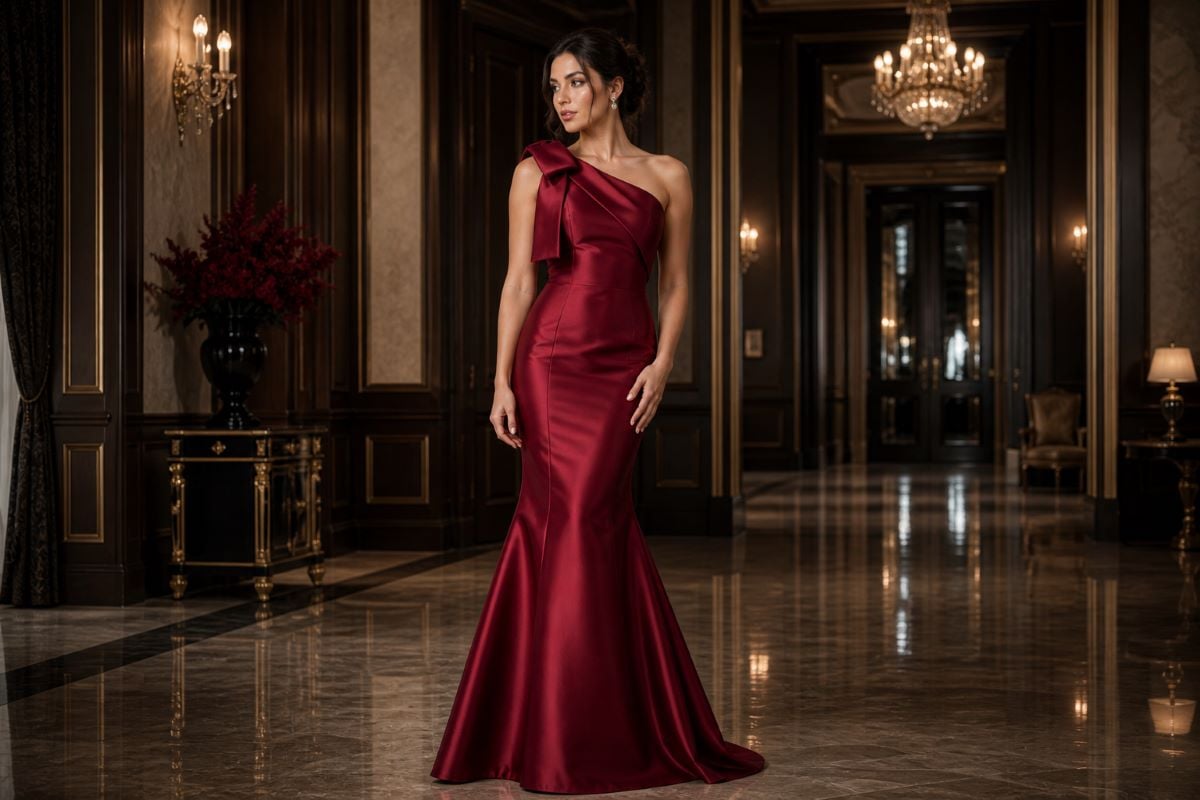
Similarly, a primary red commands the room with passionate confidence and cinematic drama. Stepping into a venue wearing red evening dresses is a definitive declaration of presence a powerful move favored by style icons throughout history. Red symbolizes vitality, romance, and strength, making it a permanent fixture in formal wardrobes.
Sophisticated Alternatives: Navy and Ivory
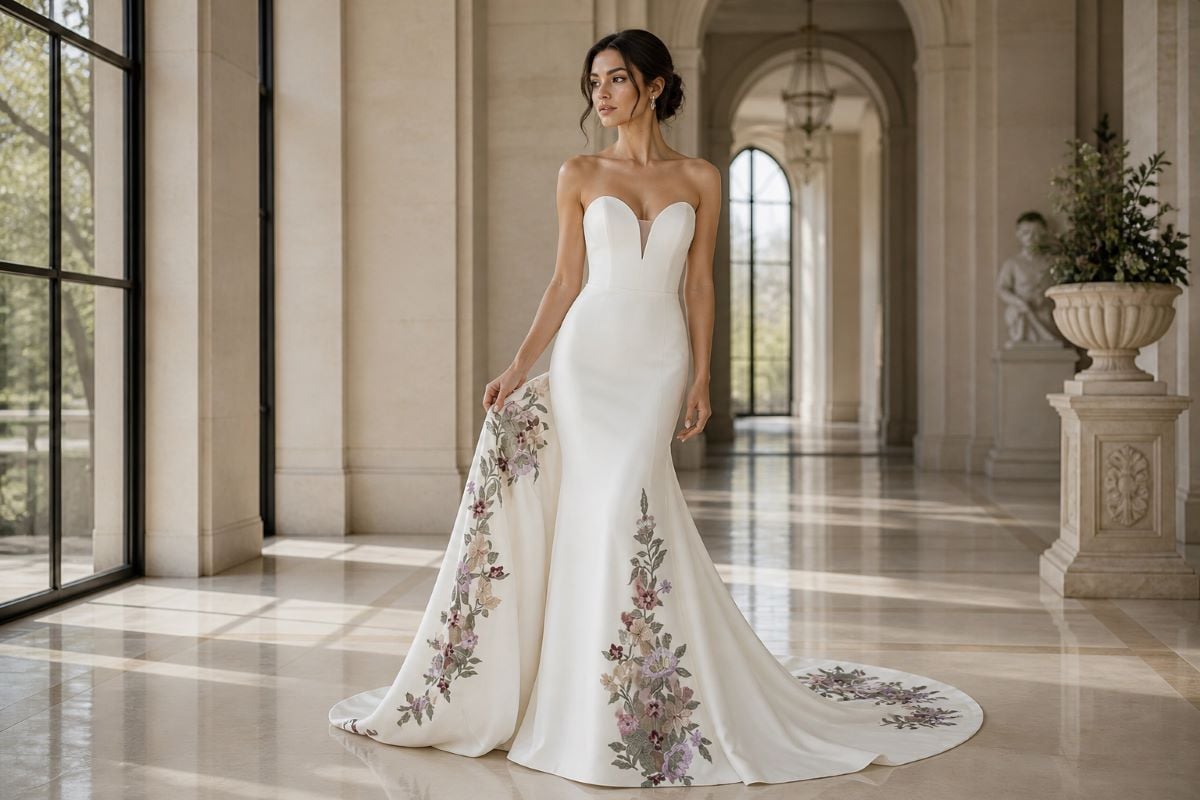
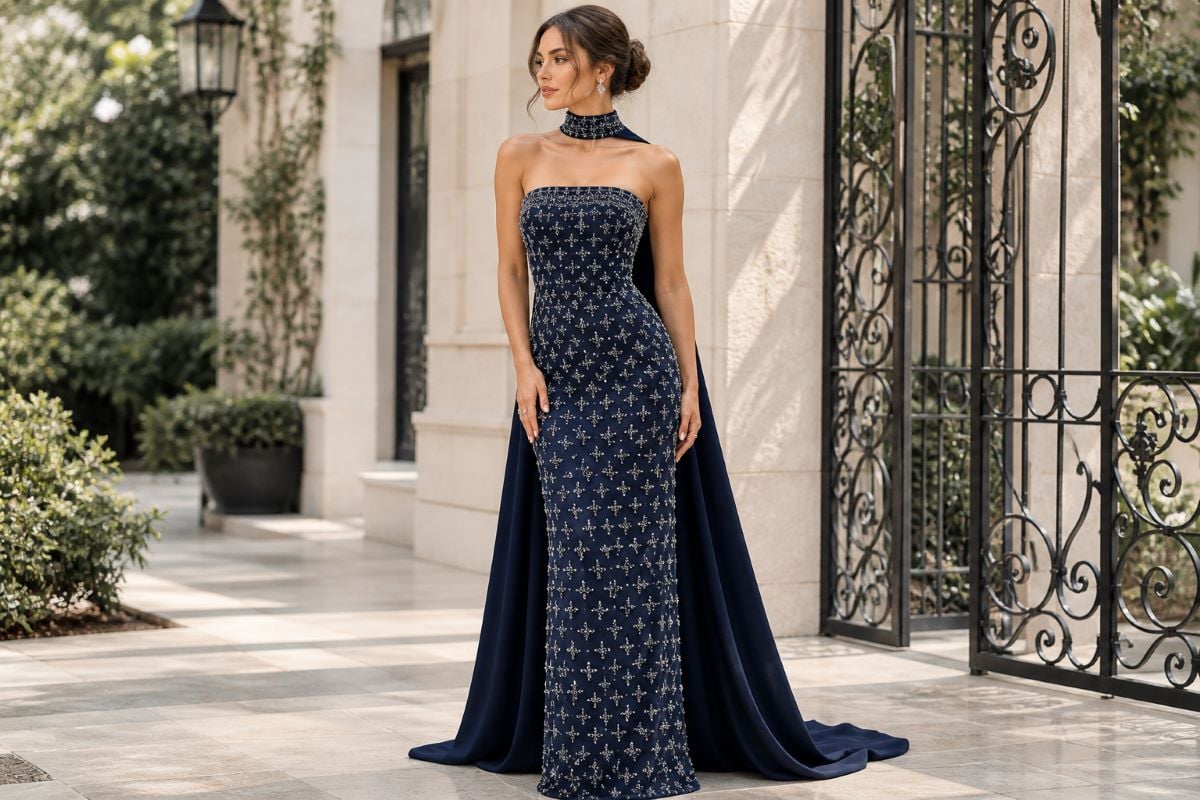
Beyond black and red, the aristocratic elegance of navy blue serves as a “soft black” for those seeking deep sophistication with a slightly warmer undertone. Crisp ivory and winter white offer ethereal purity. The true beauty of these traditional shades is their ability to harmonize with universally flattering shapes. Pairing a heritage color with classic A-line designs guarantees a look of regal proportions, allowing the wearer to move with fluid grace and stylistic certainty.
Embracing the Energy of Modern Fashion
On the opposite side of the stylistic spectrum is the exhilarating, rule-breaking world of modern fashion. Embracing trendy formal wear hues allows you to express a vibrant contemporary facet of your personality and demonstrates a keen awareness of current aesthetics. The global fashion landscape is constantly evolving, driven by runway innovations and the desire for fresh visual stimulation.
The Rise of Bold, Optimistic Shades
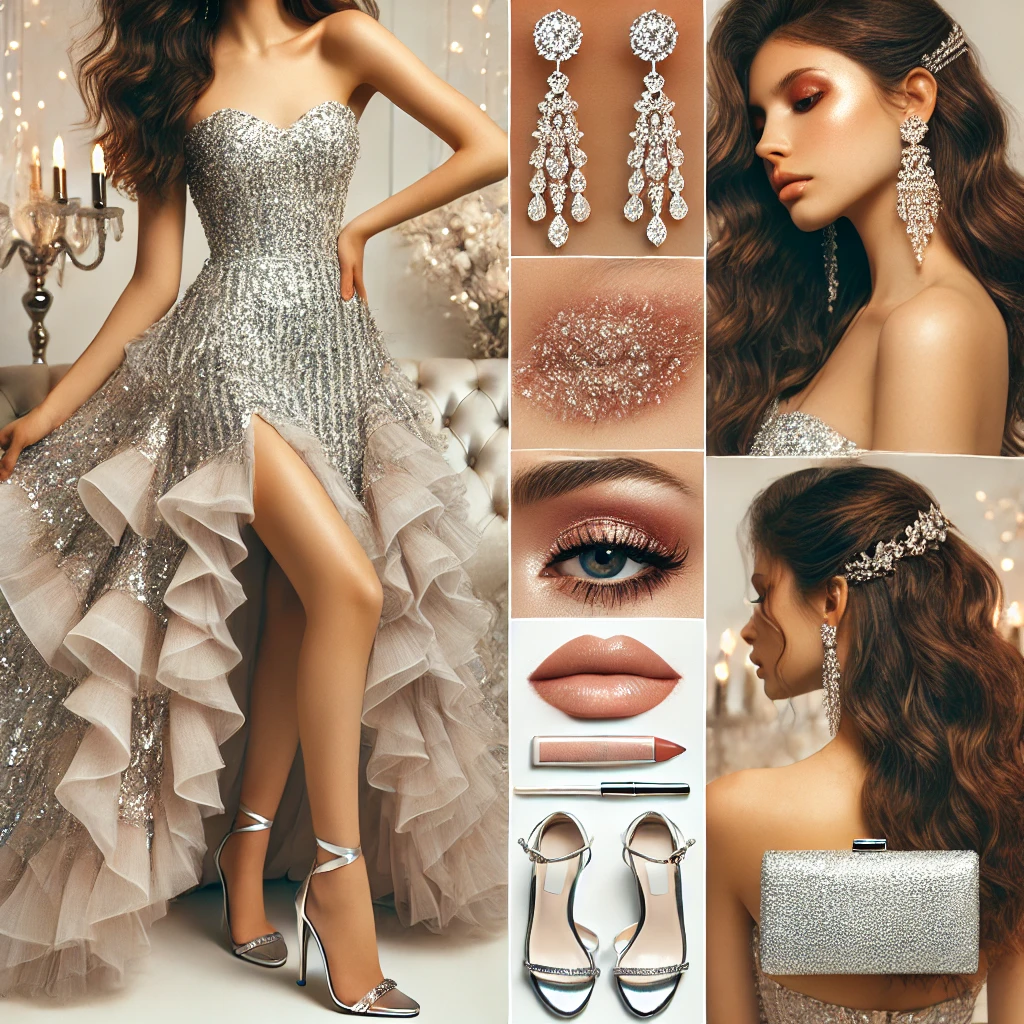
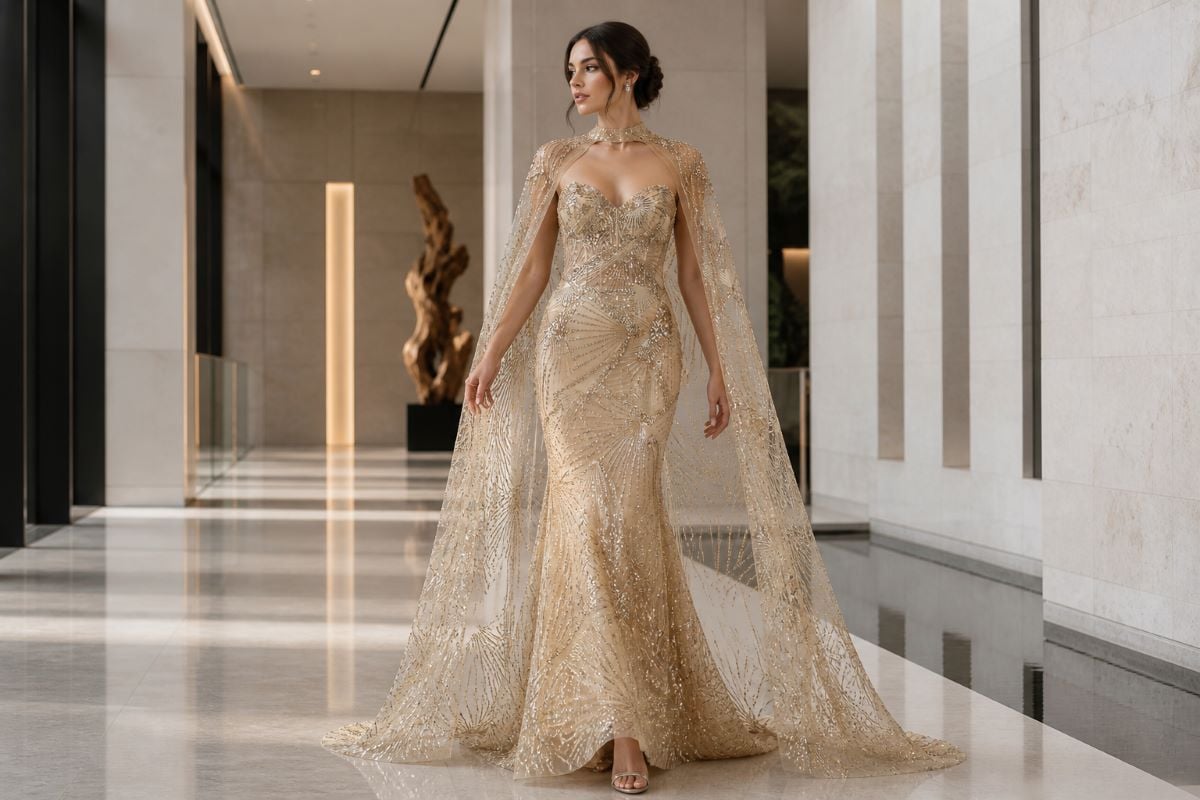
Moving away from strictly safe choices, the popular dress shades 2026 bring fresh energy to evening events by venturing into the realm of “dopamine dressing”—colors that actively boost mood and spark joy. We are seeing a distinct surge in unexpected vivid tones, holographic metallics, and soft ethereal pastels that challenge the standard status quo of formal dressing.
For spring and summer galas, bright, optimistic shades are making a massive impact on the social scene. Selecting yellow formal dresses, for example, radiates warmth and highly modern glamour. It ensures you stand out brilliantly in a sea of darker tones. Alongside yellow, the rise of striking magenta, icy lavender, and electric cobalt invites conversation and exudes a fearless approach to style.
Contemporary Embellishments and Craftsmanship
These trendy colors are often elevated by intricate modern craftsmanship that adds visual depth. A contemporary bright hue paired with heavy, light-catching details found in beaded designs creates a magnificent, multi-dimensional look. Jovani’s master designers are constantly at the forefront of these chromatic shifts, carefully calibrating each new trending shade to ensure it flatters the wearer. Choosing a trend-forward color is a calculated styling risk, fully backed by expert tailoring and visionary design.
Navigating Event Codes, Lighting, and the Calendar
The critical decision between classic vs trendy evening dress colors is rarely made in a vacuum. Your environment dictates much of your sartorial success. The specific event code, the season, and the venue’s lighting play crucial roles in this styling equation.
Decoding Black Tie and Formal Dress Codes
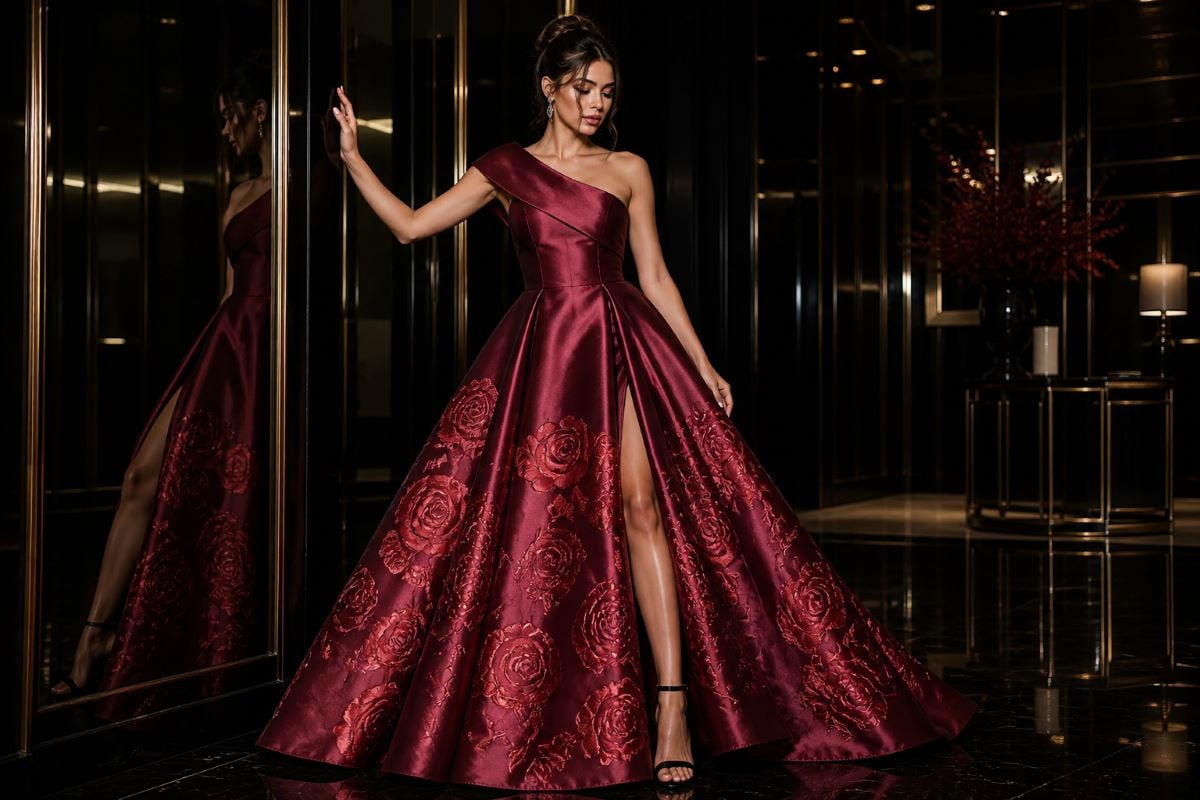
When attending galas, prestigious award ceremonies, or traditional weddings, understanding appropriate black tie dress colors is essential. While modern black tie has relaxed slightly to make room for personal expression, it still demands a high level of respect for formality. Choosing formal black tie dresses in solemn shades like midnight blue, deep plum, or standard black is always a deeply elegant bet. However, a trendy color can still be appropriate for a strict black-tie affair if the silhouette is exceptionally refined and the fabric is undeniably luxurious, such as structured Mikado or heavy silk faille.
Seasonal Influences and Venue Lighting
This brings us to the importance of seasonal formal dress trends. The time of year heavily influences how a color is perceived contextually. During the colder autumn and winter months, deep, saturated classic tones thrive, especially when brought to life through rich textures like velvet. Conversely, lighter pastels or vibrant neons are ideally suited for the vibrant energy of spring botanical garden weddings and balmy summer soirées.
Aligning Color with Skin Tone and Confidence
Ultimately, choosing an evening dress color is a highly personal experience. Whether you instinctively lean toward the bulletproof security of a classic shade or the adrenaline-fueled thrill of a trendy hue, the most important factor is how the color interacts with your unique complexion and personal sense of style. The absolute best colors make your skin naturally glow and your confidence soar the moment you look in the mirror.
Harmonizing with Your Skin Undertone
To master this, one must understand skin undertones—typically categorized as cool, warm, or neutral. Women with cool undertones shine radiantly in jewel tones like amethyst, sapphire, and icy pastels. Those with warm undertones are spectacular in earthy classic hues like rust, goldenrod, and fiery corals. Neutral undertones have the stylistic privilege of pulling off almost the entire spectrum with ease. Holding different fabric swatches up to your face in natural daylight will quickly reveal which colors elevate your complexion.
Inclusivity and Personal Expression
Jovani’s unwavering commitment to design excellence means our color palettes are meticulously developed and expanded to flatter a beautifully diverse range of global skin tones. We believe every woman deserves to experience the empowering feeling of a perfectly hued gown. This is why our extensive color ranges are available across our entire sizing spectrum, including our masterfully tailored plus size formal gowns.
The ongoing debate between classic vs trendy evening dress colors does not have a single correct answer. Timeless options offer a priceless legacy of elegance, effortlessly transcending the cyclical nature of fashion. Conversely, trendy hues offer a highly visible canvas for bold self-expression, allowing you to establish yourself as a modern trendsetter. By blending old-world craftsmanship with a forward-looking understanding of design, you can step into your next event with grace, authority, and unforgettable style.
About Choosing an Evening Dress Color FAQs
1. Is it safe to wear trendy, bright colors to a traditional black-tie event?
Yes, but the absolute key to success is finding a sophisticated balance. If you opt for a vibrant, trendy hue like electric blue or neon pink, you must ensure that the silhouette, length, and fabric of the gown remain highly formal. A floor-sweeping hemline and a premium fabric will elevate a trendy color. Keep your hair, makeup, and accessories relatively minimalist to allow the bold dress color to remain the focal point without breaching the overarching formality of the event.
2. How do I know if the popular dress shades of 2026 will flatter my specific skin tone?
The most foolproof approach is to identify your skin’s natural undertone—warm, cool, or neutral. Cool undertones look stunning in crisp jewel tones and icy pastels, while warm undertones radiate beautifully in earthy hues, rich golds, and warm reds. If you fall in love with a trendy color that doesn’t naturally suit your complexion right near your face, you can incorporate it through your accessories while keeping the main bodice a classic, flattering shade.
3. Can classic dress colors ever look outdated or overly safe?
Classic shades like black, navy, and true red are inherently immune to looking outdated strictly from a color perspective. However, the dress itself can look uninspired if the silhouette or fabric does not align with current styling standards. Choosing a classic color that features a modern architectural cut, an asymmetrical neckline, or an unexpected structural detail is the perfect way to merge timeless elegance with exciting contemporary fashion.
4. How does venue lighting affect the appearance of classic vs trendy evening dress colors?
Lighting drastically alters how color is perceived. Natural daylight beautifully showcases the true vibrancy of trendy pastels and brights. However, dim, warm indoor ballroom lighting can wash out lighter colors, making them look dull. In low-light venues, classic deep jewel tones, stark black, or highly reflective trendy metallics are much more effective at capturing ambient light and ensuring you stand out.
5. Can I mix classic and trendy colors in the same formal look?
Absolutely. Mixing these elements is a hallmark of advanced styling. A fantastic way to achieve this is through color-blocking or strategic accessorizing. You might wear a tailored black evening gown paired with trendy neon heels and a matching modern clutch. This approach gives you the security and elegance of tradition combined with the fresh, exciting pop of modern trends.