
Girls Party Dresses That Work as Hard as the Party
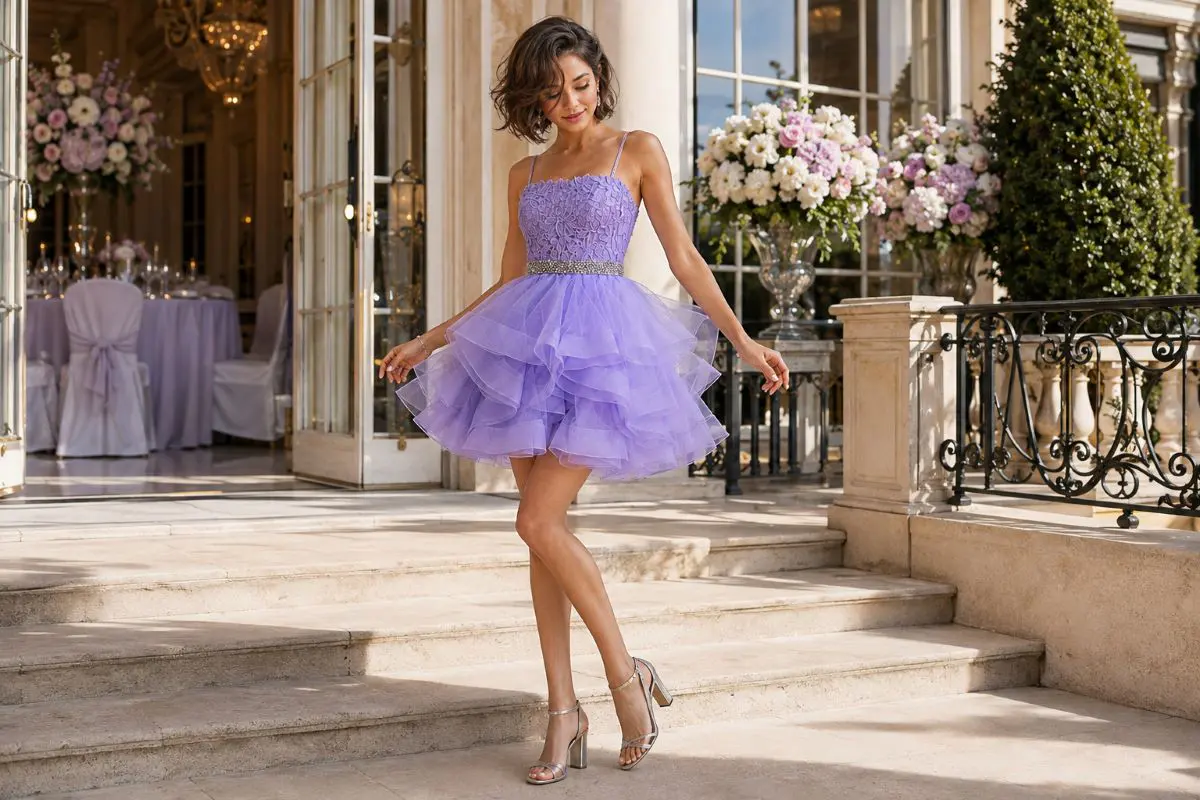
A party dress for a girl has a harder job than almost anything else in her closet. It needs to look special in the family photos, survive cake and a dance floor, allow cartwheels if the mood strikes, and still fit at the next celebration three months later. Most shopping advice ignores all of that and talks only about cuteness, which is how families end up with a beautiful dress that gets worn once, complained about twice, and outgrown before the next invitation. This guide takes the opposite route with girls party dresses: match the dress to the actual occasion, check the construction points that decide comfort, and buy with the calendar and the growth chart in mind. Cuteness comes along for free.
The starting field is the girls dresses collection, which spans the party-to-formal range this guide sorts through, and the sorting begins with the invitation itself.
Matching Girls Party Dresses to the Occasion
Party is a wide word, and the occasion sets the dress code more than age does. A friend's birthday party wants fun and freedom: a twirl-ready knee-length dress she can play in, nothing precious, nothing she has to protect from frosting. Her own birthday celebration earns a step up, the dress she picks for the photos and the candles. Family holiday gatherings and dinners sit in the polished middle, festive fabrics with sleeves for winter rooms. As a guest at adult celebrations, a wedding, an anniversary, a formal dinner, she follows a junior version of the grown-up rules: no white at weddings, coverage that suits a ceremony, and shoes she can last the evening in. And the milestone religious and cultural celebrations, where she is a guest or part of the honored circle, carry their own traditions; the range of bat mitzvah gowns shows how festive and ceremony-appropriate combine for those events.
The coordinated version of the same idea has its own tradition, and our guide to what a dama wears in a quinceañera court covers the coordinated version of the same idea.
Age-Appropriate by Design, Not by Compromise
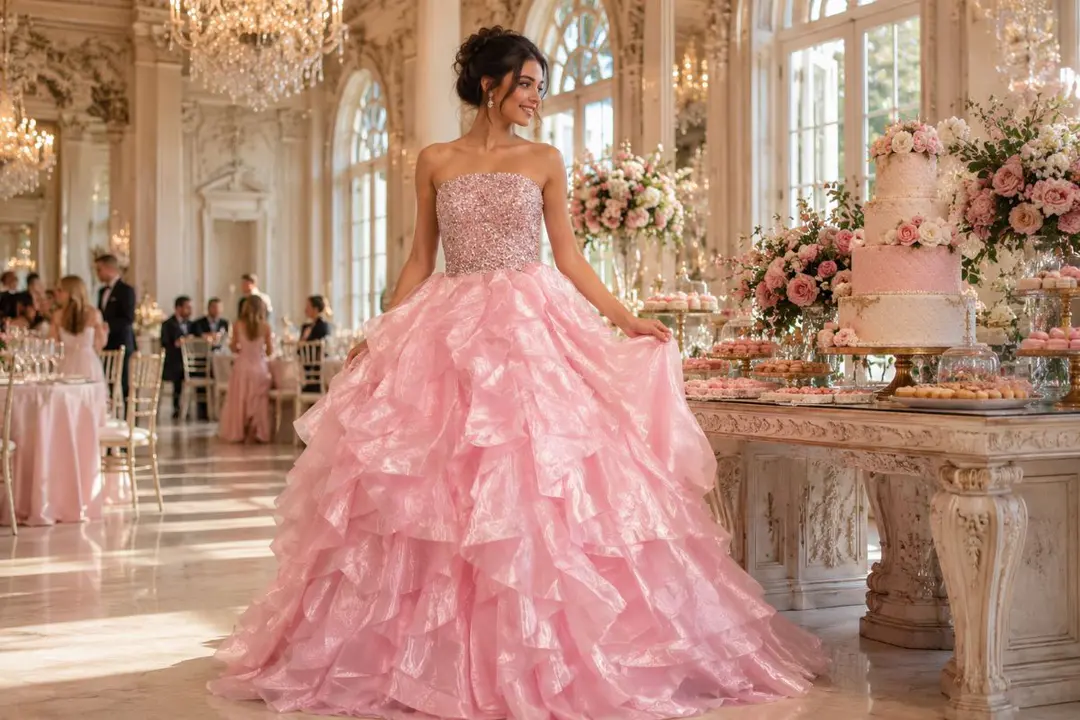
The best girls party dresses are age-appropriate because they were designed for girls, not scaled down from adult patterns. In practice that means a few visible signals: necklines that sit high and secure, straps wide enough to stay put through jumping, hems that pass the twirl test with shorts-underneath confidence or a built-in lining, and backs that stay covered when she reaches. Framed this way, appropriateness is a comfort feature rather than a restriction; a girl who never has to tug a strap or mind a hem is a girl who forgets the dress and enjoys the party, which is the entire point. Sparkle, color, and drama all belong at every age. What changes is only the engineering underneath them. For the youngest formal-dance crowd, our guide to short dresses for 11 year olds at a first dance applies the same principles at the earliest age.
Fabrics That Survive a Real Party
Ask what the dress will actually go through and the fabric shortlist writes itself. Tulle delivers the twirl every girl clocks in the first three seconds, and the good versions layer soft net over a smooth lining so nothing scratches. Sequins are magic under party lights with one non-negotiable: a full, soft lining between sparkle and skin, checked by running your hand inside the bodice and armholes. Satin photographs richly and wipes clean better than most parents expect. Velvet owns the holiday season. Stretch-blend knits are the sleeper pick for the most active girls, festive on the outside and playground-grade on the inside. Whatever the fabric, check the seams at the armhole and waist for softness, since a scratchy seam at hour one becomes the whole story of the party by hour three.
Fit, Sizing, and Growing Room
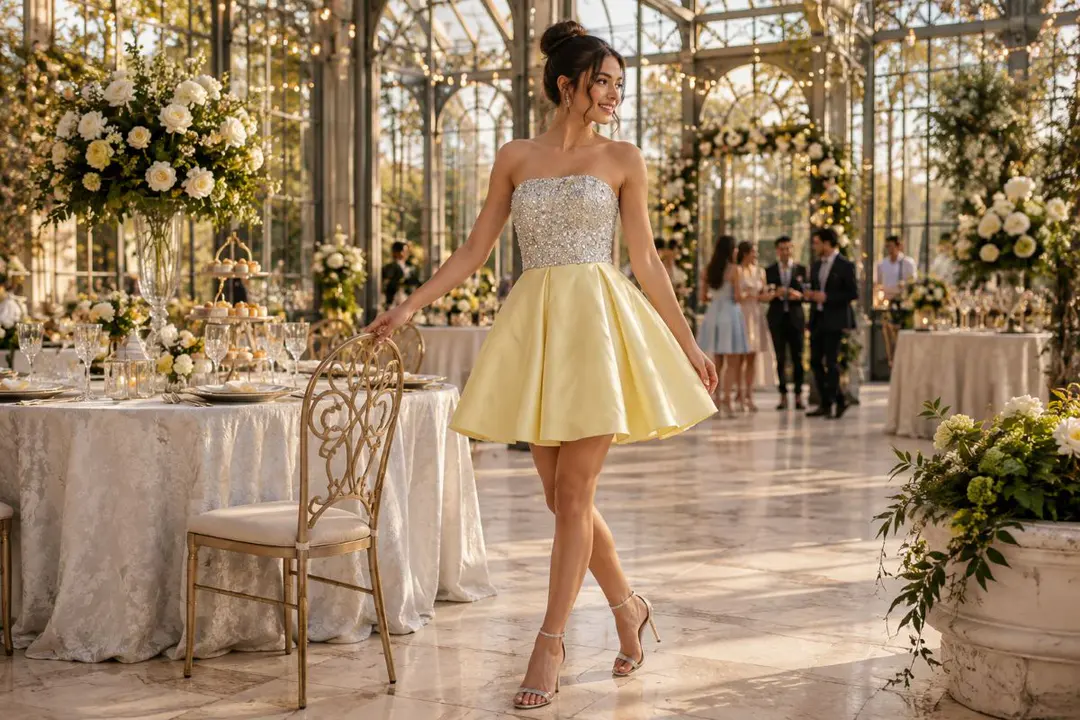
Girls' formalwear sizes follow measurements, not age, and children the same age can span three sizes, so a measuring tape beats the label. Measure chest, waist, and shoulder-to-knee, then buy against the chart. When she lands between sizes, take the larger one: waists on party dresses are easy to nip, hems are easy to raise, and both alterations reverse as she grows. Adjustable features earn their keep here, sash ties, corset-style lacing, and elasticated backs all extend a dress across a full season of parties. One honest note on timing: for a fixed-date event like a bat mitzvah season or a milestone birthday, order six to eight weeks ahead, because popular girls' sizes sell through fastest and rushing a replacement is nobody's favorite errand.
Let Her Pick the Winner
The most reliable trick in the entire category costs nothing: parents set the shortlist, the girl makes the final call. Choose three dresses that all pass your occasion, comfort, and budget checks, then hand her the decision. A dress she chose gets worn proudly, photographed happily, and requested again; a dress she was handed gets negotiated at every wearing. Style preferences show up early and deserve the respect, and for the girl edging toward the teen celebrations, letting her browse the sweet 16 dresses range for inspiration tells you exactly where her taste is heading. Finish the outfit at her energy level: shoes she can run in, a cardigan or shrug for cold venues, and nothing that needs adult-level maintenance.
When the Party Turns Formal
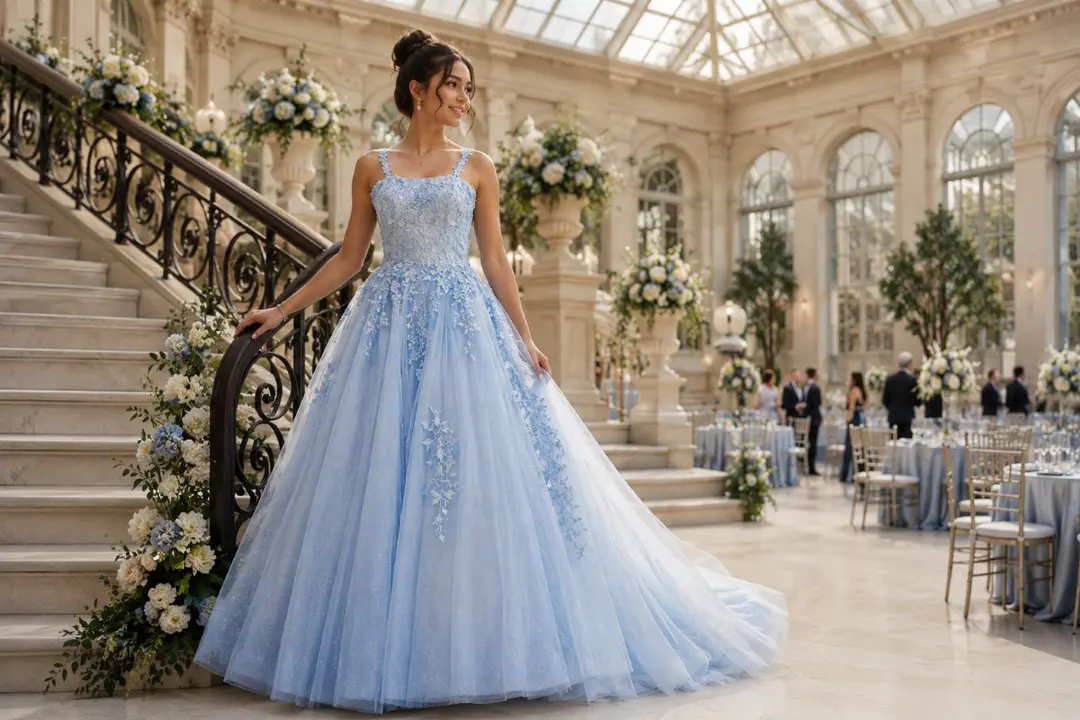
Some invitations outrank the party category: a formal wedding, a gala-style family event, a ceremony where she stands in photos with adults in gowns. That is the moment to move from party dresses to true formal dresses for girls, longer lengths, richer fabrics, and construction closer to eveningwear.
Our roundup of standout picks for girls' formal occasions covers that upper tier.
The graduation milestone has its own tradition as well, mapped in our guide to 8th grade graduation dresses.
Knowing where the party category ends keeps both wardrobes honest: play-proof dresses for celebrations, occasion pieces for ceremonies, and no single dress asked to do both jobs badly.
Frequently Asked Questions
What should a girl wear to a birthday party?
For a friend's party, a knee-length dress in a washable, comfortable fabric she can play in, with flat shoes. For her own birthday, step it up to the dress she loves most that still passes the twirl and comfort tests, since she will be in every photo.
Can a girl wear white to a wedding?
Follow the adult rule at a junior scale: white and near-white stay reserved for the bride, with the single exception of a flower girl dressed by the couple's choice. Every other color, print, and sparkle is open to a young guest.
How do I know a party dress will be comfortable?
Run three checks in the store: hand inside the bodice and armholes for scratchy sequin edges or seams, arms-up reach to see if the dress rides or pulls, and a sit-down test. A full lining and wide, secure straps predict a happy evening better than any fabric name.
Should I size up in girls party dresses?
Measure first and buy by the chart; when she falls between sizes, go up. Taking in a waist or raising a hem is simple, and adjustable backs and sash ties stretch one dress across months of growth. Sizing down for a snug fit is the one move that never ages well.
What is the difference between a party dress and a formal dress for girls?
A party dress is built for celebrations she moves through, shorter, washable, play-tolerant. A formal dress is built for ceremonies she is photographed at, longer, richer fabric, closer to eveningwear construction. Matching the dress to the job keeps both getting worn.
The Dress That Keeps Up
Girls party dresses earn their keep when they match the occasion, pass the comfort checks, and leave room to grow, with the final pick made by the girl herself from a parent-approved shortlist. Get those pieces right and the dress becomes what it should be, the thing she remembers twirling in rather than tugging at. To run the lining and twirl tests on real dresses in her size, visit an authorized Jovani retailer together before the next invitation arrives.