
Pageant Dresses: A Complete Wardrobe Plan for Every Round
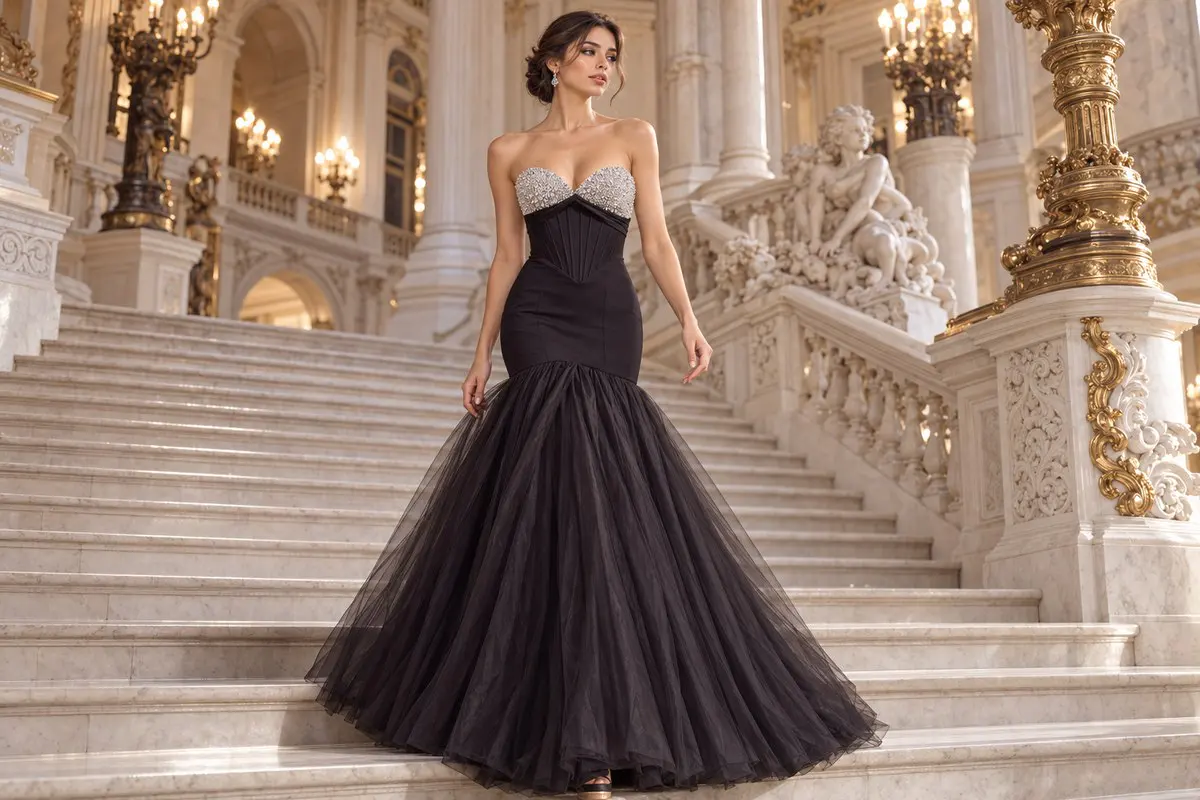
The best pageant dresses serve different jobs throughout a competition. An evening gown needs to support movement and stage presence, while an interview outfit should let the contestant communicate comfortably. Start with the pageant handbook, plan each required look, and schedule fittings before rehearsals. A coordinated wardrobe is more useful than a collection of individually impressive outfits.
Start With the Pageant Rules, Not the Dress Rack
Before choosing fabrics or colors, identify exactly which events require a different outfit. Pageant systems vary by division, scoring format, and wardrobe rules. Some include fun fashion, talent, or a prescribed opening number; others do not. Never assume that an outfit accepted at one event will meet another event’s requirements.
Create one wardrobe worksheet with the round, dress code, venue, movement requirements, change time, and outfit status. Compare the worksheet against the official contestant packet and ask the organizer about anything unclear. Keep the pageant dresses collection as a place to review formal options after those requirements are confirmed, rather than using a product category to determine the rules.
What Should You Wear for Each Pageant Round?
Each round has a different practical purpose. The evening gown frames stage presentation, the interview supports conversation, and fun fashion allows more expressive movement where the system permits it. The right outfit is the one that fits the assigned segment and stays comfortable through the actual activity.
Evening Gown: Prioritize Movement and Presence
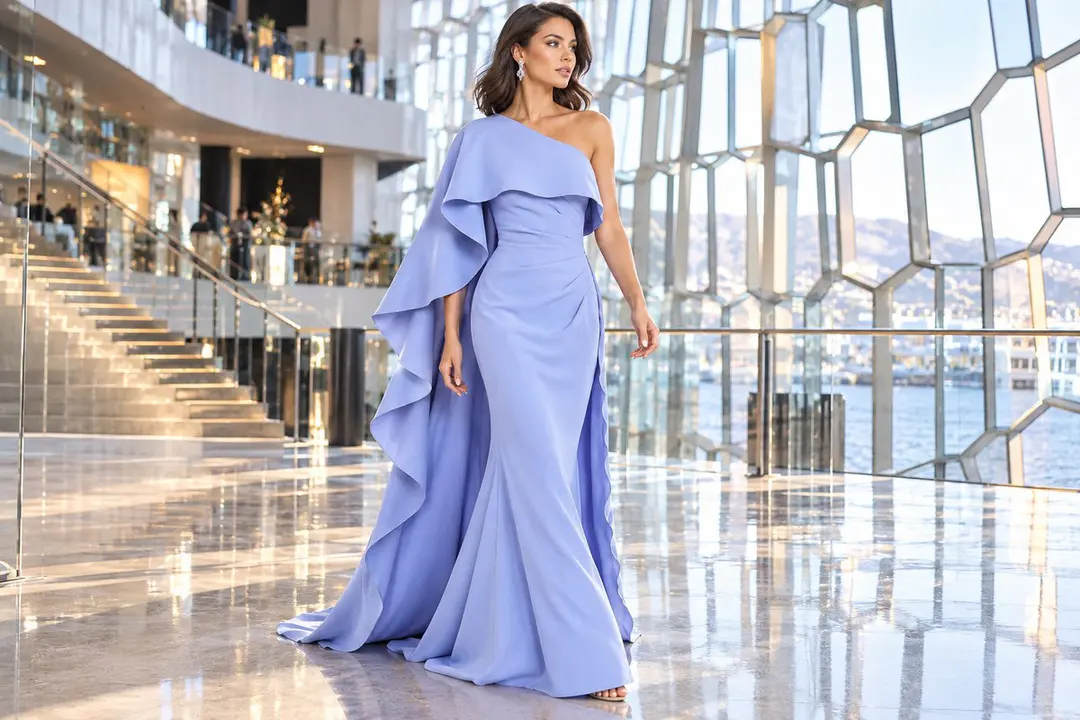
For a formal gown segment, shortlist dresses that allow a controlled walk, turns, and standing poses. Test the hem with competition shoes. Check that straps, lining, and closures remain secure while walking. A heavy train or restrictive skirt deserves rehearsal time, not an assumption that it will behave on stage.
Use Evening Dresses to compare formal silhouettes, then check any finalist for comfort under the stage conditions you can realistically test. Select a gown because it works for the contestant, not because a particular embellishment or color is presumed to earn points.
Interview: Make Conversation the Focus
An interview look should permit sitting, standing, and natural gestures without constant adjustment. Consider a tailored dress or another polished option allowed by the rules. Test the neckline and hem while seated, since a fitting-room mirror does not reproduce the interview setting.
The Pageant Interview Dresses category offers a starting point for this distinct round. For detailed silhouettes, lengths, and styling decisions, see Jovani’s pageant interview styling guide rather than treating the interview as a shorter version of the evening gown segment.
Fun Fashion: Dress for the Specific Format
Fun fashion may call for energetic walking, a themed presentation, or a broader range of shapes. Confirm whether the organizer limits hemlines, footwear, accessories, or costume elements. Choose pieces that hold their shape during the planned routine and avoid accessories that obstruct the contestant’s hands or stride.
A coordinated option can draw from Cocktail Dresses where the rules permit. The separate fun fashion round guide examines this segment in greater detail, including its creative possibilities. This pillar focuses on deciding where the look fits within a complete wardrobe plan.
Make the Different Looks Work Together
A cohesive pageant wardrobe does not require matching colors or identical silhouettes. It requires deliberate choices that express the contestant’s personality without compromising each round’s purpose. Set a shared standard for fit, finish, and comfort, then allow every event to have its own visual emphasis.
Build Around the Contestant and Division
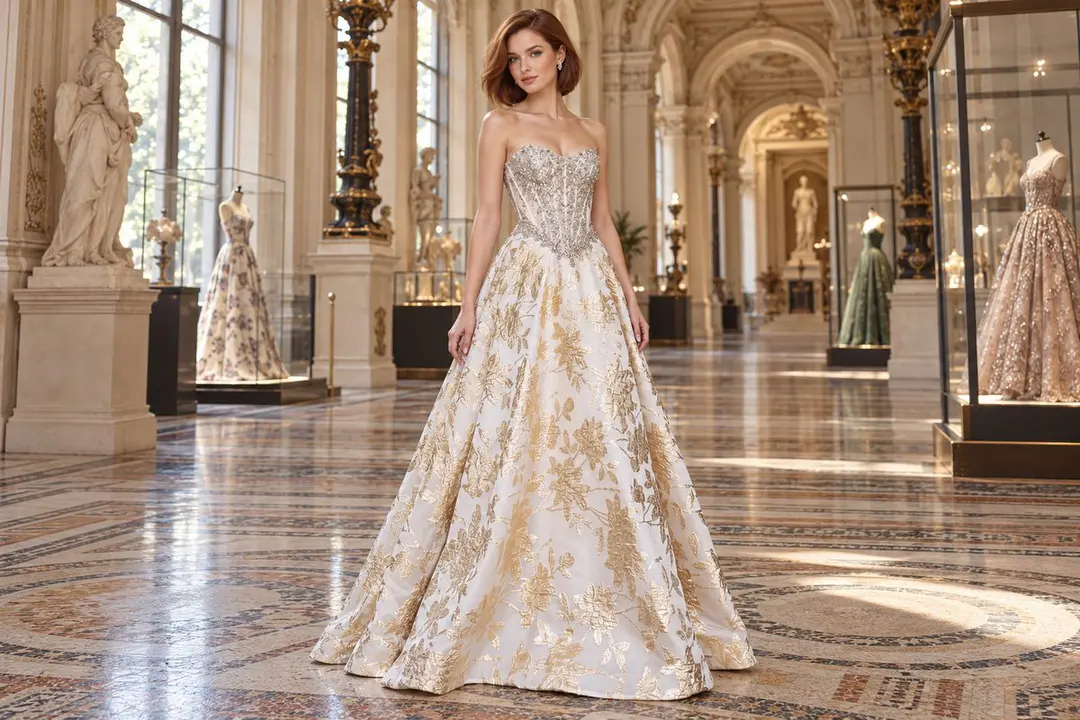
Start with the age division, event guidelines, and the wearer’s comfort. A teen contestant may need a different degree of coverage or a different presentation from a Miss division contestant. These are context-sensitive decisions, not universal rules about which silhouettes a certain age must wear.
If a deeper color suits the performance plan, compare black pageant dresses alongside other options and assess the actual result in person. Lighting, fit, posture, and confidence matter more than treating any one shade as a guaranteed advantage.
Separate Style Inspiration From Required Outfits
Keep a shortlist of ideas for each round, but avoid buying around a seasonal trend before the rules and schedule are settled. Trends can inspire a neckline, texture, or finishing detail. They should not dictate the entire wardrobe. For current style inspiration, use the dedicated article on winning pageant dress trends; this guide stays focused on planning and execution.
How Do You Test a Pageant Wardrobe Before Competition?
Test every required outfit in the conditions that resemble its actual use. An attractive dress that slips during turns, bunches while seated, or takes too long to fasten creates an avoidable problem. A rehearsal should reveal those issues early enough to correct them.
Run a Full Movement Check
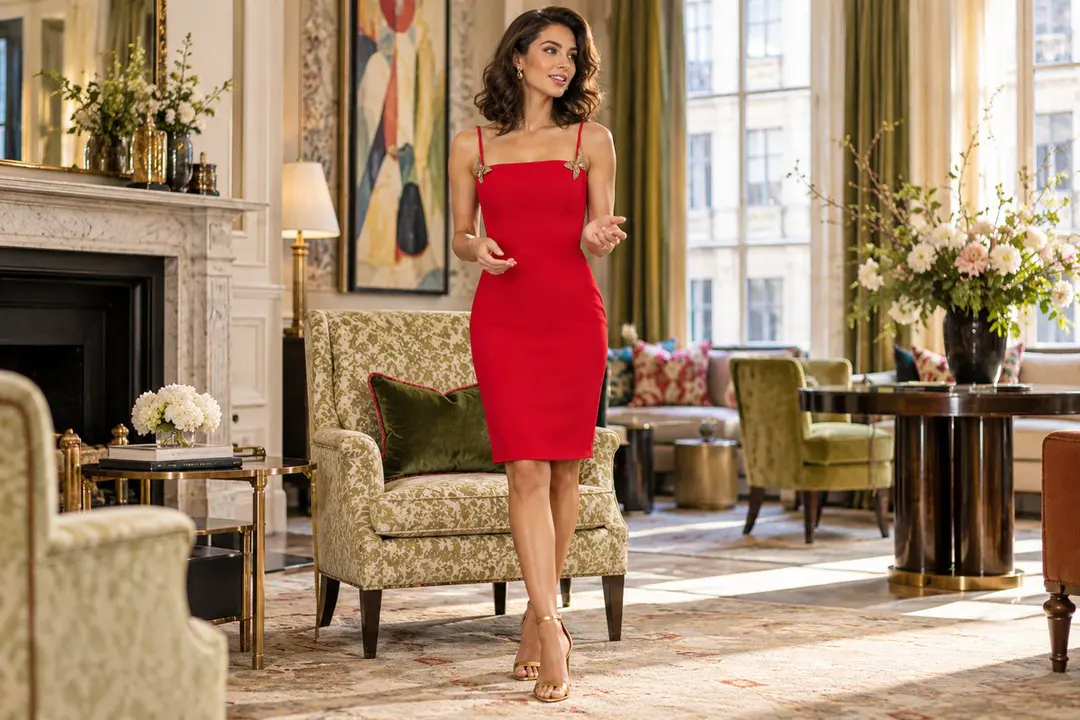
Wear the exact shoes and foundation garments planned for the round. For gowns, walk, turn, climb a step, and stand still. For interviews, sit, cross or reposition your legs as appropriate, stand, and gesture while speaking. For fun fashion, practice the approved presentation sequence at normal speed.
Rehearse the Change Between Rounds
Time the change from the previous outfit, including accessories, footwear, and hair adjustments. Identify which fastenings need assistance. If the schedule is not yet published, prepare a conservative change plan and revise it when the organizer confirms the running order.
Create a Pageant Preparation Timeline
A practical timeline protects alteration time and reduces last-minute decisions. Start as soon as the official requirements are available. The sequence below is adaptable rather than a universal countdown, since shipping windows, retailer appointments, and event schedules differ.
• Requirements stage: collect the official rules, round list, and required color or sponsor instructions.
• Selection stage: book appointments and compare outfits by round, movement, fit, and total cost.
• Fitting stage: leave time for alterations and at least one complete follow-up try-on.
• Rehearsal stage: practice each round in its final outfit and record any discomfort or handling problems.
• Packing stage: label looks by round and prepare shoes, accessories, garment care items, and a backup plan.
Budget for the Entire Wardrobe
Allocate money across required outfits, tailoring, shoes, accessories, and care rather than spending the full amount on one gown. An outfit that needs extensive alteration may cost more overall than another option with a better initial fit. Factor in return policies and lead times before committing.
A backup does not have to mean a second expensive formal gown. Depending on the event rules, it may mean spare closures, matching undergarments, an approved alternate accessory, or enough repair supplies to handle a minor issue. Keep the contingency proportionate to what could reasonably go wrong.
Keep Styling and Packing Simple
Photograph each final look with its accessories and shoes. Store the images on a phone and share them with anyone assisting backstage. Put smaller items in clearly labeled pouches and keep delicate embellishment away from hardware that could snag it. Follow each garment’s care label rather than applying a generic steaming method.
Before competition day, confirm that the contestant can independently explain which pieces belong to each round. This simple check prevents a beautifully coordinated wardrobe from becoming a backstage guessing exercise.
When the plan and fittings are ready, visit an authorized Jovani retailer to try on options that meet your pageant’s requirements.
Frequently Asked Questions
How many pageant dresses do I need?
Start with one outfit for every round that requires a distinct look. Check the contestant handbook before buying extras because some systems reuse the evening gown for an on-stage question or crowning segment.
Can I wear the same gown for two rounds?
Yes, if the pageant rules allow it and the gown suits both activities. Confirm whether the rounds have different dress codes, movement demands, or timing constraints before planning a repeat.
When should I schedule pageant dress alterations?
Schedule the first fitting as soon as the outfit and competition shoes are available. Leave enough time for a follow-up fitting and full rehearsal before the event; the exact window depends on the tailor and garment.
Should all my pageant outfits be the same color?
No. Choose each color for the round, venue, lighting, and contestant rather than requiring a matching palette. Consistent fit and thoughtful presentation can make different colors feel cohesive.