
The Complete Parent's Guide to Formal Dresses for Girls and Tweens
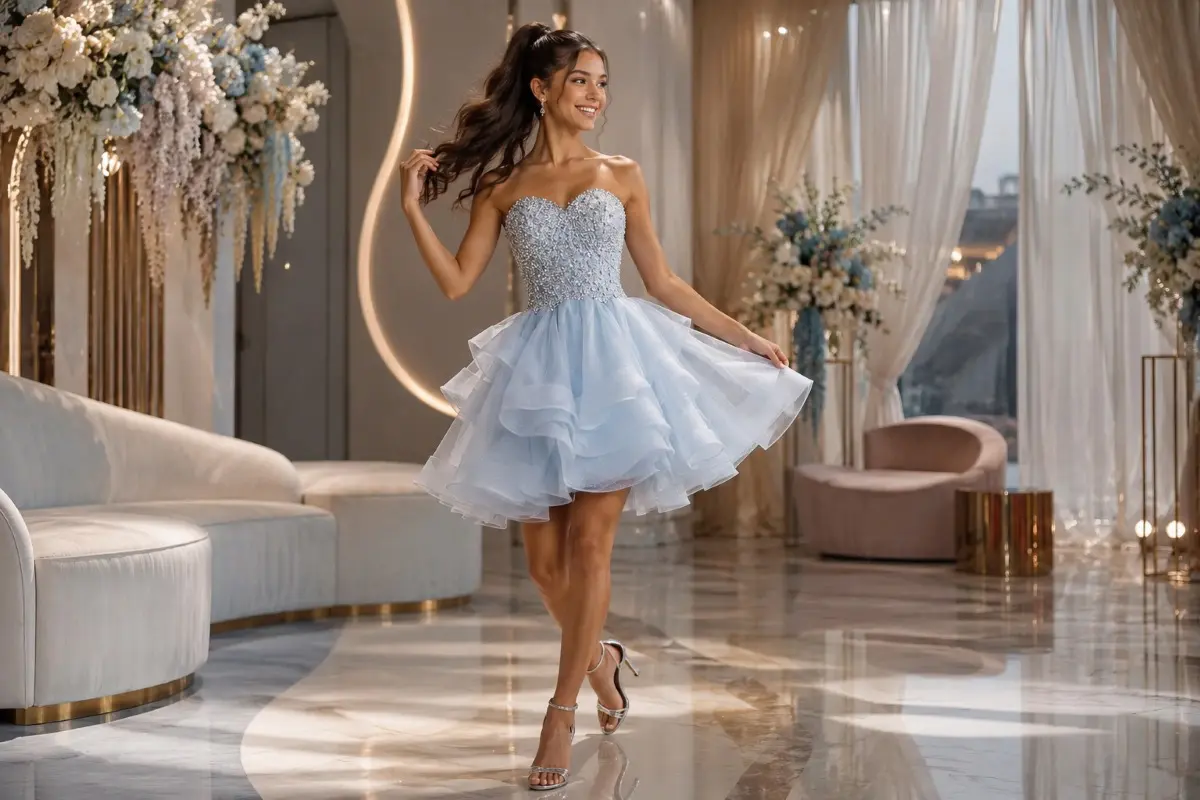
Shopping for a formal dress for your daughter sounds simple until you are standing in a store, or scrolling online at night, trying to balance what she loves, what fits, what the occasion calls for, and what you are comfortable spending. Children grow quickly, formal occasions arrive with little notice, and a dress that looks lovely on a hanger can turn out to be itchy, stiff, or impossible to move in. This guide is written for the parent doing that work. It focuses on the practical side of choosing formal dresses for girls and tweens, the things that actually matter once you get past the first pretty picture: how to handle sizing and growth, how to judge comfort, which fabrics behave, how to think about budget, and how to involve your child so she feels good about the final choice. The goal is a dress she is happy in and you feel right about, for whatever occasion is coming up.
Start with the occasion, then the dress
The most useful first step is also the easiest to skip. Before looking at a single dress, get clear on what the event actually is, because the occasion sets nearly everything else, from the formality to the length to the practicality the dress needs.
A 10 to 14 year old has a busier formal calendar than many parents realize. In a single year she might be a flower girl at a family wedding, attend a friend's bat mitzvah, compete in a pageant, celebrate her own birthday with a formal party, attend a quinceañera, or walk across a graduation stage. Each of these has a different level of formality and a different visual context. A flower girl dress needs to coordinate with the wedding and allow easy movement down an aisle. A graduation dress needs to work under a gown and look polished from the front. A party dress can be more playful. Knowing the occasion first stops you from falling for a dress that is beautiful but wrong for the event. A well-organized girls' collection is arranged around exactly these real occasions, which makes it easier to start from the event rather than from a random style. For a broader look at matching style to occasion, our guide to charming girls' formal dresses is a helpful companion.
The sizing challenge: dressing a growing child
Sizing is the single biggest practical headache when buying formal dresses for girls, and it is worth real attention because children change shape faster than the calendar suggests. A dress bought too far in advance can fit very differently by the event date.

Measure, do not guess
Children's clothing sizes are not consistent across brands, and a child's age is a poor guide to her formal size. The reliable approach is to take her actual measurements, the bust, the waist, the hips, and the height, and compare them to the specific size chart for the dress you are considering. Measure close to the time you order rather than relying on a number from months ago.
Plan for growth, but do not oversize
It is tempting to size up so the dress lasts, but a formal dress that is too big looks and feels wrong, with straps that slip and a bodice that gapes. A better approach is to buy close to her current size and build in a little room through smart choices. If the event is several months away, lean toward styles that are more forgiving of small changes. If two measurements fall in different sizes, order to the larger one and have the dress taken in, since a tailor can adjust a formal dress that is slightly large far more easily than one that is too small.
Leave time for alterations
Most formal dresses benefit from minor alterations, and for a growing child the hem and straps in particular may need adjusting close to the event. Order with enough lead time that a quick alteration is possible without panic. Building in a few weeks of buffer removes most sizing stress.
Comfort comes first for a child
An adult might endure an uncomfortable dress for one evening. A child will not, and she should not have to. If a dress is itchy, too tight, or hard to move in, she will be miserable, and it will show in every photograph. Comfort is not a compromise on elegance for a young girl, it is the foundation of her looking and feeling good.
When you assess a dress, think about what she will actually do in it. She will sit, run, play, hug relatives, eat, and very likely dance. The dress needs to allow all of that. Check that she can raise her arms easily, sit down comfortably, and walk in a natural stride. A bodice that is too stiff or a waistband that digs in will bother her within minutes. Pay attention to the inside of the dress as much as the outside, since rough seams, scratchy net linings, and stiff zippers are the usual culprits behind a child fidgeting all day. A smooth lining makes an enormous difference. For younger girls especially, freedom of movement should be near the top of your list, which is why softer fabrics and shorter lengths often work best for the youngest ages. The advice in our piece on short styles for younger girls reflects this, since shorter, softer dresses let a child move freely while still looking polished.
Choosing fabrics that behave
Fabric decides comfort, durability, and how a dress survives a long, active day, so it deserves more attention than it usually gets. For a child, the right fabric is the one she forgets she is wearing.
- Chiffon and organza. Light, soft, and airy, these are excellent for flower girl dresses and warm-weather events. They move beautifully and never feel heavy.
- Soft tulle. Lovely for a full, twirly skirt that delights younger girls, but check that it sits over a smooth lining so it does not scratch the legs.
- Structured satin. Gives a more formal, polished look that holds its shape, well suited to older girls and dressier occasions. Look for a soft-finish satin rather than a stiff one.
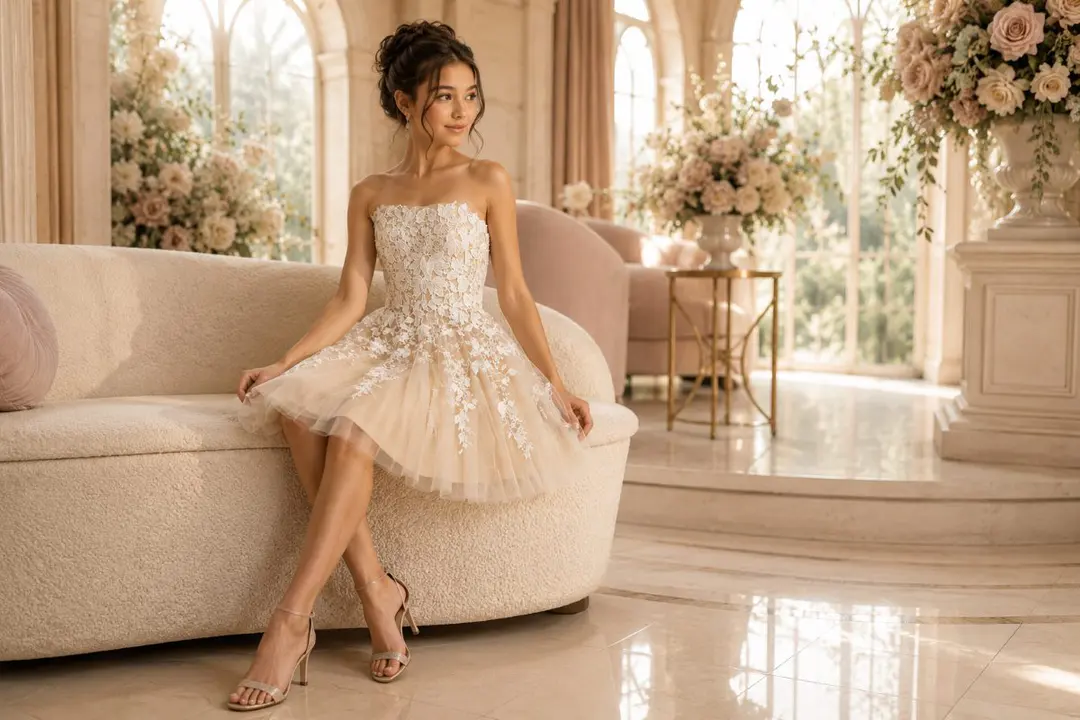
- Lace. Pretty and timeless, and forgiving of minor creasing, but it must be lined so it feels smooth against the skin rather than rough.
The fabrics to be cautious with are heavy, stiff materials that restrict movement and unlined nets that scratch. A practical test when shopping in person is to feel the inside of the dress with your hand. If it feels rough to you, it will feel worse to a child wearing it all day. Durability matters too, since a formal dress for a child often needs to survive sitting on the floor, playing, and the general energy of a young guest.
Keeping it age-appropriate
This is a priority for most parents, and rightly so. A formal dress for a young girl should let her look lovely and feel special while remaining entirely appropriate for her age. The aim is a dress that celebrates childhood, not one that imitates adult eveningwear.
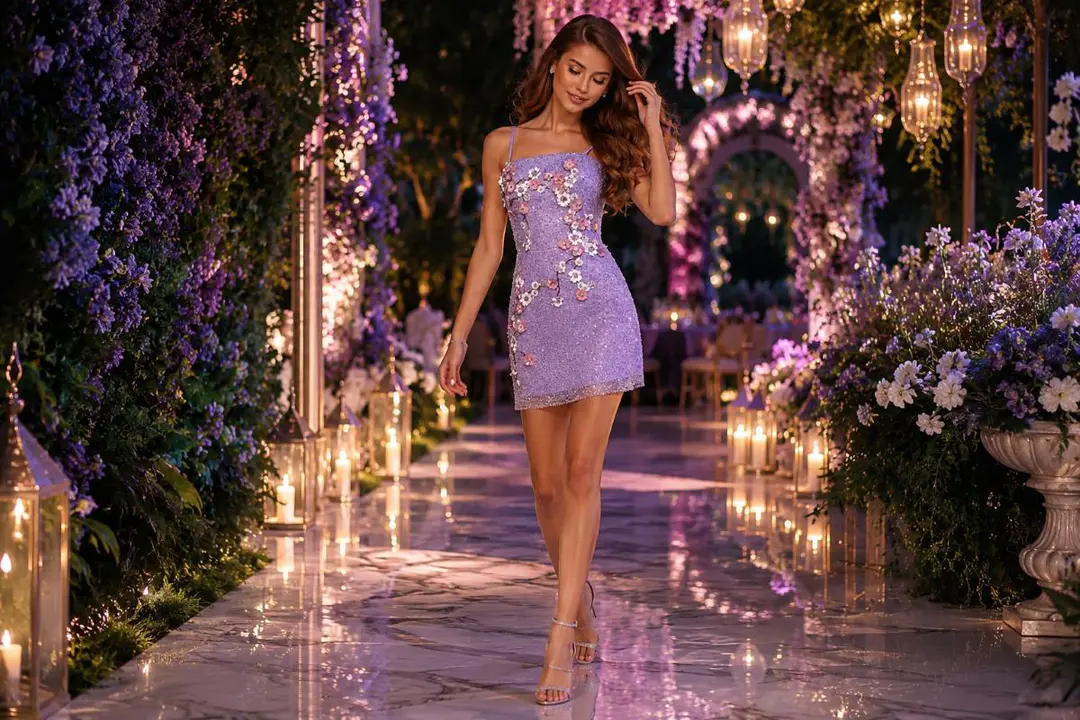
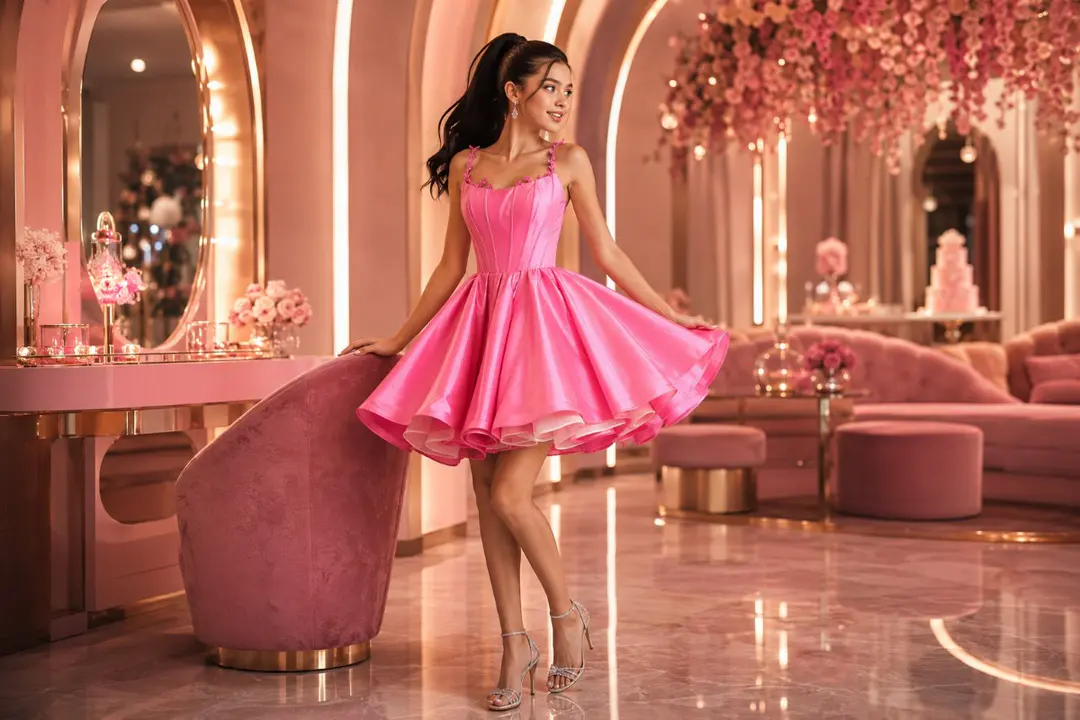
In practice, this means favoring designs made for her age rather than miniaturized adult styles. Look for comfortable necklines, straps that provide real coverage and stay in place, and lengths suited to a child's activity. A dress should let her run and play without anything slipping or riding up. Sweet, age-appropriate details, soft colors, gentle sparkle, floral appliqué, a full skirt she can twirl in, are what make a young girl feel wonderful, and they are exactly what a well-designed girls' collection focuses on. The best formal dresses for girls are built around childhood joy and confidence, with quality construction that holds up to real wear. When a dress is designed specifically for her age, age-appropriateness takes care of itself, and you can focus on the parts she cares about, like the color and the way the skirt moves.
Thinking about budget and value
Formalwear adds up, especially when a child may only wear a dress once or twice before growing out of it. A clear-eyed approach to budget helps you spend well rather than simply spending less.
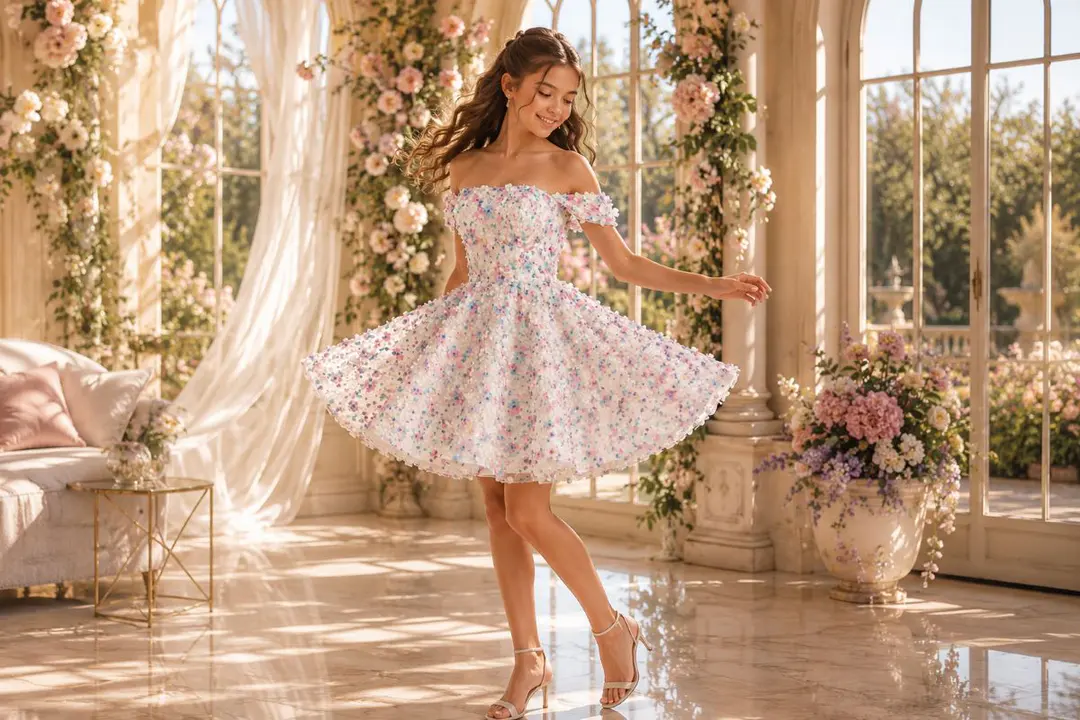
Value is not the same as the lowest price. A very cheap dress in poor fabric often looks it, photographs poorly, and falls apart, which is a false economy for an event you will remember. At the same time, you do not need the most expensive option. The sensible middle is a well-made dress in a quality fabric at a price that makes sense for how often she will wear it. A few practical ways to get value: choose a versatile style and color she could wear to more than one occasion, factor in the cost of any alterations and accessories when you set your budget, and consider that a quality dress can sometimes be kept for a younger sibling. For a child with several formal events in a year, a single adaptable dress that suits a few of them stretches your budget further than buying something new each time.
Involving your child in the choice
A dress your daughter helped choose is a dress she will be happy to wear. Bringing her into the decision, within sensible limits, makes the whole experience better for both of you and avoids the standoff of a child who dislikes what was picked for her.
The approach that works best is to set the boundaries first, then give her real choices within them. You decide the occasion, the budget, and the appropriate level of formality and coverage. Within those limits, let her have genuine say over the things she cares about most, usually the color, the level of sparkle, and how the skirt feels. Offering a curated shortlist of two or three suitable options is often easier than an open-ended search, since it gives her ownership without overwhelming her. Many children love being part of the hunt, and letting her try styles on and tell you how they feel turns a chore into a shared moment. Her comfort feedback is also genuinely useful, since she is the one who will be wearing it, and a child will tell you very honestly if something itches or pinches.
Matching the dress to specific occasions
With the practical foundations covered, it helps to think briefly about how the right choice shifts across the events a girl is most likely to attend. Each has its own expectations.
For a wedding as a flower girl, the dress should coordinate with the bridal party and allow easy movement, with soft fabrics and often a shorter length for younger girls. For a bat mitzvah, the dress should be appropriate for both a service and a celebration, and the styles among bat mitzvah gowns are designed with that balance in mind. For a graduation, a clean, polished dress that looks good under or alongside a gown works best, and the graduation dresses selection focuses on exactly that. For a formal birthday or a Sweet 16, an older girl may want something more standout, and our guide on choosing a sweet sixteen party dress walks through it. For a family quinceañera as a guest, a dressy but not competing look is the goal, and the quinceanera dresses collection helps coordinate with the celebration's tone.
Caring for the dress before and after the event
A formal dress for a child often sits in a closet for weeks before the event and may be kept afterward, so a little care protects your investment and keeps the dress looking its best on the day.
Before the event, hang the dress rather than leaving it folded, since creases set into formal fabrics and can be hard to remove from a delicate material. If it does need freshening, the steam from a hot shower releases light creases from most fabrics without the risk an iron poses to tulle or fine synthetics. Keep the dress in a garment bag to protect it from dust and snags, especially if there are younger siblings or pets at home. On the day itself, dress your child as close to leaving as is practical, since a child in a formal dress for hours before an event tends to find every opportunity to crease or mark it.
After the event, deal with any marks promptly rather than letting them set, and follow the care label rather than assuming a formal dress can be machine washed, since many cannot. If you plan to keep the dress for a younger sibling or as a keepsake, store it clean, in a breathable garment bag, away from direct light that can fade color over time. A quality dress cared for this way can genuinely serve a second child, which is part of what makes spending a little more on construction worthwhile. The same care thinking applies to dressier milestone pieces an older girl might wear, such as the styles among sweet sixteen gowns, where the dress is often kept long after the celebration.
About formal dresses for girls FAQ's
How do I find the right size formal dress for my daughter?
Take her actual measurements, the bust, waist, hips, and height, close to the time you order, and compare them to the specific size chart for that dress rather than relying on her age. If two measurements fall in different sizes, order the larger and have the dress taken in, since altering down is easier than letting out.
How far in advance should I buy a girl's formal dress?
Order with enough time for shipping and a round of alterations, but be cautious buying many months ahead, since children grow quickly and the fit can change. A few weeks of buffer before the event is ideal, allowing for hem and strap adjustments without any last-minute panic.
What makes a formal dress comfortable for a child?
A comfortable dress lets her raise her arms, sit, and walk naturally, with a smooth lining and no rough seams or scratchy net against the skin. Softer fabrics and an appropriate length help, and for younger girls, freedom of movement should be a top priority so she can play and dance without anything slipping.
How do I keep a girl's formal dress age-appropriate?
Choose designs made for her age rather than scaled-down adult styles. Look for comfortable necklines, straps that give real coverage and stay in place, and lengths suited to an active child. Sweet details like soft colors, gentle sparkle, and a twirly skirt are what make a young girl feel special and appropriate.
What fabrics are best for girls' formal dresses?
Chiffon and organza are light and airy and good for flower girl and warm-weather events. Soft tulle gives a full skirt, satin offers a polished look for older girls, and lace is timeless. Whatever you choose, make sure it is lined so it feels smooth, and avoid stiff, heavy fabrics that restrict movement.
How do I involve my daughter without losing control of the decision?
Set the boundaries first, the occasion, budget, and appropriate level of formality, then give her real say within them over things like color and the feel of the skirt. Offering a shortlist of two or three suitable options gives her ownership of the choice without an overwhelming, open-ended search.
When you are ready to find a comfortable, age-appropriate dress for her next special occasion, explore the full girls' formal dress collection through an authorized Jovani retailer.