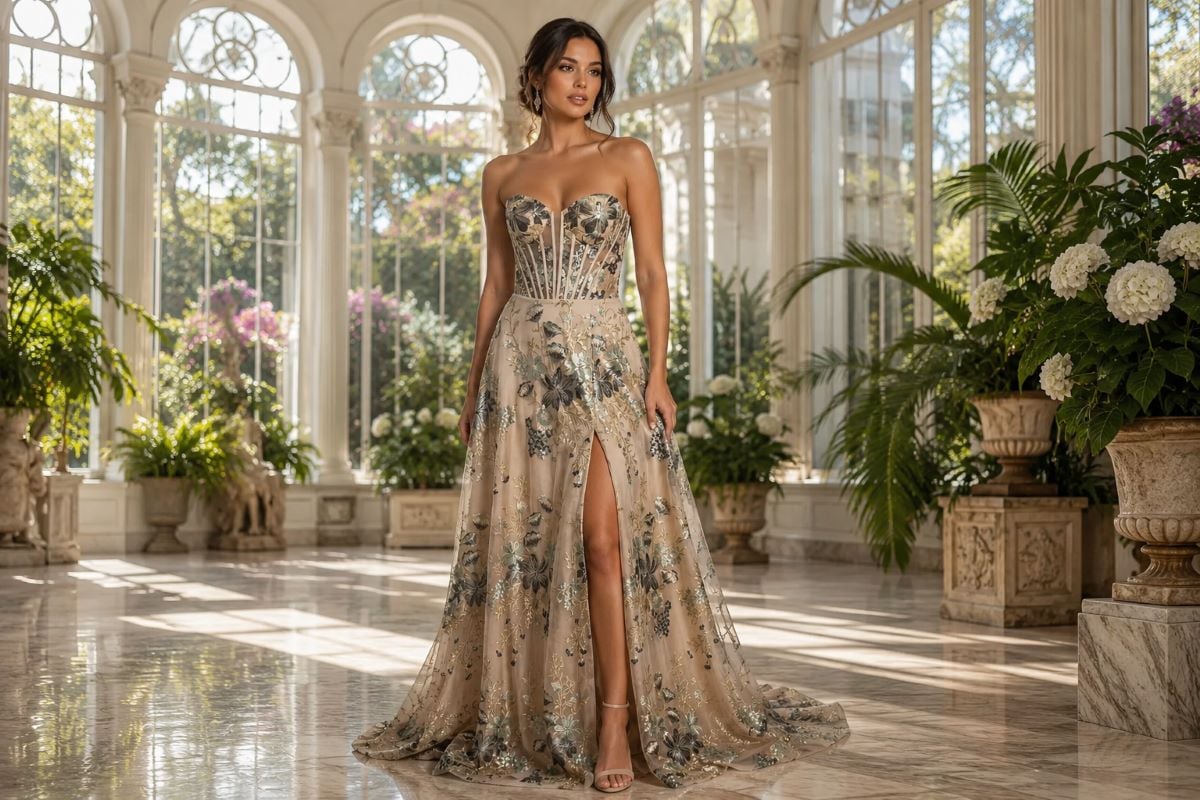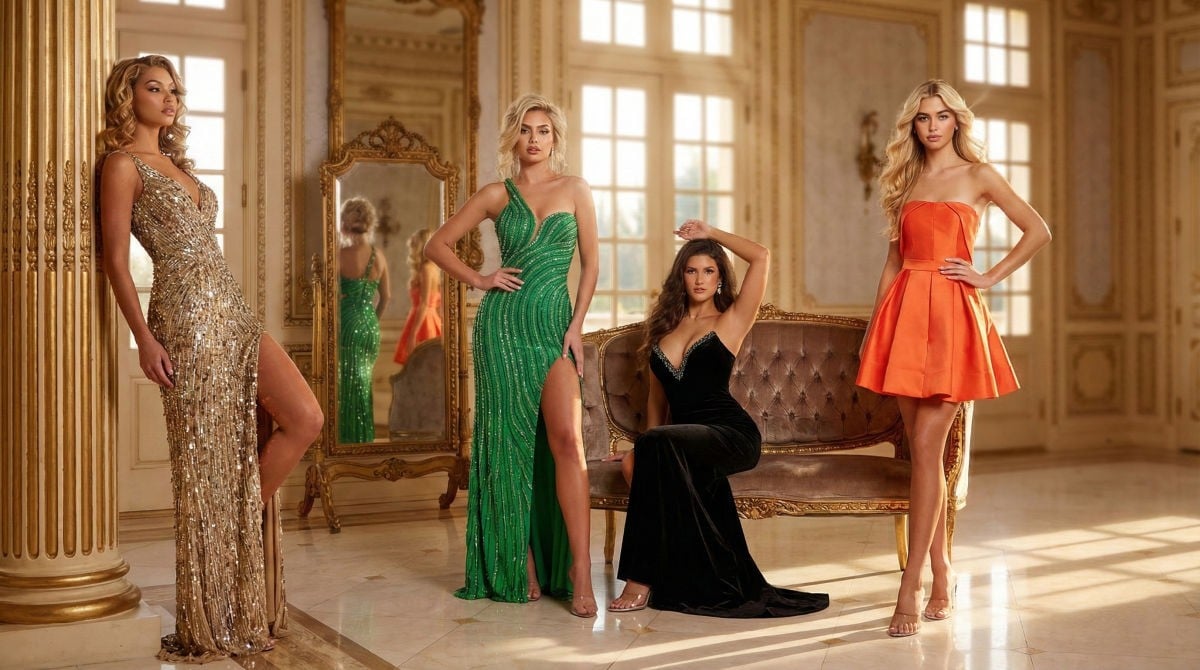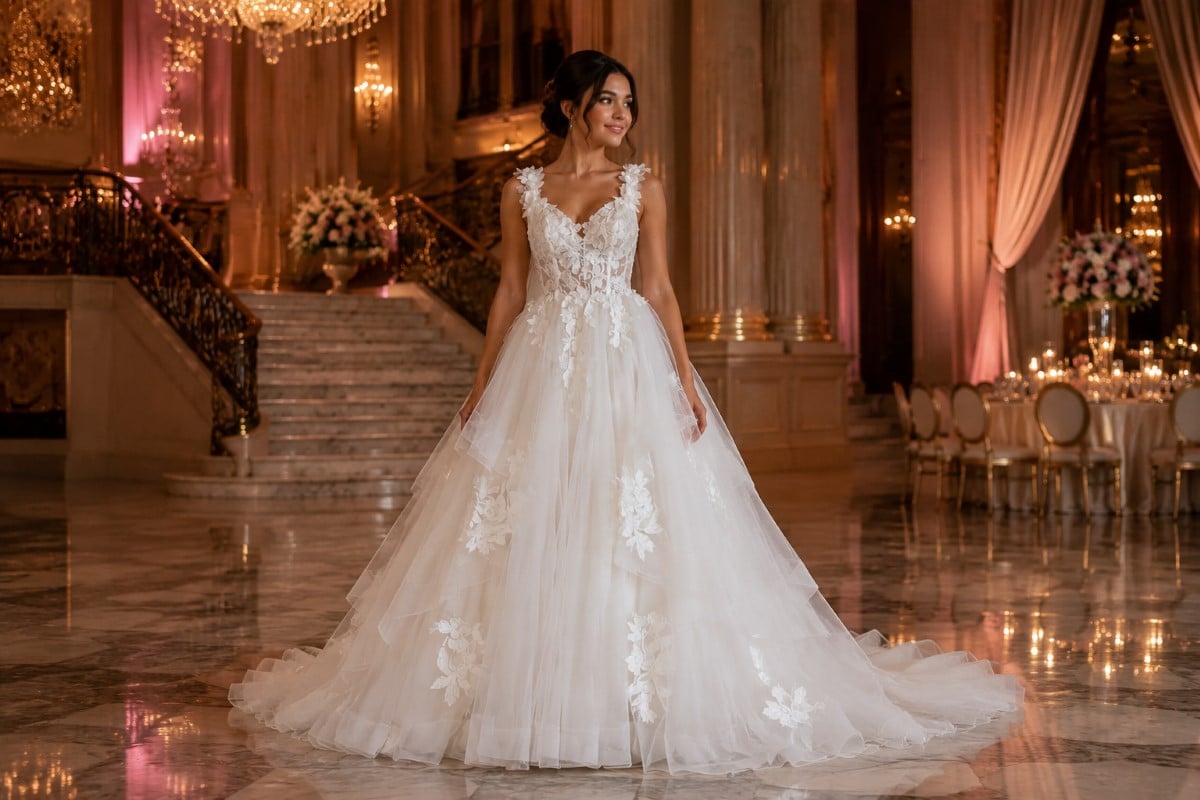

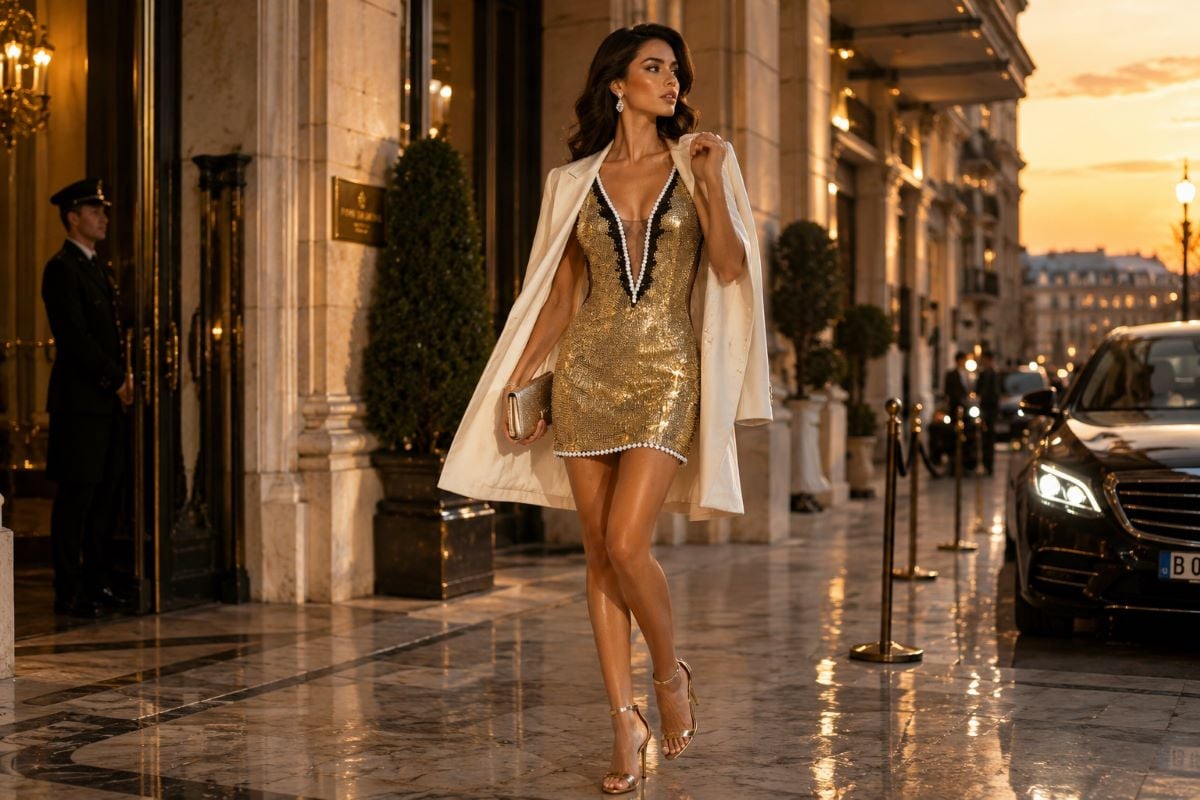
There is a unique sense of power that comes from wearing a perfectly chosen outfit. When you walk into a room feeling confident, comfortable, and undeniably elegant, your entire posture changes. At the center of this sartorial confidence is the cocktail dress—a foundational piece in any sophisticated wardrobe. Knowing exactly how to style a cocktail dress is a true art form. It is the delicate balance between the garment itself and the careful curation of accessories, footwear, outerwear, and beauty choices.
Whether you are preparing for a romantic anniversary dinner, a high-stakes corporate gala, or a vibrant holiday celebration, the way you pull your look together dictates the impact you make. Styling is not just about putting expensive pieces together; it is about creating a cohesive, intentional narrative. As a leader in luxury eveningwear design, Jovani understands that stepping into a beautiful dress is only the beginning of your look. The true magic happens when you infuse your personal aesthetic into the ensemble. This comprehensive guide will walk you through the precise nuances of formal event styling, ensuring you look polished, appropriate, and unforgettable for absolutely any occasion.
Understanding the Dress Code: What “Cocktail” Truly Means
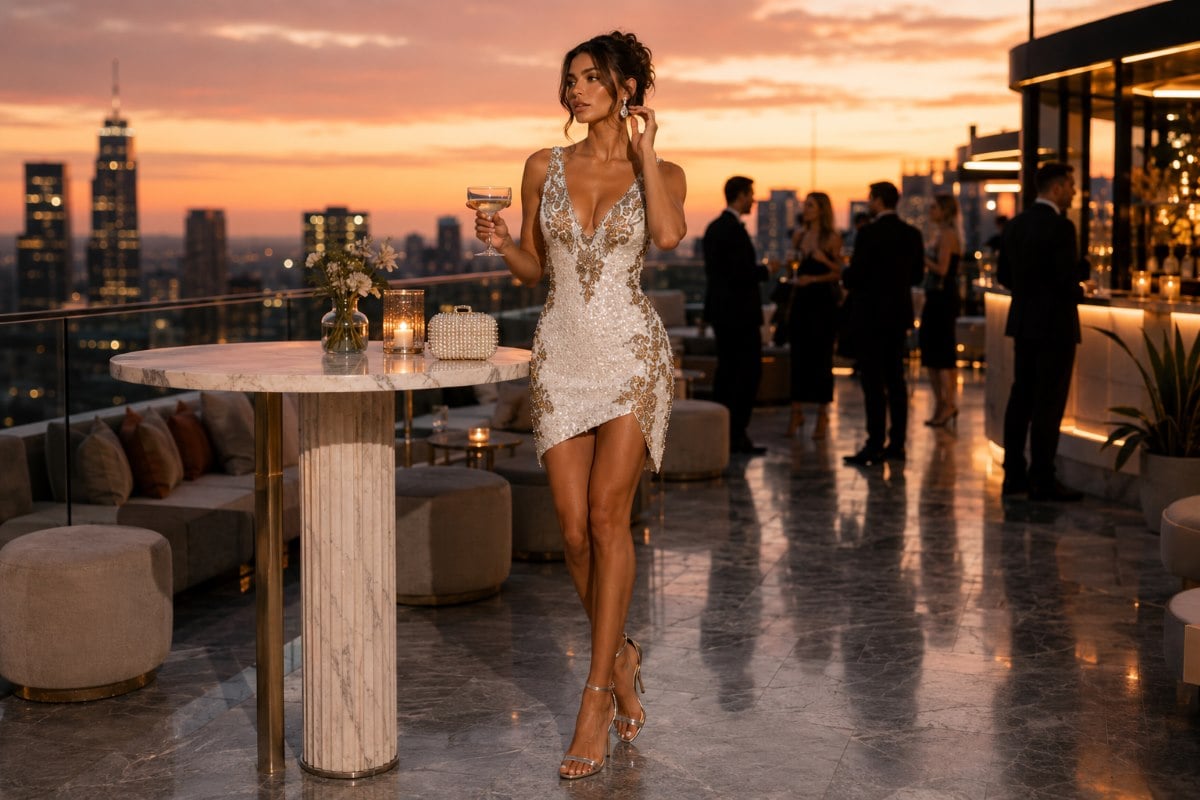
Before you can determine how to style a cocktail dress, you must first understand the environment and expectations of the event you are attending. The invitation sets the tone, and navigating modern dress codes can sometimes feel like translating a foreign language. When an invitation specifically requests cocktail attire for women, it generally signals a harmonious blend of formal elegance and relaxed celebration. It is a distinct step above your everyday office wear, yet not quite as rigid or opulent as a black-tie mandate.
The History and Evolution of the Dress Code
Historically, this specific dress code emerged in the late 1940s and early 1950s, championed by visionary designers who wanted to bridge the gap between daytime practical wear and heavy, opulent evening gowns. Society was modernizing, and women needed a garment suitable for early evening gatherings—often featuring drinks and hors d’oeuvres—that did not require the floor-sweeping volume of a traditional ballgown. Today, that legacy translates to garments that are sophisticated, celebratory, and meticulously tailored to empower the modern woman.
Modern Interpretations and Venue Context
The length is traditionally shorter than a full evening gown, hovering around the knee, the mid-calf (midi), or just slightly above the knee. However, the exact styling requirements shift dynamically depending on the time of day, the specific venue, and the host’s vision. When you style this type of garment, your ultimate goal is to look refined without appearing overdone.
If you are attending a daytime reception, such as an afternoon garden party or a bridal luncheon, your styling choices should lean toward light, fresh, and approachable aesthetics. If the event is an evening affair at a luxury hotel, an upscale art gallery, or a nighttime wedding reception, your styling must pivot toward high glamour, utilizing richer textures, bolder jewelry, and deeper color palettes. Understanding these subtle contextual shifts is the first and most crucial step in mastering your evening wardrobe.
The Foundation: Choosing Your Silhouette by Body Type
Your styling journey begins the moment you select your garment. The structural architecture of your dress dictates every single accessory choice you will make thereafter. When browsing cocktail gowns, pay close attention to the silhouette, as the shape of the dress determines the visual balance of your entire outfit. Selecting a silhouette that naturally flatters your specific body type provides the strongest possible foundation for your look, making the accessorizing process entirely effortless.
The Hourglass Figure
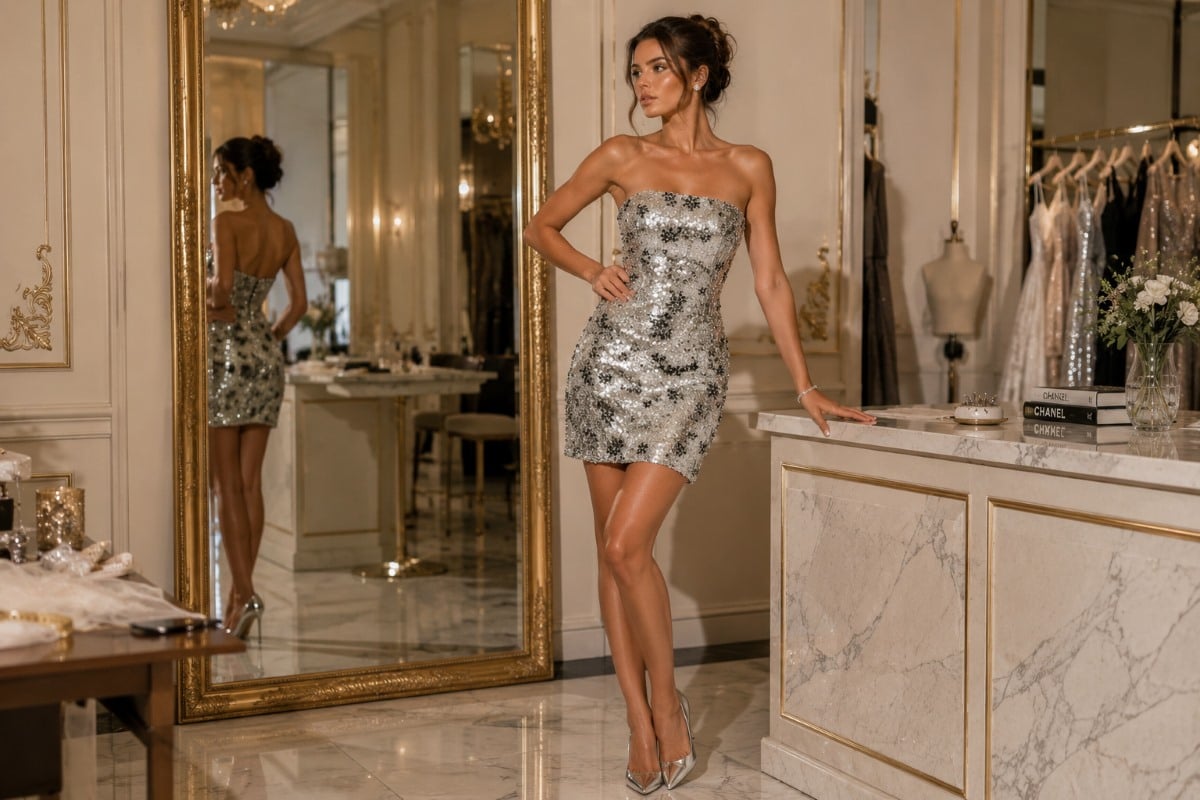
If your bust and hips are relatively equal in measurement with a well-defined, narrower waist, your goal is to highlight this natural symmetry. Form-fitting sheath dresses, structured bodycon styles, and classic wrap dresses are exceptionally flattering. Because these dresses naturally highlight your curves and provide their own visual interest, you can accessorize them with minimalist, highly structured pieces. Think pointed-toe pumps and a sleek envelope clutch to maintain elegance without overwhelming the look.
The Pear Shape
If your hips are wider than your shoulders, you generally want to draw the eye upward to create a beautiful overall balance. If you gravitate toward classic fit and flare styles, you are working with a silhouette that naturally skims gracefully over the lower half while highlighting the waist and upper body. Because this shape is inherently romantic and traditionally feminine, you can style it with heavy statement earrings or a bold neckline detail to keep the visual focus securely on your face and décolletage.
The Apple Shape
For women carrying their weight primarily in the midsection, empire waistlines and A-line skirts provide a beautiful, comfortable, and highly flattering drape. Shift dresses with subtle, expert tailoring also work beautifully by skimming the body rather than clinging to it. You should style these garments with elongating accessories. A long pendant necklace, dramatic drop earrings, or a dress featuring a plunging V-neck creates strong vertical lines that draw the eye up and down, streamlining the silhouette to perfection.
The Athletic Build
If your shoulders, waist, and hips are generally similar in width, you can use your dress to create the breathtaking illusion of curves. Look for designs with strategic draping, peplum waist details, or asymmetrical cuts. You can afford to pair these architectural garments with bold, waist-cinching metallic belts and dramatic, statement heels to add deliberate movement and shape to your overall look.
Fabric Matters: Matching Texture to the Season
Fabric is not just about the physical construction of the garment; it is a vital styling element that communicates the season and the precise level of formality. The material of your dress determines its visual weight, which in turn dictates the weight and style of your chosen accessories.
Spring and Summer Lightness
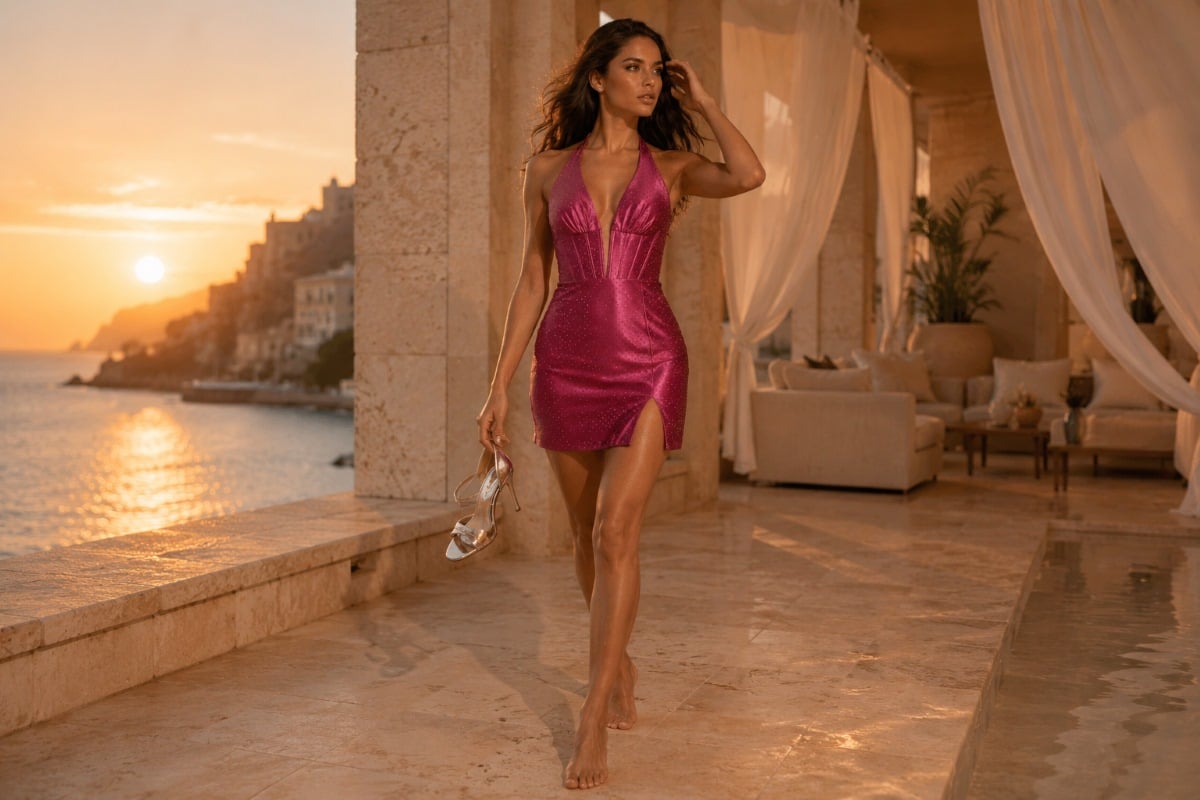
During the warmer, sunnier months, dresses crafted from chiffon, silk, organza, tulle, and lightweight crepe take center stage. These beautiful fabrics have a natural movement and breathability. Your styling should mirror this airy lightness. Opt for delicate, strappy sandals, clutch bags made of woven materials or bright silks, and fine, dainty jewelry. Heavy metallic platforms or thick velvet wraps will look visually jarring and inappropriate against the lightness of a spring dress.
When working with intricate lace detailing, the fabric itself acts as an accessory. The texture is so visually engaging and complex that your jewelry should take a deliberate back seat. A simple, high-quality pair of diamond or pearl studs and a minimalist metallic sandal are often all you need to complete the outfit flawlessly.
Fall and Winter Richness
As temperatures drop and the holidays approach, dresses evolve into richer, heavier, and more opulent materials. Velvet, heavy brocade, structured satin, and luxurious mikado become the fabrics of choice. These materials demand styling that matches their substantial visual weight. This is the perfect time for closed-toe suede pumps, heavily embellished or beaded evening bags, and substantial, architectural jewelry. A heavy velvet dress can effortlessly support the weight of a chunky gold cuff or a heavy crystal statement necklace in a way that summer chiffon simply cannot.
Year-Round Transitional Fabrics
If you are looking for an investment piece that defies seasonal rules, opt for structured crepe or high-quality matte jersey. These fabrics are incredibly versatile. You can lighten them up in the spring with pastel accessories and strappy heels, or ground them in the winter with dark tights, suede booties, and a tailored wool coat. Jovani utilizes these core fabrics to ensure your wardrobe serves you beautifully throughout the entire calendar year.
Color Theory: Making a Statement with Shade
While the cut and fabric form the physical body of the dress, the color is unequivocally the first thing people notice from across a room. Color theory plays a massive role in learning how to style a cocktail dress effectively. Your chosen hue sets the emotional tone of the evening.
The Power of Jewel Tones
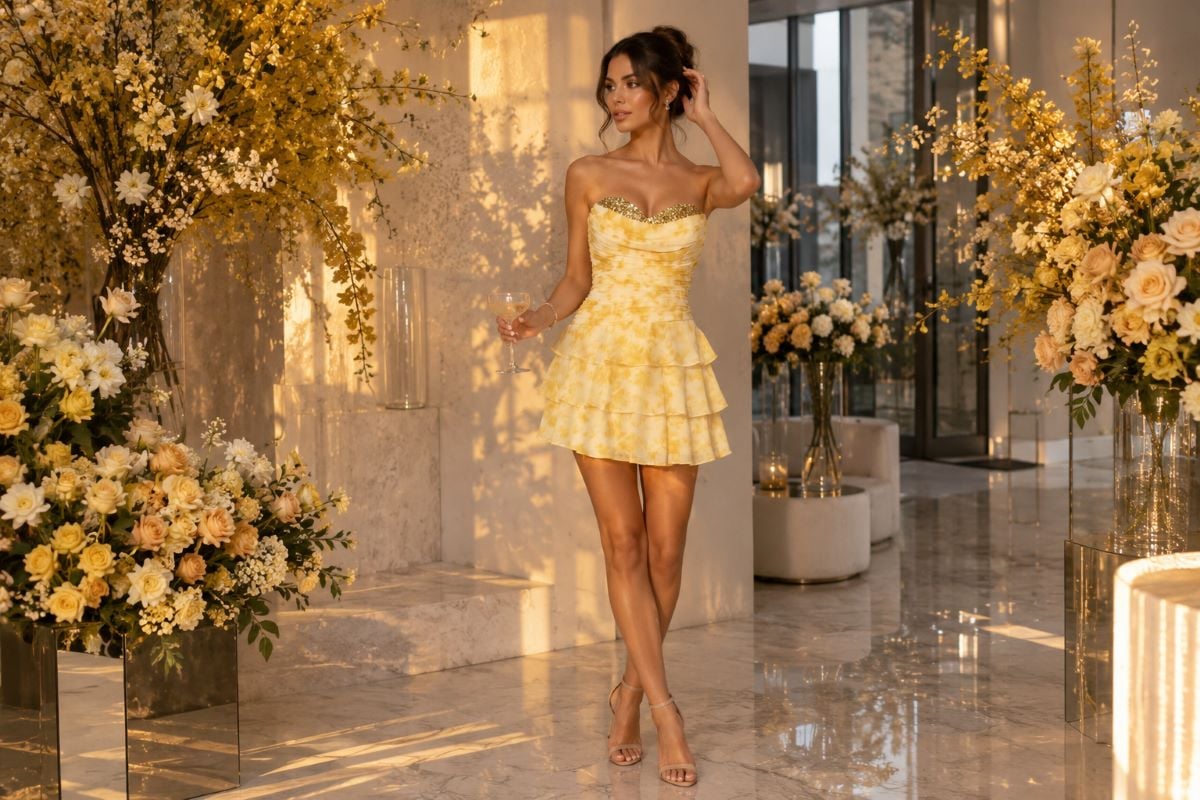
Emerald green, sapphire blue, ruby red, and amethyst purple are almost universally flattering and inherently luxurious. Because these colors are deeply saturated and rich, they act as brilliant styling anchors. When wearing jewel tones, metallic accessories in gold, silver, or rose gold provide the perfect complementary contrast. Avoid matching your shoes exactly to a jewel-toned dress unless you are specifically aiming for an avant-garde, runway-inspired monochromatic look. A sapphire blue dress paired with silver heels and a silver clutch is a timeless, fail-proof combination.
Soft Pastels and Neutrals
Blush pink, dove gray, champagne, and powder blue offer a softer, highly romantic, and ethereal aesthetic. Styling these delicate colors requires a gentle touch. Pairing pastels with harsh, heavy black accessories can create too much visual contrast and aggressively disrupt the softness of the look. Instead, learn how to accessorize these shades by pairing them with nude, metallic, or complementary soft-hued accessories. A blush pink dress paired with rose gold footwear and a pearl-embellished bag is styling perfection.
The Little Black Dress: A Styling Masterclass
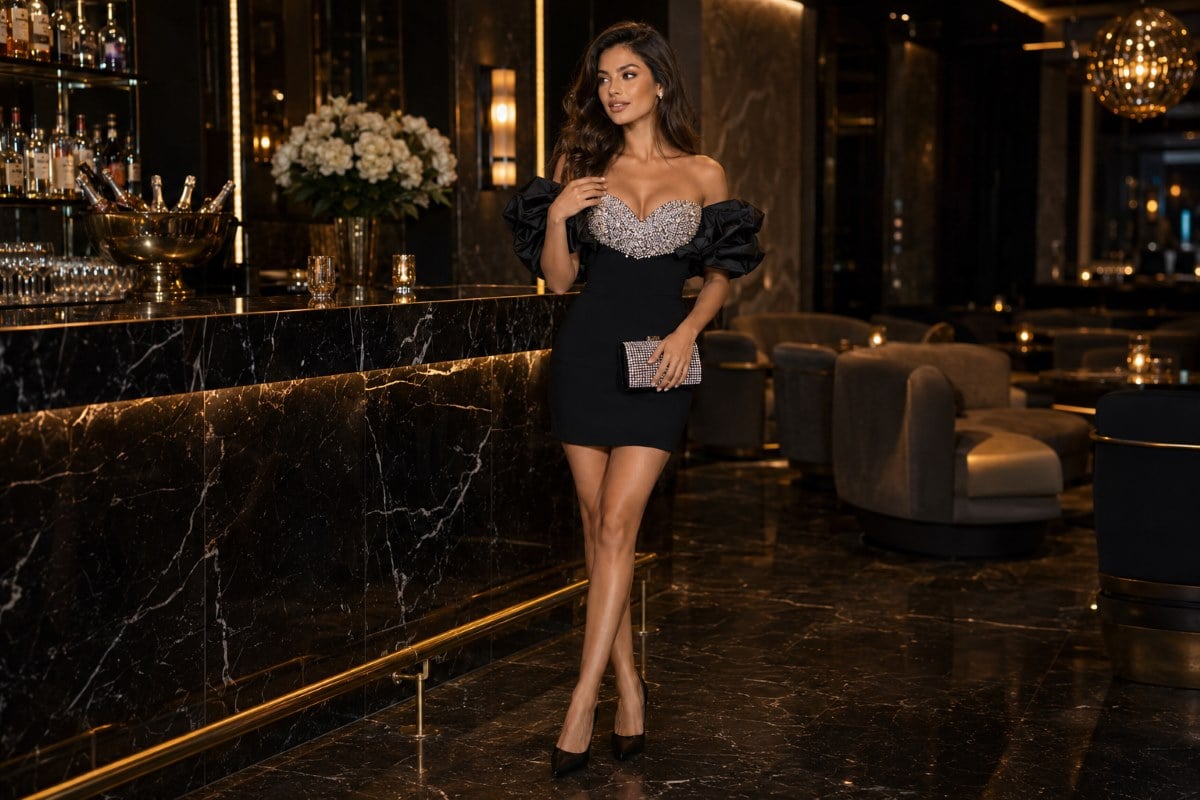
No conversation about formal event styling is complete without addressing the ultimate wardrobe staple. The enduring beauty of elegant black cocktail dresses lies in their absolute, unwavering versatility. They are the blank canvas of the fashion world, ready to be transformed entirely by your styling choices.
To wear a black dress for a conservative corporate dinner, lean into understated elegance. Pair it with closed-toe black suede pumps, a structured leather evening bag, and classic pearls. Take that exact same dress to a vibrant New Year’s Eve party, and the styling rules change entirely. Swap the conservative pumps for strappy, crystal-embellished stilettos, add shoulder-grazing chandelier earrings, and carry a bold metallic clutch. The dress shifts effortlessly from boardroom-appropriate to party-ready in seconds.
Navigating Necklines and Jewelry Placement
One of the most common dilemmas women face when putting together an evening outfit is deciding what jewelry to wear with specific necklines. The neckline of your dress is the literal frame for your face, and your jewelry should enhance that frame, never compete with it or clutter it.
High Necks and Halters
If you have selected an elegant high neck, a mock neck, or a halter style, a necklace will almost always disrupt the clean, intended lines of the designer’s work. Instead of forcing a necklace, shift your styling focus to your ears and wrists. A bold statement earring or a heavy stack of shimmering bracelets will draw the eye beautifully without cluttering your décolletage. Let the strong cut of the fabric do the talking.
Off-the-Shoulder and Sweetheart
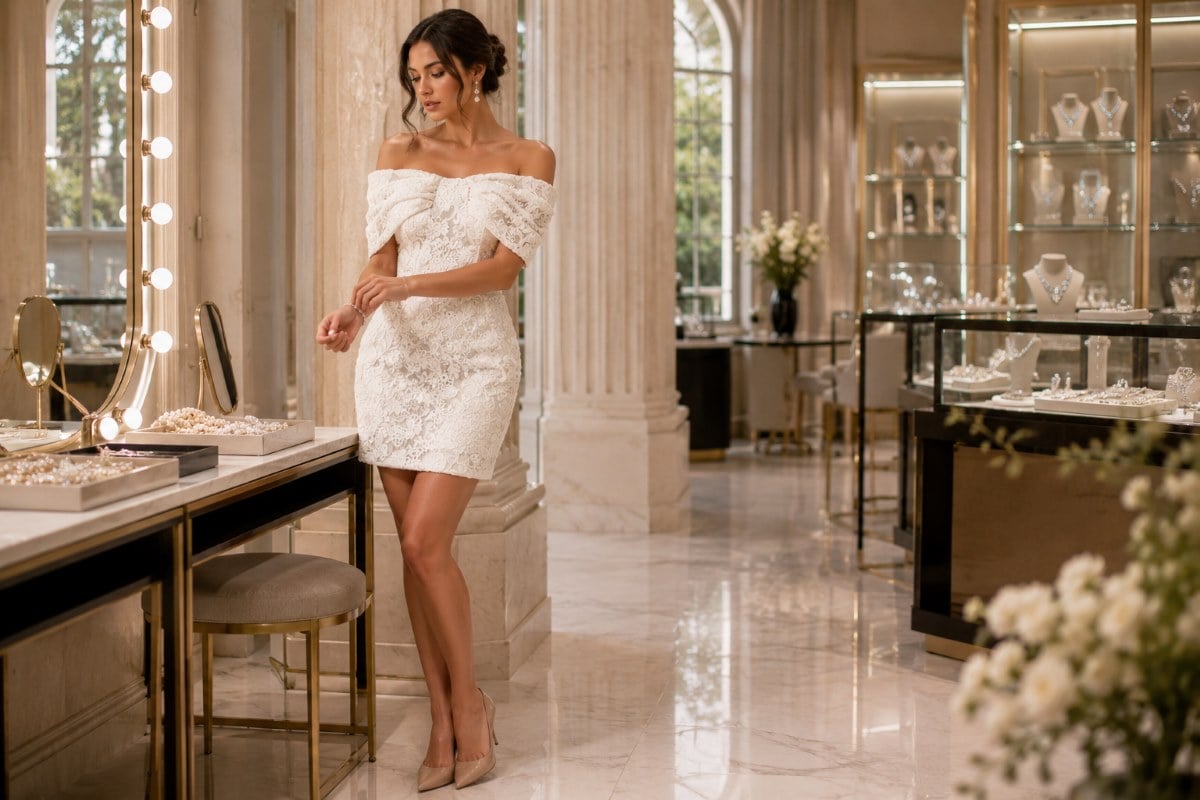
When you wear breathtaking off shoulder cocktail gowns, you are presenting a beautiful, uninterrupted expanse of bare skin. This is the perfect opportunity to wear a delicate collar necklace or a brilliant crystal choker that rests gracefully on the collarbone. Alternatively, if you prefer a modern look, you can leave the neck entirely bare and opt for dramatic, cascading earrings that draw attention to the elegant slope of your shoulders. Sweetheart necklines offer similar versatility, pairing beautifully with both delicate pendant chains and more substantial, collar-style pieces.
Plunging V-Necks
For a classic, deep V-neck, a pendant necklace that mimics the exact triangular shape of the neckline creates a highly harmonious, elongating effect. The pendant should drop perfectly into the V, drawing the eye down and accentuating the waist. Always strive for visual balance. If your dress features heavy embellishment, thick sequins, or complex draping near the neckline, keep the jewelry strictly minimal. Let the exquisite design of your Jovani gown remain the undisputed focal point of your look.
Footwear: Grounding Your Look with Elegance
Shoes have the profound power to completely alter the attitude and formality of an outfit. When determining how to style a cocktail dress, your footwear must strike a delicate, thoughtful balance between visual appeal and practical comfort—especially if the event involves hours of standing, networking, or dancing.
Classic Pumps vs. Modern Flats
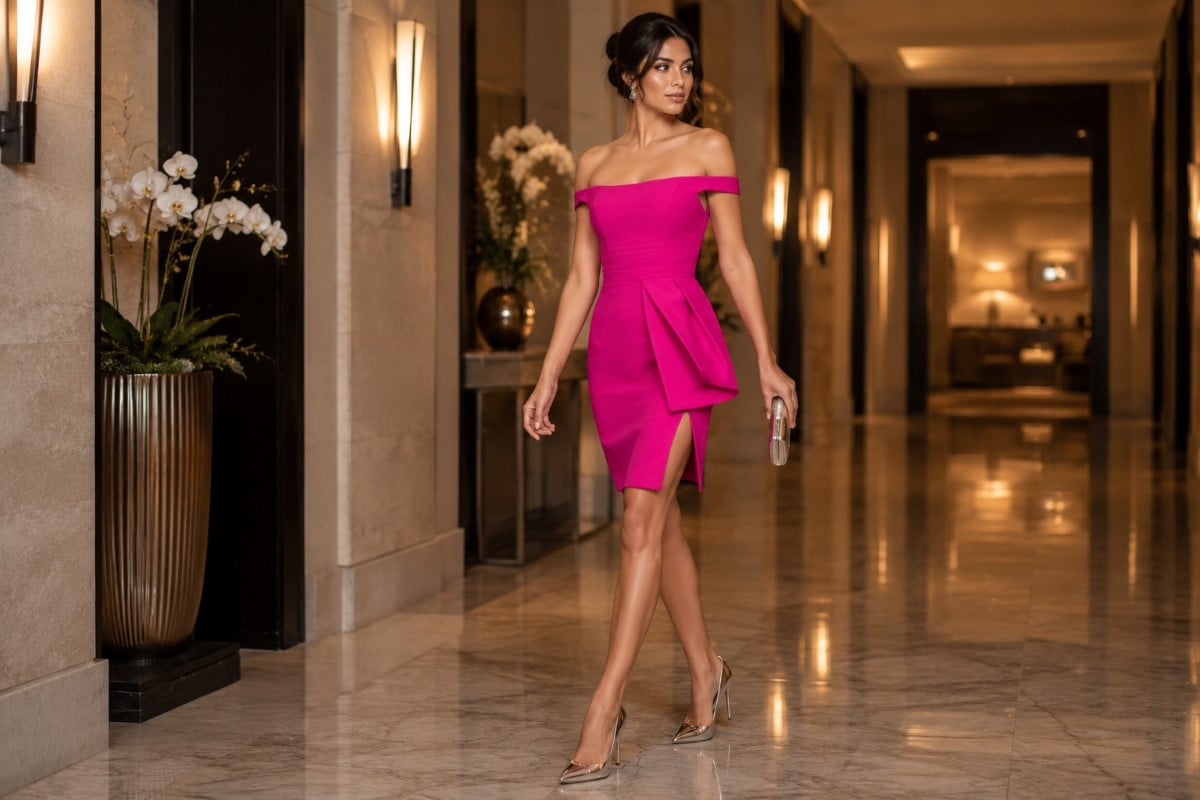
The classic stiletto pump is a perennial favorite for a very good reason. It visually elongates the leg, forces a beautifully upright posture, and pairs seamlessly with almost any dress silhouette. A nude pump is a highly strategic choice when you want your dress to take center stage, as it matches your skin tone and creates an unbroken visual line from your leg to the floor, making you look taller. A pointed black pump offers a sharp, tailored, and commanding finish, perfect for sophisticated evening events in the city.
However, sky-high heels are not the only acceptable option for modern formalwear. The fashion landscape has evolved significantly, fully embracing beautifully crafted flats. A pointed-toe flat rendered in rich satin, deep velvet, or adorned with crystal buckles can look just as sophisticated as a high heel. This ensures you remain comfortable and confident throughout the entire evening without sacrificing a single ounce of style.
Strappy Sandals and Metallic Hardware
Strappy sandals are ideal for warmer months or when wearing dresses made of lighter fabrics like chiffon. They offer a delicate, barely-there look that pairs beautifully with flowing skirts and high leg slits. When choosing your shoes, always consider matching your jewelry tones to the hardware on your footwear. If you are wearing silver-toned earrings and carrying a cool-toned clutch, a shoe with silver hardware creates a deeply satisfying, cohesive aesthetic.
The Art of the Evening Bag
Your handbag is not merely a practical necessity for carrying your lipstick, ID, and phone; it is a vital styling component that can effortlessly make or break your look. For formal event styling, oversized daytime totes, casual shoulder bags, and bulky leather crossbodies must absolutely be left at home. The scale of your bag should always match the refined, delicate nature of your attire.
The clutch is the quintessential evening companion. A hard-shell minaudière adds a touch of architectural interest and works beautifully with sleek, modern, minimalist dresses. A soft, envelope-style clutch crafted from silk, satin, or suede feels slightly more relaxed and pairs perfectly with romantic, flowing garments. Always ensure the bag is large enough for your absolute essentials, but small enough to be held comfortably in one hand while you hold a drink in the other.
When selecting the color and texture of your bag, you have two distinct styling paths. You can choose to match your dress seamlessly, creating a monochromatic look that feels very intentional, modern, and elongating. Alternatively, you can use your bag as a deliberate pop of contrasting color. A vivid emerald green velvet clutch paired with a dark navy dress adds instant depth and an unexpected element of personal style. Metallic bags in gold, silver, bronze, or pewter act as the ultimate eveningwear neutrals, pairing flawlessly with almost any color palette imaginable.
Outerwear: Layering for Formal Events without Losing Style
A beautifully styled outfit can be instantly compromised by the wrong choice of outerwear. Throwing a casual daytime winter coat, a rain jacket, or a sporty puffer over an exquisite evening gown disrupts the visual harmony you have worked so hard to achieve. When considering how to style a cocktail dress for cooler weather, your top layer must be as carefully considered as the dress itself.
Light Layers for Mild Weather
For mild spring or autumn evenings, a luxurious silk wrap, a fine pashmina, or a cashmere shawl provides adequate coverage while maintaining an air of total elegance. It can be draped gracefully over the elbows or wrapped closely around the shoulders for warmth without hiding the gorgeous structure of your dress.
Winter Coats and Structured Blazers
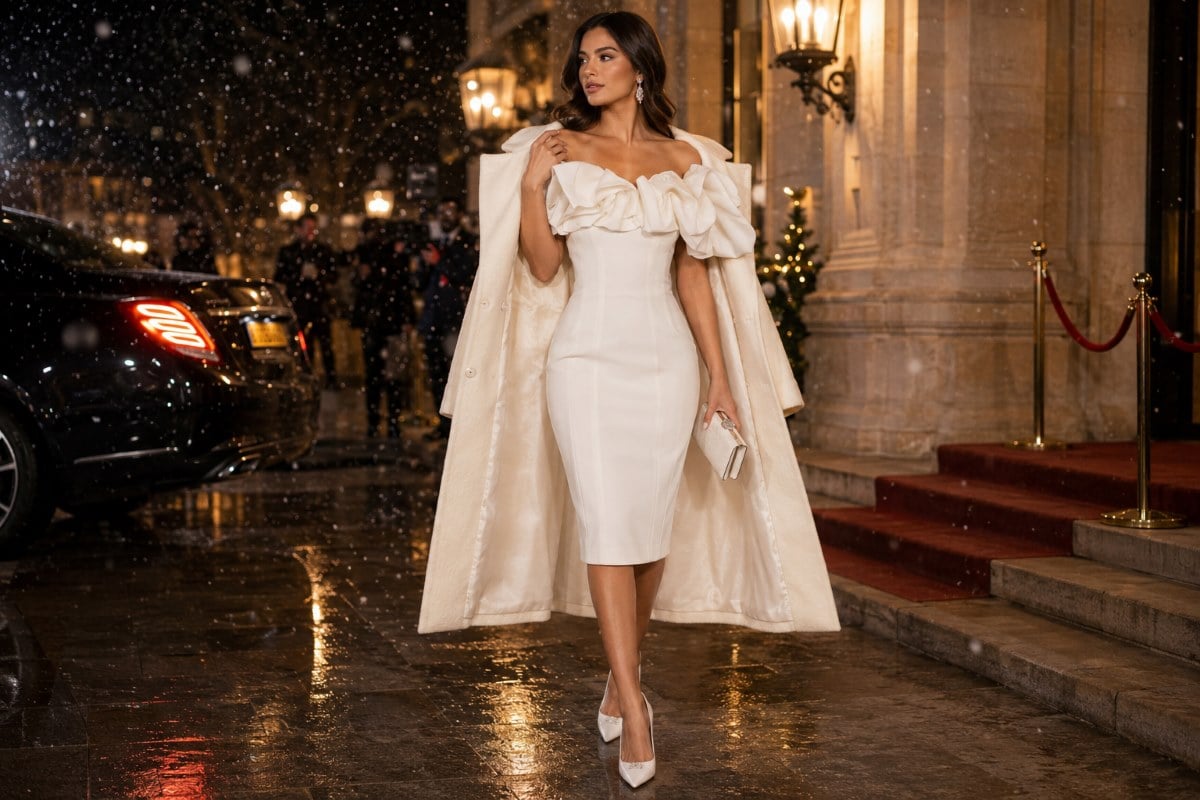
If the harsh winter weather demands a proper coat, look for sharply tailored, high-quality options. A tailored wool or cashmere coat in black, camel, charcoal, or a rich jewel tone is always appropriate. Ensure the hemline of the coat is either slightly shorter than your dress or long enough to cover it completely; a coat that awkwardly cuts across the bottom few inches of your skirt can severely disrupt your silhouette.
For a more fashion-forward, contemporary approach, a structured blazer is an excellent layering piece. Draping a perfectly tailored tuxedo blazer gently over your shoulders adds a slightly masculine, powerful edge that contrasts beautifully with highly feminine attire. This is a brilliant tactic for modern events, particularly for chic city weddings, gallery openings, or winter corporate galas.
The Unspoken Secret: Foundational Undergarments
One of the least discussed but most vitally important aspects of formal dressing is what goes underneath the garment. The wrong undergarments can ruin the lines of the most expensive designer dress, while the right foundational pieces make the garment look as though it were custom-made for your body.
Seamless, laser-cut undergarments are absolutely non-negotiable for sleek, body-skimming sheath dresses, bias-cut silks, or delicate crepes. If your dress features a plunging neckline, an open back, or asymmetrical side cutouts, invest in specialized foundational garments—such as low-back convertible bras, double-sided fashion tape, lifting tape, or built-in corsetry—well before the day of the event. Do not wait until an hour before the party to realize your standard bra shows through the back of your gown.
When it comes to hosiery, modern styling rules have relaxed significantly. Bare legs, perhaps enhanced with a subtle, glowing body lotion, are generally preferred for spring and summer events. However, in the colder months, sheer black tights paired with a black dress and black pumps create an incredibly chic, elongating, Parisian-inspired look. Always avoid heavy, opaque daytime winter tights or overly shiny, dated nude pantyhose, which can immediately cheapen your outfit.
Mastering the Desk-to-Drinks Transition
Modern professional women require hardworking wardrobes that keep up with their demanding schedules. Often, there is simply no time to return home to change between a busy workday and an important evening engagement. Mastering the transition from day to night is a crucial life skill for seamless scheduling and unwavering confidence.
The absolute secret to this transition lies in selecting a base dress that is modest and structured enough for the office, but holds undeniable evening potential. A tailored midi dress in a rich color or a structured crepe sheath dress is ideal. During the day, wear the dress with corporate-appropriate accessories. A tailored blazer, conservative matte leather pumps, and a structured tote bag ground the look in absolute professionalism. Keep your jewelry understated—perhaps a classic leather watch and simple diamond stud earrings.
When the workday ends and you need to prepare for a special event, the transformation takes less than five minutes. Remove the blazer. Swap the sensible office pumps for an elevated, strappy heel or a vibrant, crystal-embellished shoe. Trade the bulky daytime tote for a sleek metallic clutch you stored in your office drawer. Finally, upgrade your jewelry. Add a bold statement necklace or a pair of dramatic drop earrings. With a quick touch-up of darker evening lipstick and perhaps pulling your hair into a sleek, elegant chignon, your transition is perfectly executed, and you are ready for any reception.
Hair and Makeup: The Essential Finishing Touches
Styling extends far beyond clothing, shoes, and accessories; your beauty look is the final, essential element that brings your entire sartorial vision to life. Your hair and makeup should harmonize with the overall aesthetic of your outfit, never fighting against it for attention.
Matching Beauty to Dress Complexity
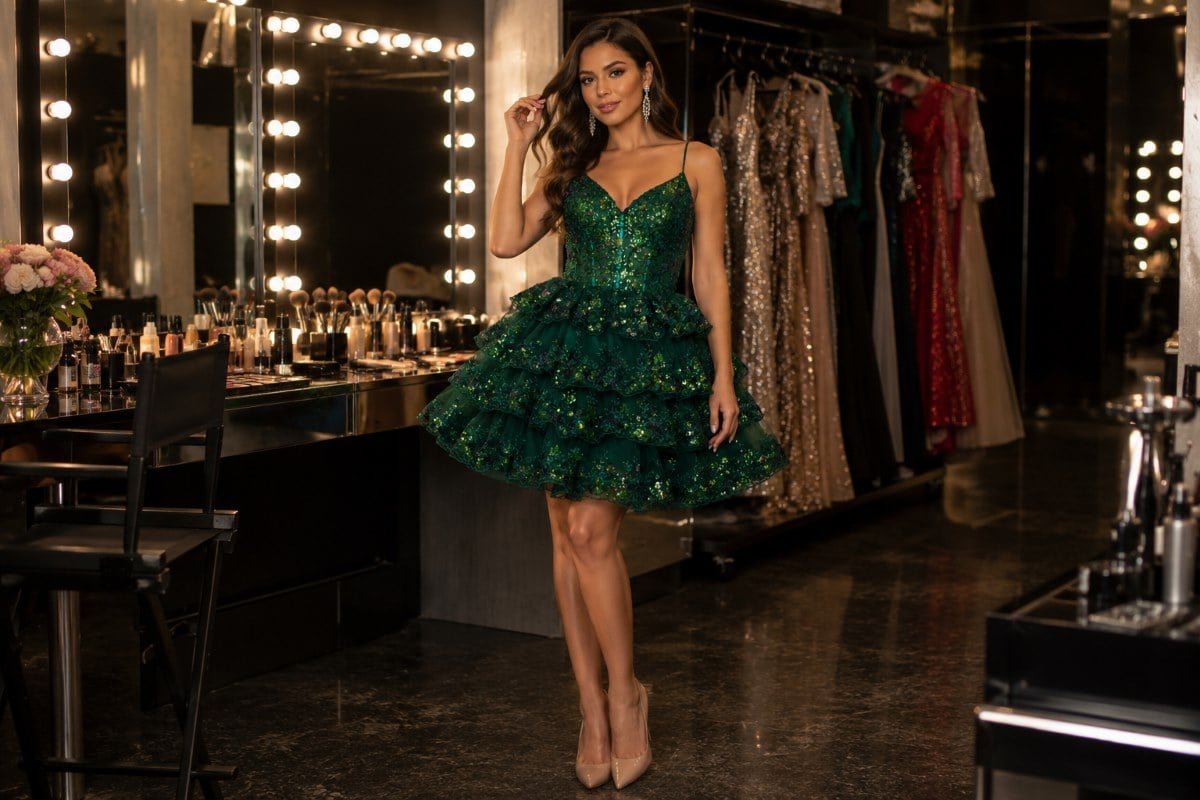
If your dress is highly detailed, deeply colorful, heavily sequined, or aggressively patterned, it is often best to keep your beauty look refined, clean, and polished. A sleek, low bun, a classic French twist, or smooth, straightened hair allows the complex design of the dress to shine as the star. Makeup can focus on flawless, glowing skin, a subtle contour, and a classic nude or soft pink lip.
Conversely, if you are wearing a very simple, minimalist dress in a solid neutral color, you have the perfect opportunity to make a massive statement with your beauty choices. This is the time for voluminous, Old Hollywood waves or a striking, bold red lip. A dramatic, smoldering smoky eye can add instant glamour and edge to an otherwise understated ensemble.
Neckline and Hairstyle Harmony
Consider the neckline of the dress once again when planning your hair. High necklines and elaborate collars often look best with hair swept up and entirely away from the face, elongating the neck. Strapless or sweetheart styles pair beautifully with loose, cascading curls that frame the collarbone and bare shoulders. The goal is to let the dress’s finest details remain visible.
Maximizing Your Wardrobe: Re-Styling the Same Dress
In an era where sustainable fashion choices are increasingly important, knowing how to style a cocktail dress in multiple different ways is incredibly valuable. You do not need a brand new outfit for every single event on your calendar if you know how to manipulate accessories properly.
Take a classic navy blue midi sheath dress, for example:
- For a Daytime Wedding: Pair it with nude, strappy block heels, a woven rattan clutch, pearl drop earrings, and soft, wavy hair. The look is fresh and approachable.
- For a Corporate Holiday Party: Pair the exact same dress with pointed-toe black velvet pumps, a sleek silver minaudière, a geometric silver collar necklace, and a sharp, sleek ponytail. The look is powerful and commanding.
- For a Romantic Anniversary Dinner: Pair it with red stiletto heels, a matching red lip, a black envelope clutch, and delicate gold layering chains. The look is passionate and highly glamorous.
By aggressively changing the genre of your accessories, you change the entire narrative of the dress, ensuring you get maximum return on your luxury investment while maintaining a fresh look every time.
The Importance of Impeccable Fit and Tailoring
All the expert styling advice in the world cannot compensate for a garment that simply does not fit correctly. The true secret to looking incredibly expensive, poised, and polished is professional tailoring. When you invest in high-quality design, ensuring it hugs your unique body perfectly elevates the entire look from merely good to absolutely breathtaking.
A dress that is too loose will look informal, boxy, and sloppy, while a dress that is too tight will cause visible discomfort, pull aggressively across the fabric, and distract from your innate elegance. Pay close attention to the shoulders, the waistline, and the hemline. A skilled tailor can nip in a waist to prevent bagging, adjust a strap to stop slipping, or take up a hem by just a single inch to ensure the dress aligns flawlessly with your specific proportions and the exact height of your chosen shoes.
This dedication to structure and precise fit is what separates standard fast fashion from true, luxury eveningwear. At Jovani, every seam is designed with the female form in mind, providing an unparalleled starting point for your tailored fit.
FAQs About Formal Event Styling
1. Can I wear flats to a formal evening event?
Yes, absolutely. The outdated fashion rule that formal attire mandates high heels has been completely rewritten. To maintain a highly elegant aesthetic, choose flats that are specifically designed for eveningwear. Look for pointed-toe silhouettes, luxurious materials like satin, velvet, or patent leather, and eye-catching details like crystal embellishments, delicate ankle straps, or metallic hardware. Comfort never has to mean sacrificing style.
2. Is it appropriate to wear a black dress to a daytime formal event?
While black is traditionally reserved for the evening, it can successfully be worn during the day if styled with intention. To soften a black dress for an afternoon event (like a luncheon or a daytime garden wedding), avoid heavy, dark evening accessories. Instead, pair it with brightly colorful shoes, lighter jewelry (such as classic pearls or soft gold chains), and a soft, fresh, natural makeup look.
3. How much jewelry is too much for formal event styling?
The key to successful jewelry styling is visual balance. A fantastic rule of thumb is to choose one specific focal point. If you are wearing massive, dramatic chandelier earrings, skip the necklace entirely and perhaps wear a simple, sparkling cocktail ring. If you are wearing a heavy, diamond-encrusted statement necklace, stick to small, elegant stud earrings. Your accessories should complement each other and the dress, not compete in a shouting match for attention.
4. What kind of outerwear should I wear if it is freezing outside?
You must avoid wearing casual ski jackets, puffy down coats, or everyday parkas over formalwear at all costs. Invest in a high-quality, tailored wool, cashmere, or heavy blend coat in a versatile neutral shade like black, camel, or navy. A beautiful, high-quality faux fur wrap, a structured cape, or a tailored velvet evening coat are also exceptionally elegant options that keep you warm from car to venue without ruining your carefully crafted look.
5. How do I make a very simple, plain dress look more glamorous?
A minimalist, unembellished dress is the perfect blank canvas for bold, expressive styling. You can instantly elevate a simple dress by adding dramatic statement shoes (like a metallic strappy sandal, a bright red heel, or a crystal-embellished pump). Carry a highly detailed, textured, or brightly colored clutch, and choose bold, oversized jewelry. A dramatic beauty look, like a classic bold red lip paired with a sharp winged eyeliner, will also instantly multiply the glamour factor.
6. Should my bag match my shoes exactly?
Historically, matching shoes and bags was a strict, unbreakable rule of formal dressing. Today, it is no longer required and sometimes can look slightly dated or overly conservative. While matching them creates a safe, cohesive look, modern styling encourages complementary coordination rather than exact matching. For example, if you wear a gold shoe, you might carry a black velvet bag with gold hardware. The key is ensuring the tones and formalities of the items match the dress seamlessly.