
Cocktail Dress Size Guide: Measure, Fit, and Alter

A reliable cocktail dress size guide starts with your measurements, not your usual clothing label. Measure your bust, waist, and hips, compare them with the chart for the exact dress, and check how the garment moves. The right starting size should fit the least adjustable area without uncomfortable pulling or excessive gaping.
How Do You Measure for a Cocktail Dress?
Measure close to the body with a flexible tape, wearing the undergarments you expect to use. Stand naturally and keep the tape level. Ask someone to help if you cannot keep the tape straight across your back.
- Bust: Measure around the fullest part without compressing the chest.
- Waist: Measure the natural waist, without drawing in your stomach.
- Hips: Measure around the fullest part of the hips and seat.
- Length: Compare the intended hem position with your height and event shoes.
Jovani publishes a bust, waist, and hip chart and notes that size guidance is specific to each product. Treat the current chart for your selected garment as the reference, not a conversion from another brand. Start by comparing measured figures across several Cocktail Dresses rather than assuming every design fits alike.
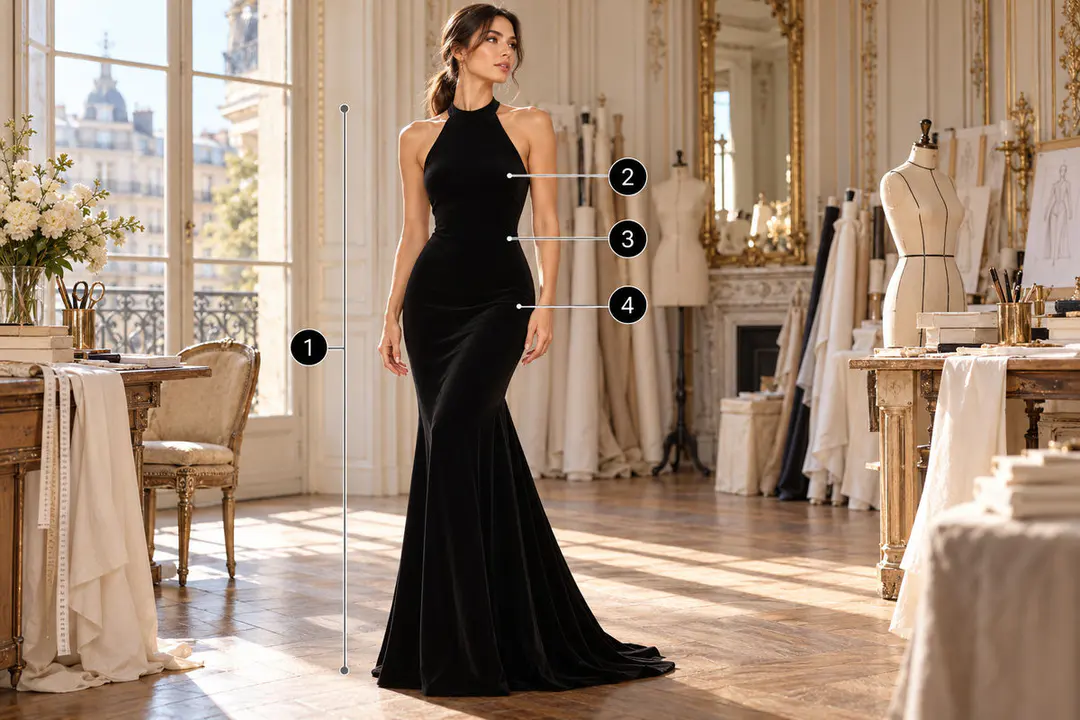
How to Read the Jovani Size Chart
Read each measurement column separately. A size that matches your waist may not match your bust or hips. Note where the differences occur before deciding which size to try first. A style with firm boning behaves differently from one with stretch fabric or an adjustable back.
When Measurements Fall Between Sizes
Choose a starting size that accommodates the hardest area to alter. For a fitted dress, that may be the bust or hips. A larger size is not automatically safer if the shoulders, cups, or waist placement become badly misaligned. Ask a retailer or tailor to check the actual garment construction.
Why Fabric and Closure Change the Result
Check fiber content, stretch recovery, lining, zipper placement, and closure type. In Satin cocktail dresses, a smooth surface may reveal tension across the hips or waist. With a lace overlay, the lining and outer layer must move together rather than twisting or bunching.
Fit Checks That Matter in the Fitting Room
A cocktail dress should look balanced while standing and stay secure while moving. Put on the intended shoes and undergarments. Test these actions before accepting the fit:
1. Walk at your normal pace and take a longer step.
2. Sit fully, stand up, and notice whether the skirt rides or bunches.
3. Raise both arms, turn, and check neckline coverage.
4. Examine the zipper, waist seam, side seams, and hem from several angles.
A fitted skirt can feel restrictive even when the size chart appears right. A fuller skirt allows different movement, but its waist and bodice still need to sit correctly. Compare Fit & Flare cocktail dresses with closer cuts when mobility is your main concern.
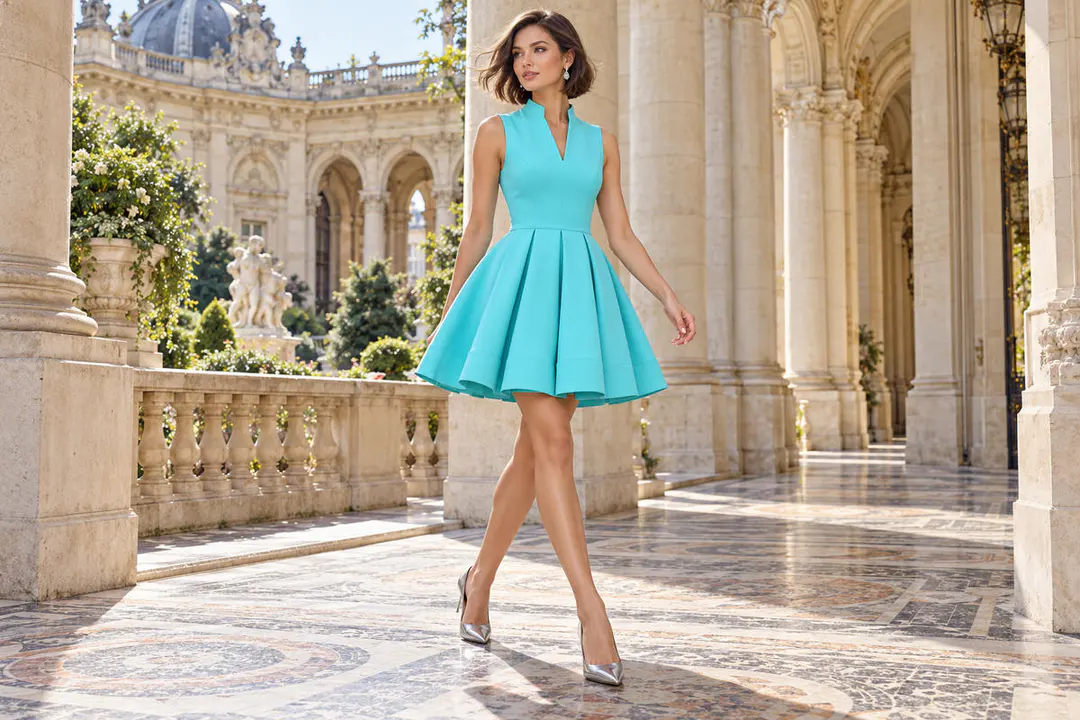
Match the Fit Problem to the Correct Adjustment
Identify the cause of discomfort before changing size. Horizontal pulling usually deserves a different investigation than loose shoulder straps. Repeatedly adjusting the dress can conceal a construction or proportion problem.
Bodice Gaping, Sliding, or Tightness
Look at strap length, bust placement, cups, side seams, and the back closure together. A gaping neckline does not always mean the whole dress is too large. For example, the opening of V Neck Cocktail Dresses must be assessed alongside the shoulders and bust fit.
Waist, Hips, and Hem Problems
Check where the waist seam falls relative to your natural waist. If it sits too high or low, taking in the side seams may not solve the issue. Tight hips, twisted lining, or a rising hem may call for another size or cut.
Alterations Worth Planning Before You Buy
Common alterations include a modest hem adjustment, shortening straps, or taking in suitable seams. More complex changes involve moving a waistline, altering cups or boning, reshaping a neckline, or working around heavy decoration. Ask a qualified professional to assess the garment before committing.
Surface detail adds practical limits. On Lace Cocktail Dresses, matching motifs after taking in a seam can require extra work. Bring your final shoes and underwear to the fitting, and allow for a follow-up movement check after alterations.
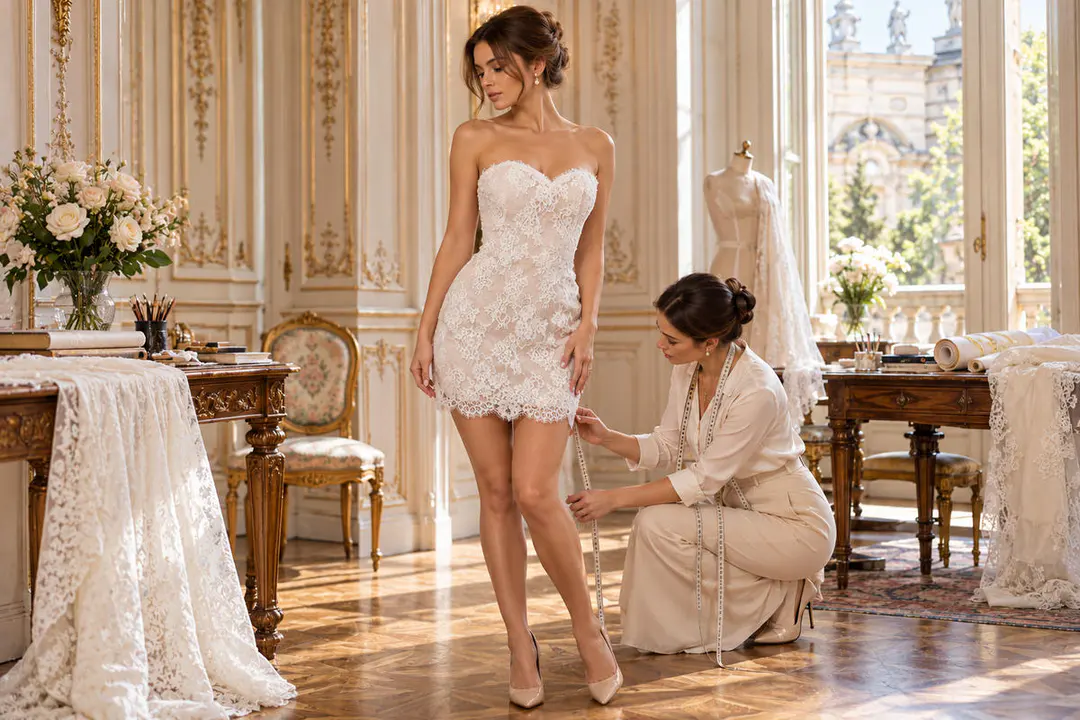
How Petite and Plus Size Shoppers Can Use the Same Fit Test
The measuring process does not change with height or clothing size. What changes is the placement of seams, the available ease, and the specific adjustments a dress may need. Body shape labels are less useful than seeing where a garment pulls, falls, or shifts.
A shorter torso can place a waist seam lower than intended. The petite cocktail dress guide covers proportion and silhouette choices in more depth. This size guide stays focused on measurable fit and construction rather than visual lengthening tricks.
Extended sizing also requires attention to support, ease, and fabric recovery. The plus size cocktail dresses guide discusses silhouettes and fabrics in detail. A correct size should allow comfortable movement without forcing the fabric to carry excessive tension.
Final Checks Before Your Event
Try the completed outfit, including shoes, undergarments, and any outer layer. Inspect the fit in natural light and take a few steps without holding the fabric in place. Confirm the event’s expectations separately with the cocktail attire guide; dress code and dress size answer different questions.
If you are choosing between two sizes, take your current measurements and the style details to an authorized Jovani retailer. Request a fitting assessment before choosing a garment that would need major reconstruction.
Frequently Asked Questions
Should I order my usual dress size?
No. Start with current bust, waist, and hip measurements, then use the chart linked to the exact style.
What if my bust and hips match different sizes?
Choose a starting size based on the least adjustable area and ask a professional to assess the other measurements.
How should a cocktail dress fit when sitting?
The dress should let you sit fully without painful pulling, a strained zipper, or an unstable neckline.
Can a cocktail dress be altered by more than one size?
Do not assume so. The available seam allowance, construction, cups, boning, and embellishment determine what can be changed.