
Cocktail Dress Fabrics and Materials: How to Choose the Right One
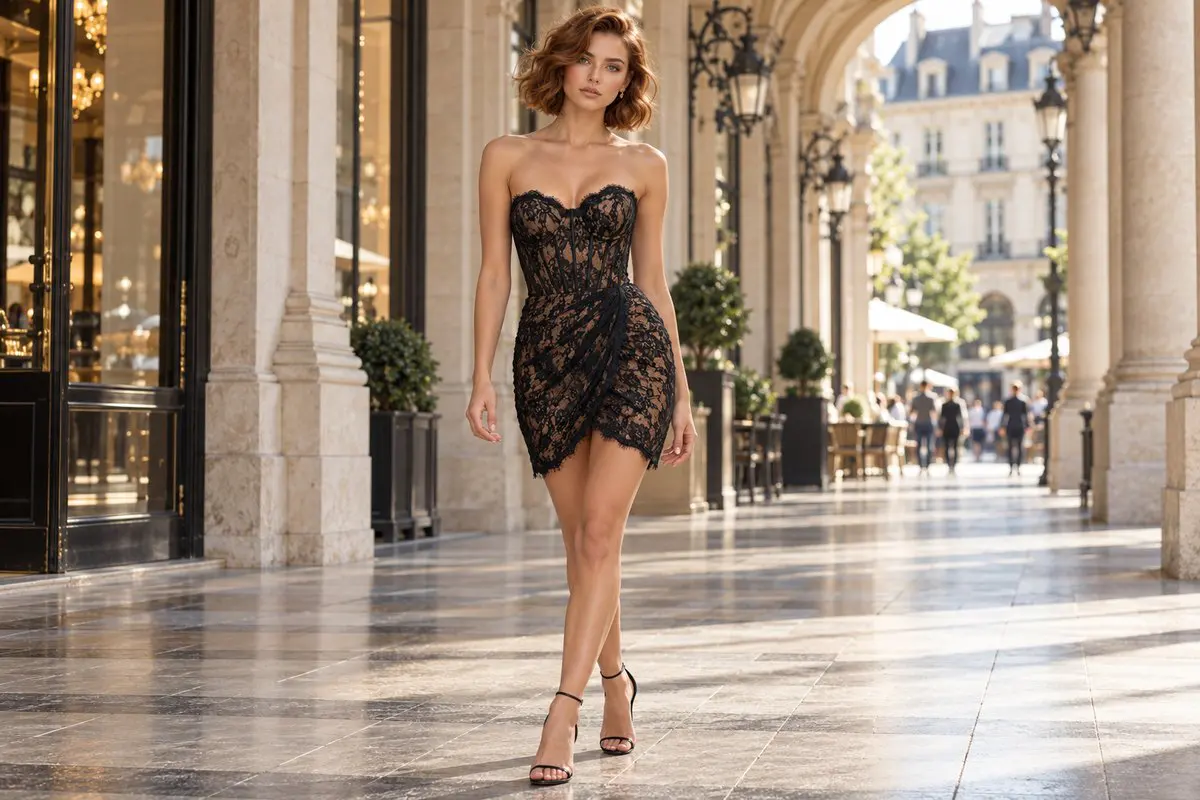
Cocktail dress fabrics determine how a dress drapes, holds its shape, catches light and feels during an event. Crepe suits clean lines, satin adds shine, chiffon creates movement, and velvet lends depth. The best choice depends on the setting, garment construction and comfort, not the fabric name alone. Compare the material before settling on a silhouette.
Jovani’s cocktail and party dresses range shows how different finishes change short silhouettes. Start by checking the fabric composition, lining and stretch, then consider what your evening involves.
Which Cocktail Dress Fabrics Work Best?
The most useful distinction is between fabrics that flow, fabrics that retain structure and surfaces that add texture. These common choices behave differently, even when the dresses have similar cuts.
Satin and crepe
Satin is a weave with a smooth, often reflective face, not a synonym for silk. Soft satin follows the body, while heavier versions can support sculpted shapes. It may show creases or undergarment lines, depending on weight and cut. Jovani’s satin cocktail dress guide explains these differences in greater detail.
Crepe has a subtly textured surface and can range from fluid to firm. Structured crepe makes clean seams and tailored outlines look crisp. Stretch crepe may improve mobility, although actual stretch depends on fiber content and construction. For a quieter finish, crepe often works better than highly reflective materials.
Chiffon, organza and tulle
Chiffon falls in airy folds and commonly needs a lining because it is sheer. Organza is also light but holds volume, making it suitable for sculptural skirts and sleeves. Tulle is a net that adds layers or decorative fullness. None of these fabrics guarantees coolness when the finished design has many layers.
Lace and velvet
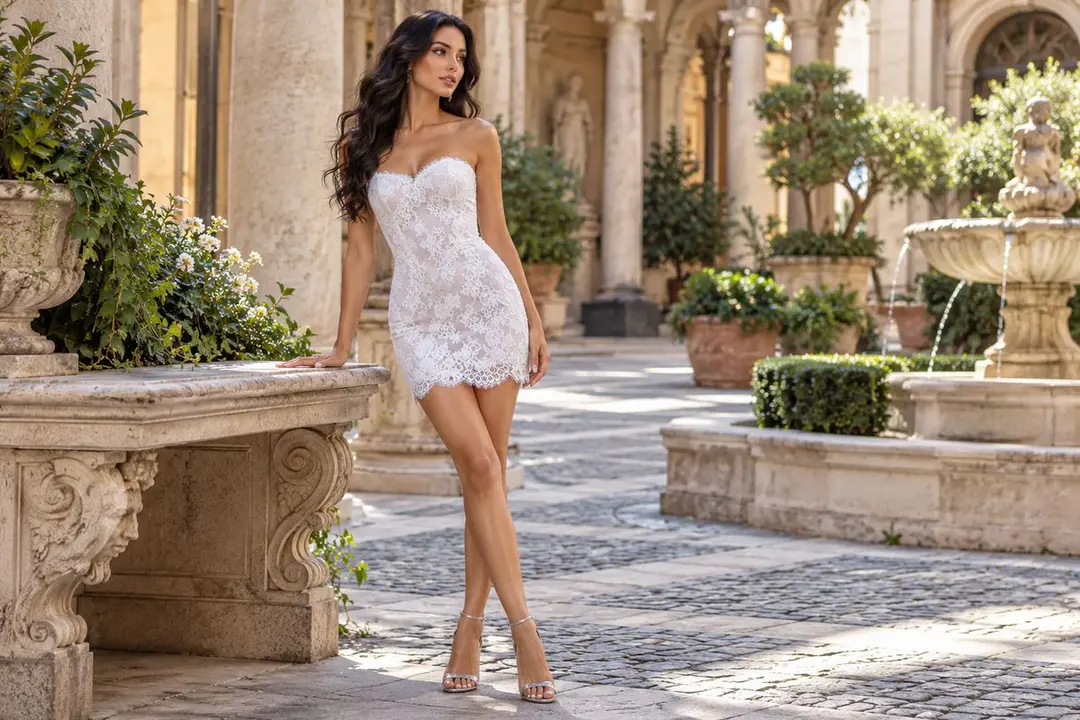
Lace contributes pattern and texture, while its backing determines coverage. Jovani’s short lace party dresses include lace overlays and embroidered tulle, showing why the lining matters as much as the surface. Check whether the edges catch on accessories and whether the motifs sit comfortably against skin.
Velvet has a directional pile that creates a rich surface and deepens color in changing light. It often suits cooler-season occasions, but weight varies by construction. Velvet also needs careful handling because pressure can affect the pile. Reserve detailed accessory choices for Jovani’s velvet cocktail styling advice.
How Do Fabrics Change Fit and Movement?
Fabric structure changes fit by controlling how closely a garment follows the body and how freely it moves. A firm woven fabric can hold a sharp waistline, while a fluid material softens that outline. Neither is automatically more comfortable. Cut, stretch, seam placement and lining all matter.
In the fitting room, raise your arms, sit and walk before making a decision. Check for pulling at the hips, a neckline that shifts and a lining that rides upward. Heavily embellished dresses can also feel heavier after prolonged wear. Compare the garment’s movement with the activity planned for your event.

Choosing Fabric for Season and Dress Code
For outdoor spring and summer gatherings, lighter crepe, chiffon or a lined lace design can provide a softer look. An airy outer layer may still conceal a warm lining, so check the complete dress. In colder weather, velvet, substantial satin and jacquard create a more structured impression.
A daytime reception often calls for controlled shine. An evening celebration can accommodate brighter sequins or beads. At a wedding, the invitation and venue should guide the choice more than trends. Jovani’s wedding guest dress options include crepe, satin and chiffon, illustrating how one event category can require several different finishes.
For a formal evening that specifies black tie, length may matter more than embellishment. Longer formal gowns generally align more closely with that expectation than a mini dress. For the broader dress-code distinction, consult Jovani’s cocktail attire overview.
How to Judge Construction Beyond the Fabric Label
A label identifies materials, but construction determines how those materials perform together. Examine the lining, closures, seams and areas carrying the most tension. A sheer layer over a supportive base can feel very different from a similar-looking dress without internal structure.
Jovani’s cocktail collection includes corset bodices, lace overlays, beaded mesh and fitted mini silhouettes. These are distinct construction choices rather than interchangeable fabric names. For example, its lace collection lists an embroidered tulle style alongside lace-overlay designs, highlighting why texture alone cannot predict fit.
A Simple Fabric Decision Checklist
Before choosing, decide whether you want fluid movement, architectural shape or surface decoration. Next, examine the lining in bright light and test comfort when seated. Finally, compare fabric care instructions and alteration requirements. These checks help narrow the choices without relying on a material label as a promise.
How to Care for Delicate Party Dress Materials
Follow the individual garment care label rather than a general rule for satin, lace or velvet. Fiber blends, adhesives and embellishments can change the safe cleaning method. Ask a cleaner about heavily beaded pieces, and avoid directing heat onto velvet pile or glued decoration without garment-specific guidance.
Pack the dress so embellishments do not snag neighboring fabrics. If alterations are needed, ask about decorative hems before purchasing. A plain hem is generally easier to adjust than a border covered in intricate lace or beading. Similar construction questions also apply to prom attire, although those designs often have different length expectations.
When you have compared fabrics and found a comfortable fit, ask an authorized Jovani retailer to help you check the garment details and available sizes.
Frequently Asked Questions
What is the most versatile cocktail dress fabric?
Medium-weight crepe is a practical starting point for many cocktail events. It can look polished without strong shine, but the finished cut and lining determine whether it suits your plans.
Is satin or chiffon better for a summer cocktail party?
Choose lightweight chiffon for a softer, airy appearance at many summer events. Satin can also work if the garment is lightweight and comfortable; compare lining and venue temperature before deciding.
Are sequins a fabric or an embellishment?
Sequins are embellishments attached to a fabric base, often mesh or another textile. The underlying fabric, lining and amount of decoration determine much of the finished dress’s weight and comfort.
Does a velvet cocktail dress have to be worn in winter?
No. Velvet often suits cooler evenings because of its visual depth, but a lightweight velvet dress may work in other seasons. Consider the garment’s actual weight and indoor temperature.