
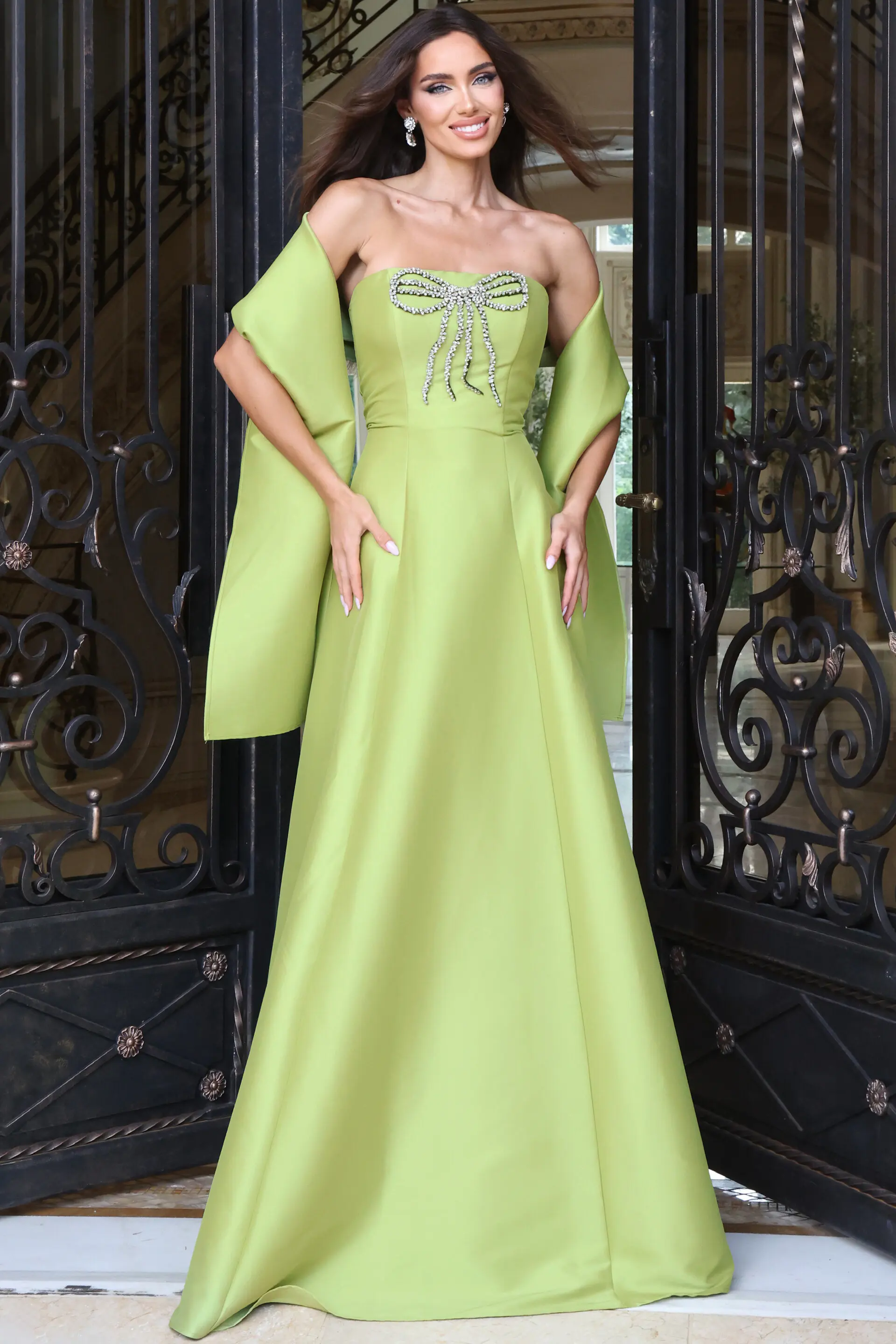
2 Colors
Evening Dresses
Evening dresses take their shape from the details: a clean column in fluid crepe, a corseted mermaid with a precise flare, or an A-line gown that moves with every step. Explore formal gowns in satin, chiffon, velvet, and embellished fabrics, with necklines ranging from sculpted strapless to softly draped one-shoulder designs. For black-tie receptions, galas, and formal celebrations, proportion matters as much as sparkle: a defined waist, considered lining, and a skirt that falls cleanly can change how a gown feels all night. Jovani brings that attention to fit and finish across understated and statement-making silhouettes.
Products
2 Colors
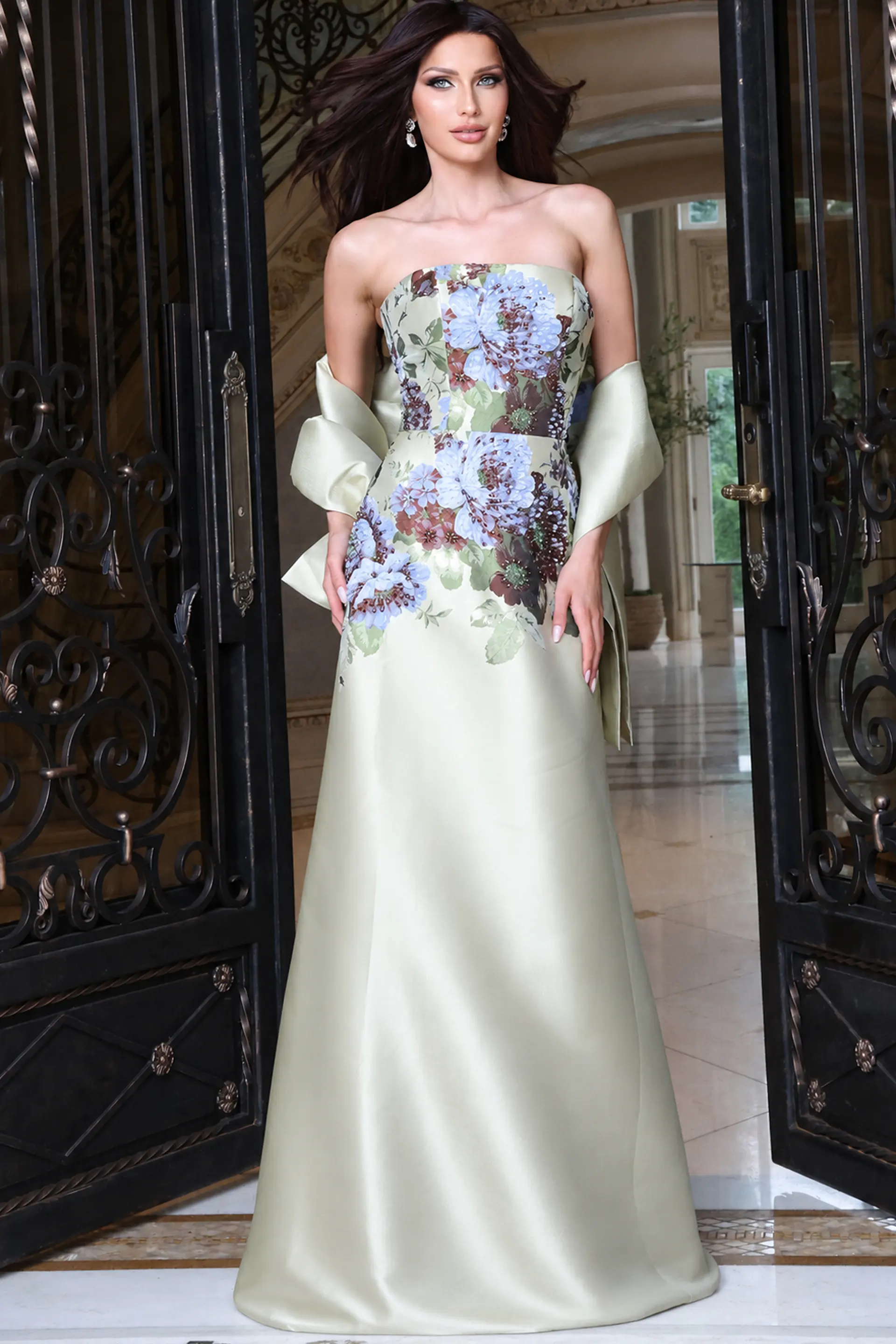
Strapless Floral Satin A Line Gown with Shawl 53419
3 Colors
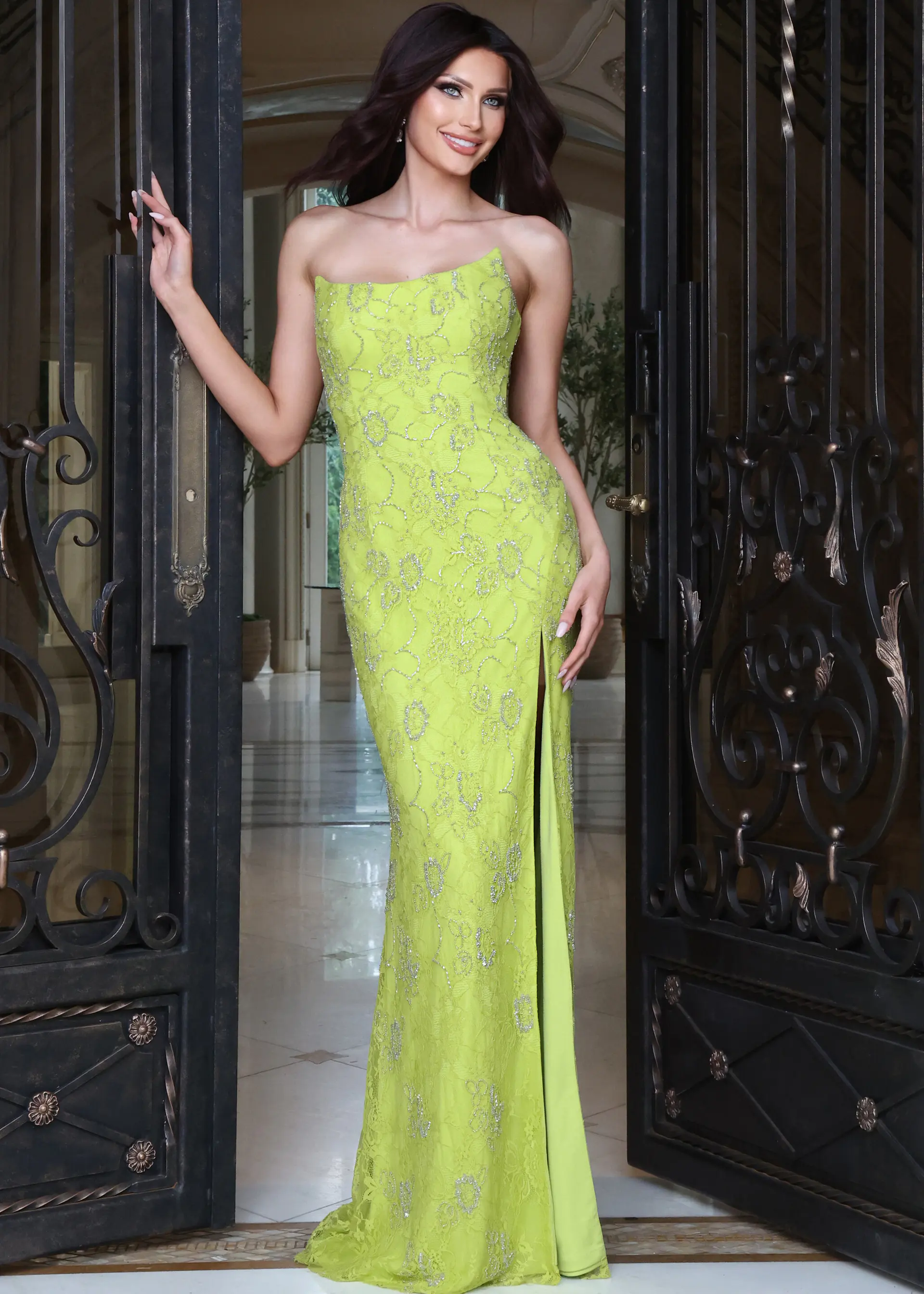
Lace Mermaid Gown with Floral Sequin Embellishments 54963
3 Colors
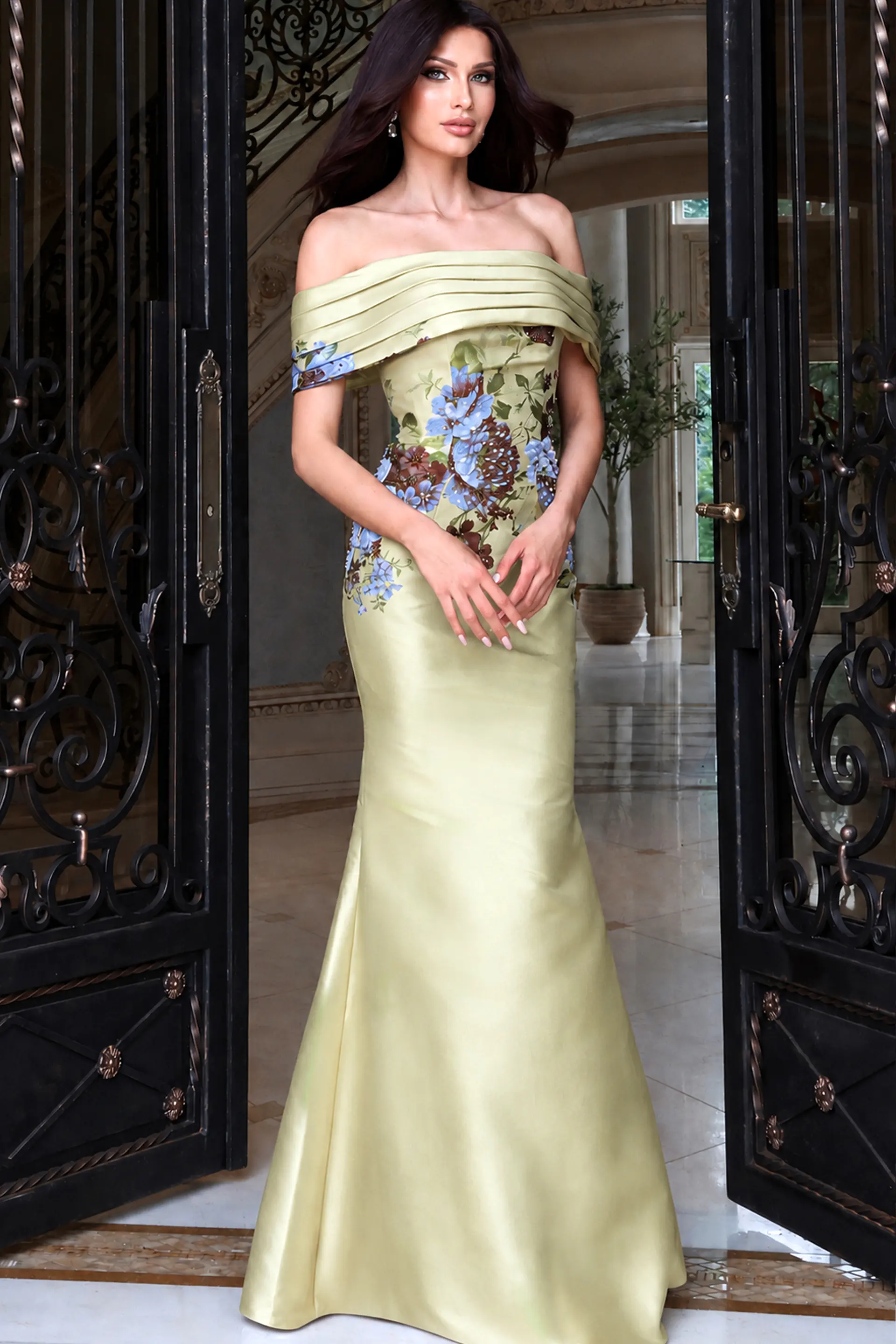
Floral Off Shoulder Mermaid Evening Gown 53421
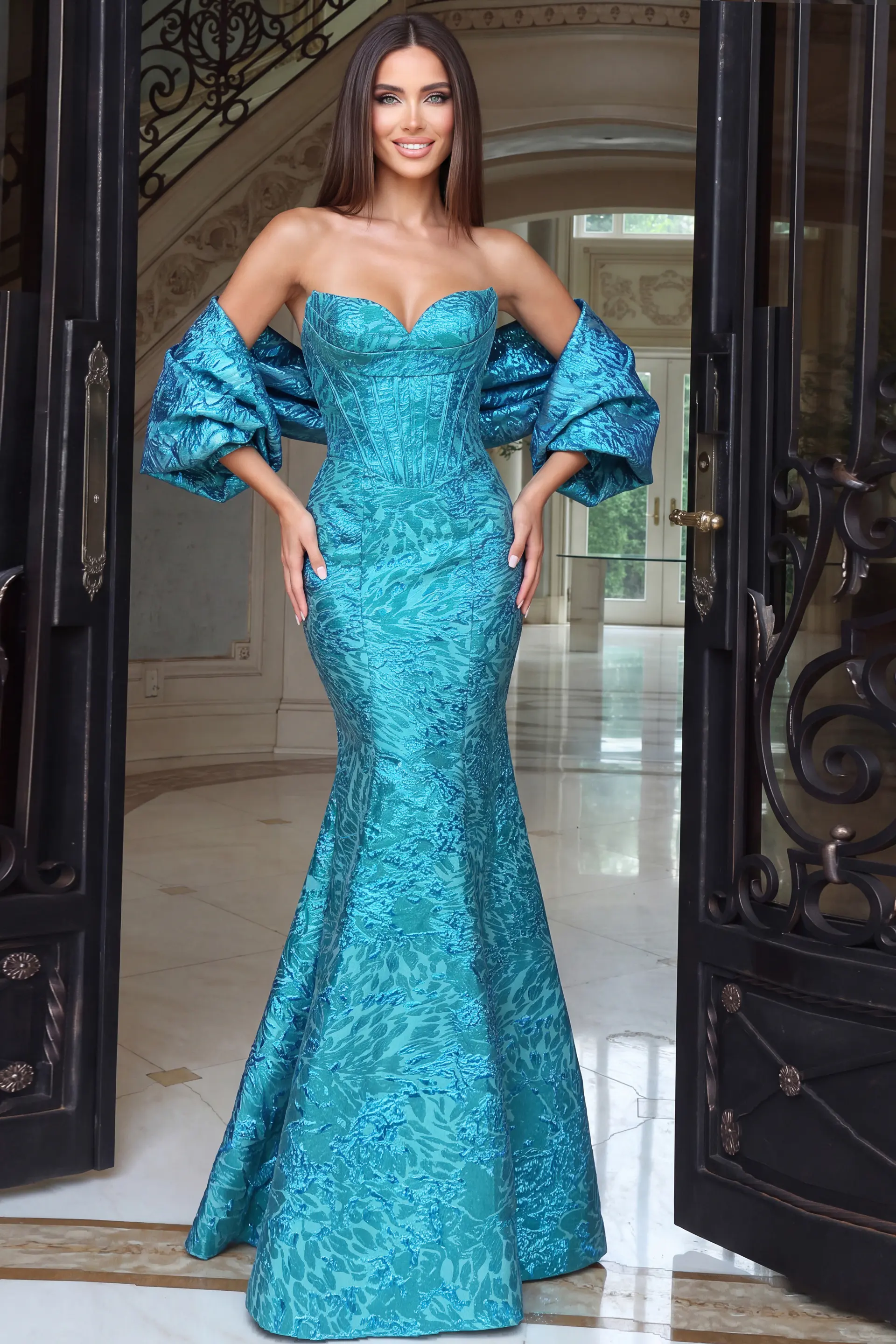
1 Colors
Strapless Textured Puff Sleeves Mermaid Gown 53424
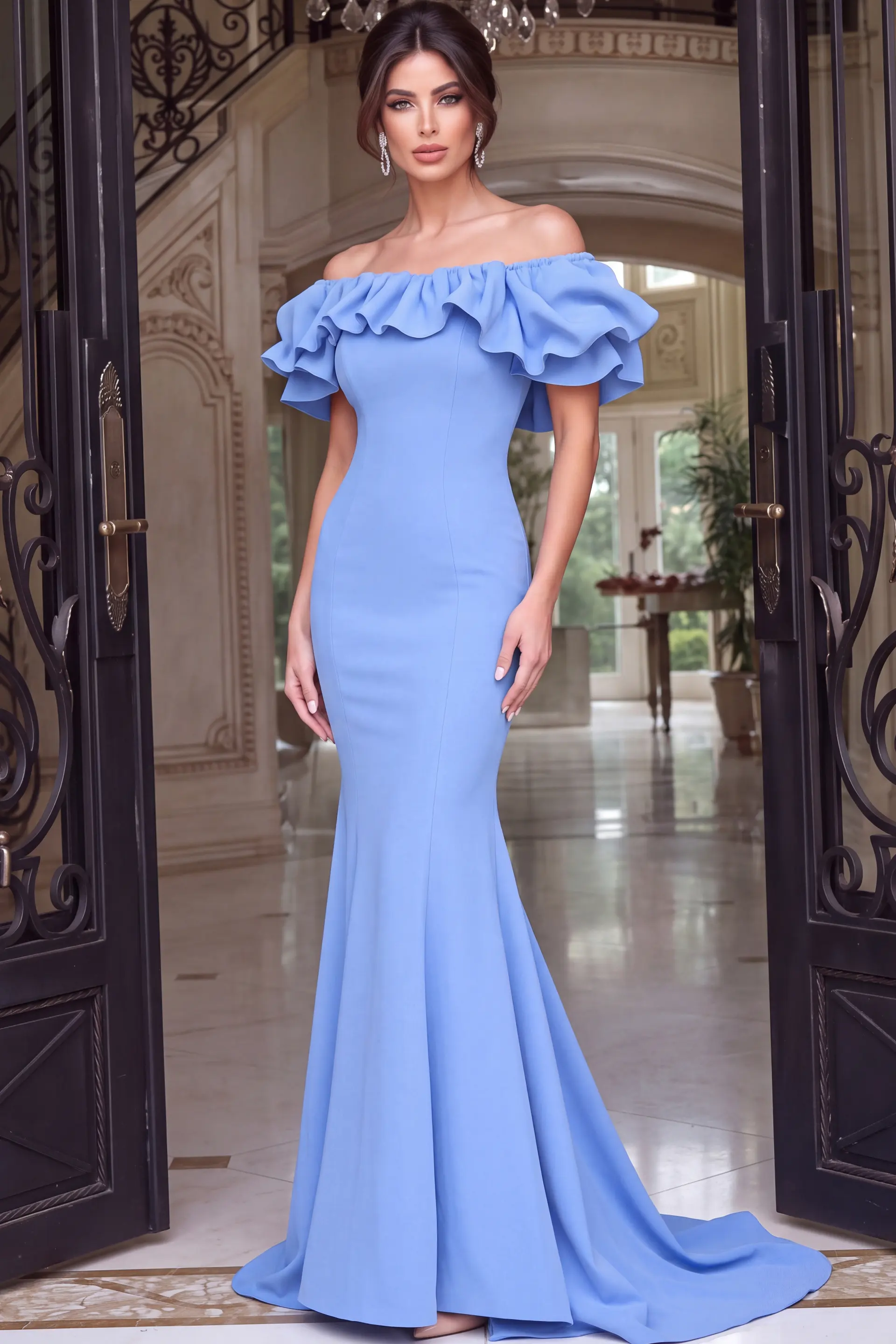
6 Colors
Off Shoulder Ruffle Scuba Mermaid Gown 04368
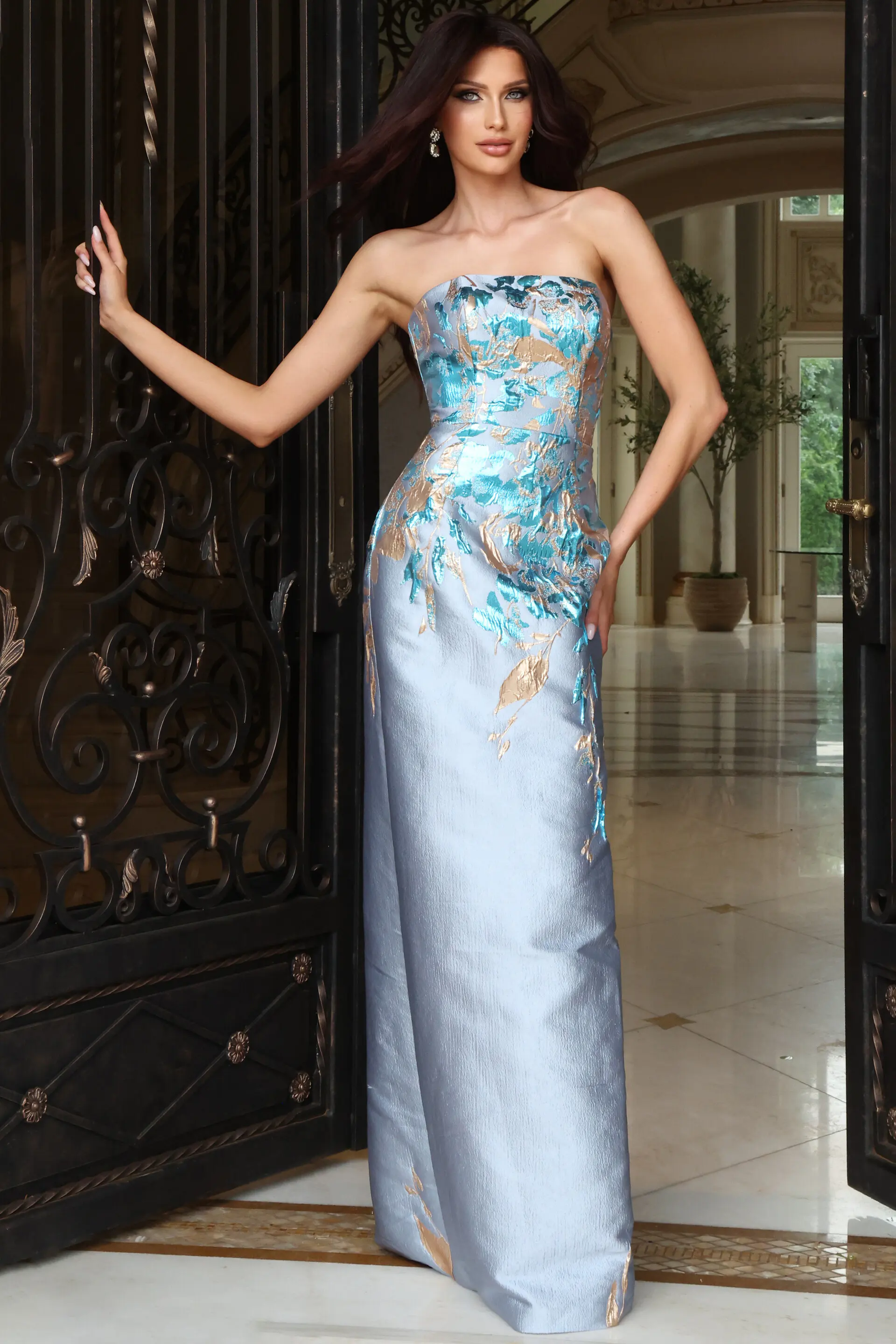
1 Colors
Strapless Floral Brocade Column Gown 54373
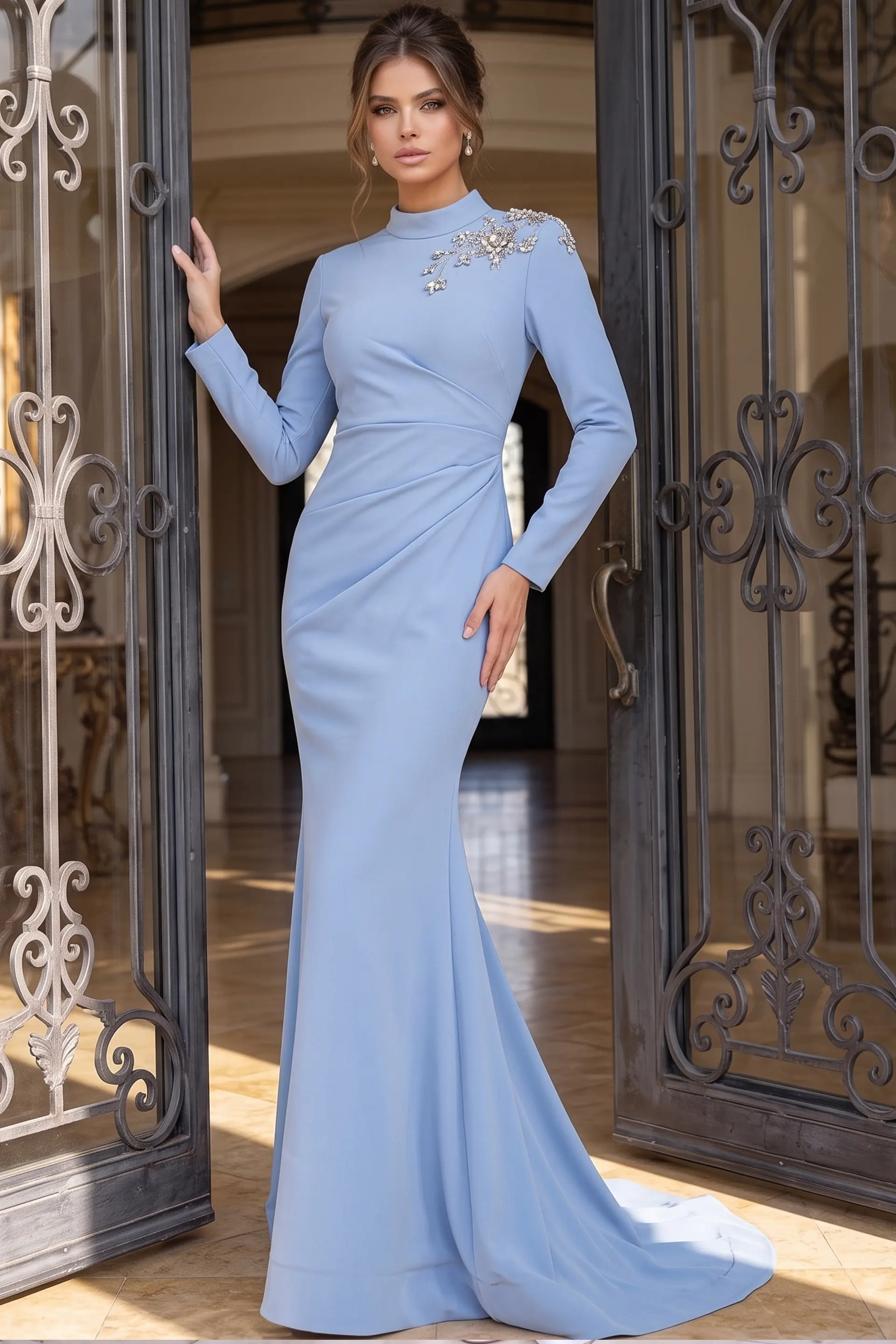
4 Colors
High Neck Long Sleeve Crepe Mermaid Gown with Floral Beading 51632
1 Colors
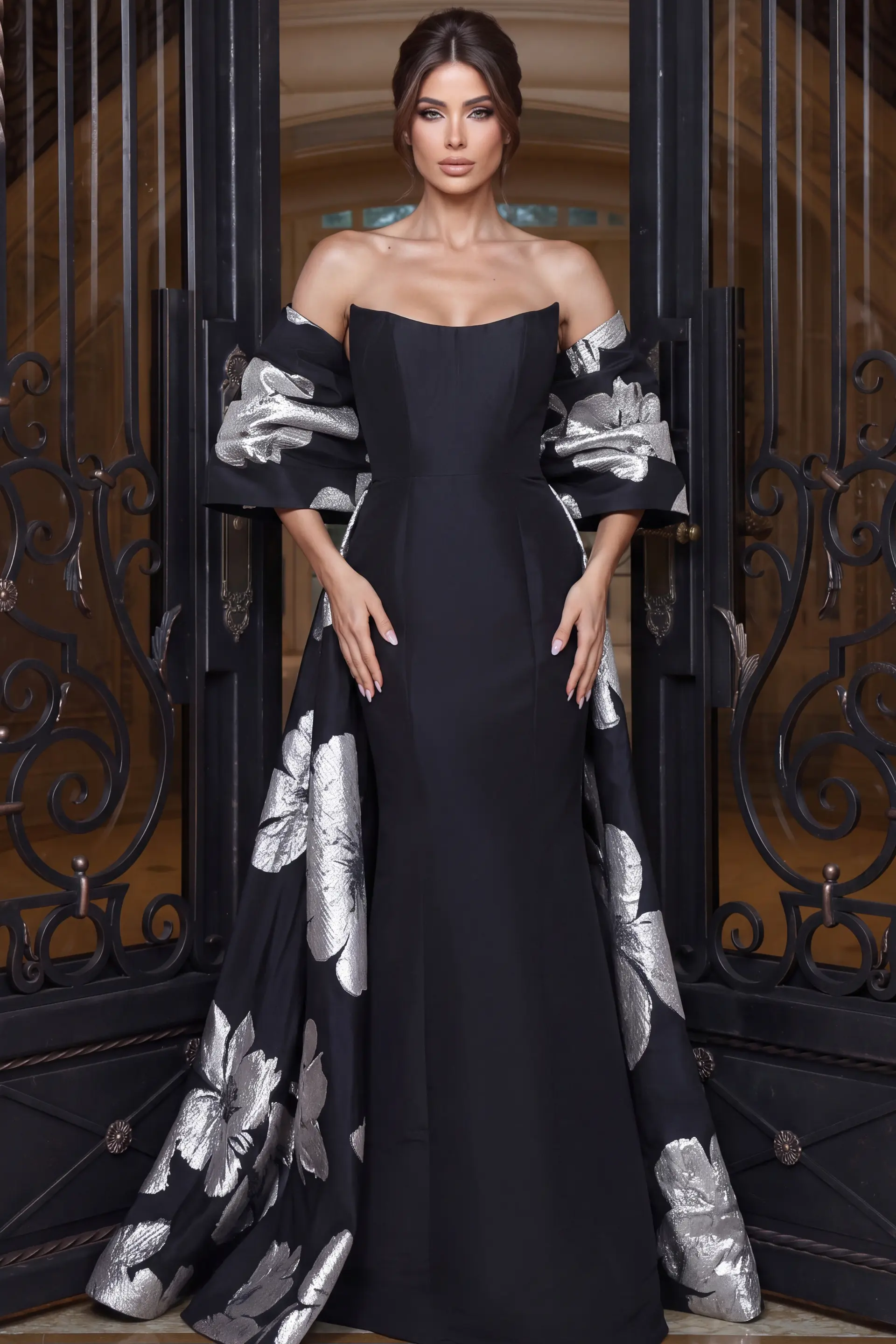
Strapless Fitted Gown With Metallic Floral Overskirt 49626
1 Colors
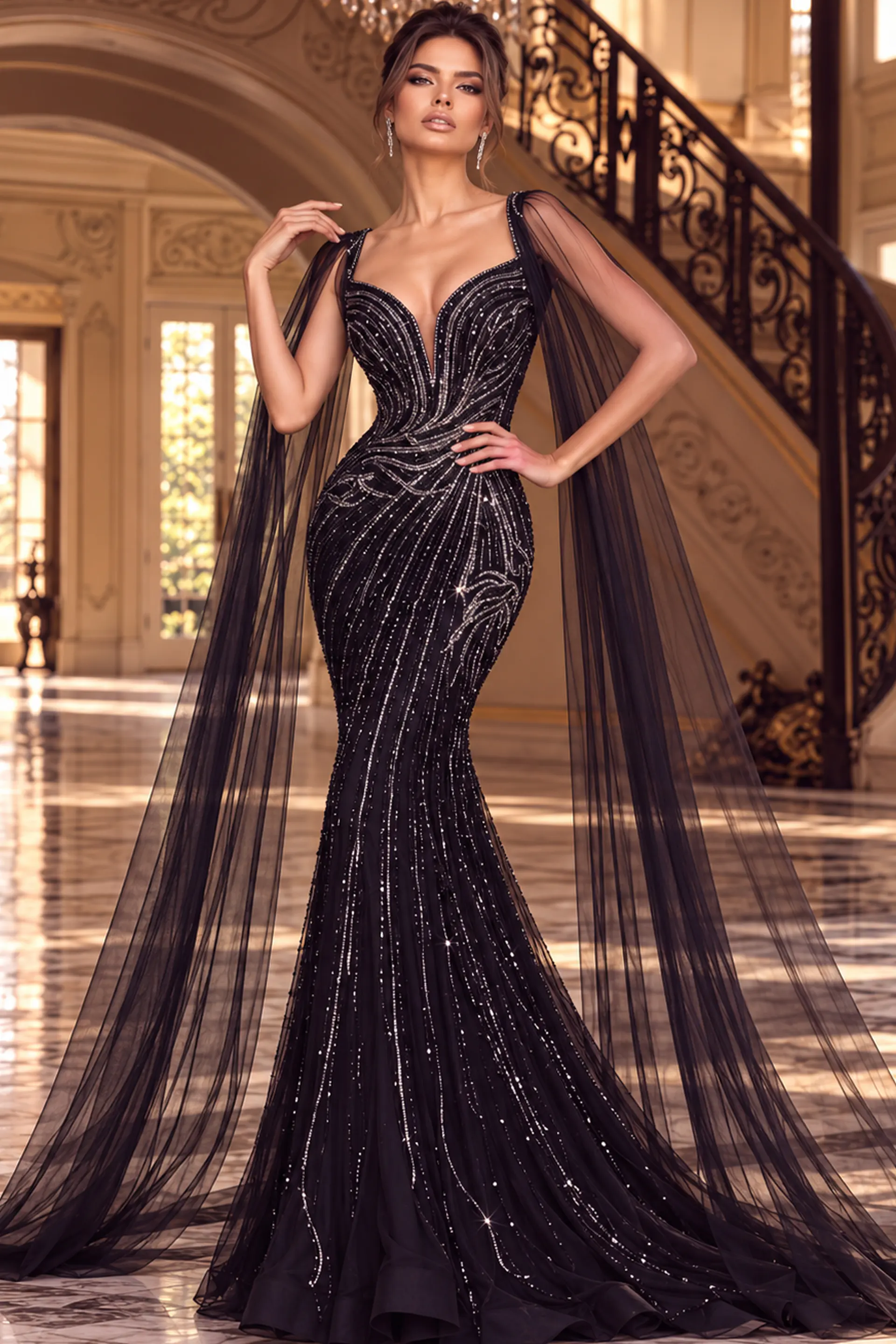
Black Beaded Mermaid Gown with Sheer Cape Sleeves 49425
1 Colors
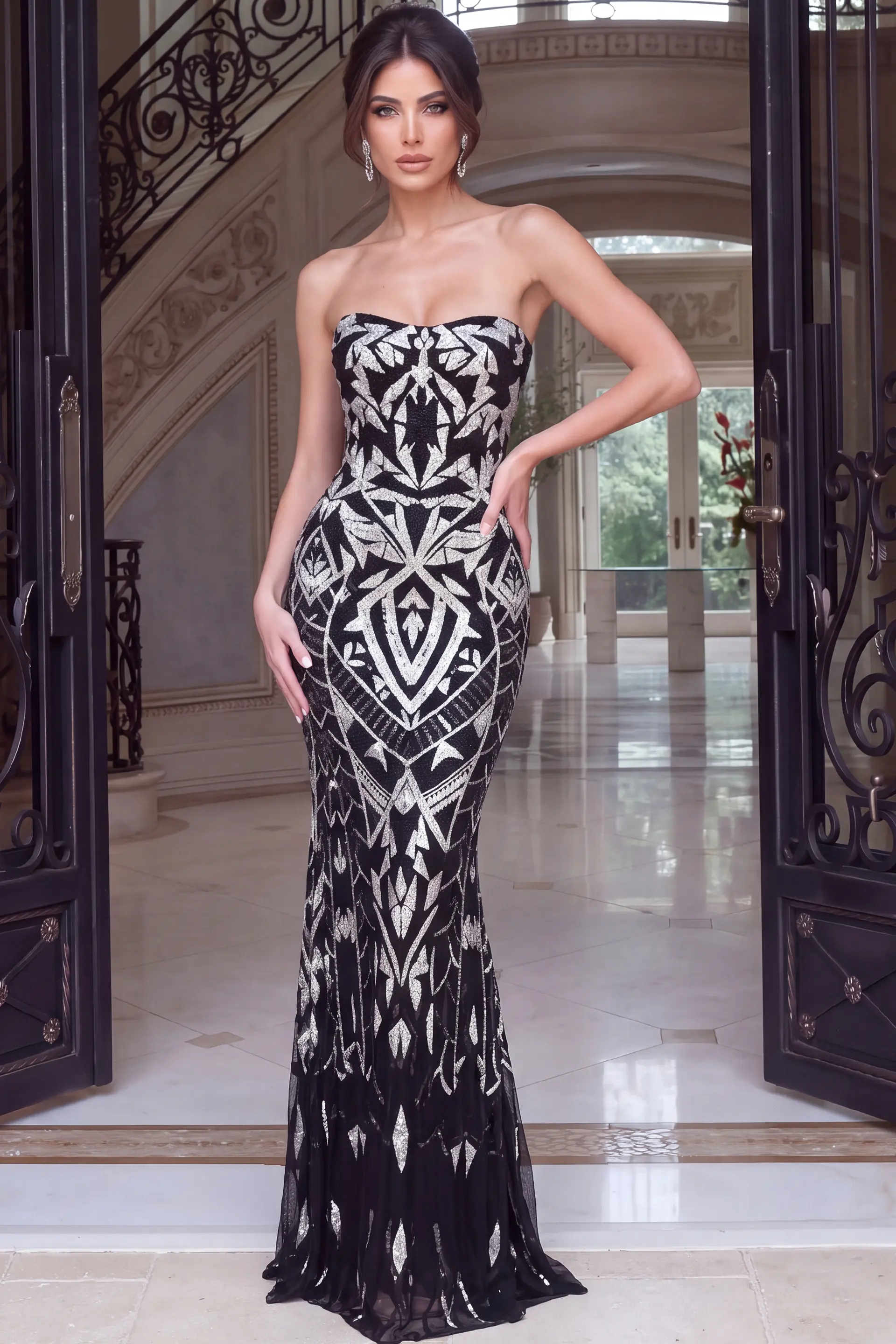
Black Silver Geometric Sequin Strapless Mermaid Gown 52647
4 Colors
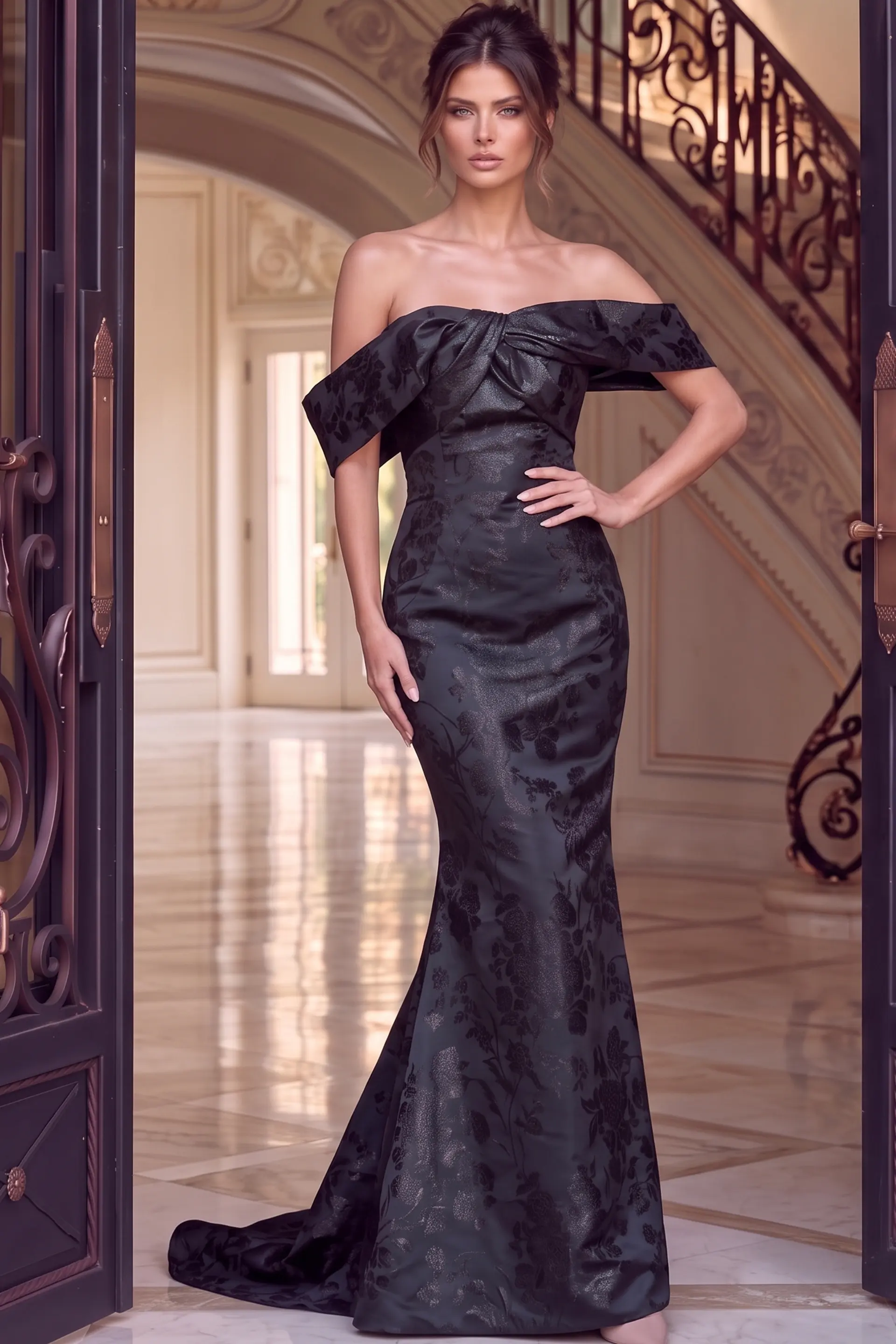
Off the Shoulder Jacquard Mermaid Evening Gown 49028
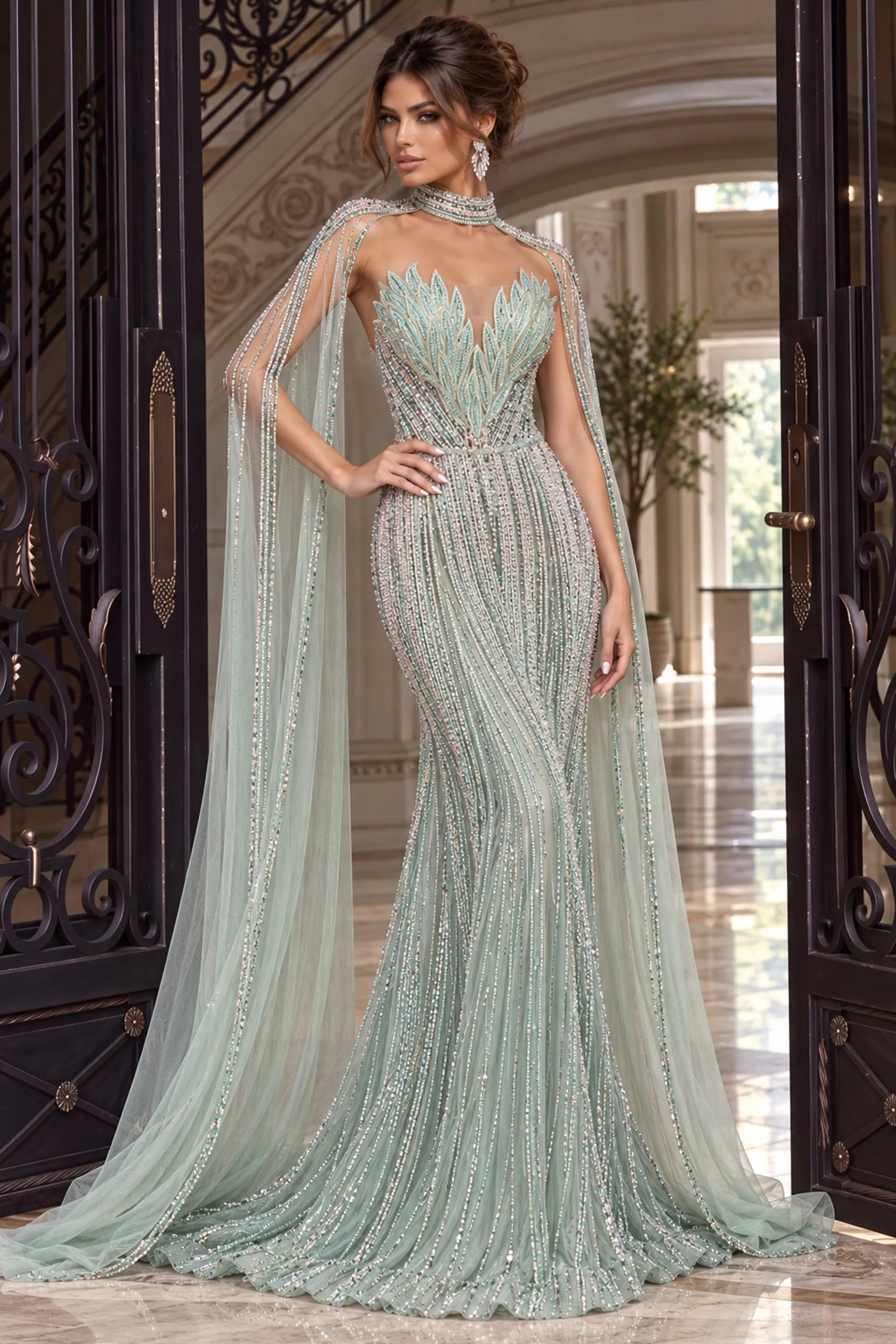
1 Colors
Seafoam Beaded Mermaid Gown with High Collar Cape 48421
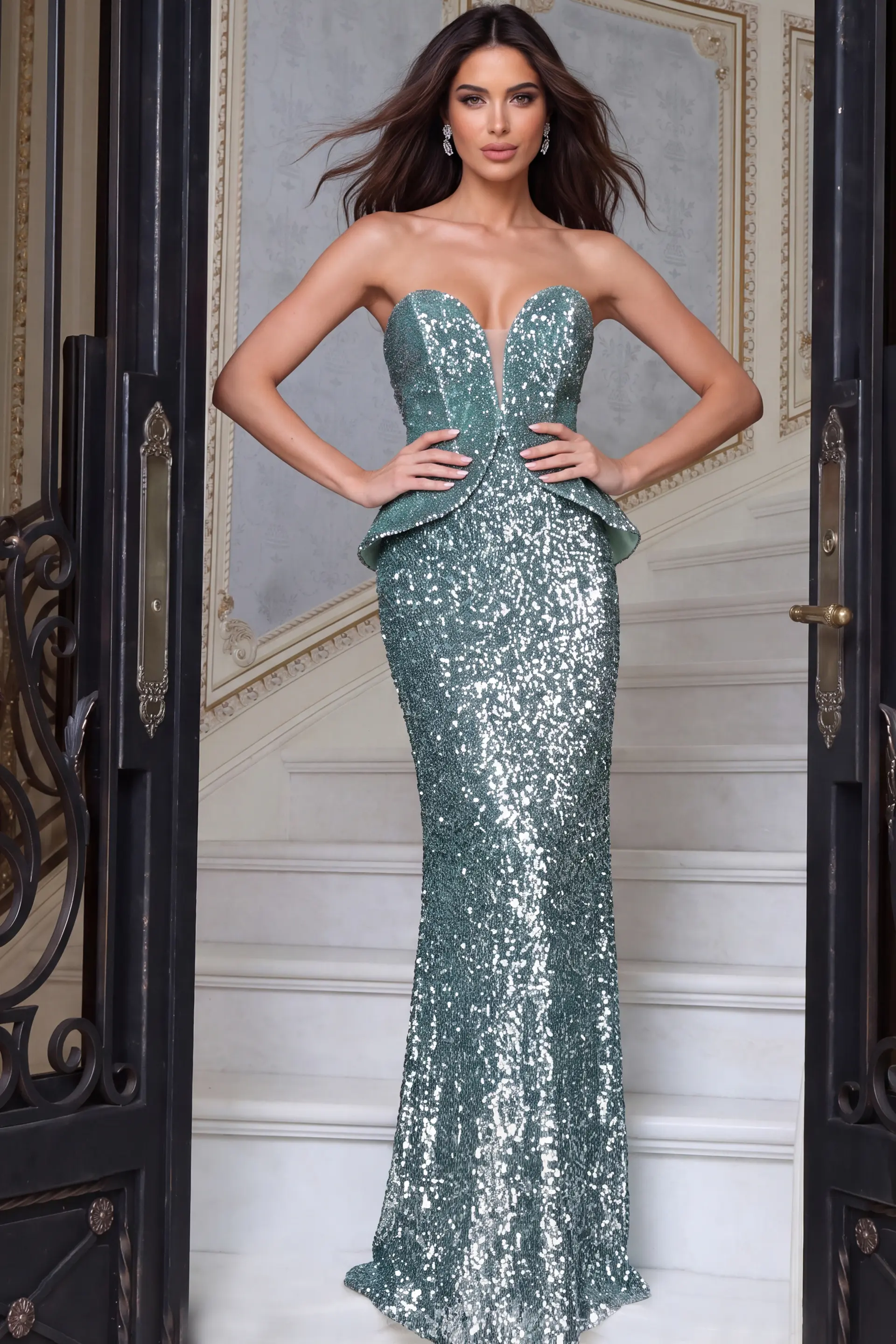
2 Colors
Strapless Peplum Sequin Column Gown with Back Slit 54192
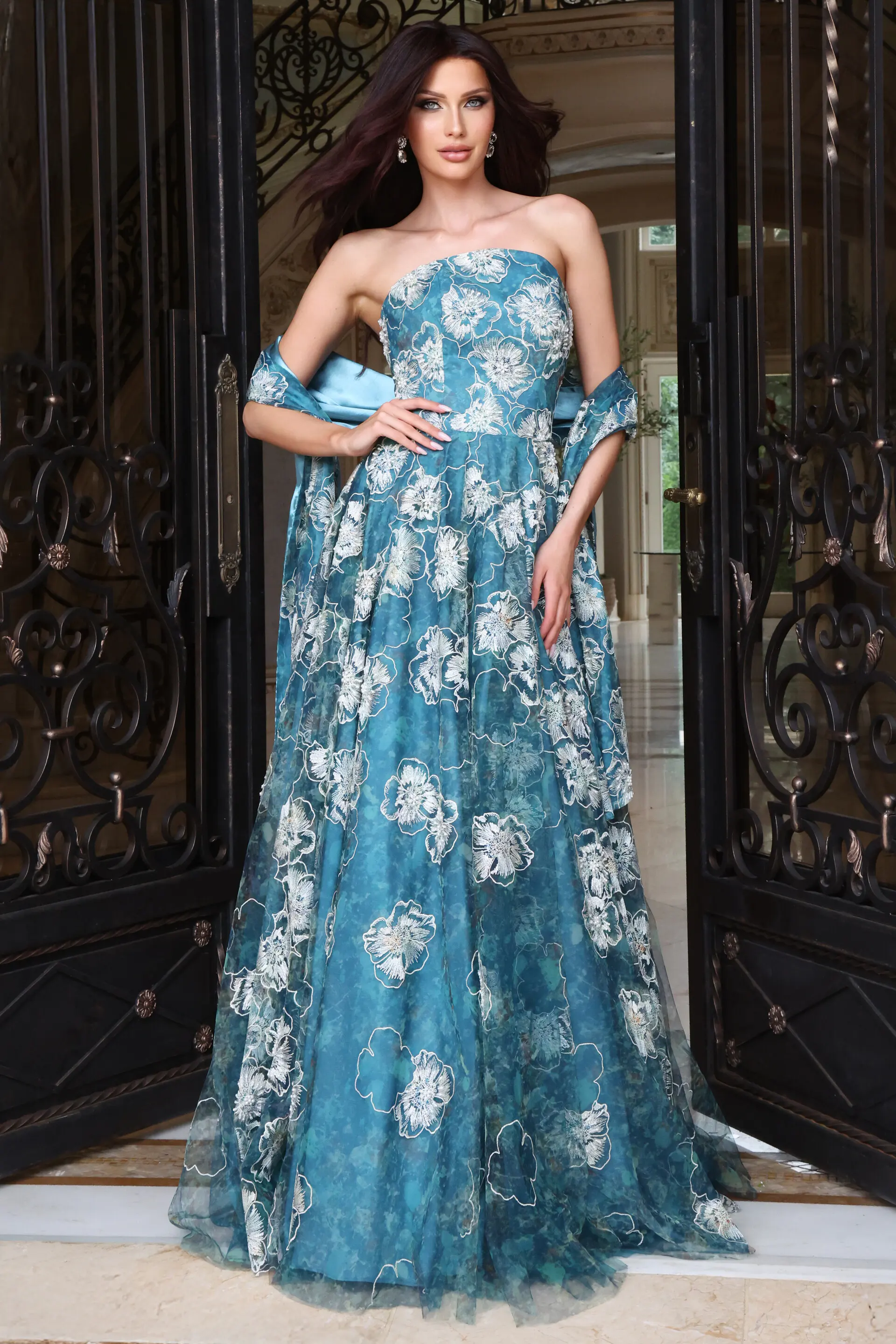
1 Colors
Floral Strapless A-Line Evening Gown with Shawl 47216
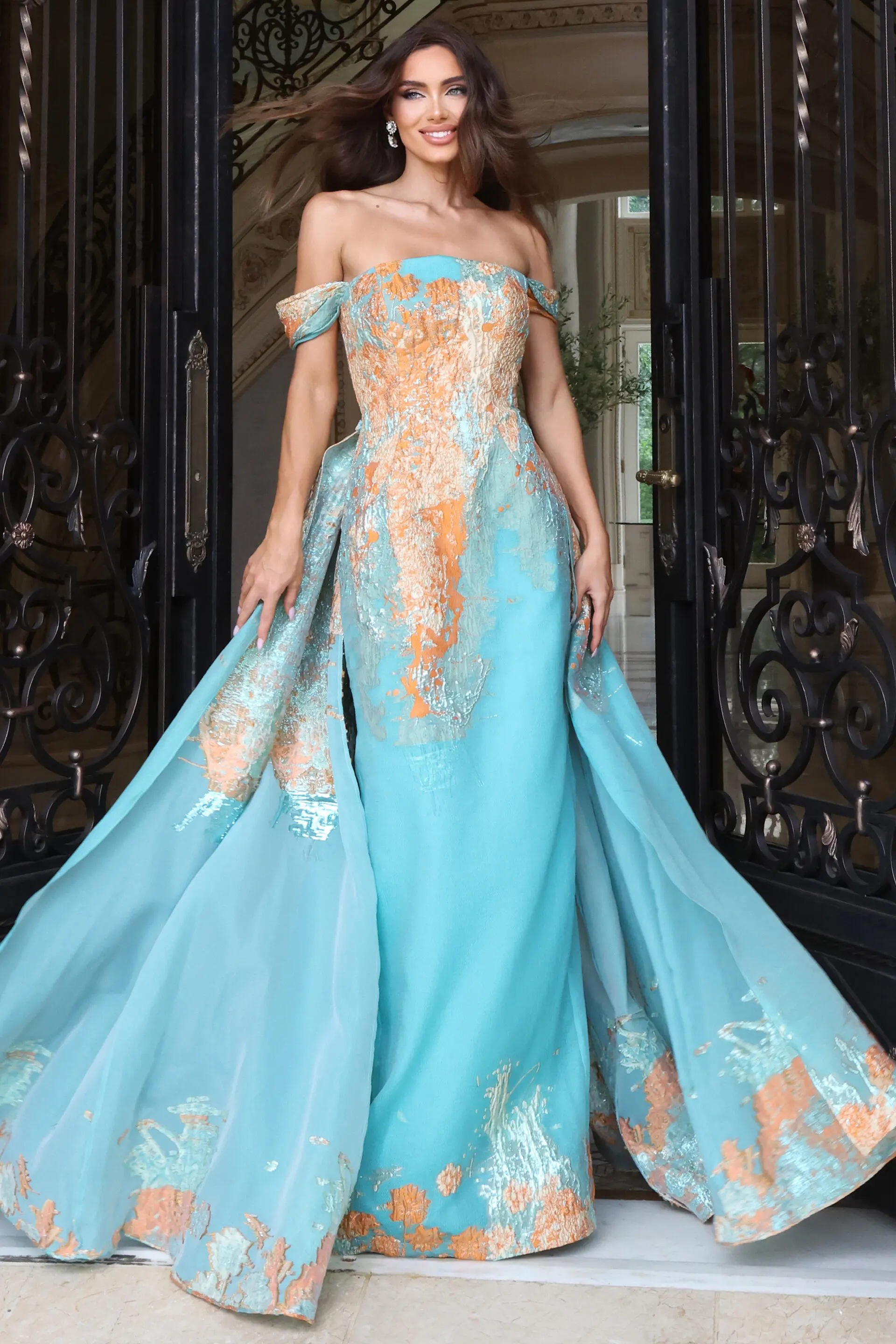
1 Colors
Off the Shoulder Metallic Jacquard Mermaid Gown 54381
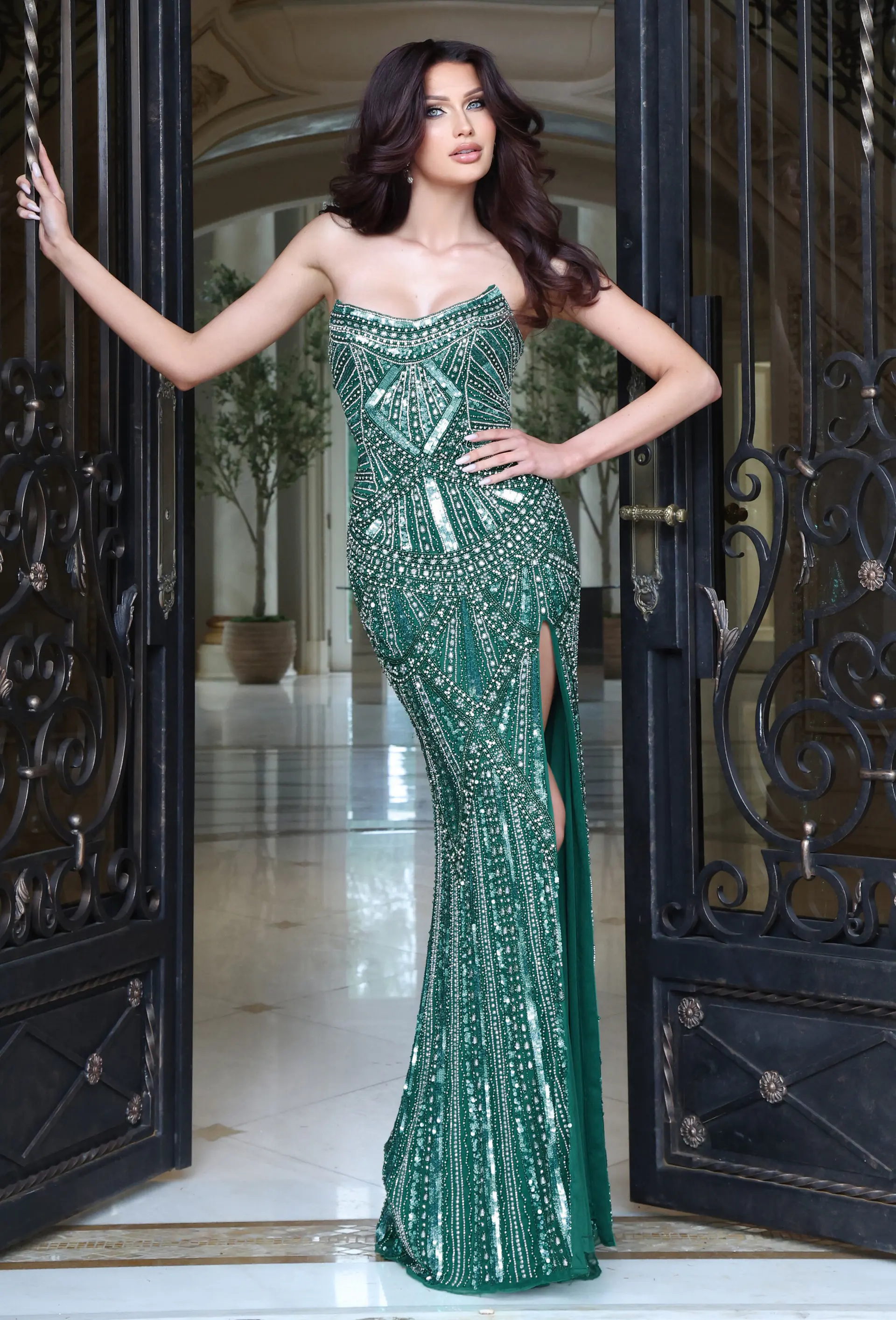
4 Colors
Beaded Column Gown with Geometric Crystal Pattern 51545
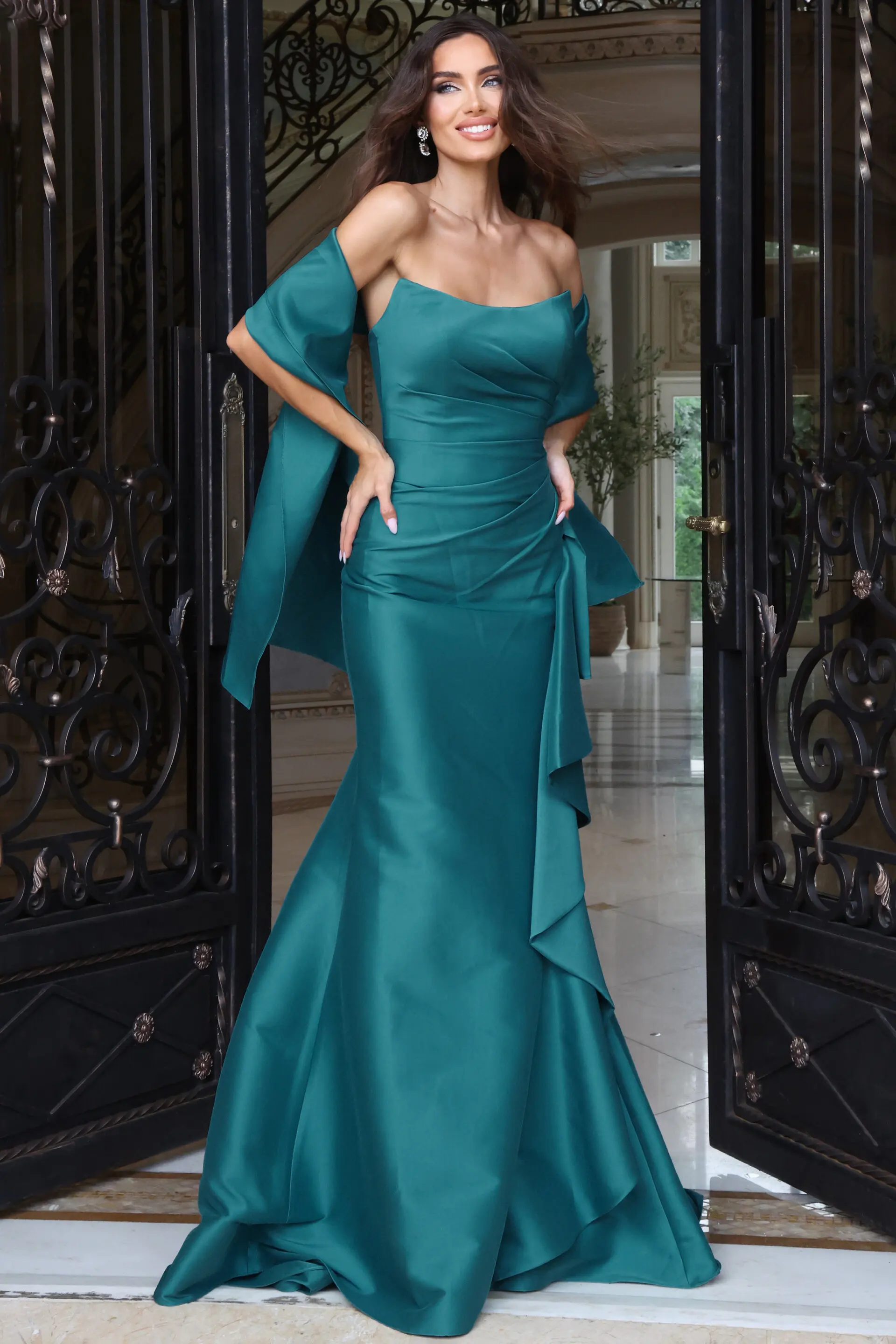
6 Colors
Off-Shoulder Mermaid Gown 53863
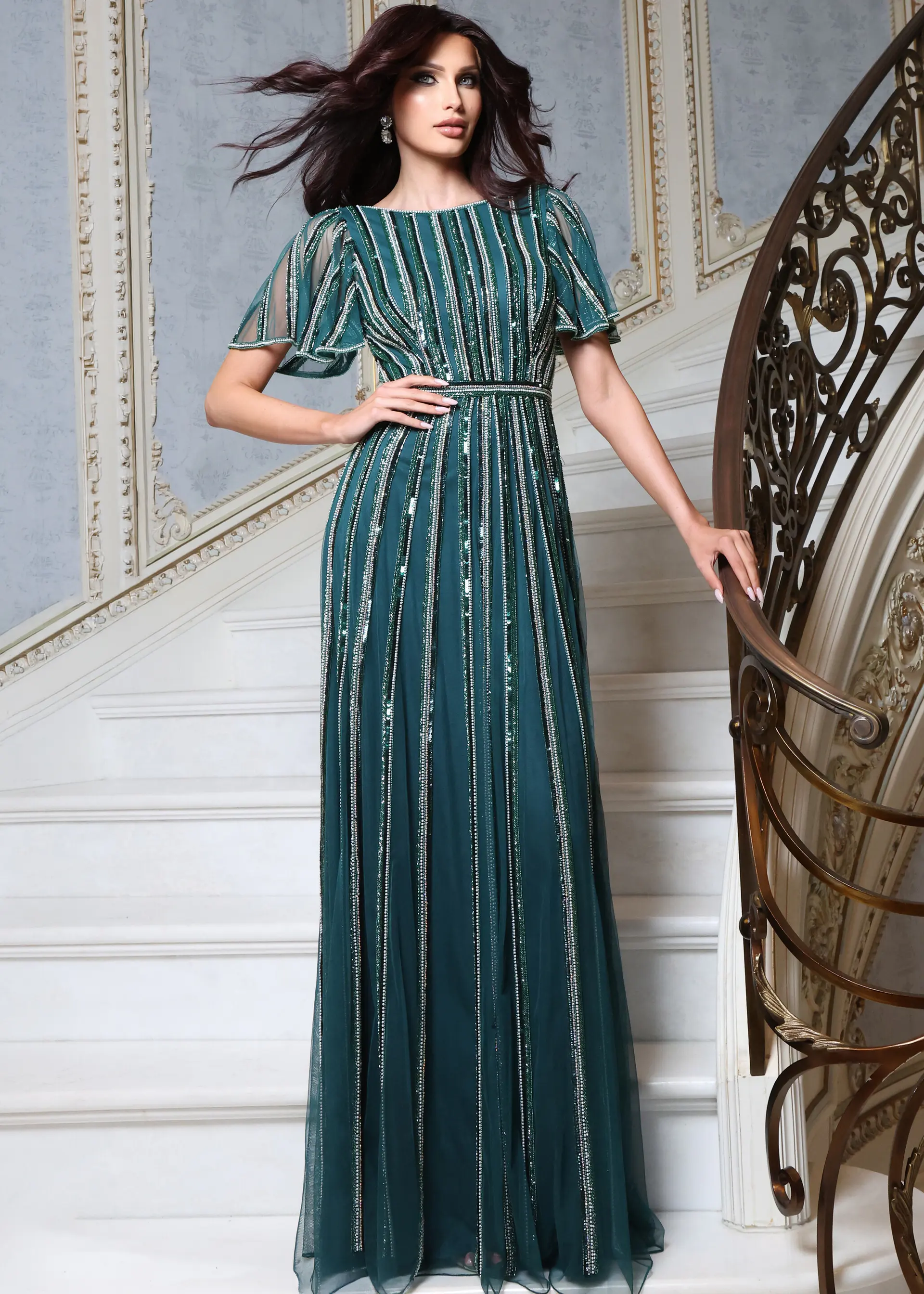
2 Colors
Beaded Stripe Flutter Sleeve A Line Gown 54083
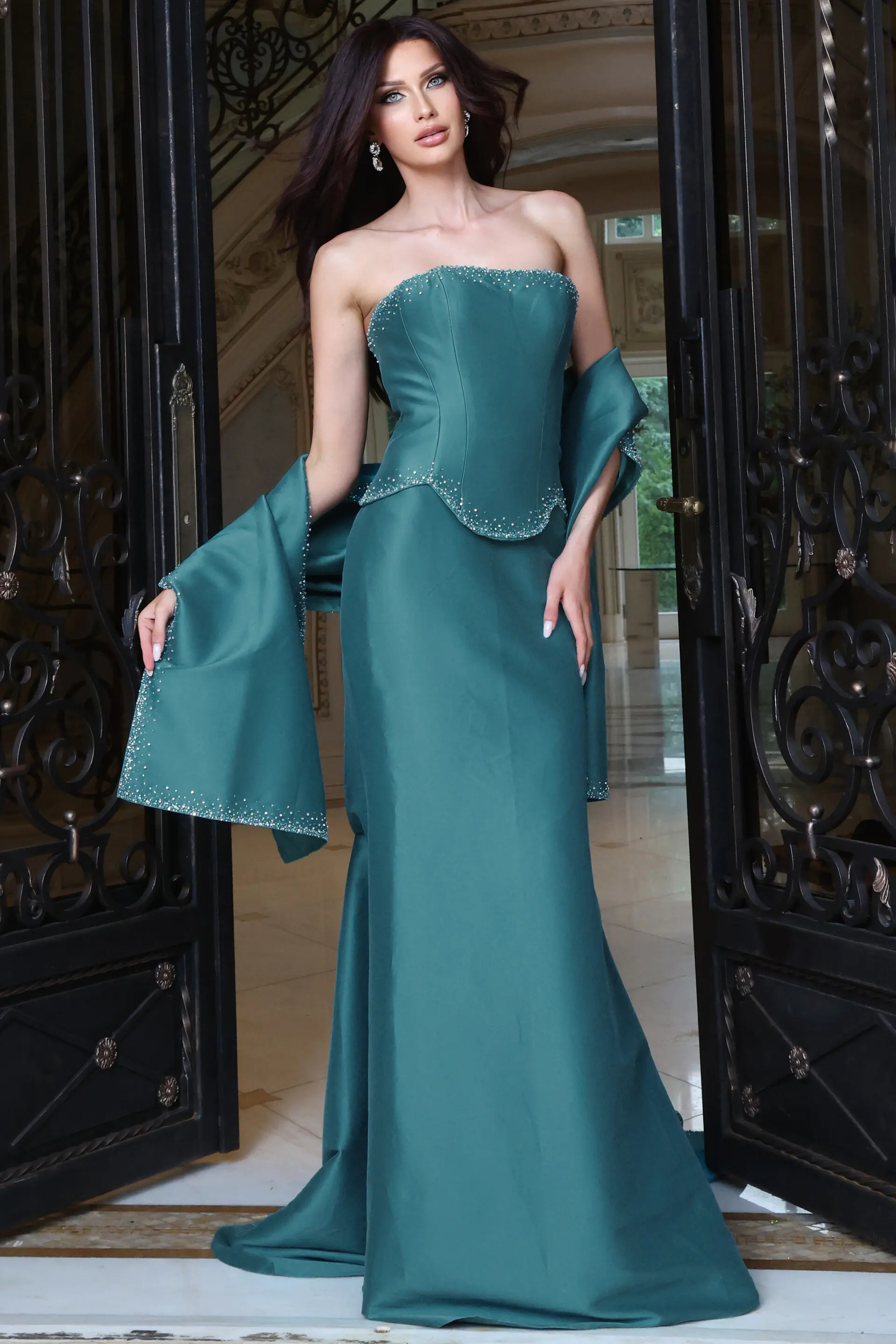
5 Colors
Strapless Beaded Corset Satin Trumpet Gown 53369
1 Colors
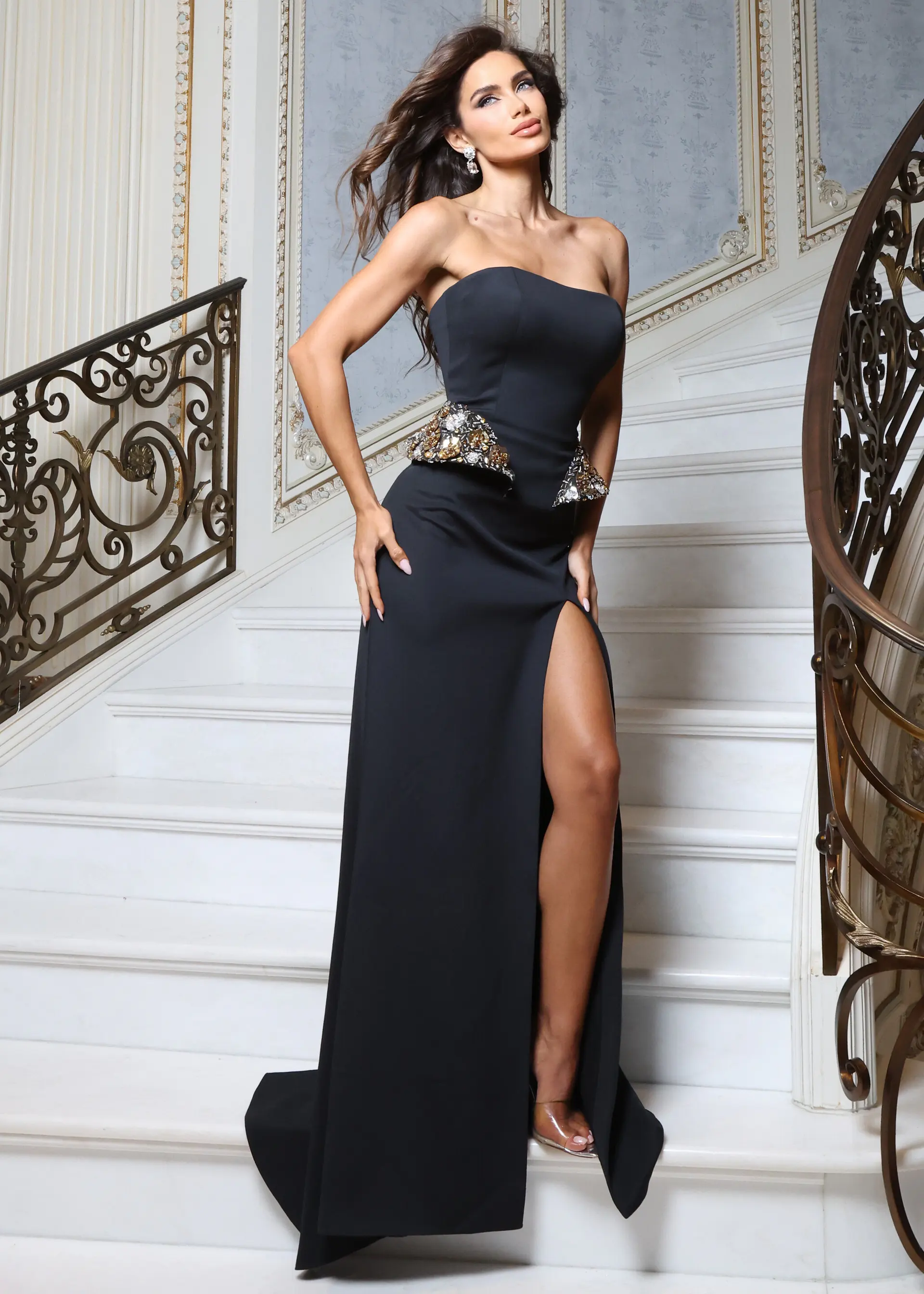
Black Strapless Column Gown with Beaded Peplum Waist 55601
2 Colors
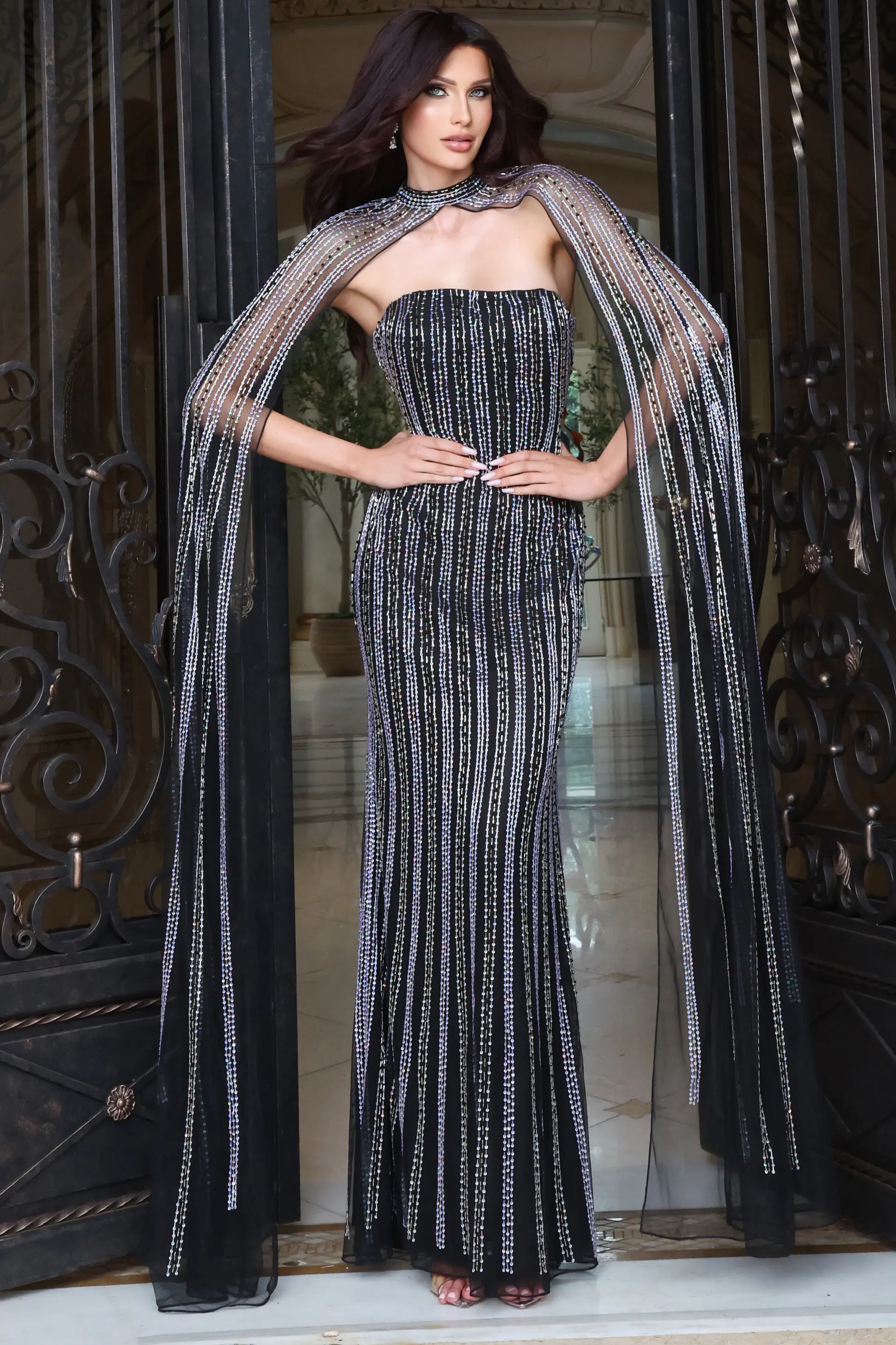
Crystal Embellished Column Gown with Beaded Cape 52487
1 Colors
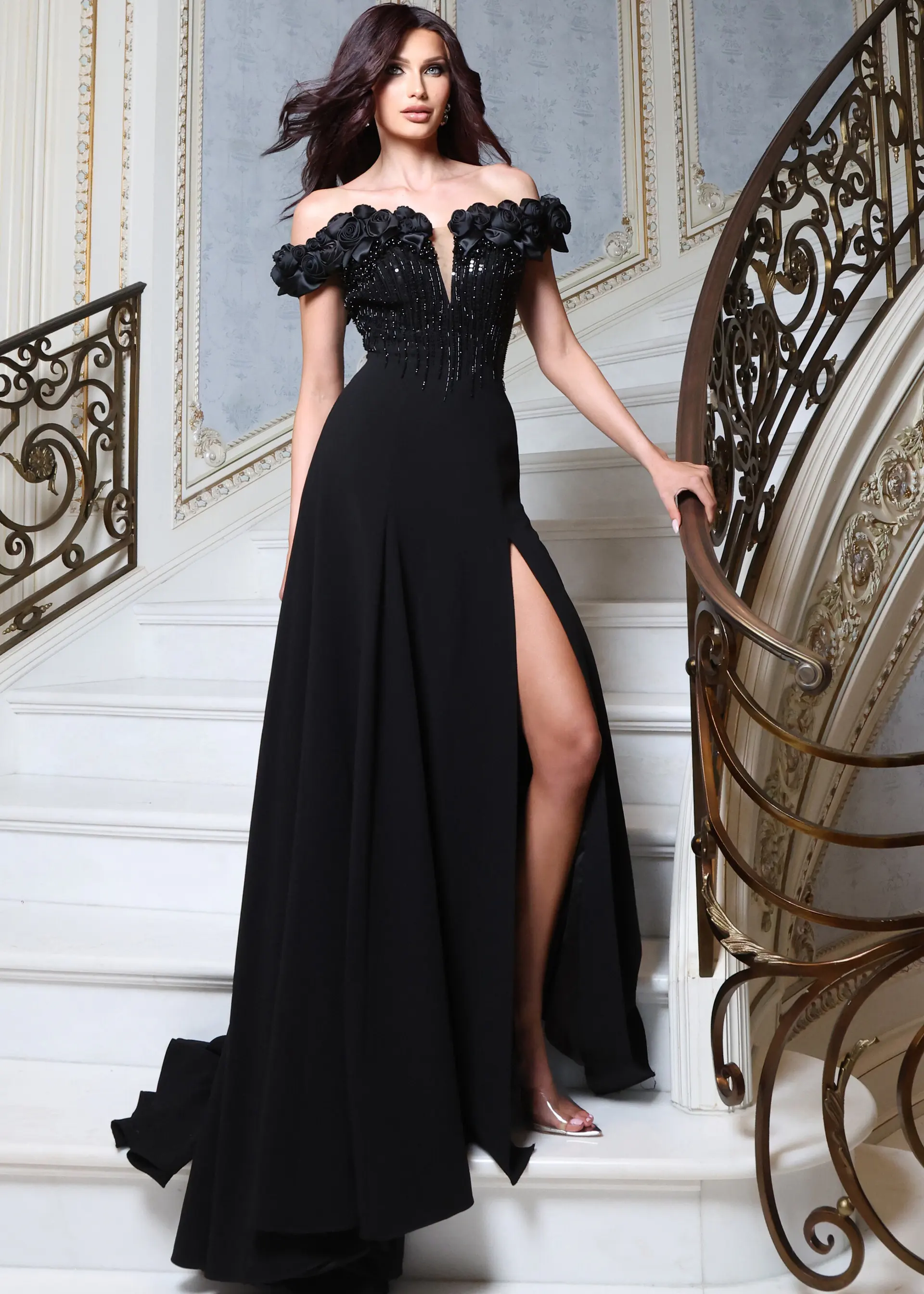
3D Rose Off Shoulder Beaded Bodice Chiffon Evening Gown 50212
2 Colors
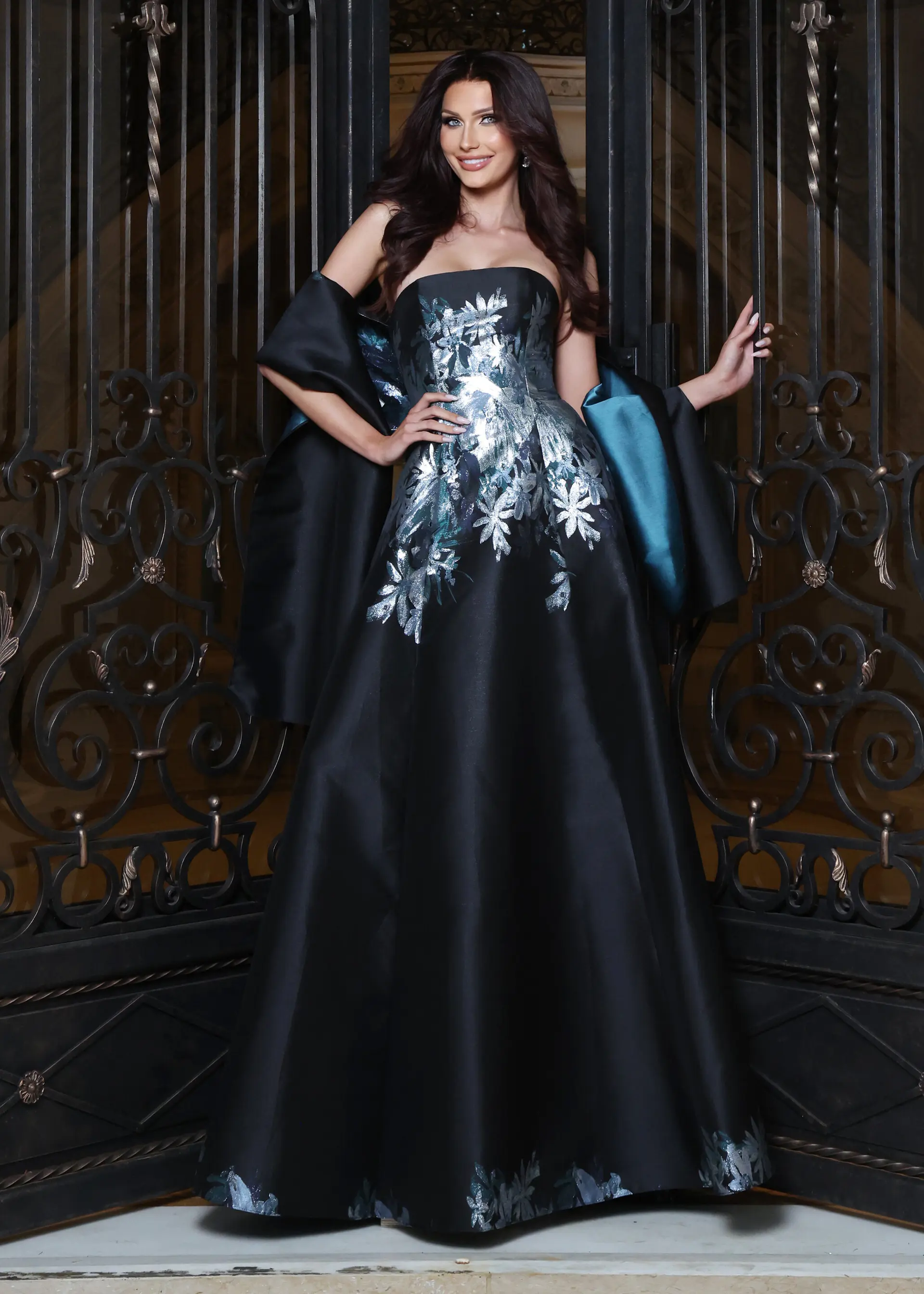
Black Floral Strapless Ball Gown with Shawl 45578
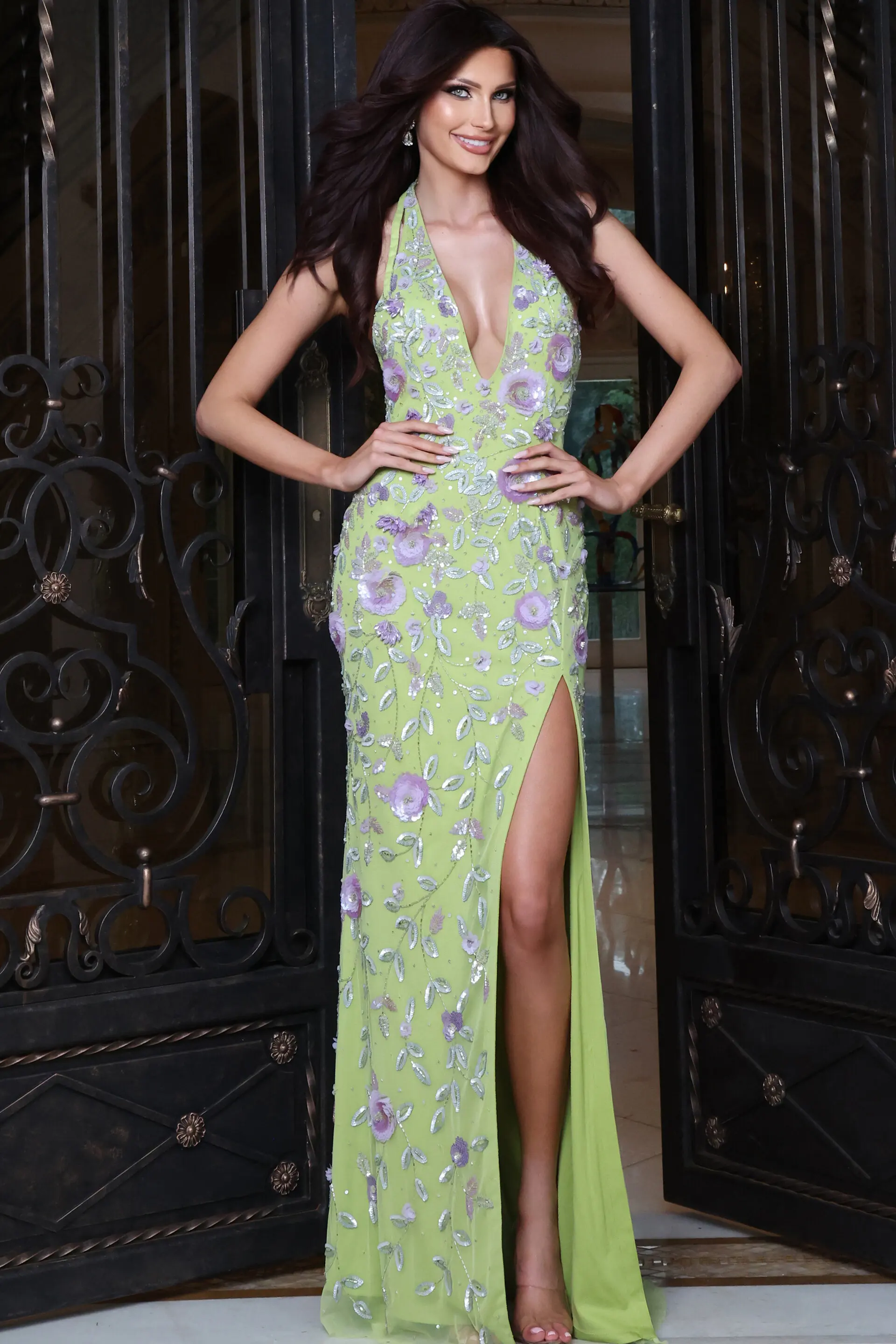
3 Colors
Floral Beaded Halter Neck Gown 54135
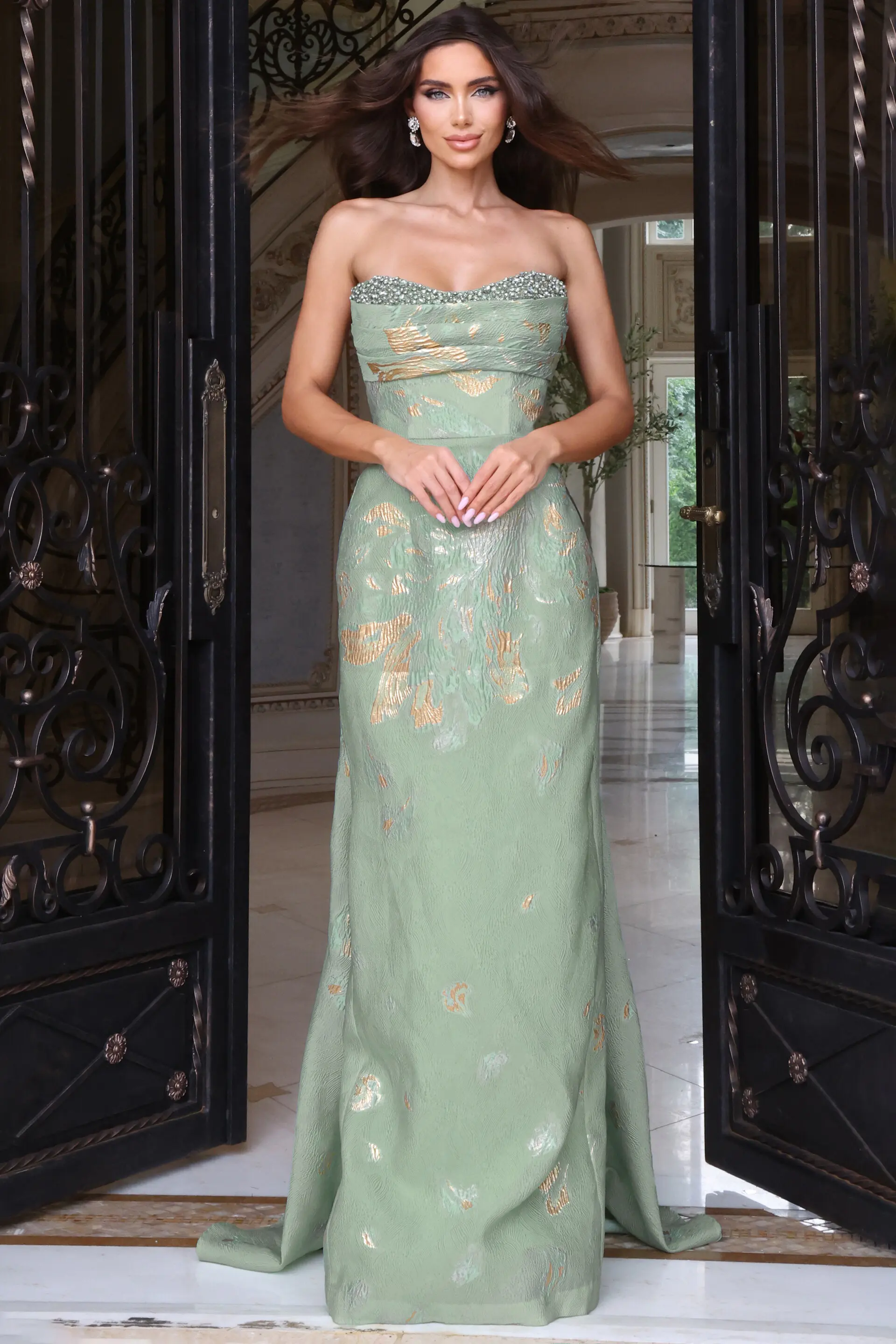
1 Colors
Strapless Beaded Neckline A-Line Jacquard Gown 52666
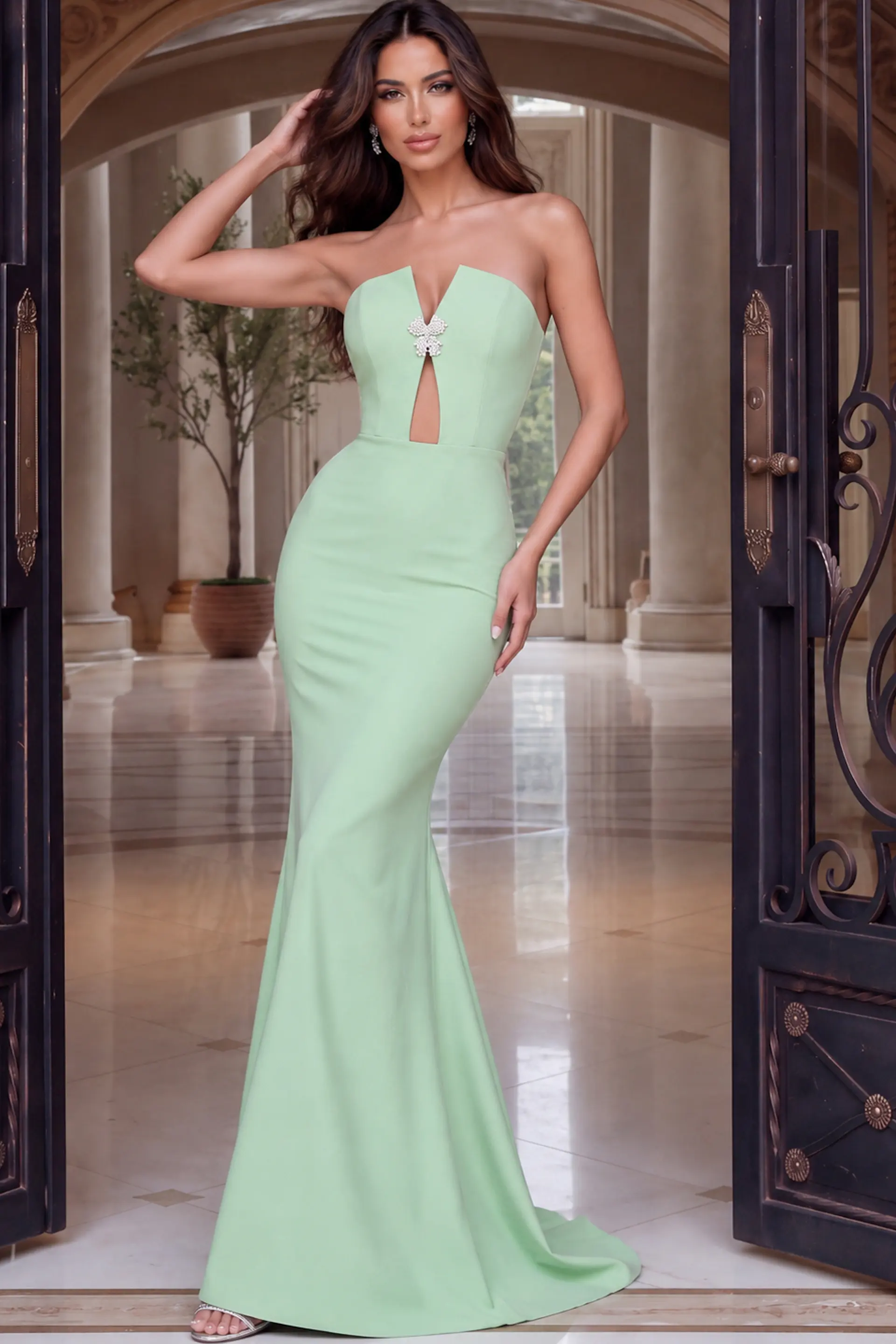
4 Colors
Crepe Mermaid Gown with Crystal Brooch Keyhole 54646
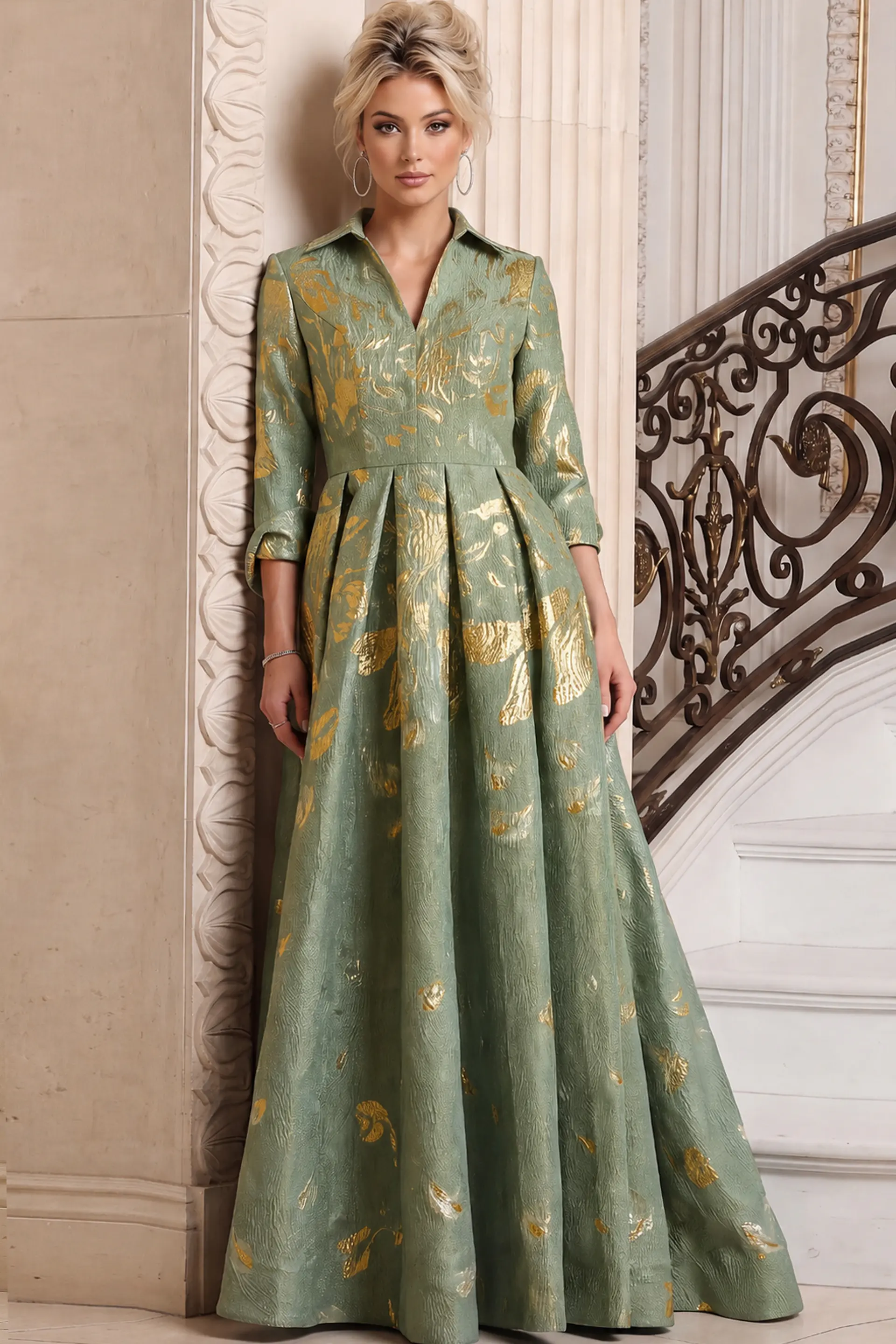
1 Colors
V-Neck Gold Pattern Ball Gown 55735
1 Colors
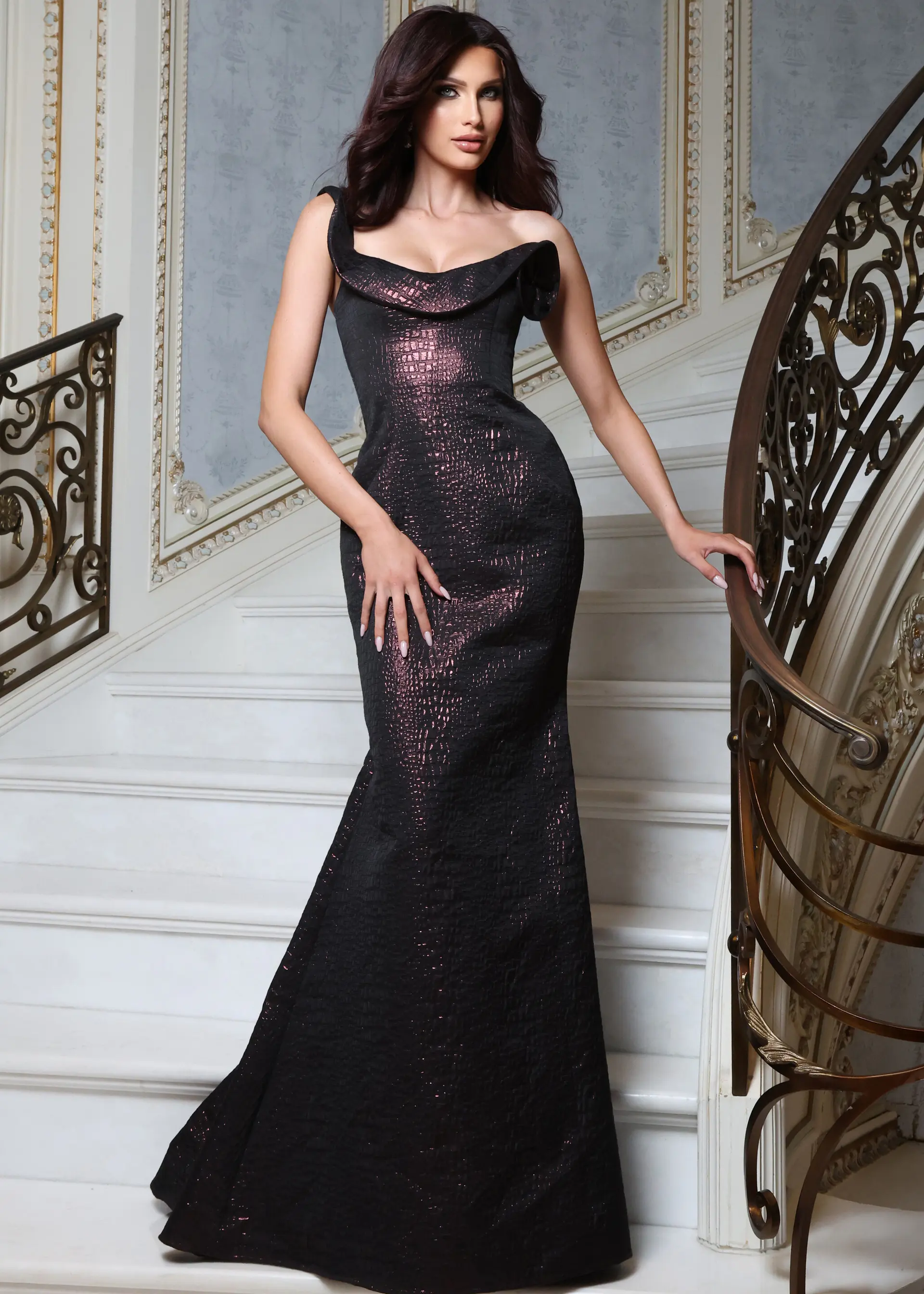
Sculpted Neck Mermaid Metallic Gown 53310
3 Colors
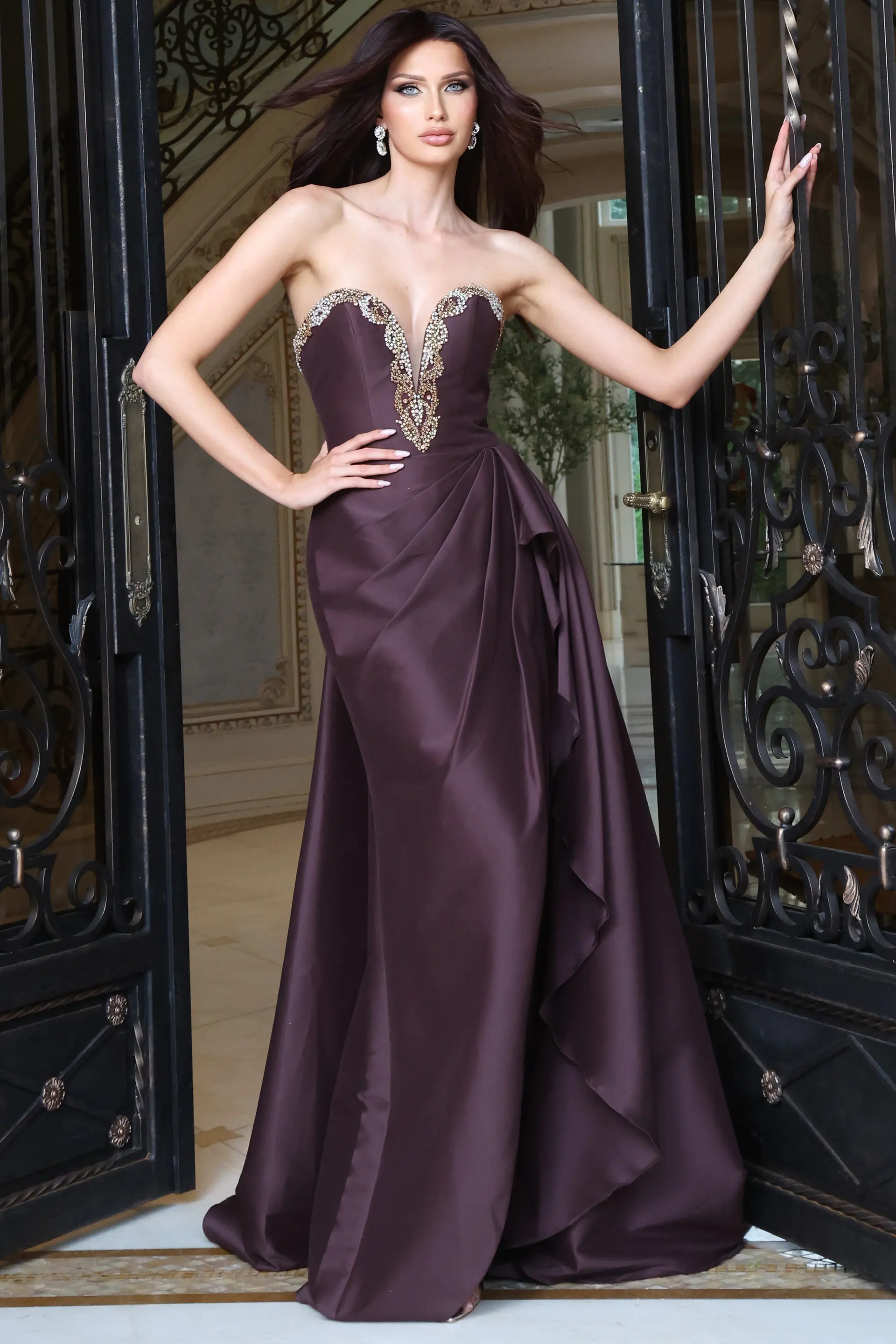
Strapless Embellished Sweetheart Satin Ball Gown 53350
7 Colors
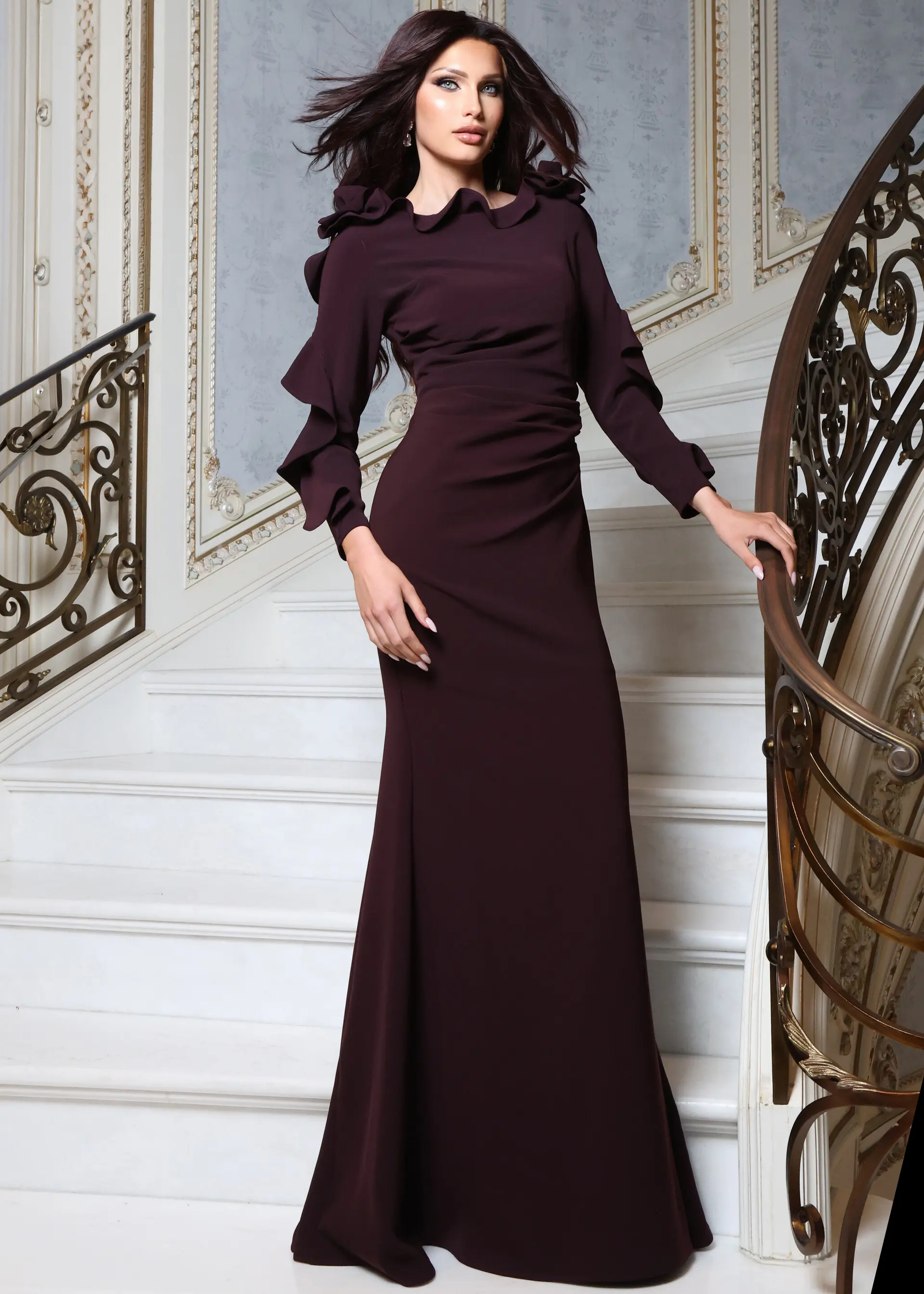
Mermaid Gown with Sculptural Ruffle Shoulders 51598
4 Colors
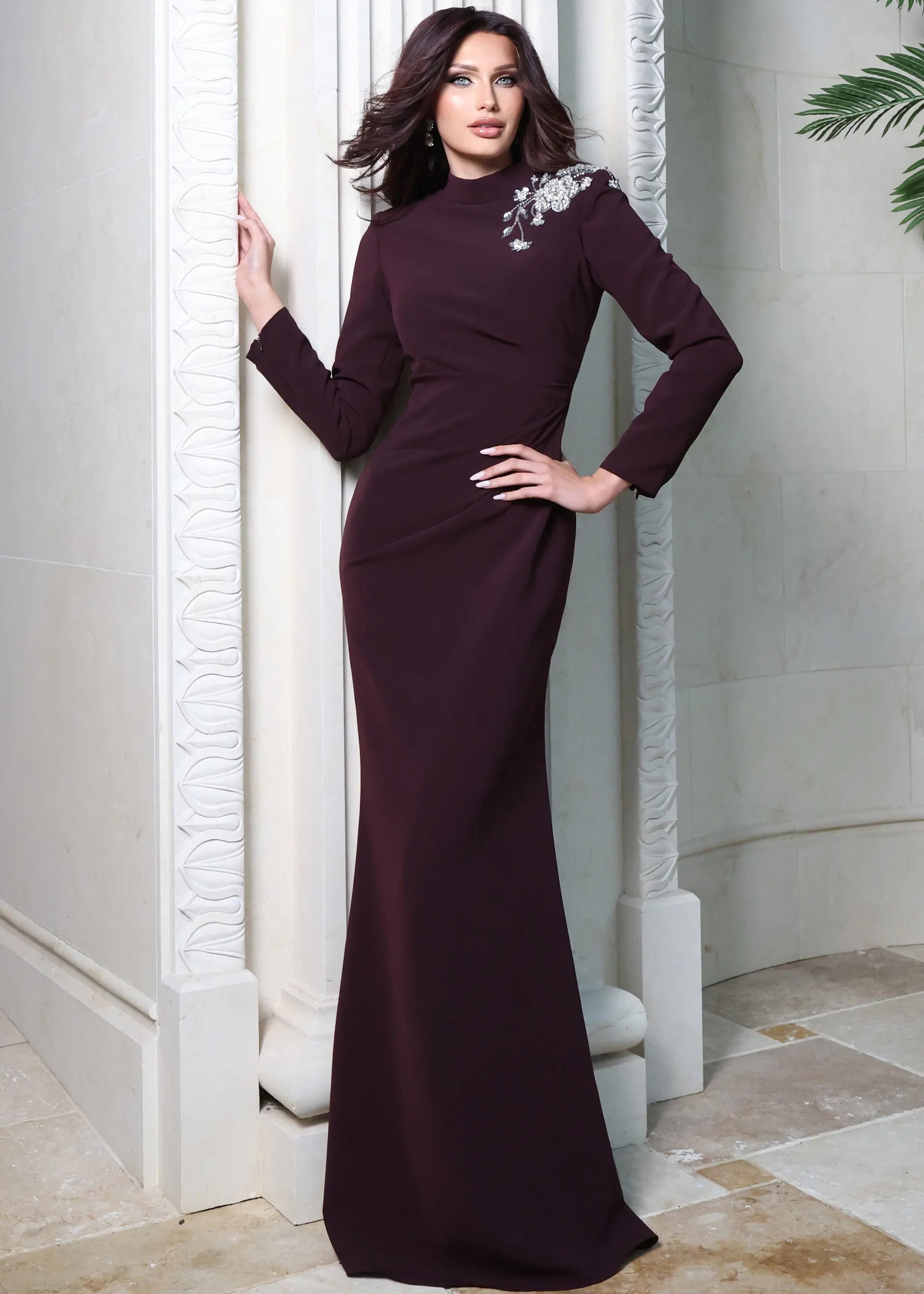
Crepe Mermaid Gown with Floral Crystal Embellishment 51632
3 Colors
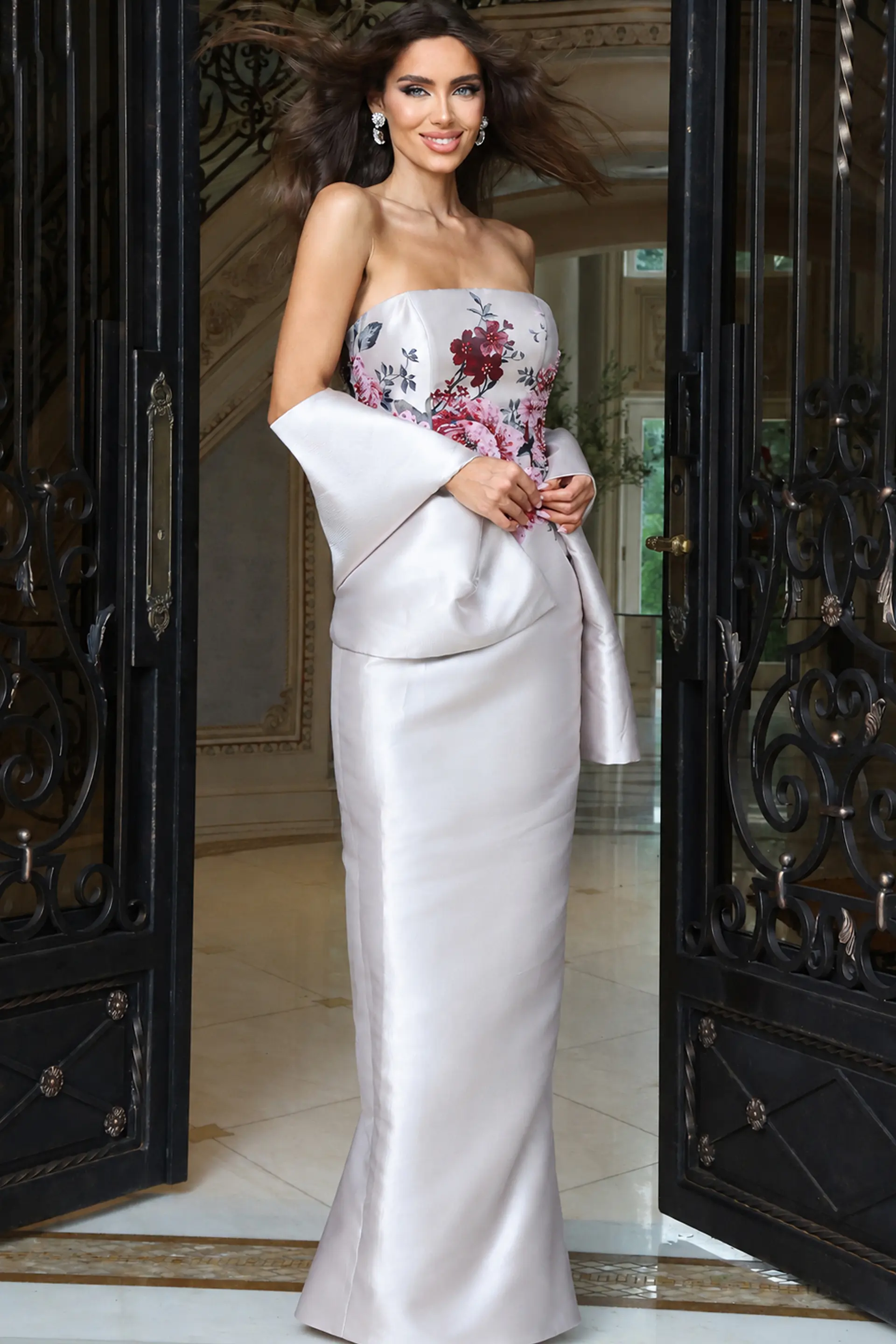
Strapless Floral Satin Column Gown 53418
3 Colors
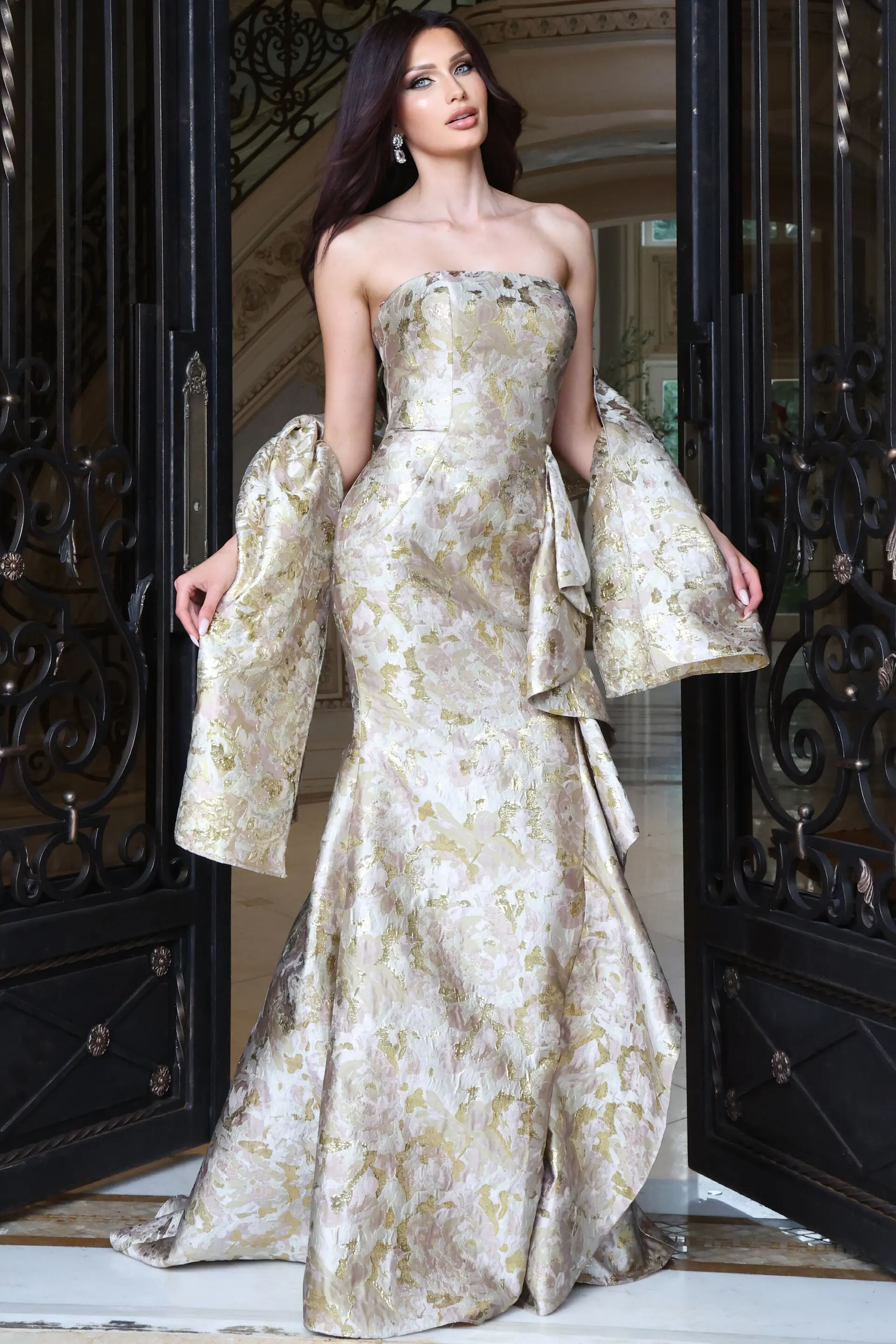
Brocade Gown With Draped Side Detail 46517
7 Colors
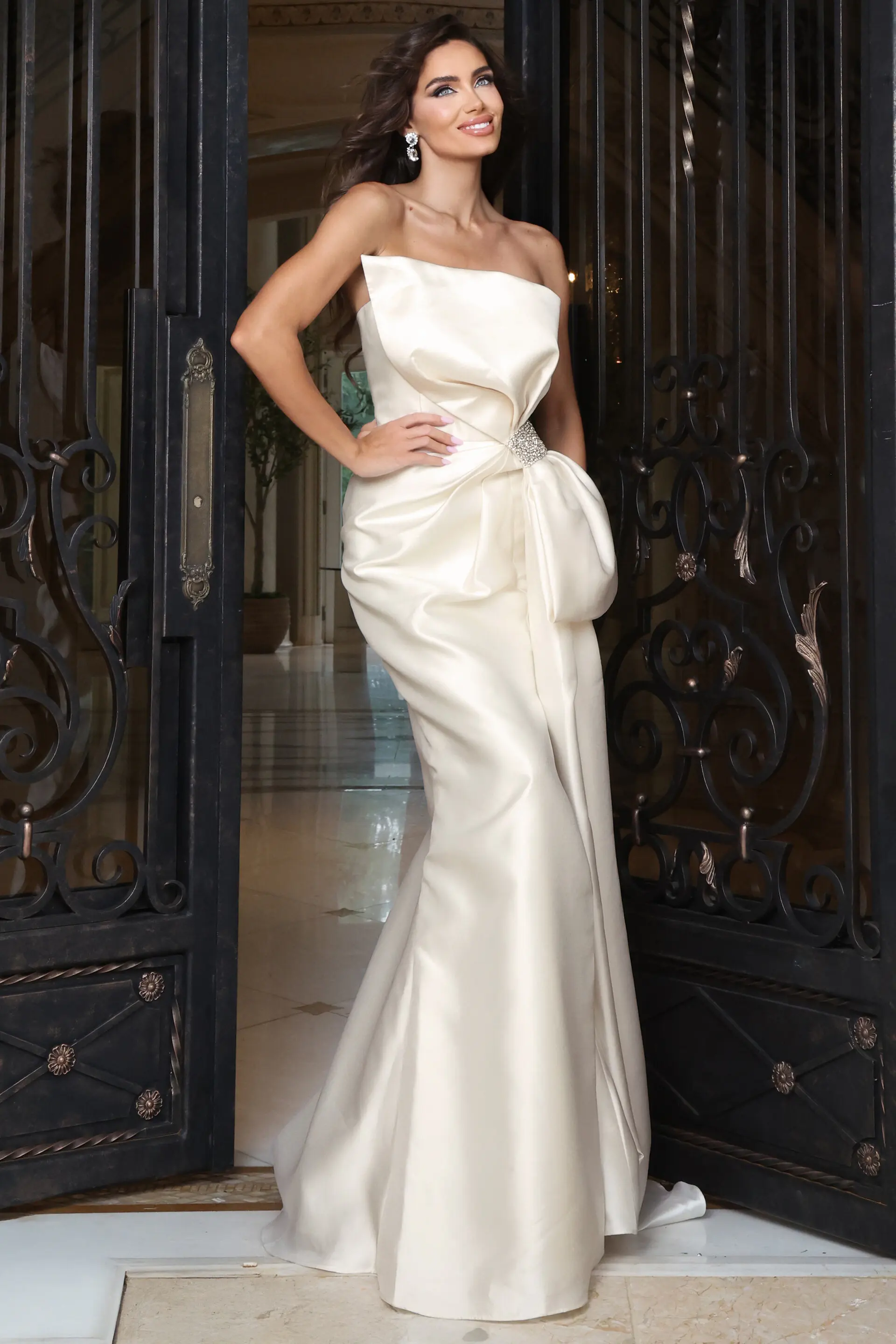
Strapless Satin Mermaid Gown with Draped Bow Detail 53376
2 Colors
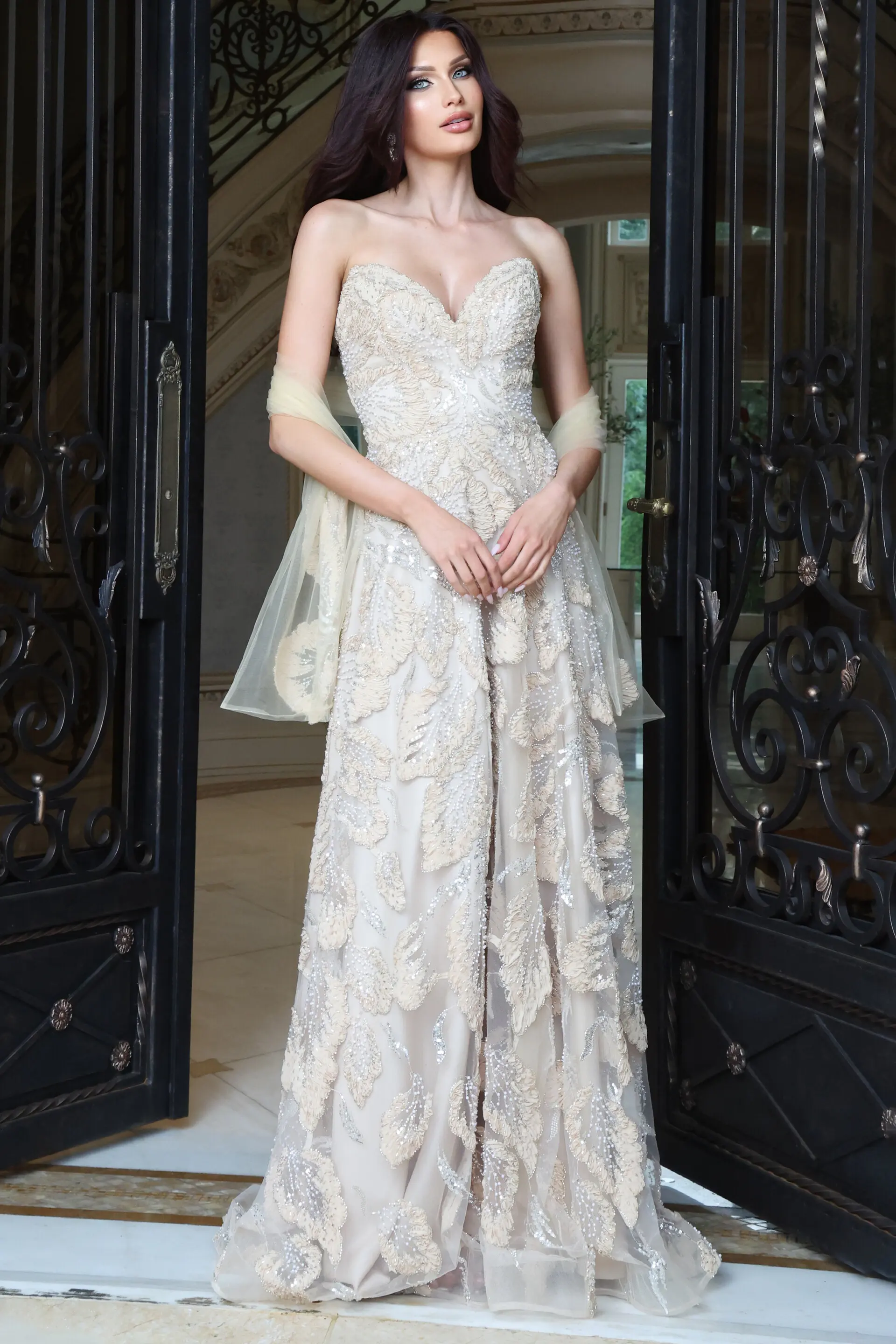
Embellished Strapless Evening Gown with Shawl 52274
Trending Now
Evening trends: what boutiques are ordering
Boutiques order months before the season starts. Here is what Jovani retailers are choosing.
The most popular evening styles
16 Colors
Jovani 00446 Off the Shoulder Ruched Dress
4 Colors
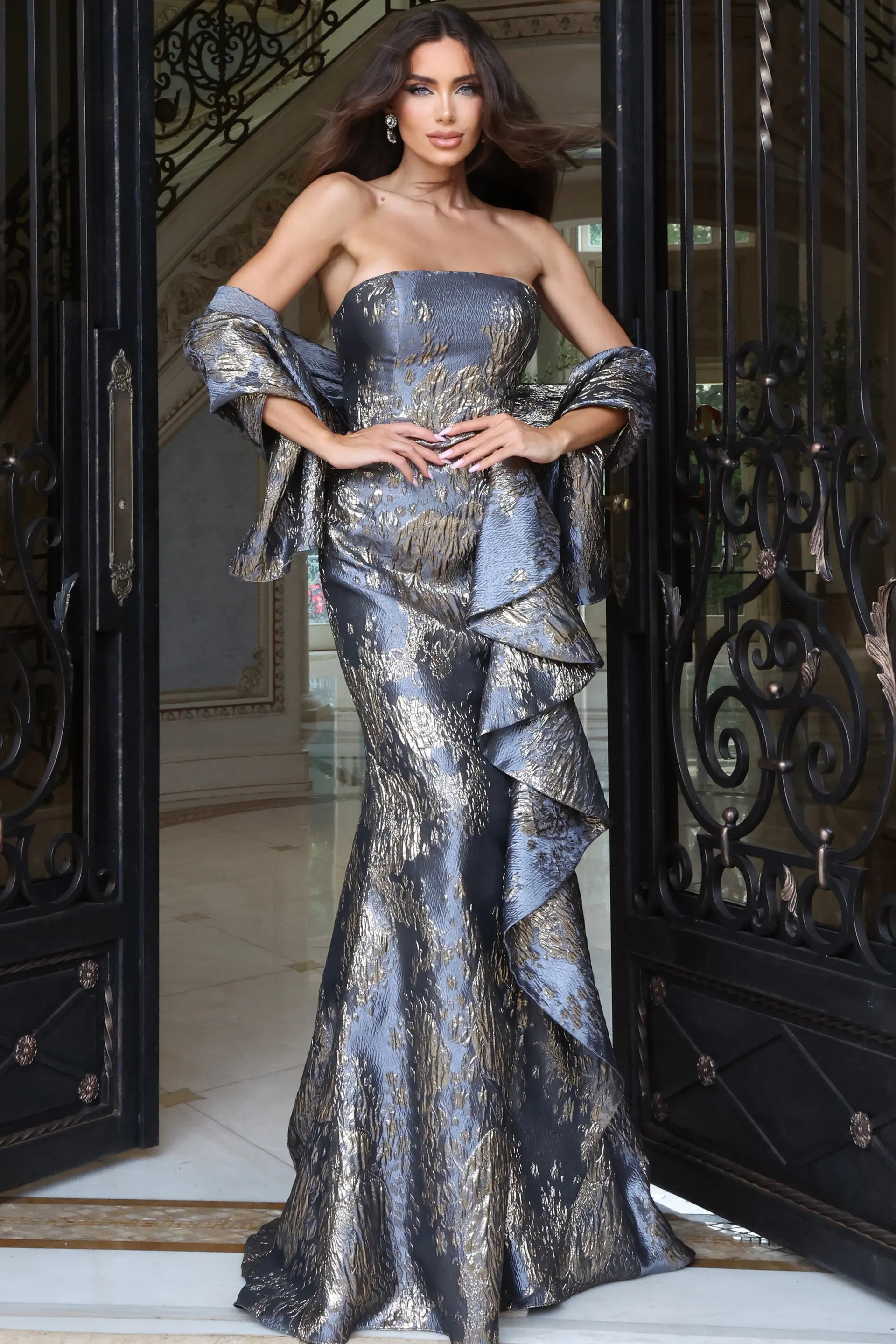
Gunmetal and Gold Strapless Gown with Cascading Ruffle 42028
11 Colors
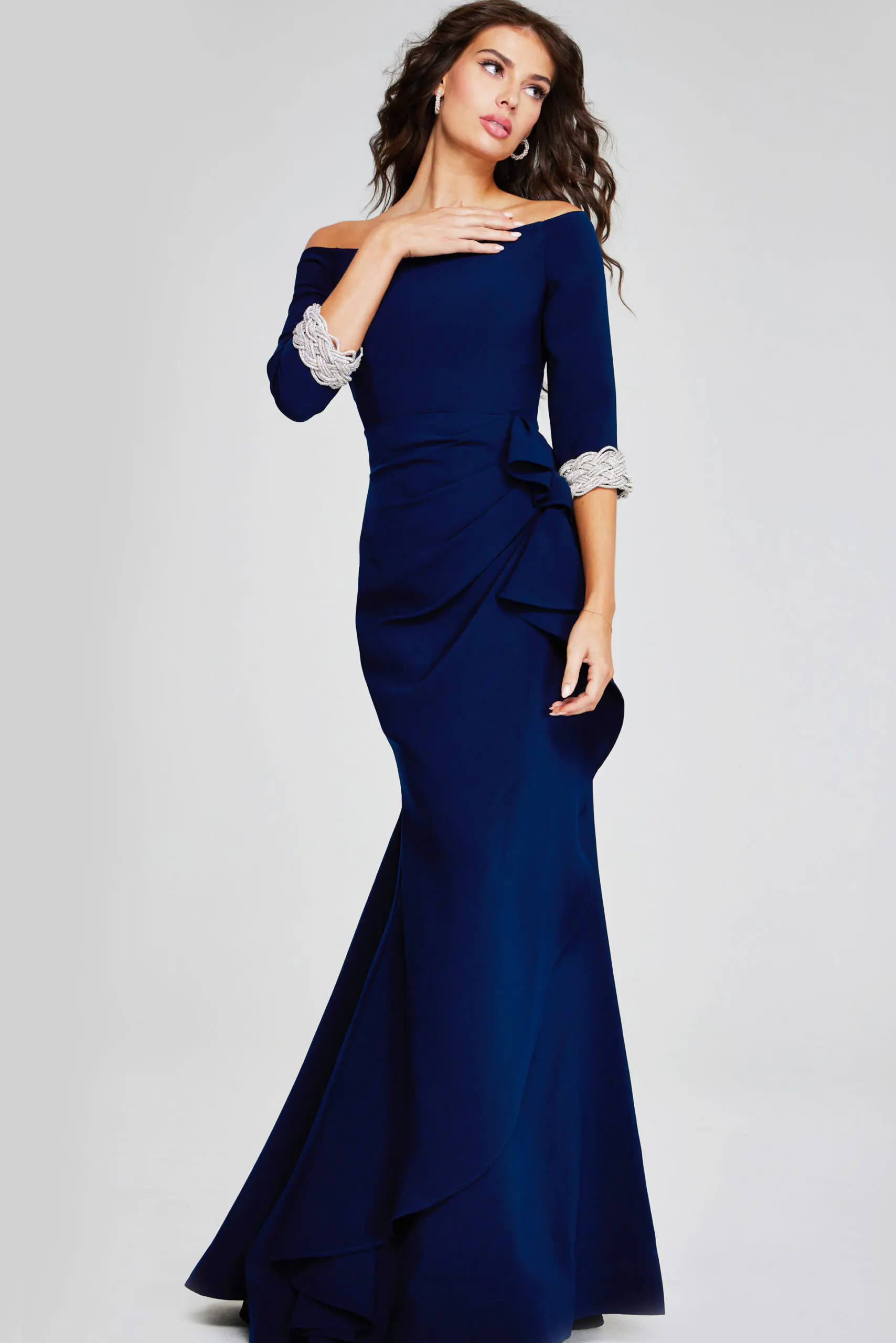
Navy Off-Shoulder Gown with Beaded Cuffs 42409
2 Colors
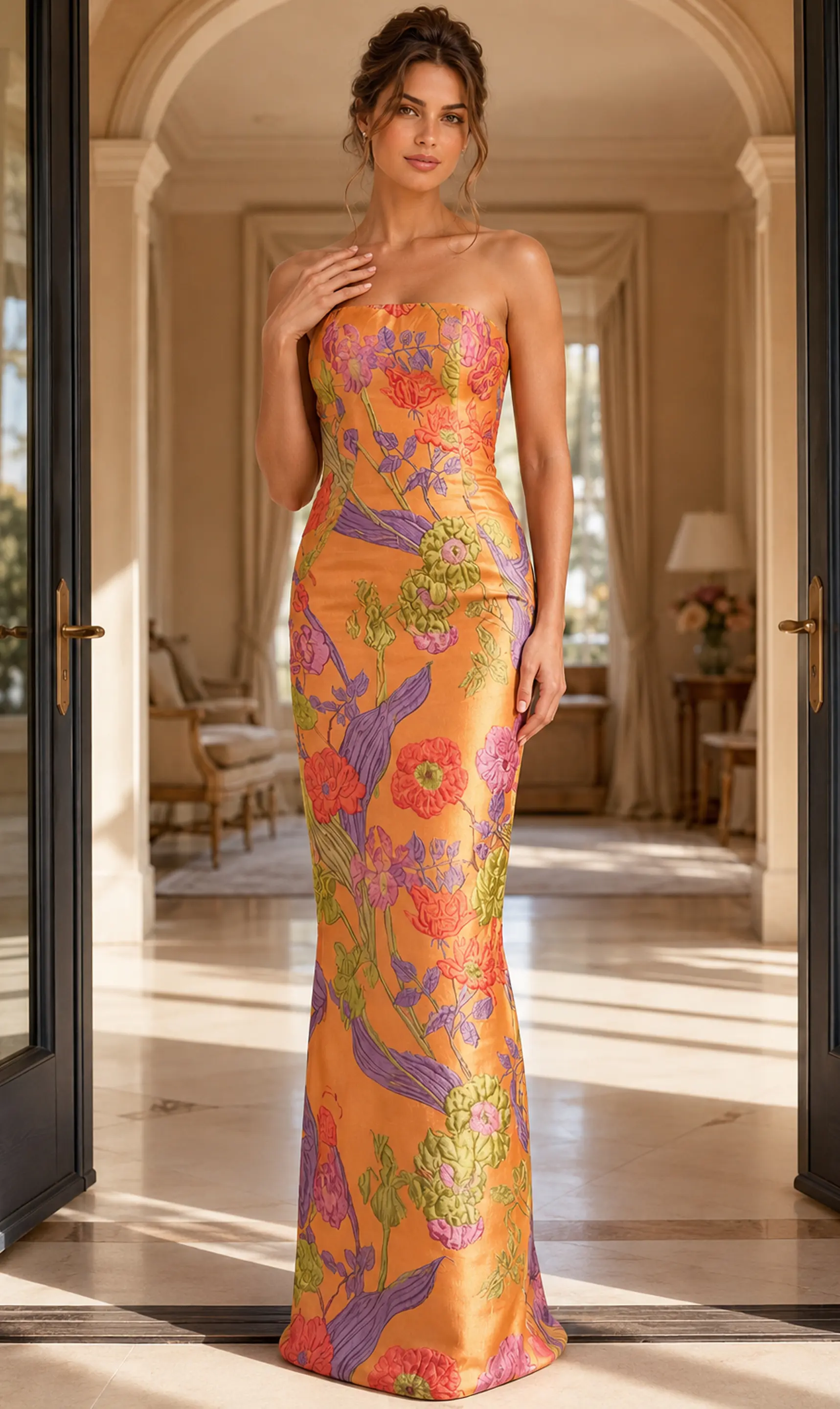
Strapless Floral Satin Fitted Evening Gown 49342
5 Colors
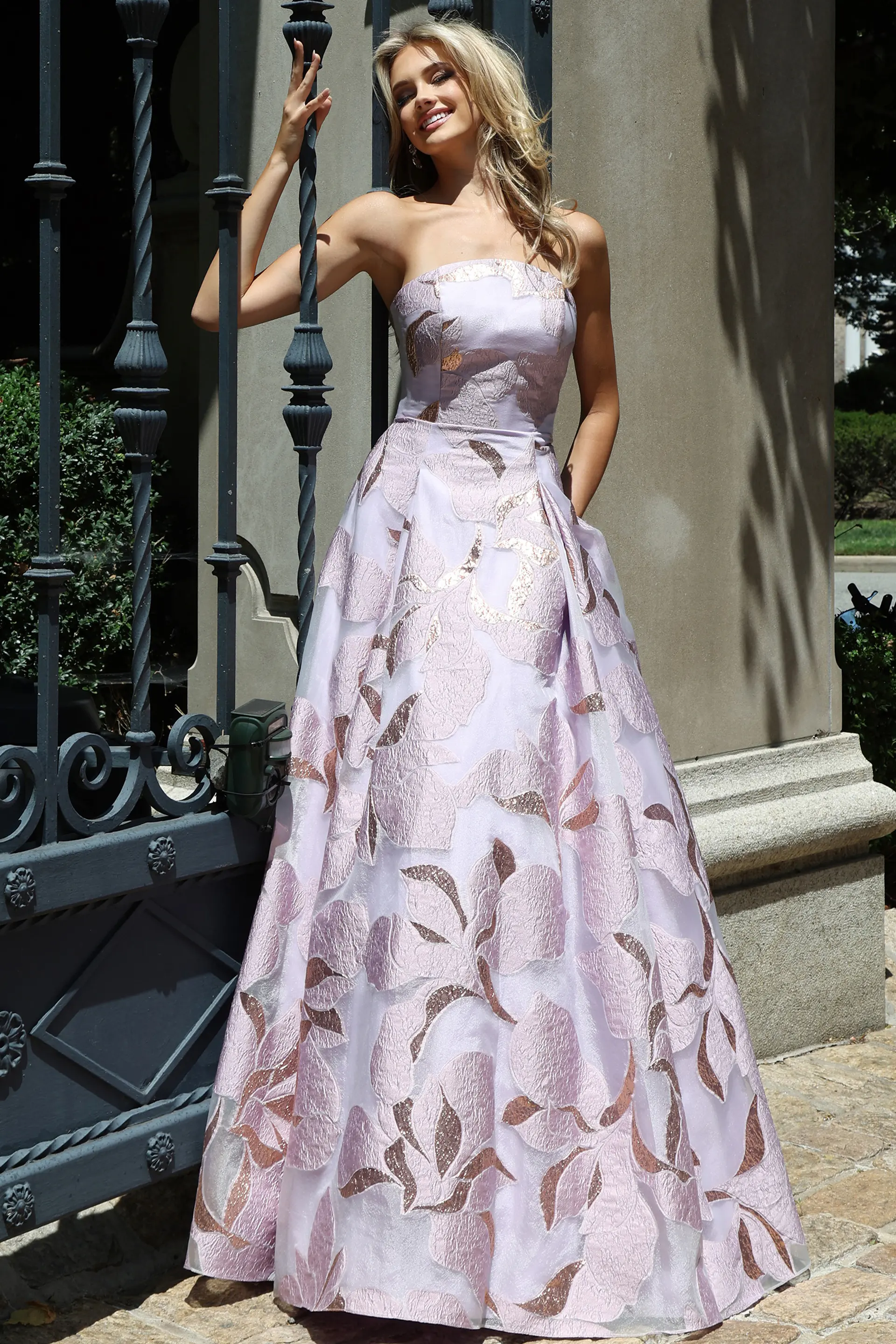
Strapless Black Gown With Gold Floral Waist Detail 47000
4 Colors
Strapless A-Line Gown with Textured Floral Motif 44369
1 Colors
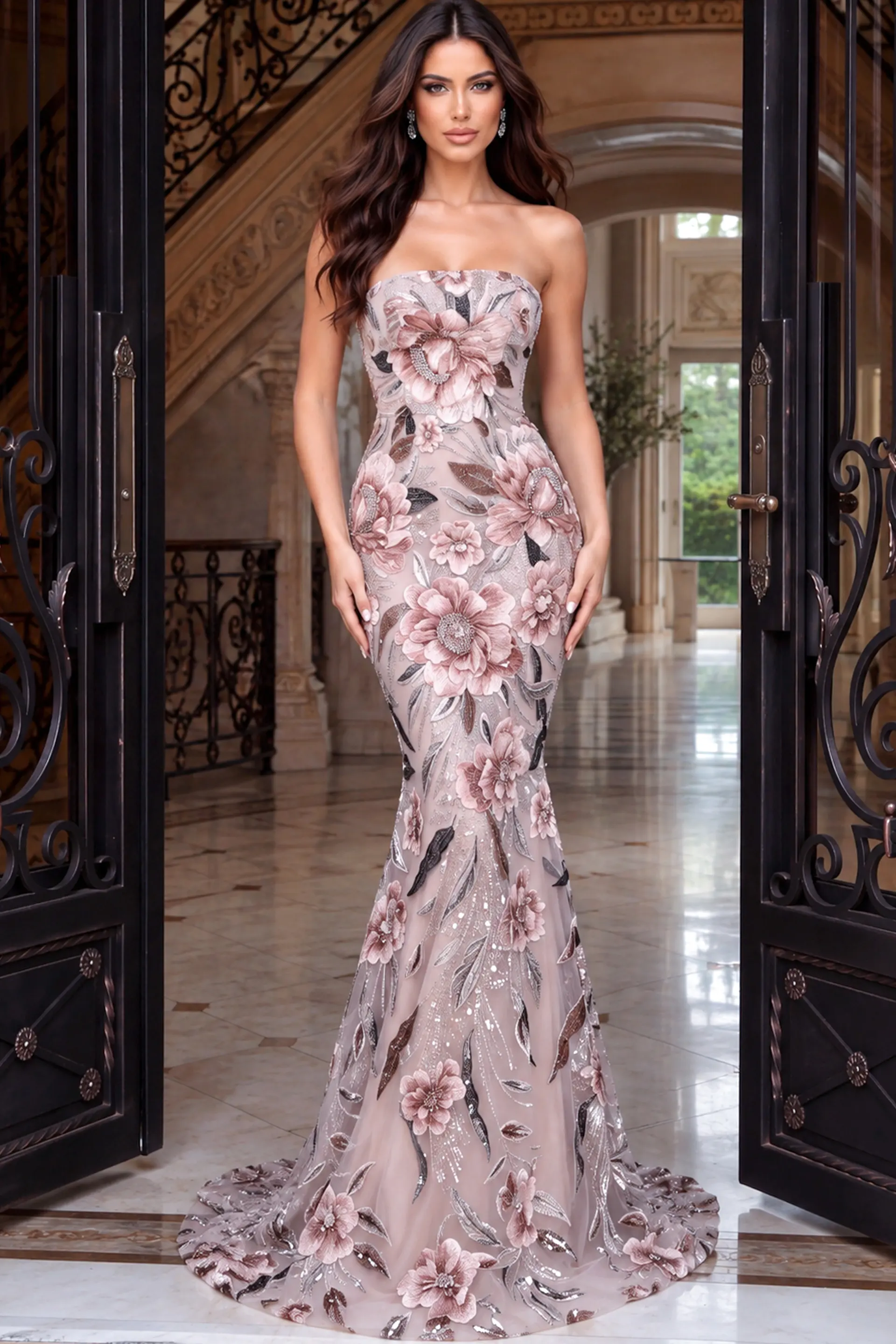
Strapless Floral Sequin Mermaid Gown 53477
13 Colors
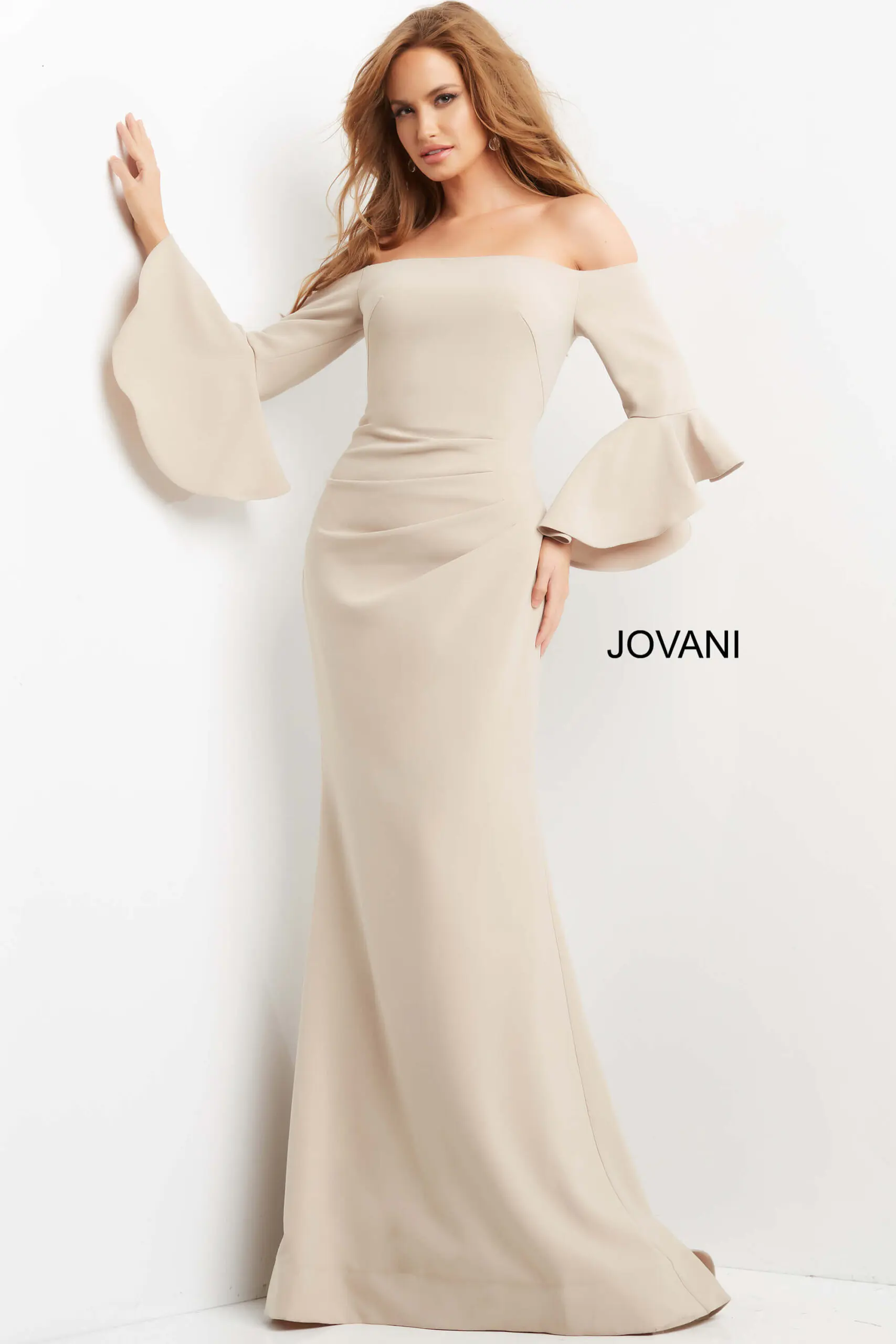
Jovani 07065 Cream Off the Shoulder Bell Sleeve Dress
The evening colors boutiques ordered most
Blue led the orders, with black, pink and green close behind.
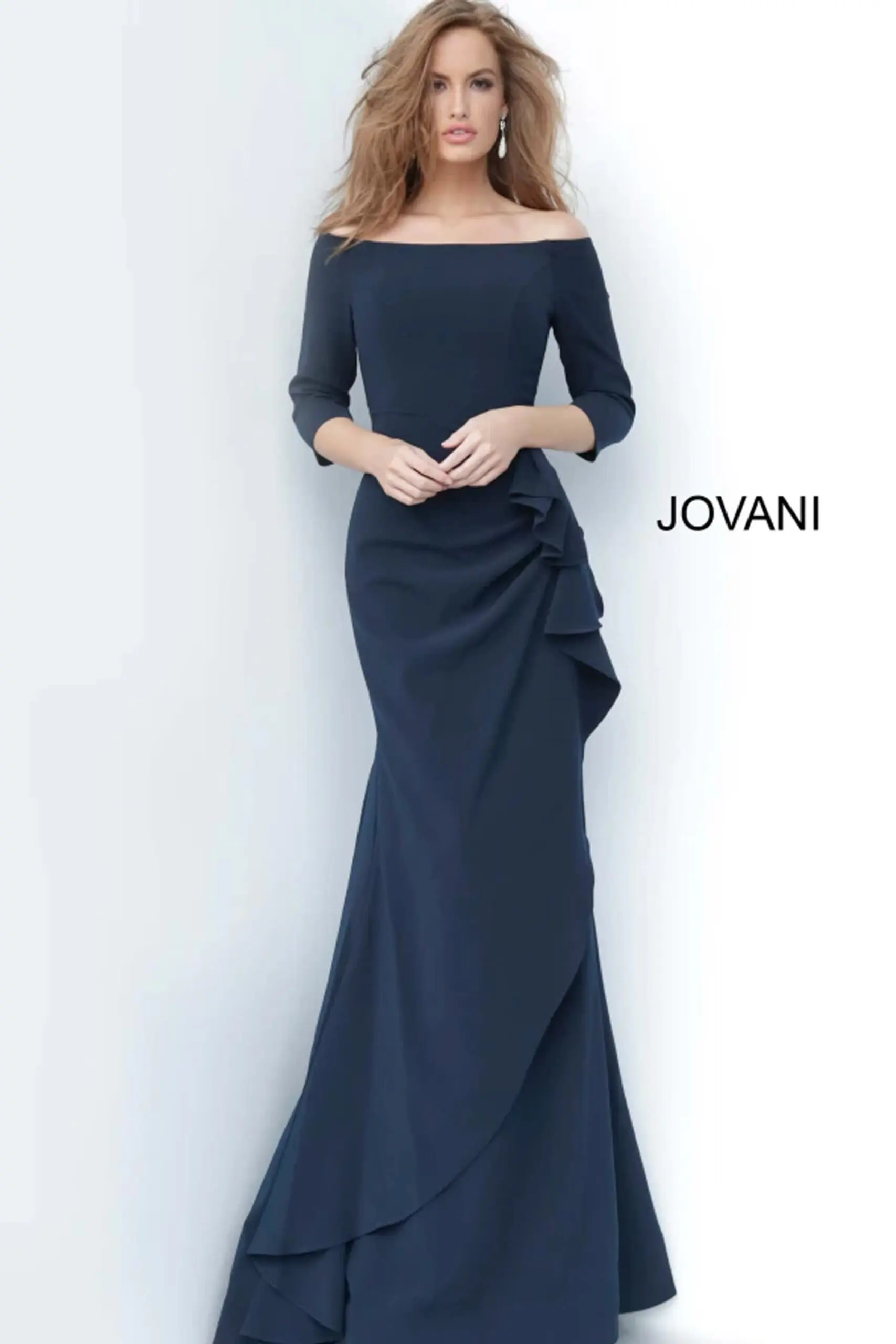 Blue evening dresses22% of dresses ordered · navy, royal and light blue
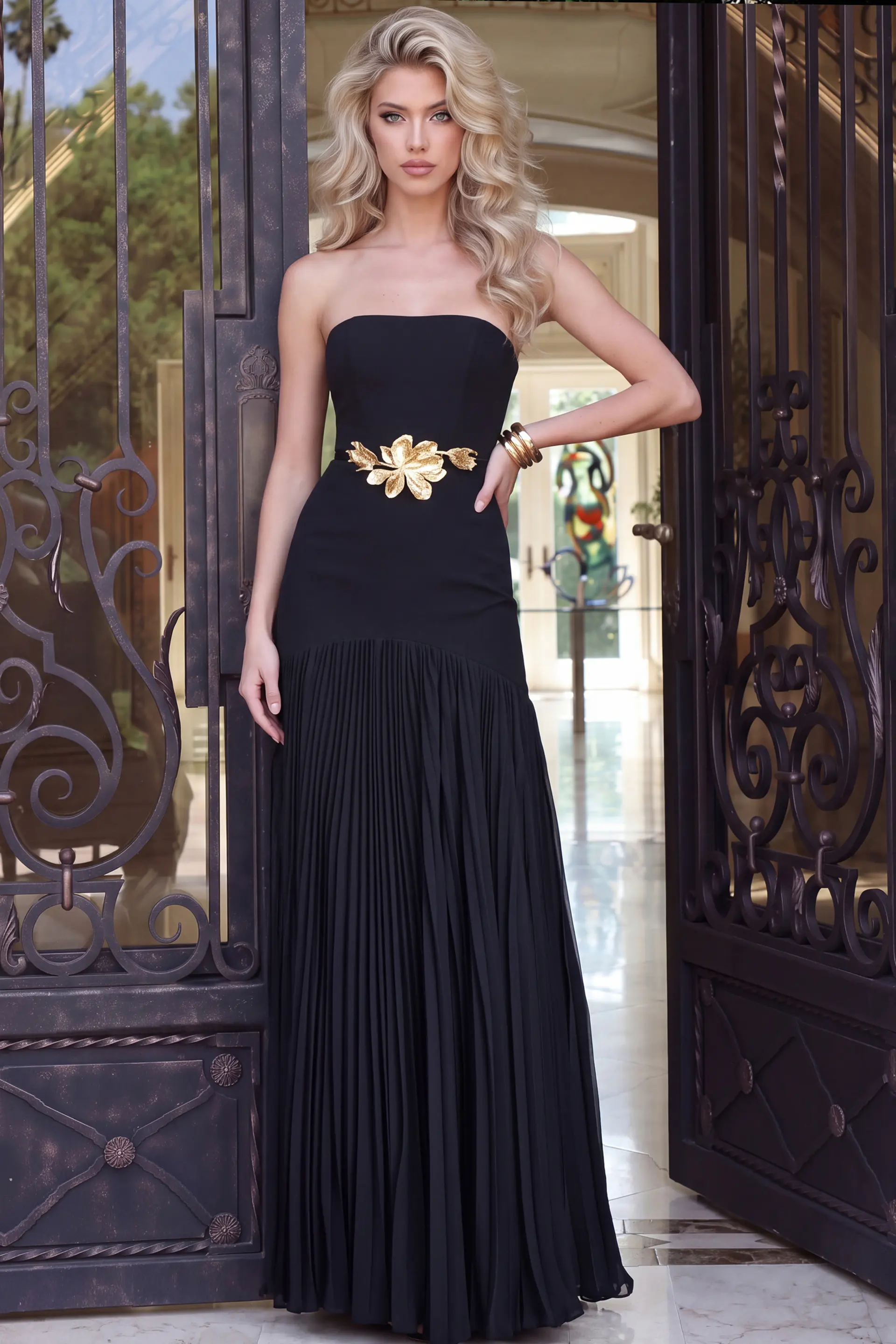 Black evening dresses17% of dresses ordered · black, black multi and black nude
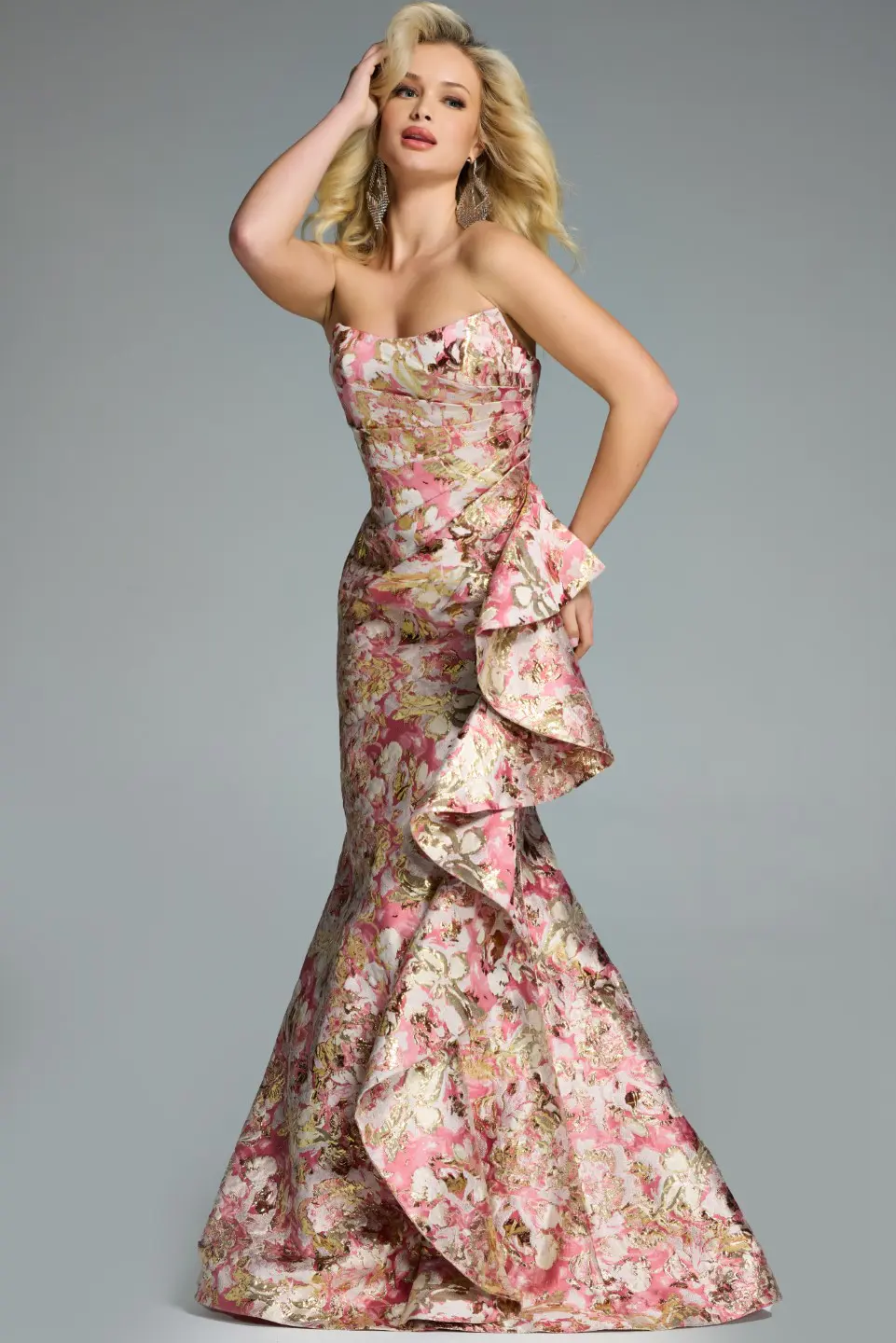 Pink evening dresses11% of dresses ordered · blush, fuchsia and blush multi
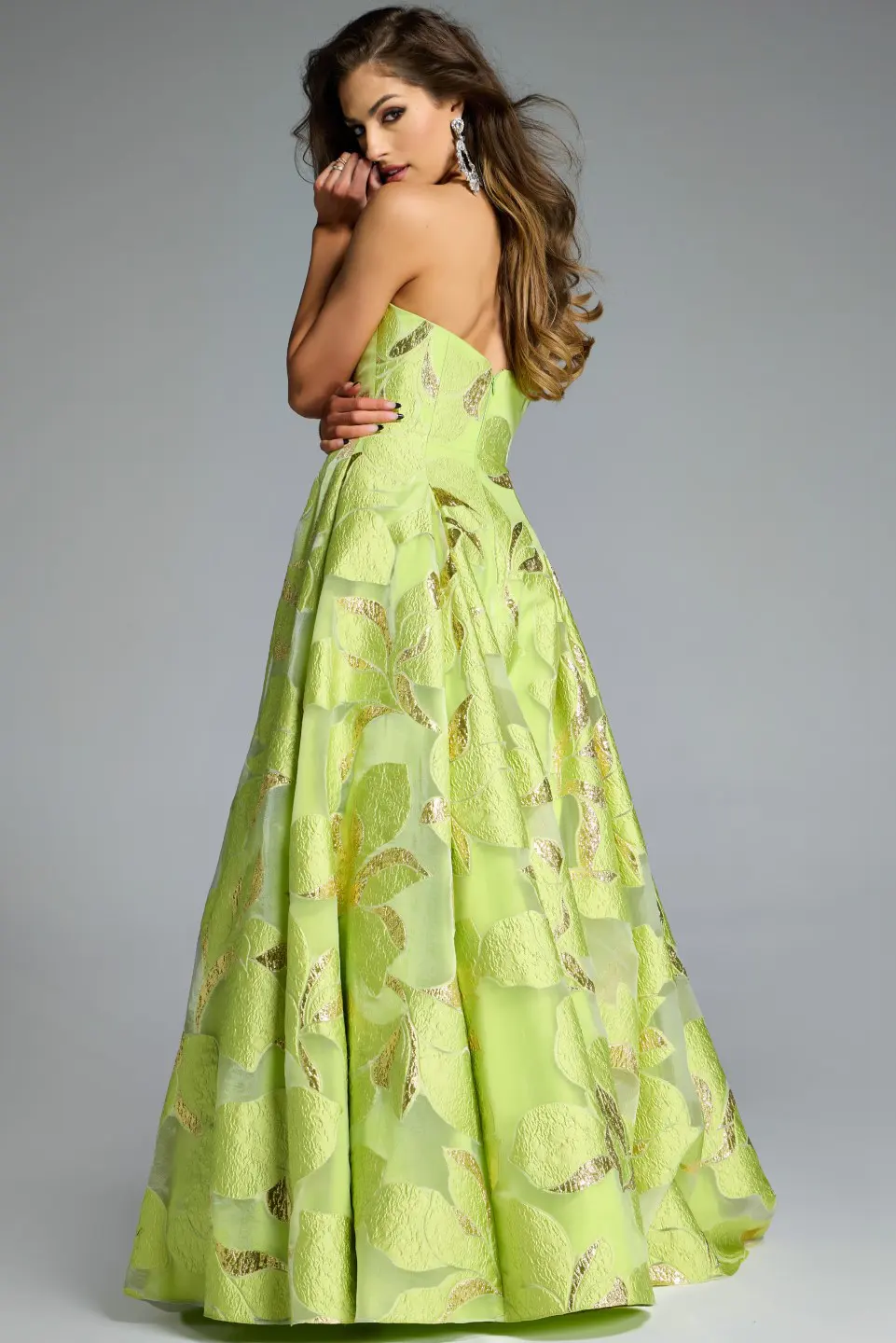 Green evening dresses10% of dresses ordered · hunter, green and emerald
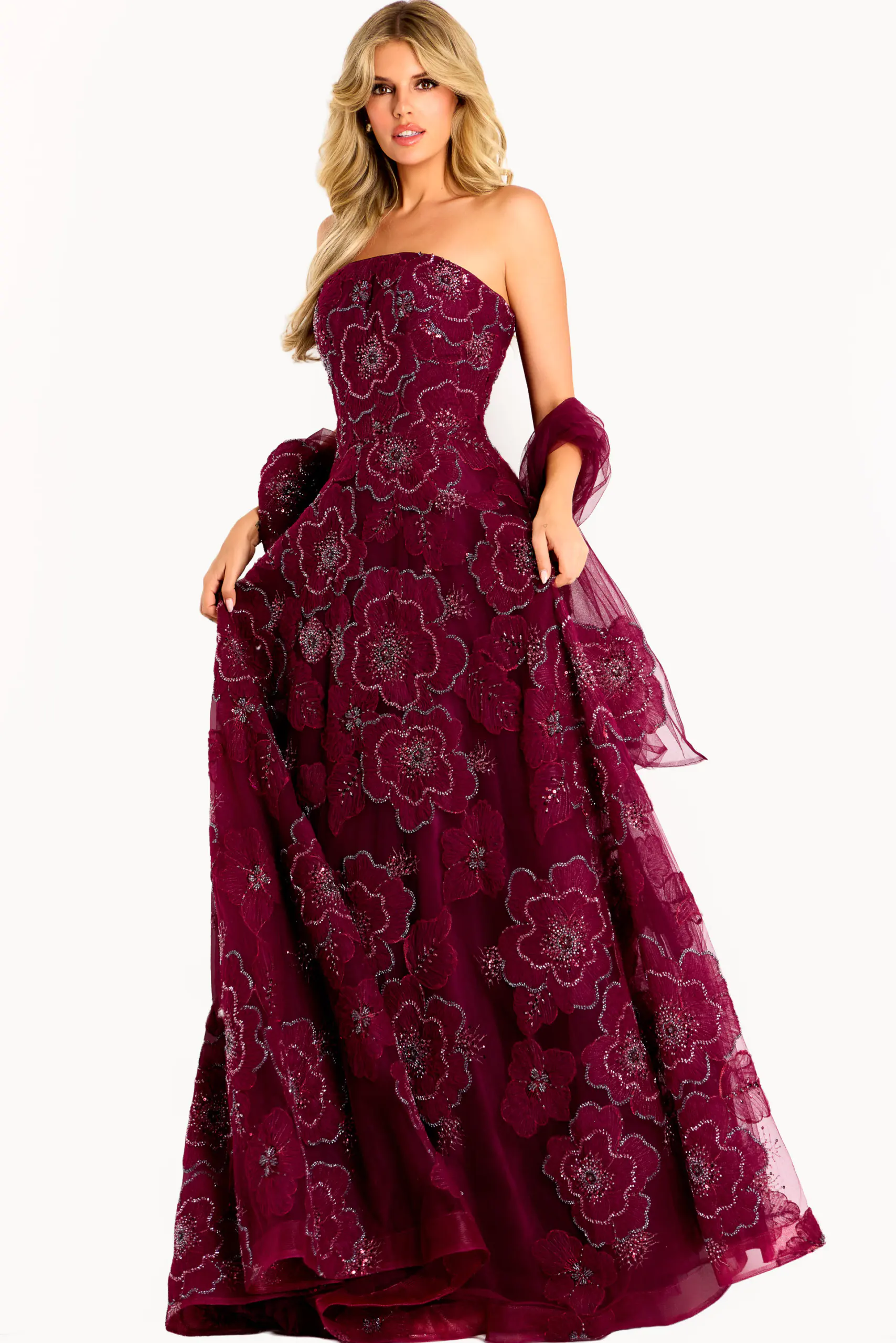 Red evening dresses7% of dresses ordered · red, burgundy and wine
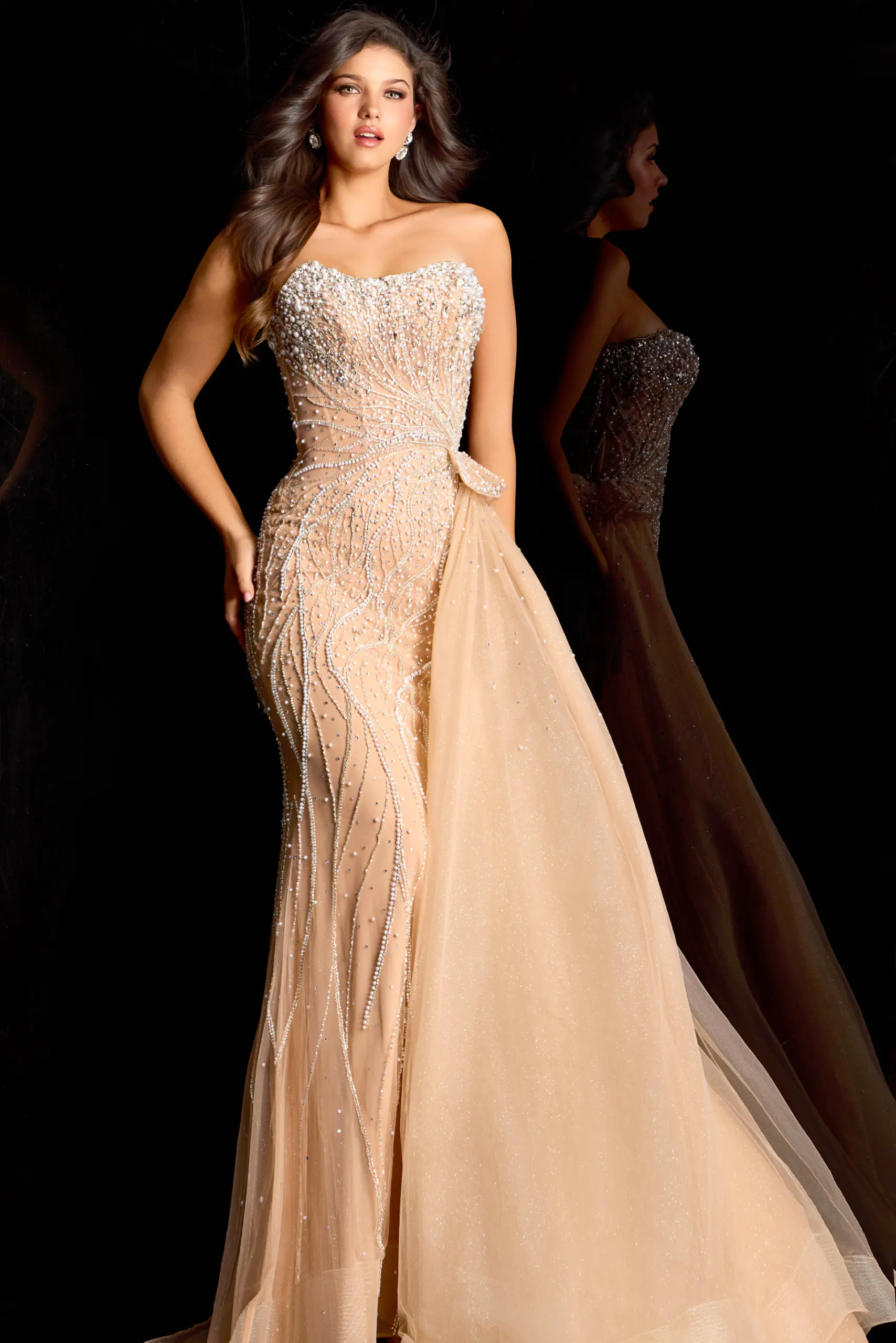 Champagne evening dresses6% of dresses ordered · champagne, nude and nude silver
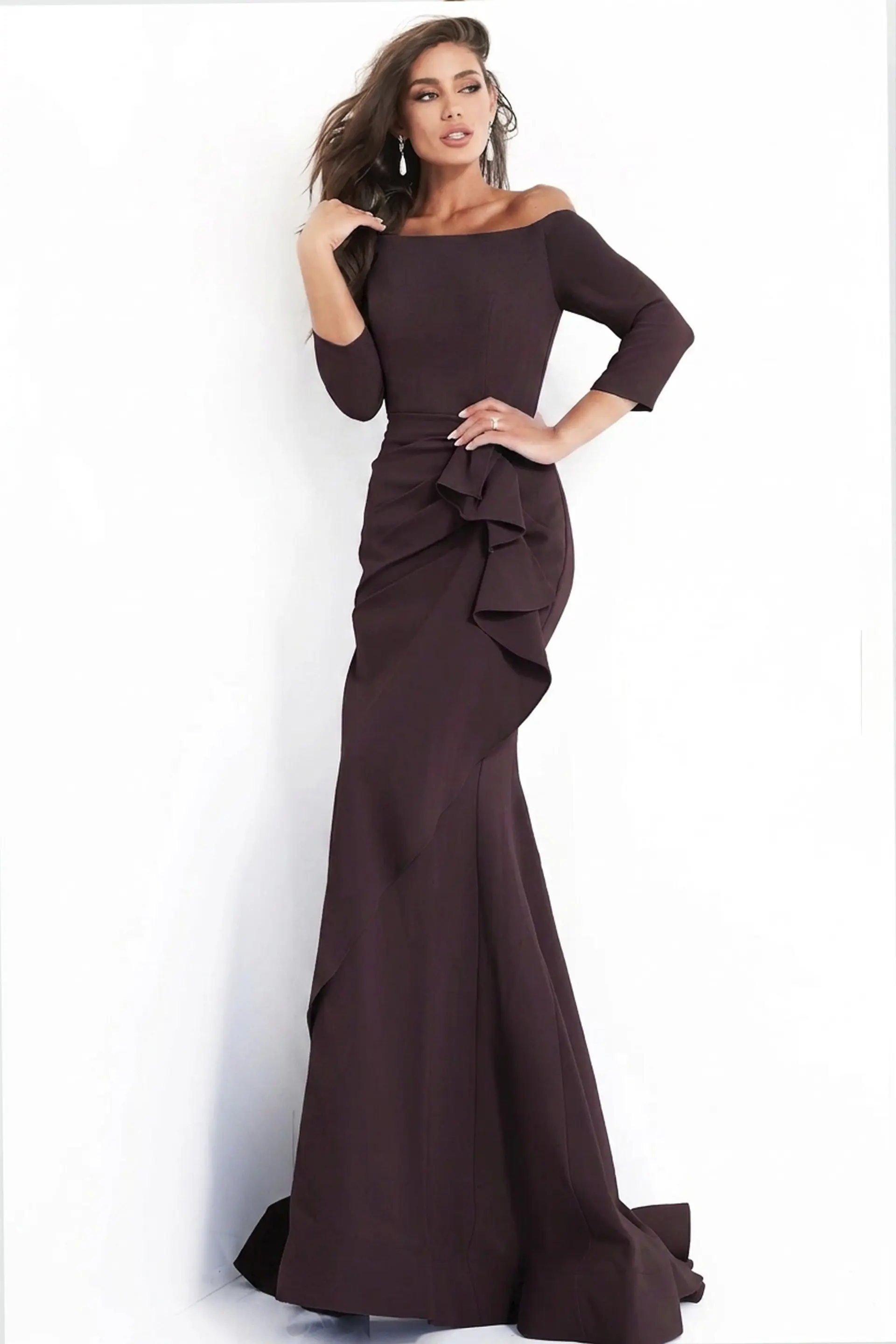 Purple evening dresses6% of dresses ordered · plum, purple and lilac
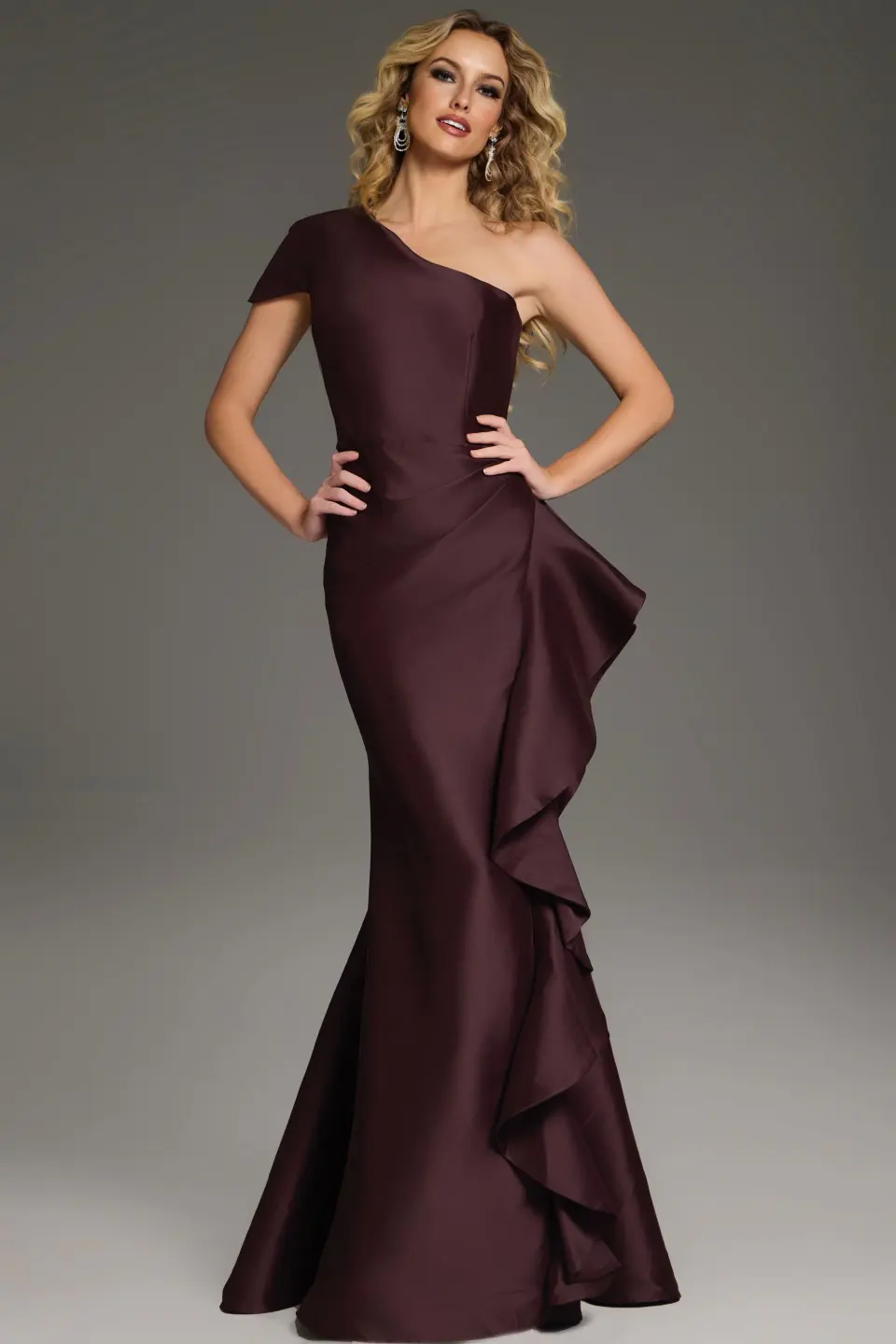 Brown evening dresses5% of dresses ordered · brown, taupe and bronze
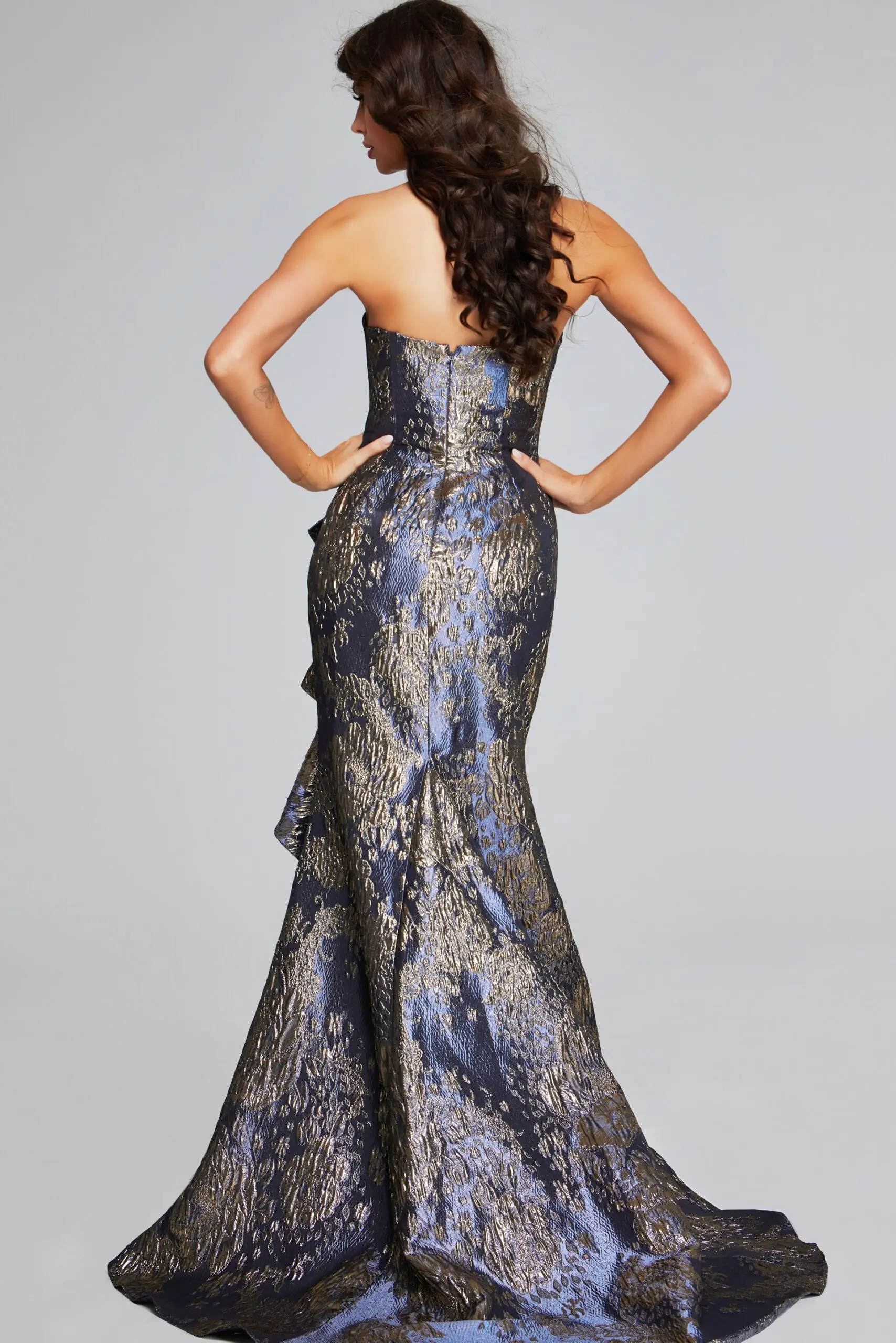 Gray evening dresses4% of dresses ordered · gunmetal gold, grey multi and gunmetal
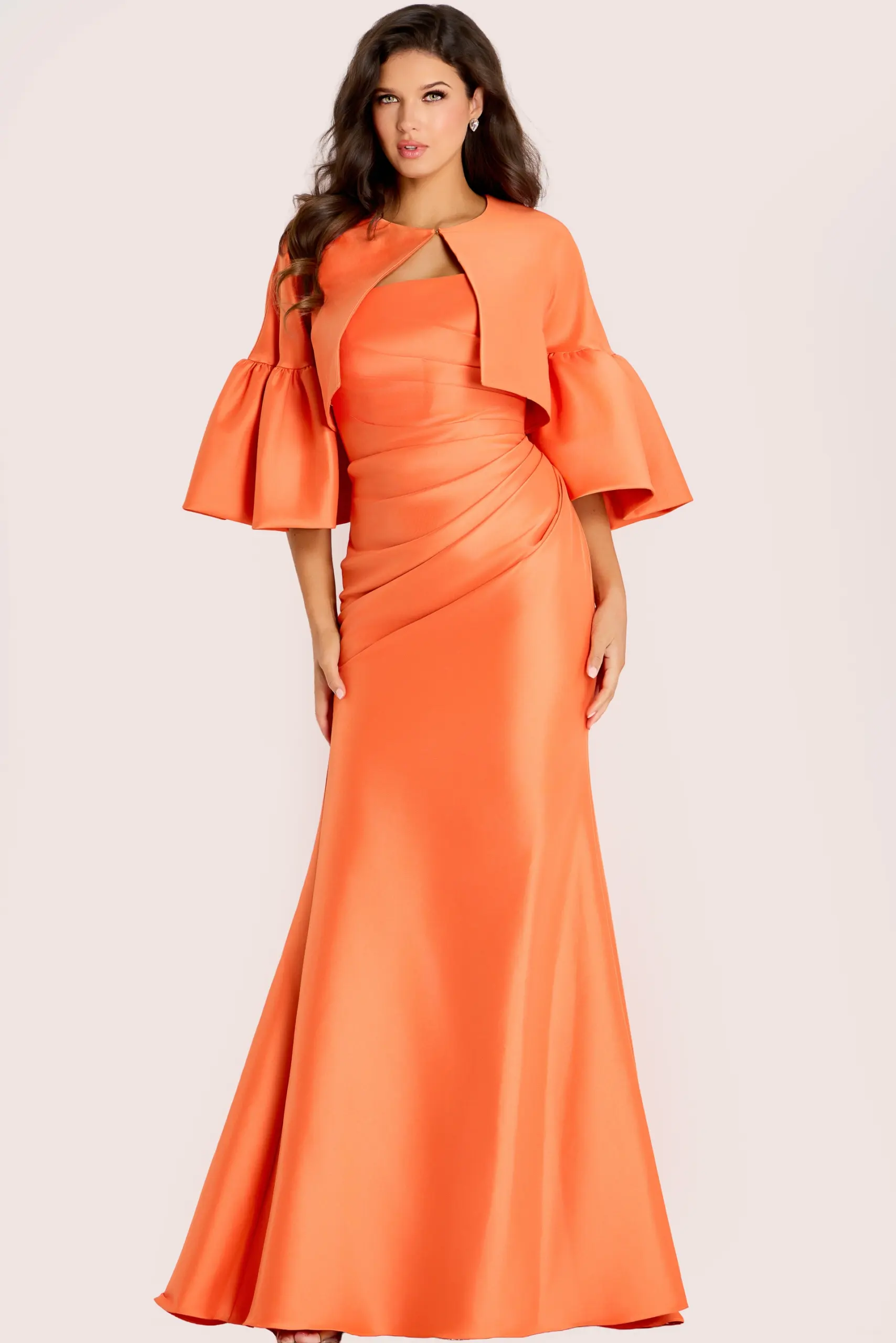 Orange evening dresses3% of dresses ordered · orange multi, peach multi and orange
Based on wholesale orders from Jovani retailers, April 2026 to October 2026.
About This Category
Choosing evening dresses by silhouette
Evening dresses create distinct looks through their silhouettes, from sleek satin columns and fitted mermaid gowns to flowing A-lines and dramatic ball gowns. A column sits close to the body without a dramatic flare; in crepe or satin, its uninterrupted line can feel especially sharp. A sheath follows the figure more softly, while an A-line releases from the waist, leaving room to walk and dance. A ball gown brings fuller volume and often a more structured bodice, suited to expansive rooms and highly formal invitations.
If the invitation calls for floor-length dressing, long evenin gowns are a useful starting point. Compare the hem, skirt width, and amount of structure rather than judging the photograph alone. For more pronounced shape, mermaid evening dresses fit closely through the hips before widening lower on the leg; a trumpet usually begins to flare higher. That difference changes both the profile and your stride. Whether choosing a sculpted evening dress or a flowing A-line, the most convincing silhouette balances proportion with freedom of movement.
Fabrics and textures that define evening gowns
Fabric determines how an evening gown holds its shape and responds to light. Satin catches highlights across folds and makes clean seams especially visible. Crepe tends to absorb more light, giving fitted evening dresses a quieter, architectural finish. Chiffon softens a skirt and responds to movement, while tulle builds volume through layers. Velvet brings depth to winter dressing; jacquard and brocade hold pattern and structure even when the silhouette is restrained.
Embellishment works differently on each base. Sequins produce an all-over reflection, crystal beadwork creates concentrated points of light, and lace or floral appliqué adds dimension. More intricate couture formal gowns emphasize this relationship between surface and construction. Look beyond shine: check whether the lining feels secure, whether heavier decoration pulls at the bodice, and whether the fabric moves comfortably when walking or sitting. In well-constructed formal gowns, these details are as important as the visible design.
Necklines, sleeves, and distinctive formal dress details
The neckline frames the face, but it also changes the balance of the dress. Straight strapless cuts give the shoulder line a clean graphic edge; sweetheart necklines soften it. Halters draw the eye upward, high necks can make beadwork or fabric texture the focus, and a V-neck creates a longer central line. With one shoulder formal dresses, asymmetry does the visual work, particularly on a column or gently draped skirt.
Sleeves offer another point of distinction. long sleeve evening dresses can feel striking in fitted crepe, lace, or lightly embellished mesh, without relying on a full skirt. Cape sleeves lend movement; off-the-shoulder designs bring width across the upper body.
Consider the back as well as the front: a low opening, zipper placement, or transparent panel affects undergarment options and how supported the bodice feels. Modern formal dresses often need very little additional ornament once these proportions are right.
Evening dress colors and current design directions
Black remains a precise choice for eveningwear, especially when fabric and shape carry the detail. Navy and deep emerald provide similar depth, while burgundy, chocolate, and wine tones become particularly rich in velvet or satin. Red and royal blue are more assertive against a neutral venue; champagne, pewter, and silver depend on subtle shifts of light. Color can influence how beading reads as much as it changes the overall mood.
Contemporary evening gowns feature sculptural draping, defined corset lines, asymmetric necklines, floral appliqué, and strategically placed embellishments. A pleated metallic skirt may feel bolder than a fully sequined sheath, while a simple evening dress with a single oversized rosette can make its point through proportion alone.
Rather than choosing a shade or trend in isolation, compare how it works with the fabric, the event setting, and the accessories you intend to wear. An understated column and an embellished mermaid can offer equally distinctive looks through entirely different design approaches.
Formal gowns for galas, weddings, and special events
A black-tie invitation generally calls for a floor-length gown with a formal finish. Sleek satin columns, fluid A-lines, and intricately beaded formal gowns can all meet that brief, although the venue sets the mood: an urban museum gala may favor sharper lines, while a traditional ballroom can carry fuller skirts.
For a black-tie wedding, avoid white or bridal-looking ivory unless the couple requests it, and let the setting guide how much drama feels appropriate. Long evening dresses in darker jewel tones or softly draped fabrics offer options for formal wedding celebrations without looking bridal.
Formal dinners and awards nights often allow more flexibility. A refined midi may work for some evening dress codes, while grander occasions point toward floor-length evening gowns. For charity galas, military balls, and red-carpet-inspired events, consider how easily you will move between arrivals, photographs, seating, and dancing. A high slit gives stride to a narrow skirt; a sweep train brings presence but requires more attention in a crowded room.
Finding the right fit, construction, and value
Fit is where an attractive design becomes a gown you can wear for hours. Start with bust, waist, and hip measurements rather than your usual ready-to-wear size. A structured bodice should stay in place without being held up by the straps alone, and seams should sit where the pattern intends.
In a fitted evening dress, tension across the hips or a twisting side seam can signal that the cut is too narrow. A-line skirts offer more freedom below the waist but still depend on a properly fitted bodice. With embellished formal dresses, check the weight and placement of beadwork, particularly around the shoulders and waist.
Compare the value of evening gowns through fabric weight, lining, seam finish, secure closures, and the complexity of alteration not embellishment count alone. Jovani's range includes both pared-back silhouettes and heavily worked designs, so your choice can reflect the occasion rather than a single idea of formality. Leave time for hemming with the shoes you plan to wear. When the proportion and construction are right, the gown looks composed in photographs and stays comfortable off camera.