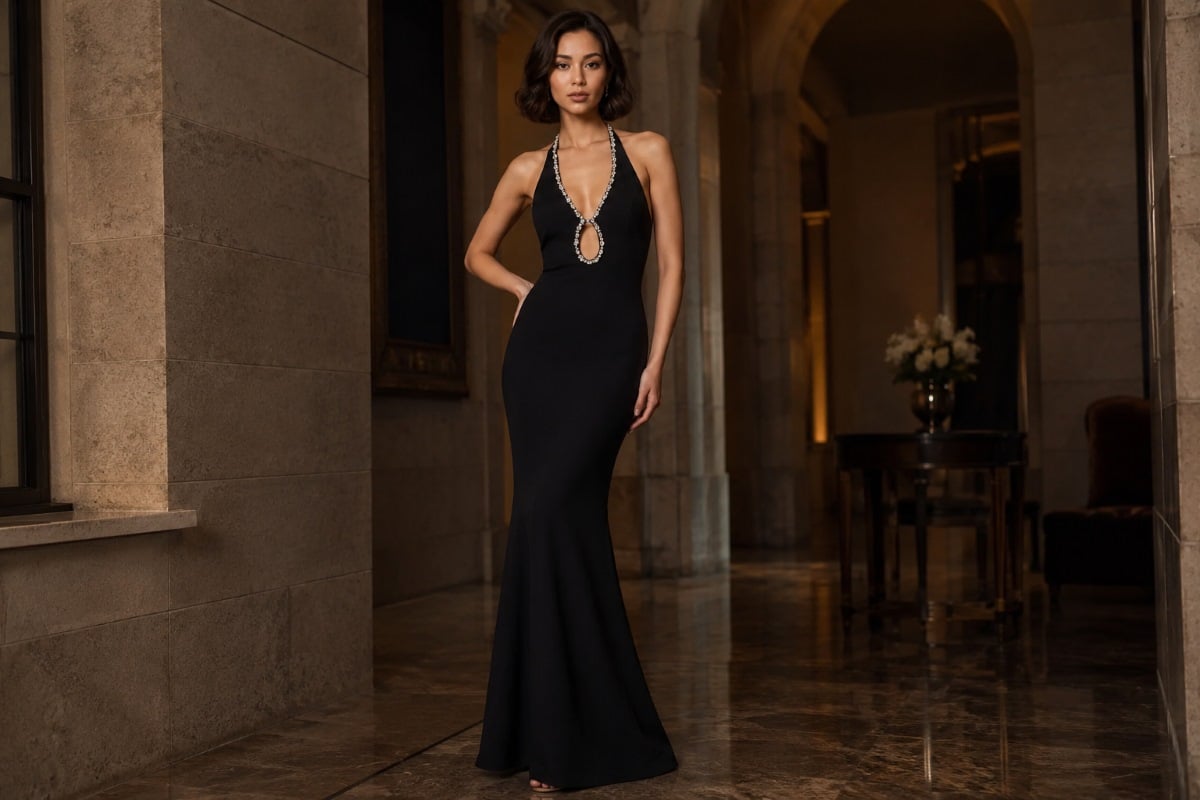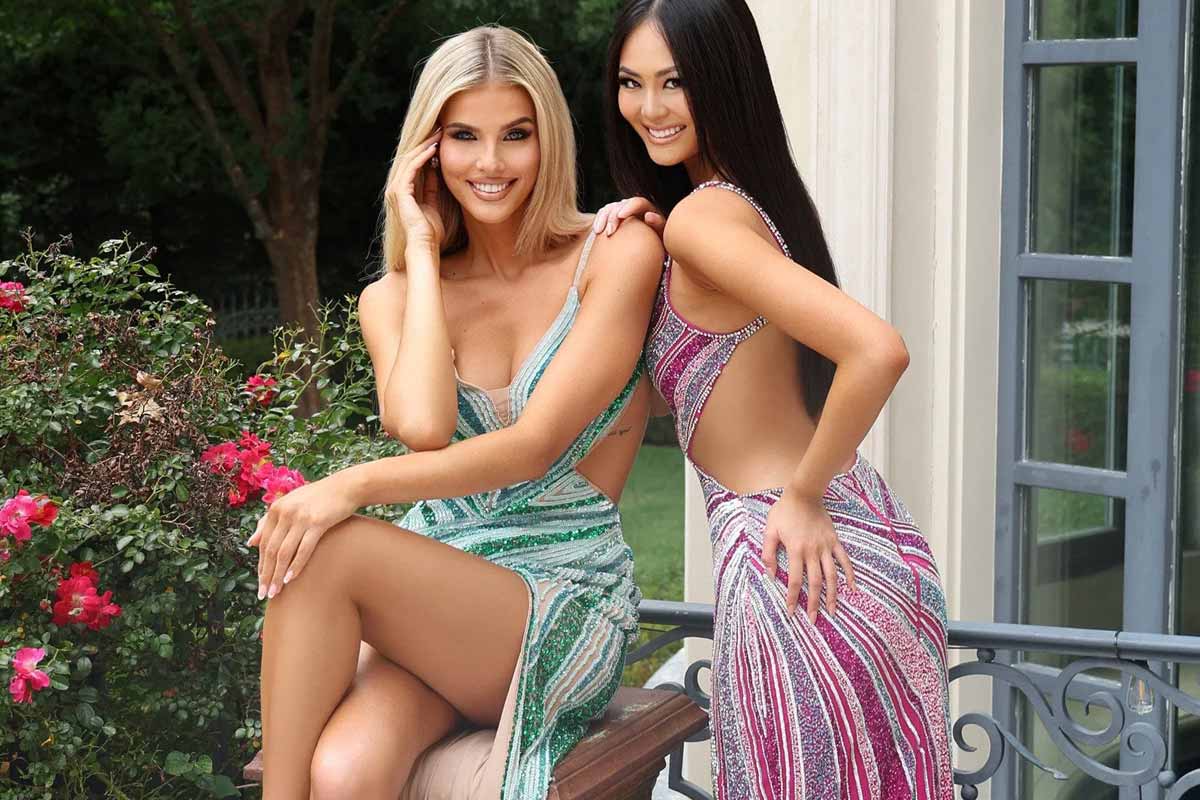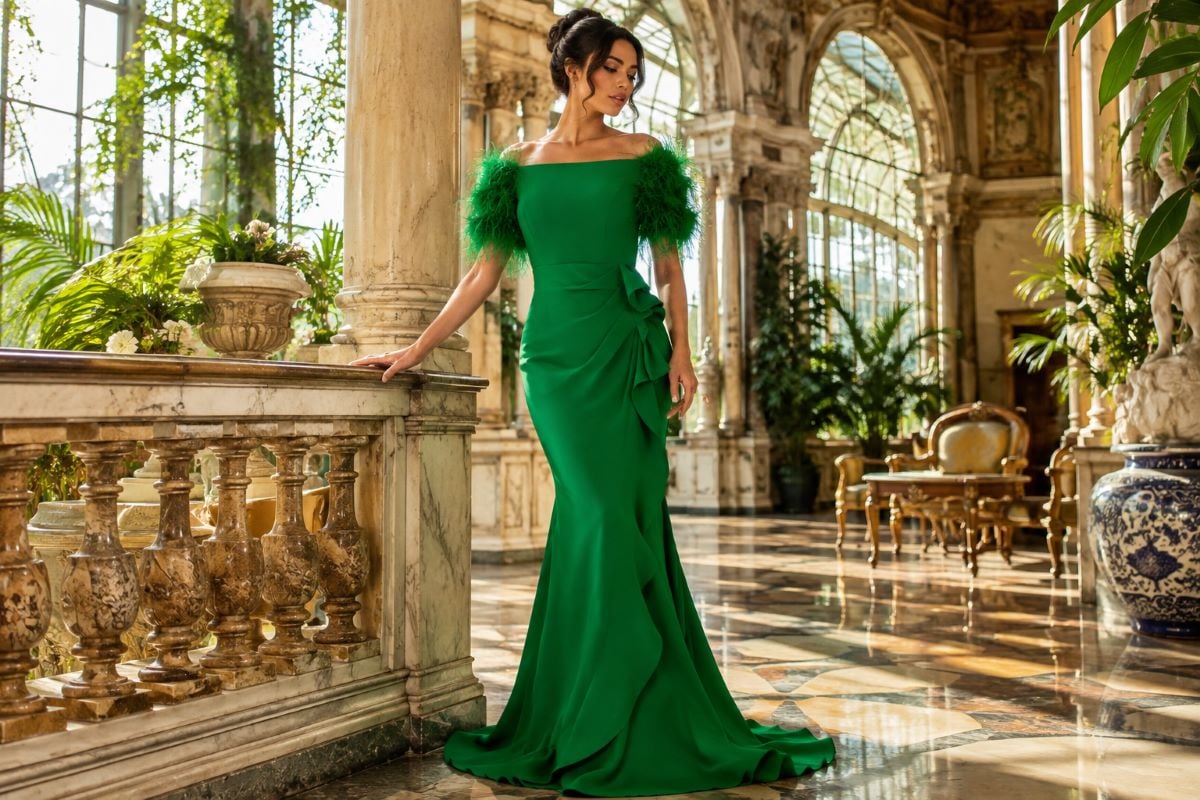

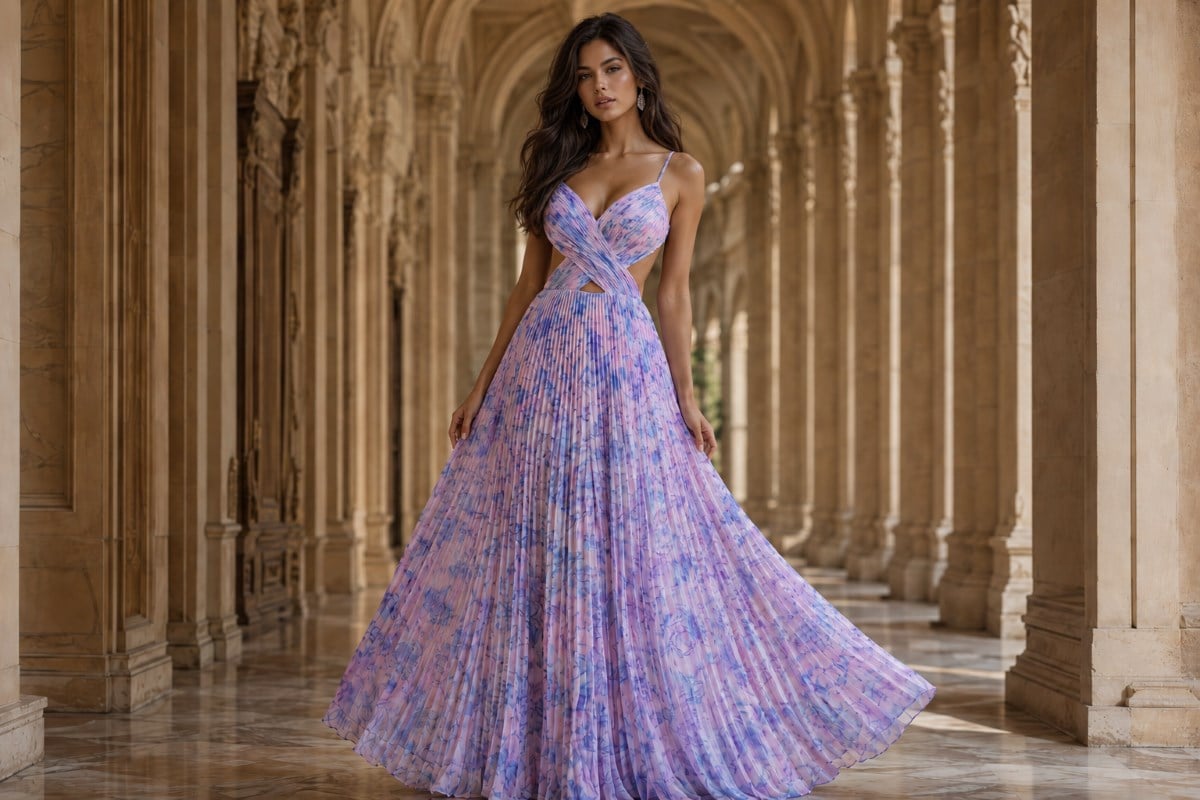
The arrival of a wedding invitation often brings a mix of joy, profound anticipation, and an immediate sartorial dilemma. As the seasons shift, venues diversify, and dress codes become increasingly nuanced, deciphering exactly what to wear requires a delicate balance of personal style, environmental practicality, and traditional respect. Among the myriad of fashion choices available to the modern attendee, two prominent trends consistently capture the attention of fashion-forward individuals: lush botanical patterns and modern architectural cuts.
This brings us to a frequent, highly debated intersection of style inquiries. People often wonder about the appropriateness of certain silhouettes and patterns in formal matrimonial settings, asking specifically: can guests wear floral to a wedding? Furthermore, how do bold, modern elements like high slits fit into the landscape of these celebrations?
For decades, navigating the unspoken rules of formal attire meant adhering to strict, often limiting guidelines. Victorian and mid-century etiquette practically demanded muted, solid colors and highly conservative cuts for anyone not in the bridal party. However, modern formalwear has beautifully and dramatically evolved. Today, celebrating love allows for a much broader, more joyous expression of elegance. Whether you are searching for the perfect ensemble for a sun-drenched vineyard ceremony in Napa Valley, an opulent ballroom reception in Manhattan, or a breezy coastal destination wedding, understanding how to pair romantic prints with contemporary, daring cuts is essential.
Jovani, with a legacy built on mastering the art of the perfect fit and pioneering luxury eveningwear, champions the idea that wedding guest gowns should make you feel both radiant and deeply appropriate for the occasion. We believe that stepping into a wedding reception should feel like a red-carpet moment one where your attire pays homage to the couple’s special day while allowing your individual confidence to shine.
In this comprehensive guide, we will explore the intricate, ever-changing dynamics of wedding guest etiquette, how to seamlessly incorporate varied floral patterns into your look across all seasons, and the tasteful, sophisticated way to wear high-slit formal dresses to celebrate the happy couple.
The Definitive Answer: Can Guests Wear Floral to a Wedding?
The short, resounding answer is yes. In fact, wearing floral prints to a wedding is not only acceptable but is widely considered one of the most classic, celebratory, and universally flattering choices a guest can make. Flowers are inherently synonymous with romance, natural growth, beauty, and celebration, making them the ultimate visual motif for a day entirely dedicated to love and new beginnings.
However, the key to truly mastering this look lies in nuanced execution. While the pattern itself is inherently appropriate, the scale of the print, the specific fabric it is printed on, the color palette, and—most importantly—the background color of the dress play pivotal roles in determining whether the gown fits the specific occasion. The ultimate goal of any wedding guest is to look remarkably polished and celebratory without ever pulling focus from the bride and her wedding gown.
When considering the proper attire guidelines for wedding guests, the most cardinal, unbreakable rule remains untouched: avoid anything that could remotely be construed as bridal. This means that while florals are undeniably beautiful, a dress featuring a stark white, bright ivory, or soft cream background heavily dominated by light pastel flowers is a significant risk. In certain lighting, from a distance, or in black-and-white photography, this type of dress might easily photograph as a white gown.
To err on the side of caution, respect, and high fashion, it is always best to choose floral patterns set against richer, more definitive backgrounds. Think deep midnight navy, rich romantic blush, striking emerald green, classic sophisticated black, or vibrant jewel tones like sapphire and amethyst. These rich bases allow the botanical prints to pop beautifully without encroaching on traditional bridal territory.
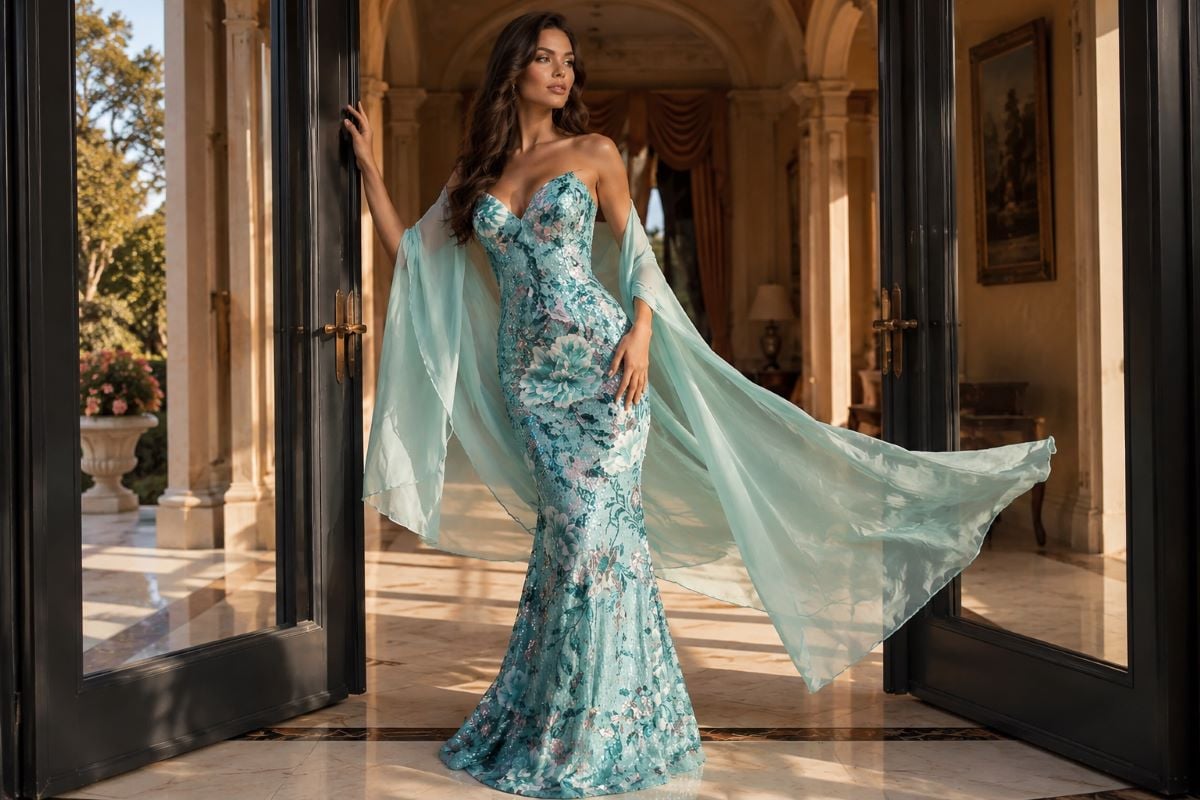
The Deep Psychology of Floral Prints
Not all florals are created equal, and the type of print you choose sends a distinct, immediate message about your personal style and your understanding of the event’s vibe.
Large, Abstract, and Impressionist Florals: Sweeping floral motifs that look like watercolor paintings or abstract botanical art tend to read as highly dramatic, artistic, and modern. These large-scale prints command attention and are exceptional choices for evening affairs, glamorous metropolitan weddings, or artistic, loft-style venues. They project confidence and a deep appreciation for couture fashion.
Small, Delicate, and Ditsy Florals: Conversely, small, repetitive ditsy florals exude a softer, more inherently romantic, and sometimes vintage energy. These subtle patterns are perfectly suited for rustic barn weddings, historic countryside estates, or daytime garden parties. They whisper rather than shout, offering a sweet, feminine aesthetic that blends beautifully with natural, outdoor surroundings.
Engineered and Placement Prints: Jovani understands that the exact placement of a pattern can completely transform the perception of a silhouette. An engineered print—where the floral design is strategically placed and printed to highlight the waistline, frame the décolletage, or cascade dramatically down the skirt—creates a masterpiece of visual balance. This ensures the wearer looks elegantly proportioned and stylish, rather than being visually swallowed or overwhelmed by the fabric.
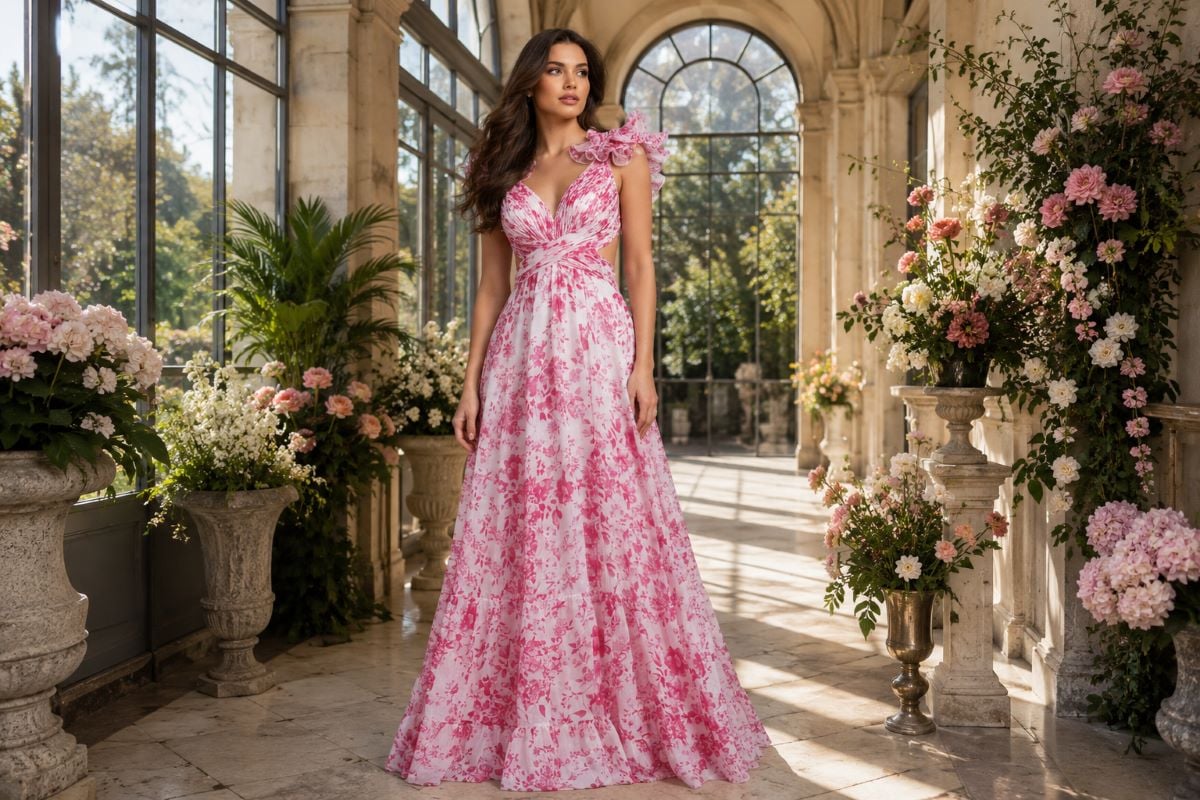
Decoding Dress Codes: Florals for Every Tier of Formality
One of the greatest, most persistent misconceptions in formal fashion is the idea that prints are inherently casual. This could not be further from the truth. The formality of a floral dress is not dictated by the presence of a pattern, but rather by its fabric, its length, its construction, and its embellishments.
Black-Tie and Formal Settings
For formal black-tie celebrations, the unwavering expectation is a floor-length gown. If you are wondering, can guests wear floral to a wedding with a strict black-tie dress code, the answer is absolutely, provided the execution is exceptionally luxurious. Elegant floral gowns crafted from stiff silk organza, heavy brocade, or adorned with intricate floral beadwork and three-dimensional sequin embroidery effortlessly meet the high standards of black-tie attire.
Dark, romantic florals—such as deep crimson and plum roses on a midnight black velvet background—offer a sophisticated, moody elegance that feels right at home in a grand, chandelier-lit ballroom. The key here is weight and texture; a formal floral must have structural integrity and a sheen that separates it from everyday wear.
Cocktail and Semi-Formal Attire
When the invitation calls for cocktail attire, the hemline predictably rises, and the rules relax slightly, allowing for more playful silhouettes. This is the perfect opportunity to embrace floral prints on a smaller canvas. A structured knee-length sheath dress featuring a vibrant, contrasting floral pattern, or a vintage-inspired fit-and-flare silhouette featuring a classic sweetheart neckline, strikes the ideal balance between playful and intensely polished.
When opting for shorter lengths in a semi-formal setting, you must compensate with elevated, rich fabrics. Prioritize materials like structural Mikado, rich jacquard, or heavily lined silk crepe to maintain an elevated, wedding-appropriate aesthetic. A cotton floral sundress, regardless of how pretty the print is, simply will not meet a cocktail dress code.
Daytime, Casual, and Destination Weddings
For morning or early afternoon weddings, the ambiance is inherently lighter, sunnier, and more relaxed. This is the quintessential environment for spring and summer wedding guest dresses made from breathable, flowing materials like lightweight chiffon, georgette, or silk crepe de chine. Soft watercolor florals, vibrant tropical prints, and pastel botanicals absolutely thrive in this setting.
If you are attending a destination wedding on a tropical beach or a European coastal cliffside, floral prints are practically a uniform. Bright, exuberant botanical patterns reflect the joy of the vacation setting. In these environments, you can experiment with bolder color combinations—think fuchsia orchids on a bright tangerine background, or lush palm prints.
The Art of Modern Silhouettes: Introducing the High Slit
While floral prints provide the beautiful, artistic canvas, the physical silhouette of the dress dictates the attitude and the movement. In recent years, the fashion industry has witnessed a significant, sustained shift toward incorporating modern, architectural elements into traditional formalwear. One of the most highly sought-after design features is the high slit.
Often associated with the daring glamour of Hollywood red carpets and the youthful exuberance of prom season, the high slit has gracefully, and permanently, transitioned into adult formalwear and luxury evening gowns.
But is a high slit appropriate for a wedding? The answer is a highly nuanced yes, heavily dependent on the venue’s vibe, the strictness of the dress code, and the specific, tailored cut of the gown. High-slit formal dresses offer an exquisite, practical blend of movement, comfort, and sophisticated allure. For a marathon event like a wedding—which requires hours of sitting, standing during cocktail hour, navigating dining chairs, and moving freely on the dance floor—a slit provides necessary, liberating mobility.
Balancing the Boldness: Proportions Matter
When exploring bold high-slit designs, the absolute secret to maintaining flawless wedding guest etiquette is the principle of balance. Fashion, especially formalwear, is an equation. If a dress features a statement-making slit that travels high up the thigh, the rest of the gown should err heavily on the side of modesty to counterbalance the exposure.
A daringly high slit pairs beautifully and elegantly with a high jewel or bateau neckline, sophisticated long sleeves, or an architectural, asymmetric one-shoulder design. This balance ensures that the eye travels across the entire gown, appreciating the overall design rather than focusing solely on the skin shown.
Conversely, pairing a dramatic thigh-high slit with a plunging V-neckline, an entirely open back, and sheer illusion panels is generally considered far too revealing for a traditional wedding setting. The goal as a guest is to look radiantly sophisticated, chic, and confident—never overtly provocative. Jovani designers are unparalleled masters of this specific equilibrium, meticulously crafting gowns where a dramatic slit is offset by luxurious, heavy fabric draping, intricately beaded illusion sleeves, or highly structured, conservative bodices.
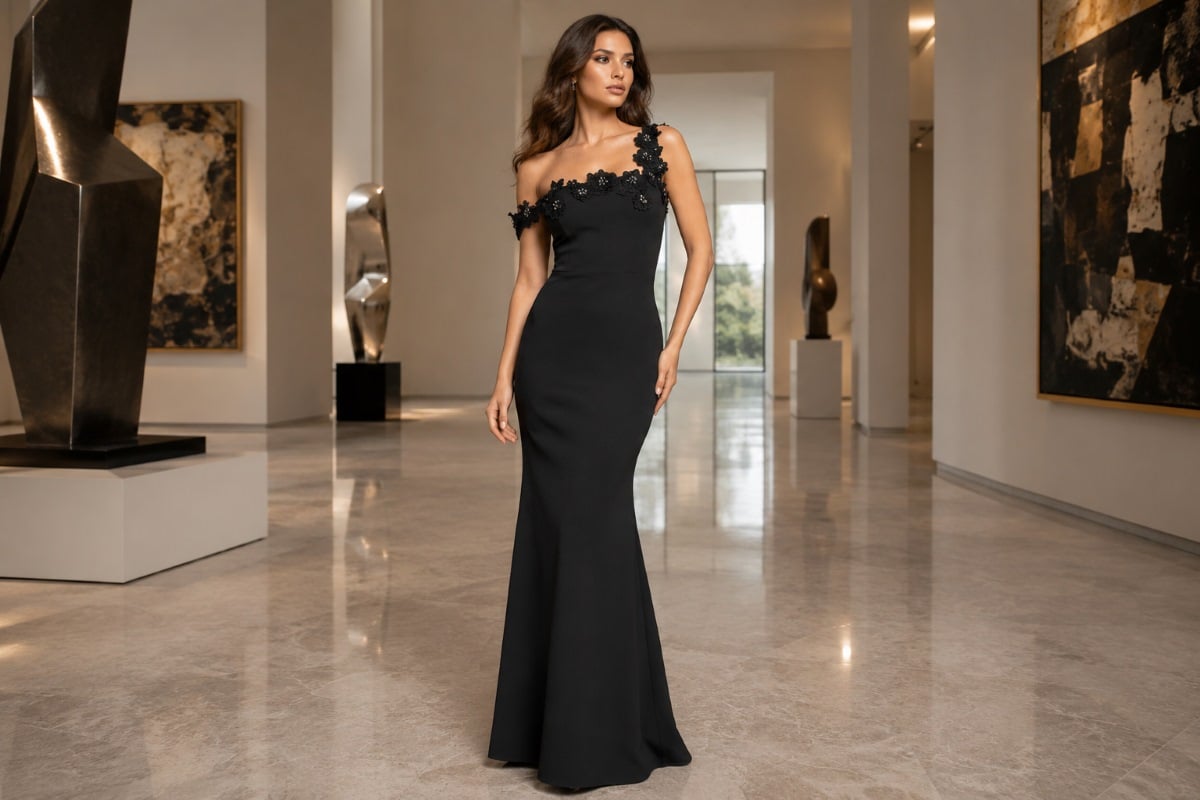
How the Venue Dictates the Slit Height
Context is everything in fashion. If you are attending a highly conservative religious ceremony in a traditional house of worship, a prominent high slit may be deemed inappropriate for the ceremony itself. In these delicate instances, many savvy guests opt for a dress with a modest, overlapping slit that stops strictly at or just above the knee. Alternatively, they employ styling tricks: choosing to wear an elegant, sweeping wrap, a tailored trench, or a detachable overskirt during the religious ceremony, which can then be chicly removed for the less formal evening reception.
However, if the venue is a modern art museum, a glamorous metropolitan hotel rooftop, an industrial chic converted warehouse, or a breezy oceanfront estate, a tasteful high slit is warmly welcomed and structurally advantageous. It allows the ocean breeze or the city wind to catch the fabric beautifully, providing a stunning, dramatic visual dynamic as you walk or pose for photos.
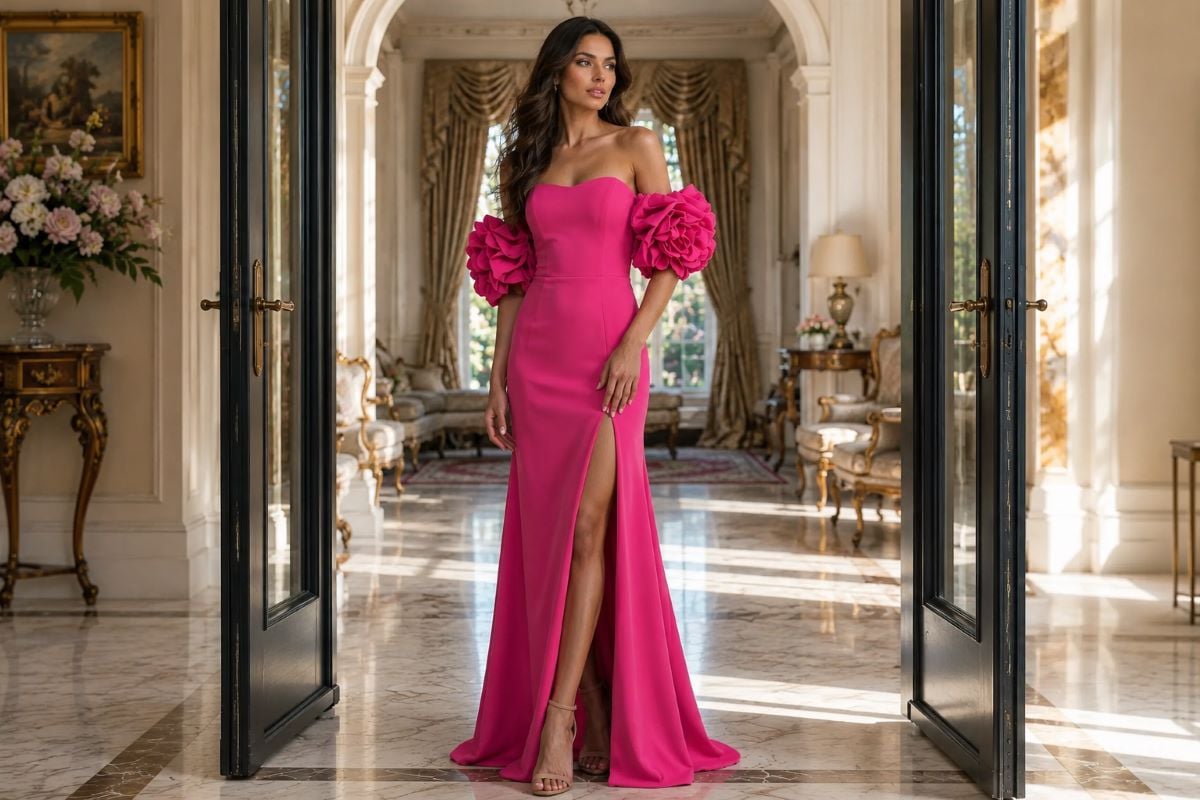
Merging the Trends: The Floral High-Slit Gown
When you successfully combine the timeless romanticism of floral prints with the contemporary, striking edge of a high slit, the result is nothing short of breathtaking. This masterful combination is particularly effective and striking when dressing for an outdoor ceremony, such as a lush botanical garden wedding, a rustic vineyard, or a sandy beach, where physical movement, breathability, and natural flow are essential.
Imagine a flowing, floor-length A-line gown featuring an oversized, impressionistic watercolor floral print. The dress is beautiful on its own, but when designed with a side slit that reveals itself naturally only as you walk, the botanical pattern softens the boldness of the slit. The floral motif makes the overall look incredibly romantic, approachable, and highly appropriate for celebrating a marriage, while the slit adds that necessary touch of modern high fashion.
For upscale evening events, choosing floral evening gowns that utilize dark, moody botanicals paired with a structured, sharply tailored slit offers a level of sophisticated glamour that easily stands out from a predictable sea of solid black or navy dresses.
The key to making this hybrid look work flawlessly is the choice of fabric. A slit cut into a structured, heavy fabric like silk taffeta or metallic brocade will hold its architectural shape and reveal less leg during normal standing. In contrast, a slit in lightweight, layered chiffon or georgette will flutter and flow dynamically with the wind, offering graceful glimpses of the leg in a highly tasteful, ethereal manner.
Seasonal Sensibility: Adapting Florals and Silhouettes Year-Round
The true beauty of the botanical trend is its incredible year-round versatility. While human instinct immediately associates blooming flowers with the spring season, the luxury fashion industry has masterfully adapted the floral motif to suit the mood, temperature, and aesthetic of every single season.
Spring: Soft Pastels and Chiffon
This is the undeniable high season for floral wedding guest attire. As nature literally blooms outside, so does event fashion. Spring wedding guest dresses should lean heavily into lightness, rebirth, and joy. Think delicate lilacs, soft blush pinks, sunny daffodils, and crisp mint greens. Fabrics should be airy and breathable. High-slit formal dresses in soft chiffon or silk organza are perfect for spring, maintaining an elevated level of dressiness while feeling fresh.
Summer: Bold Tropicals and Breathability
Summer weddings, especially outdoor ones, demand high-impact vibrancy and exceptional breathability to combat the heat. This is the time for bold, oversized tropical prints, vibrant hibiscus motifs, and saturated colors like bright coral, turquoise, and canary yellow. A high slit becomes a functional necessity in the summer heat, allowing for air circulation. Outdoor wedding attire during these months practically begs for a bold floral pattern that allows you to blend seamlessly into lush, sun-drenched backdrops.
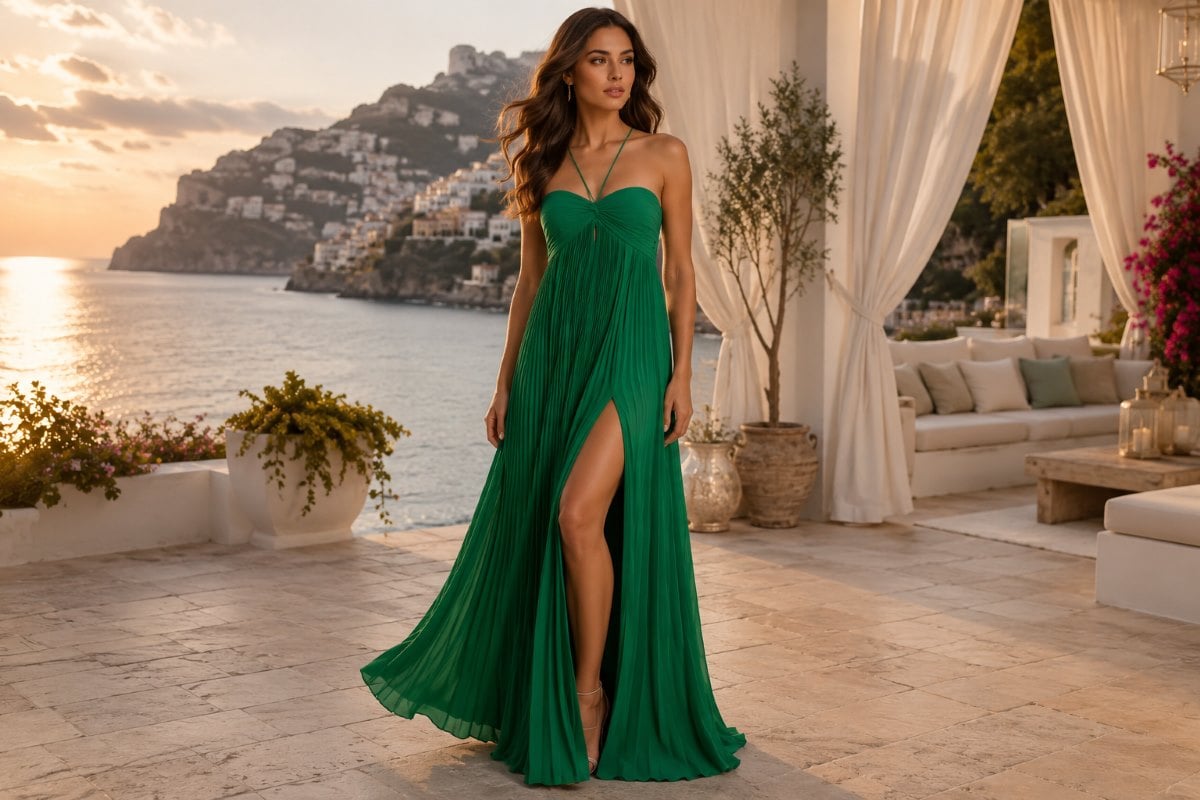
Fall: Moody Botanicals and Earth Tones
You might ask, can guests wear floral to a wedding in October or November? Absolutely, and to stunning effect. The aesthetic simply shifts from light, airy pastels to rich, grounded earth tones. Autumnal weddings call for moody florals in tones of burnt rust, deep mustard, rich plum, aubergine, and forest emerald. As the temperatures drop, fabrics must carry more visual and physical weight. Velvet burnout dresses featuring intricate floral motifs, or heavy metallic brocades woven with autumn leaves and vines, are spectacular, seasonally appropriate choices. A slit in these heavier fabrics ensures the dress doesn’t look overly bulky or overwhelming.
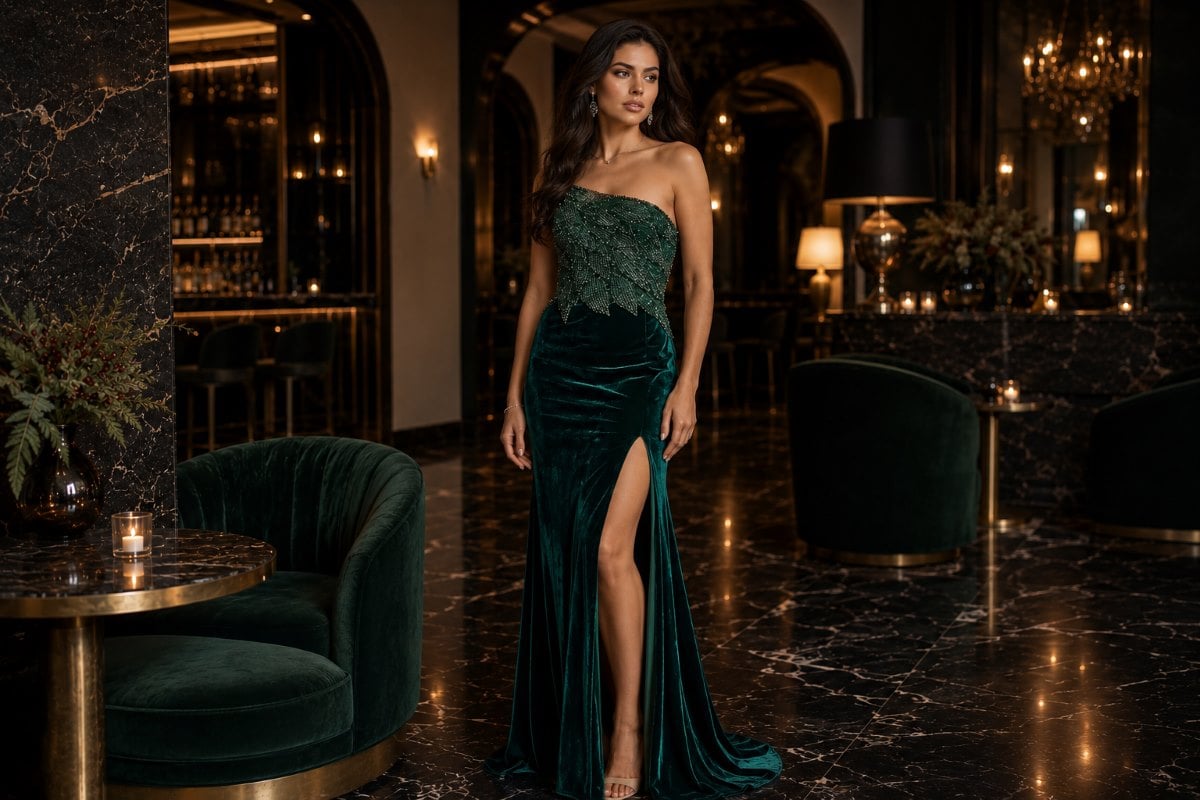
Winter: Frosty Hues and Heavy Fabrics
Winter florals require the most glamorous interpretation. Think “winter garden at midnight.” Deep, icy blues, stark black and silver combinations, and poinsettia-inspired ruby reds are perfect. For winter black-tie weddings, elegant floral gowns featuring long, fitted sleeves, a high mock neckline, and a sweeping, slit skirt offer the ultimate perfect combination of weather-appropriate coverage and striking high-fashion design. The slit ensures the heavier winter fabric (like heavy crepe or velvet) does not visually overwhelm the wearer’s frame, providing a necessary, strategic touch of lightness and skin to a heavy winter ensemble.
Masterful Accessorizing for Floral and High-Slit Gowns
Once you have selected the perfect dress, the next crucial—and often perilous—step is accessorizing. Both floral patterns and high slits are inherently statement-making design features; therefore, your accessories must act as a highly curated supporting cast rather than competing aggressively for the spotlight.
Selecting the Right Footwear
When wearing high-slit formal dresses, your shoes are no longer a hidden afterthought; they will be on prominent, constant display with every single step you take or dance move you make. Opt for footwear that physically elongates the leg and stylistically complements the vibe of the dress.
A minimalist, barely-there strappy stiletto sandal in a neutral tone (such as nude matching your skin tone, soft metallic gold or silver, or classic black) is almost always the best choice. This ensures you do not distract the eye from the beautiful print of the dress. If your floral dress features a dominant, singular accent color, expertly matching your shoe to that specific accent color can pull the entire look together with incredible, stylist-level cohesion.
Vehemently avoid clunky, heavy platforms, overly embellished shoes with rhinestones, or ankle booties that will visually chop the leg, clash with the botanical print, and break up the long, sleek line created by the gown’s slit.
Jewelry, Handbags, and Outerwear
When wearing floral prints to a wedding, the golden rule of jewelry is total restraint. Because the dress itself acts as the primary visual interest and art piece, keep jewelry highly structural, clean, and elegantly understated.
If the gown features a high neckline or a halter, forgo a necklace entirely to avoid a cluttered chest, and instead opt for a striking, brilliant pair of diamond or pearl drop earrings. If the dress has a clean sweetheart or off-the-shoulder neckline, a simple, delicate pendant on a fine chain works beautifully to highlight the collarbone.
For handbags, leave the oversized slouchy totes and busy crossbody bags at home. A sleek, hard-case structured clutch or a small satin envelope bag in a solid, complementary color is essential. Avoid floral-patterned bags at all costs; matching a floral dress with a floral bag crosses the fine line from chic to overwhelmingly “matchy-matchy.”
Regarding outerwear, if the wedding is in a cooler month, a tailored wool topcoat draped over the shoulders, a luxurious faux fur stole, or a sleek, solid-colored pashmina are chic ways to stay warm without ruining the aesthetic of your floral gown.
The Jovani Standard: Why Impeccable Craftsmanship Matters
When navigating complex, dual-trend fashion like bold botanical prints and daring structural cuts, the physical construction of the garment is what separates a true fashion triumph from a disastrous wardrobe malfunction. This is precisely where Jovani’s decades of luxury design expertise become invaluable to the consumer.
Creating elegant floral gowns is not simply about finding a pretty bolt of fabric; it is an architectural endeavor. It is about understanding exactly how that print scales across different body types and sizes. Jovani designers meticulously place patterns, utilizing grading techniques to ensure the print flatters the natural waistline, elegantly highlights the décolletage, and flows beautifully and symmetrically through the sweep of the skirt.
Furthermore, the engineering of high-slit formal dresses requires exceptional, uncompromising tailoring. A poorly constructed slit on cheap fabric can gape uncomfortably when standing, pull awkwardly across the hips, or physically tear under the normal stress of sitting. Jovani employs rigorous structural couture techniques—often including hidden reinforcement seams, expertly tailored linings, and meticulously measured fabric overlap—to ensure that a slit remains an element of graceful, intentional design. It is engineered to part seductively only when you walk, and fall perfectly back into a closed, modest place when you stand still.
When you invest in a Jovani dress for a major life event, you are not just buying a piece of clothing. You are investing in the way you will feel physically and emotionally for hours on end, and the way you will be remembered in cherished family photographs for generations to come. A gown that deeply respects wedding guest etiquette while allowing you to boldly express your vibrant, modern personality is the ultimate hallmark of true luxury eveningwear.
FAQs Navigating Wedding Guest Attire
To ensure you step into your next formal event with absolute, unshakable confidence, we have compiled and expanded upon the most common, pressing inquiries regarding modern wedding guest etiquette, focusing specifically on patterns, silhouettes, and environmental factors.
1. Is it ever acceptable to wear a white dress with a floral print to a wedding?
This remains one of the most perilous, debated areas of wedding guest etiquette. Generally speaking, if the predominant background of the dress is white, cream, champagne, or bright ivory, it is best avoided entirely. Even if the dress is heavily covered in large, colorful flowers, a white base can easily catch the light and photograph as a bridal color, especially in dim reception lighting or stylized black-and-white photos. To be perfectly safe and respectful to the bride, choose floral wedding guest dresses with distinctly colored backgrounds.
2. How high is “too high” for a slit at a formal wedding?
The appropriateness of a slit depends heavily on the venue and the overall balance of the dress’s design. As a general rule for polite wedding guest etiquette, a slit should not rise higher than the mid-to-upper thigh. The “sit test” is crucial: if you cannot sit down comfortably in a chair without having to constantly tug and adjust the fabric to maintain your modesty, the slit is likely too high for a traditional wedding setting. Remember the golden rule of balance: if you opt for a higher slit, ensure the neckline and bodice of the dress are considerably more conservative to compensate.
3. Can I wear a floral dress to a strict, formal black-tie event?
If you are asking, can guests wear floral to a wedding with a black-tie dress code, the answer is absolutely yes—provided the dress is appropriately grand and formal. The gown must absolutely be floor-length with no exceptions. Furthermore, the fabric must be luxurious and high-end; think heavy silk, organza, taffeta, or heavily beaded and sequined materials. Avoid casual, daytime fabrics like cotton, linen, or simple jersey. Darker, more dramatic floral prints often feel more inherently “black-tie” than bright, daytime pastels.
4. What type of floral print is best for a late fall or deep winter wedding?
For colder months, shift completely away from the light, watercolor pastels that dominate spring. Instead, look for what the fashion industry calls “moody florals.” These are intricate prints set against very dark backgrounds like navy, dark burgundy, forest green, charcoal, or black. The flowers themselves should feature rich, saturated jewel-toned colors. Textural fabrics play a massive role here; a velvet dress with a floral burnout pattern, or a heavy, stiff brocade is exceptional for autumn and winter formal events.
5. Are high-slit dresses appropriate for a church, temple, or highly religious ceremony?
Religious venues almost universally require a higher degree of modesty out of respect for the space. Plunging necklines, bare shoulders, and high-slit formal dresses are generally frowned upon during the actual ceremony. However, this absolutely does not mean you cannot wear your chosen spectacular dress to the event as a whole. A clever, chic, and highly respectful solution is to wear a beautifully tailored long coat, a luxurious thick pashmina, or a temporary, wrap-around modesty skirt over your dress while inside the house of worship. Once you transition to the secular reception venue, you can shed the layers and reveal the full silhouette of your gown.
Conclusion
The modern landscape of formalwear is a thrilling, dynamic space where traditional respect beautifully meets contemporary, individualized fashion. The persistent question of whether guests can wear floral to a wedding has been answered with a resounding, enthusiastic affirmation, proving time and again that botanical prints are a timeless, joyous, and incredibly versatile choice for celebrating love.
When these naturally romantic patterns are expertly paired with modern, architectural details, such as tasteful, brilliantly tailored high slits, the result is an ensemble that is dynamic, supremely elegant, and entirely unforgettable.
By deeply understanding the subtle nuances of varying dress codes, expertly adapting your fabric and color choices to the season, and maintaining a careful, stylish balance between bold modern cuts and classic wedding etiquette, you can navigate absolutely any wedding invitation with utmost grace. True style is not just about the specific garment you choose to wear, but how comfortably, respectfully, and confidently you wear it into the room.
To discover a true masterpiece of design that perfectly captures your unique personal style while simultaneously honoring the deep significance of the occasion, explore the full Jovani collection of sophisticated eveningwear. Let us help you find the extraordinary dress that will make your next event truly spectacular.