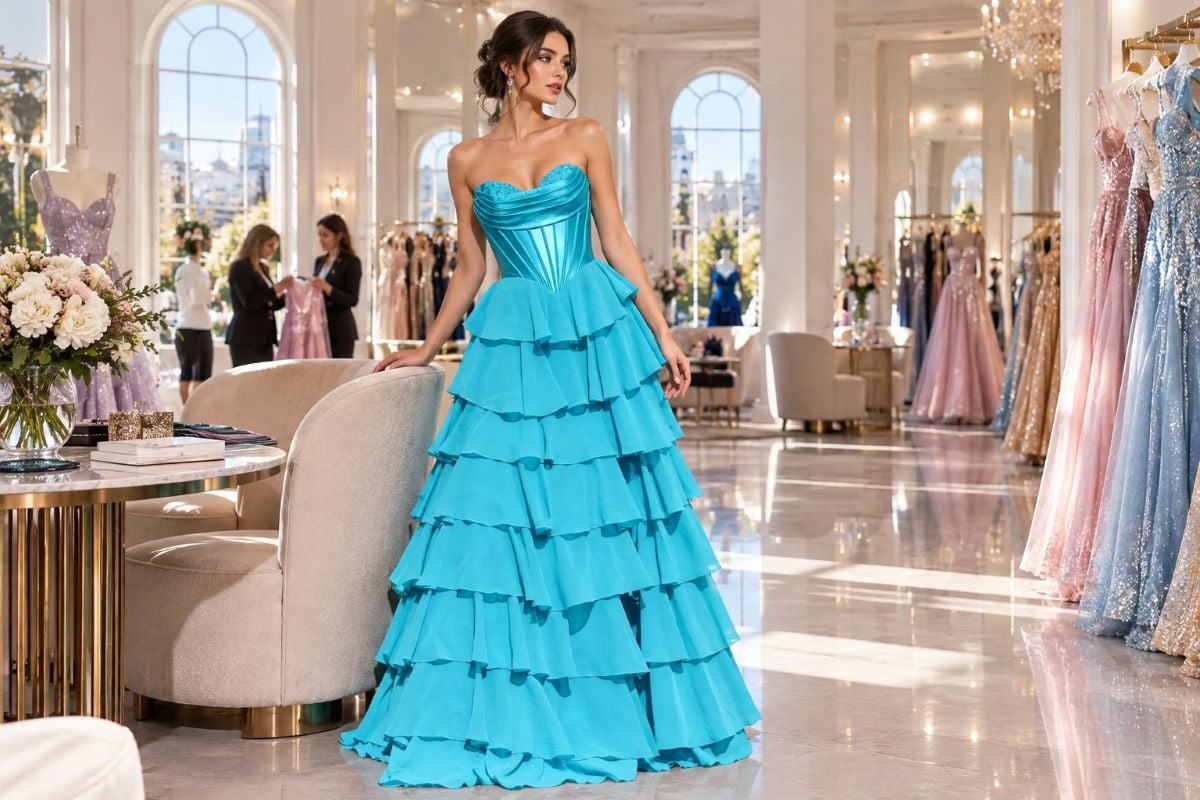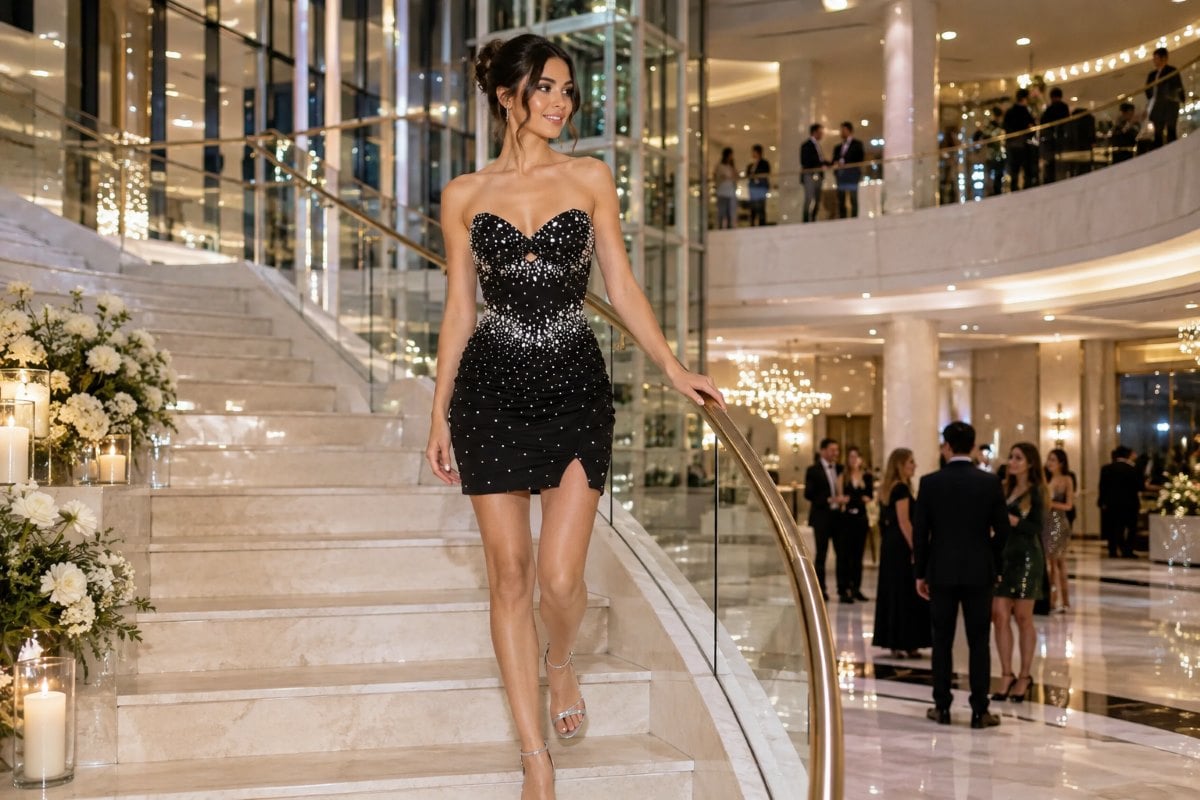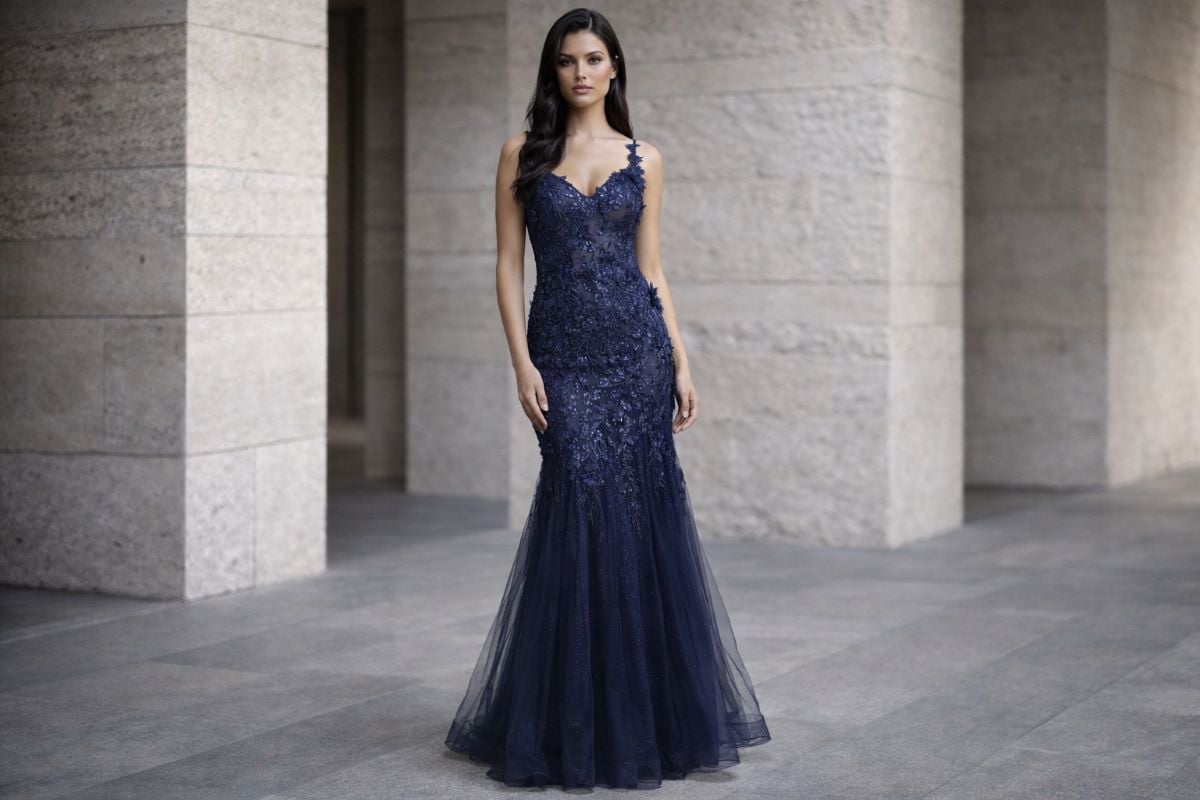

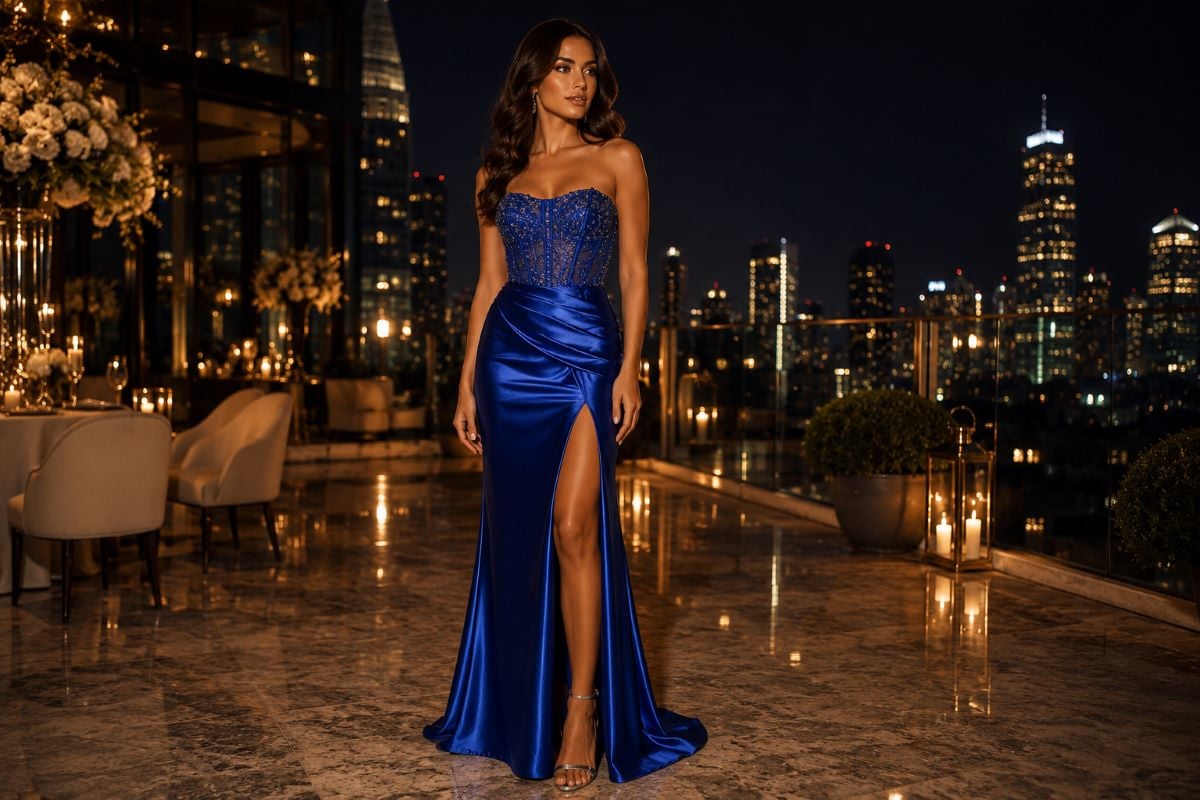
The intersection of fashion and function is never more critical than when preparing for a milestone event that requires both breathtaking elegance and effortless mobility. For decades, the formalwear industry treated visual impact and physical comfort as mutually exclusive concepts. Gowns were designed primarily to be photographed, often leaving the wearer severely restricted when it came time to actually celebrate. However, a profound shift in modern design has rewritten these rules. Today, the architectural brilliance found in high-slit prom dresses has become the ultimate blueprint for brides searching for the perfect wedding dress for dancing.
Understanding how a garment moves in harmony with the human body is a complex science. It requires a deep knowledge of fabric tension, weight distribution, and structural reinforcement. As a premier design house, Jovani has spent years mastering this balance, ensuring that every gown not only commands the room upon entry but also performs flawlessly on the dance floor. Whether you are a high school senior preparing for an unforgettable night or a bride planning a high-energy reception, the principles of a dance-friendly garment remain exactly the same. This comprehensive guide explores why the high-slit silhouette has revolutionized formalwear, how to select fabrics that enhance mobility, and what to look for when choosing a gown designed for celebration.
The Evolution of Formalwear and the Demand for Mobility
Historically, formal attire was defined by its rigidity. Heavy satins, structured corsetry, and voluminous skirts that pooled dramatically on the floor were the standard markers of luxury. While these elements created stunning visual tableaus, they severely limited the wearer’s range of motion. The act of dancing in such garments was often reduced to a slow, careful shuffle to avoid tripping over excessive fabric or tearing a delicate hemline.
As cultural attitudes toward milestone celebrations evolved, so did the expectations placed on formalwear. Modern events are dynamic, energetic, and deeply focused on the guest experience. The wearer no longer wants to be a static centerpiece; they want to participate fully in their celebration. This cultural shift necessitated a structural change in how gowns were constructed. Designers began looking for ways to release the tension at the hemline without sacrificing the floor-length elegance that traditional formalwear demands.
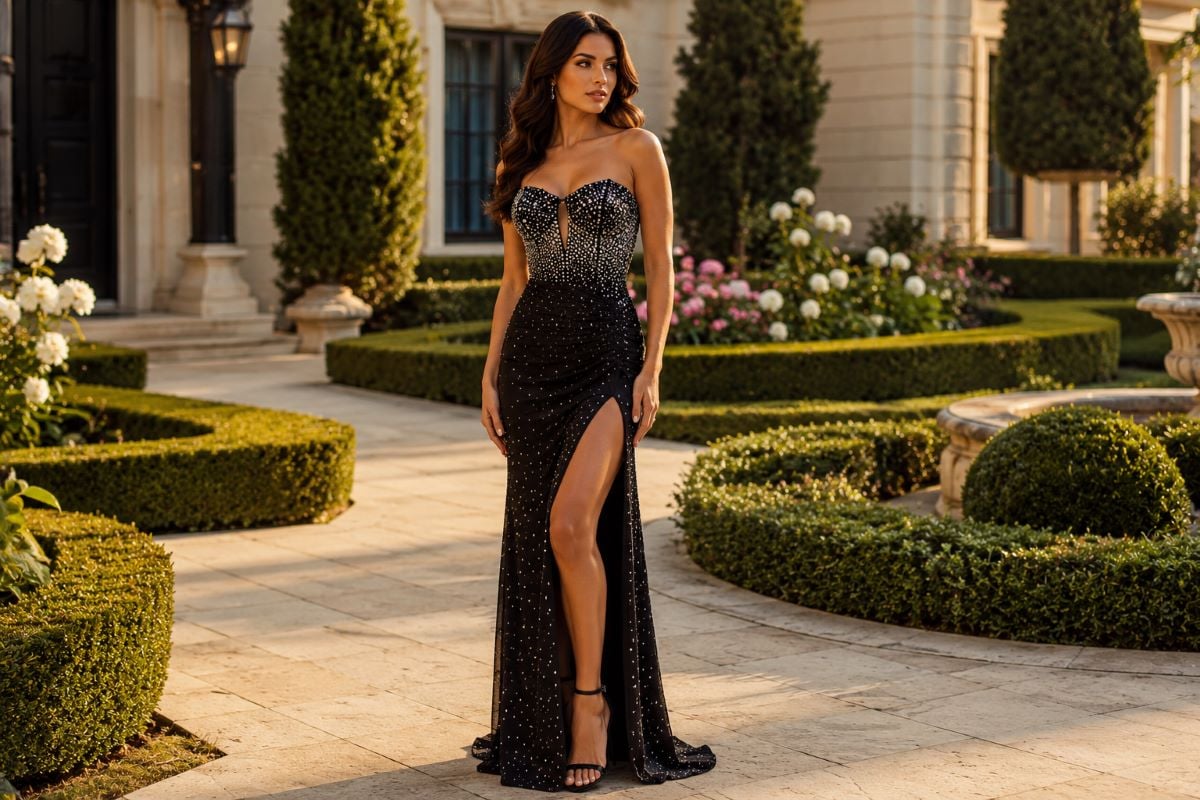
The introduction of the high slit was a masterstroke in structural design. Initially popularized in red carpet fashion, this bold feature quickly became a staple in modern prom gowns. The slit provided an immediate solution to the mobility problem. By opening one side of the skirt, designers eliminated the restrictive “tube” effect of a fitted skirt and reduced the heavy drag of a voluminous one. This innovation allowed for a full, natural stride, transforming beautifully static garments into highly kinetic, dance-friendly formal dresses. Brides, observing the freedom and modern aesthetic of these designs, quickly began seeking the exact same architectural benefits for their own celebrations.
The Biomechanics of the High Slit Silhouette
To truly appreciate why these striking silhouettes serve as the perfect inspiration for a bridal reception gown, one must look at the biomechanics of the garment. When a person dances, their lower body requires an expanded spatial radius. Steps lengthen, knees bend, and the hips rotate. A traditional closed skirt, especially one that is fitted through the thighs, violently restricts this radius. The wearer is forced to take smaller steps, and any sudden, expansive movement places immense stress on the seams of the dress.
A high slit fundamentally alters the physics of the skirt. When the wearer takes a step or executes a dance move, the slit allows the fabric to part naturally, accommodating the leg’s forward or lateral motion without encountering resistance. Once the movement is complete, the fabric gracefully falls back into place, restoring the gown’s unbroken vertical line.
Furthermore, the slit acts as a crucial ventilation system. Formal venues, particularly packed dance floors at weddings and proms, can become incredibly warm. Heavy layers of tulle, organza, or thick crepe trap body heat, leading to discomfort as the evening progresses. A high slit allows air to circulate around the legs, significantly regulating the wearer’s body temperature. This breathability is a primary reason why brides often transition from heavy, traditional ceremony gowns into lighter, slit-adorned wedding reception dresses as the evening shifts from formal to festive.
Jovani recognizes that the implementation of a high slit requires precise engineering. If a slit is cut too low, it fails to provide the necessary mobility. If the apex of the slit is not properly reinforced, the kinetic energy of dancing can cause the seam to tear upward. Jovani’s design process ensures that the apex is stabilized with reinforced stitching and strategic lining, allowing the wearer to move with absolute confidence in daring formal silhouettes.
Defining the Perfect Wedding Dress for Dancing
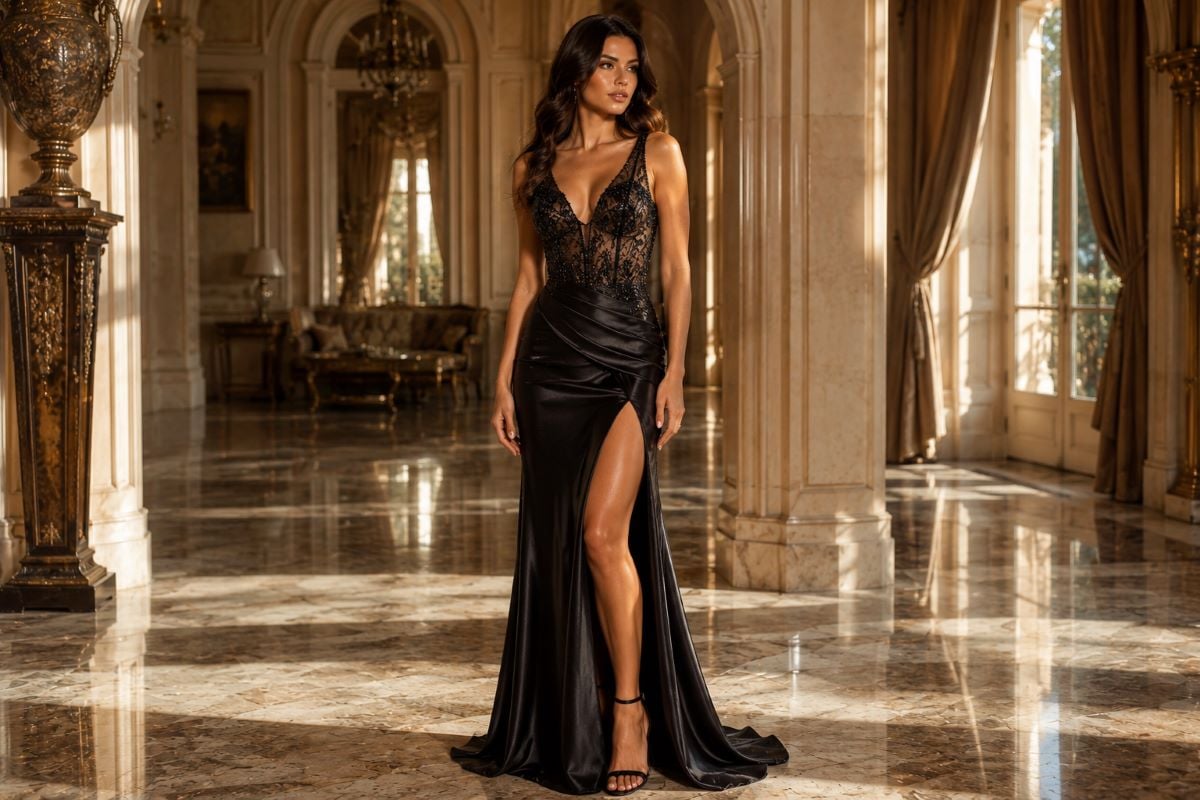
The search for the perfect wedding dress for dancing usually begins after the bride has secured her primary ceremony gown. Traditional wedding gowns are frequently chosen for their dramatic, ceremonial impact—often featuring cathedral trains, dense beadwork, and restrictive bodices. While breathtaking for the walk down the aisle and the first dance, these features quickly become a liability when the DJ starts playing high-energy music.
Key Elements of Danceable Bridal Gowns
A truly danceable bridal gown prioritizes three core elements: weightlessness, structural security, and unhindered legroom. A gown featuring a high slit perfectly fulfills all three criteria. It offers the bridal elegance of a sweeping floor-length skirt while providing the mobility of a much shorter cocktail dress.
The Influence of High-Energy Prom Designs
When evaluating comfortable bridal gowns, brides must consider the type of dancing they plan to do. A choreographed, ballroom-style first dance requires a dress that flows gracefully during turns, while late-night reception dancing requires a garment that can withstand jumping, dipping, and rapid directional changes. High-slit prom dresses have long been stress-tested in these exact high-energy environments, making their architectural cues invaluable for bridal design. By adopting the structural freedom of a prom silhouette, a bride ensures she will not spend her reception managing her skirt, allowing her to remain entirely present in the joy of the celebration.
Fabric Dynamics: How Material Impacts Movement
The success of a high slit—whether on a prom gown or a bridal dress—is heavily dependent on the fabric chosen by the designer. Not all materials behave the same way when set in motion, and selecting the right fabric is essential for creating dance-friendly formal dresses.
Chiffon and Silk Georgette for Fluidity
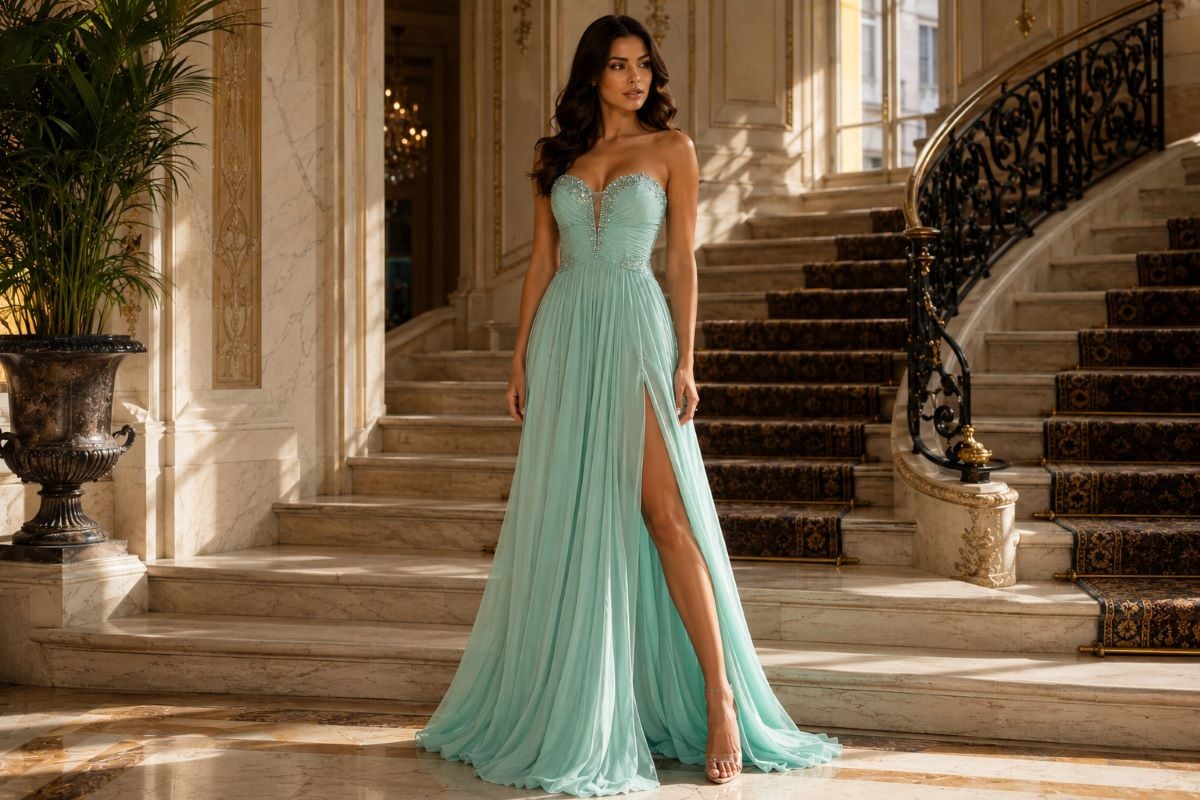
For ultimate fluidity, lightweight fabrics like chiffon and georgette are unsurpassed. These materials are incredibly airy and respond beautifully to movement. When incorporated into A-line prom dresses, a slit cut into layers of chiffon creates a stunning, sweeping effect as the wearer spins. The fabric floats away from the body, offering zero resistance. For a bride looking for a highly romantic, ethereal wedding dress for dancing, a chiffon skirt with a high slit is an exceptional choice. It is virtually weightless, ensuring the bride will not experience fatigue from dragging heavy fabric across the floor.
Stretch Crepe and Jersey for Tailored Support
For those who prefer a more tailored, body-hugging aesthetic, stretch crepe and jersey are the ideal materials. These fabrics offer elasticity, moving seamlessly with the body’s natural contours. A high slit is almost mandatory in fitted crepe or jersey gowns; without it, the narrow hemline would make dancing nearly impossible. Jovani utilizes premium stretch fabrics that provide structural support and smoothing capabilities without acting as a physical constraint. These materials are heavily favored by brides seeking modern, minimalist, and comfortable bridal options that still deliver a high-fashion impact.
Charmeuse and Lightweight Satin for Luminous Drape
Satin is a staple of formalwear, prized for its lustrous finish and rich drape. However, traditional Duchess satin is often too rigid and heavy for an aggressive night of dancing. To achieve the luxurious look of satin without the restrictive weight, designers turn to charmeuse or liquid satin. These variations possess a fluid, water-like drape that slides effortlessly over the skin. A high slit in a charmeuse gown allows the fabric to ripple and catch the reception lighting beautifully during movement, combining old Hollywood glamour with modern athletic freedom.
Finding the Right Silhouette for Your Dance Style
Beyond the fabric, the overall silhouette of the dress dictates how it will perform on the dance floor. The two most common silhouettes to feature high slits are the A-line and the fitted (sheath or trumpet) gown. Each interacts with the body’s movement in distinct ways.
The High Slit in A-Line Gowns
An A-line gown naturally features a wider skirt, meaning legroom is already somewhat accommodated. However, adding a slit to an A-line dress serves two distinct purposes. First, it removes a significant portion of the fabric’s bulk from the front of the legs, ensuring the wearer doesn’t step on their own hem while moving backward. Second, it adds a striking element of visual surprise. As the wearer stands still, the slit may be completely hidden within the folds of the skirt. It is only when the wearer steps forward or spins that the slit reveals the leg, creating a dynamic, kinetic visual.
Strategic Slits in Fitted Gowns
In contrast, a slit in a fitted silhouette is not just a stylistic choice; it is a mechanical necessity. Gowns that hug the hips and thighs restrict the natural stride. For anyone wondering how to dance in a fitted gown, the answer almost always involves the strategic placement of a slit. In a sheath or trumpet dress, the slit must be cut high enough to allow the knee to bend fully and the leg to extend sideways. This allows the wearer to perform complex dance routines, dips, and expansive movements while maintaining a sleek, curve-enhancing profile.
Footwear, Styling, and the Visual Impact of the High Slit
One of the most defining characteristics of a high-slit silhouette is that it exposes the leg and, crucially, the footwear. In traditional ballgowns, shoes are hidden beneath layers of crinoline, often leading wearers to prioritize basic comfort over style—sometimes even resorting to hidden sneakers. A high slit changes this dynamic entirely, transforming the shoe from a hidden utility into a focal point of the outfit.
Selecting the Right Dance Shoes
When selecting footwear for high-slit prom dresses or a wedding dress for dancing, stability must be carefully balanced with aesthetics. Because the shoe will be visible in every photograph of the wearer walking or dancing, it should complement the gown’s design perfectly. However, since the primary goal is dancing, stilettos with minimal ankle support can be risky. Strappy sandals with a secure ankle buckle, block heels, or even elegantly embellished dance shoes are excellent choices. They provide the necessary arch support and security to execute spins and steps confidently while looking spectacular as they flash through the gown’s slit.
Choosing Seamless Undergarments
Styling a high-slit gown also involves paying close attention to undergarments. Because the slit opens dramatically during movement, standard shapewear or slips are often visible and therefore incompatible. Wearers must seek out specialized undergarments, such as seamless high-cut briefs or shapewear designed specifically with an asymmetrical leg, to ensure a flawless, uninterrupted look throughout the night.
The Transition: From Ceremony to Reception
The decision to change from a primary bridal gown into a dedicated reception dress marks a significant psychological shift in the wedding day. The ceremony is characterized by reverence, tradition, and solemnity. The attire reflects this, utilizing heavy, historical evening dress details like long trains, intricate lace, and high necklines.
The reception, however, is a celebration. It is a party where the bride transitions from the center of a formal ritual to the host of an energetic event. Changing into a dance-ready gown signals this transition to the guests. It visually communicates that the formal portion of the evening has concluded and that the bride is ready to celebrate unhindered.
Jovani’s extensive archive of prom and evening wear provides an endless array of inspiration for this exact moment. A bride might choose a fully sequined gown to catch the disco lights, or a sleek, minimalist crepe dress with an extreme thigh-high slit for a sophisticated, modern vibe. Because these gowns are engineered with the same meticulous attention to detail and movement as Jovani’s iconic prom styles, the bride is guaranteed a garment that will not fail her, no matter how intense the dance floor becomes.
The Importance of Precision Tailoring
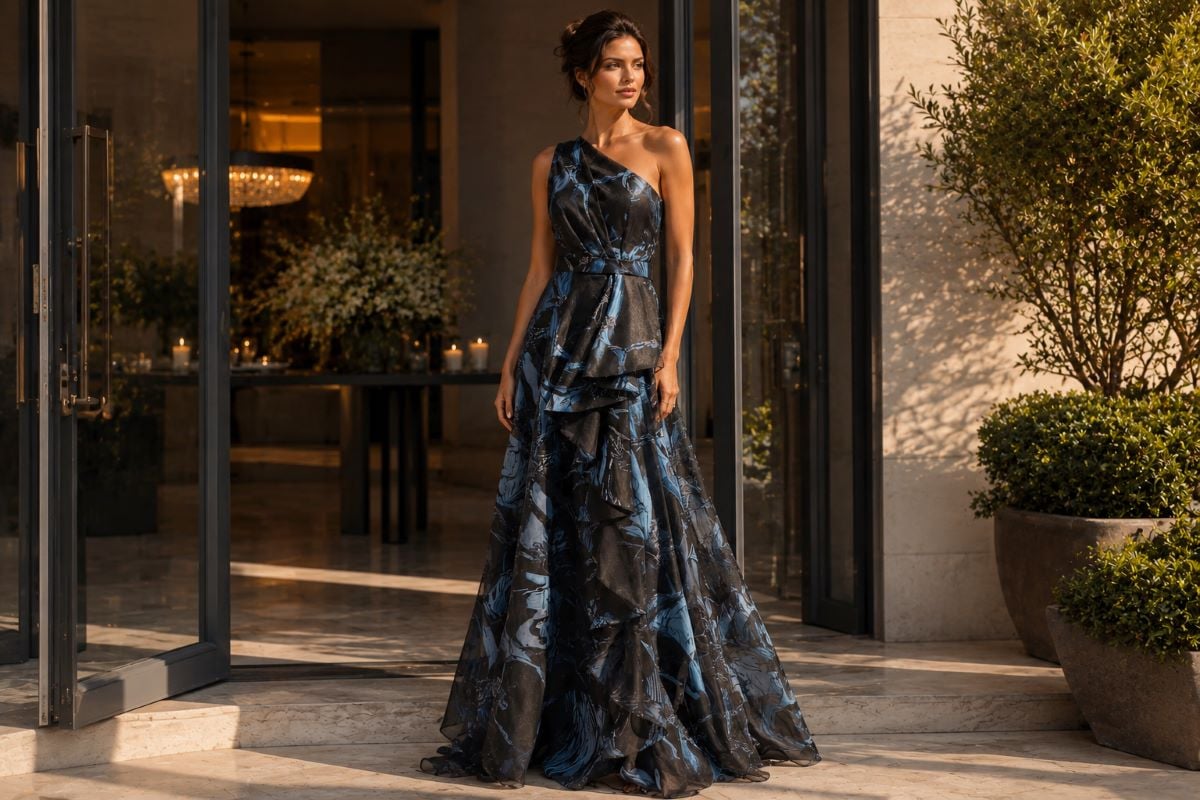
Even the most impeccably designed dance-friendly bridal gown requires precise alterations to function perfectly. When dealing with an asymmetrical or open-leg design, tailoring becomes even more critical.
Calibrating the Hemline
First, the hemline must be calibrated perfectly to the wearer’s specific dancing shoes. A hem that is a fraction of an inch too long can catch under a heel during a backward step, regardless of how open the skirt is. The standard rule for dance-friendly formal dresses is to hem the front of the skirt slightly higher than the floor—floating just a quarter-inch above the ground—to ensure total clearance.
Adjusting Slit Proportions
Second, the placement of the opening may need slight adjustment based on the wearer’s proportions. While a designer cuts the fabric to an idealized proportion, a skilled tailor can manipulate the seams to ensure it opens elegantly without exposing more than the wearer intends during aggressive movement. Some wearers opt to have a tailor add a tiny, discreet tack stitch slightly lower on the seam if they feel it opens too widely during spins, allowing them to customize their level of modesty while preserving the gown’s mobility.
FAQs About Dance-Friendly Formalwear
1. Are high-slit prom dresses structurally suitable to be worn as wedding reception dresses?
Absolutely. In fact, many high-end prom designs share the exact same structural foundation, premium fabrics, and design architecture as luxury bridal reception gowns. Because prom dresses are inherently designed for a highly active, youthful demographic that prioritizes dancing, their mobility features—like high slits, secure bodices, and lightweight skirts—make them exceptionally well-suited for a bride looking for a reliable, dance-friendly reception outfit.
2. How high should the slit be on a wedding dress for dancing to ensure proper movement?
For maximum mobility, particularly in a fitted silhouette, the slit should ideally start at or just above the mid-thigh. If the slit starts below the knee, it will not provide enough lateral release for the legs to move freely during wide steps or energetic dancing. In A-line gowns, the opening can be slightly lower, as the width of the skirt inherently provides more legroom, but a mid-thigh height is still the standard for ensuring the fabric clears the legs entirely during a spin.
3. Can a high slit wedding dress be appropriate for a traditional or religious ceremony?
While open-leg designs are highly functional for the reception, they are often considered too daring for strict, traditional, or religious ceremonies. This is exactly why the “second dress” trend exists. Many brides will wear a modest, closed-skirt gown for the ceremony and vows, and then change into a reception-specific gown specifically tailored for dancing and celebrating during the evening.
4. Will a high slit cause my dress to lose its shape while I am dancing?
Not if the gown is crafted by a reputable designer. High-quality gowns, like those produced by Jovani, are engineered so that the slit is a deliberate architectural feature, not just a cut in the fabric. The edges are finished and weighted properly, and the apex is reinforced. This ensures that while the fabric parts to allow for your leg to move, the structural integrity and the silhouette of the dress remain intact, falling perfectly back into place once you stop moving.
5. What is the best fabric for a reception dress if I sweat a lot while dancing?
If temperature regulation is your primary concern, avoid heavy satins, thick velvets, and heavily layered tulle. Instead, opt for lightweight, breathable fabrics like silk georgette, chiffon, or single-layer crepe. These materials allow for maximum airflow, and when combined with the ventilation provided by a high slit, they offer the coolest, most comfortable bridal gowns for a hot, crowded dance floor.
The evolution of formalwear has proven that elegance does not have to come at the expense of enjoyment. By taking architectural cues from the freedom and movement of high-slit prom dresses, modern brides can finally experience their reception without the physical constraints of traditional bridalwear. Whether executing a perfectly choreographed routine or simply enjoying a night of uninhibited celebration with friends and family, the right dress ensures that your movement is never compromised. Jovani remains dedicated to the belief that every woman deserves a gown that looks flawless in photographs and performs brilliantly in motion.
Discover the perfect balance of breathtaking design and effortless mobility by exploring the full Jovani collection at your nearest authorized retailer today.