
Evening Dresses by Body Type: How to Choose Your Best Fit
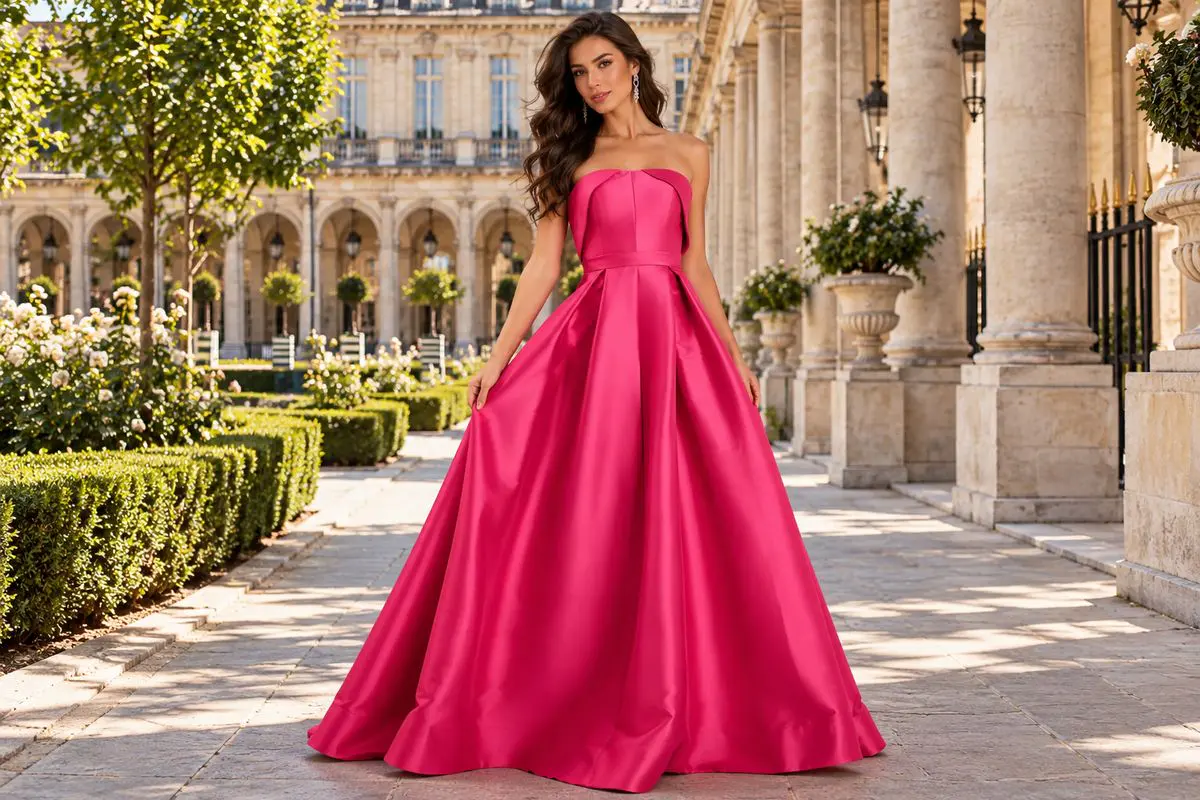
The best evening dresses by body type are the ones that fit your proportions, suit the dress code, and feel comfortable in motion. Start with your shoulders, bust, waist, and hips, then compare silhouettes. Body-shape labels offer helpful starting points, not rules about what you can wear.
How Do You Identify Your Body Shape?
Compare shoulder, bust, waist, and hip measurements rather than relying on clothing size. Your body may fall between two common shapes, and that is normal. If a dress pulls across one area or gaps at another, its cut matters more than the label.
Take Four Measurements
- Shoulders: Measure around the broadest point with the tape level.
- Bust: Measure around the fullest part without tightening the tape.
- Waist: Measure around your natural waist while breathing normally.
- Hips: Measure around the fullest part of your hips and seat.
Read Your Proportions
An hourglass shape has a noticeable waist with relatively balanced upper and lower proportions. A pear shape is fuller through the hips; an inverted triangle is broader at the shoulders. A rectangle has less waist definition, while an apple shape often carries fullness through the midsection. These are descriptive shortcuts, not measurements of beauty.
Best Evening Dresses by Body Type
Silhouette changes where fabric follows your body and where it releases. Try the suggested cuts as a first fitting-room shortlist, then judge the shoulder seam, bodice support, waist placement, and ease of movement.
Hourglass: Follow the Waist Without Restricting It
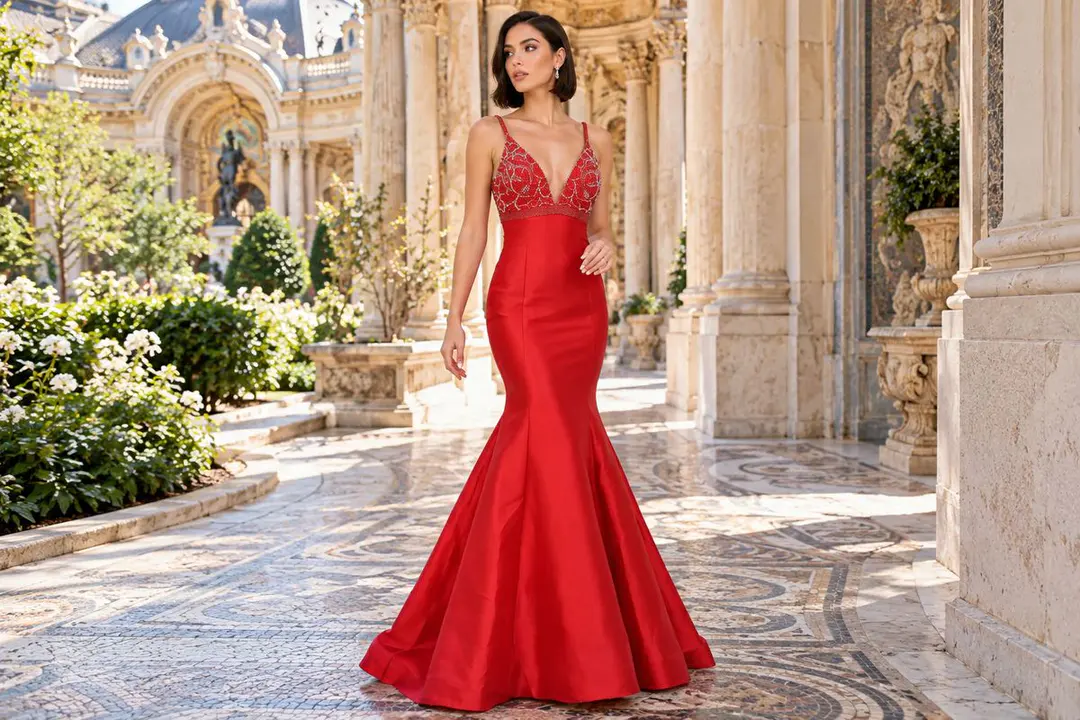
A defined waist works with fitted sheath, wrap-inspired, and mermaid silhouettes. The key is enough room at the hips to sit and take normal steps. Compare formal gowns with a controlled flare, not only tightly fitted photographs.
A mermaid silhouette fits through the hips before opening toward the hem. For a closer comparison of fitted options, see Jovani’s mermaid evening designs.
Pear: Consider a Defined Bodice and Released Skirt
A-line skirts fall away from the hips while drawing attention to the waist and upper body. Off-the-shoulder and detailed necklines can add visual emphasis above the waist. Look through A-line formal dresses for examples of gradual skirt volume.
A fitted skirt is also an option if you like that shape and can move comfortably. For more focused outfit choices, see Jovani’s evening dress advice for pear proportions.
Apple: Focus on Comfortable Structure and Draping
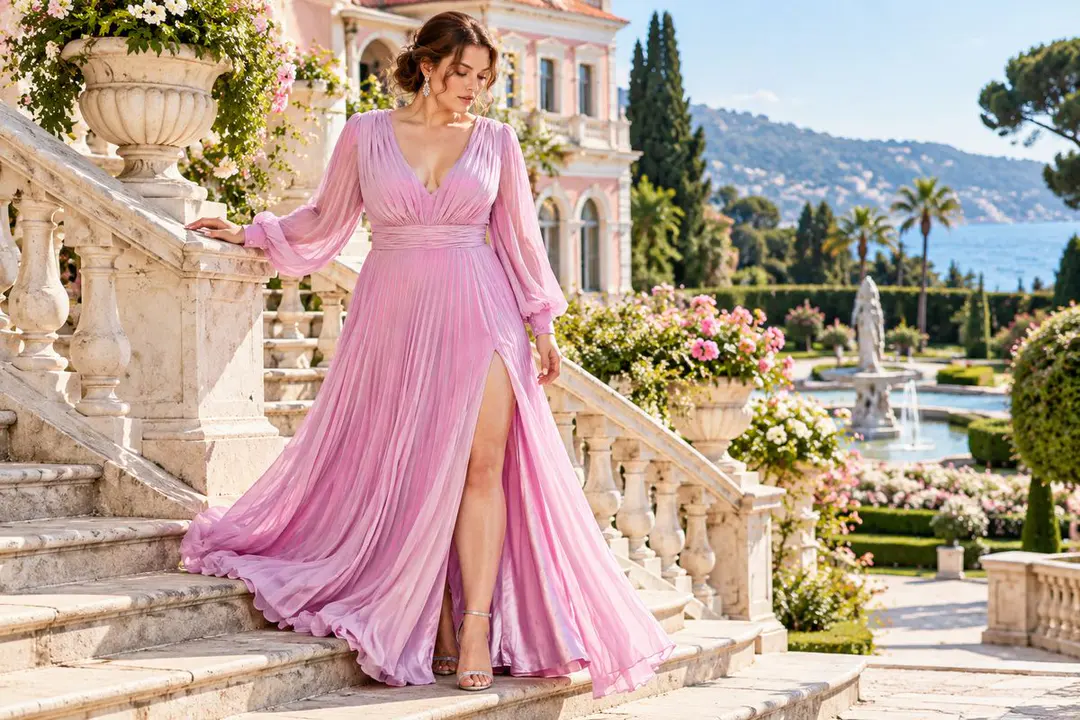
Empire seams, soft A-line skirts, and thoughtful diagonal draping can provide ease through the midsection. A V-neckline may create a longer central line, but comfortable bust support matters more than neckline depth. Avoid assuming stretch alone guarantees a good fit.
See Jovani’s apple body shape evening dress guide for a closer look at construction and waist placement.
Rectangle: Create Shape Where You Want It
A belt, a shaped waist seam, ruching, or a structured bodice can introduce definition. A clean column is equally valid if you prefer a straighter outline. Choose details that stay in position when you walk, rather than adding volume solely to follow a styling formula.
Inverted Triangle: Experiment With Skirt Volume
A-line skirts and softly flared shapes can balance a stronger shoulder line. Sleek necklines keep the bodice quiet, while wider skirts create movement below the waist. If you like statement shoulders, wear them; proportion is a styling choice, not a restriction.
What Matters More Than a Body-Shape Label?
Good evening-dress fit comes from correct seam placement, support, fabric behavior, and length. A gown that looks balanced while standing may behave differently when you sit or walk. Use a fitting-room test before deciding on a silhouette.
Bust and Waist Placement
Check that cups or built-in support sit at your bust, not above or below it. The waist seam should follow the intended design line without digging in. Jovani’s plus size evening dresses provide another starting point for comparing bodice structures across different cuts.
Skirt Movement and Hem Length
Walk, sit, and turn in the gown. A fitted hem needs enough stride room, and a full skirt should not catch underfoot. When browsing floor-length evening attire, check the intended heel height and ask about alterations before purchase.
Choose Fabric and Neckline for the Event
Crepe often gives a clean line, chiffon offers soft movement, and satin reflects light along seams and folds. Velvet can feel heavier, while beading adds weight. The same silhouette changes considerably across fabrics, so check the actual gown rather than assuming every A-line falls alike.
For black-tie settings, the event invitation comes first. A dramatic fitted gown may suit a gala, while a fluid design can be easier for a long dinner and dancing. Try both strapless and supported shoulder designs if neckline security concerns you.
Fit Considerations for Petite, Tall, and Curvy Frames
Height and size affect where a design’s proportions land. Petite wearers may need adjustments to bodice length and hem position. Tall wearers should check whether the waist seam and flare sit low enough. Curvy wearers may prioritize bust support and ease across the hips.
Even within one body-shape category, two people may need different alterations. Ask whether the gown can be adjusted at the shoulders, waist, or hem without disturbing embellishment. For hourglass-specific styling ideas, Jovani’s fitted evening dress guide adds more detail.
A Simple Evening Dress Fitting Checklist
Bring the undergarments and heel height you expect to wear. Before choosing a dress, check these points with a retailer or alterations professional.
- The neckline stays secure when you bend slightly and raise your arms.
- The waist seam lies where the design intends, without twisting.
- The skirt allows comfortable steps, sitting, and turning.
- The hem clears the floor appropriately with your planned shoes.
- You can breathe normally and do not need to keep adjusting the bodice.
Once you have a silhouette and fit preference, visit an authorized Jovani retailer to compare gowns in person and discuss alterations.
Frequently Asked Questions
Which evening dress silhouette works for most body shapes?
An A-line is a practical starting point because the skirt releases from the waist. It is not the only good choice, and bodice fit remains essential.
Can I wear a mermaid gown if I have a pear shape?
Yes. Choose a mermaid gown if you like a close fit through the hips and can sit and walk comfortably. Body-shape guidelines are suggestions, not restrictions.
Should I choose my evening dress by measurements or dress size?
Start with current bust, waist, and hip measurements, then check the specific style’s size chart. Alterations may still be needed for a precise fit.
What if my measurements fit two body types?
Use both categories as inspiration. Compare where dresses fit well and where they pull, then let the actual cut and your comfort decide.