
Graduation Dress Fabrics: Choosing Satin, Lace, Chiffon, or Crepe

The best graduation dress fabrics balance comfort, coverage, and movement. Chiffon feels light, crepe keeps a defined shape, satin adds sheen, and lined lace brings texture. Your choice should also work beneath the academic robe during the ceremony and look right once the robe comes off.
Fabric names alone cannot tell you how a dress will feel. Weight, lining, stretch, and construction often matter more than the label. Here is how to compare the materials before committing to an outfit for a long graduation day.
Which Graduation Dress Fabrics Work Best for the Ceremony?
For a warm ceremony, start with lightweight chiffon or flexible crepe. Choose satin when you want a smoother, more structured finish, or lined lace for surface detail. Jovani’s graduation dresses span short, midi, and long silhouettes, so compare fabric and hem together rather than shopping by color alone.
A graduation dress has two jobs: fit comfortably beneath the robe and look complete for photos afterward. Jovani’s guide to choosing a graduation dress covers the overall outfit decision. The fabric checks below focus on what you can see and feel during a fitting.
Satin: Smooth Shape and a Noticeable Finish
Satin is a weave, not a guarantee of a particular fiber or weight. Some versions are supple and fluid, while others hold crisp pleats. The reflective surface can highlight seams and creases, especially in pale colors. Test your favorite under bright light and after sitting for several minutes.
Jovani style 45212 is a useful example: a satin mini dress with a pleated skirt, offered in white, hot pink, and black. The structured flare looks different from a fluid slip style. Compare similarly cut satin party dresses to see how pleats and fabric weight change the result.
Satin can feel warmer under a robe if it has a heavy lining. Check the inside of the garment rather than judging by the shiny surface.
Lace: Pattern, Texture, and the Importance of Lining
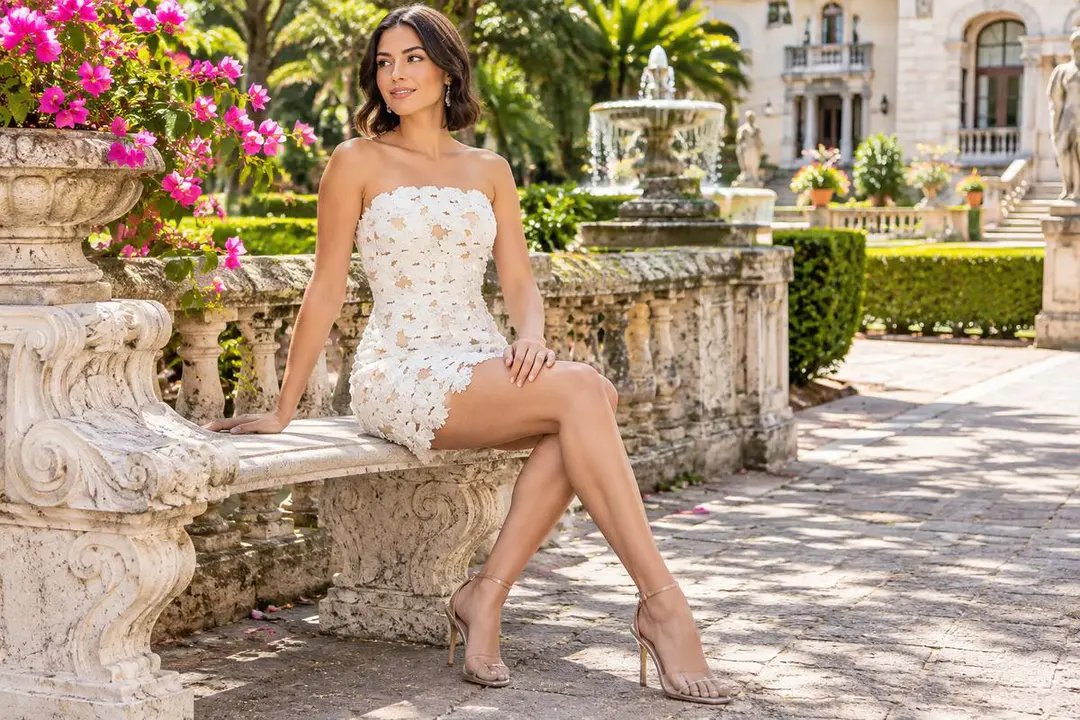
Lace graduation dresses add visible texture without requiring heavy jewelry. Open lace may reveal the layer beneath it, so the color and placement of the lining are part of the design. Run your fingers along the inside seams to check for scratchy edges, then inspect the hem for areas that could snag.
Jovani style 52073 is a fitted mini made from 3D floral lace with a straight neckline and closed back. The product lists ivory, black, and pink. For other lace treatments, compare short lace occasion dresses and look closely at the contrast between the lace and the backing.
White fabrics deserve a separate opacity check. Jovani’s white graduation dress style guide explores color and overall styling. For material selection, examine the underlayer in daylight and under indoor lighting before buying.
Chiffon: Airy Movement for Warm Weather
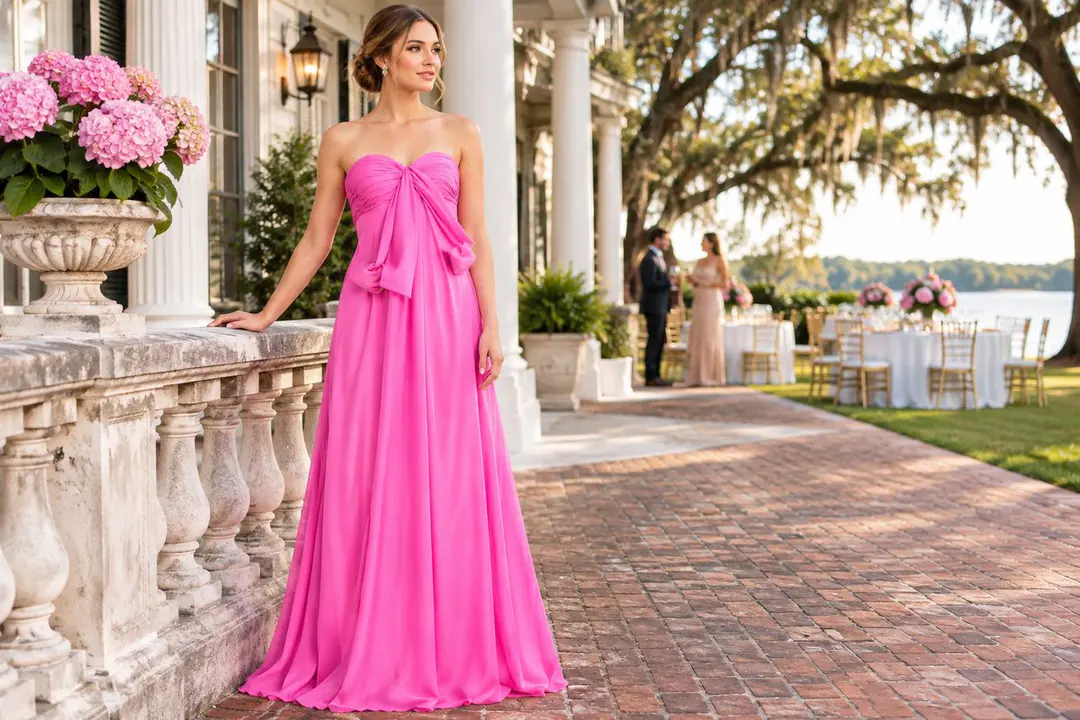
Chiffon is a lightweight, often translucent fabric that drapes softly. It can feel less bulky beneath an academic gown than a heavily structured skirt, but it usually needs an opaque lining. In a breeze, a floating skirt may move more than expected, so practice walking outdoors.
Jovani style 47041 shows chiffon in a floor-length A-line gown with a ruched bodice and flowing skirt. Its product page lists white among seven colors. That length may suit a formal graduation dinner more than a crowded stage procession. The example shows chiffon drape, not a universal recommendation for ceremony length.
Crepe: Defined Lines With Room to Move
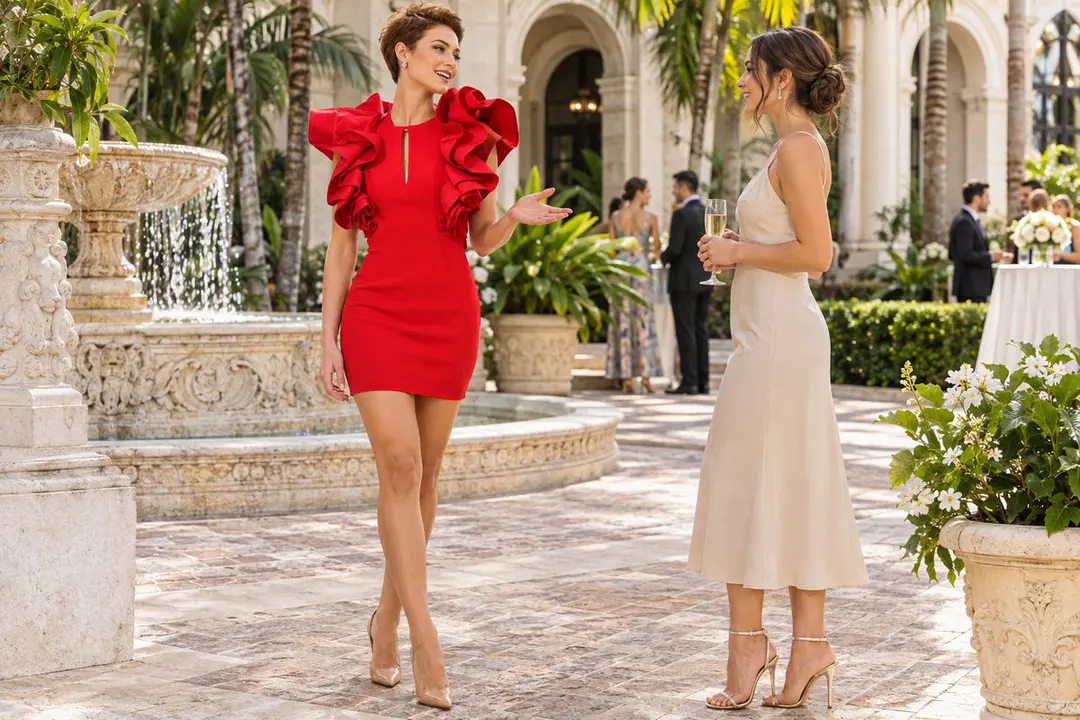
Crepe describes a textured surface and can be made in different weights and fiber blends. Stretch crepe often works well when you need a fitted silhouette that moves with you. It has a quieter finish than satin and can suit a long seated ceremony, although wrinkle behavior varies by garment.
Jovani style 46630 uses stretch crepe in a short bodycon shape with layered shoulder ruffles. Its listed colors include ivory, red, and black. The closed zipper back and structured bodice make it a useful fitting-room comparison with softer chiffon or satin. Test the shoulder details beneath your robe before deciding.
White Graduation Fabrics Need an Opacity Test
White graduation dress fabric should look opaque in the lighting where you will wear it. A white exterior does not guarantee coverage, and lace can reveal contrasting underlayers. Try the complete outfit with your intended undergarments near a bright window, then check it under overhead lights.
If you want a short white option for the celebration, Jovani’s little white dresses show several textures and silhouettes. Compare backing, seam visibility, and fabric recovery instead of assuming a thicker dress will always be more comfortable.
A Five-Minute Fabric Test Before You Buy
The quickest way to judge graduation dress materials is to recreate part of the day in the fitting room. Bring the robe if possible. It makes bulk and neckline issues easier to spot, especially on pieces with puffed sleeves or raised appliqué.
- Sit for two minutes, then stand and check for folds that remain around the hips or waist.
- Walk, raise your arms, and turn to test stretch, shifting straps, and skirt movement.
- Check the lining and seams against your skin, not just the outer fabric.
- Take one photo in daylight and another under indoor lighting to check shine and opacity.
For younger graduates, use the school dress code to narrow the selection first. Jovani’s 8th grade graduation dress guide addresses age-specific length and coverage rules. Fabric comfort matters, but the school’s actual requirements come first.
Choose Fabric for the Celebration, Not Just the Robe
The ceremony may be formal, but the reception can be relaxed or festive. Short cocktail and party dresses may suit a restaurant lunch, while a long chiffon style can make sense at an evening dinner. Keep the setting in mind when choosing between clean crepe and decorative lace.
Look for care instructions before the purchase. Lace embellishments may need specialist cleaning, while satin and chiffon can respond differently to heat. Keep the garment supported during travel and ask the retailer about suitable pressing or steaming methods for its exact construction.
If you want to compare materials in person, use Jovani’s authorized retailer locator to find a boutique and bring your graduation robe or its measurements to the appointment.
Frequently Asked Questions
Is a cotton dress formal enough for graduation?
Yes, a well-cut cotton or cotton-blend dress can work for a daytime ceremony when the school permits it. Choose a lining and finish that match the setting, and check how the fabric creases after sitting.
Can you steam a satin graduation dress?
Follow the garment care label first. Some satin fabrics tolerate careful steaming, while others can show water spots or heat marks. Ask a professional cleaner when the fiber content or embellishment makes the instructions unclear.
Are sequins suitable for a graduation ceremony?
Yes, for some ceremonies and celebrations, but check the school dress code and the texture against your robe. Dense sequins can add weight and may catch on delicate fabrics when you move.
Can a lace hem be shortened for graduation?
Usually, a skilled alterations specialist can assess it, but the lace pattern and border determine the work involved. Ask for a quote before purchasing, particularly when the hem includes scallops or appliqué.