
Your official photo is often the very first time the judges see your face. Long before you step onto the stage for the evening gown competition or walk into the interview room, this single printed image sets the tone for your entire presence in the pageant. Finding the right pageant headshot dress requires balancing your personal aesthetic with the highly specific demands of a close-up, tightly cropped studio portrait. In a sea of beautiful contestants inside the judges’ binder, your photo needs to project confidence, approachability, and authenticity immediately. The garment you choose plays a critical role in framing your face and directing the viewer’s eye exactly where it belongs.
What is the best outfit for a pageant headshot? The most effective outfit for a pageant headshot is a solid-colored, well-fitted top or dress with a clear, open neckline such as a V-neck or sweetheart—that draws the viewer’s attention directly to your face. You should select matte fabrics like crepe or velvet over highly reflective materials, and stick to rich jewel tones or crisp neutrals. Avoid heavy rhinestone clusters near the collarbone, busy printed patterns, and neon colors, as these distract the eye and can cause glare under harsh studio lighting.
The Psychology of the First Impression in Pageantry
To understand what to wear, you first need to understand how the judging process works. Pageant judges are typically handed a thick binder or a digital tablet containing the headshots and biographies of every single contestant. They review these materials before the competition officially begins. When a judge turns the page and sees your photo, they make a subconscious judgment within milliseconds. This image creates an anchor bias; it establishes their baseline expectation of who you are.
If your portrait shows a polished, modern young woman making strong eye contact, the judges will expect a polished, modern young woman to walk into the interview room. The clothing in a headshot acts as the packaging for your personal brand. Because a headshot is cropped closely—usually from the mid-chest upward every single detail within that frame is magnified. A minor fit issue that would go unnoticed on a runway becomes a glaring distraction in a portrait. A color that washes you out slightly in person will look completely flat under studio strobes. Therefore, selecting the right garment is not about finding the most ornate piece in your closet; it is about finding the piece that acts as the perfect supporting character to your natural features.
The Golden Rule of Portraits: Focus on the Neckline
Because the camera crops out the lower eighty percent of your body, the neckline of your garment carries the entire weight of the design. The geometry of your neckline dictates how the viewer’s eye travels. You want to create lines that lead upward toward your chin, smile, and eyes.
V-Necks and Plunging Styles
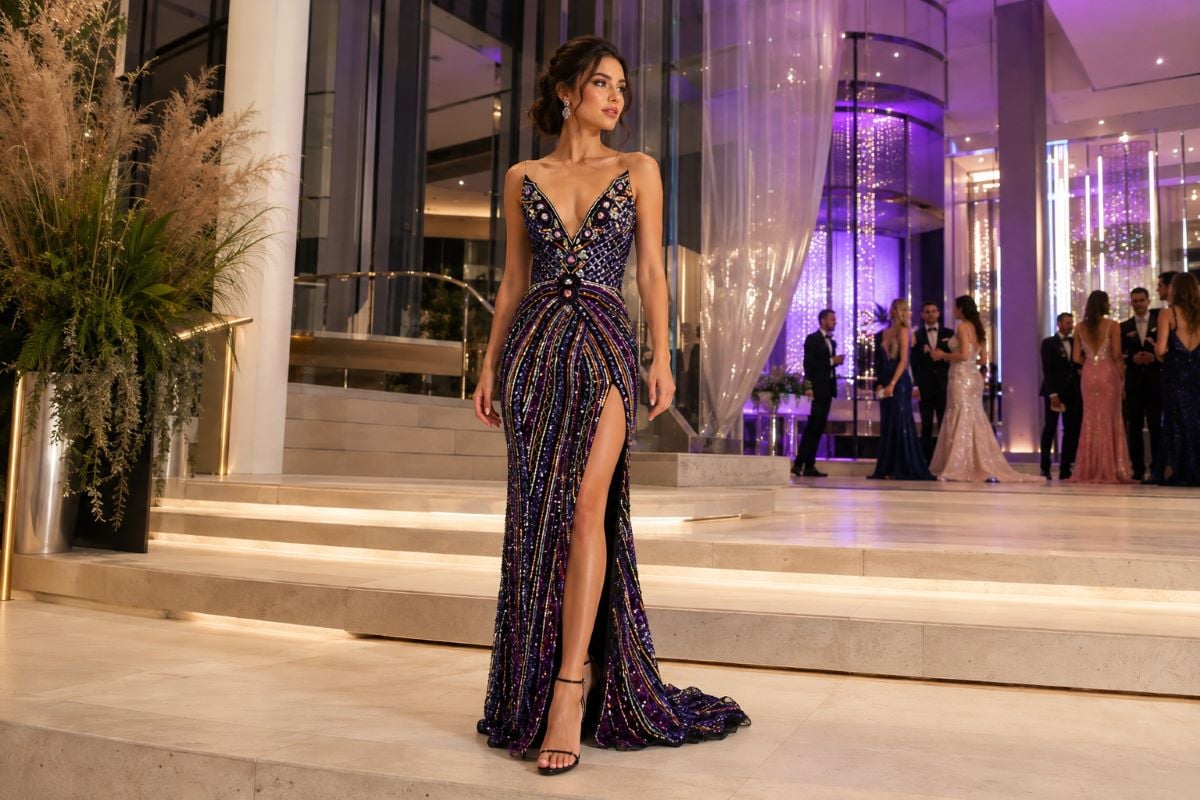
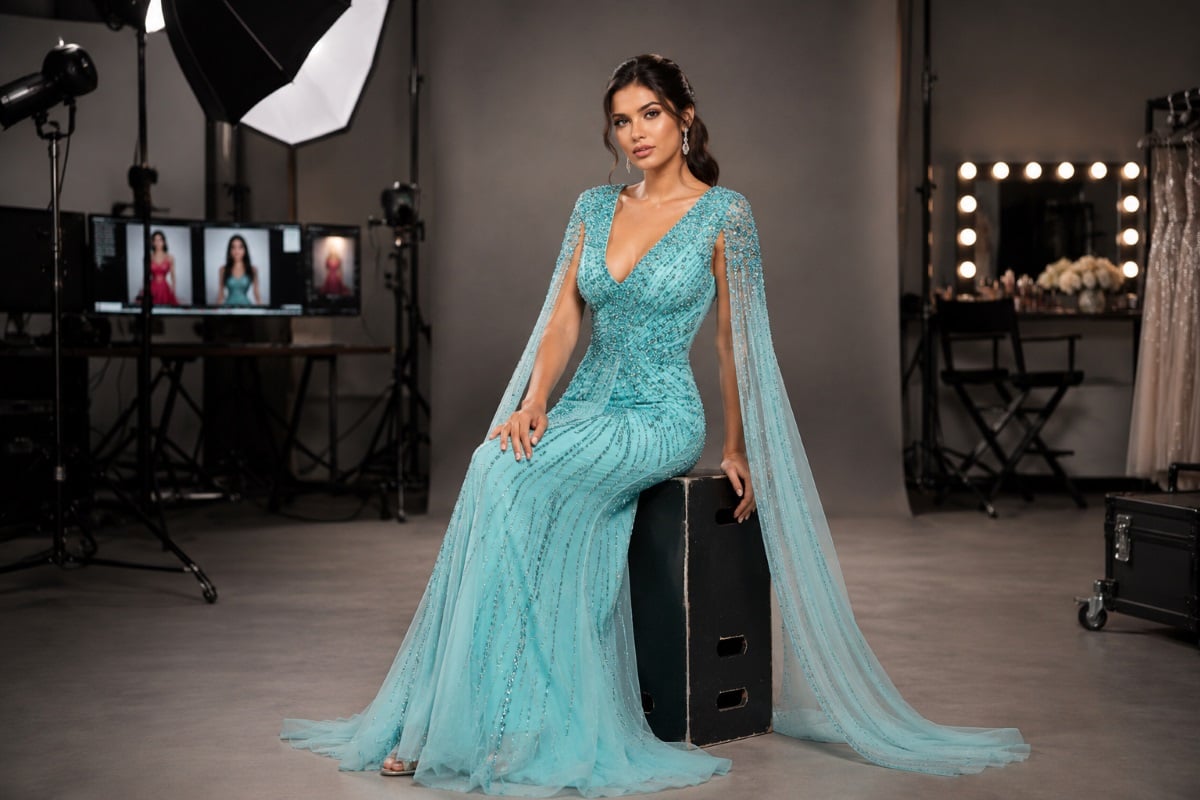
A V-neck is universally flattering for photography. The descending diagonal lines create an arrow pointing directly to your face while visually elongating your neck. This creates a graceful, swan-like appearance that looks highly professional on camera. If you have a rounder face or a shorter neck, this is the most effective way to create balance. When browsing V-neck evening gowns or tops for your photo, ensure the plunge is appropriate for your specific pageant system’s guidelines. A tasteful mesh insert can provide structure and modesty while maintaining the elongating visual effect.
Sweetheart and Off-the-Shoulder
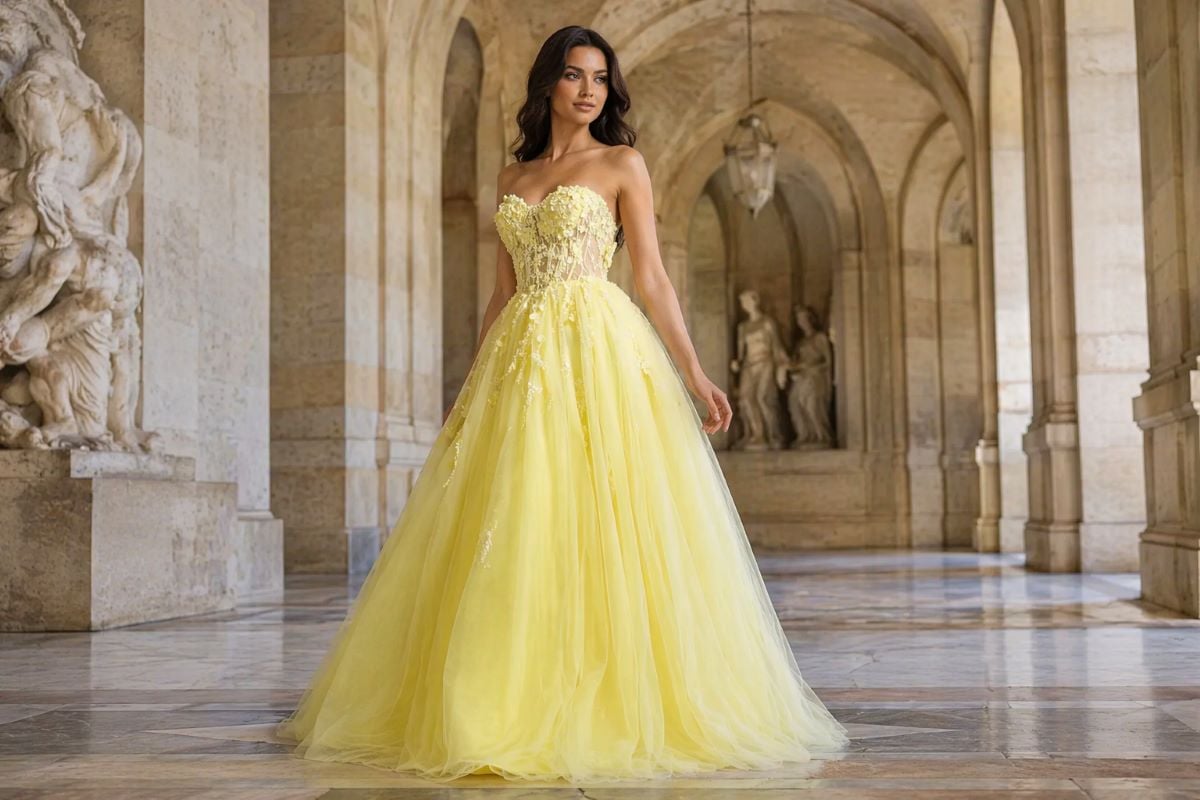
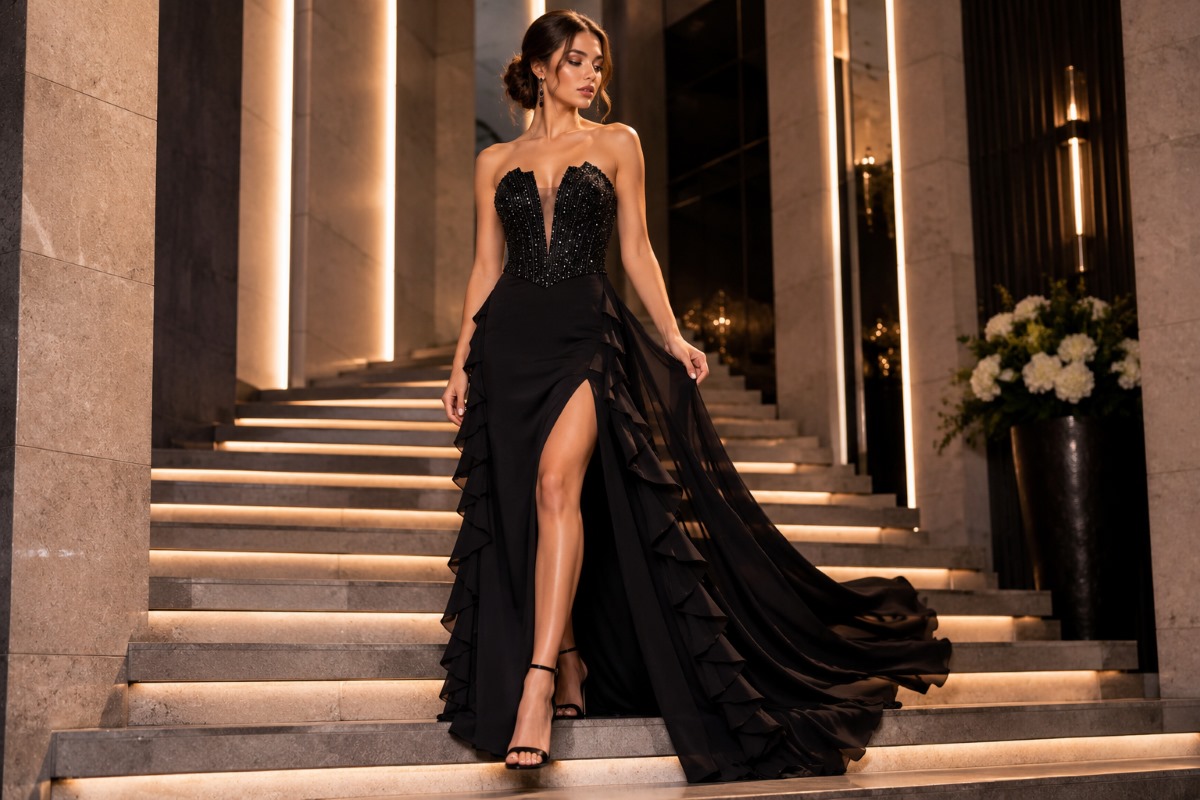
The sweetheart neckline is a classic pageant staple for a reason. It frames the collarbones beautifully and provides a soft, feminine contour that contrasts well with the sharp angles of a jawline. Off-the-shoulder styles work similarly by exposing the décolletage, which keeps the area around the face clear of heavy fabric. Exposing your collarbones adds breathing room to the photograph, preventing you from looking boxed-in or suffocated by your clothing. If you are unsure which shape flatters your frame the most, reviewing the best neckline for your body type can help you narrow down the options before your fitting.
High Necks, Halters, and Asymmetry
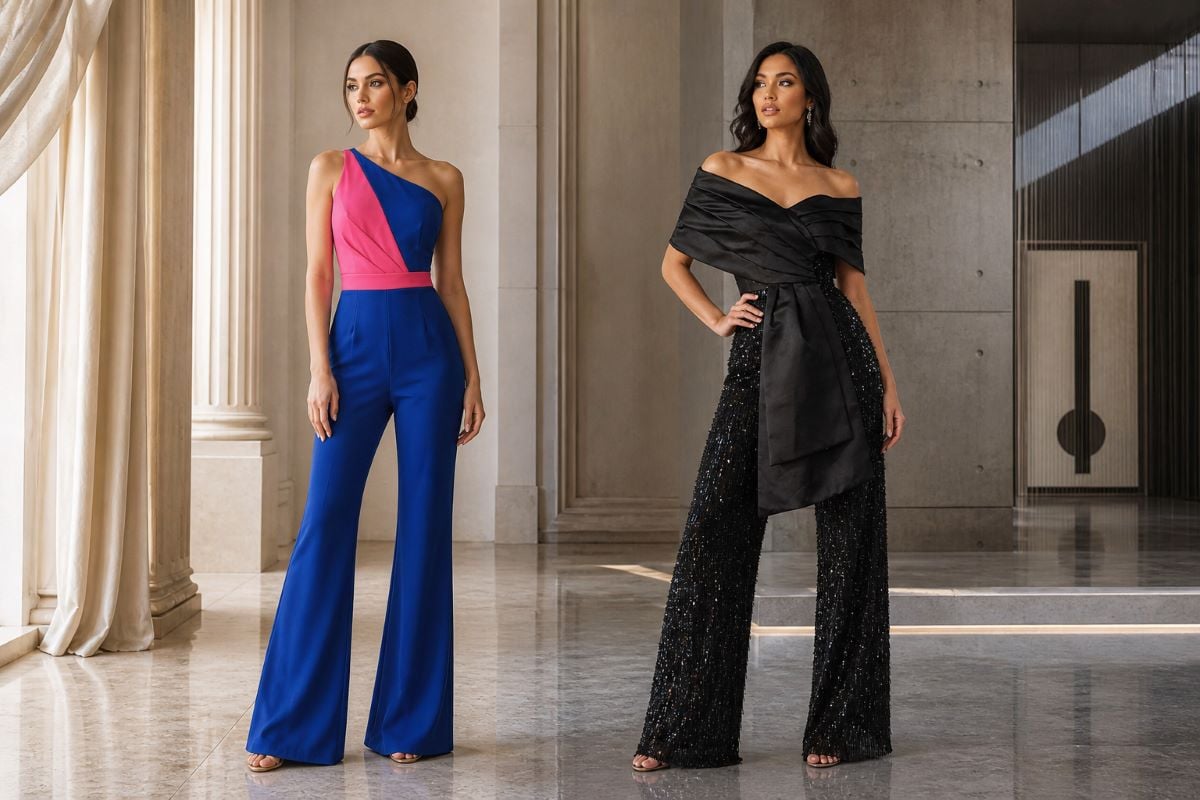
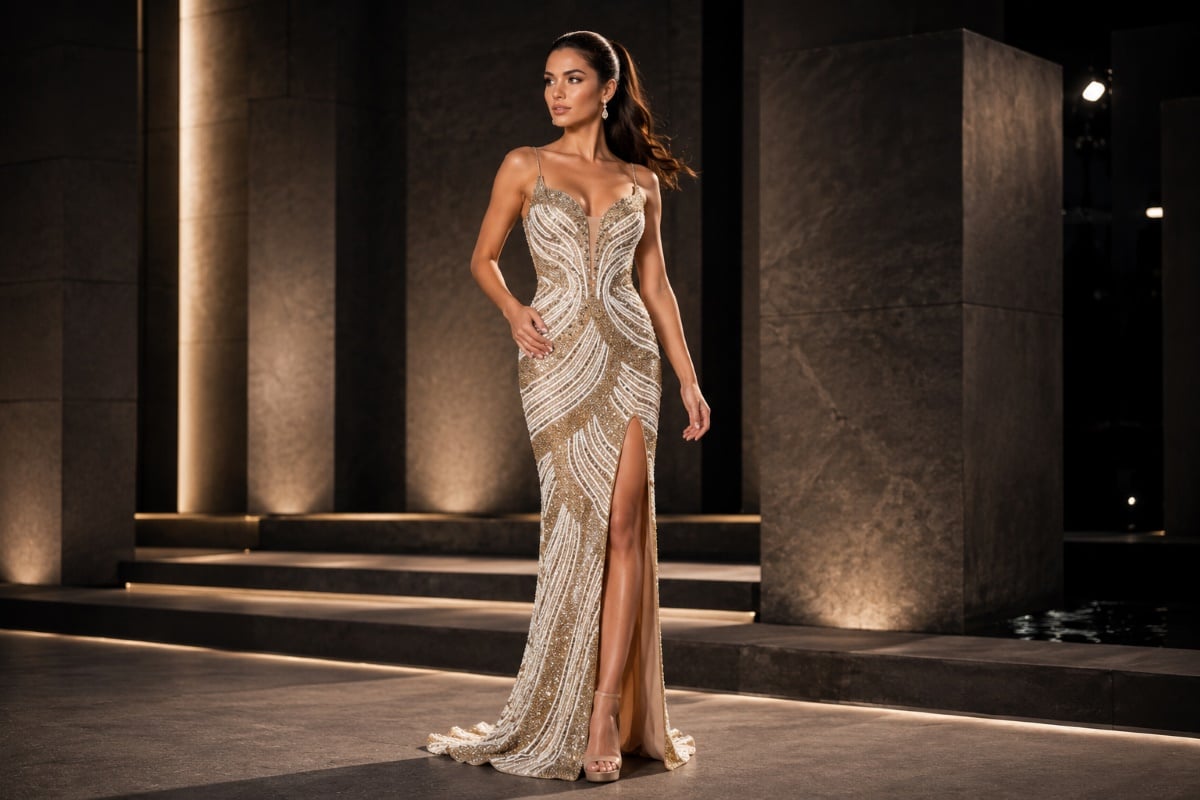
High necklines, such as turtlenecks or mock necks, carry a high degree of risk in headshots. Unless you have a very long, slender neck, a high collar can visually separate your head from your body, making you look stiff. However, a well-tailored halter top can work beautifully if it leaves the shoulders completely bare, creating an athletic and strong silhouette. Asymmetric necklines, like a sharp one-shoulder cut, add an element of modern editorial fashion to the photo. This works exceptionally well for high-fashion systems like Miss Universe or Miss USA, where a more stylized approach is rewarded.
Choosing the Right Color for Your Complexion and Background
Color theory is your most powerful tool in the photography studio. The color you wear must accomplish two things simultaneously: it must complement your skin undertones, and it must stand out against the photographer’s backdrop.
Understanding Contrast and Separation
Before you choose a color, ask your photographer what color backdrop they plan to use. Most standard pageant headshots are shot on white, medium grey, or a mottled blue/charcoal canvas. If the backdrop is white, wearing a white top will cause you to blend into the background, creating a floating-head effect. You need separation. If the backdrop is light, wear a medium-to-dark color. If the backdrop is dark, wear a vivid or light color. High contrast between your clothing and the background creates a three-dimensional pop that makes the photo look expensive and professional.
The Power of Jewel Tones
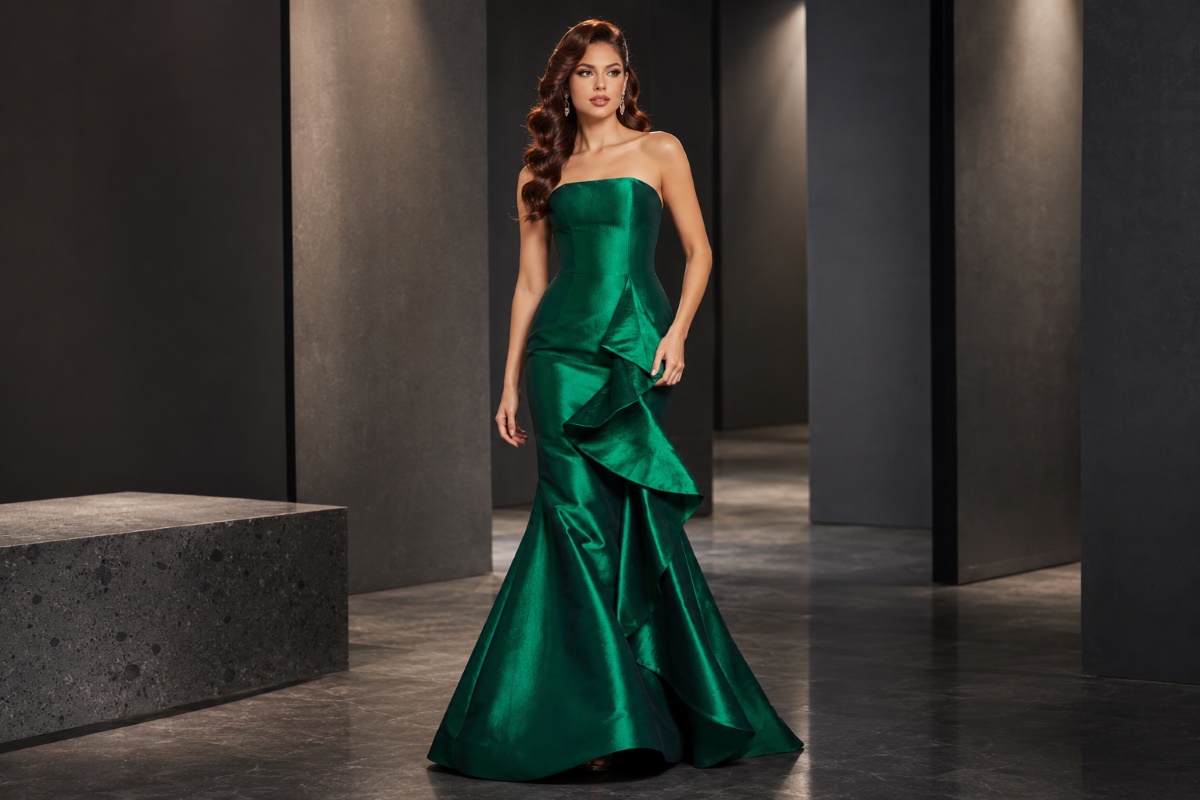
Jewel tones are the undisputed champions of the photography studio. Emerald green, sapphire blue, ruby red, and amethyst purple are deeply saturated colors that absorb light beautifully. They do not wash out under bright flashes, and they provide excellent contrast against almost all skin tones. Red, in particular, projects power and confidence. Royal blue conveys trust and stability, which is excellent for interview-heavy systems. Emerald green brings out the warmth in dark skin and provides striking contrast for fair skin with dark hair.
Working with Neutrals and Pastels
Black is chic and slimming, but it can sometimes absorb too much light, losing the details of the garment and making you look like a solid silhouette. If you wear black, ensure the fabric has some texture to catch the light. White looks incredibly fresh and angelic, provided the background is dark enough to separate you from it. Pastels, such as baby pink or powder blue, are popular in Teen divisions because they project youth and sweetness. However, be cautious: very pale pastels can photograph as white under intense lighting. To make the best choice, always refer to guidelines on the colors to complement your complexion to ensure your undertones are supported, not drained, by your garment.
Fabric Choices: What Photographs Best in a Studio
The human eye and the camera lens process light differently. A fabric that looks incredible in the fitting room might fail completely in the studio. When the photographer fires their strobes, a massive burst of light hits your clothing. How the fabric reacts to that light determines the success of the photo.
When selecting your pageant headshot dress, lean toward matte, light-absorbing fabrics. Crepe, jersey, and velvet are exceptional choices. Velvet, in particular, is highly recommended for portraits because the dense pile of the fabric absorbs light deeply, creating rich shadows and vibrant highlights that give the photo a luxurious, cinematic quality. Crepe provides a clean, smooth, modern finish that never causes glare.
Conversely, you must be very careful with high-shine fabrics like satin, taffeta, or anything covered in clear rhinestones. Satin reflects light violently. In a studio, this can cause “specular highlights”—bright white blown-out spots on the photo where the fabric has acted like a mirror, reflecting the flash directly back into the lens. This destroys the detail of the dress and distracts from your face. If you love sparkle, opt for dark, opaque sequins rather than clear crystals, as they shimmer without causing harsh glare.
Matching the Pageant System’s Unique Brand
No two pageant systems are exactly alike, and your wardrobe should reflect the specific organization you are competing in. A headshot that wins at Miss America might look out of place at Miss USA, and vice versa.
The Glamour Systems (USA, Universe, Grand)
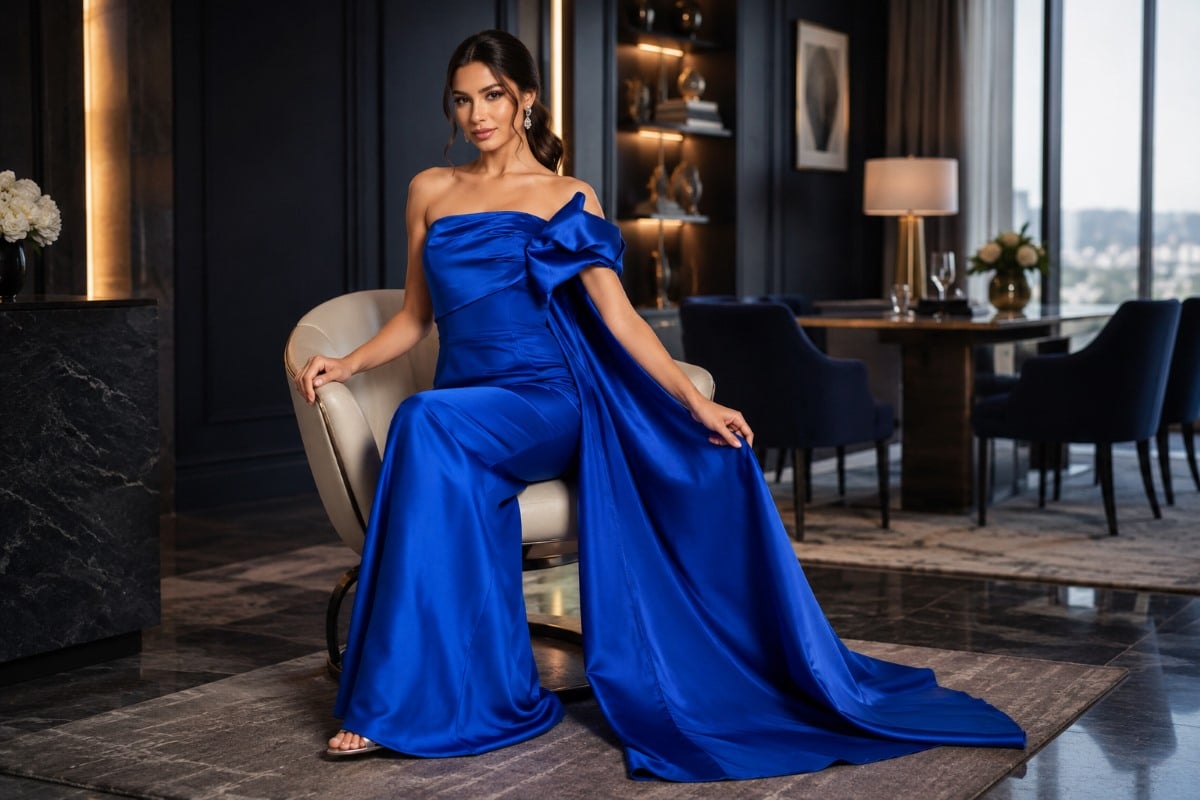
Systems that prioritize high fashion, modeling ability, and runway presence expect a more stylized, editorial headshot. For these systems, you can take more fashion risks. Think sharp asymmetric necklines, bold solid colors, and sleek, modern tailoring. The look should feel like a beauty campaign for a luxury cosmetics brand. You want to look fierce, runway-ready, and highly polished.
The Scholarship and Service Systems (America, Earth)
Systems deeply rooted in community service, public speaking, and scholarship require a headshot that feels approachable, warm, and professional. The judges want to see a capable spokesperson. In these systems, conservative but stylish pageant interview attire often translates perfectly into a headshot. A tailored jewel-tone blouse, a clean V-neck crepe dress, or a structured portrait-collar top works beautifully. The goal is to look like an empathetic, articulate leader who is ready to meet the mayor or speak at a local school.
Teen and Pre-Teen Divisions
For younger contestants, the cardinal rule is to look age-appropriate. Avoid heavy, dark colors and mature, plunging necklines. Teen headshots should radiate energy, youth, and approachability. Bright colors like coral, turquoise, and fuchsia work exceptionally well. Cap sleeves or tasteful sleeveless styles in soft fabrics like chiffon help maintain a youthful glow without looking overly severe.
The Mechanics of Posing and Tailoring
A major mistake contestants make is fitting their garment while standing up straight. Headshots are almost always taken while the subject is seated on an apple box or a stool, leaning slightly forward toward the lens to engage the viewer and sharpen the jawline. When you sit and lean forward, garments behave differently. Necklines drop lower, armholes can gape, and fabric can bunch around the midsection.
You must practice your seated pose in the mirror while wearing the garment. If the neckline gaps when you lean forward, you will need to have the straps shortened or the bust darts taken in. Photographers will often use spring clamps to pull the fabric tight across your back during the shoot, but you cannot rely entirely on studio tricks. The garment must fit your shoulders and bust flawlessly. A well-tailored shoulder seam makes the difference between looking sloppy and looking like a professional.
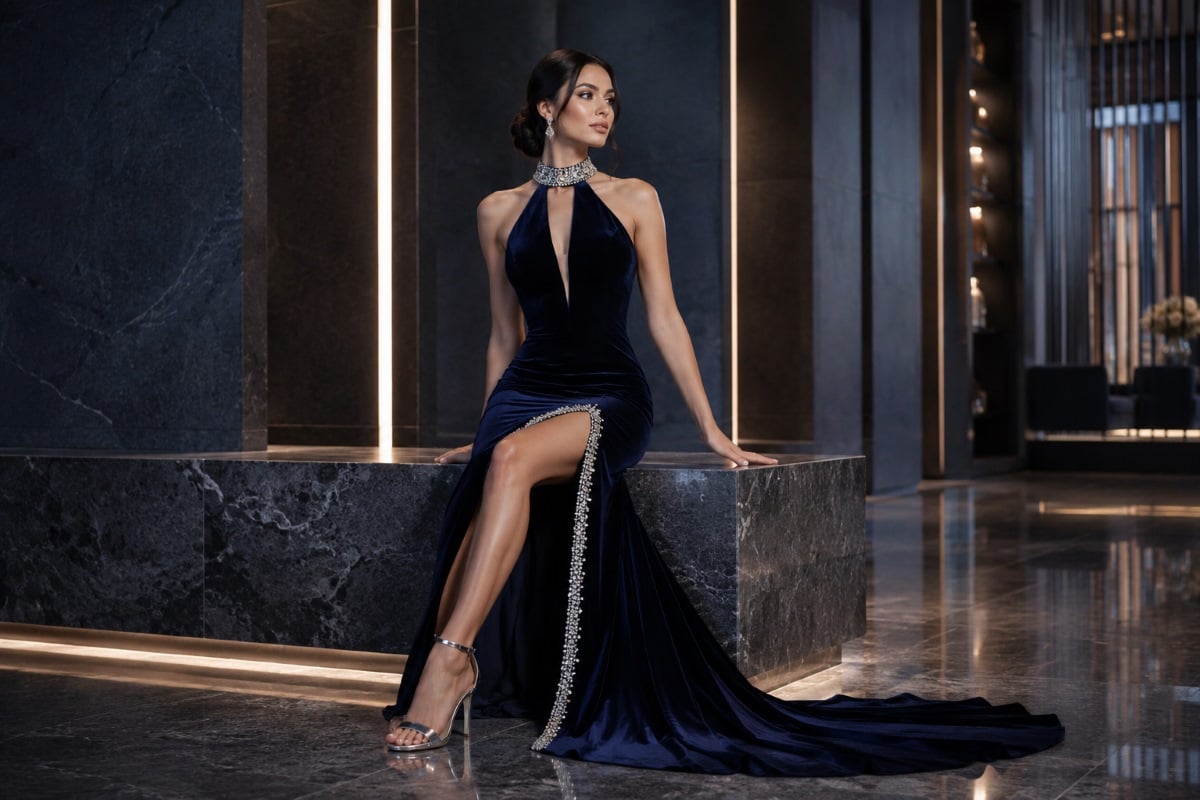
Accessorizing Your Pageant Headshot Dress
The jewelry you pair with your pageant headshot dress should act as a supporting character, never the star. The goal is to bring the viewer’s eye up to your face, not to make them stare at your accessories.
Earrings are essential. They frame the face and add a necessary touch of glamour. However, the size of the earring must balance with your hairstyle and your neckline. If you are wearing a very clean, simple top, a larger statement stud or a medium-sized drop earring can add beautiful detail. If your garment has structural details near the neck, stick to simple diamond or pearl studs. Avoid massive chandelier earrings that brush your shoulders; they clutter the neck area and make your neck look much shorter than it is.
Necklaces are generally discouraged in modern pageant headshots. A necklace visually cuts the neck in half horizontally, breaking the clean, elongating vertical lines you want to create. Unless the necklace is a tiny, delicate personal pendant, it is usually better to leave the neck bare and let your collarbones and the garment’s neckline do the work.
Hair and Makeup Synergy with Your Wardrobe
Your hair, makeup, and clothing must function as one cohesive unit. If you choose a top with an intricate, high neckline or a dramatic asymmetrical shoulder, wearing your hair down in voluminous curls will cover the design entirely and make your upper body look heavy and crowded. In this case, pulling your hair back into a sleek ponytail or a soft updo clears the shoulders and highlights the garment’s structure.
If you are wearing a simple, open V-neck or a strapless top, wearing your hair down in loose, classic pageant waves fills the negative space beautifully and frames your face perfectly. Makeup should be slightly heavier than your everyday look, as studio lights tend to wash out facial features, but avoid severe contouring that looks unnatural on camera. The colors in your makeup should harmonize with your clothing—if you wear a cool-toned royal blue dress, stick to cool-toned pink or neutral lip colors rather than a warm brick red.
Jovani’s Approach to Pageant Success
Designing a successful pageant headshot dress requires understanding both fashion and the technical physics of photography. For decades, Jovani has been the trusted name in pageant styling across the globe. Our design team understands exactly how fabrics drape across the collarbone, how colors react under bright stage and studio lighting, and what silhouettes command respect from a judging panel.
We source premium matte crepes, rich velvets, and structured jerseys specifically because we know how well they perform in front of a camera. When you browse our complete collection of pageant gowns, you are looking at garments engineered to give you a competitive advantage. The careful placement of every seam, dart, and neckline is designed to flatter the human form dynamically, ensuring that you look just as impressive sitting in a photographer’s studio as you do walking down the runway. A Jovani garment does not just clothe you; it amplifies your presence.
Frequently Asked Questions About Pageant Headshots
Should I wear a solid color or a pattern for my headshot?
You should absolutely wear a solid color. Patterns, prints, and multi-colored fabrics distract the viewer’s eye and pull focus away from your face. A solid, rich color ensures that your smile and eyes remain the focal point of the photograph.
Is it okay to wear a fully sequined dress for a pageant portrait?
It is generally better to avoid fully sequined dresses for close-up portraits. Clear sequins and rhinestones can reflect the photographer’s flash, creating bright white spots of glare on the image. Matte fabrics like crepe, or light-absorbing fabrics like velvet, photograph much more smoothly.
What neckline makes the neck look the longest in photos?
A V-neck or a plunging neckline is the best choice for elongating the neck. The downward diagonal lines draw the eye vertically, creating a slimming and graceful silhouette that translates beautifully on camera.
Can I wear white for my pageant headshot?
Yes, white can look incredibly fresh and elegant, but you must ensure the photographer is using a darker background (like grey, blue, or black). If you wear white against a white background, you will blend into the set and lose the shape of your shoulders.
Should I wear a necklace in my official pageant photo?
It is highly recommended to skip the necklace. A necklace creates a horizontal line that visually cuts your neck in half, making it look shorter. Stick to earrings to bring the sparkle directly up to your face.
Securing Your Winning Look
The time and effort you invest in planning your wardrobe for your photo session will pay dividends the moment the judges open their binders. Your pageant headshot dress is a critical tool to help your unique personality and confidence shine through the camera lens, setting the stage for a successful interview and a commanding stage presence. Remember to prioritize fit, select colors that elevate your natural undertones, and choose a neckline that guides the world’s attention exactly where it belongs: to your face. Browse our complete collection to find the silhouette that will capture the judges’ attention from the very first glance.