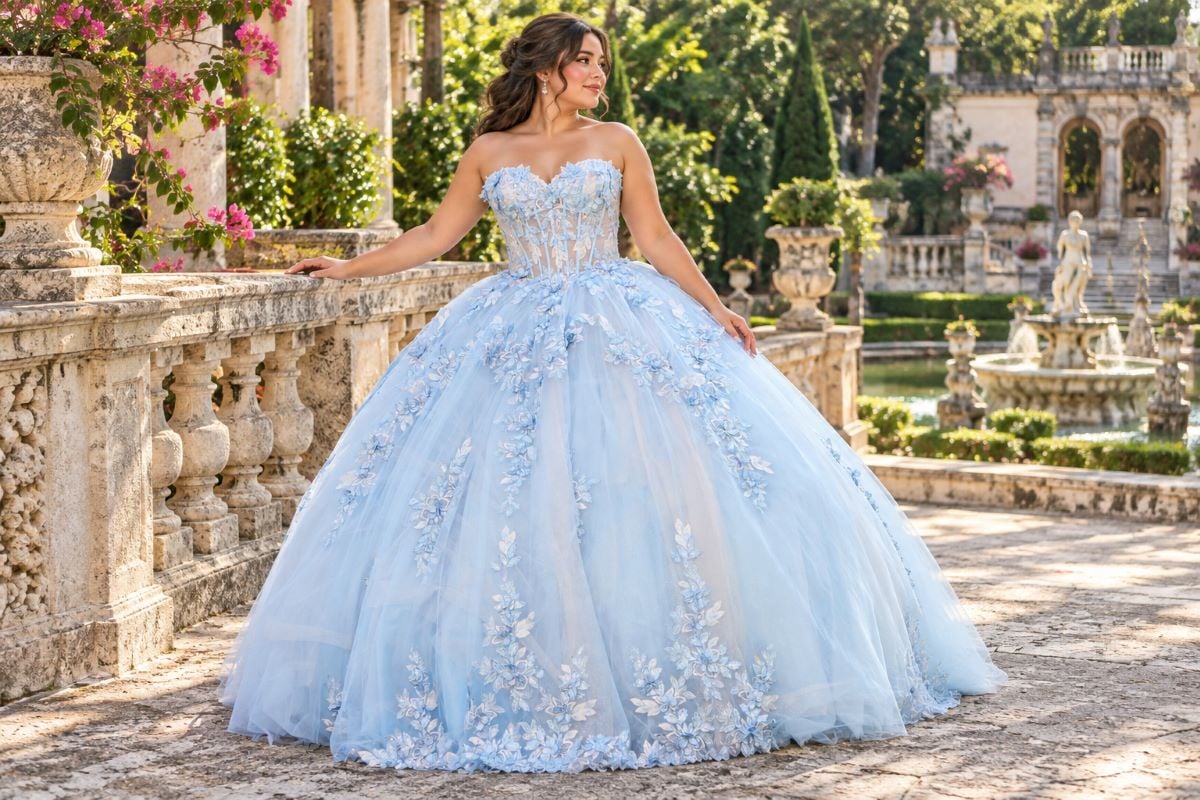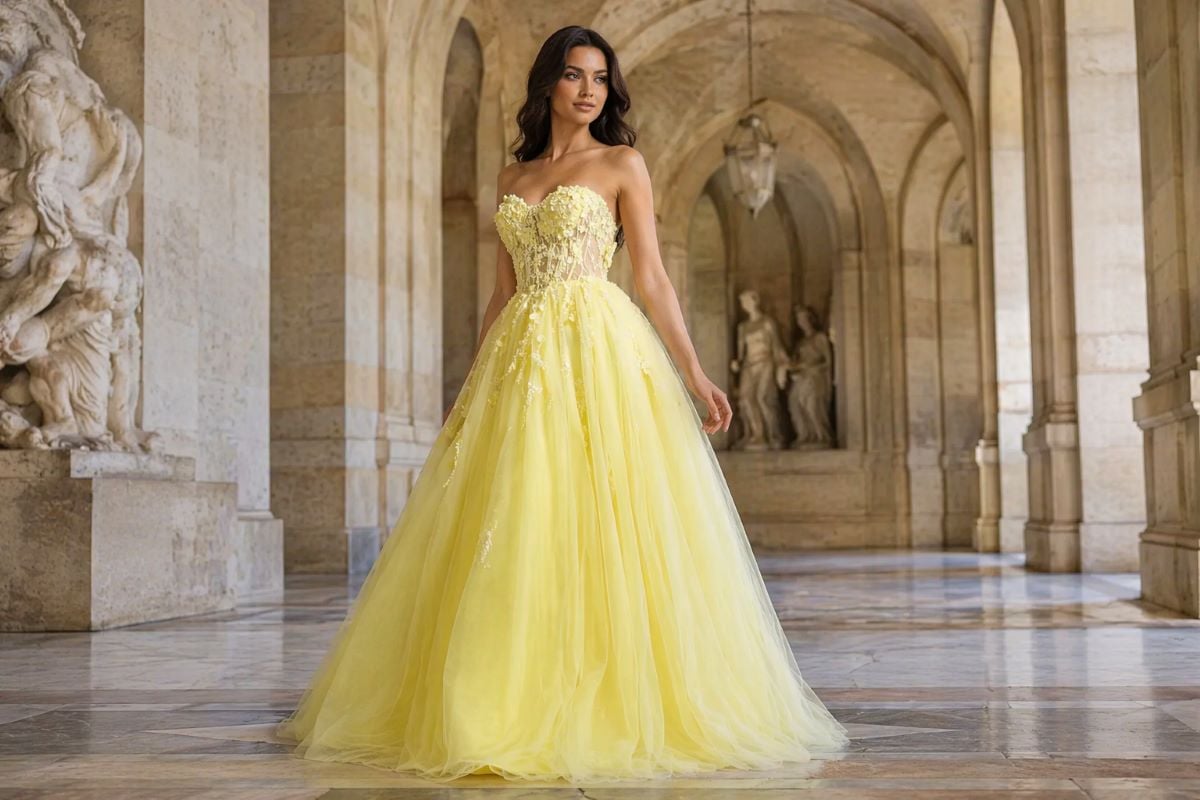

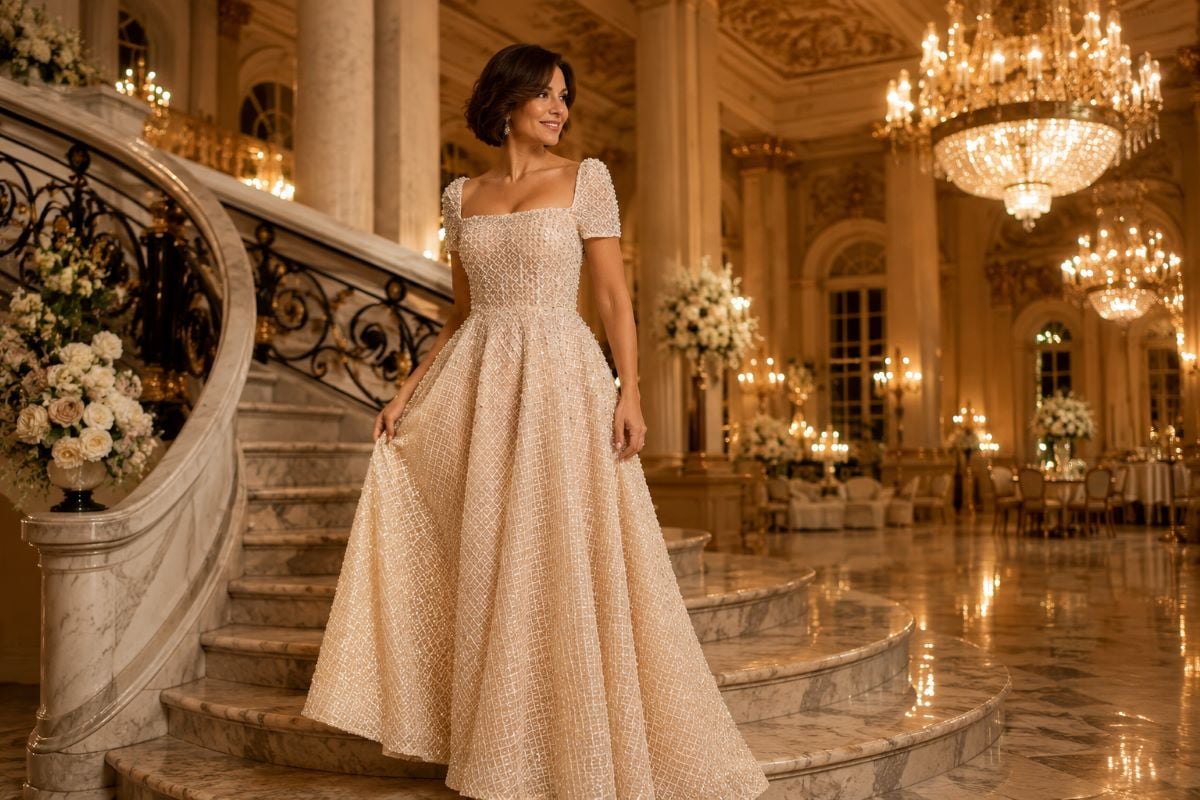
A beaded gown does something no plain fabric can manage. It catches candlelight during the ceremony, sparks under the photographer’s flash during family portraits, and shifts quietly through the reception as the wearer moves across the room. For the mother of the bride, that quality is part of the appeal, because the role asks her to look polished and celebratory across a very long day without ever competing with the bride. A well chosen beaded mother of the bride dress gives her presence through light and texture rather than through bright color or a dramatic silhouette, which is exactly the balance the occasion calls for.
This guide explains what beading actually adds to a formal gown, the different ways it can be applied, how to choose a beaded style that flatters and feels comfortable through hours of wear, and how to keep the look appropriate for the role. The goal is to help a mother choose a gown she feels confident in from the first look in the mirror to the last dance of the night.
Why beading endures in formal wear
Beading is one of the oldest forms of embellishment in formal dressmaking, and it has stayed popular for a simple reason. It works with movement. A flat printed pattern looks the same whether you stand still or walk, but beadwork interacts with the room. Each small bead, crystal, or sequin catches a slightly different angle of light, so the surface seems to come alive as the wearer turns. That is why beaded gowns photograph so well and why they have remained a reliable choice for evening weddings, formal receptions, and black tie celebrations where the lighting rewards a little sparkle.
Types of beadwork and where it sits
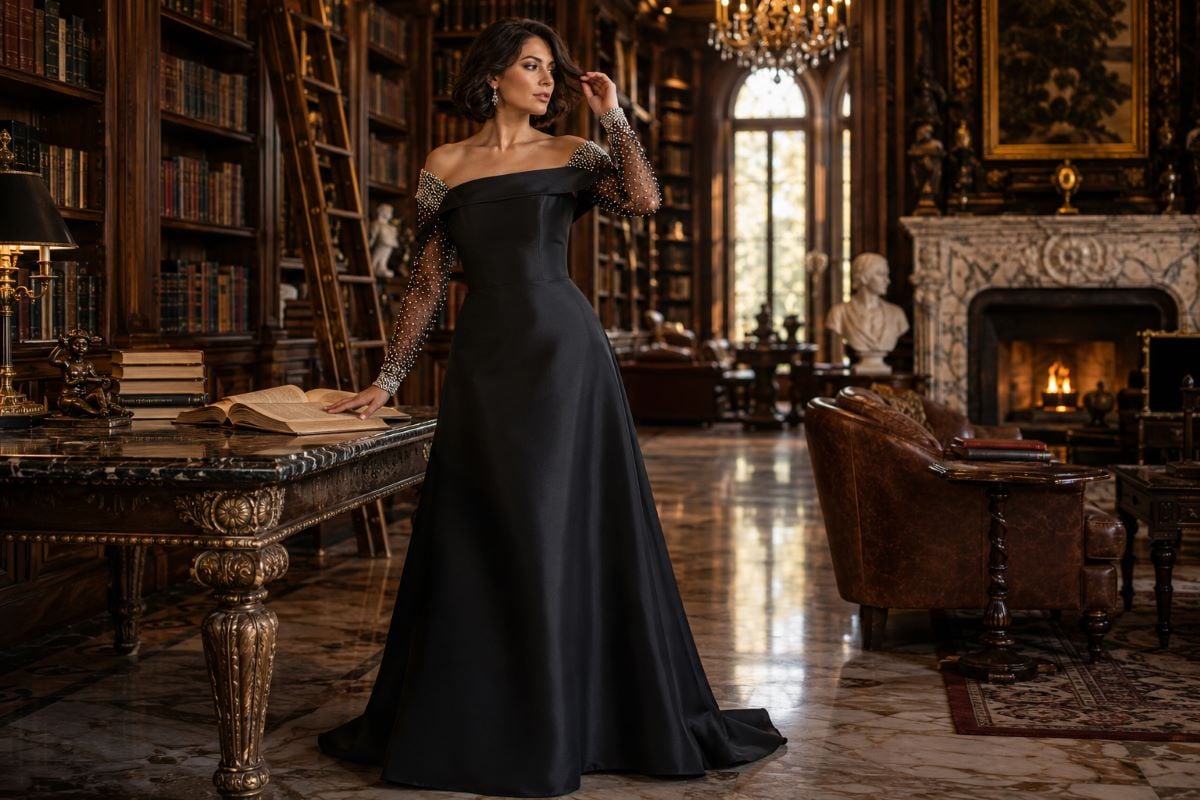
The first thing to understand is that not all beading is the same, and the type of beading changes the entire character of a gown. The broad category of beaded mother of the groom dresses covers a wide range, from gowns scattered with a light dusting of crystals to fully embellished bodices worked edge to edge. Knowing which kind of beading you are looking at helps you predict how formal the dress will read and how much visual weight it carries.
Bodice beading concentrates the sparkle around the face, shoulders, and neckline, which draws the eye upward toward the wearer’s expression and frames the upper body. This is often the most flattering placement for a mother of the bride, because it keeps the attention high and pairs a sparkling top with a calmer skirt. A beaded bodice over a smooth crepe or chiffon skirt reads as refined rather than heavy, and it lets the embellishment make its statement without overwhelming the whole silhouette.
Allover beading covers the full surface of the gown from neckline to hem and creates the most glamorous, consistent shimmer. This is the most formal interpretation, suited to black tie evenings and grand ballroom settings, and it works beautifully when the occasion genuinely calls for that level of impact. Scattered beading sits at the other end of the range, placing individual beads or small clusters across the fabric for a subtle sparkle that suits a slightly less formal celebration or a mother who prefers a gentler shine.
Hemline and border beading deserves a particular mention because it does more than decorate. Beads add weight, and a beaded hem helps a lightweight fabric hang and move correctly rather than floating or shifting. This is one of those construction details that quietly separates a well made gown from a cheap one, and it is a good thing to look for when you are evaluating a beaded style in person.
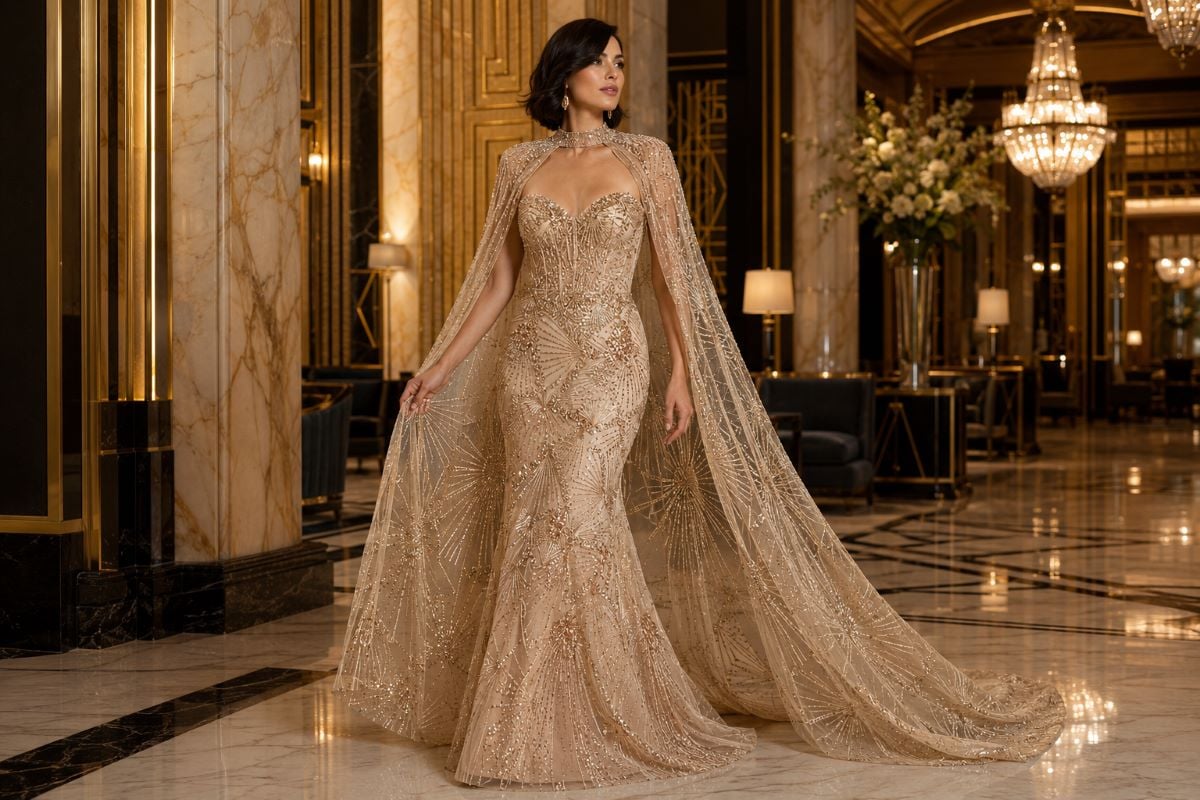
Beading across silhouettes
The silhouette beneath the beading matters as much as the beadwork itself. A beaded A-line is one of the most reliable choices, because the shape flatters nearly every figure and the gentle flare carries embellishment well without clinging. For a mother who wants to understand how the silhouette behaves before she shops, the range of A-line mother of the bride styles shows how a fitted bodice flowing into a soft skirt balances sparkle on top with ease through the hips. The A-line is the safe starting point for most mothers because it asks very little of the body while still looking polished.
A beaded mermaid gown is the more dramatic option, fitted through the bodice and hips before flaring below the knee, and it suits a mother who wants a red carpet feel and is comfortable in a shape that follows the body closely. The selection of mermaid mother of the bride gowns shows how beading along a fitted silhouette amplifies the drama, since the sparkle traces the line of the body. This is a confident choice rather than a cautious one, and it works best when the wearer feels genuinely at ease in a sculpted shape across a long event.
For a sleeker, more modern line, a beaded sheath skims the body without the flare of a mermaid or the volume of an A-line. The styles among sheath mother of the bride dresses show how allover beading on a straight column creates head to toe glamour with clean lines. A beaded sheath reads as contemporary and understated at the same time, which appeals to a mother who wants sparkle without a traditional gown shape.
Color and beading together
Color and beading work together, and the right combination changes how the whole gown reads. Beading enhances every shade by adding dimension and light reflection, so a beaded navy gown looks richer and deeper than a plain one, and a beaded nude or champagne style takes on a warm glow under reception lighting. Darker fabrics like black, navy, and deep jewel tones create sophisticated sparkle where the beads stand out clearly against the base, while softer neutrals create a gentler, more luminous shimmer. The wider collection of mother of the groom gowns shows the full range of colors and how each one carries beadwork differently, which is worth browsing before committing to a shade.

Construction and quality
Quality of construction is where beaded gowns vary the most, and it is worth knowing what separates a gown that lasts the night from one that does not. The most important factor is how the beads are attached. On a well made gown, each bead is hand applied with thread that matches the fabric, anchored individually so that a single snag does not unravel a whole section. Cheaper construction uses glued beads or a continuous thread that can pull loose and shed across the evening. Jovani has worked in the New York garment district since 1983, and its hand applied beadwork reflects that experience, with embellishment anchored to hold through a full day of movement. The difference is not always obvious in a photograph, but it becomes very obvious by the end of a long reception.
To understand why hand applied beadwork costs more and lasts longer, it helps to see how the technique actually works. The detailed explanation of how couture beadwork is applied walks through the methods that anchor crystals, sequins, and pearls so they catch light securely rather than catching on each other. Once you understand the construction, you can evaluate a beaded gown more confidently in a fitting room, because you know what to look for and what to avoid.
Comfort and weight
Comfort matters more for a beaded gown than for almost any other style, because beading adds weight and the mother of the bride wears her dress for many hours. Weight distribution is the quiet hero here. On a well designed gown, the beading is balanced so the dress does not sag at the shoulders or pull awkwardly at the waist. Built in support through the bodice, including steel boning and structured cups, carries the weight of a heavily beaded top so the wearer is not relying on the embellishment to hold its own shape. When you try a beaded gown, pay attention to how it feels when you sit, raise your arms, and walk, because a beautiful gown that is uncomfortable to wear becomes a long evening of small adjustments.
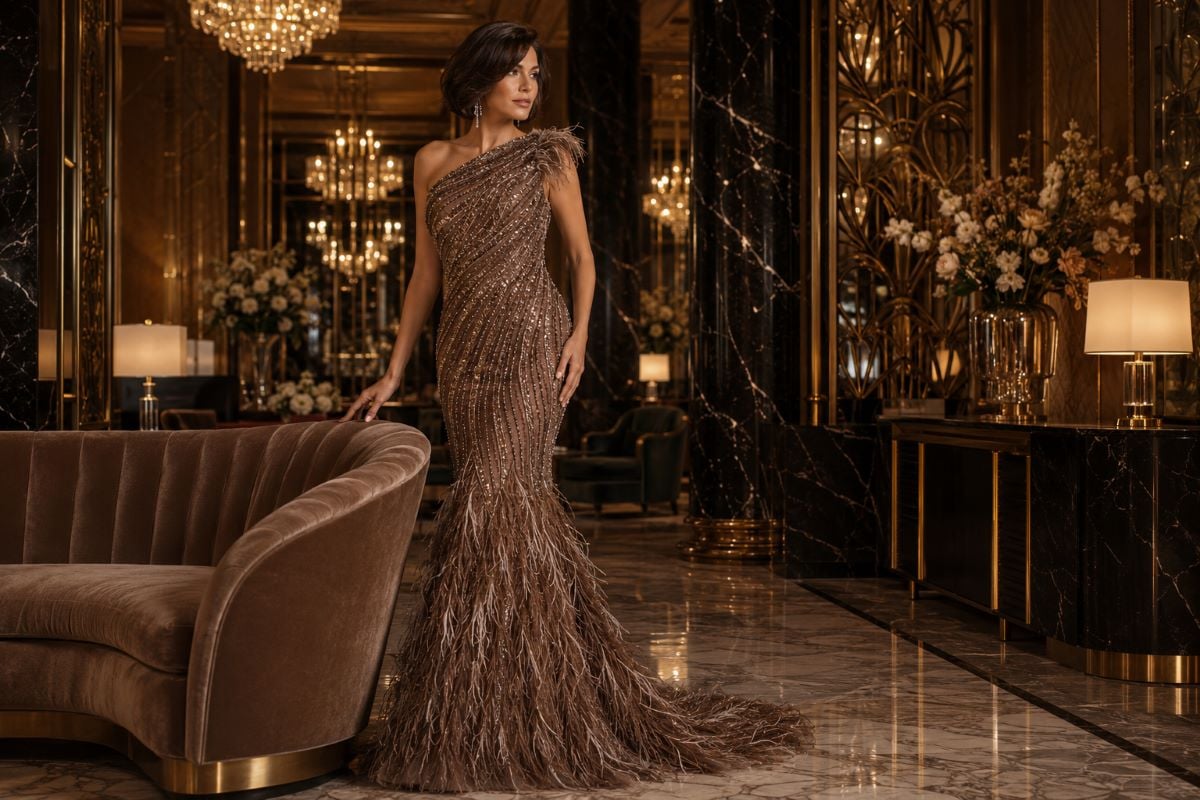
Choosing the right length
Because length is one of the biggest decisions for any formal gown, it is worth testing a beaded style properly in a fitting rather than judging it on the hanger, where the weight of the beads hangs differently than it will on the body. The practical advice in the guide to trying on a beaded gown covers exactly this, and the broader mother of the bride dress try-on tips explain why a beaded fabric shows up differently under a photographer’s flash than it does in the boutique, so a quick test with a phone camera tells you what the wedding pictures will reveal. This is the kind of small step that prevents a surprise in the final album.
Styling a beaded gown
Styling a beaded gown is mostly an exercise in restraint, because the dress is already doing the decorative work. When a gown carries visual complexity, the jewelry, shoes, and accessories should step back and stay simple. A single understated piece, a pair of clean studs or a delicate bracelet, is usually all a beaded gown needs, since stacking sparkle on top of sparkle reads as cluttered rather than elegant. For broader guidance on how to choose a flattering and appropriate gown for the role, the advice on choosing the right mother of the bride dress covers how to balance personal style with the tone of the wedding. The beaded gown is the statement, and everything around it should support that statement quietly.
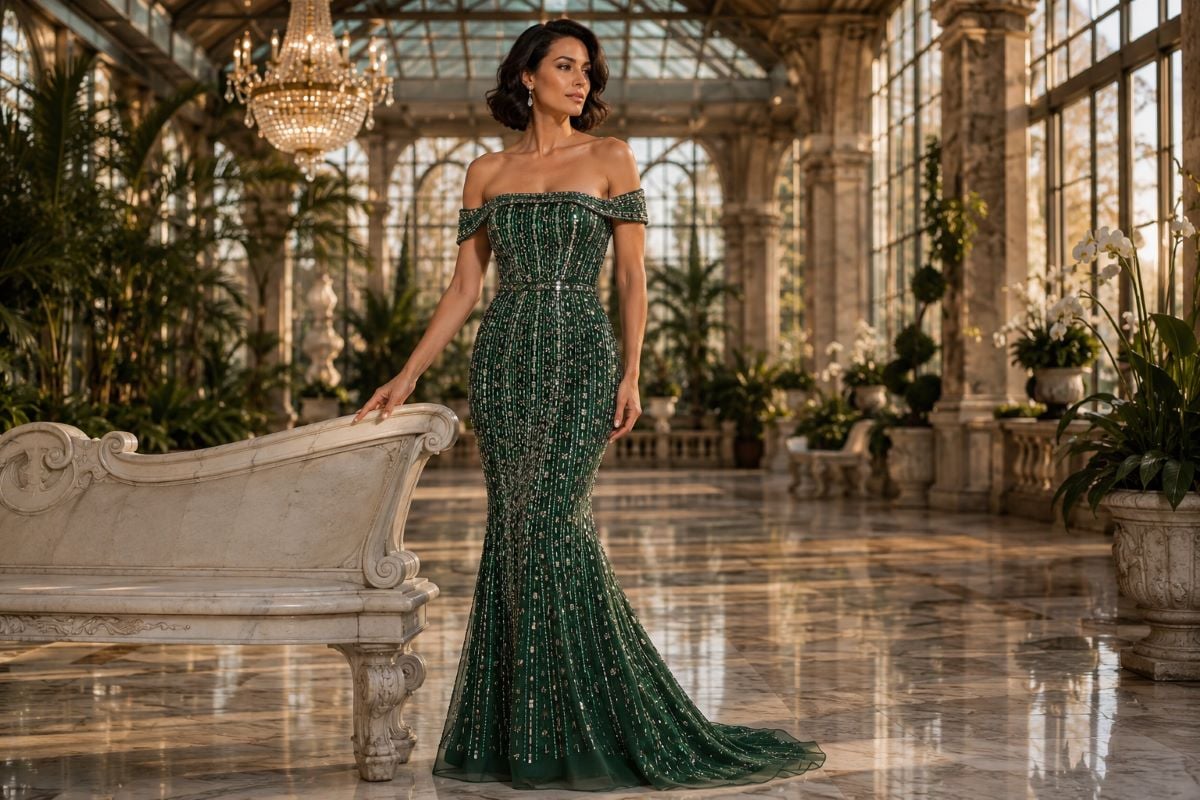
Keeping the look appropriate for the role
The one etiquette consideration specific to a beaded mother of the bride dress is timing and shade. Beading reads as celebratory and formal, which makes it perfect for an evening or black tie wedding, but heavy allover sparkle can feel like too much at a relaxed daytime or outdoor ceremony, where a scattered or bodice beaded style sits more comfortably. On color, the standard guidance applies, since a beaded gown in a shade too close to white can photograph almost ivory under a flash, so a mother choosing a pale beaded style should check how it reads in bright light before the day. Matching the level of sparkle to the formality of the wedding is the difference between a gown that looks perfectly judged and one that looks slightly out of step.
Bringing your choices together
Pulling the decisions together, a mother of the bride choosing a beaded gown should start with the silhouette that flatters and feels comfortable, since the shape carries the embellishment. From there, she can decide how much sparkle suits both her personal style and the formality of the wedding, leaning toward bodice or scattered beading for a softer look and allover beading for a grand evening. She should check the quality of the beadwork closely, looking for securely anchored, hand applied beads rather than glued or loosely threaded ones, and she should test the gown for weight and comfort across the full range of movement a wedding day demands. A gown chosen this way looks beautiful in every photograph and lets the wearer enjoy the celebration rather than manage her dress.
Frequently asked questions beaded mother of the bride dress
Is a beaded mother of the bride dress too formal for a daytime wedding?
It depends on the amount and placement of beading. A heavily beaded, allover style is designed for evening and black tie weddings, where dim lighting lets the sparkle do its work, and it can feel like too much in bright daylight. For a daytime or outdoor ceremony, a gown with bodice beading or a light scattering of crystals gives you a touch of shine without reading as overdressed. The key is matching the level of sparkle to the formality and lighting of the event, so the gown feels intentional rather than out of step with the celebration around it.
How do I keep a beaded gown from competing with the bride?
The mother of the bride should look polished and celebratory while letting the bride remain the focal point, and a beaded gown can do that easily with the right choices. Choose a color clearly distinct from white or ivory, keep the beading tasteful rather than the most dramatic allover style if the bride’s gown is simpler, and let the sparkle add presence rather than demand attention. Beadwork reads as elegant and festive without pulling focus when it suits the tone of the day, so a well judged beaded gown complements the bridal party rather than upstaging it.
Will the beads fall off or snag during the wedding?
On a well constructed gown, the beads are hand applied and anchored individually with matching thread, so they hold securely through a full day of movement and a single snag does not unravel a section. Lower quality gowns use glued beads or a continuous thread that can pull loose and shed. This is why construction quality matters so much for beaded styles, and why it is worth examining how the beadwork is attached before you buy. A gown built with secure, hand applied beadwork is designed to survive hugs, dancing, and hours of wear without losing its embellishment.
What should I wear with a beaded mother of the bride dress?
Keep everything else simple, because the gown is already the statement. A single understated piece of jewelry, a pair of clean studs or a delicate bracelet, is usually all you need, since adding more sparkle competes with the beadwork and reads as cluttered. Choose shoes in a smooth, solid finish rather than another embellished surface, and keep your bag clean and structured. The styling principle for any beaded gown is restraint, letting the dress lead while accessories stay quietly in the background and support the overall look.
Are beaded gowns comfortable to wear for a whole wedding day?
A well designed beaded gown is comfortable because the weight of the beading is balanced and supported by the construction, including boning and structured cups through the bodice that carry the weight rather than leaving it on your shoulders. The important thing is to test the gown properly in a fitting, sitting, walking, and raising your arms, because beading adds weight and you want to know how the dress feels across the movement a wedding day requires. A gown that fits well and is built with proper internal support stays comfortable from the ceremony through the last dance.
What color beaded gown is best for the mother of the bride?
The best color depends on your coloring, the season, and the tone of the wedding, but a few principles help. Darker shades like navy, black, and deep jewel tones make the beadwork stand out crisply and read as sophisticated, while softer neutrals like champagne and nude create a warmer, more luminous glow. Avoid anything too close to white or ivory, and if you choose a pale beaded style, check how it photographs under a flash, since pale beading can read almost ivory in pictures. Beyond that, choose a shade that flatters your skin tone and coordinates with the wedding palette.
When you are ready to see how beadwork catches the light in person and to find the silhouette and shade that suit you best, the most reliable next step is to try styles on, since beaded gowns reveal their quality and movement on the body rather than on a screen. Visit an authorized Jovani retailer to explore beaded mother of the bride styles and find a gown that looks beautiful in every photograph and feels comfortable from the ceremony through the final dance.