
Graduation Dress Size Guide: How to Find Your Perfect Fit
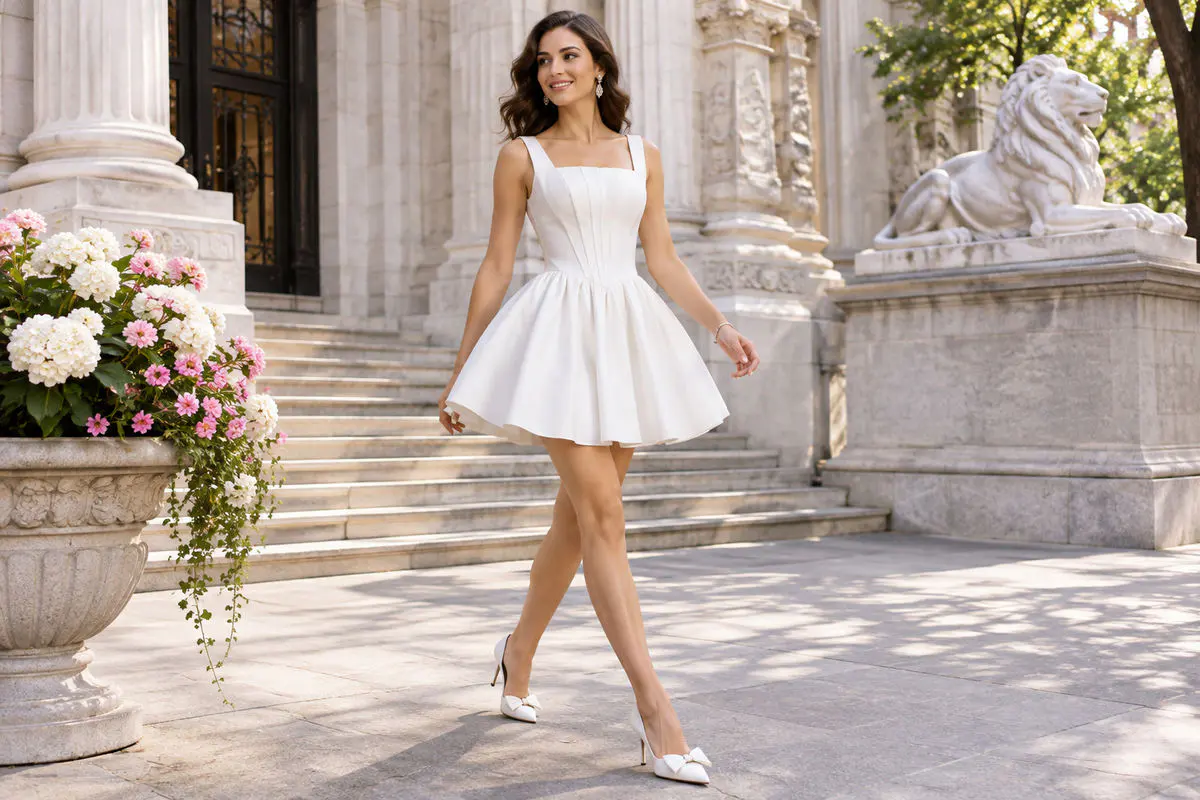
The right graduation dress size starts with your bust, waist, and hip measurements, not the number on your everyday clothes. Use the size chart attached to the specific dress, then check how it moves when you sit and walk. This graduation dress size guide helps you choose a workable fit before the ceremony.
This is a guide to the dress worn for graduation, not an academic cap-and-gown size chart. The robe is a separate garment with its own sizing rules.
How to Measure for a Graduation Dress
Use a flexible tape, stand naturally, and ask someone to help keep the tape level. Wear the undergarments you expect to use on graduation day. Record these measurements in inches before comparing styles among graduation dresses.
- Bust: Wrap the tape around the fullest part of your bust, with the tape level across your back.
- Waist: Measure the narrowest part of your natural waist without pulling the tape tight.
- Hips: Measure the fullest part of your hips while standing with your feet together.
- Dress length: Measure from the shoulder point toward the desired hem, using your ceremony shoes to judge the final fall.
Repeat any measurement that changes when you breathe normally. Avoid measuring over a bulky sweater or adding extra inches as a precaution. The chart already gives the garment maker’s intended starting point.
How to Use the Jovani Graduation Dress Size Guide
Compare your three body measurements with the size chart displayed for the specific Jovani style. The official chart lists sizes 00 through 24, but individual product availability can vary. A numerical size is a starting point, not a promise that every silhouette will feel identical.
For example, the Jovani chart lists size 6 at a 35-inch bust, 28.5-inch waist, and 38.5-inch hip. Size 8 lists 36, 29.5, and 39.5 inches. If your measurements span both rows, check which areas are fitted before choosing. The product chart and an actual fitting matter more than the label.
Jovani style 48076 illustrates why construction matters. This stretch-crepe sheath has a structured shoulder, asymmetric neckline, front pleats, and a back slit. The waist and hips deserve careful checking because the skirt follows the body.

Which Measurement Matters Most for Each Dress Shape?
Different dress silhouettes rely on different measurements for a comfortable, flattering fit. While bust, waist, and hip measurements all matter, the most important one depends on where the dress fits closest to your body and how much room the fabric allows for movement.
Fitted sheath and close-cut midi dresses
Check the bust, waist, and hips together. If one measurement exceeds the selected chart row, the fabric may pull or seams may shift. A little stretch does not guarantee comfortable sitting, especially in a fitted skirt.
Fit and flare and full-skirt designs
The bust and waist often control the starting fit because the skirt provides extra room at the hips. Compare flared party dresses with fitted options instead of sizing by your hip measurement alone. Check how the bodice stays in place when you raise your arms.
Jovani style 45212 is a pleated satin mini offered in white, black, and hot pink. Its flared shape makes the waist and upper-bodice fit especially important. The skirt should keep its intended volume without the bodice sliding or pinching.
What Should a Graduation Dress Feel Like When It Fits?
A good fit stays secure without constant adjustment. You should be able to breathe fully, sit through a long ceremony, step onto a platform, and turn for photographs. Test these movements before deciding that a dress merely looks right in the mirror.
- Sit in a chair for two minutes. Look for pulling at the hips, tight seams, or a skirt that rides higher than expected.
- Raise both arms and turn. The neckline should stay secure and the straps should not dig into your shoulders.
- Walk and climb a step if possible. Check the hem, slit, and footwear together.
- Look at the back. A zipper should lie flat without strain or large gaps.
For another construction example, Jovani style 44523 is a mini dress offered in black, blush, and red with puff sleeves and a bow-back detail. Check arm movement as carefully as the waist fit, especially when adding a graduation robe.

How Do You Choose Between Two Dress Sizes?
Start with the size that accommodates the most restrictive fitted area, then ask whether a small alteration can refine the rest. Do not automatically order a smaller size because the fabric looks stretchy. Confirm the product’s measurements and try both sizes if they are available.
If the larger size leaves minor excess at the waist but sits correctly through the bust, a tailor may be able to refine it. If neither size allows comfortable movement, choose a different cut. For graduation celebrations, short cocktail styles provide other bodice and skirt combinations worth testing.
Petite and Plus Size Fit Checks That Matter
Petite describes proportions, not simply a small numerical size. Check strap placement, bodice depth, waist position, and total length. Shortening a hem cannot fix a waist seam that sits too low. A smaller frame may need a different cut rather than more tailoring.
For fuller bust or hip measurements, choose from the chart rather than assuming an available size will fit every style equally. Compare how fitted and flared cuts distribute room. Little white dresses offer several short silhouettes, but inspect the size and lining of each individual product.
Check the Fit With Your Graduation Robe
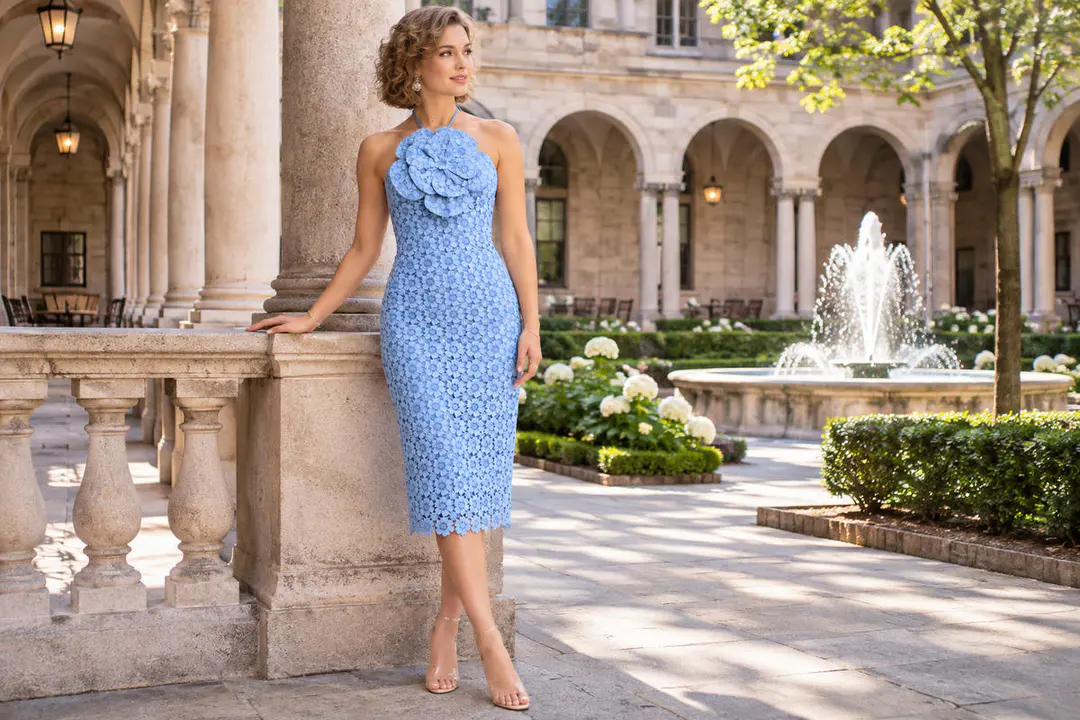
A dress can fit beautifully on its own and still feel bulky underneath a robe. Try both garments together, including the neckline and sleeves. Compare the dress hem with the robe’s hem while standing and sitting. A longer dress is a style choice, but its visible layers should be intentional.
Jovani’s guide to the perfect graduation dress covers ceremony length and outfit choices in more detail. If your school requests white, use the same fit test with white party dresses and confirm coverage under bright light.
Leave Room for Practical Alterations
Minor changes can include shortening a hem or adjusting straps when the design permits it. Structural changes to a fitted bodice, cutouts, or elaborate trim may be difficult. Ask a qualified tailor to assess the actual garment, and check your retailer’s order and alteration timing.
For younger graduates, the school’s dress code may matter more than fashion preferences. Review Jovani’s 8th grade graduation dress advice before choosing a final hem or neckline. Graduates shopping for white can also compare white graduation dress ideas to see different silhouettes.
Before buying, bring your measurements and a shortlist of styles to an authorized Jovani retailer. A fitting with your intended shoes and robe can reveal issues that a size chart cannot.
Frequently Asked Questions
Should I take my measurements over the shapewear I plan to wear?
Yes, if that shapewear will be part of your graduation outfit. Measure while wearing the intended underlayers, then repeat the sitting test to make sure the complete outfit is comfortable.
Does height alone determine my graduation dress size?
No. Height helps you assess hem length, but bust, waist, and hip measurements determine the starting size for a dress. Academic robes follow a different sizing system.
Can a tailor fix a neckline that gaps?
Sometimes. A small strap or bodice adjustment may help, but a structured neckline can require more involved work. Ask the tailor to inspect the lining and construction before promising a fix.
What if my graduation dress arrives too late for alterations?
Choose a different ready-to-wear size or silhouette if the dress cannot be worn comfortably as delivered. Do not rely on a major last-minute alteration, especially when the ceremony date is fixed.