
A Quinceañera is far more than a lavish birthday celebration; it is a profoundly emotional milestone that honors a young woman’s transition from childhood into early adulthood. Rooted deeply in Latin American heritage, this beautiful rite of passage requires months of careful planning, family coordination, and an undeniable focus on finding the perfect gown. For generations, mothers, grandmothers, and daughters have gathered to discuss the details, and inevitably, a central question arises during these heartfelt conversations: what is the traditional color for a quinceanera dress? Understanding the heritage behind the gown adds a layer of depth to the celebration, connecting a young woman to the generations that came before her through a shared visual language of elegance and grace. At Jovani, we approach the design of these monumental garments with immense respect for their cultural weight. Crafting stunning quinceanera gowns is about more than just fabric and beading; it is about honoring a rich legacy while providing a young woman with a dress that makes her feel truly majestic on her special day.
The Origins and History of the Quinceanera Gown
To truly answer what is the traditional color for a quinceanera dress, we must first look at the history of the quinceanera gown. The origins of this celebration date back centuries, blending Mesoamerican coming-of-age rituals with European court presentations and Catholic traditions introduced by the Spanish. This fusion created a unique ceremony that serves as both a social debut and a spiritual commitment.
Religious and Cultural Roots of the Ceremony
In Aztec and Mayan cultures, the transition from girlhood to womanhood was a community-wide event where young women were prepared for their future roles. When the Spanish arrived, they incorporated their own “debutante” customs, where young ladies were presented to society as eligible and mature. This historical context dictated a dress code that was refined and celebratory yet humble. The celebration historically centered around the Misa de Acción de Gracias, where the attire was governed by the modesty and reverence expected within the church walls. The history of the quinceanera gown reveals that the earliest iterations were heavily influenced by bridal wear, emphasizing the girl’s purity as she received her blessing.
Evolution from Aristocracy to Tradition
Initially, these celebrations were reserved for the upper class, but over time, they became a fundamental part of the fabric of Latin American life across all social strata. As the event became more accessible, the dress became a central symbol of family pride. The aesthetic remained conservative and elegant, focusing on portraying the young woman in a dignified light. In those early years, the choices were limited by social norms, as the dress had to reflect the sanctity of the sanctuary above all else.
Uncovering the Traditional Color for a Quinceanera Dress
When families ask about the traditional color for a quinceanera dress, the answer is often a reflection of the values the celebration aims to uphold. For much of its history, the palette was strictly limited to specific shades that communicated a clear message to the community and the church.
The Symbolism of Classic White Quinceanera Dresses
For decades, classic white quinceanera dresses were the undeniable standard. White was universally recognized as the ultimate symbol of purity, innocence, and spiritual dedication. Because the young woman was renewing her baptismal vows during the religious ceremony, white served as a visual reflection of her enduring faith. It represented a “clean slate”—a young woman entering the world with a pure heart and a strong moral foundation.
During this era, traditional quinceanera customs dictated that the dress should remain formal and reserved for the church service. This led families to seek out silhouettes that offered beautiful, respectful coverage. Today, families who prioritize these traditional values often consult a modest prom dress guide to find designs that balance religious requirements with breathtaking volume for the reception. The mastery of these classic white quinceanera dresses often relied on textures like lace and silk to add depth without breaking the monochromatic sanctity of the look.
Blush Pink Quince Gowns: Transition and Youth
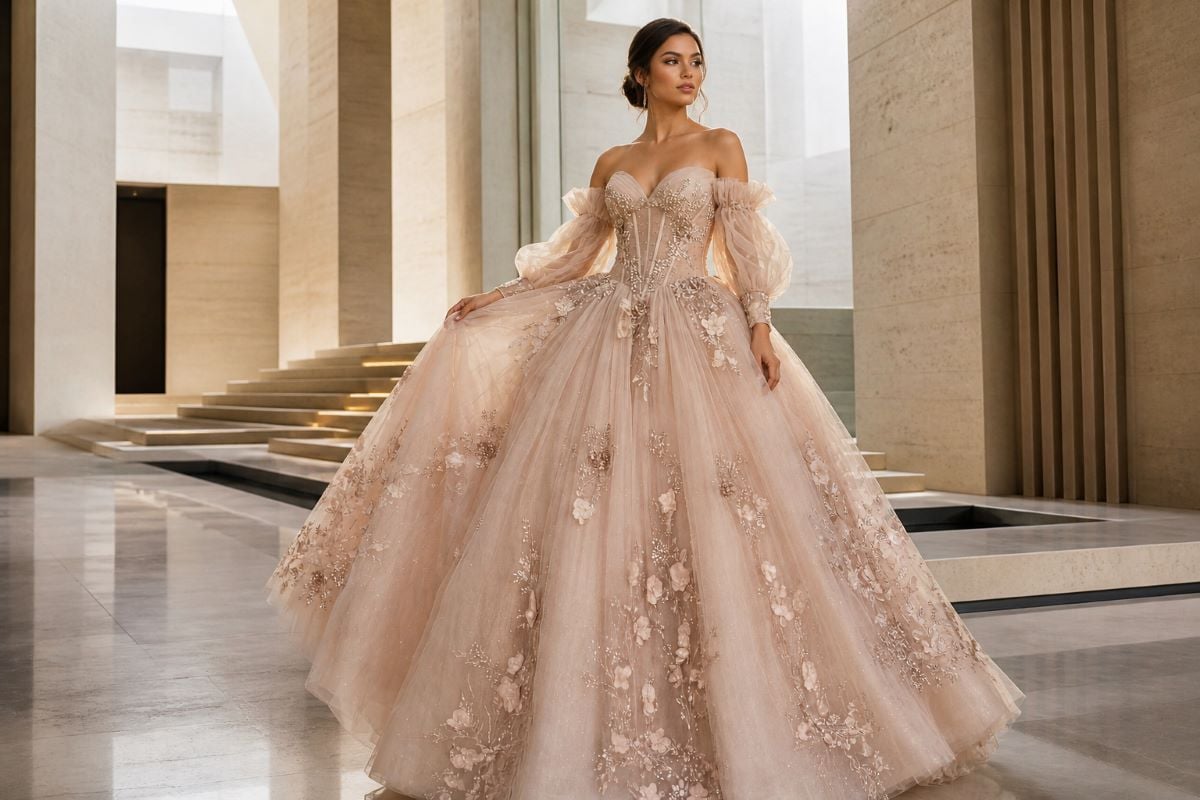
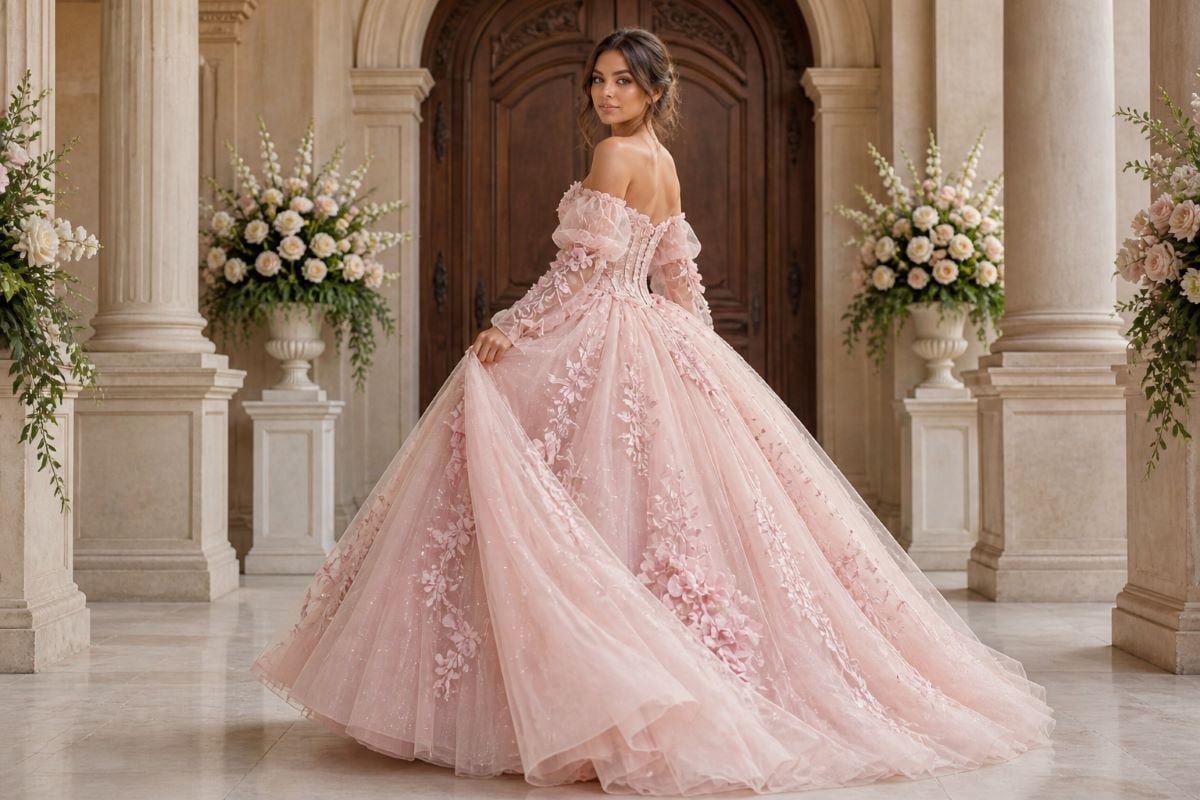
As the mid-to-late twentieth century approached, the interpretation of tradition began to expand. While white remained a steadfast choice, families started to incorporate soft pinks. Pink established itself as a co-traditional color, representing youth, sweetness, and the pure joy of girlhood. Blush pink quince gowns became incredibly sought after, offering a youthful alternative to white while still maintaining the innocence required by traditional quinceanera customs.
The meaning of quinceanera dress colors expanded significantly during this time. While white strictly denoted spiritual purity, blush pink quince gowns represented a blossoming flower—a perfect visual metaphor for a girl blooming into a young woman. This transition in color marked a shift in focus from purely religious devotion to a celebration of the girl’s individual journey and personality.
Decoding the Meaning of Quinceanera Dress Colors
In modern times, the meaning of quinceanera dress colors has become a vital part of the planning process. Color is a powerful tool that communicates emotion and character to the guests.
Purity, Faith, and New Beginnings
White and cream tones continue to lead the way for those seeking a deeply traditional experience. These hues are not just about aesthetics; they are about a sense of “beginning.” They suggest that the young woman is ready to write her own story. The history of the quinceanera gown shows that these light colors were essential for the candlelight ceremony, where the Quinceañera would literally shine as a beacon of her family’s hopes and her own spiritual renewal.
Pastel Shades for Sweet 15: Soft Expression
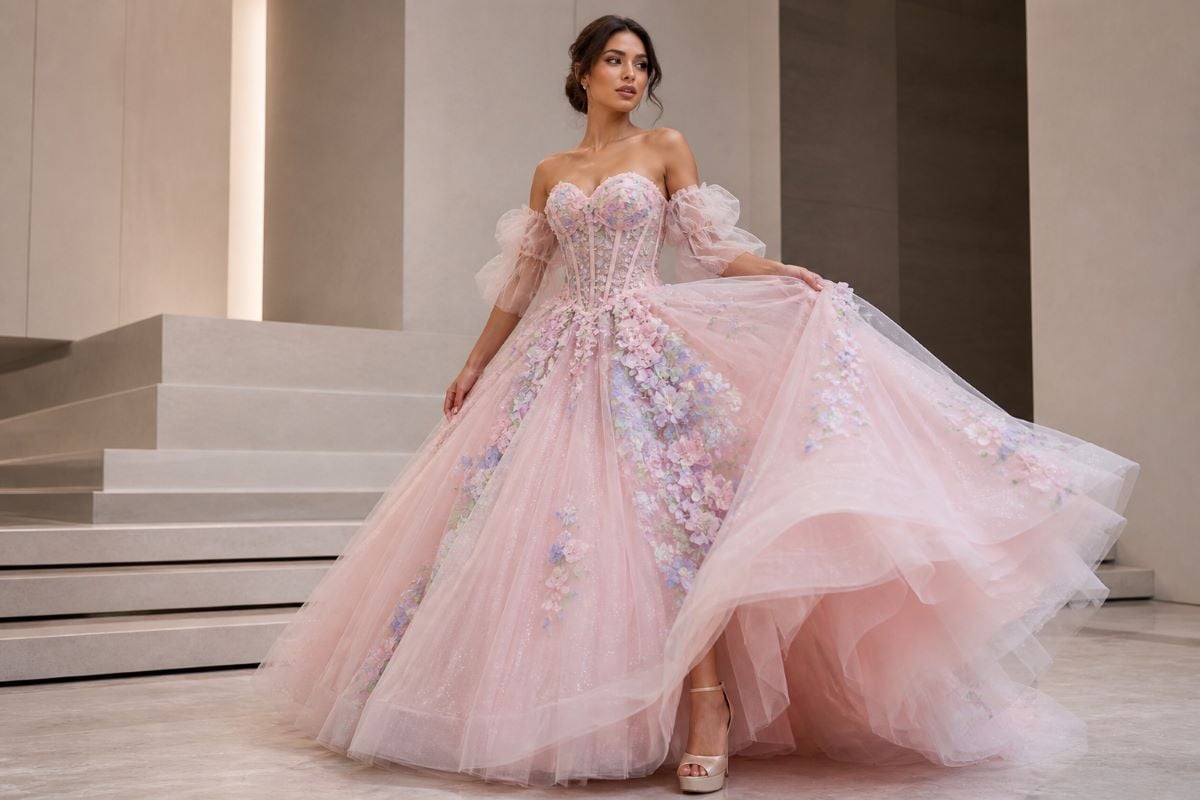
The adoption of pastel shades for sweet 15 celebrations allowed for a broader range of emotional expression. Each pastel tone carries its own nuance:
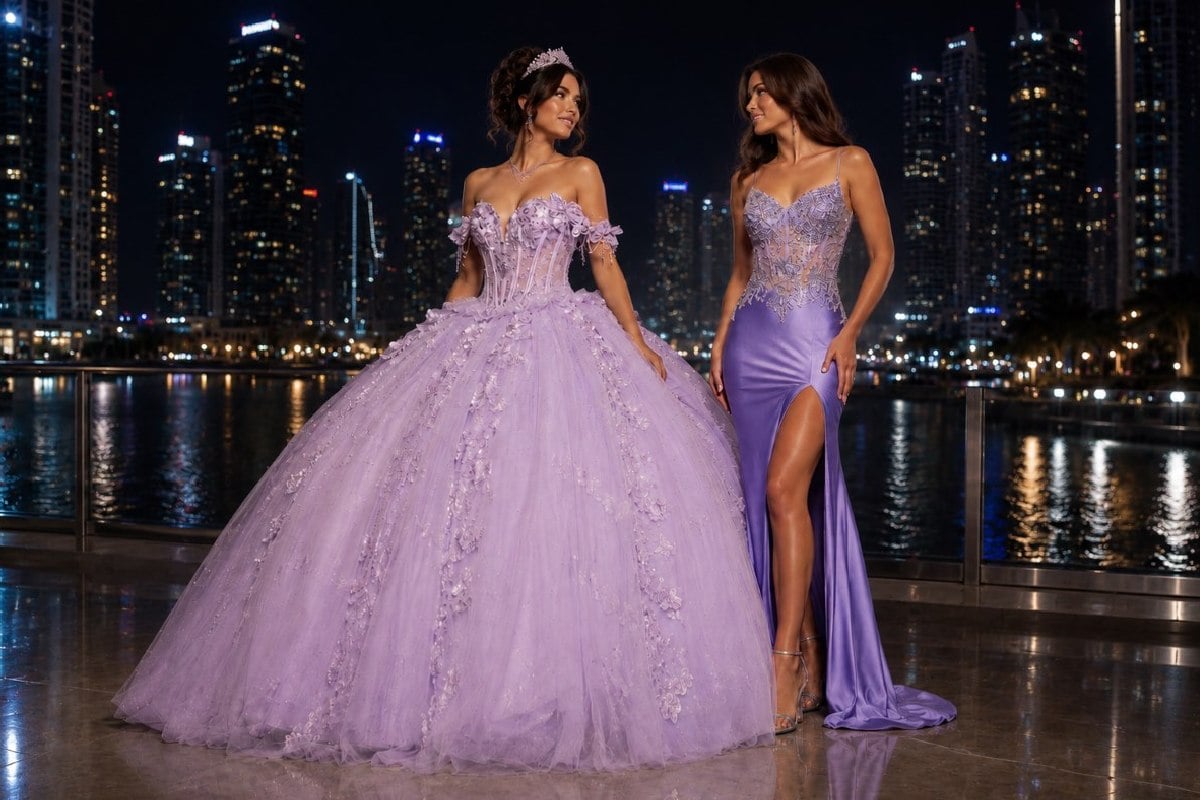
- Lavender: Often associated with royalty and grace, it suggests a refined and creative spirit.
- Light Blue: Represents tranquility and trust, echoing the colors often associated with the Virgin Mary in religious art.
- Mint Green: A modern favorite that symbolizes freshness and new growth.
Choosing pastel shades for sweet 15 events allows the girl to showcase her individuality without deviating too far from the expectations of older generations.
The Role of Traditional Quinceanera Customs in Style Selection
The choice of color and style is often dictated by the specific traditional quinceanera customs a family chooses to follow. These rituals act as anchors, ensuring that even the most modern celebration feels connected to the past.
The Royal Silhouette: Grand Ball Gowns
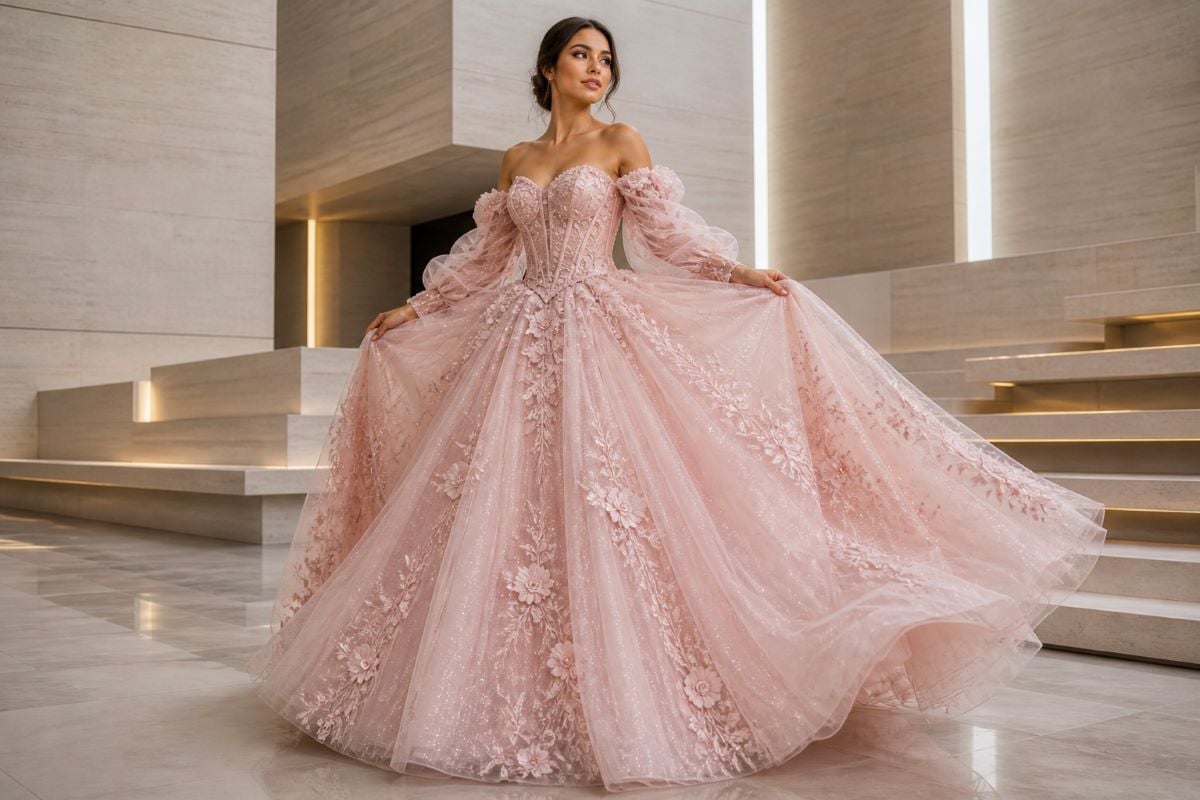
Regardless of color, the undisputed champion of this celebration is the full, dramatic skirt. This volume is a symbolic “shield” of elegance. Grand ball gowns are the hallmark of a traditional Quinceañera, designed to give the young woman a regal presence. Many shoppers find it helpful to review a mermaid vs a-line style guide when deciding between silhouettes. While modern trends sometimes lean toward slimmer fits, the A-line ball gown remains the most traditional choice because it accommodates the traditional waltz (El Vals) perfectly, allowing the skirt to move gracefully with the dancer.
Coordinated Accessories and Their Colors
Traditional quinceanera customs involve several accessories that often match or complement the dress color. The “Last Doll” (La Última Muñeca) usually wears a miniature version of the Quinceañera’s gown, reinforcing the transition from childhood toys to adult elegance. Similarly, the pillows for the kneeling ceremony and the ribbons for the gifts are meticulously coordinated to the chosen traditional color for a quinceanera dress, creating a cohesive visual narrative throughout the event.
How the Meaning of Quinceanera Dress Colors Varies by Region
Geography plays a significant role in how these traditions are interpreted. In Mexico, the preference for classic white quinceanera dresses remains incredibly high, often due to the centralized role of the local parish. In Caribbean cultures, such as those in Cuba or the Dominican Republic, there is a historical leaning toward more vibrant pastel shades for sweet 15 celebrations, reflecting the bright, tropical environment. In the United States, the Quinceañera has evolved into a high-fashion gala, where traditional quinceanera customs are honored through the silhouette, even if the color is a bold gold, deep burgundy, or royal blue.
About Quinceañera Traditions FAQs
1. Why was white originally the traditional color for a quinceanera dress?
The tradition stems from the event’s roots in the Catholic Church. Since the Quinceañera is a renewal of baptismal promises, the girl wears white to symbolize the same purity and spiritual commitment seen in Baptism and First Communion ceremonies.
2. Are blush pink quince gowns considered less traditional than white ones?
Not necessarily. While white is the original traditional color, blush pink has been widely accepted as a traditional standard for over fifty years. It is considered a “modern classic” that honors the sweetness of youth.
3. Can I incorporate the meaning of quinceanera dress colors if I choose a dark color?
Yes. Even if you choose a non-traditional color like navy or emerald, you can honor the tradition by choosing a modest silhouette and incorporating traditional elements like a white or silver tiara and scepter.
4. Do pastel shades for sweet 15 have to be solid colors?
While traditional gowns were solid, many modern designs incorporate floral embroidery or subtle ombré effects. As long as the primary hue remains a soft pastel, it still aligns with the traditional aesthetic of the celebration.
5. How does the history of the quinceanera gown impact current designs at Jovani?
We look at the history of the quinceanera gown to understand the importance of structure and drama. Our designs focus on the classic ball gown silhouette and intricate detailing that honors the gravity of this once-in-a-lifetime transition.
Budgeting for your gown? See our quinceañera dress cost guide.