
Most guides to choosing a vintage gown for prom tell you to pick a mood rather than a decade, which sounds freeing and is actually the reason so many vintage looks land somewhere between costume and confused. Each decade had a specific waist position, a specific hem and a specific fabric, and those three things are what make a look read as authentic rather than approximate.
This guide covers what each era actually looked like, how to translate it into a gown you can wear now, and the honest differences between buying an original and buying a vintage inspired dress.
What counts as a vintage prom dress?
Is a vintage prom dress an original or a modern copy? Three different things get called vintage and they are worth separating. An original vintage gown is an actual dress from a past decade, usually twenty years old or more, bought from a resale seller or a specialist dealer. A vintage inspired gown is newly made using the silhouette, fabric and detailing of a past era, which means modern sizing, modern construction and no fragility. A retro prom dress usually means the same as vintage inspired, and retro prom dresses lean toward the sixties through the nineties. If you want a specific era without the risks of an old garment, a vintage inspired gown is the practical answer.
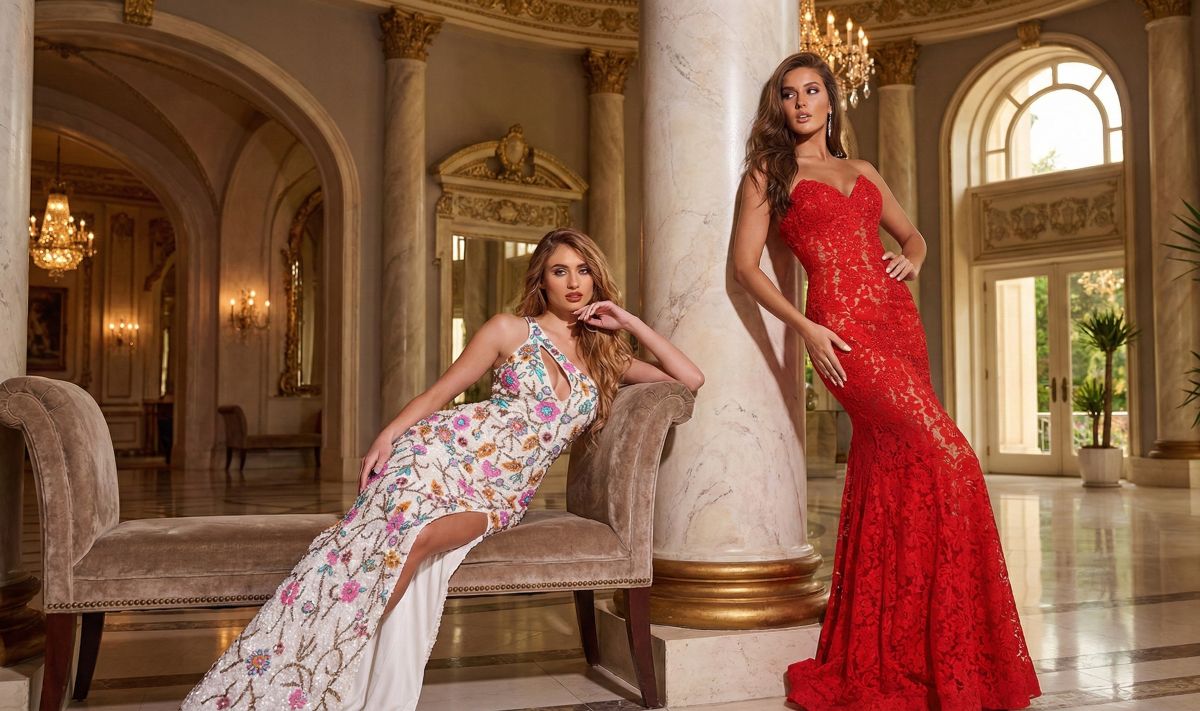
Vintage prom dress styles by decade
Giving prom dresses vintage character comes down to one signature per era, and knowing it separates a real prom dresses vintage look from an approximate one.
Each era has a signature that makes it recognizable, and knowing it is the difference between looking deliberate and looking approximate.
| Era | Signature shape | Fabric and detail | How it reads now |
|---|---|---|---|
| 1920s | Straight or drop waist, knee to mid shin | Beading, fringe, silk and chiffon | Art deco beadwork without the costume flapper look |
| 1930s | Bias cut, long, open back | Fluid satin, subtle pleating | Old Hollywood, the origin of the red carpet gown |
| 1940s | Narrow column, gathered and ruched | Modest coverage, covered bodices | Grecian and grown up, quietly elegant |
| 1950s | Nipped waist, full circle skirt, tea length | Tulle and layered petticoats | The classic prom silhouette everyone pictures |
| 1960s | A line, cleaner and less voluminous | Geometric detail, bold flat color | Mod, minimal, easiest to wear now |
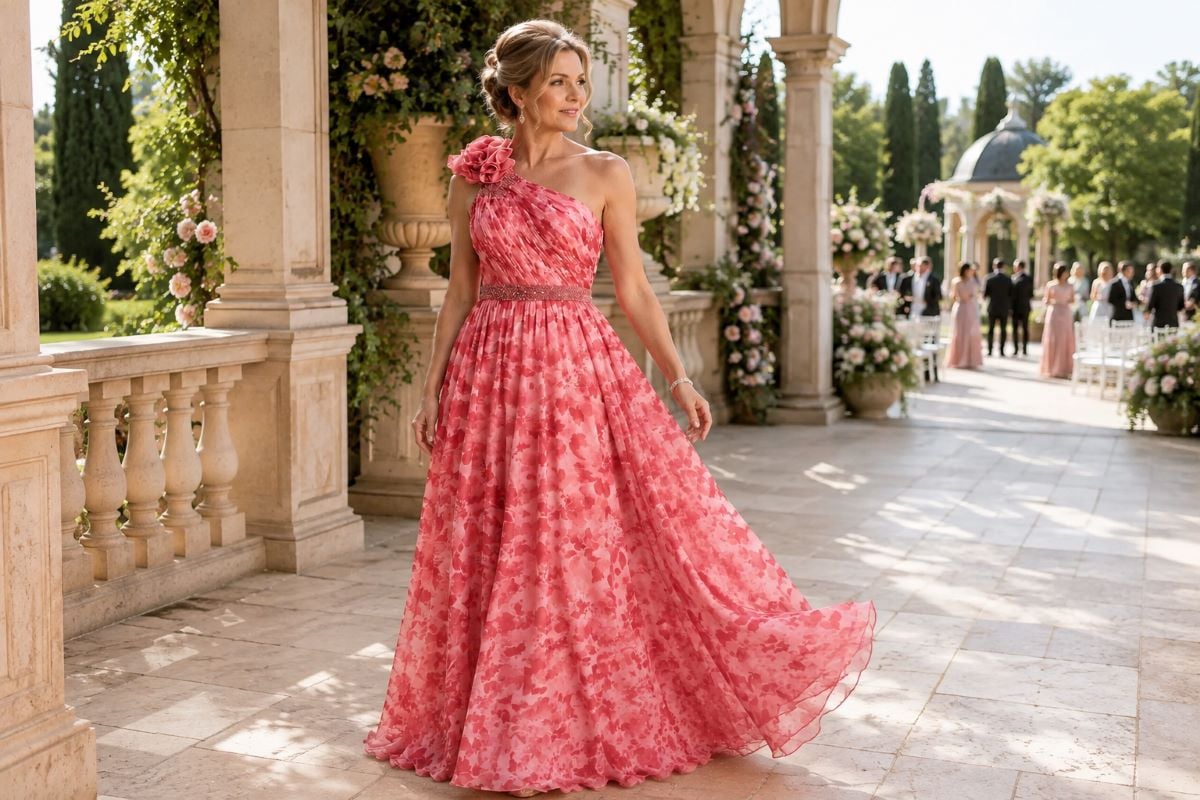
| 1970s | Floaty maxi, empire waist | Chiffon, bell sleeves, earthy tones | Boho and romantic without looking dated |
| 1980s | Strong shoulders, puff sleeves, big volume | Taffeta, velvet bodices, bows and ruffles | Dramatic, best taken one detail at a time |
| 1990s | Minimal slip and column | Satin and velvet, muted solids | Understated, currently the most revived |
| Y2K | Halters, cutouts, low backs | Metallics, crystal, silver and blush | Sparkle heavy, reads as nostalgic rather than old |
The two eras being revived hardest right now are the 1930s and the 1990s, and they meet at the same place: a long fluid column in satin with a clean neckline. That overlap is why a column gown is the single most versatile vintage choice available.
Original vintage or vintage inspired?
Searches for an antique prom dress and for old prom dresses usually mean two different things, and the difference matters more than which decade you like. An original gown is genuinely one of a kind and nobody else will have it. That is the whole appeal and it is a real one.
What comes with it is less discussed. Vintage sizing runs considerably smaller than modern sizing, so a label reading size twelve from the 1950s often measures closer to a modern six. Buy by measurement only and never by the number on the tag. Old fabric is also more fragile: silk weakens, elastic perishes and zips of that age fail under stress, which is a real consideration for a night of dancing.
Alterations are the other constraint. A tailor can usually take an old gown in, but letting it out is often impossible because the seam allowance has faded to a different shade, and any alteration risks the fabric. Factor cleaning in too, since specialist cleaning for an old beaded piece costs considerably more than a modern gown.
Vintage inspired prom dresses remove all of that while keeping the look, which is why unique vintage prom dresses are so often the newly made kind. You get the silhouette and the detail with current sizing, a lining that works, a zip that holds and fabric that survives being sat in. If you want the era rather than the artefact, this is the sensible route, and it is where a less common style gives you the individuality people go vintage hunting for.
Silhouettes that read vintage immediately
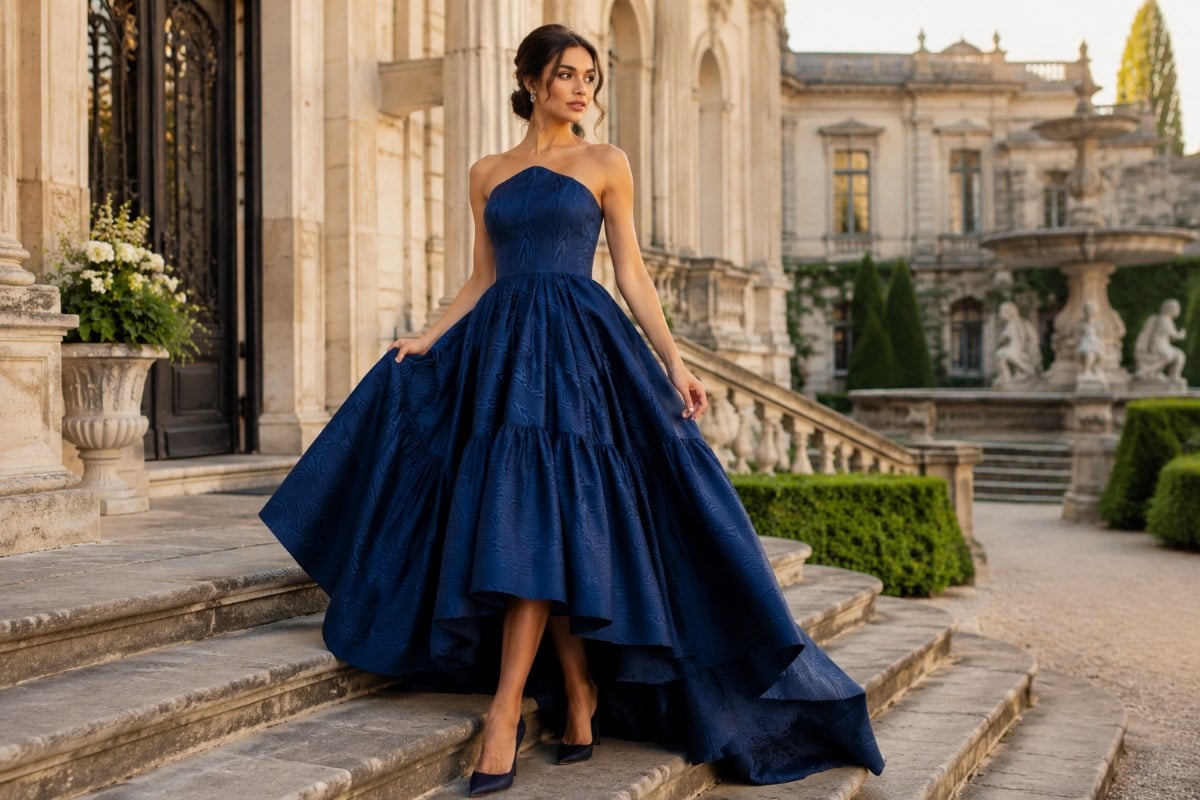
The most recognizable vintage style prom dress is a structured ball gown, and one with a fitted bodice and a full skirt is the shape most people picture when they think vintage prom, and it points squarely at the 1950s. Look for a corset or lace up bodice, which echoes both Victorian corsetry and early Hollywood, and keep the styling simple so the gown carries the look alone.
A vintage looking prom dress in an A line skirt sits between the 1950s and the 1960s depending on how full it is. A fuller version reads as the earlier decade, a cleaner narrower one reads as mod. It also suits the widest range of proportions, which is why it appears in vintage photographs of every era.
Tea length is the most underused vintage cue available. A hem finishing between the knee and the ankle is instantly recognizable as mid century and it is far easier to dance in than a full length gown. A A tiered skirt pushes the same look further.
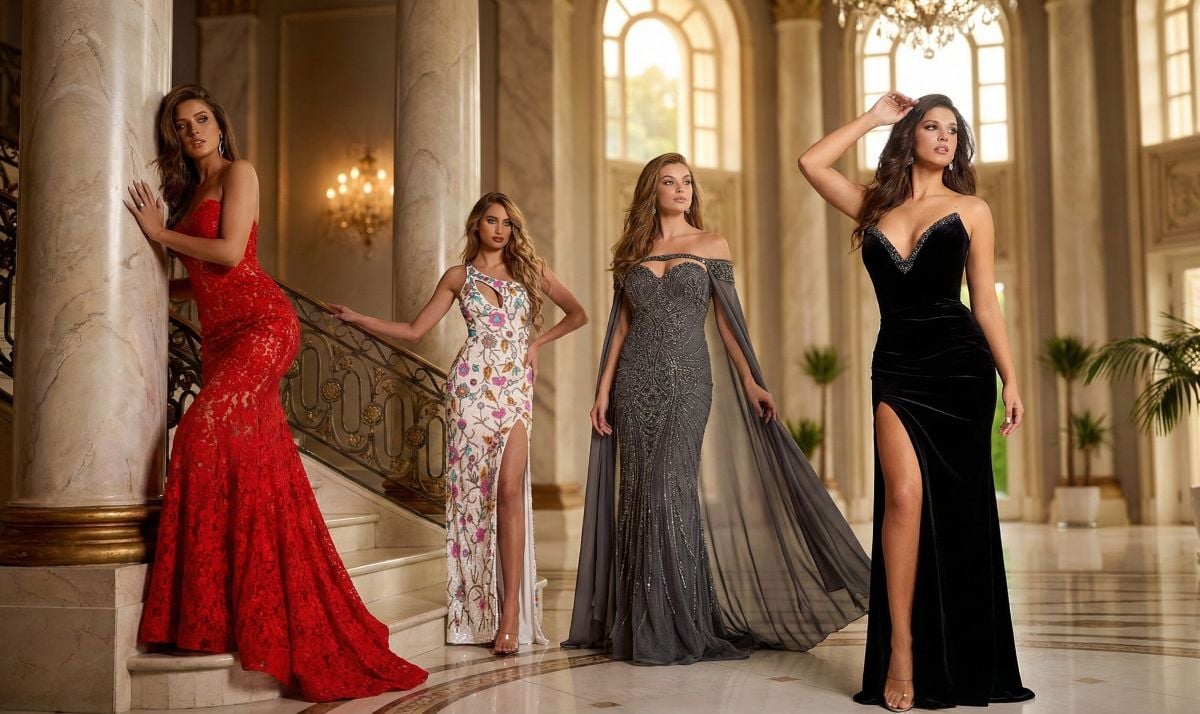
Bias cut columns belong to the 1930s and the 1990s at once, and they are the most grown up option here. The caution is fit, since a bias cut follows every line of the body and depends entirely on the lining beneath it.
Fabrics that carry the era
Satin is the fabric most associated with old Hollywood, and a fluid rather than stiff satin is what creates that bias cut drape. A structured satin does something different and belongs to the fuller 1950s shapes instead.
Lace reads romantic across almost every decade, and the version matters. A fine chantilly or an all-over floral lace reads authentically vintage, while a bold modern guipure reads current. A lace gown is the safest way to signal vintage without committing to one era.
Velvet points at the 1930s and the 1990s equally, and a velvet bodice against a contrasting skirt is a direct quote from 1980s design that borrowed from Victorian dress. Brocade and jacquard bring woven texture rather than applied decoration, which is exactly how older gowns created richness before mass beading existed.
Beading tells you the decade by its density and placement. Fine allover beadwork in a geometric pattern reads as 1920s art deco. Crystal concentrated at the bodice with a plain skirt reads as 1990s or Y2K. Both are available in a a beaded gown, and which one you choose changes the era entirely.
Color stories from each era
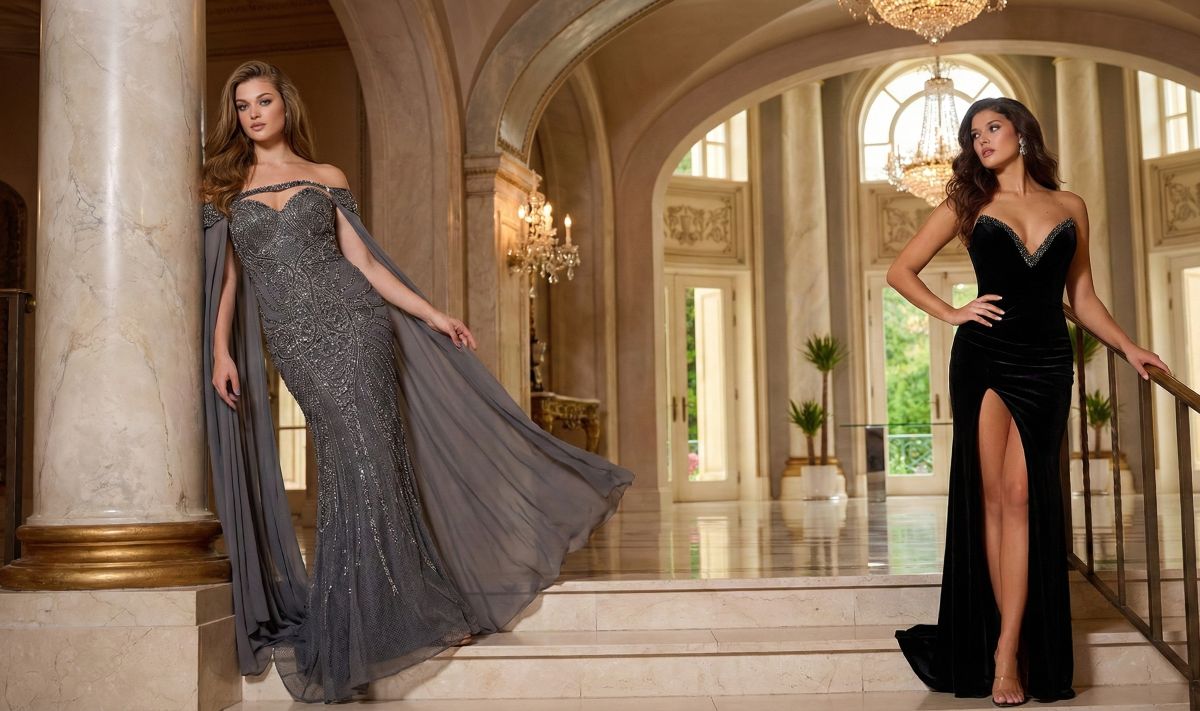
Soft powder tones belong to the 1950s: blush, powder blue, mint and butter yellow, usually in tulle. Deep saturated jewel tones belong to the 1930s and the 1980s, emerald, sapphire, ruby and plum, and they photograph strongest of any group.
Earthy shades are the 1970s marker, rust, mustard, olive and warm brown, and they are unusual enough at a modern prom to guarantee nobody else is wearing one. Black and deep charcoal in a minimal cut reads as 1990s, which is why a plain black column has become the shorthand for that decade.
Metallic silver, champagne and blush belong to Y2K, and a heavily crystalled gown in one of those shades is the most recognizable version of that era. Ivory and cream sit outside any decade and read simply as old money rather than a specific year.
Styling that keeps it modern
The line between vintage and costume is drawn almost entirely by styling. Take the dress from one era and keep everything else current, because matching the hair, makeup, shoes and jewelry to the same decade is what tips a look into fancy dress.
Hair is where this matters most. Modern loose waves or a sleek low bun with a 1950s gown reads as considered. A full set victory roll with the same gown reads as a period costume. The same rule applies to makeup: one era-appropriate element, such as a red lip or a winged liner, is enough.
Accessories work best as a single reference. Pearl drops with a 1950s silhouette, a beaded clutch with 1920s detailing, or a satin opera glove with a 1930s column. One is a nod, three is a theme, and the difference is visible in every photograph.
Vintage Prom Dress Questions
What is the difference between vintage and vintage inspired?
A vintage gown is an original dress from a past decade, usually twenty years old or more, bought secondhand. A vintage inspired gown is newly made using the silhouette, fabric and detail of a past era. The inspired version gives you the era with modern sizing, reliable construction and no fragility, which matters for a night of dancing.
Which decade suits a vintage prom look best?
The 1950s gives the classic prom silhouette with a nipped waist and full skirt. The 1930s and 1990s both give a long fluid column and are the most revived right now. The 1970s offers floaty maxis in earthy tones that almost nobody else will wear. The 1960s A line is the easiest to wear without looking costumed.
How does vintage sizing compare to modern sizing?
Vintage sizing runs considerably smaller. A label reading size twelve from the 1950s often measures closer to a modern six. Always buy by bust, waist and hip measurements rather than by the number on the tag, and remember that letting an old gown out is frequently impossible because the seam allowance has faded to a different shade.
Can an original vintage gown be altered?
Usually it can be taken in, but any alteration carries risk because old fabric is more fragile. Silk weakens over time, elastic perishes and older zips can fail under stress. Letting a gown out is often impossible. Ask a tailor to assess the fabric before you buy rather than after, and budget for specialist cleaning.
How do you keep a vintage look from becoming a costume?
Take the dress from one era and keep everything else current. Modern loose waves with a 1950s gown reads as considered, while full victory rolls with the same gown reads as fancy dress. Use one era-appropriate element in makeup and one in accessories. One reference is a nod, three is a theme.
Which fabrics look most authentically vintage?
Fluid satin for 1930s Hollywood drape, fine chantilly or all-over floral lace for romance across most decades, and velvet for the 1930s and 1990s. Brocade and jacquard create richness through weave rather than applied decoration, which is how older gowns achieved texture before mass beading existed.
Seeing vintage inspired gowns in person
Era is easier to judge in a fitting room than on a screen, because what makes a gown read as a specific decade is where the waist sits, how the fabric moves and how full the skirt is, and none of those photograph accurately.
Try one full skirted ball gown, one bias cut column and one tea length in the same visit, since the three eras sit so differently that comparing them directly settles the question fast. Book that fitting with an authorized Jovani retailer and bring a photograph of the era you are aiming for.