
Ball gown trends move more slowly than prom trends generally, because the silhouette itself does not change much. What changes is the construction underneath, the fabric weight, and how much volume the skirt actually carries.
This guide covers what has genuinely shifted in formal ball gowns, what stays constant, and how to tell a well-made one from a full skirt that only looks like one.
What is changing in ball gowns?
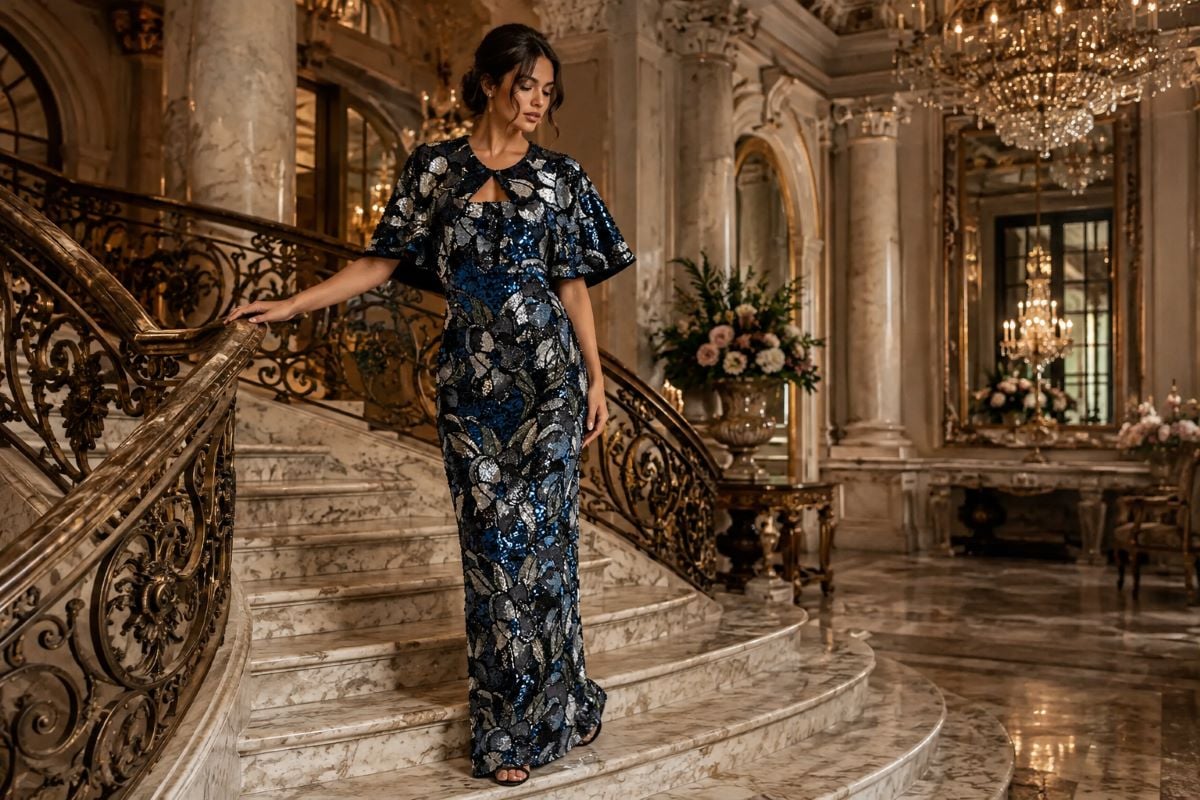
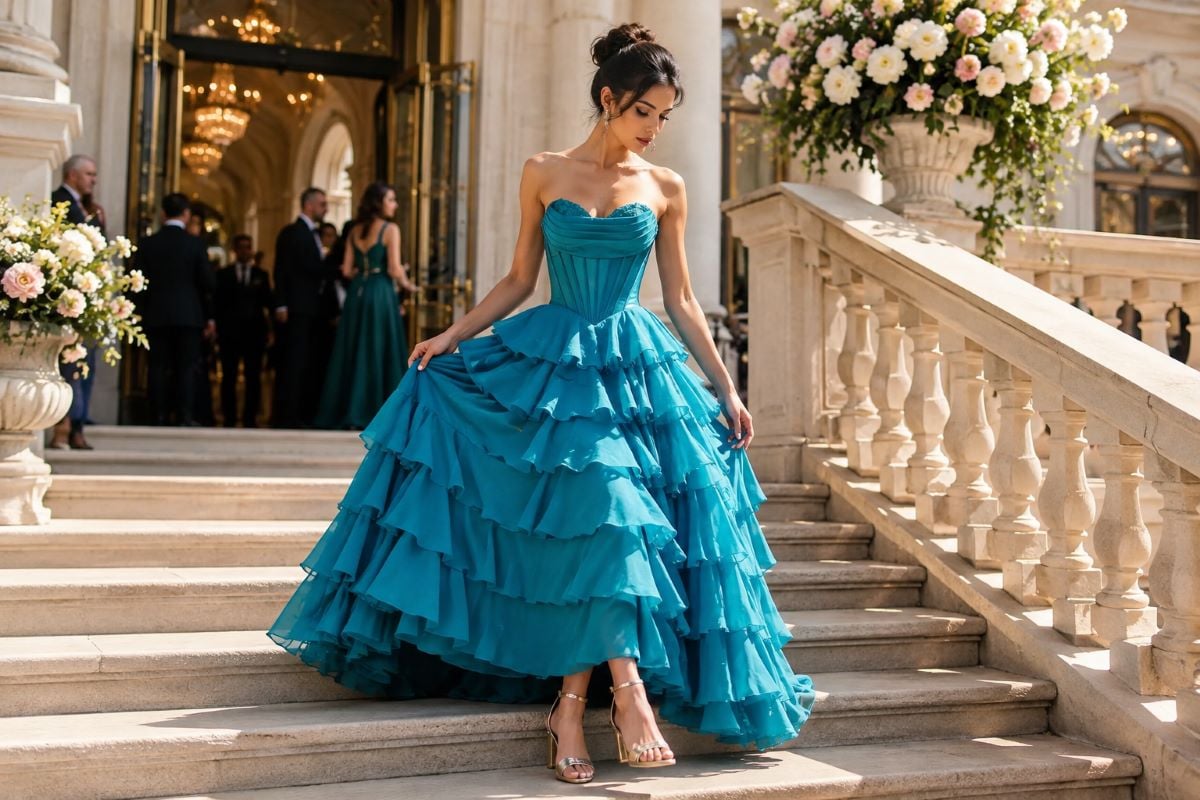
Which ball gown trends are actually new? Four things. Skirts are getting lighter, with fewer and better-cut layers replacing maximum tulle, which makes them far easier to move in. Deep saturated color has taken over from pastel, with emerald, sapphire, burgundy and espresso leading. Texture has replaced applied decoration, so brocade, jacquard and ribbed weaves now do the work beading used to. And bodices have become more structural, with visible boning, corset lacing and defined basque waists. What has not changed is the shape itself, which is why a ball gown dates more slowly than almost any other formal silhouette.
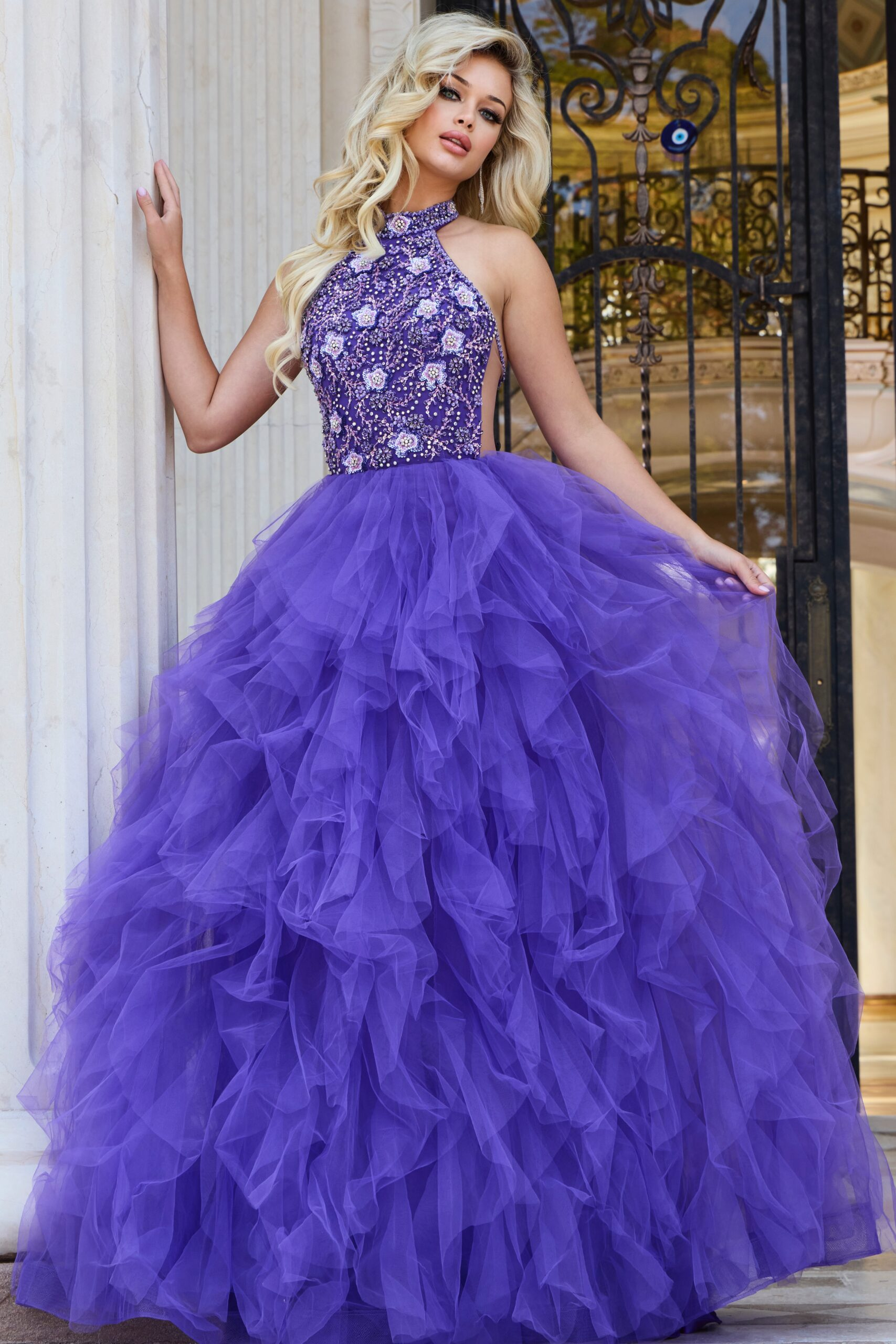
Lighter skirts, and why it matters
The clearest change is that volume no longer means weight. A well-built ball gown now uses two or three well-cut layers with proper support underneath, rather than six or seven thin ones stacked to create bulk.
That difference is felt rather than seen. A lighter skirt sits better at the waist, because bulk gathered at the waist seam is what makes an older gown look heavy through the middle. It is also the difference between dancing comfortably and managing a dress all evening.
When you try one on, lift the skirt and look at what is underneath. Tulle layers, netting or a built-in petticoat mean the shape is held out by structure. Nothing underneath means the volume comes from fabric alone, and that skirt will lose its shape as the night goes on.
Color, and the shift away from pastel
Deep saturated shades have moved to the front. Emerald, sapphire, burgundy and plum all hold their depth under evening lighting and photograph strongly, which is why they keep appearing on the most photographed gowns.
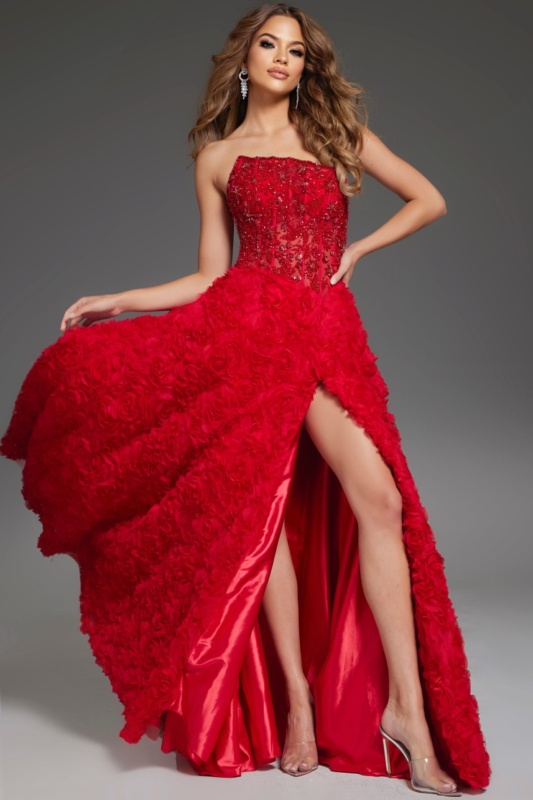
Espresso and chocolate brown are the newer arrivals, and they work as a warmer alternative to black. A red gown remains the strongest single choice for presence, and black is still the most reliable for a formal venue.
Pastels have not disappeared but they have moved to a supporting role. If you want a soft shade, the versions that work now have enough fabric weight or shimmer to avoid looking washed out under bright light.
The rule that matters more than the shade is keeping one continuous color from bodice to hem, since a contrast waistband or a two-tone skirt breaks the vertical line the silhouette depends on.
Texture instead of applied decoration
Brocade and jacquard are the fabrics to know. Both create richness through the weave rather than through beads sewn on top, which gives a gown depth without weight, and it is a genuine shift after several seasons dominated by crystal work.
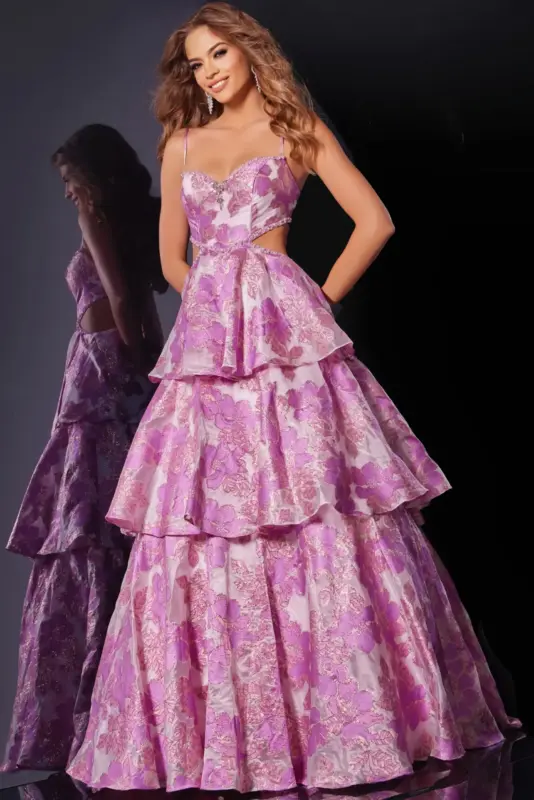
Ribbed and textured weaves do the same at a subtler level. So does velvet, where the pile absorbs light and creates depth that photographs beautifully in warm rooms.
Where beading still leads is the bodice. A heavily worked bodice above a plain skirt gives you the light-catching effect without the weight of an all-over beaded gown, and it is the more comfortable version of the same look.
Bodices have become more structural
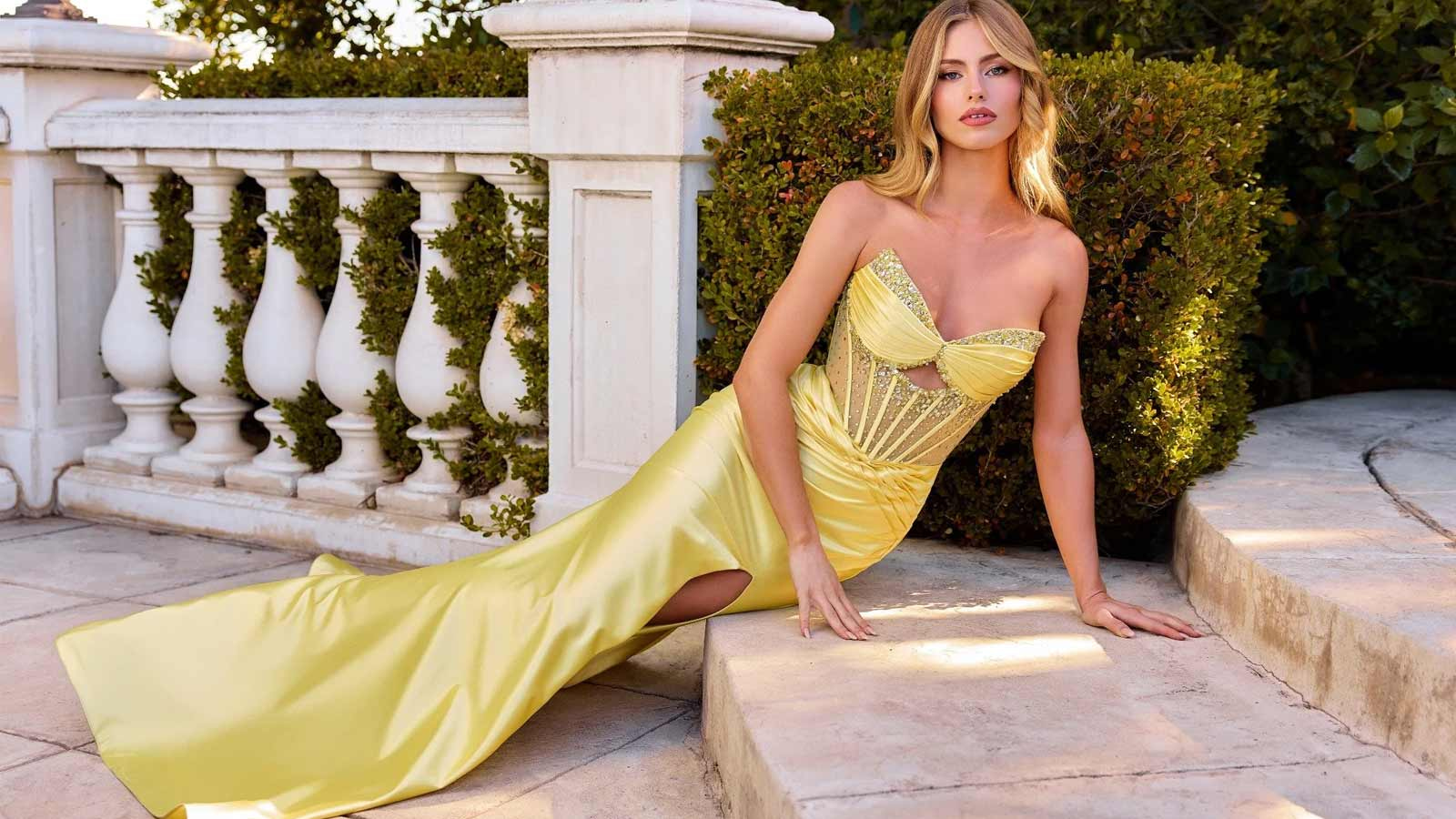
Corset construction has moved from a trend to close to a standard feature on formal gowns, and the engineering has improved along with it. Modern boned bodices hold their shape while staying comfortable enough to sit through a dinner.
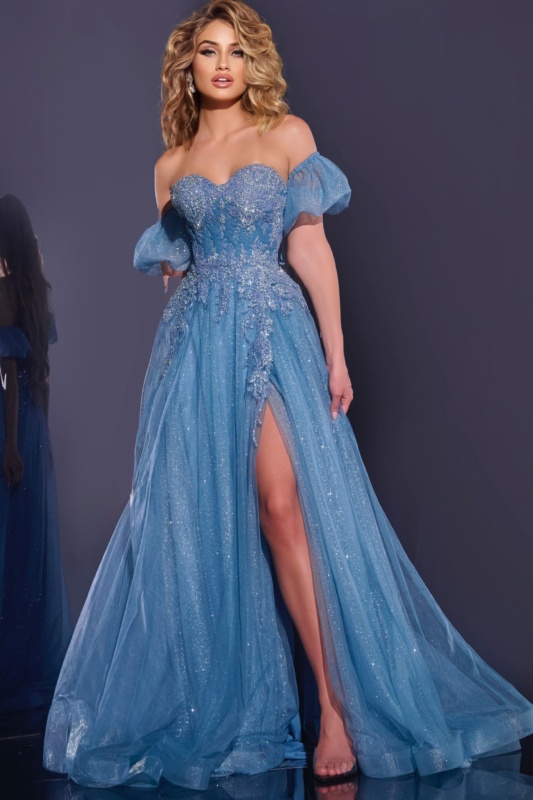
A corset bodice also has a practical advantage that gets less attention than it should. A lace up back gives several inches of adjustment, which matters if your measurements change between ordering and the event, and it reduces the alteration work considerably.
Basque waistlines, where the bodice dips to a point below the natural waist, have returned alongside this. They lengthen the torso and create a sharper join between bodice and skirt than a straight seam does.
Necklines on a full skirt
With a large skirt below, the neckline carries the whole upper half, and three directions dominate now.
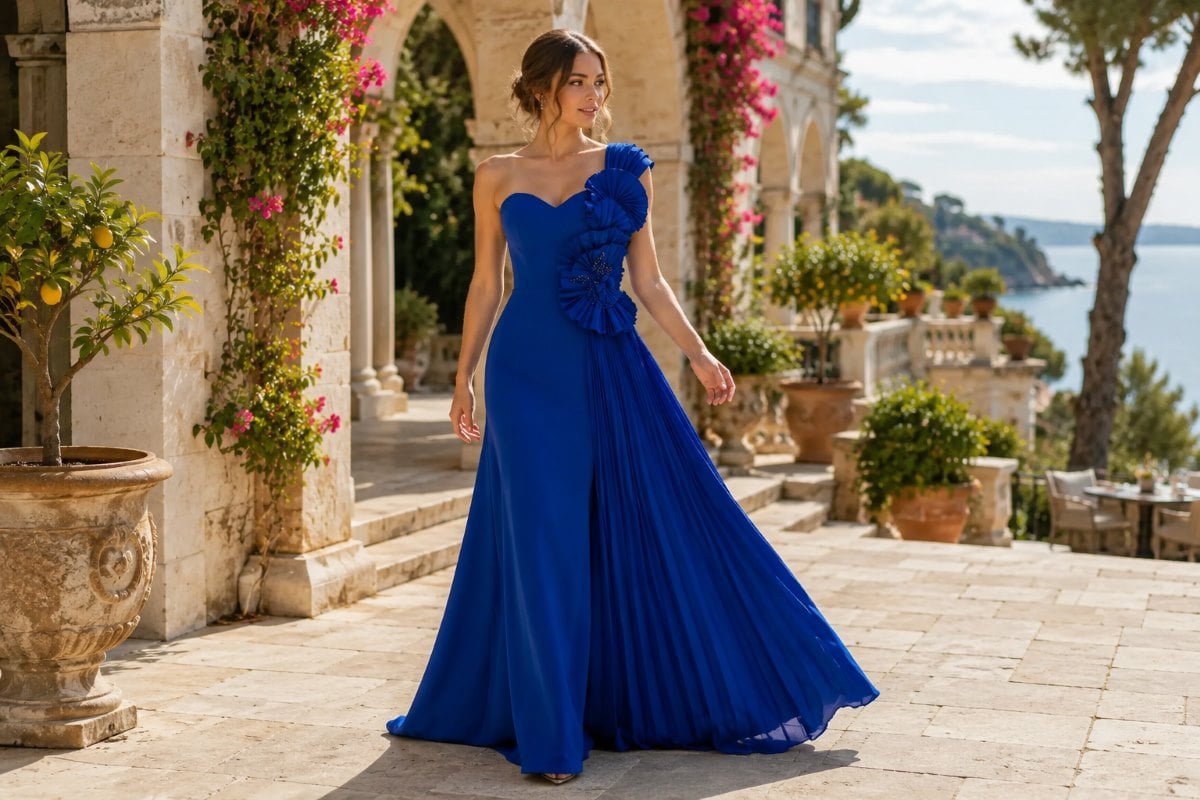
Off shoulder remains the most common, since it opens the collarbone and balances the width of the skirt. A straight strapless cut reads sharper and more modern, though it depends entirely on the bodice having real structure. And an asymmetric one shoulder cut is the growing option, adding a diagonal that stops the look reading as purely symmetrical.
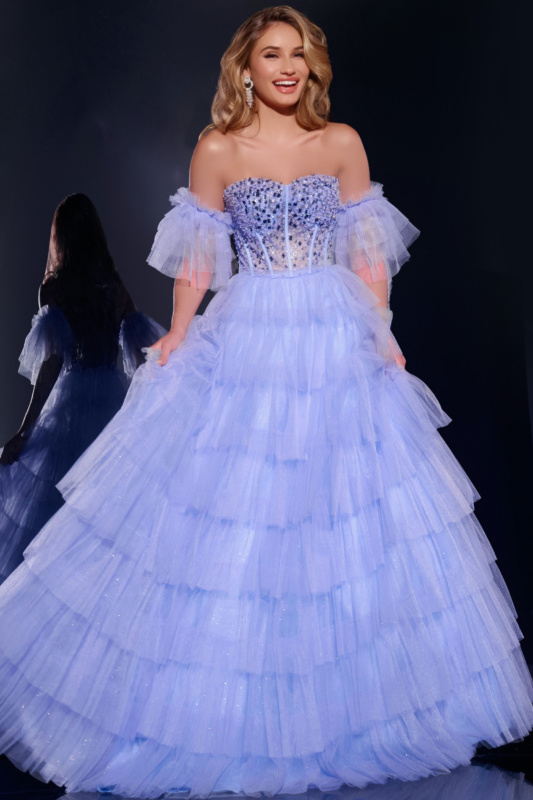
What has faded is the very high halter on a full skirt, since bringing fabric up under the chin while the skirt is doing so much below tends to crowd the whole silhouette.
How to tell a good one
Five checks separate a well-made ball gown from one that only photographs well, and all five take about two minutes.
Turn it inside out. Seams should be finished cleanly with no raw edges or loose threads. Press the bodice and you should feel boning running vertically. Lift the skirt and look for the support layers underneath. Check the weight distribution by lifting the gown, since a good one feels balanced rather than heavy at one point. And look at the beading up close, because hand-sewn beads sit slightly irregularly while glued work sits in perfectly even rows.
That last check tells you more about how a gown was made than any price tag does.
Where a ball gown belongs
A ball gown suits a ballroom, a hotel venue, a formal prom, a military ball or a charity event, all of which have the room for it. It does not suit a school gym, a crowded house or an outdoor venue with grass and steps.
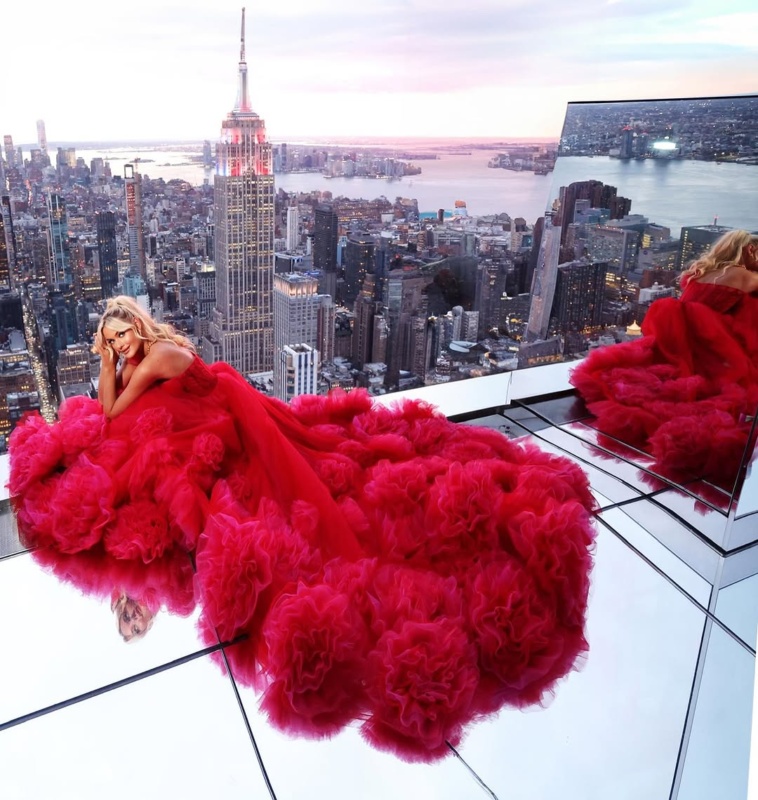
The practical questions are the ones people skip. Can you get into a car in it, manage stairs, and sit at a dinner table comfortably? A full skirt takes up space, and that is the real trade for the entrance it gives you.
If the venue is uncertain, an A line gown gives most of the formality with none of those constraints, and it is the lower-risk choice.
Ball Gown Trend Questions
What are the current ball gown trends?
Lighter skirts using fewer, better-cut layers rather than maximum tulle. Deep saturated color led by emerald, sapphire, burgundy and espresso, with pastels moving to a supporting role. Texture through brocade and jacquard replacing applied beading. And more structural bodices with visible boning and corset lacing.
How do you tell a well-made ball gown?
Turn it inside out and check the seams are finished cleanly. Press the bodice for boning. Lift the skirt to see whether tulle, netting or a petticoat supports it. Check the weight feels balanced. Look at the beading closely, since hand-sewn beads sit slightly irregularly and glued work sits in even rows.
Are ball gowns heavy to wear?
Less than they used to be. The shift toward fewer, better-cut layers means volume no longer means weight, and a well-built gown sits better at the waist as a result. Heavy all-over beading is now the main source of weight rather than the skirt itself.
Which colors work best on a ball gown?
Deep saturated shades hold their depth under evening lighting and photograph strongest, so emerald, sapphire, burgundy and plum all work well. Espresso is the newer arrival and reads as a warmer alternative to black. Keep one continuous color from bodice to hem rather than adding a contrast waistband.
What neckline suits a full skirt?
Off shoulder is the most common, since it opens the collarbone and balances the width below. A straight strapless cut reads sharper but depends on the bodice having real structure. An asymmetric one shoulder adds a diagonal. A very high halter tends to crowd the silhouette when the skirt is already doing so much.
Where should you not wear a ball gown?
A school gym, a crowded house party or an outdoor venue with grass and steps. The skirt takes up real space, so the practical test is whether you can get into a car, manage stairs and sit at a dinner table. If the venue is uncertain, an A line is the safer choice.
Trying the volume in person
How much space a skirt actually takes up, and whether the bodice holds without adjusting, are physical things that no photograph conveys.
Walk, sit and turn in one at an authorized Jovani retailer, and lift the skirt to check what is supporting it before you decide.