
Prom dresses for short girls come with one recurring problem, and shopping under five foot three makes it obvious: most gowns are cut for a longer torso and a longer leg, so a dress that looks balanced on the rack arrives looking heavy. The fix is not a special category of dress. It is knowing which three things to check, because hem length, where the waist sits and how much fabric the skirt carries decide almost everything.
This guide works through length, silhouette, neckline, fabric and color for petite prom gowns and petite dresses for prom, and it is direct about which combinations do not work as well as the ones that do.
What are the best prom dresses for petite girls and short frames?
Which prom dress styles suit a shorter frame? A line and column silhouettes are the two most reliable, because both create one continuous vertical line instead of cutting the body into sections. Beyond silhouette, three checks matter more than the style name. The waist seam should sit at your natural waist rather than below it, since a dropped waist shortens the leg line immediately. The skirt should carry less fabric rather than more. And the hem should be set to the exact shoes you will wear, because on a shorter frame even half an inch of extra length is visible.
Start with length, because it decides the rest
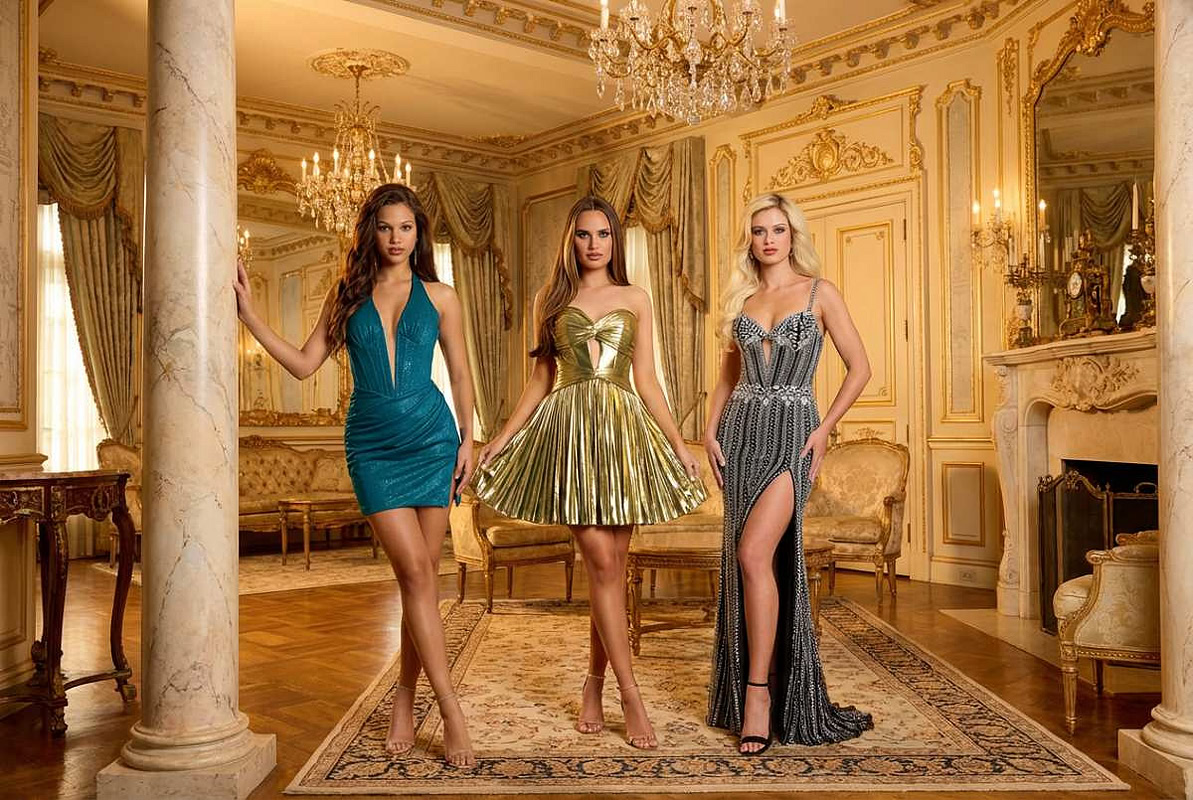
Choosing a prom dress for short girls starts with hemline, since it changes everything else. A short hem shows the full leg and creates the longest vertical line available, which is why it is the easiest route to a taller look. Pair it with a heel and the effect compounds.
A full-length gown is equally possible, and the idea that prom dresses for petite ladies must be short is simply wrong. What matters is that the gown is clean rather than layered. A sleek sheath, a gentle flare or a narrow A line all work, and a floor length gown only fails when it carries several tiers or a heavy underskirt.
High low and tea length sit between the two and are underrated. They give the formality of a gown at the back while showing the leg at the front, which is the exact trade a shorter frame benefits from.
Midi is the one length to test carefully. A hem that stops at the widest part of the calf cuts the leg at its least flattering point, which shortens the whole line. If you love a midi, look for one that ends just below the knee or right at the ankle rather than mid calf. Checking where a hem actually lands on you matters more than what the length is called.
Silhouettes that suit a shorter frame
Among petite size prom dresses, an A line skirt is the most reliable choice available. It defines the waist, skims the hip and falls in a gentle flare, which creates a vertical line without adding volume. It also suits the widest range of proportions, so it is the right default if you are undecided.
A column silhouette gives the sleekest line of any shape, since there is nothing interrupting the eye from shoulder to hem. The caution is fit rather than shape: too tight and it clings, too loose and it hangs straight and reads shapeless. This is the silhouette where alterations matter most.
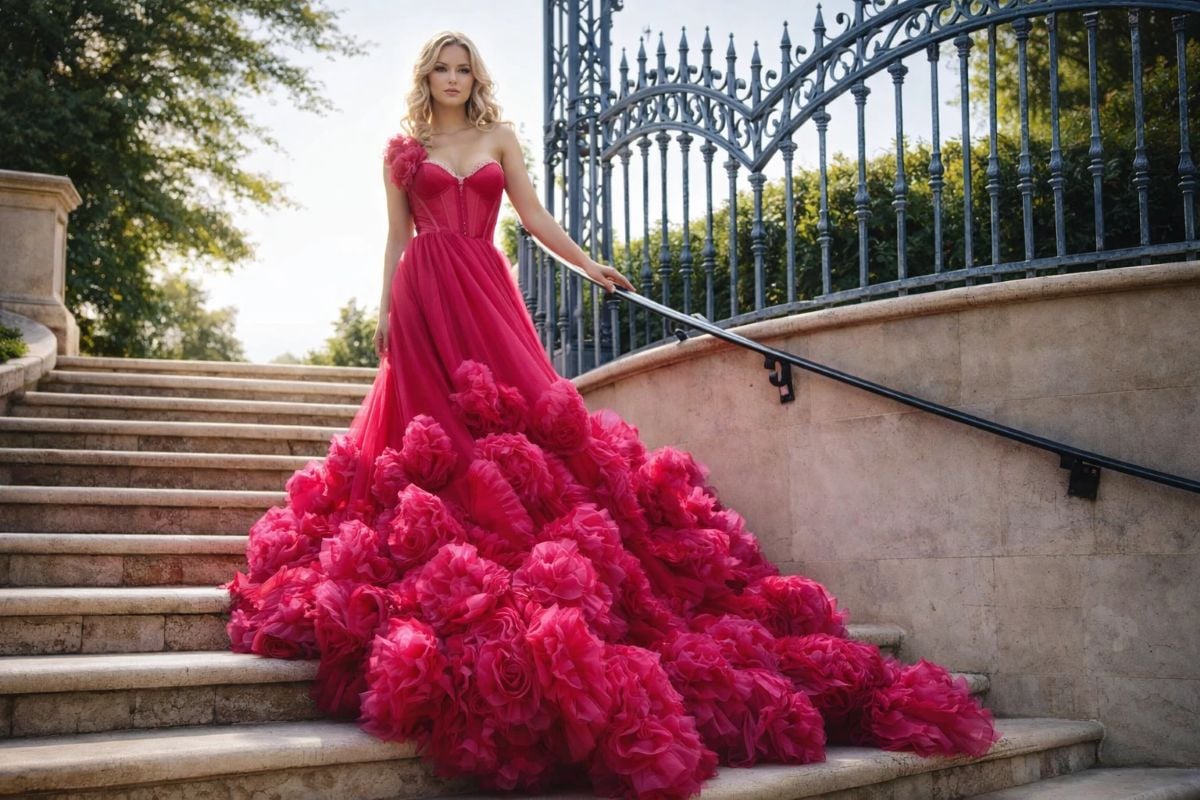
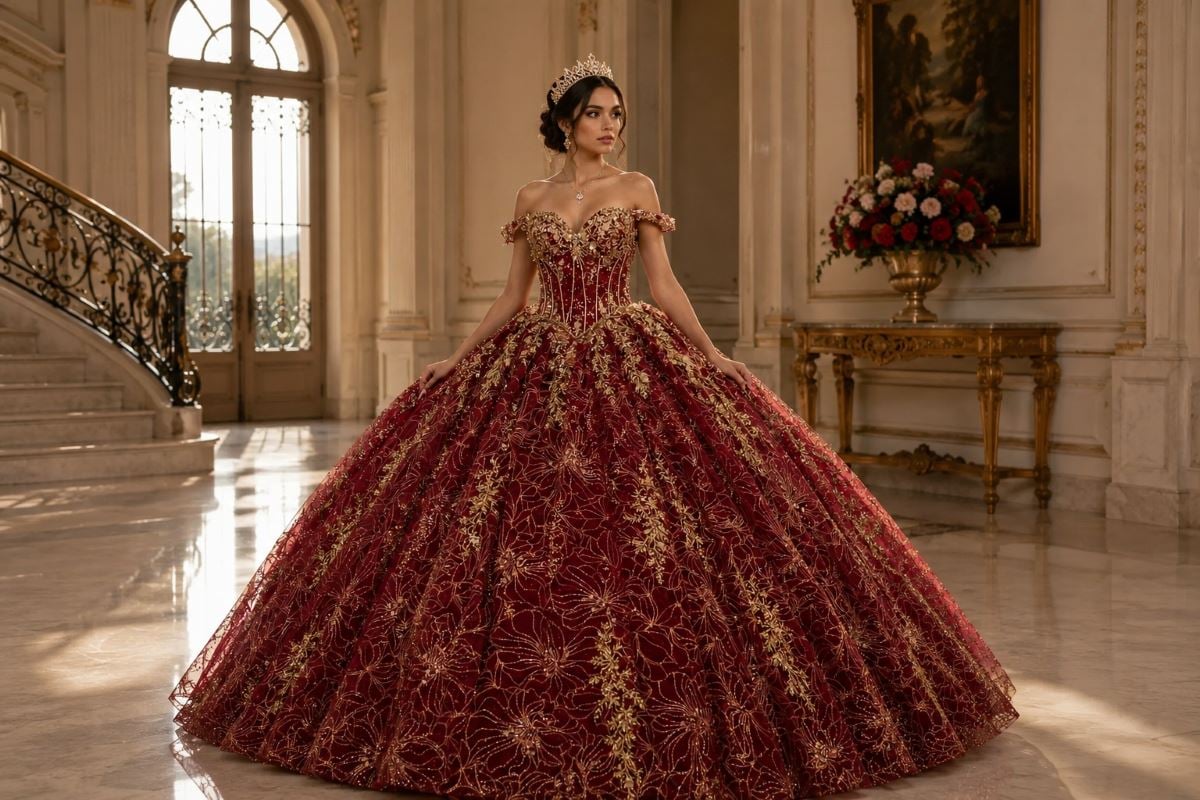
Ball gowns work, with conditions. Look for a fitted bodice, a skirt that begins at the natural waist rather than below it, and structure instead of volume. What overwhelms a shorter frame is layers, not fullness itself, so a gown with two well-cut layers behaves far better than one with five.
The shape to approach carefully is a dropped waist, and the reason is arithmetic rather than fashion. A waist seam sitting two inches below your natural waist takes two inches out of your leg line and adds them to your torso, and on a shorter frame that shows immediately.
Necklines that draw the eye upward
On a prom dress for a short girl, the neckline decides where someone looks first, and upward is the direction you want. A V neckline creates a long diagonal that lengthens the upper body, and it is the most effective single neckline for this. It also works across a wide range of proportions rather than suiting only one.
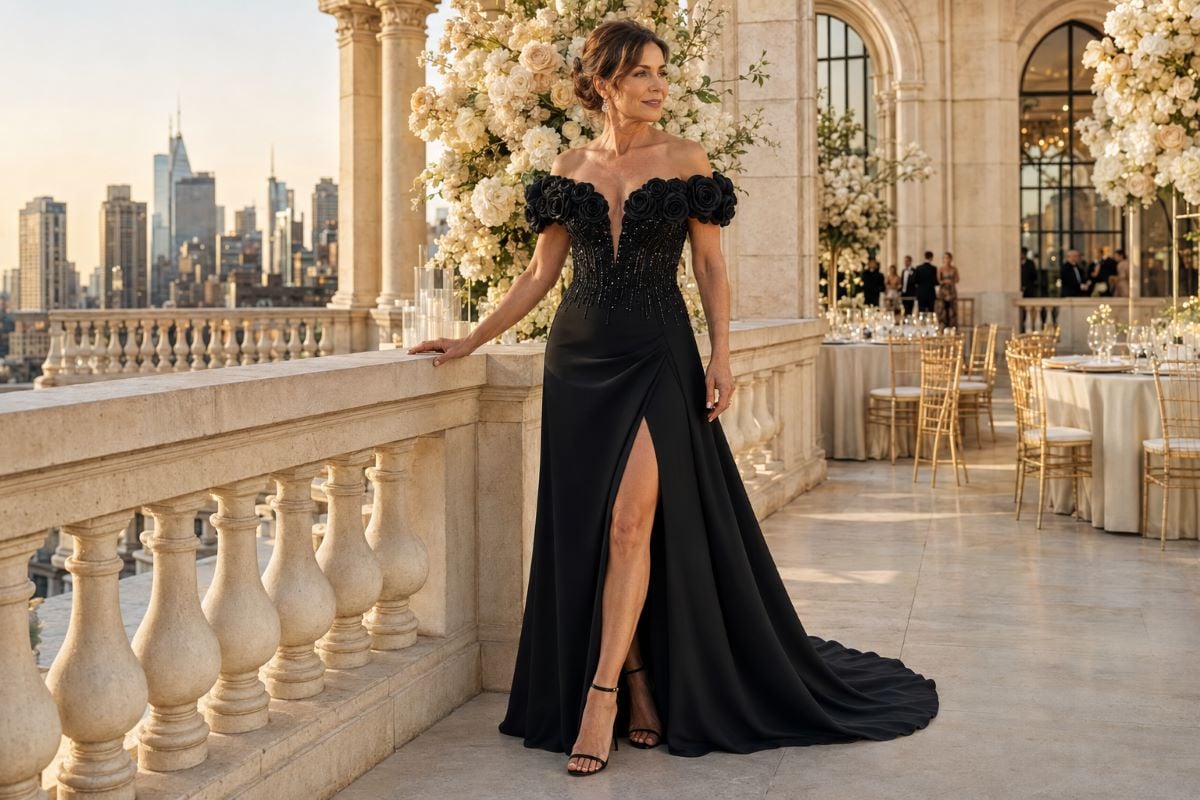
Sweetheart, off shoulder and one shoulder cuts all work through a similar mechanism, exposing the collarbone and shoulder line so the eye travels up rather than across. One shoulder adds a diagonal, which is the same trick as a V neck applied sideways.
High necklines and halters are not off limits but they need care. Both bring fabric right up under the chin, which shortens the visible neck. If you want one, choose a version with an open back or narrow straps so something is still opening up the line.
Fabric, and why weight matters more than type
Fabric decides how much space a dress appears to occupy. Chiffon and other lightweight fabrics move with you and add almost no visual bulk, which makes them a safe choice for a fuller skirt on a shorter frame.
Smooth satin and stretch jersey both create an uninterrupted surface, and an uninterrupted surface reads as longer. Matte crepe does the same and creases less over a long evening.
Heavy fabrics are the ones to think about. Stiff mikado, thick brocade and deep velvet all hold their own shape rather than following yours, which means they add width. They are not impossible, but they work far better in a narrow silhouette than a full one.
Sparkle follows the same logic. All-over crystal work in a large pattern can visually widen, while a fine, closely-worked sequin or a beaded bodice with a plain skirt keeps the line clean while still catching light.
Color, prints and vertical detail
For prom dresses for short people, a single color from shoulder to hem is the strongest lengthening choice available, and it beats every other trick on this page. Two-tone dresses and contrast belts do the opposite, because each horizontal break divides the body into shorter sections.
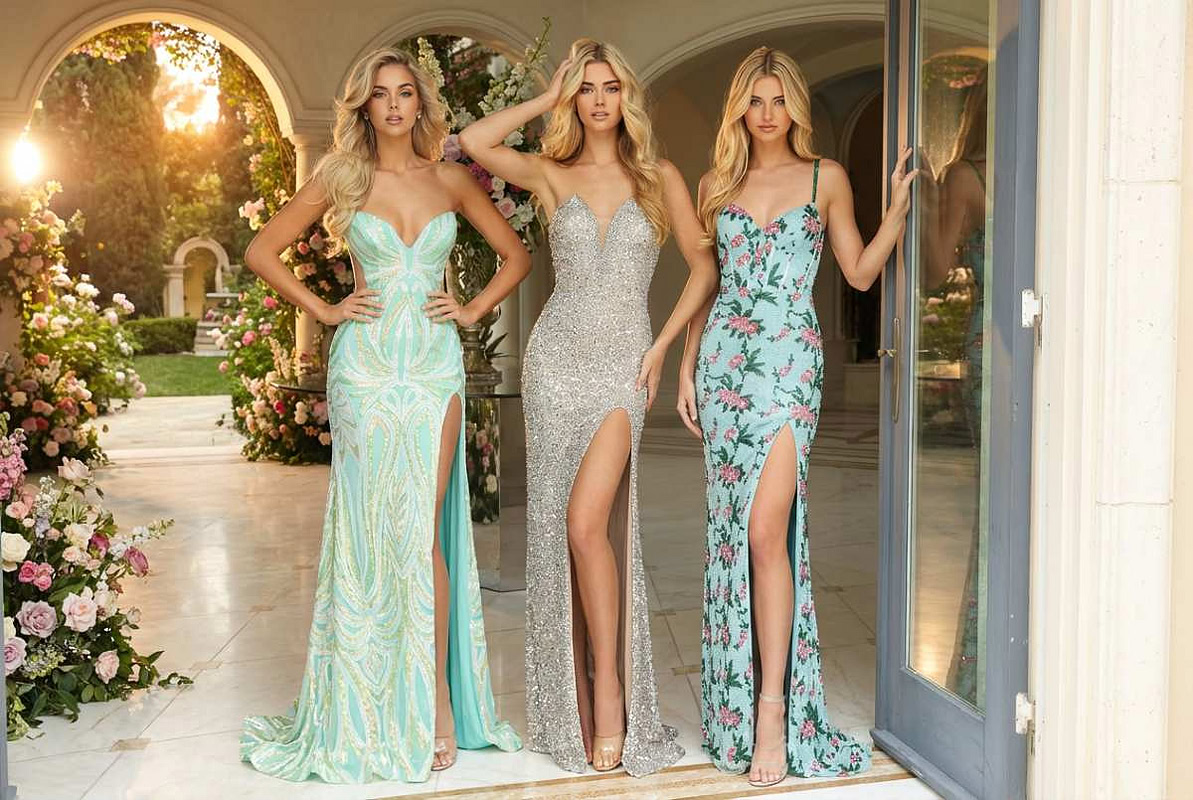
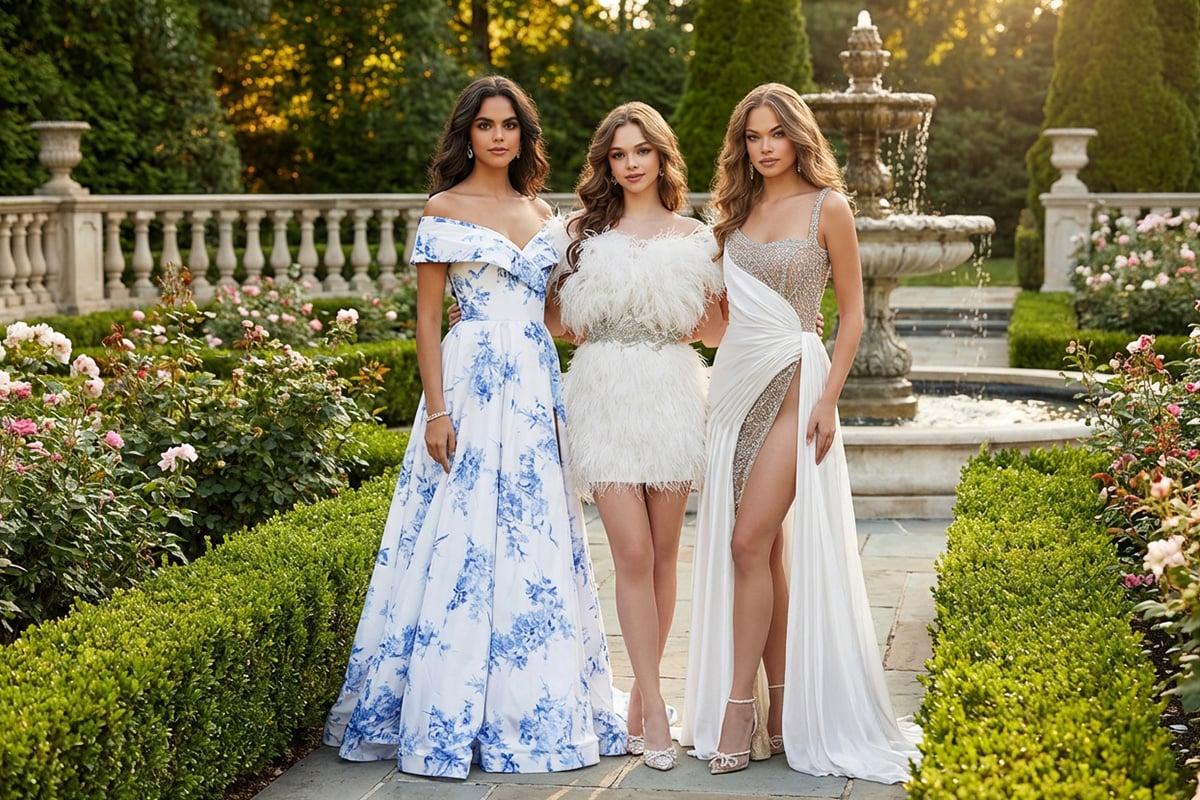
Prints work provided the scale is right. A small, dense print keeps the eye moving without fragmenting the line, while a large placed print on a shorter frame tends to dominate rather than decorate. Vertical elements help for the same reason: a centre seam, a front slit, a line of beading down the skirt or a narrow panel all pull the eye up and down instead of side to side.
Dark shades are often recommended here and they do work, but not because dark is inherently better. It is that a dark gown is usually a single uninterrupted tone. A bright emerald or a strong red in one continuous color does exactly the same job.
Short or long, and how to choose between them
| Choose short if | Choose long if |
|---|---|
| You want the longest possible leg line | Your school leans formal or has a length rule |
| You plan to dance most of the night | You want the full gown feeling in photographs |
| You want your shoes to be part of the outfit | You prefer coverage and a more grown up look |
| The venue is warm or the event runs long | You are happy to have the hem altered properly |
If you are genuinely torn, high low and tea length give you most of both, and they are the reason those shapes deserve more attention than they get.
Alterations are the real secret
This is the part almost every guide skips, and it matters more on a shorter frame than any styling choice. Almost every gown will need the hem taken up, and that is expected rather than a sign the dress was wrong.
Bring the exact shoes to the fitting, since a hem set for a three inch heel will drag with a two inch one. Two other alterations are worth asking about. Shortening the bodice, when the gown allows it, moves the waist seam up to your natural waist and is the single most effective change available. Adjusting strap length keeps the neckline sitting where it was designed to rather than sliding low.
Budget for this work from the start. A well-priced gown that fits properly always looks better than an expensive one that does not, and there are plenty of options among prom dresses under five hundred that leave room in the budget for alterations.
Shoes and styling that add height honestly
A heel in a shade close to your own skin tone gives the longest leg line of any shoe, because there is no visual break between leg and shoe. A platform or block heel gives real height with far more stability than a stiletto, which matters across a full evening.
Where a shoe works against you is an ankle strap, since a horizontal line right at the ankle cuts the leg at its narrowest point. If you want the security of a strap, choose a thin one in a matching shade so it disappears.
For styling, keep accessories in proportion. A long pendant or drop earrings continue the vertical line, while an oversized clutch or a wide belt interrupts it. Hair worn up adds visible height at almost no cost.
Petite Prom Dress Questions
What is the best prom dress length for a short girl or petite frame?
Short hems give the longest leg line and are the easiest route to a taller look, which is why prom dresses for short ladies often start there. Full-length gowns work equally well provided they are sleek rather than layered. The length to test carefully is a midi that stops mid calf, since a hem at the widest part of the calf shortens the whole line rather than lengthening it.
Can petite girls wear ball gowns?
Yes, with conditions. Look for a fitted bodice, a skirt starting at the natural waist rather than below it, and structure instead of layers. What overwhelms a shorter frame is the number of layers rather than fullness itself, so a gown with two well-cut layers works far better than one with five.
Which neckline works best on a prom dress for petite girls?
A V neckline is the most effective, because it creates a long diagonal that lengthens the upper body. Sweetheart, off shoulder and one shoulder cuts work through the same mechanism by exposing the collarbone. High necklines and halters need more care, since fabric right under the chin shortens the visible neck.
What should you avoid in a prom dress petite frames wear?
Dropped waistlines are the main one, since a waist seam sitting below your natural waist takes length directly out of the leg line. Heavy stiff fabrics, several horizontal breaks such as contrast belts or two-tone panels, and large placed prints all work against the same goal.
How much alteration should a petite gown need?
Expect the hem to be taken up on almost any gown, which is normal rather than a problem. Two other alterations are worth asking about: shortening the bodice to bring the waist seam up to your natural waist, and adjusting strap length. Bring the exact shoes you plan to wear to every fitting.
Do heels really make a difference?
They help, but a shade close to your skin tone matters more than the height, because it removes the visual break between leg and shoe. A platform or block heel gives real height with better stability across a long evening. Avoid a thick ankle strap, since a horizontal line at the ankle cuts the leg line.
Trying styles on before deciding
Two prom dresses petite shoppers see described identically online can sit completely differently in person, because torso length, where a waist seam falls and how a skirt is weighted are things you can only judge standing up.
Petite prom dresses reward direct comparison, so try one short, one column and one A line in the same visit, since comparing three shapes side by side answers the question far faster than looking at any of them alone. Book that fitting with an authorized Jovani retailer and take the shoes you plan to wear.