
Corset prom dresses have moved from a niche vintage reference to a major formalwear look built around visible structure, defined waistlines, and adjustable or fitted bodices. The strongest versions do more than copy historical corsetry. They use modern dress construction to create shape while still allowing you to sit, walk, and dance comfortably when the fit is right.
This guide explains where the comeback came from, how to judge the construction of a corset bodice, which current variations are worth considering, and how to test the fit before prom night.
Are corset prom dresses still in style?
Yes. Corset prom dresses remain a current prom choice, especially in gowns with visible boning, lace-up backs, Basque waistlines, sheer panels, and structured satin or embellished bodices.
The trend has lasted because corset details can change the character of a gown without locking you into one silhouette. A structured bodice can sit above a fitted skirt, an A-line skirt, or a full ball gown. That gives shoppers more room to choose based on fit, movement, and personal style rather than following one fixed look.
Where the corset comeback actually started
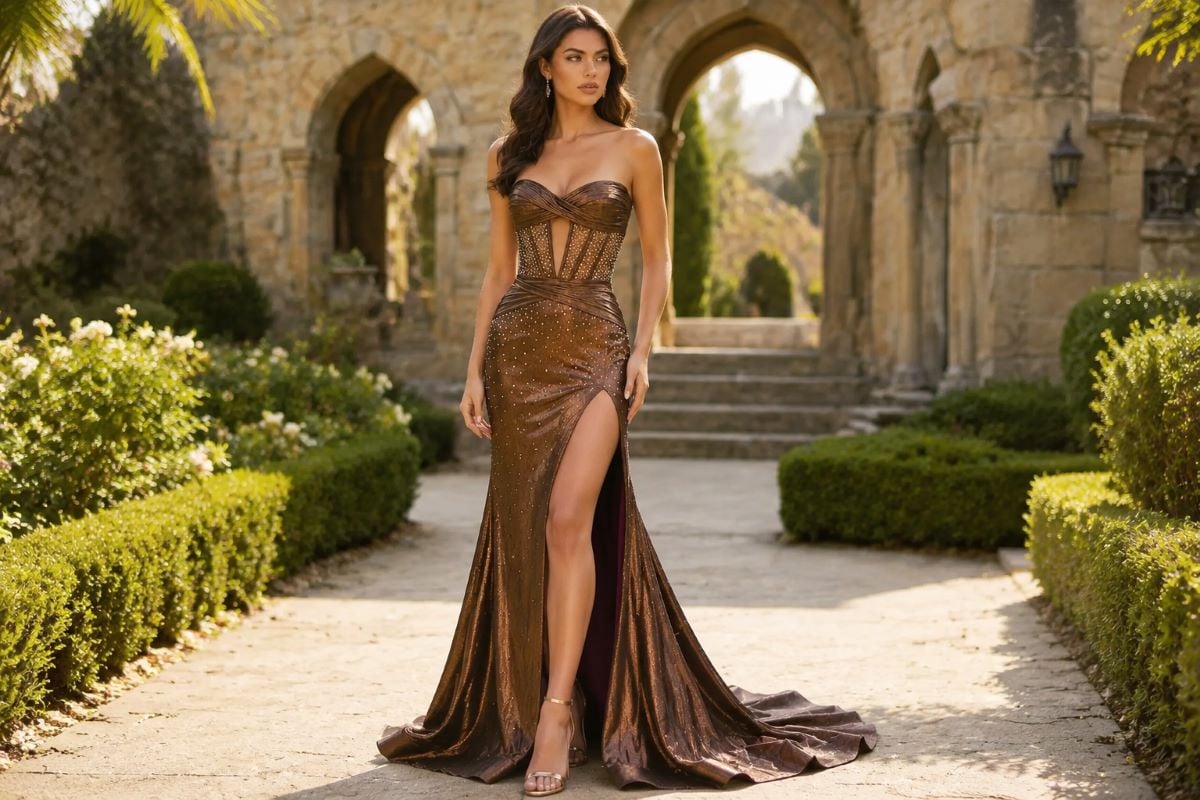
The corset never fully disappeared from fashion, but its return to mainstream formalwear followed several visible shifts. Period-inspired styling brought square necklines, fitted bodices, and lacing back into popular fashion. At the same time, the revival of early two-thousands styling made lace-up details feel familiar rather than historical.
Period-inspired structure became softer and easier to wear
Modern formalwear borrows the visual language of corsetry without trying to reproduce historical compression. You may see defined seams, visible channels, a shaped waist, or a square neckline paired with soft sleeves. That same mix explains why statement sleeves with corset bodices continue to work together in formal gowns.
Lace-up backs made the look feel current again
Lace-up detailing also returned through early two-thousands fashion. On a prom gown, visible lacing adds both design interest and potential adjustability. A shopper who wants a romantic full skirt and someone who prefers a sharper fitted silhouette can both find options within corset prom dresses.
What vintage-inspired boning means in a modern prom dress
The phrase vintage corset can be misleading. What usually returns is the visual structure, not the level of compression associated with historical corsetry. A modern prom bodice may use internal support, shaped seams, lining, or visible channels to hold its form. The exact materials and construction vary by dress, so they should be checked on the specific gown rather than assumed from the word corset alone.
A well-fitted structured bodice should feel secure without making normal breathing or movement difficult. It should stay in place when you sit or raise your arms, and the front should remain smooth rather than collapsing or folding at the waist.
How to judge a corset bodice before you buy
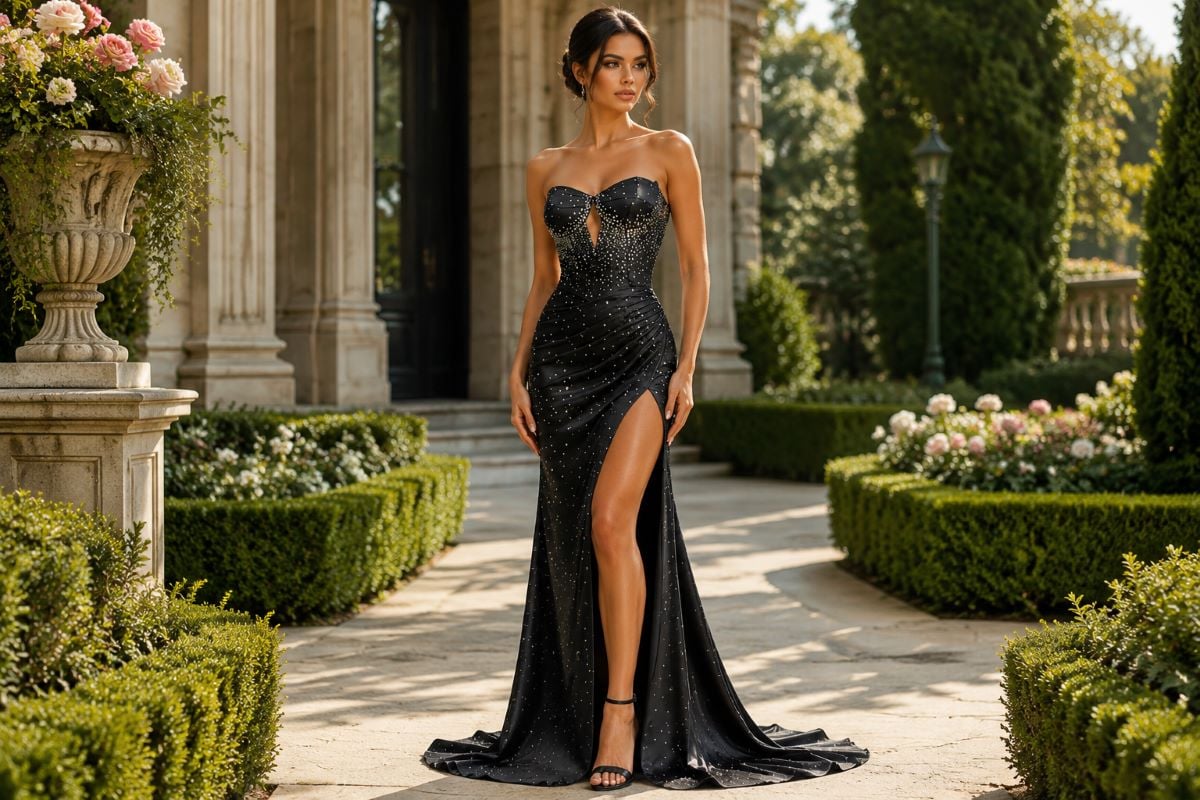
The most useful quality check is not whether a label says corset. Look at how the bodice behaves on your body. The channels should lie flat, the lining should feel smooth against the skin, and the top edge should stay in place without constant pulling or adjustment.
Check the internal structure instead of assuming the boning material
Boning can be made from different materials, and the product description may not always state which one is used. Rather than assuming that every dress uses the same construction, check the specific gown or ask the retailer. What matters during a fitting is that the bodice keeps its shape while allowing comfortable movement.
Check lining, cups, and support dress by dress
Some structured gowns include internal cups or additional support, while others are designed to work with separate undergarments. Do not assume that every corset prom dress is built the same way. Try the gown with the undergarments you expect to wear, then check whether the neckline stays secure and the inner structure feels smooth.
Compare a lace-up back with a hidden zipper
A lace-up back can give you more room to fine-tune the fit across the bust and waist. It also makes the lacing part of the design. A hidden zipper creates a cleaner back line and is faster to close, but it usually gives you less room to adjust the fit once the dress is on.
Which corset details are shaping current prom looks?
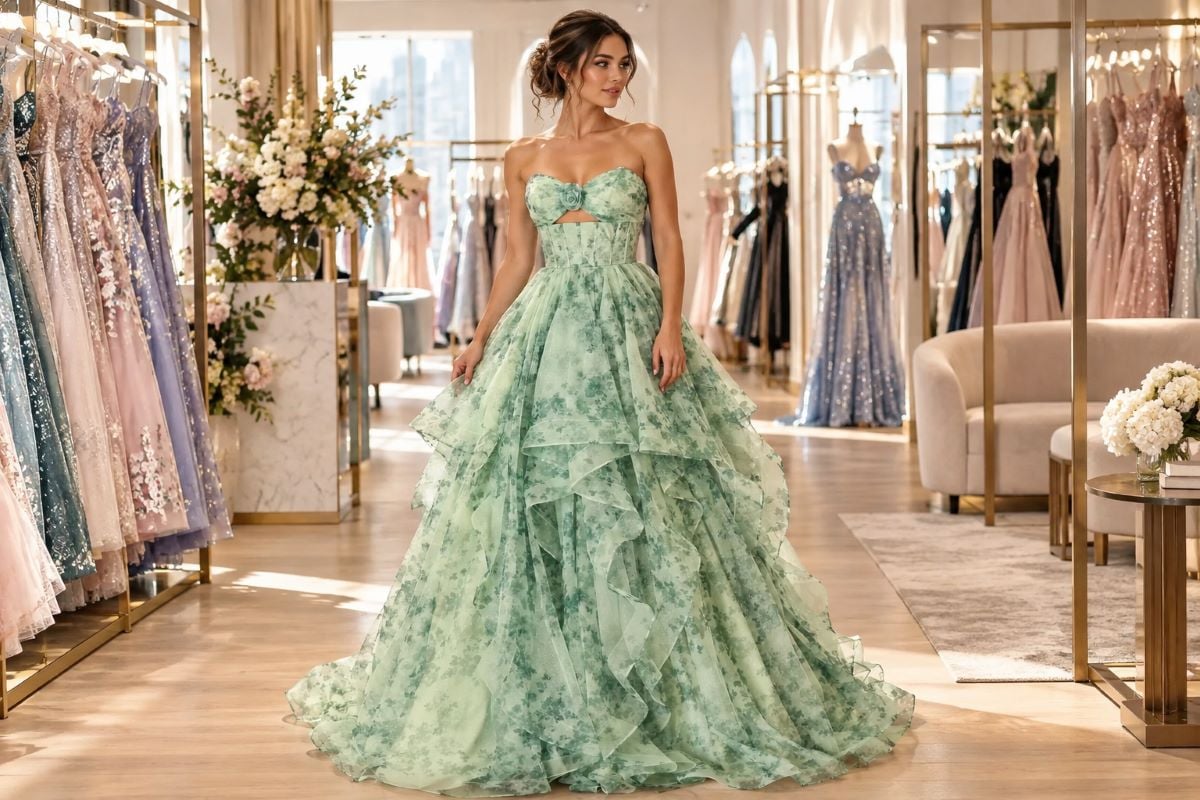
Visible structure is one of the clearest directions. Sheer panels, contour seams, or exposed channels make the bodice construction part of the design instead of hiding it. Basque waistlines are another strong option, with the center front dipping below the natural waist to create a longer visual line through the torso.
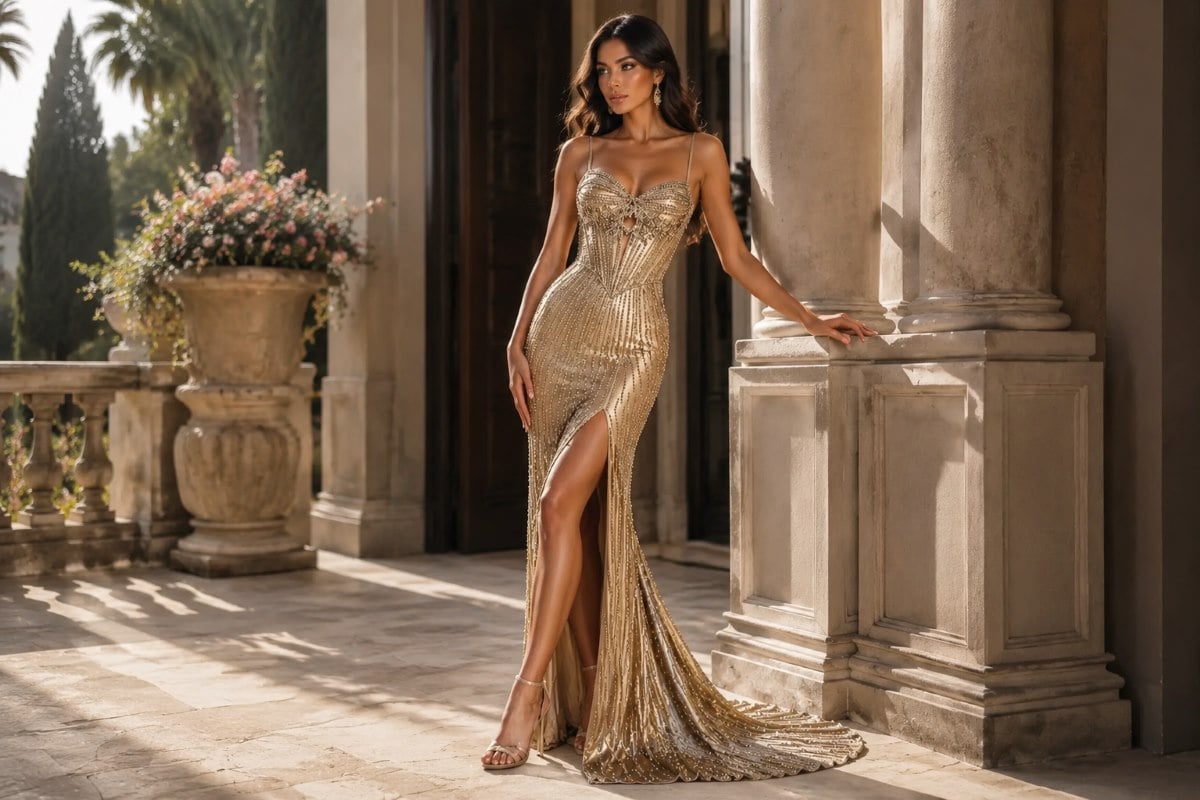
Fabric changes the effect just as much as the waistline. Smooth satin prom dresses make the structure easy to see because the surface is clean and reflective. Beading and sequins create a more detailed version of the same idea, while sheer or lace panels give the bodice a lighter appearance.
Which corset silhouette fits your priorities?
Start with the skirt rather than trying to match a gown to a body label. A fitted skirt keeps the entire look close to the body and creates a strong continuous line. A mermaid prom dress adds more flare below the hips while keeping the upper part of the gown defined.
If you want more room through the skirt, an A-line prom dress gives the structured bodice a softer transition below the waist.
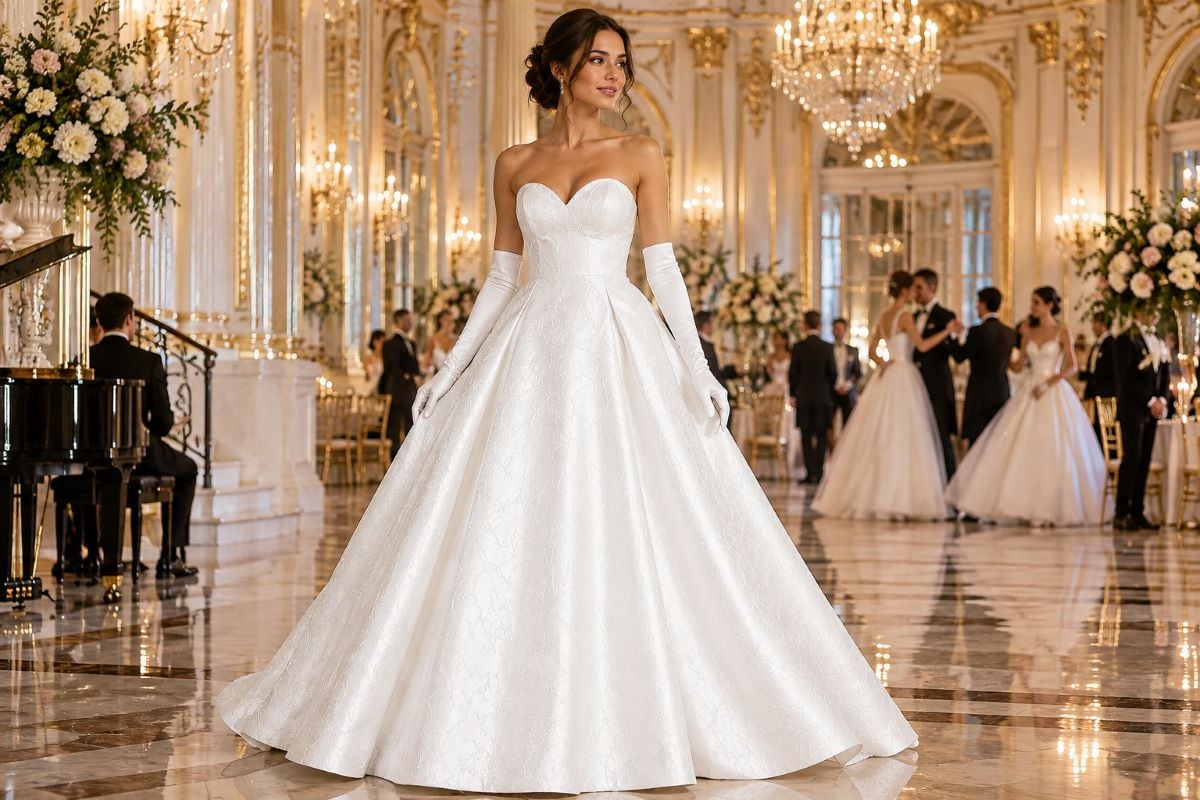
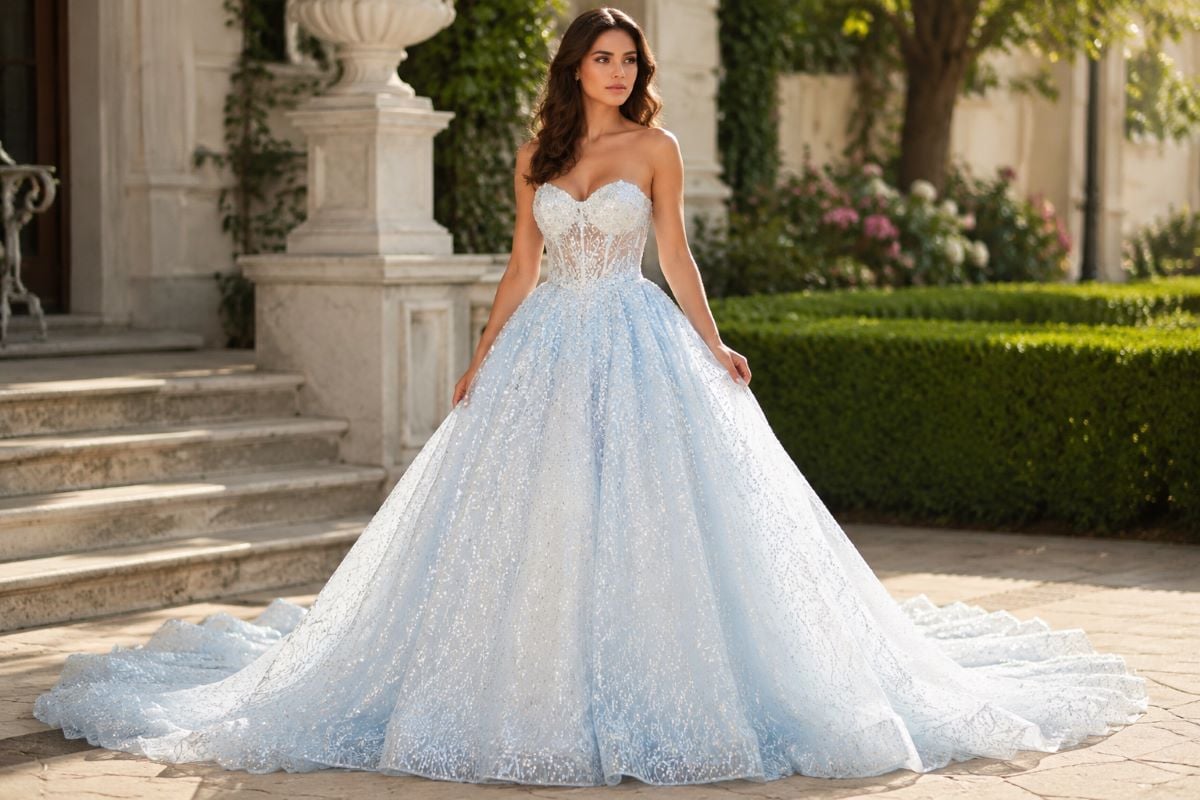
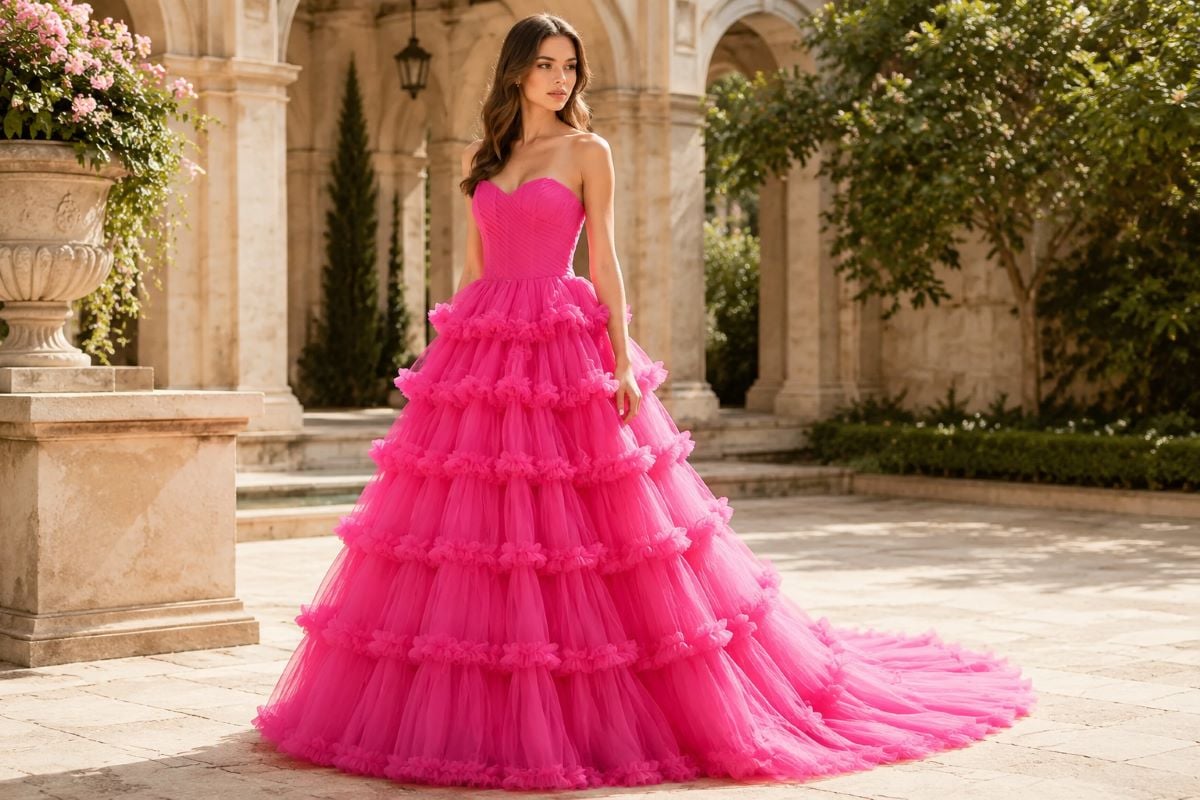
A full ball gown prom dress creates the strongest contrast between a fitted top and a voluminous skirt. Torso length matters too. A long pointed Basque waist can look and feel different on a shorter torso than a straight waist seam.
The best test is visual and physical: check where the waistline lands, then sit and move before deciding whether the proportion works for you.
The practical downsides of a corset prom dress
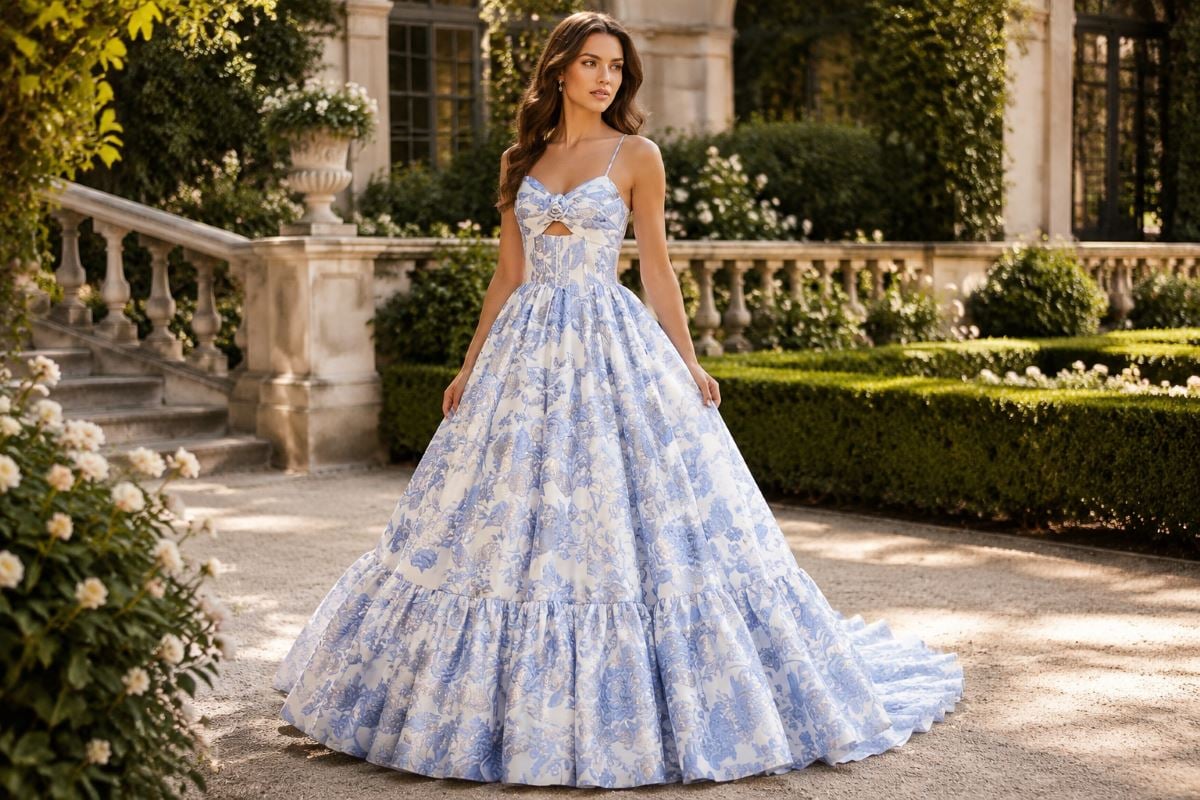
A structured bodice is less flexible than a soft stretch bodice. If the fit is too tight, you may notice pressure when sitting or bending. Sizing down to create a tighter waist is not a good substitute for proper fit. The gown should feel secure at your normal size, with any alterations focused on precision rather than extra compression.
Measurements matter because the bust and waist may not align with the same size on every gown. A lace-up back can offer useful adjustment, but it does not replace a correct starting size. If alterations may be needed, leave enough time before the event for a qualified local alterations professional.
During a fitting, sit in a chair, walk, raise both arms, and take a full breath. If the bodice shifts, digs in, or limits normal breathing, the fit needs attention. A prom dress has to work while you move, not only while you stand still for a photo.
How to style a corset prom dress without competing with the bodice
The bodice already creates a strong focal point, so accessories can stay simple. A sweetheart prom dress can work with a short pendant or with no necklace at all, depending on the trim and embellishment around the neckline.
For a gown with detailed lacing or visible structure across the back, an updo or side-swept hairstyle keeps those details visible. With heavily beaded bodices, simpler earrings and shoes usually make the full look easier to read. With plain satin or minimal embellishment, you have more room to add a stronger accessory.
How to choose the right corset prom dress
Choose the dress by testing structure, movement, and proportion together. Decide first how fitted you want the skirt to be, then compare the waistline and closure. If adjustability matters, a lace-up back may be useful. If you prefer a cleaner back line, a zipper closure may suit you better.
Next, test the bodice in motion. Check the neckline when you raise your arms, make sure the waist does not fold when you sit, and confirm that you can breathe normally. A corset prom dress is a good choice when you like the defined shape and the structure still feels comfortable after several minutes of real movement.
What shoppers ask about corset prom dresses
Are corset prom dresses still in style?
Yes. Structured bodices, visible boning details, lace-up backs, and Basque waistlines continue to appear across current prom collections, so the look remains relevant beyond a single season.
Are corset prom dresses comfortable enough to dance in?
They can be, if the gown fits correctly. Test sitting, walking, arm movement, and a full breath during the fitting. If the bodice restricts normal breathing or digs in, the fit or size needs adjustment.
What is the difference between a corset bodice and a regular fitted bodice?
A corset-style bodice uses more internal structure or visible shaping details to hold a defined form. A regular fitted bodice may rely more on seams, fabric tension, or stretch. Construction varies by dress, so check the individual gown.
Should I choose a lace-up back or a hidden zipper?
Choose lace-up if adjustability is a priority. Choose a hidden zipper if you prefer a cleaner back line and the gown already fits closely through the bust and waist.
Do I need to wear a bra with a corset prom dress?
Not always. Some gowns include enough internal support for you to skip a separate bra, while others work better with one. Try the exact dress with your intended undergarments before deciding.
How should a corset prom dress fit when I try it on?
It should feel secure without restricting normal breathing. The neckline should stay in place, the waist should not buckle when you sit, and the bodice should remain stable when you raise your arms and walk.
Visit an authorized Jovani retailer to compare corset styles and fit in person.