
Best Prom Dresses for Athletic Body Type
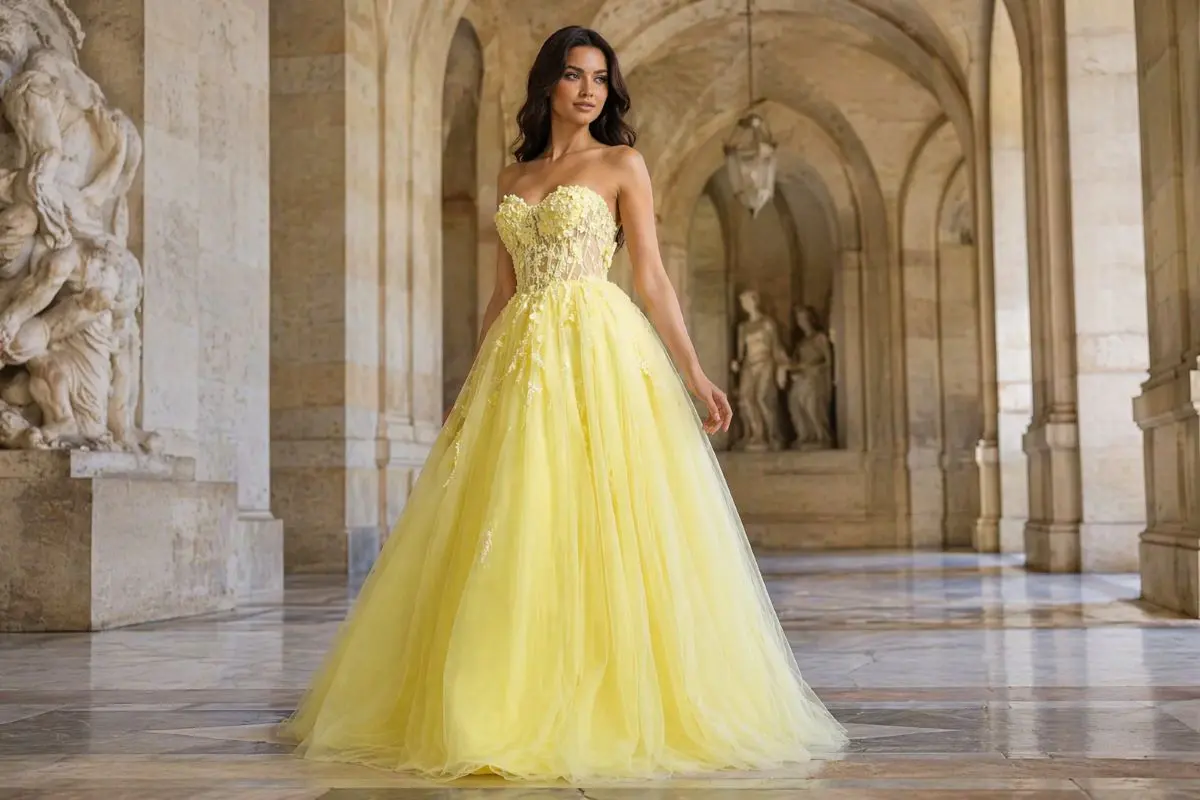
A straight, toned frame with defined shoulders is one of the easiest to dress for formal wear, because almost every silhouette sits well on it and the decision comes down to which line you want rather than which ones are possible. Shopping for the best prom dresses for athletic body type involves looking for specific design elements that add soft dimension, define the waistline, and balance your proportions.
An athletic figure is characterized by a fairly uniform measurement across the bust, waist, and hips. Often referred to as a rectangular shape, this body type usually features a strong upper body and defined arms. The useful question is which shapes add definition at the waist and which ones simply follow the line, since both work and they produce very different results. Our prom dresses collection lets you filter by silhouette, so you can compare shapes that define the waist with straight ones in one place.
Understanding the Athletic Build in Formalwear
What prom dress suits an athletic build? Almost any silhouette, since a straight frame with defined shoulders carries most shapes well. The decision is whether you want definition at the waist or a line that follows the frame. For definition, a fit and flare, an A line or a ball gown all place a seam at the natural waist and let the skirt do the rest. For a straight line, a column or a closely fitted gown reads sharp and modern. Necklines matter more than most guides suggest, because a V or an asymmetric cut adds a diagonal where the frame is otherwise straight, and that is often the most effective single change.
The one thing worth understanding first is how fabric behaves on a straight frame. Because the bust, waist and hip measurements sit close together, a gown that hangs straight from the shoulder, such as a simple slip, has nothing to catch on and reads as a single column. That is not a problem to solve, it is a look, and a deliberate one. The choice is whether you want that or whether you want the garment to place a waist.
Placing a waist comes down to three tools: a seam at the natural waistline, enough volume below it, and a neckline that introduces a diagonal. None of them change the body. They change where the eye lands.
Silhouettes that define the waist
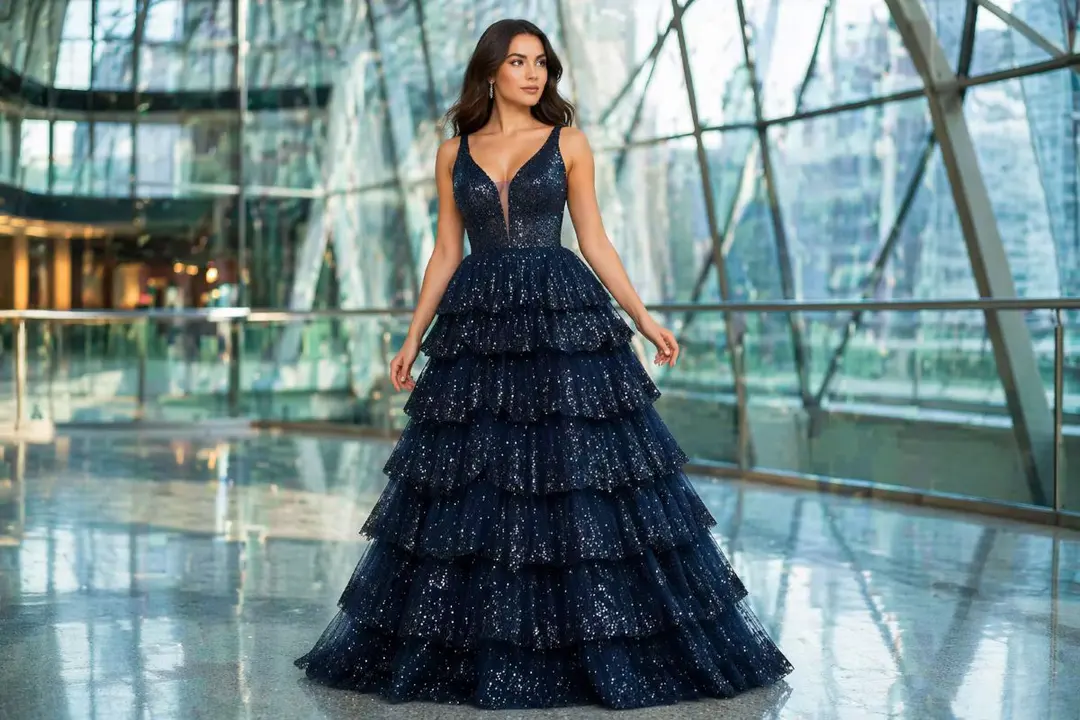
If you want definition at the waist, the silhouettes that do it place a seam at the natural waistline and then release below it, so the contrast between the two does the work.
The A line silhouette for prom is the simplest version. It fits through the bodice and flares gently from the waist to the floor, and the widening skirt is what reads as a defined waist above it. It moves easily, which matters across a long evening.
A full prom ball gown does the same thing with more drama. A fitted bodice against a very full skirt creates the strongest waist definition of any silhouette, and the volume below balances a broad shoulder line without touching it.
Fit and flare prom styles sit between the two. It follows the body slightly past the waist and releases at the thigh or knee, which gives a longer line through the hip than an A line and far less weight than a ball gown.
Necklines and the shoulder line

Defined shoulders are often the widest point of an athletic frame, and the neckline decides whether they read as the feature or as one part of a longer line. Both are legitimate choices.
A straight strapless cut or a wide boat neck draws the eye across the shoulders and makes them the statement. If that is the look you want, those necklines deliver it.
If you would rather the eye travel down the body, the necklines that do it introduce a diagonal or a vertical. A one shoulder cut from the asymmetric prom collection draws a diagonal across the torso, which breaks the horizontal line of the shoulders and reads as the most deliberate of the options.
A V neckline on a prom gown does similar work with a vertical instead. The line pulls the eye to the center and down, which lengthens the neck and narrows the visual span across the chest. On a straight frame this is often the single most effective change, because it adds the one direction the silhouette does not already have.
Fabric decides more than the silhouette name
Fabric decides whether a skirt holds a shape or follows the body, and on a straight frame that decision does more than the silhouette name does.
Structured fabrics such as mikado, taffeta and heavyweight satin hold their own shape. A skirt in any of them stands away from the hip and stays there, which is what makes an A line or a ball gown read as defined rather than merely full.
Layered tulle and organza do the same job through volume rather than stiffness, and they move more, which suits a night with dancing in it.
Thin jersey and lightweight satin do the opposite. They follow the line of the body, which is the right choice if a column is the look you want and the wrong one if you were hoping for a defined waist. Neither is a mistake, they simply produce different results.
Details that place the waist
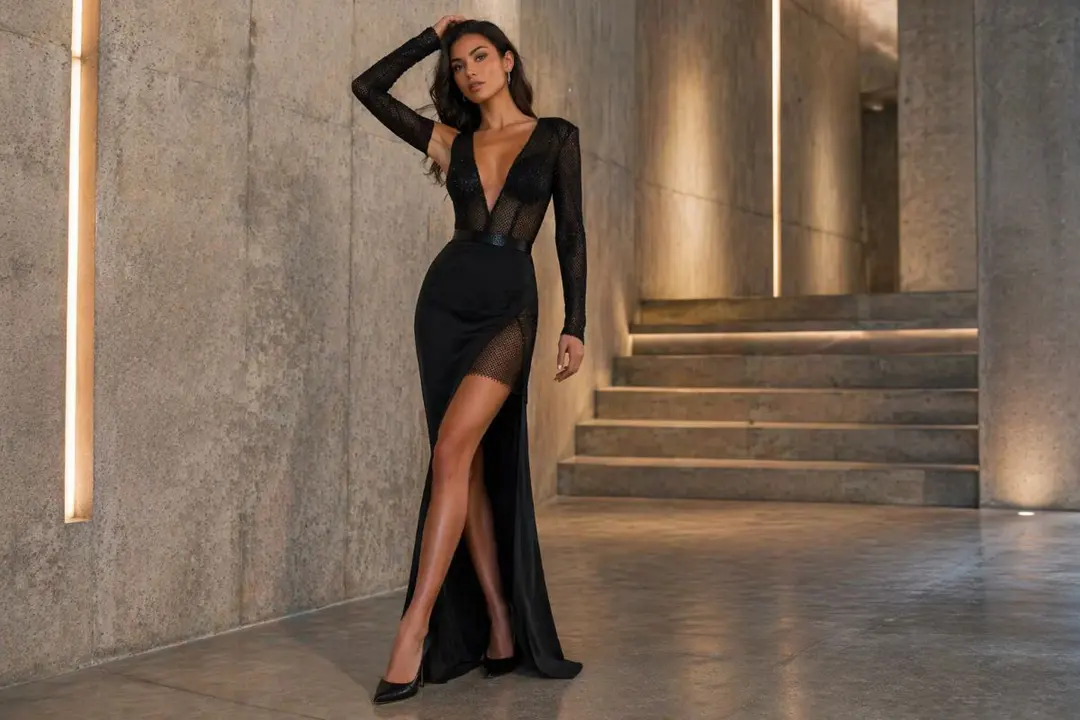
Construction and detail are where a gown places a waist without relying on the fit being tight, and a few techniques do most of it.
A corset bodice is the most direct. The boning in a corseted prom gown holds a defined waistline through the structure of the garment, so the definition is built in rather than dependent on how closely the fabric is pulled.
Cut-outs work through negative space. A small opening at each side of the torso in prom dresses with cut-outs reads as an indent at the waist, and it is the most modern version of the same idea.
Texture works through light. Sequins, ruching and beading placed at the hip or the bust catch light differently from the fabric around them, which adds dimension exactly where it is placed. It is the technique that changes the least about the silhouette and the most about where the eye goes.
What to check in the construction
Waist definition on a straight frame comes from the garment rather than from the body, so the construction is where the difference sits and all of it is checkable in a fitting room.
Press the bodice along the front seams for boning. That is what lets a fitted waist hold its line rather than relying on being tight. Then look at where the waist seam lands, since a seam an inch above or below the natural waist changes the whole proportion on a frame with less natural curve to guide the eye.
And check the skirt fabric has enough weight to stand away from the hip. Tulle, mikado and structured satin all do that, while thin satin and jersey follow the line rather than adding to it.
Athletic Build Prom Dress Questions
Which prom dress defines the waist most?
Contrast does it. A fitted bodice or a defined waistband above a skirt that releases below places the waist through the garment. A ball gown creates the strongest contrast, an A line the most wearable version, and a corset bodice builds the definition into the structure itself.
Should an athletic body type wear a mermaid dress?
Yes, and it reads as sleek and deliberate on a straight frame. Look for ruching, ruffles or embellishment placed at the hip, since texture there adds dimension where the silhouette is otherwise continuous, and check the flare at the hem is full enough to balance the shoulder line.
Which fabrics work best on a rectangular shape?
Structured fabrics such as mikado, taffeta and heavyweight satin, because they hold a shape independent of the body. Layered tulle does the same through volume. Thin jersey follows the line instead, which is a different look rather than a wrong one, so choose by which result you want.
Are high-neck dresses suitable for broad shoulders?
Yes, and they make the shoulders the feature, which reads as sharp and modern on a defined upper body. If you would rather the eye travel downward instead, a V neck or a one shoulder cut introduces a vertical or a diagonal that a high neck does not. Both are good choices for different results.