
Finding the right prom look is exciting, but it can feel confusing when you have a mixed skin tone and every color looks “almost right” but not quite perfect. That is exactly where a good color guide helps. Prom Dresses for Mixed Skin Tones are not about following strict rules. They are about understanding how color, fabric, and silhouette work with your undertones so you glow in real life and in every photo.
At Jovani, we create prom collections with every kind of complexion in mind. Retailers who carry our designs see how the right shade can transform a dress from “nice” to unforgettable. Many girls start by exploring silhouettes they love, like flowing A Line or curve defining Mermaid Prom Dresses, then move into color choices that flatter their skin. When your dress shape and shade work together, it feels effortless instead of forced.
Girls with mixed skin often sit between traditional categories. Their complexion might lean tan with cool elements, or medium with warmer golden tones. Because of that, best prom dress colors for mixed skin are usually rich, balanced shades that stand out clearly against the skin. This is why so many teens browse Long Prom Gowns in emerald, plum, or deep blue, while others fall in love with playful Short Prom Dresses in bright or pastel shades that still offer contrast.
Understanding Undertones and Color Matching
If you are trying to figure out what color prom dress suits my skin tone, think beyond “light” or “dark.” Mixed skin usually has interesting shifts in warmth and depth, which is why an undertone guide can be helpful as a starting point. But instead of stopping there, look at color matching for skin tone in a more personal way.
Stand in natural light and hold different shades near your face. If a color makes you look tired, it is probably too close to your undertone. If it makes your eyes and cheeks look brighter, you are closer to your match. Mixed complexions usually respond well to warm and cool undertones at the same time, as long as there is enough contrast.
Many girls with tan or medium complexions look great in evening colors for tan and mixed complexions such as emerald green, sapphire blue, and berry shades. Others find their sweet spot in softer tones. That is why Prom shades for medium skin can range from delicate pinks and beiges to bold jewel tones. There is more than one right answer for you.
Best Color Families for Mixed Skin Tones
When you search for a Prom dress color guide, you will see a lot of charts and general rules. Those can help, but your prom look should still feel like you. Here are key color families that tend to flatter mixed skin when you keep an eye on contrast-friendly colors.
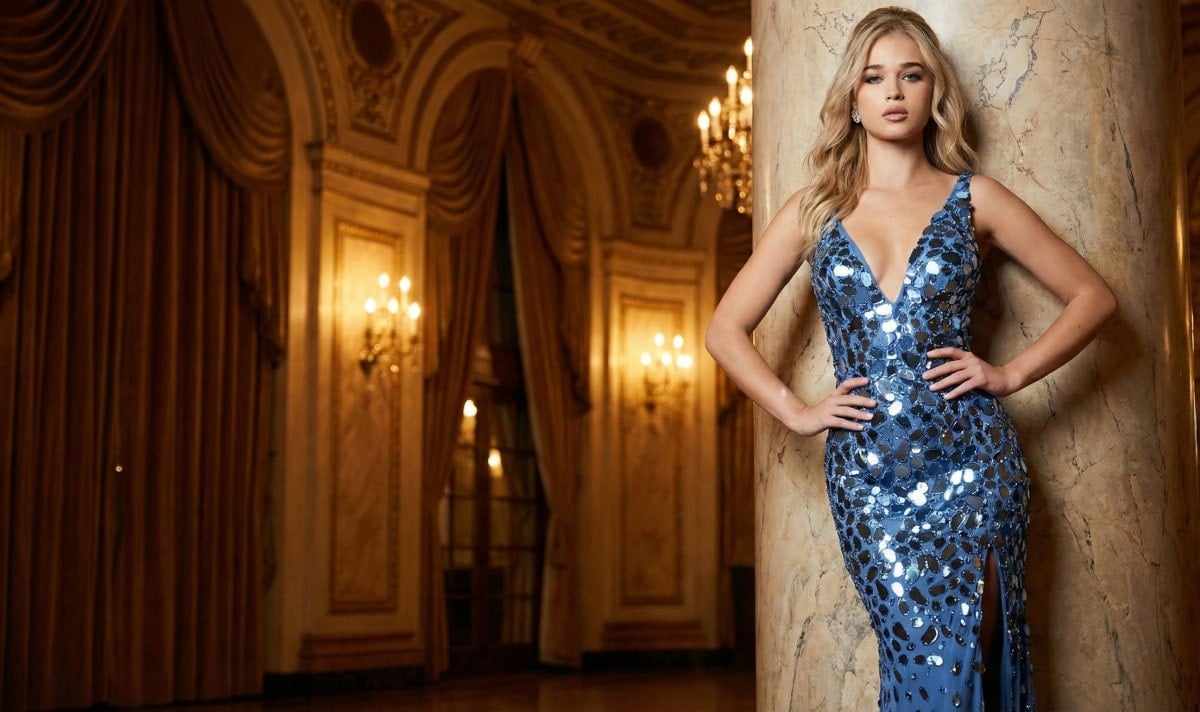
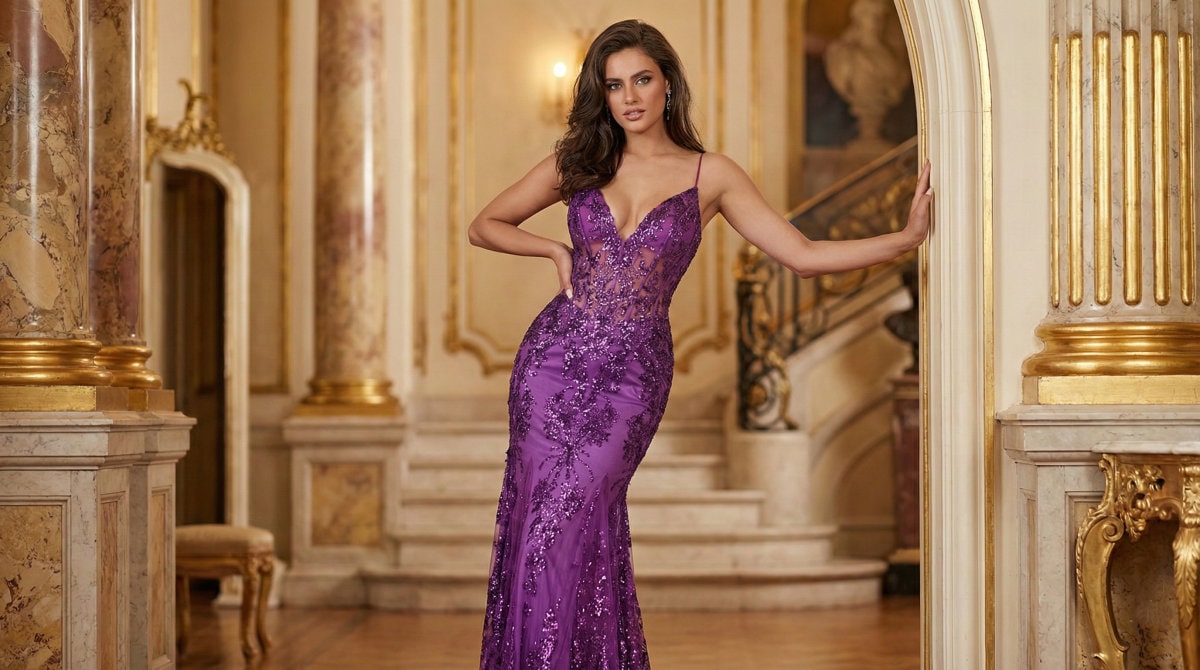
Rich jewel tones often appear in Luxury Prom Dresses and dramatic Prom Ballgowns, because they photograph beautifully and look powerful under evening lighting. Many girls choose bold hues for special occasions like ruby, plum, royal blue and emerald when they want a dress that pops the moment they walk in.
For teens who like something softer, soft neutrals for formal events are a strong option. Think of soft beige prom choices, champagne, nude, and warm ivory. These shades are especially flattering when you want long lasting elegance that feels timeless in photos. Some girls choose nude or beige lace, where lace detailed prom gowns blend texture and delicacy in a way that flatters medium and mixed complexions without washing them out.
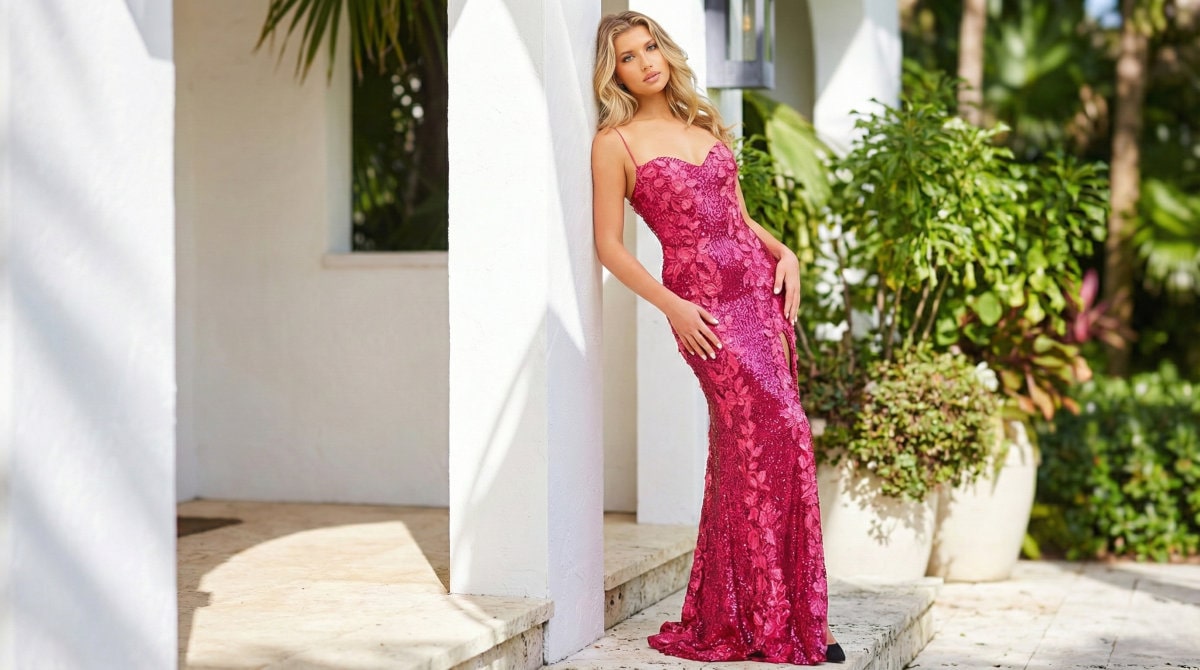
Then there are colors that feel joyful and expressive. Coral, orange, and pink play very well with golden or olive undertones. Many mixed tone girls find that vibrant orange prom designs and delicate pink prom looks give their complexion a natural glow. If you enjoy playful yet stylish shades, this family is worth trying on in person.
Fabrics That Enhance Color on Mixed Skin
The same color can look very different depending on the fabric. When you are choosing Prom Dresses for Mixed Skin Tones, think about how the material reflects or absorbs light.
Satin is a classic choice because it reflects light softly and brings life to deeper shades. Many girls gravitate toward satin prom silhouettes in jewel tones or metallics, since these designs highlight both the dress and the skin. Velvet works in a similar way, but in a richer, more dramatic finish. Deep jewel tones in velvet prom looks are especially striking for winter events.
If you want something airy and romantic, chiffon is a beautiful option. It drapes easily and works beautifully for Flowy Prom Dresses, especially when paired with soft pinks, blues, and neutral tones. For those who like structured shapes, Jersey or taffeta helps maintain shape while still feeling comfortable, which is why they are counted among the best fabrics for prom in terms of movement and support.
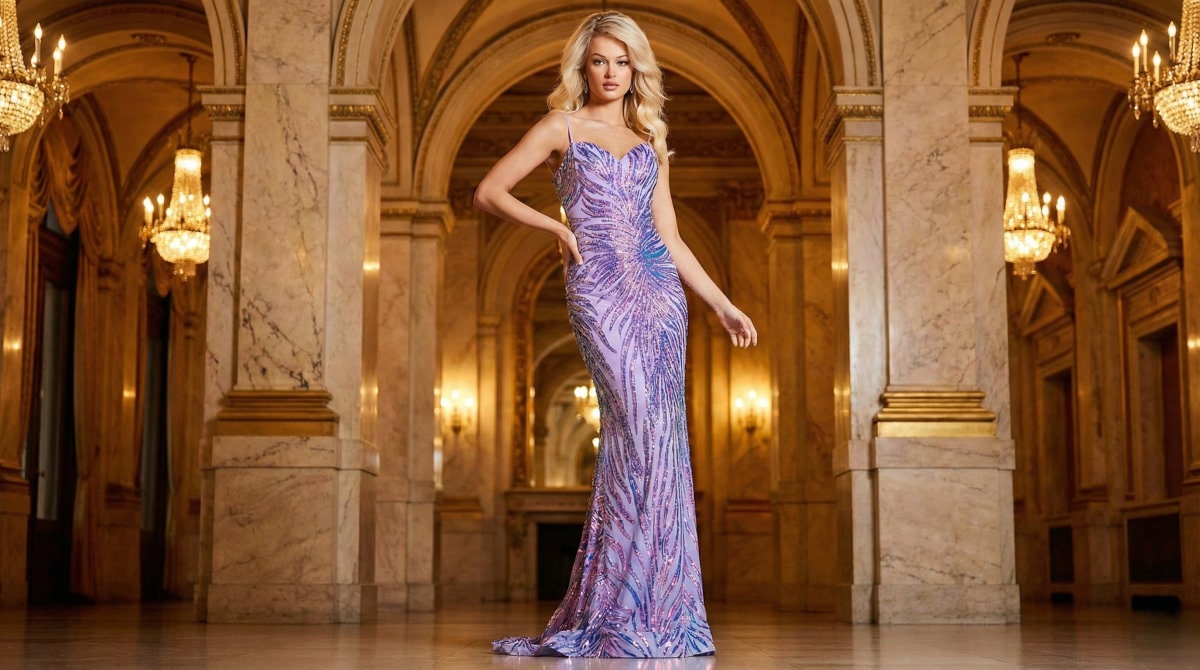
Sequins and metallic finishes are perfect if you want to stand out. Shimmering sequin evening dresses catch the light in every direction, and when paired with Most popular prom dress colors like gold, silver, or deep navy, they highlight the depth of mixed complexions beautifully.
Balancing Color, Silhouette, and Neckline
Choosing color in isolation can be overwhelming. Instead, think about color harmony for formal dresses. Your undertone, dress silhouette, and neckline should support each other. For example, if you love bright blue, pairing that shade with bold blue prom styles in a clean column or trumpet silhouette can create a polished effect. Girls who want more playful movement might go for Tight or Trumpet Prom Dresses in bolder hues.
Necklines play a big role too. Many teens with mixed skin tones enjoy the way open necklines bring light toward the face. Sweetheart neckline prom options or off shoulder prom looks frame the collarbone, giving richer colors more space to shine. For a modern and slightly sporty vibe, halter prom selections highlight the shoulders, while one shoulder prom styles add drama and help your chosen shade feel more elevated.
Fuller figures or curvier shapes often look incredible in Plus Size Prom Dresses that are tailored to support and flatter from every angle. When these silhouettes are paired with the right color and neckline, the effect is balanced and confident instead of overwhelming.
Playing With Prints, Florals, and Texture
Color does not always have to be solid. Mixed skin tones also work beautifully with prints and patterns. Soft floral prom dresses add layers of color that complement your complexion without forcing you to commit to just one shade. This is especially flattering when you want movement and depth in photos.
If you like more texture, Fringe, brocade, and detailed lace add visual interest even in classic colors. A black or navy dress might feel ordinary on the hanger, but when you add beading or lace, it suddenly becomes one of the trending prom styles that feels polished and unique. Classic black evening silhouettes with beading, or dramatic red prom gowns with structured skirts, are favorite choices for girls who want something timeless yet powerful.
Budget and Trend Considerations
Style does not have to disappear when you look at price tags. Many boutiques that carry Jovani offer affordable prom options for different skin tones, so you can still choose colors that flatter you without losing quality. This is especially useful if you want to experiment with a less traditional hue.
If you like to stay a step ahead of trends, you have probably searched Prom color trends or read posts like Trending Prom Dress Colors 2026 for inspiration. These guides are helpful when you are still deciding whether you want something classic or something that feels very current for your year.
Special Focus: Olive and Tan Mixed Skin
Girls looking for Prom dresses for olive skin often discover that rich greens, plums, and berry shades bring their undertones to life. Deep teal, forest green, and wine shades are especially flattering. These tones pair beautifully with structured silhouettes like Column or Two Piece Prom Dresses, where the color can shine without too many distractions.
For those with tan or golden mixed complexions, flattering prom colors for warm undertones include coral, rose, gold, and some warm neutrals. When combined with shimmering gold prom looks or warm metallic touches, these shades create a glow that feels natural, not overdone.
How to Actually Choose Your Dress
When you stand in front of a rack full of colors, it helps to remember a few simple ideas about How to choose prom dress color. Start with a silhouette that makes you feel secure and confident. Maybe that means a ball gown, a sleek column style, or a fitted mermaid. Try on Ball Gowns Prom Dresses if you want volume and presence, or sleek Luxury Prom Dresses if you prefer clean lines and high impact fabrics.
Then narrow down your favorites by holding colors up to your face in natural light. Pay attention to whether the dress makes your skin look brighter and more awake. Many girls find that evening colors for tan and mixed complexions and vibrant shades fall into place quickly once they see themselves in a mirror.
Throughout this process, you will naturally discover your own list of best prom dress colors for mixed skin, which may not match a chart perfectly, but will feel right for you. This is what personal style is meant to be.
Jovani’s Approach to Color and Fit
Jovani designs are created for real girls and real bodies. Our collections cover everything from Beaded and Sequin Prom Dresses to smooth satin and jersey styles. We think about how every shade will interact with different undertones so that Prom Dresses for Mixed Skin Tones are not an afterthought but a core part of the design process.
From classic black to elegant green, our goal is to give boutiques a wide range of choices so you can step into a store and find something that feels tailored to your complexion. When all of this comes together, you get a prom look that feels like you, not just like a trend on social media.
Prom night is one of those rare evenings when you can truly dress like the main character in your own story. With the right shade, the right fabric, and the right fit, your skin tone is not something to “work around.” It becomes the star of the entire look.
Explore the full Prom Gowns collection from Jovani and find the color, fabric, and silhouette that makes your mixed skin tone glow.