
Have you ever fallen in love with a gown online or spotted a breathtaking silhouette on a boutique hanger, only to try it on and feel an immediate sense of disappointment in the dressing room mirror? The color might be exactly what you envisioned, and the overall shape might loosely match the description, but something feels undeniably off. The garment may feel stiff, the fabric might gather awkwardly around your waist, or the neckline might refuse to lay flat.
Understanding why some evening dresses look cheap is essential for anyone navigating the complex world of formal wear. The distinction between a truly breathtaking gown and an underwhelming, mass-market imitation rarely comes down to a single flaw. Instead, it is a culmination of subtle compromises—inferior fabric choices, hollow internal construction, and a lack of tailoring precision. When you learn to identify these differences, it fundamentally changes the way you shop. You begin to look past the surface design and evaluate the garment’s true architecture, ensuring you only invest in high-quality formal gowns that radiate elegance and stand the test of time.
Fabric Quality: Drape, Weight, and Shine
The most immediate giveaway of any garment’s quality is the material itself. Luxury evening dresses possess a distinct weight, density, and fluidity that simply cannot be replicated by low-tier synthetic imitations.
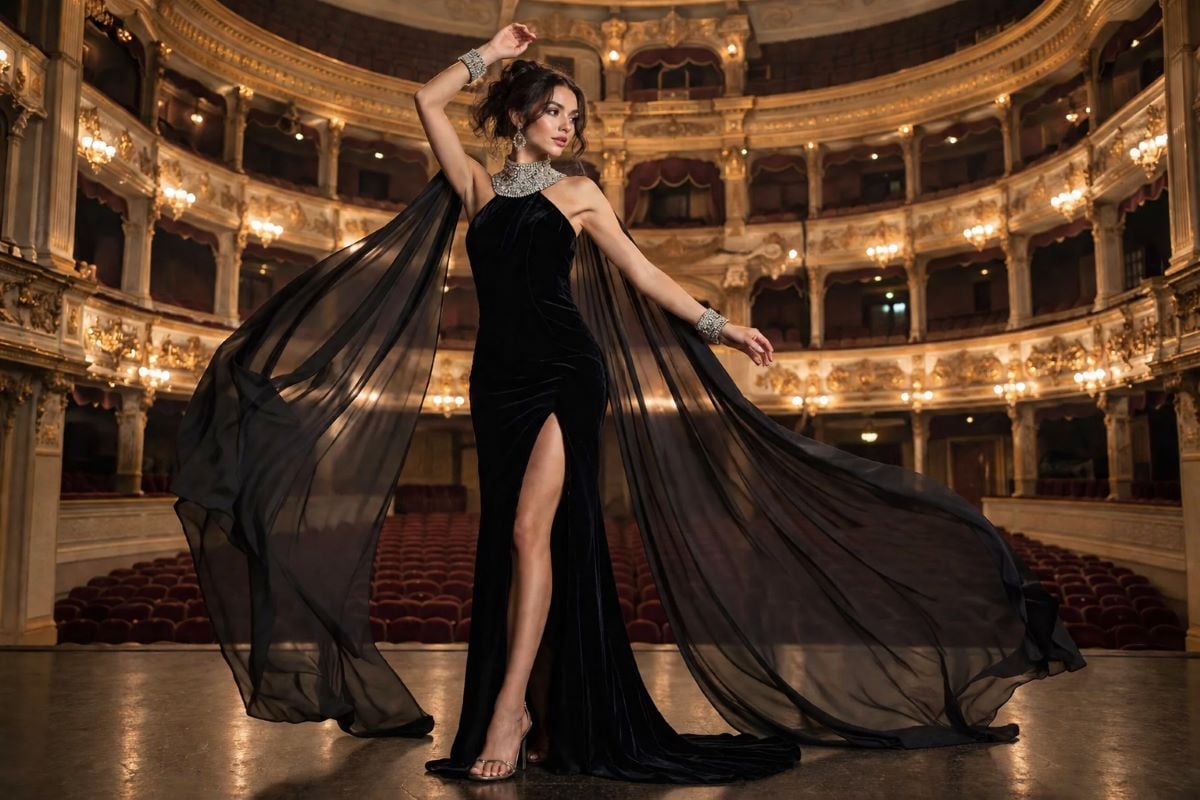
Issues with Cheap Synthetics
When budget manufacturers cut corners to reduce production costs, they invariably rely on fabrics woven from cheaper plastic fibers. These lower-grade synthetics carry an unnatural, overly reflective sheen. This aggressive, harsh shine is particularly unforgiving; it reflects ambient room light poorly and becomes glaringly obvious under camera flashes, drawing the eye directly to every puckered seam and structural flaw. Cheap fabrics also often lack breathability, leaving the wearer feeling trapped and uncomfortable long before the event ends.
Spotting Premium Textiles
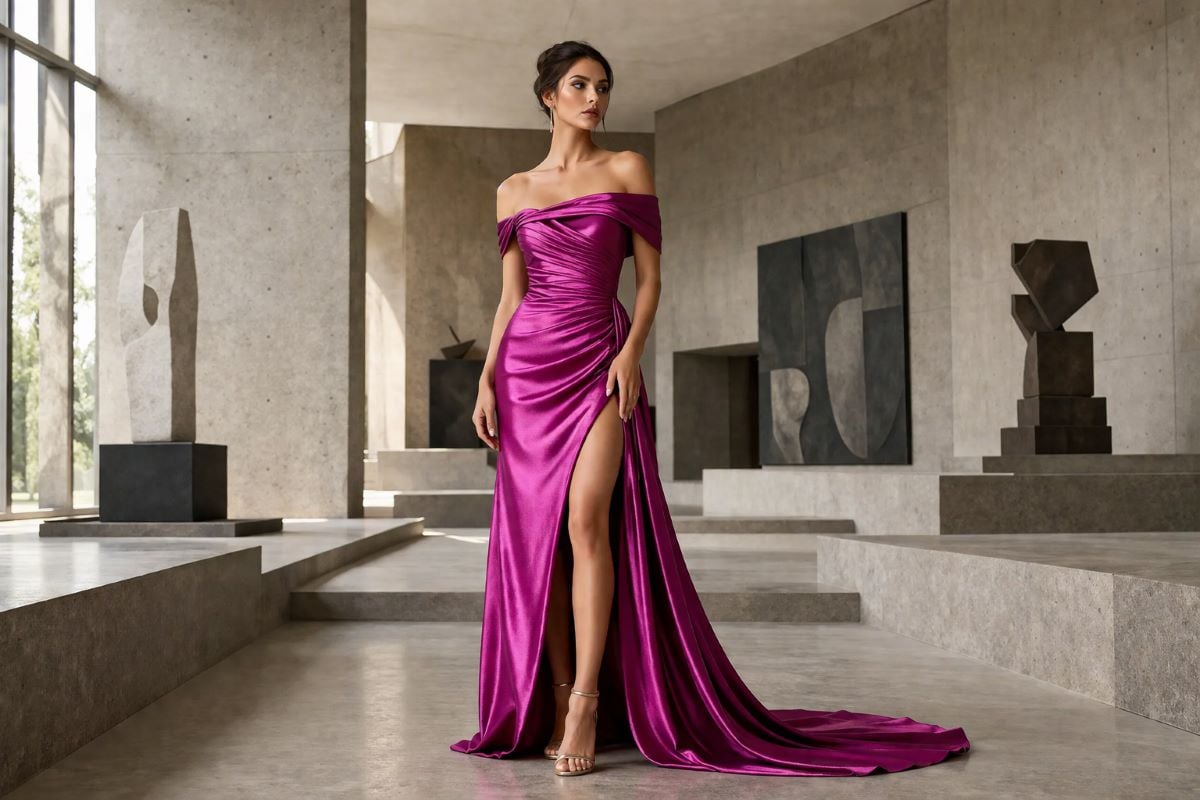
Conversely, premium textiles absorb and reflect light with a soft, multidimensional glow. The evening dress fabric quality ultimately dictates how the garment interacts with your body in motion. A superior fabric will drape beautifully, skimming over the figure rather than clinging statically to it. If you want to dive deeper into what makes a material truly premium, understanding the best fabrics for luxury evening dresses is an excellent starting point. Whether it is the whisper-soft sweep of a chiffon overlay, the structured elegance of heavy satin, or the rich depth of velvet, well-made formal dresses look as exquisite as they feel.
Internal Construction Matters
What happens on the inside of a garment is just as important—if not more so—than the exterior aesthetic. Expert designers understand that a formal dress is essentially an architectural feat.
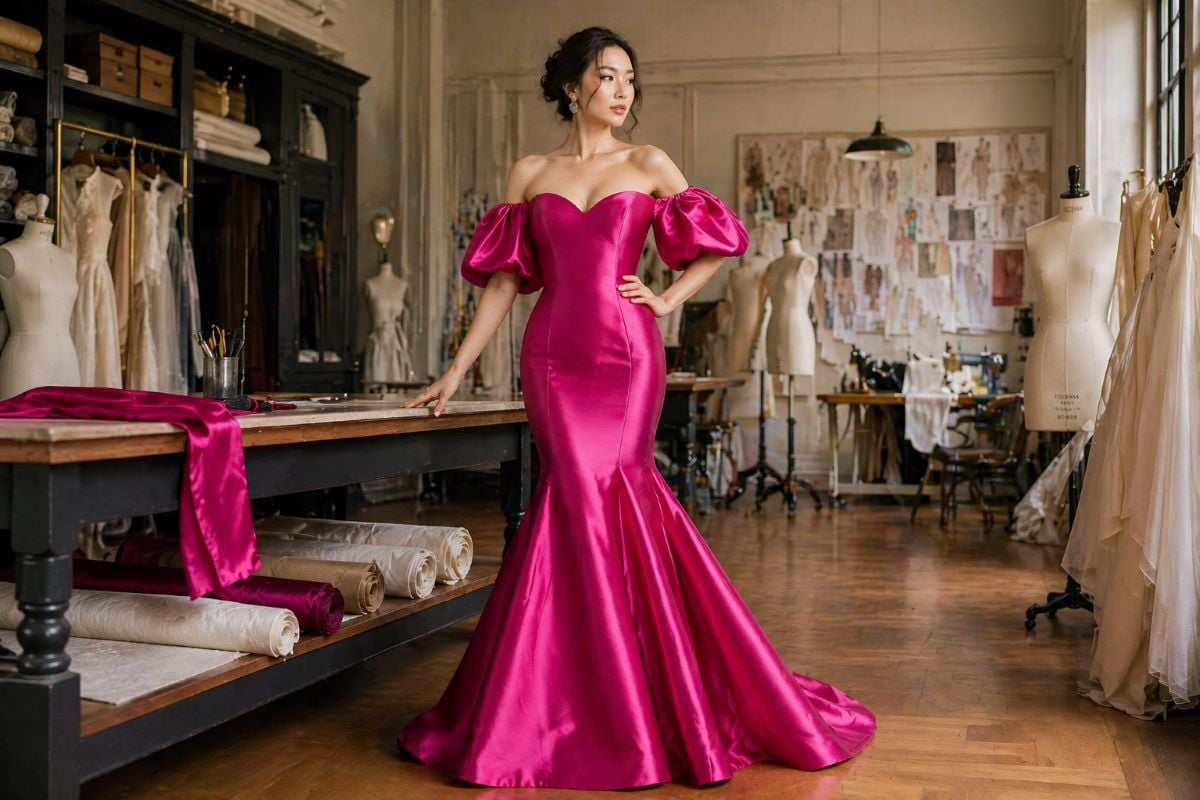
Hidden Internal Architecture
One of the most glaring signs of a cheap dress is a lack of hidden internal structure. When you examine a poorly made gown from the inside out, you will often find single-layer construction, raw interior seams that irritate the skin, and flimsy linings that shift uncomfortably. True designer evening wear features layers of purposeful, unseen design. This includes proper spiral steel or high-grade plastic boning that molds to the torso, quality interfacings that reinforce necklines, and secure waist stays that take the heavy weight of a full skirt off the zipper.
Support for Structured Silhouettes
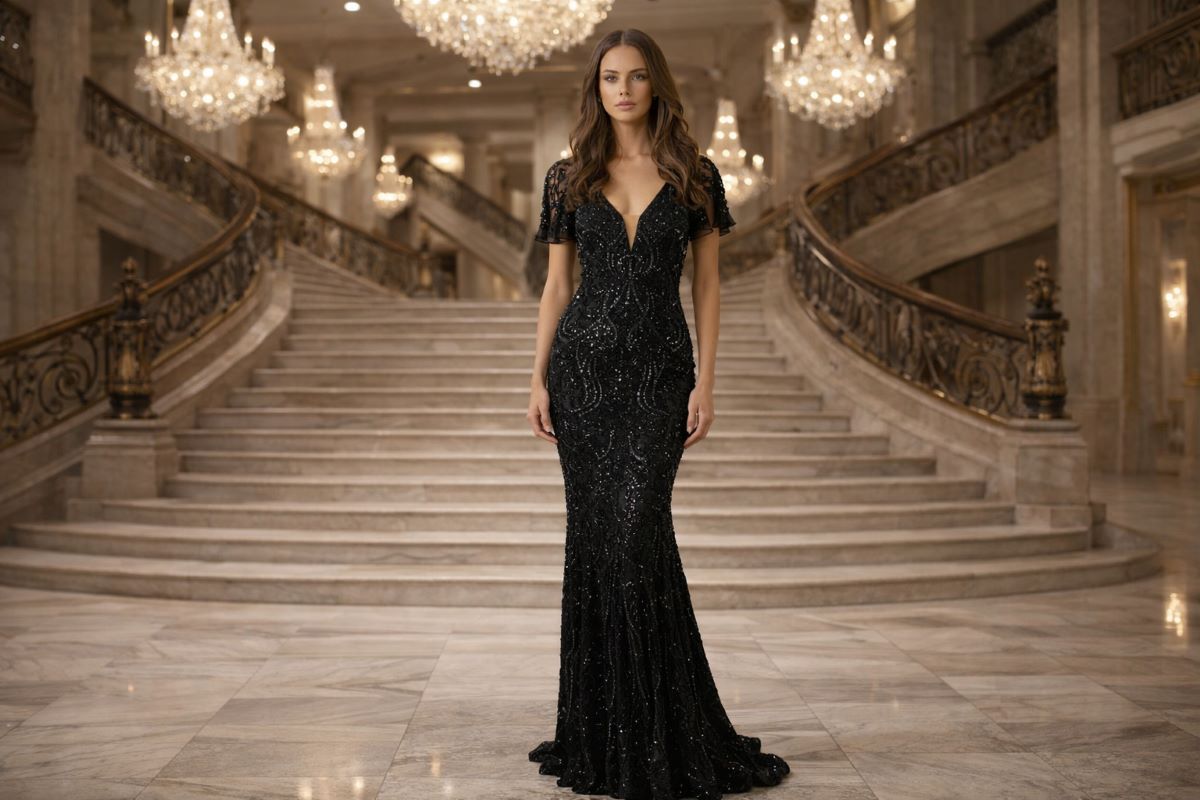
This robust internal framework is absolutely critical for fitted styles. For example, dramatic mermaid formal dresses depend entirely on interior tailoring to hold their striking shape from the fitted bodice down to the flared, voluminous skirt. A high-quality mermaid gown will often feature layers of crinoline and horsehair braid sewn into the hem to keep the skirt beautifully flared. Without that built-in support system, the dress will quickly lose its shape and wrinkle deeply across the hips.
Embellishments and Hardware
Sparkle, shine, and intricate detailing can elevate a design to a work of art, but they are also the exact areas where budget manufacturers fail most spectacularly.
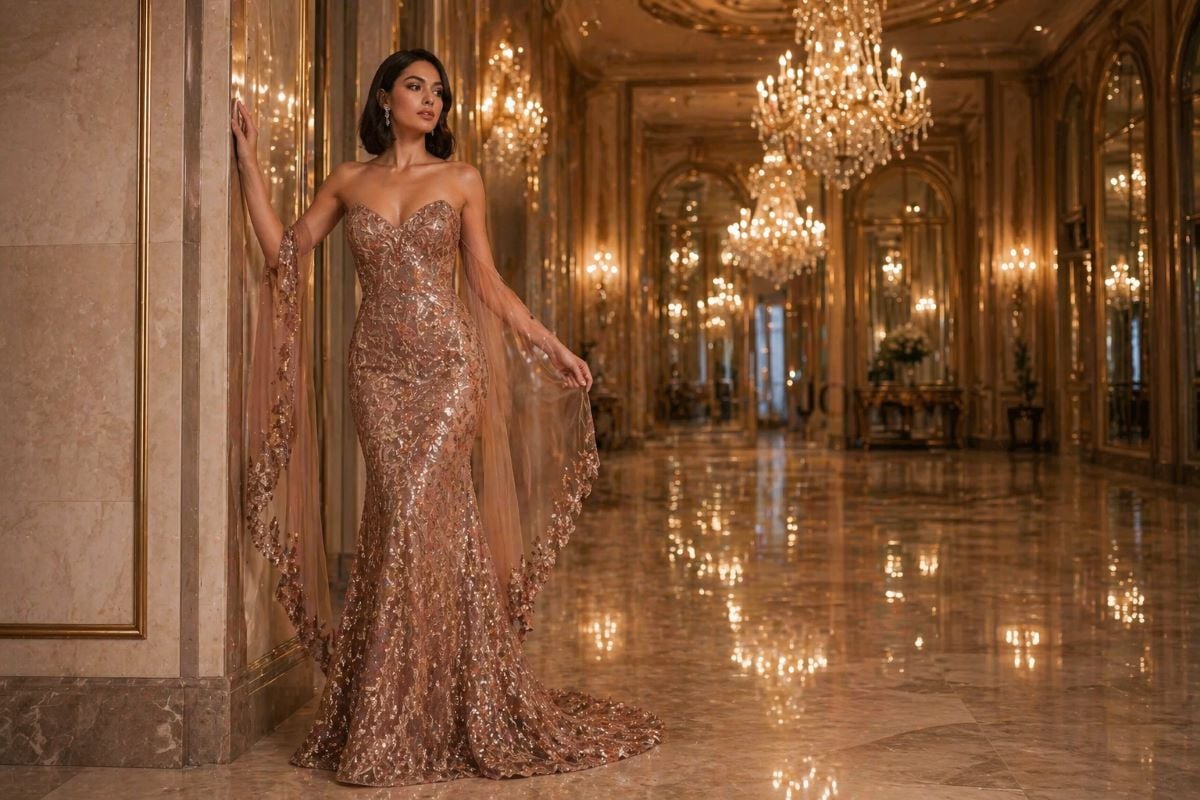
Glued vs. Hand-Sewn Details
If you are wondering why some evening dresses look cheap despite being covered in crystals, the answer lies in the application process. Fast-fashion dresses frequently utilize dull plastic sequins or lightweight acrylic stones attached with industrial fabric glue. Over a very short time, these elements dull, scratch, and begin to fall off. In stark contrast, true luxury is immediately evident in beaded evening gowns where heavy glass beads, faceted crystals, and delicate sequins are individually anchored to the fabric. This couture craftsmanship ensures the embellishments catch the light brilliantly from every angle and remain securely attached.
The Importance of Hardware
Beyond beadwork, the hardware of a dress is a silent but powerful indicator of its overall quality. A bulky, exposed plastic zipper that stubbornly catches on the fabric is a massive visual distraction. High-end designers take the extra time and expense to install color-matched, invisible zippers that blend seamlessly into the seam line, maintaining the uninterrupted beauty of the gown’s silhouette.
Tailoring, Grading, and Proportion
Even the most beautiful, expensive fabric will look entirely unimpressive if the dress is cut and tailored poorly. Proportion is everything in designer evening wear.
3D Curves vs. Flat Patterns
Fast fashion formal wear often relies on basic, flat block patterns meant to be sewn together as quickly as possible. These patterns do not adequately account for the three-dimensional contours of the human body. The inevitable result includes gaping necklines, excess fabric bunched around the waistline, and armholes that restrict movement. A master pattern maker ensures the armscye (armhole) is cut high and tight enough to allow for a full range of motion while tapering the sleeves perfectly down the length of the arm.
Precise Size Grading
Proper pattern grading—the highly technical process of scaling a master design up or down to create different sizes—separates the true experts from the amateurs. Cheap brands lazily increase the proportions of a size small across the board by a standard inch or two, leading to awkward, ill-fitting garments in larger sizes. Authentic design houses meticulously re-adjust the structure, darting, and internal support systems for their plus size formal wear, ensuring the gown offers the exact same flawless fit and aesthetic appeal regardless of the number printed on the tag.
Minimalism Demands Perfection
There is a common misconception in fashion that less detail translates to an easier, cheaper manufacturing process.
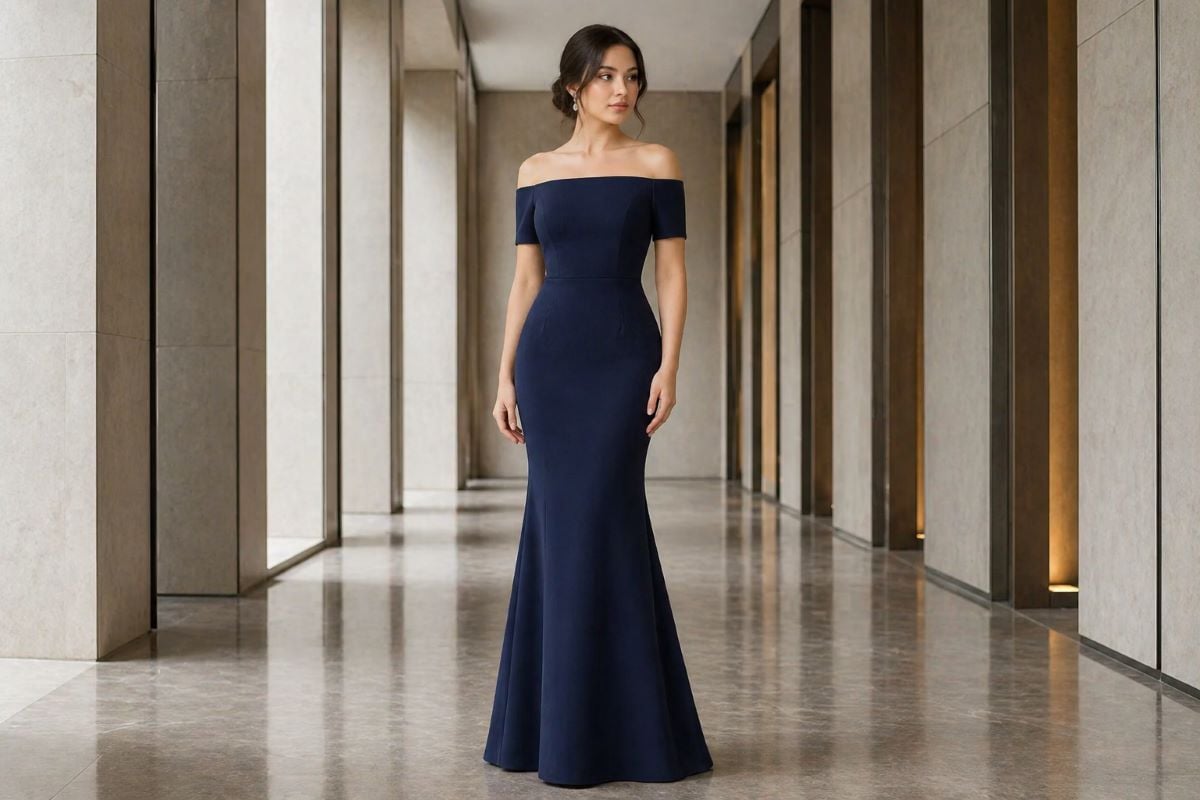
Executing Simple Gowns
In reality, simple formal gowns and clean, minimalist silhouettes require the absolute highest level of technical execution. When a gown is stripped of heavy beadwork or distracting lace appliqués, there is absolutely nowhere for the manufacturer to hide a mistake. In a minimalist gown, every single seam, dart, and hem must be executed flawlessly. If the tension in the sewing machine thread is even slightly too tight, the seams will pucker. A minimalist gown looks expensive strictly because the tailoring is so remarkably precise that the dress appears to be molded effortlessly to the wearer’s unique shape.
Jovani’s Quality Standard
At Jovani, the design philosophy is rooted in an uncompromising commitment to quality, fit, and timeless elegance. Understanding exactly what causes a garment to fall flat is what drives the meticulous, detail-oriented design process behind every collection. Our expert design teams source premium materials from around the globe to ensure superior drape, vibrant color retention, and rich textures.
Jovani consistently sets the industry standard by ensuring that every dress we create features the necessary internal architecture required to support, flatter, and empower the woman wearing it. We believe that an evening dress should photograph beautifully and feel incredibly luxurious from the moment you step into it.
Evening Gown Quality FAQs
1. What makes a dress look luxurious?
A luxurious dress is defined by its harmonious combination of high-quality fabric, precise, body-contouring tailoring, and hidden structural support. Premium fabrics will drape naturally with gravity and feature a rich, subtle luster. Furthermore, luxury gowns incorporate thoughtful details like invisible zippers, fully finished inner linings that feel soft against the skin, and secure, hand-placed embellishments.
2. How can I tell if the fabric of an evening dress is high quality?
You can determine fabric quality by evaluating its weight, movement, and texture. High-quality materials like silk chiffon, premium crepe, or heavy duchess satin will feel substantial to the touch and fall beautifully without suffering from static cling. If a fabric feels uncomfortably stiff, excessively thin, or features a highly reflective, mirror-like sheen, it is likely a lower-tier synthetic material.
3. Can alterations make a cheaply made dress look more expensive?
While a skilled tailor can improve the fit of a cheap dress by taking in the waist or shortening the hem, alterations cannot fix fundamental flaws in quality. A tailor cannot change the cheap look of a low-grade polyester, nor can they easily add the complex internal boning and structure that a dress lacked from the start.
4. Why does internal construction matter for formal wear?
The internal construction—such as spiral boning, built-in bust cups, and high-quality lining—acts as the foundational skeleton of the dress. It ensures the garment holds its intended designer shape, prevents the delicate outer fabric from wrinkling throughout the night, and provides crucial, comfortable support for the wearer.
5. Are simple dresses easier to make than embellished ones?
No, simple dresses often require much more technical skill and precision. Without sparkling embellishments to distract the eye, any minor flaw in the stitching, draping, or fit becomes instantly noticeable. A minimalist gown relies entirely on master tailoring to look elegant and sophisticated.
Find the perfect blend of impeccable tailoring and luxurious design by exploring the full evening gowns collection at your nearest authorized retailer.