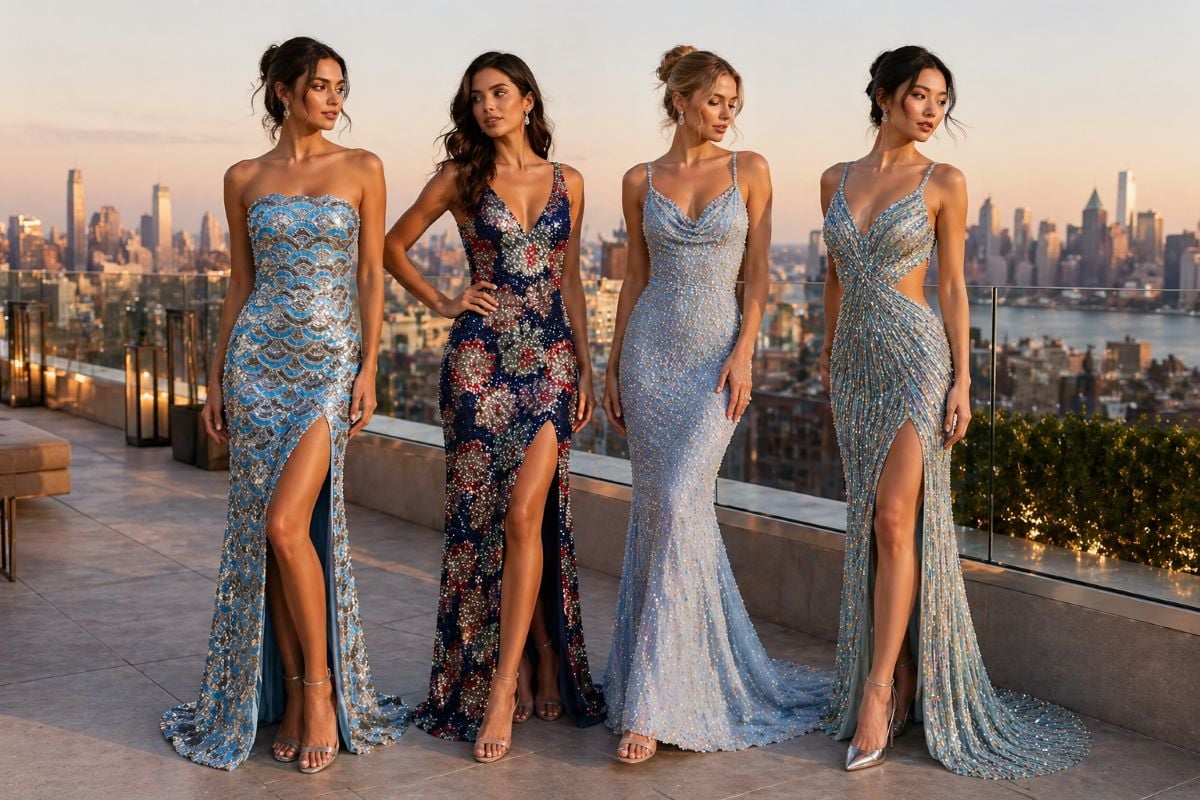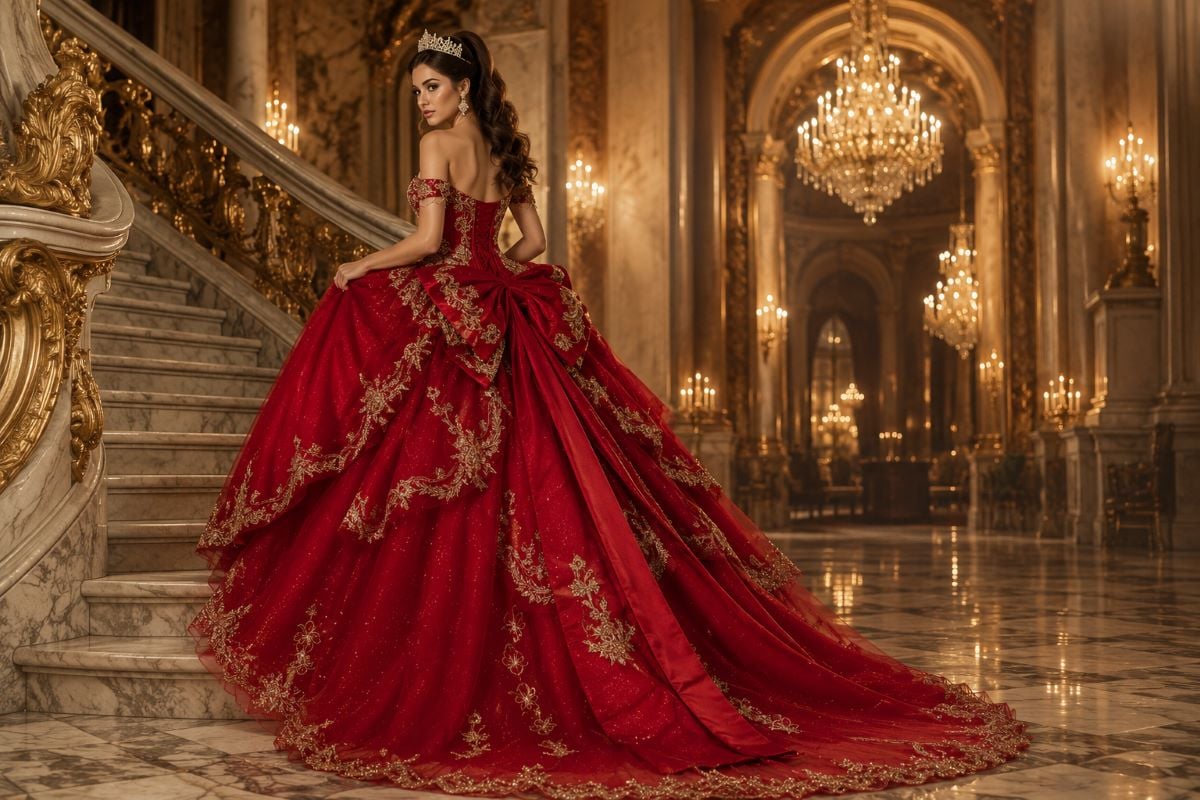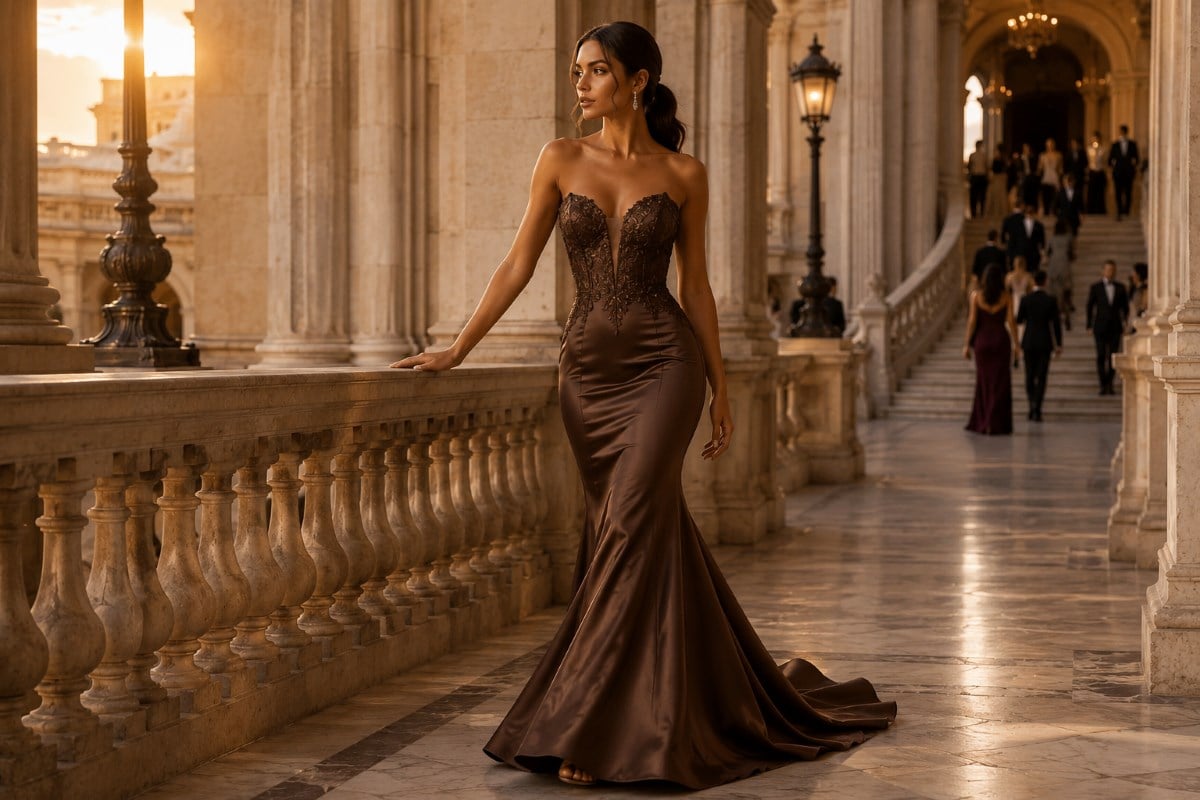

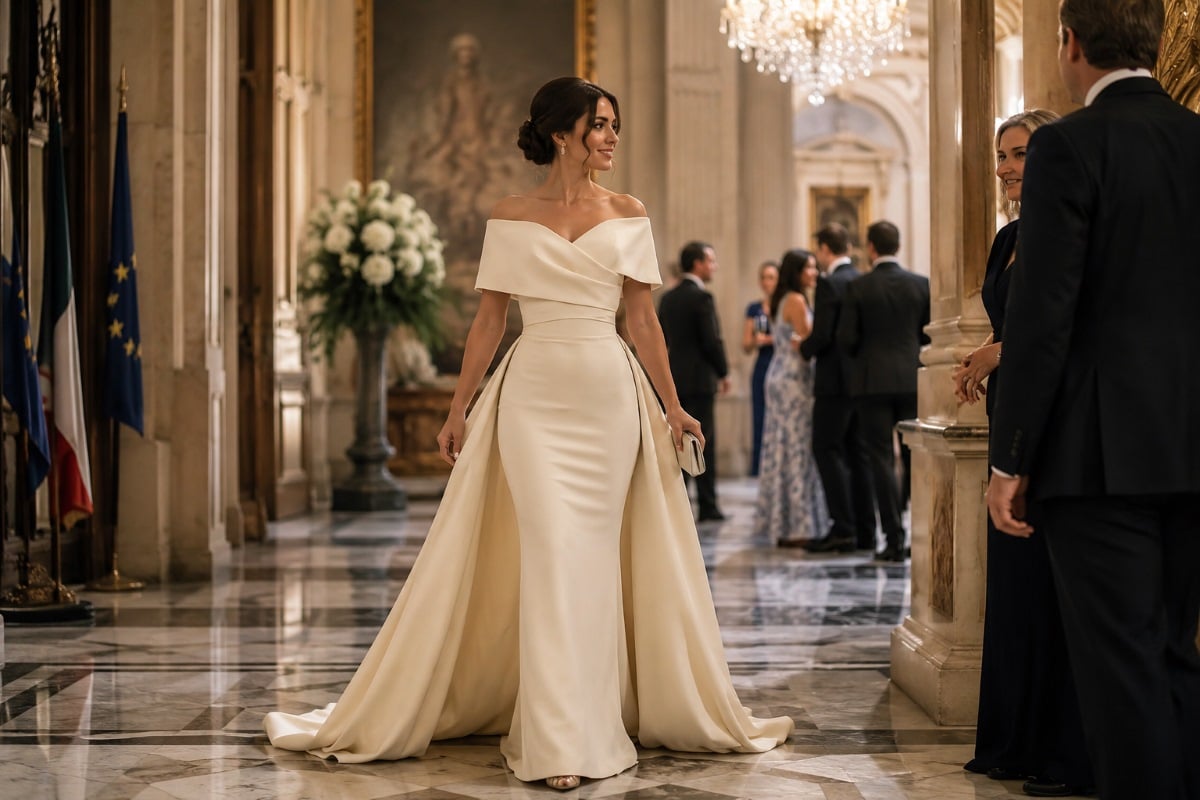
An embassy reception is unlike any other formal event you will attend, because the room is full of people for whom dress is a language. Diplomats, foreign dignitaries, government officials, and international guests all read attire as a signal of respect, awareness, and protocol, which means dressing for an embassy or diplomatic reception involves considerations that an ordinary black-tie party does not. The stakes are subtle but real: a look that is perfectly appropriate at a gala back home can miss the mark in a setting where cultural sensitivity, conservative polish, and an understanding of international etiquette matter as much as glamour. Choosing the right embassy reception dress means dressing with elegance, restraint, and a genuine awareness of the diplomatic context, honoring the formality and the international character of the occasion. This guide covers exactly how to navigate it.
Why a Diplomatic Reception Is Different
An embassy or diplomatic reception carries expectations beyond those of a typical formal event, because the setting is international, official, and governed by protocol in ways most social events are not. Understanding this context is the foundation of dressing appropriately.
At a diplomatic reception, the guests often include people from many countries and cultures, representatives of governments, and individuals for whom formal dress carries diplomatic and cultural weight. The atmosphere is typically more formal, more conservative, and more protocol-conscious than a standard social gala. Dress in this setting is read as a signal of respect for the host nation, awareness of international norms, and an understanding of the occasion’s official character. This means the priorities shift from pure fashion-forward glamour toward elegance, appropriateness, and cultural sensitivity.
The practical effect is that an embassy reception calls for a more refined, conservative, and internationally aware version of formal dressing than a typical party. While such events are often black-tie, the way one approaches black-tie for a diplomatic reception differs from how one might dress for a social gala. The styles among black tie gowns provide the formal foundation, but the selection and styling for a diplomatic context lean toward the more elegant and restrained end of the range. Dressing with awareness of the diplomatic setting is what distinguishes an appropriate embassy look from a merely beautiful one.
The Principle of Elegant Restraint
The single most important principle for dressing for a diplomatic reception is elegant restraint, since the setting rewards sophistication and appropriateness over attention-grabbing drama. This principle shapes nearly every choice.
At a diplomatic event, the goal is to look polished, elegant, and appropriate rather than to make a bold fashion statement or stand out dramatically. A sophisticated, refined gown that reads as elegant and respectful suits the occasion far better than a daring, revealing, or attention-seeking look. The diplomatic context rewards a woman who understands that the occasion calls for graceful sophistication rather than spectacle, and dressing with restraint signals an awareness of the setting’s expectations.
This means favoring classic, elegant silhouettes over the most dramatic or revealing options, choosing refined embellishment over maximalist sparkle, and selecting a look that reads as sophisticated and appropriate from across a formal room. The styles among long formal dresses offer the floor-length elegance that suits a diplomatic reception, where a refined, full-length gown reads as appropriately formal and respectful. The principle throughout is that elegance and appropriateness, not drama, define the right diplomatic look.
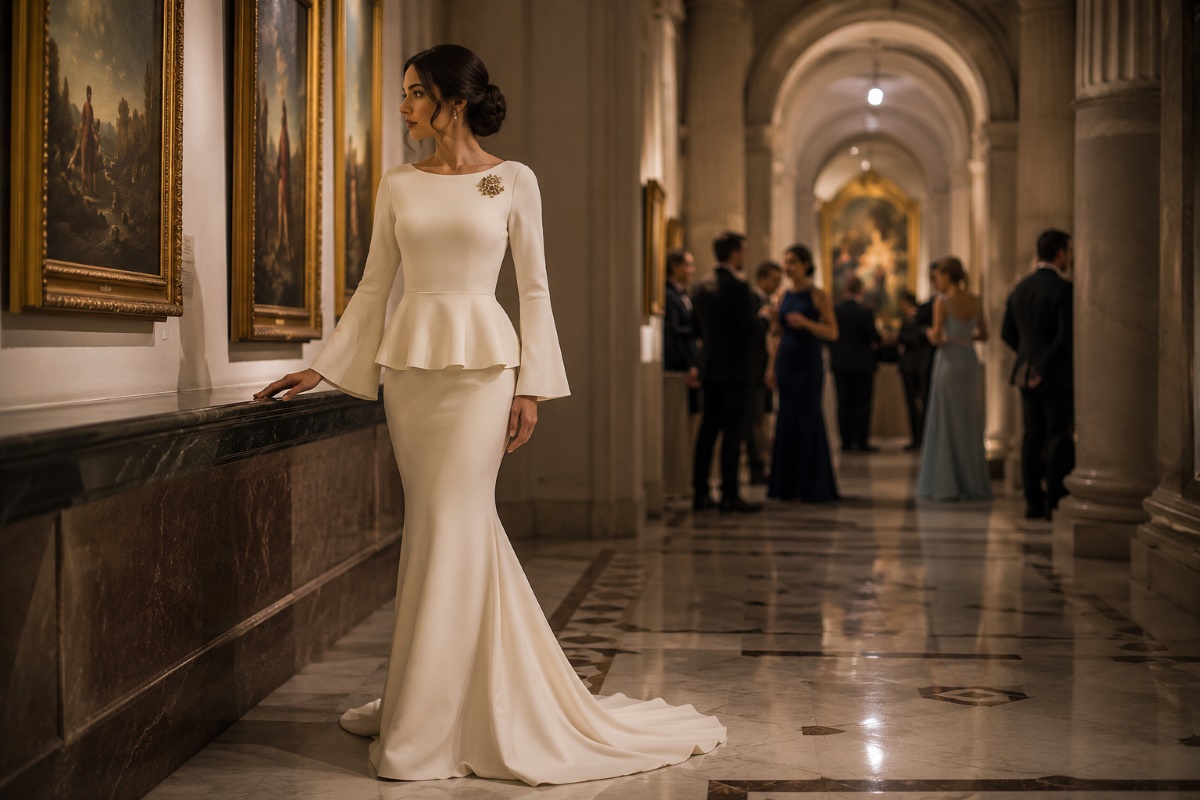
Coverage and Modesty for an International Setting
Coverage is one of the most important and most overlooked considerations for a diplomatic reception, since an international setting brings together cultural norms that often favor more modest dress. Erring toward coverage is the safer and more respectful choice.
Because a diplomatic reception includes guests from many cultures, some of which hold more conservative norms around dress, a more covered, modest approach reads as respectful and appropriate in a way that a revealing look does not. This does not mean the gown cannot be beautiful or elegant, simply that very plunging necklines, high slits, bare backs, and significant skin exposure are better avoided in favor of a more covered, refined silhouette. A gown with elegant coverage signals cultural awareness and respect for the international character of the occasion.
Practical ways to achieve appropriate coverage include choosing a higher or more modest neckline, a gown with sleeves or the option to add an elegant wrap or jacket, a hemline and slit that are modest, and a back that is covered or only subtly open. The styles among covered evening gowns demonstrate how a gown can be fully elegant and formal while offering the coverage a diplomatic setting calls for. Having an elegant wrap or shrug available is also practical, allowing a contestant to adjust her coverage to the formality and cultural tone of the specific reception. The guiding principle is that, in an international diplomatic setting, more coverage reads as more respectful and appropriate.
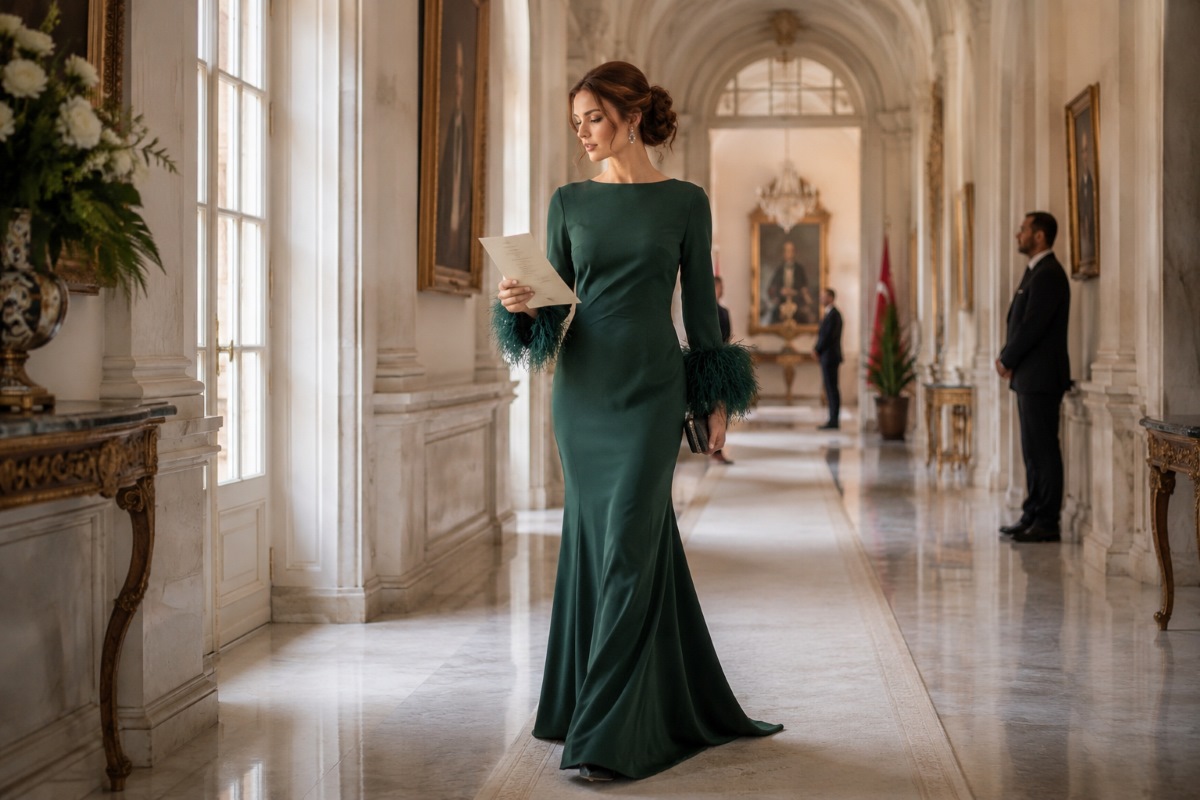
Color and Fabric for a Diplomatic Reception
Color and fabric choices for a diplomatic reception should reinforce the elegant, sophisticated, appropriate register the occasion calls for. A few considerations help guide the choice.
For color, sophisticated, classic, and refined shades suit a diplomatic reception beautifully. Deep jewel tones, elegant neutrals, classic black, navy, and other sophisticated colors read as polished and appropriate. The colors to approach more thoughtfully are anything overly bright, neon, or attention-grabbing, which can read as less appropriate for the restrained, sophisticated tone of a diplomatic event. A refined, elegant color signals an understanding of the occasion’s register.
It can also be a thoughtful gesture to be aware of the colors significant to the host nation, since in some contexts wearing a color associated with the host country’s flag or culture can read as a respectful nod, though this should be approached with care and genuine knowledge rather than assumption. For fabric, quality, refined materials, structured satin, elegant crepe, fine beaded fabrics, read as appropriately formal and sophisticated. The styles among modest evening dresses show how refined fabric and elegant construction create a sophisticated look suited to the diplomatic context. The principle is that classic, refined color and quality fabric reinforce the elegant appropriateness the occasion rewards.
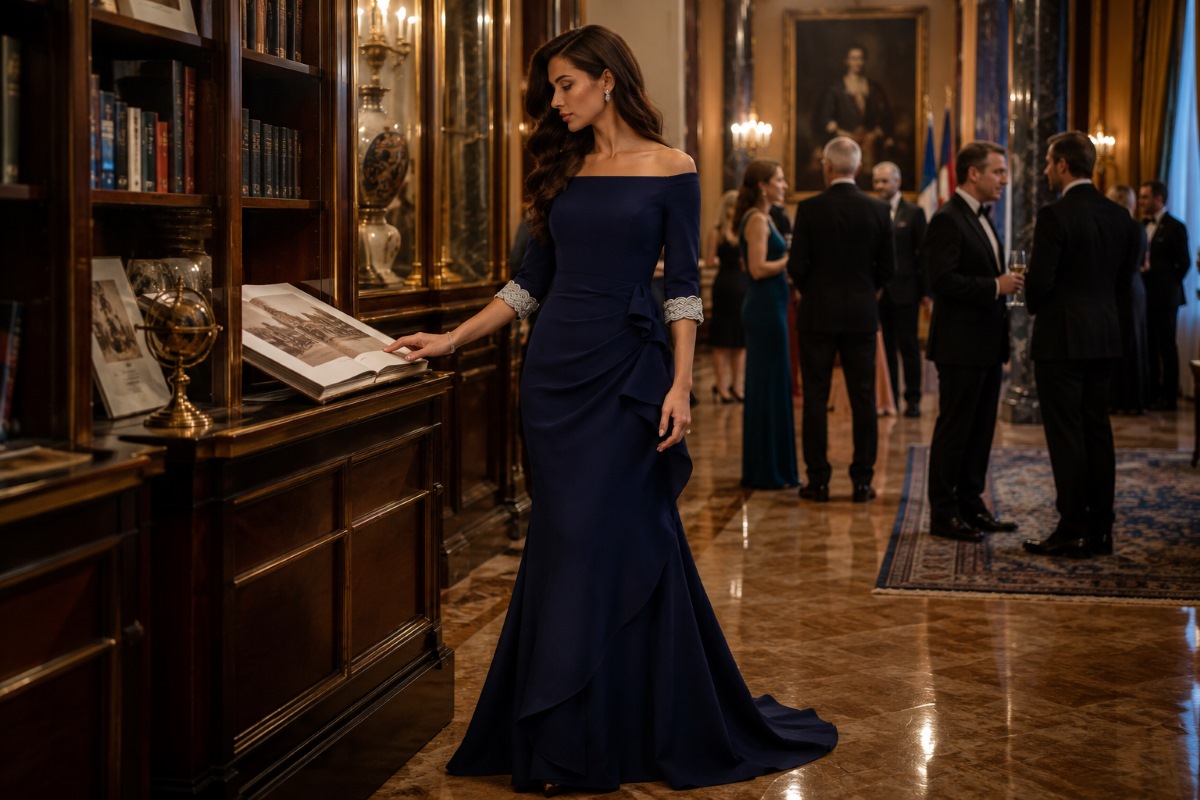
Understanding the Dress Code and Protocol
Diplomatic receptions often specify a dress code, and understanding what that code means in an official, international context is essential, since the same code can carry slightly different expectations at a diplomatic event than at a social one. Reading the protocol correctly is part of dressing appropriately.
Many diplomatic receptions specify black-tie or formal attire, which for women means a floor-length gown in a quality fabric. In the diplomatic context, this should be interpreted toward the more elegant, conservative, and refined end of the formal range rather than the most fashion-forward or revealing interpretation. Some events may specify other codes or carry specific protocol expectations, and when the dress code is unclear or the protocol is unfamiliar, it is entirely appropriate to ask the host, an organizer, or someone familiar with the specific event’s expectations. The broader principles of decoding formal dress codes are covered in this guide on the ultimate guide to black tie dresses for women, adapted for the diplomatic setting by leaning toward the more elegant and conservative interpretation.
It is also worth being aware that some diplomatic events carry specific protocol around dress, particularly very high-level or official functions, and understanding any such expectations in advance prevents a misstep. When attending an embassy reception for the first time, learning what the specific event and host nation expect is genuinely useful, since diplomatic settings place real weight on getting these details right. Dressing with awareness of the dress code and any protocol signals exactly the respect and understanding the occasion calls for.
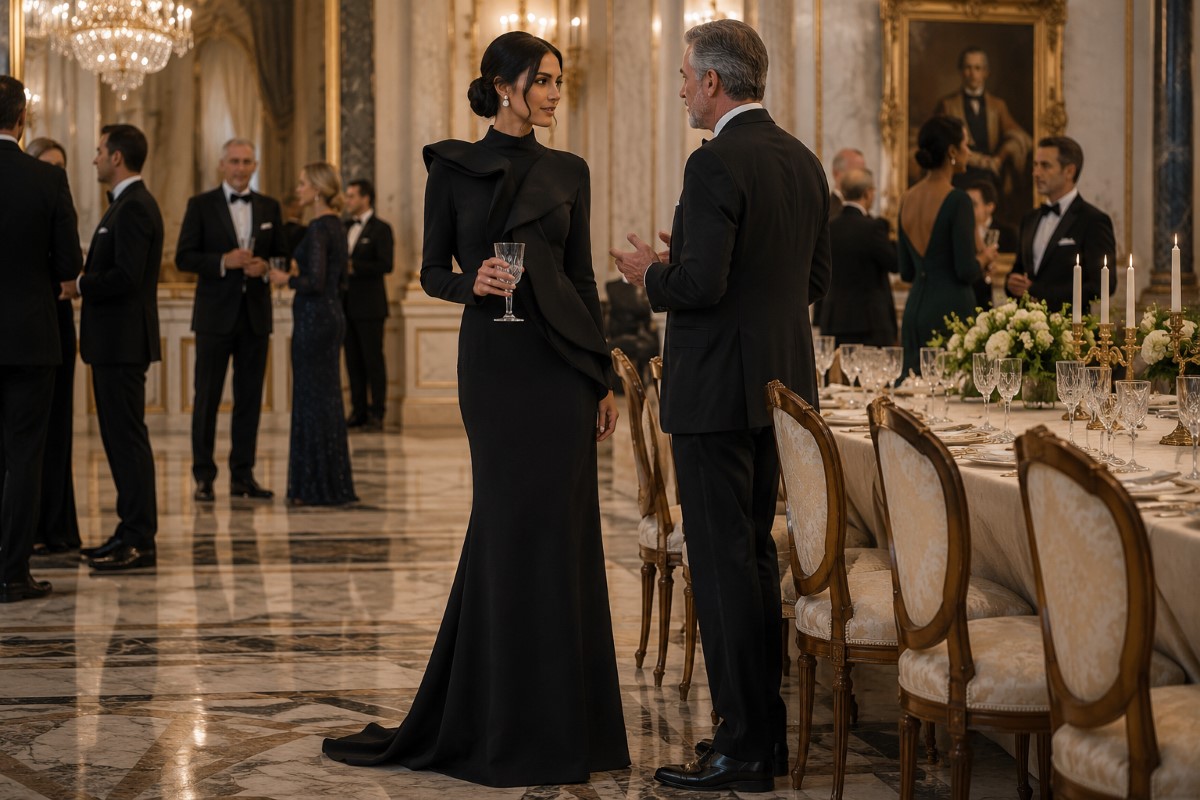
Silhouette and Seasonal Considerations
The silhouette and seasonal styling of a diplomatic gown should reinforce the elegant, appropriate register the occasion calls for while keeping the wearer comfortable through a long, formal evening. A few considerations help guide the choice.
For silhouette, classic and elegant shapes suit a diplomatic reception best. An A-line gown reads as universally flattering and appropriately formal, a refined column or sheath reads as sleek and sophisticated, and a softly structured gown reads as polished and graceful. These silhouettes carry the formal elegance the occasion calls for while allowing comfortable movement through an evening of standing, mingling, and formal interaction. The most dramatic or body-conscious silhouettes, a tightly fitted mermaid with a high slit, for instance, are better approached with restraint in a diplomatic setting, where elegant rather than dramatic is the goal. The full range of formal dresses includes the classic, refined silhouettes that suit a diplomatic reception across body types and personal styles.
For seasonal styling, the same elegant principles apply with attention to the time of year. A diplomatic reception in cooler months welcomes richer fabrics like structured satin and the warmth of an elegant wrap, while a warm-weather reception suits lighter formal fabrics that remain refined and appropriate. When choosing an embassy reception dress, factoring in the season ensures the gown is both appropriate and comfortable, since a diplomatic evening is often long and formal. The distinction between formal dress codes and how they shape a gown choice is explored further in this guide on black tie vs white tie evening dresses, which is directly relevant to the diplomatic settings where these codes most often appear.
Accessorizing for a Diplomatic Event
Accessories for a diplomatic reception should reinforce the elegant, restrained, sophisticated register of the occasion rather than competing with it. Refined, classic accessories complete the look appropriately.
Keep jewelry elegant and refined rather than ostentatious, since the diplomatic setting rewards sophistication over flash. Classic, quality pieces, refined earrings, an elegant necklace, a sophisticated bracelet, complement a formal diplomatic look beautifully. Very large, flashy, or attention-grabbing jewelry reads as less appropriate for the restrained elegance the occasion calls for. The same principle applies to all the finishing touches: an elegant clutch, refined shoes, and a sophisticated overall styling that reads as polished and appropriate. The broader principles of finishing a formal look with the right pieces are covered in this guide on how to accessorize an evening dress, applied here with an emphasis on refined, classic elegance.
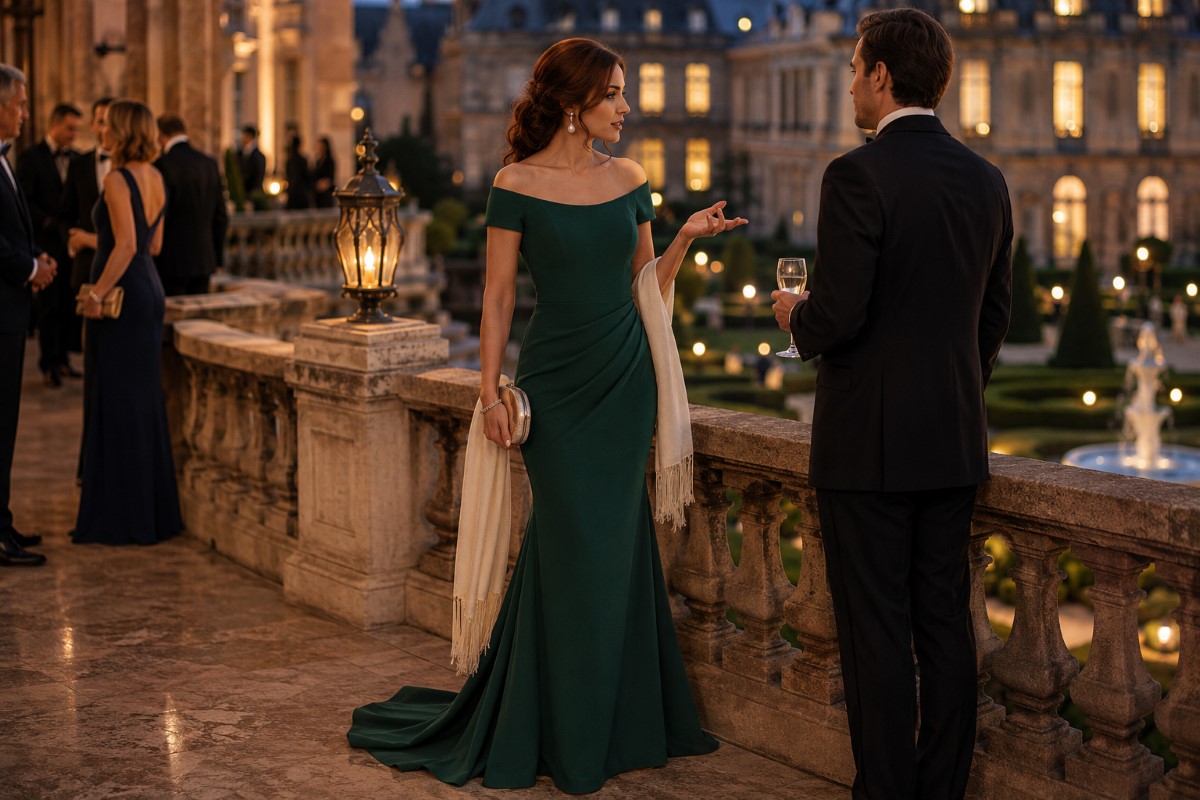
An elegant wrap, shawl, or shrug deserves particular mention, since it serves both a practical and a protocol purpose at a diplomatic event. It allows adjustment of coverage to suit the formality and cultural tone of the reception, adds polish, and provides flexibility across a long evening. A beautiful wrap that coordinates with the gown is one of the most useful elements of a diplomatic look. The overall accessory approach should reinforce the sophisticated, appropriate, internationally aware character of the occasion.
Putting Together the Complete Diplomatic Look
The best embassy reception look comes from combining formal elegance with genuine awareness of the diplomatic context. Start by understanding the dress code and any protocol, which sets the formality. Choose a refined, elegant, floor-length gown that reads as sophisticated rather than dramatic. Prioritize appropriate coverage, leaning toward modesty in respect of the international setting. Select a classic, refined color and quality fabric. Accessorize with elegant restraint, and have a beautiful wrap available for flexibility. Throughout, let elegance, appropriateness, and cultural awareness guide every choice.
Above all, remember what a diplomatic reception represents: an official, international occasion where dress signals respect and understanding. The right embassy reception dress is one that reads as elegant, appropriate, and culturally aware, honoring the formality and the international character of the event. Dressing with sophistication and restraint, rather than chasing drama or spectacle, is what marks a woman as someone who understands the diplomatic setting. Get it right, and you will look beautifully appropriate and entirely at ease in one of the most distinctive formal settings there is.
About Embassy and Diplomatic Reception Dresses FAQ’s
What should I wear to an embassy reception?
An elegant, refined, floor-length gown that reads as sophisticated and appropriate rather than dramatic, since diplomatic settings reward elegant restraint and cultural awareness. Favor appropriate coverage, a classic refined color, and quality fabric, and have an elegant wrap available. Many embassy receptions are black-tie, interpreted toward the more conservative and elegant end of the formal range rather than the most fashion-forward or revealing.
How is dressing for a diplomatic event different from a regular gala?
A diplomatic reception is more formal, conservative, and protocol-conscious, with guests from many cultures who read dress as a signal of respect and awareness. The priorities shift from fashion-forward glamour toward elegance, appropriateness, and cultural sensitivity. This means favoring more coverage, classic refined colors, elegant restraint over drama, and an awareness of international norms that a typical social gala does not require.
Should I dress modestly for an embassy reception?
Yes, erring toward more coverage is the safer and more respectful choice, since an international setting brings together cultural norms that often favor modest dress. A gown can be fully elegant and beautiful while avoiding very plunging necklines, high slits, bare backs, and significant skin exposure. Elegant coverage, often with an available wrap, signals cultural awareness and respect for the diplomatic character of the occasion.
What colors are appropriate for a diplomatic reception?
Sophisticated, classic, refined shades like deep jewel tones, elegant neutrals, classic black, and navy read as polished and appropriate. Approach overly bright, neon, or attention-grabbing colors more thoughtfully, since they can read as less appropriate for the restrained tone. In some contexts, being aware of colors significant to the host nation can be a respectful gesture, though this should be approached with genuine knowledge rather than assumption.
What does black-tie mean at a diplomatic event?
For women, black-tie means a floor-length gown in a quality fabric, but at a diplomatic event it should be interpreted toward the more elegant, conservative, and refined end of the formal range rather than the most fashion-forward or revealing. The diplomatic context favors sophisticated restraint over drama. When the dress code or protocol is unclear, asking the host or an organizer familiar with the event is entirely appropriate.
Do I need a wrap for an embassy reception?
An elegant wrap, shawl, or shrug is genuinely useful at a diplomatic event, serving both practical and protocol purposes. It allows you to adjust your coverage to suit the formality and cultural tone of the reception, adds polish, and provides flexibility across a long evening. A beautiful wrap that coordinates with the gown is one of the most useful elements of a diplomatic look.
Dressing With Diplomacy and Grace
Choosing an embassy reception dress comes down to combining formal elegance with genuine awareness of the diplomatic context: a refined, floor-length gown that reads as sophisticated rather than dramatic, appropriate coverage that respects the international setting, a classic refined color and quality fabric, and elegant, restrained accessories finished with a versatile wrap. The diplomatic setting rewards a woman who understands that elegance, appropriateness, and cultural sensitivity matter as much as glamour, and dressing with that awareness signals exactly the respect the occasion calls for. Get it right, and you will look beautifully appropriate and entirely at ease in one of the most distinctive formal settings there is. Jovani has spent more than forty years designing elegant, refined evening gowns across every level of coverage and formality, including the sophisticated, conservative styles that suit a diplomatic reception with grace.