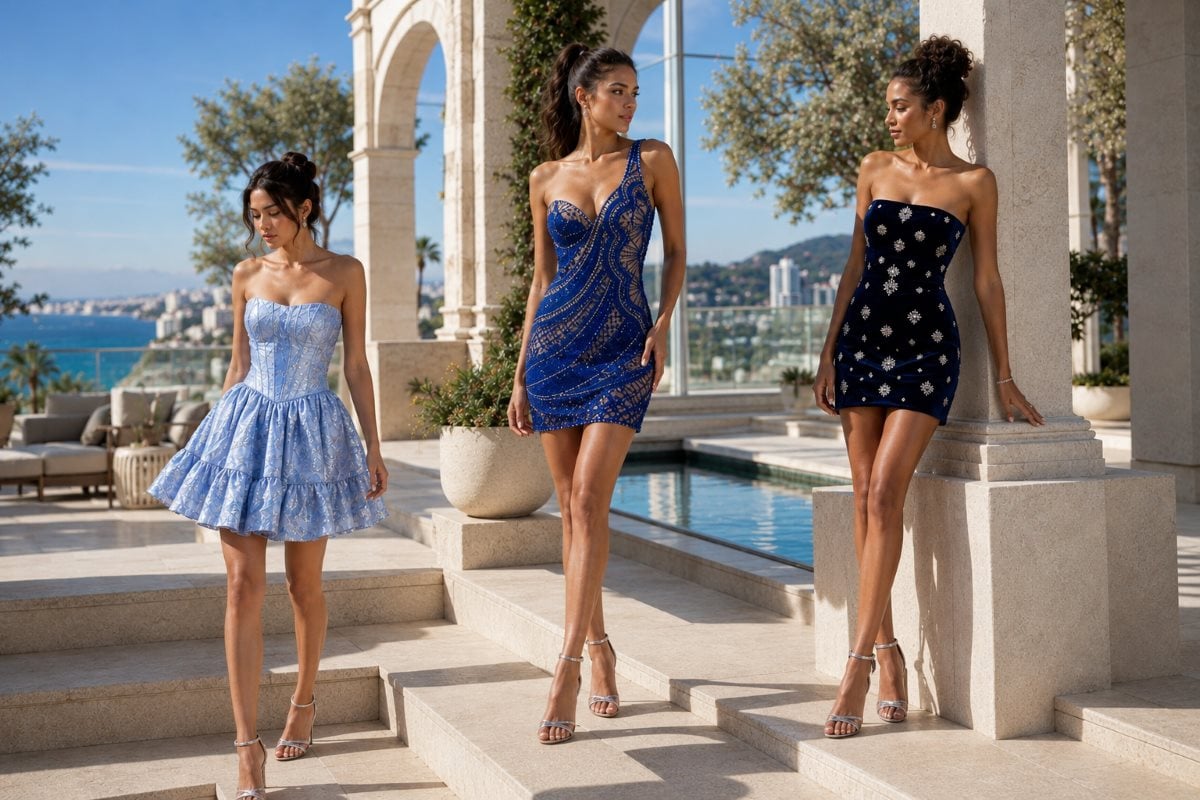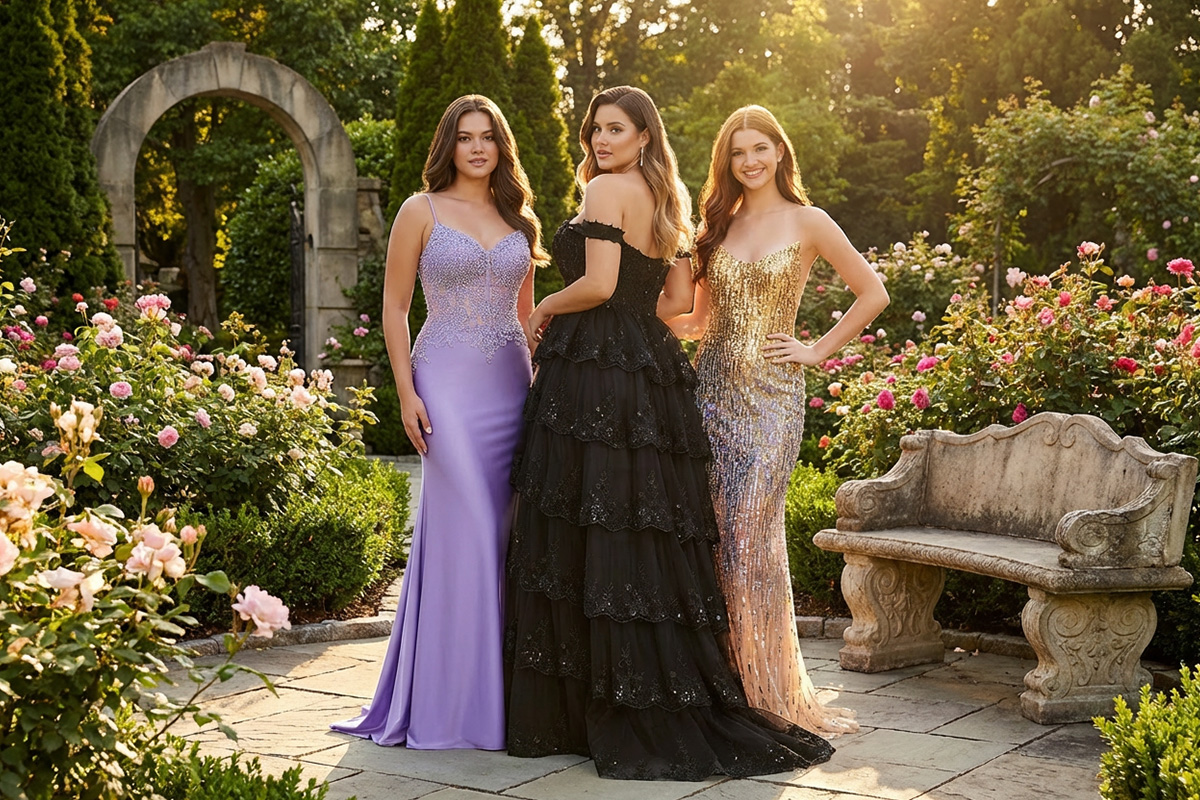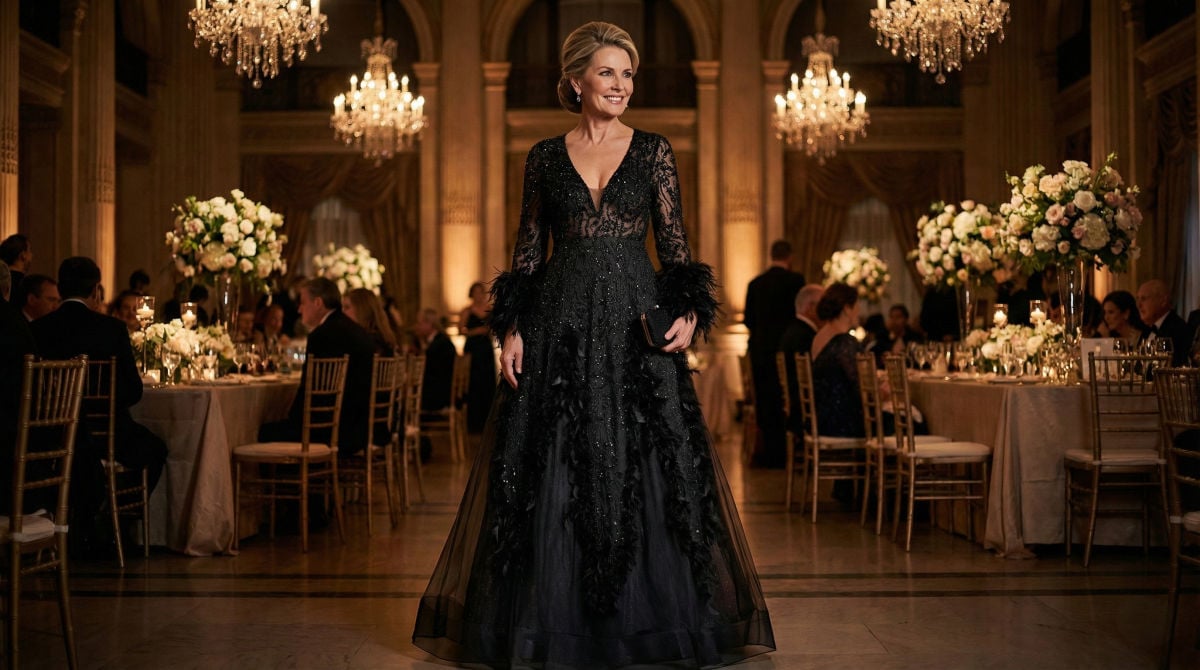

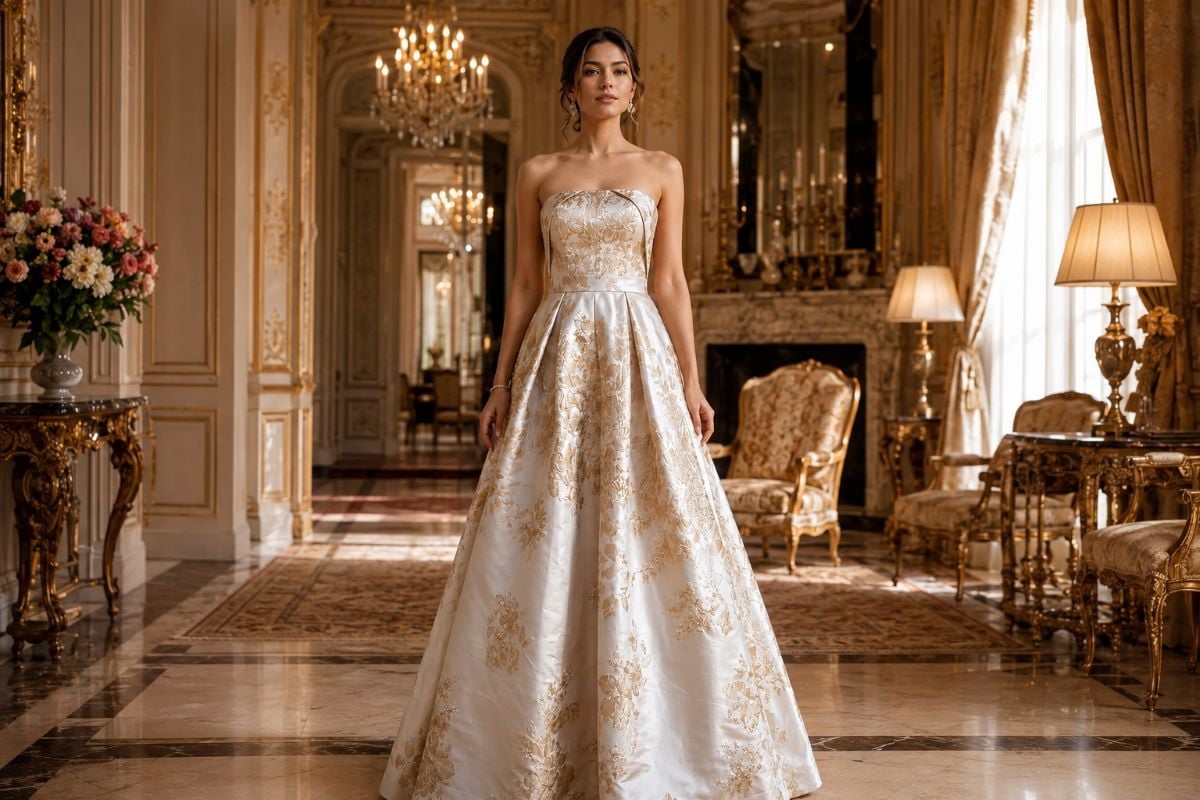
The moment you step into a luxury boutique and find the perfect gown, a thrilling transformation begins. The fabric drapes flawlessly across your frame, the silhouette enhances your natural grace, and you instantly envision the moment you will step out into the spotlight. However, securing the dress is only the first chapter of your sartorial journey. The true magic of an unforgettable, red-carpet-worthy look lies in the finer details, specifically the meticulous art of selecting the right accessories. A beautifully chosen necklace, a delicate tennis bracelet, or a pair of dramatic statement earrings can elevate a beautiful garment into an iconic, memorable ensemble. Conversely, clashing metals or poorly chosen statement pieces can disrupt the visual harmony of your look, drawing the eye away from the masterful design of your attire. When it comes to achieving flawless elegance, mastering the art of matching jewelry metals with dresses is an essential skill that top stylists use to create cohesion. Navigating the world of luxury accessories often comes down to one pivotal, defining question: should you wear gold, silver, or rose gold?
Selecting the correct jewelry is not a matter of random selection or simply wearing your everyday pieces out of habit; it is a nuanced, deliberate skill that blends color theory, a deep understanding of your personal features, and an appreciation for garment architecture. Whether you are preparing for a prestigious black-tie gala, a sophisticated wedding reception, or a milestone high school dance, the metals you choose act as the finishing brushstrokes on a masterpiece. At Jovani, where expert design, intricate craftsmanship, and premium textiles define every single piece we create, we understand that a complete, show-stopping look requires thoughtful coordination. Our gowns, available exclusively through authorized retailers and premium boutiques across the United States, serve as the ultimate canvas for your personal style. In this comprehensive guide, we will explore the professional techniques for selecting the right metals, harmonizing them with different fabric hues, and creating a cohesive, breathtaking appearance that turns heads for all the right reasons.
The Science of Skin Tones and Metal Harmonization
Before you even consider the color or cut of your gown, the foundation of choosing the right jewelry begins with your own natural palette. The concept of skin undertones is a critical, non-negotiable element in high fashion and beauty, dictating which shades will make you look radiant, healthy, and luminous, and which might inadvertently leave your complexion looking dull or washed out. While your surface skin color can change with sun exposure, the seasons, or natural aging, your undertone remains entirely constant throughout your life. Identifying this subtle, underlying hue is the absolute first step in mastering jewelry for skin tones.
The Vein Test and the White Paper Method
Fashion professionals, elite celebrity stylists, and makeup artists typically rely on a few simple, foolproof tests to determine undertones, categorizing them into three primary groups: cool, warm, and neutral. The most common, accessible, and accurate method is the vein test. Examine the veins on the inside of your wrist under bright, natural daylight. If your veins appear predominantly blue or purple, you likely possess cool undertones. If they lean toward a distinct greenish or olive tint, you have warm undertones. If you have difficulty determining whether they are blue or green, or if they appear to be an equal, balanced mix of both, you likely fall into the neutral undertone category.
Another highly effective, stylist-approved method is the “white paper test.” Hold a crisp, bright white piece of paper next to your bare face in natural light, ensuring you have no makeup on. If your skin appears slightly pink, rosy, or blueish in contrast to the stark white paper, your undertone is cool. If your complexion looks more yellow, peachy, or golden next to the paper, your undertone is warm. Understanding this personal color profile is essential when you want to strategically complement your complexion perfectly. The overarching goal is to ensure that your jewelry enhances your natural, inherent glow rather than fighting against it, creating a seamless, unbroken visual flow from your skin to your accessories.
Perfecting Cool Undertones with Silver and Platinum
Individuals with cool undertones truly shine when adorned in crisp, light, highly reflective metals. Silver, platinum, and white gold are the undisputed, ultimate choices here, as their icy, brilliant finish beautifully mirrors the underlying blue and pink hues of the skin. When matching jewelry metals with dresses for a cool-toned individual, silver provides an illuminating, almost magical effect that looks incredibly fresh, youthful, and starkly modern.
Silver jewelry with dresses brings a certain clarity and sharpness to the skin, making the whites of the eyes pop and the overall complexion appear significantly more vibrant. If you are wearing a gown adorned with clear crystal rhinestones, intricate silver thread-work, or cool-toned beadwork, silver jewelry becomes an organic, fluid extension of the dress itself. This creates a seamless and sophisticated aesthetic that feels meticulously planned and highly intentional. Furthermore, diamonds and cool-toned gemstones like rich sapphires, icy aquamarines, and deep amethysts set in white gold or platinum will bring out the absolute best in cool, rosy skin, elevating the entire formal look to couture levels.
Celebrating Warm Undertones with Yellow Gold and Brass
For those blessed with warm, golden, peachy, or olive undertones, classic yellow gold is the absolute champion of the jewelry box. The rich, sun-kissed warmth of traditional gold jewelry harmonizes beautifully and effortlessly with the earthy and yellow hues naturally present in the skin. Gold jewelry with dresses has a long-standing, globally recognized history of conveying luxury, regality, and timeless elegance across various cultures and distinct fashion eras.
When warm-toned individuals wear yellow gold, it acts almost like a gentle, natural highlighter, bringing a luminous, healthy, lit-from-within warmth to the face and décolletage. Whether you are opting for a chunky, modern gold cuff bracelet, a delicate, interwoven chain, or vintage-inspired, heavy chandelier earrings, warm metals will always feel naturally rooted and deeply flattering against a warm complexion. To further enhance this striking harmony, styling gold pieces that feature warm-toned gemstones like fiery rubies, bright citrine, lush emeralds, or glowing amber will create a breathtakingly rich and cohesive color story that photographs magnificently.
The Neutral Advantage: Rose Gold and Boundless Creativity
If you fall into the neutral category, you have essentially won the sartorial lottery. Neutral undertones possess a perfectly balanced, equal mix of warm and cool hues, meaning you can effortlessly pull off almost any metal on the market without fear of clashing. However, rose gold jewelry is particularly stunning, impactful, and romantic on neutral skin.
The subtle, sophisticated blend of pure gold and copper creates a soft, romantic pinkish hue that flawlessly flatters the balanced nature of a neutral complexion. Furthermore, neutral skin tones provide the perfect, unbothered canvas for the highly modern, fashion-forward trend of mixing metals. You have the total, absolute freedom to layer silver and gold pieces together without the risk of discordance with your natural coloring. This gives you unparalleled versatility and creative freedom when accessorizing formal dresses for any high-profile occasion, from a red-carpet walk to a grand ballroom entrance.
Coordinating Metals with Dress Colors
Once you have established which metals naturally flatter your skin, the next layer of styling complexity involves harmonizing those chosen metals with the color of your evening wear. The primary hue of your dress plays a massive, undeniable role in dictating the overall mood, tone, and visual impact of your ensemble. The right metal can either provide a striking, highly intentional contrast or a smooth, monochromatic blend that oozes quiet luxury and sophistication.
The Blank Canvas: Black, White, and Neutral Gowns
Neutral dresses—including stark black, pure white, soft ivory, rich champagne, and deep, moody charcoal—are the ultimate blank canvases in the luxury fashion world. They offer the absolute greatest styling flexibility, allowing your jewelry to take center stage and ultimately define the specific, unique vibe of the outfit.
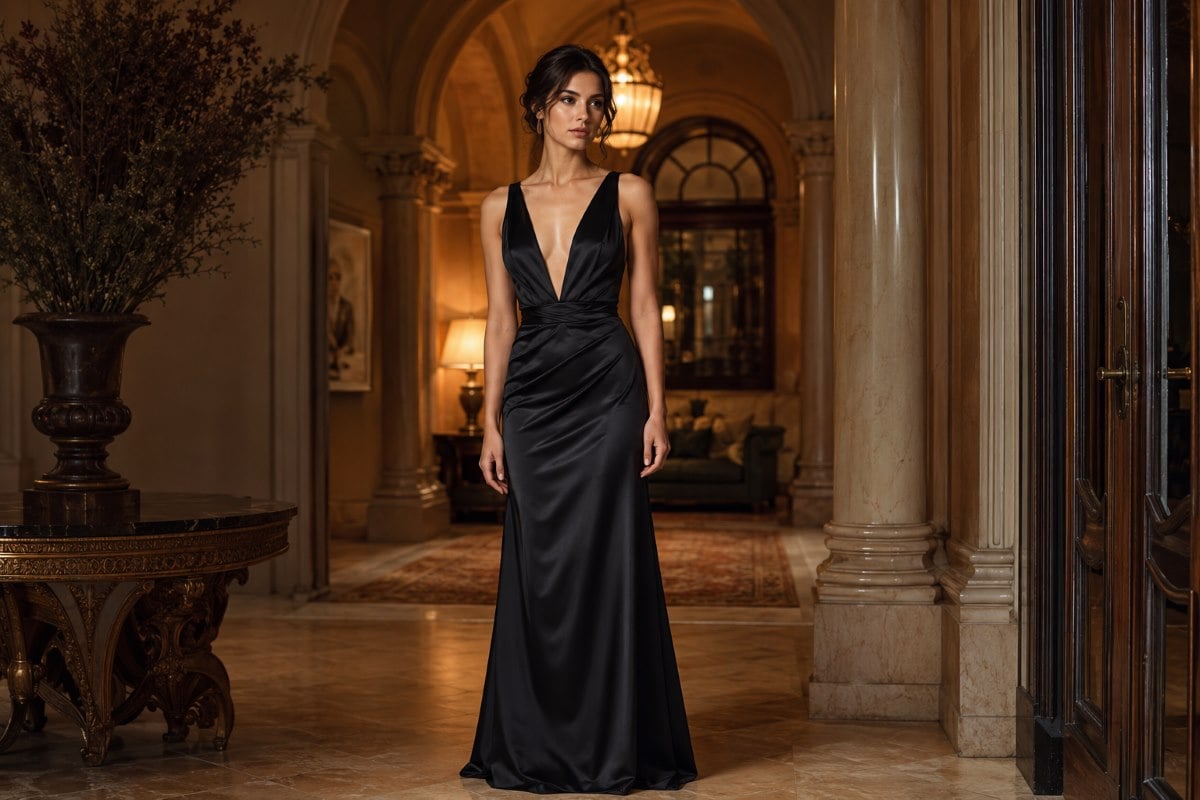
When styling a classic black gown, your choice of metal dramatically alters the narrative of the look. Silver paired with black creates a sharp, high-contrast, icy appearance that feels incredibly modern, edgy, and red-carpet-ready. It is crisp, clear, and undeniably sleek. Yellow gold against black, on the other hand, is the absolute epitome of opulent, vintage glamour, immediately evoking the heavy, decadent luxury of the 1920s Art Deco era. Rose gold with black offers a trendy, unexpected twist, softly diffusing the harshness of the dark fabric with a subtle touch of modern romance and inviting warmth.
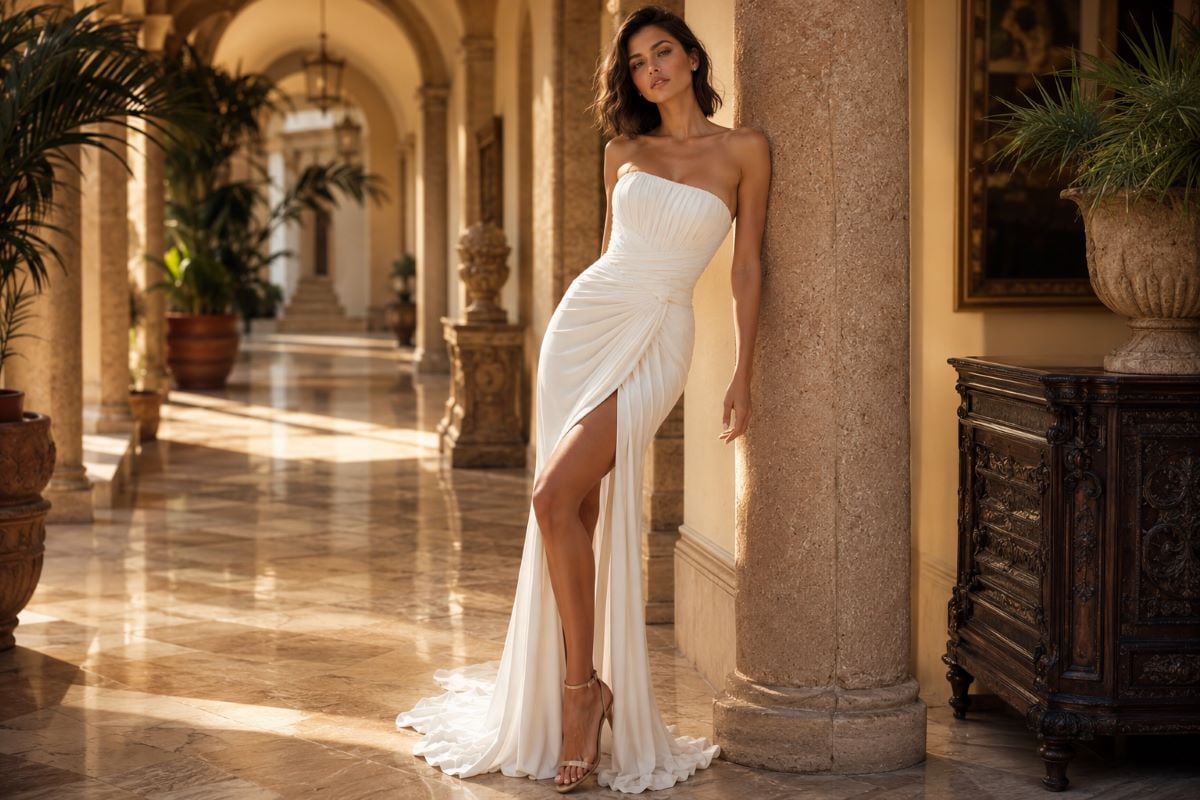
Pure white dresses look absolutely ethereal, pristine, and angelic when paired with silver or white gold, maintaining a crisp, clean aesthetic. However, if your gown leans toward warmer, creamier neutrals like ivory, cream, beige, or champagne, yellow gold is almost always the superior, stylist-recommended choice. The warm metal beautifully enhances the creamy, buttery undertones of these specific fabrics, preventing the outfit from looking washed out or clinically cold.
Amplifying Cool-Toned Gowns
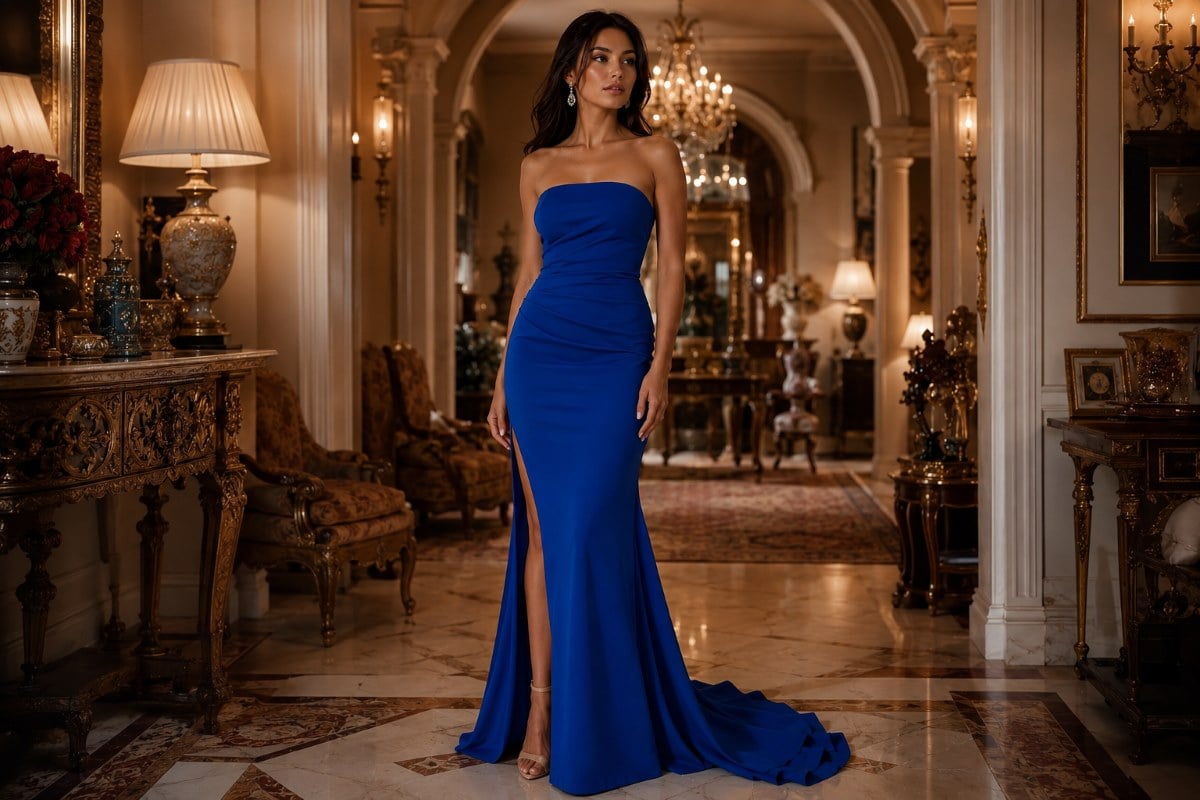
Dresses that fall on the cool side of the color wheel—such as deep navy blue, rich emerald green, royal purple, plum, and icy pastels like mint or baby blue—naturally invite cool-toned metals. Wearing silver jewelry with dresses in these shades is a foolproof, time-tested strategy that guarantees a cohesive, incredibly harmonious look. The icy, brilliant reflection of silver enhances the depth of dark jewel tones and emphasizes the crispness of lighter pastels, creating a perfectly balanced visual weight.
However, high fashion is also about breaking traditional rules with purpose, intent, and confidence. Pairing a deep, saturated navy blue or an earthy, lush emerald green gown with rich yellow gold creates a magnificent, striking contrast. The intense warmth of the gold against the cool, dark depth of the fabric creates a dynamic visual tension that looks highly intentional, incredibly luxurious, and bold. This specific combination is a massive favorite among top-tier celebrity stylists aiming to make an unforgettable statement.
Igniting Warm-Toned Gowns
Warm-hued gowns—encompassing fiery ruby reds, vibrant oranges, sunny yellows, soft corals, and rich, deep burgundies—possess a fiery, inherent energy that is best amplified by equally warm metals. Yellow gold is the natural, intuitive companion here, as it seamlessly integrates with the heat of the fabric, creating a rich, molten effect that is visually stunning and incredibly cohesive.
While silver can technically be worn with warm colors, it often creates a stark, sometimes jarring contrast that can inadvertently cool down the outfit’s natural, intended warmth. If you possess cool undertones and prefer not to wear yellow gold with a warm-toned dress, rose gold serves as an absolutely excellent, strategic compromise. Its pinkish, copper undertone blends beautifully with reds, blushes, and burgundies without losing that essential warmth, while still flattering cooler skin types perfectly.
Managing Metallic and Heavily Embellished Fabrics
A unique and often intimidating styling challenge arises when the dress itself is the primary source of metallic shine. When you are wearing garments constructed from reflective lamé, intricate metallic brocade, or dresses entirely encrusted in heavy, light-catching sequins, the standard rules of accessorizing shift significantly.
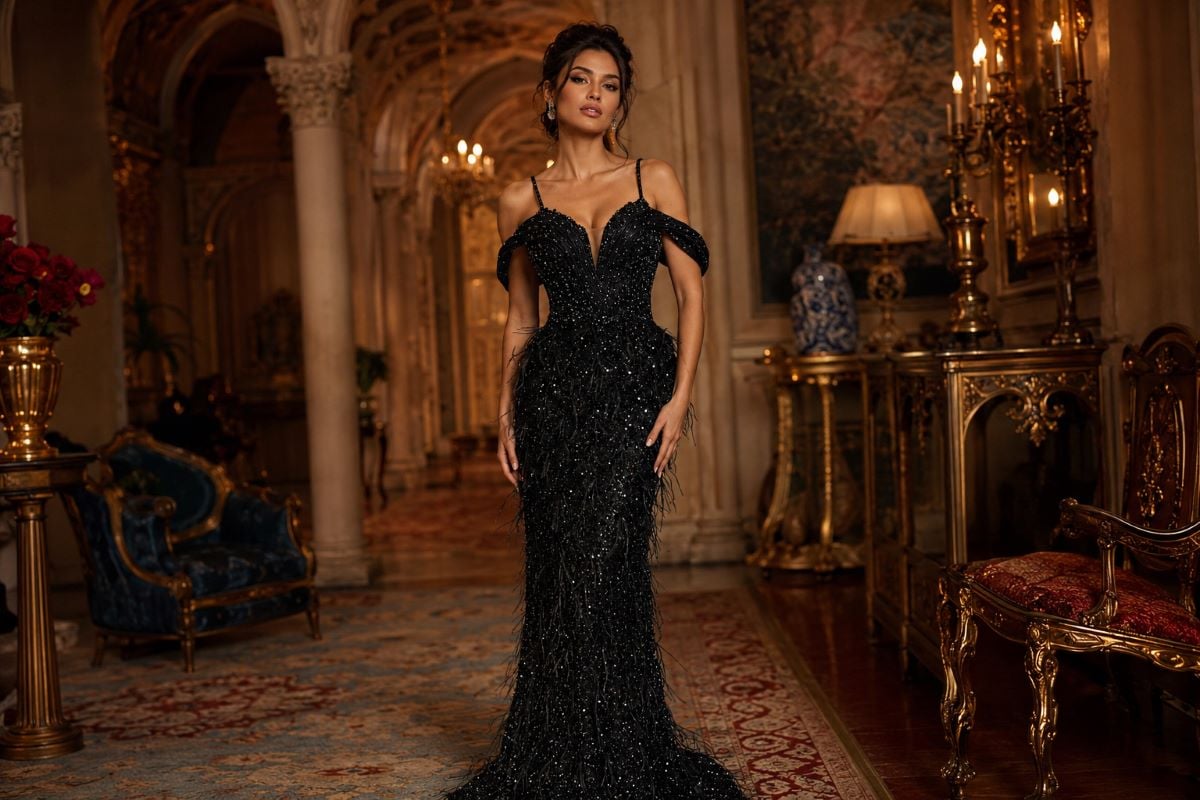
If you are stepping out in one of the luxurious, show-stopping gold evening gowns available this season, the most sophisticated and visually appealing approach is usually monochromatic. Pairing a gold dress with matching, subtle gold jewelry creates a cohesive, goddess-like appearance that feels incredibly rich and thought-out. Introducing a heavy amount of silver jewelry in this scenario could create an unnecessary visual clash that ultimately distracts from the gown’s inherent, breathtaking impact. When the dress does the talking, the best jewelry for evening gowns of this magnitude is often understated.
How Dress Architecture Dictates Jewelry Selection
Beyond the overarching color palette of your gown, the specific design details, material textures, and structural elements of the garment must heavily influence your jewelry choices. A couture gown is a three-dimensional piece of wearable art, and your accessories should respect, elevate, and highlight its specific architecture rather than fighting against it for attention.
Navigating Textures and Appliqués
The physical texture and weight of the material can largely dictate how much “visual weight” your jewelry needs to carry to maintain balance. If you have selected the best fabrics for your evening gown, such as a rich, heavy winter velvet, a stiff, highly structured mikado, or a dense, intricate brocade, your jewelry needs a certain level of physical substance to avoid getting entirely lost against the heavy textile. Chunky gold cuffs, layered chain necklaces, or substantial, heavy gemstone drop earrings can hold their own against these dominant, powerful materials.
Conversely, if you are wearing a delicate, floaty silk chiffon, a sheer, ethereal organza, or a whisper-thin layer of tulle, heavy, aggressive metal jewelry can look visually oppressive, weighing down the fairy-tale quality of the look. In these instances, fine, delicate chains, tiny pavé diamonds, or thin, wispy silver drops provide the perfect, complementary balance that respects the fabric’s lightness.
Furthermore, you must pay incredibly close attention to any existing hardware or embellishments built into the dress itself. If your gown features a belt with a prominent silver buckle, metallic silver sequin patterns, or cool-toned crystal beadwork heavily concentrated along the bodice, your jewelry should generally follow suit. Mixing a heavy, warm yellow gold necklace with a dress that is dripping in icy silver rhinestones creates a disjointed, chaotic look that lacks professional polish.
The Crucial Role of Necklines
The architecture of your gown, particularly around the upper body and décolletage, is perhaps the single most crucial factor in deciding not just the metal, but the exact type and shape of jewelry you should wear. The neckline of your dress essentially acts as a frame for your face and upper torso, and your jewelry must fit gracefully and proportionally within that frame to succeed.
A plunging V-neckline practically begs for a pendant necklace that directly mirrors the sharp, dramatic shape of the cut, naturally drawing the eye downward and beautifully elongating the torso. Whether crafted in silver or gold, the pendant should generally end an inch or two above the lowest point of the V-neck to maintain perfect, elegant proportion. A strapless or classic sweetheart neckline offers a wide, open expanse of bare skin, making it the perfect, unbothered canvas for a bold, thick statement necklace or a highly dramatic collar piece.
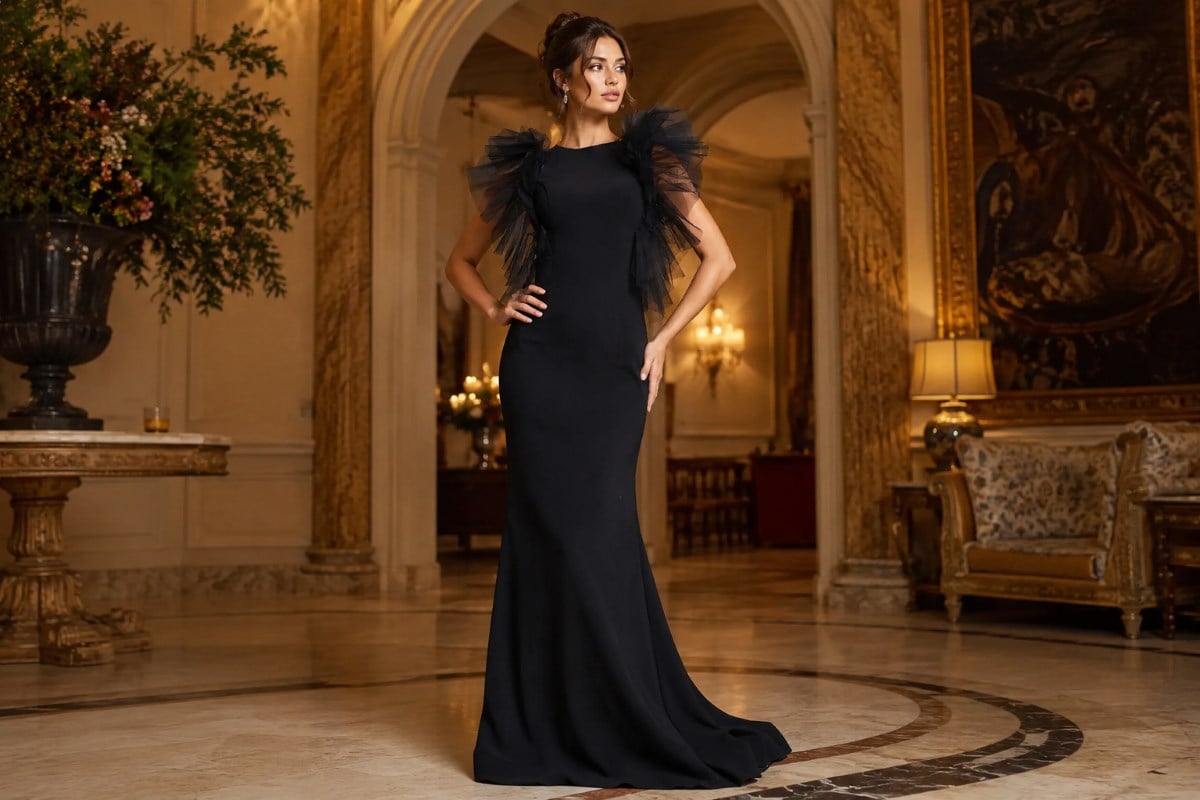
However, if you are wearing a high neck, a halter top, an asymmetrical one-shoulder gown, or an illusion neckline featuring intricate lace detailing that climbs the collarbone, adding a necklace will almost always cause severe visual clutter. It forces the jewelry to compete directly with the dress’s design. In these specific cases, the most professional, stylist-approved choice is to skip the necklace entirely. Instead, focus your metallic accents on a breathtaking pair of chandelier earrings, a bold, oversized cocktail ring, or an elegant, stacked set of bracelets.
The Modern Era: Rose Gold and Mixed Metals
While bright silver and rich yellow gold have been absolute fashion staples for centuries, the massive modern resurgence of rose gold has completely revolutionized how we approach matching jewelry metals with dresses. Originally known as “Russian Gold” during its popularization in the 19th century, this beautiful, unique alloy of gold and copper offers a romantic warmth that neither of the traditional, primary metals can successfully replicate.
Why Rose Gold Remains a Red-Carpet Staple
The true magic of rose gold lies in its highly transitional, adaptable nature. It is neither starkly, icily cool like platinum nor intensely, heavily warm like 24k yellow gold, allowing it to successfully bridge the gap between vastly different color palettes. It brings a soft, distinctly feminine, and highly vintage-inspired energy to an outfit, making it a massive favorite for romantic occasions like weddings, charity galas, and formal evening affairs.
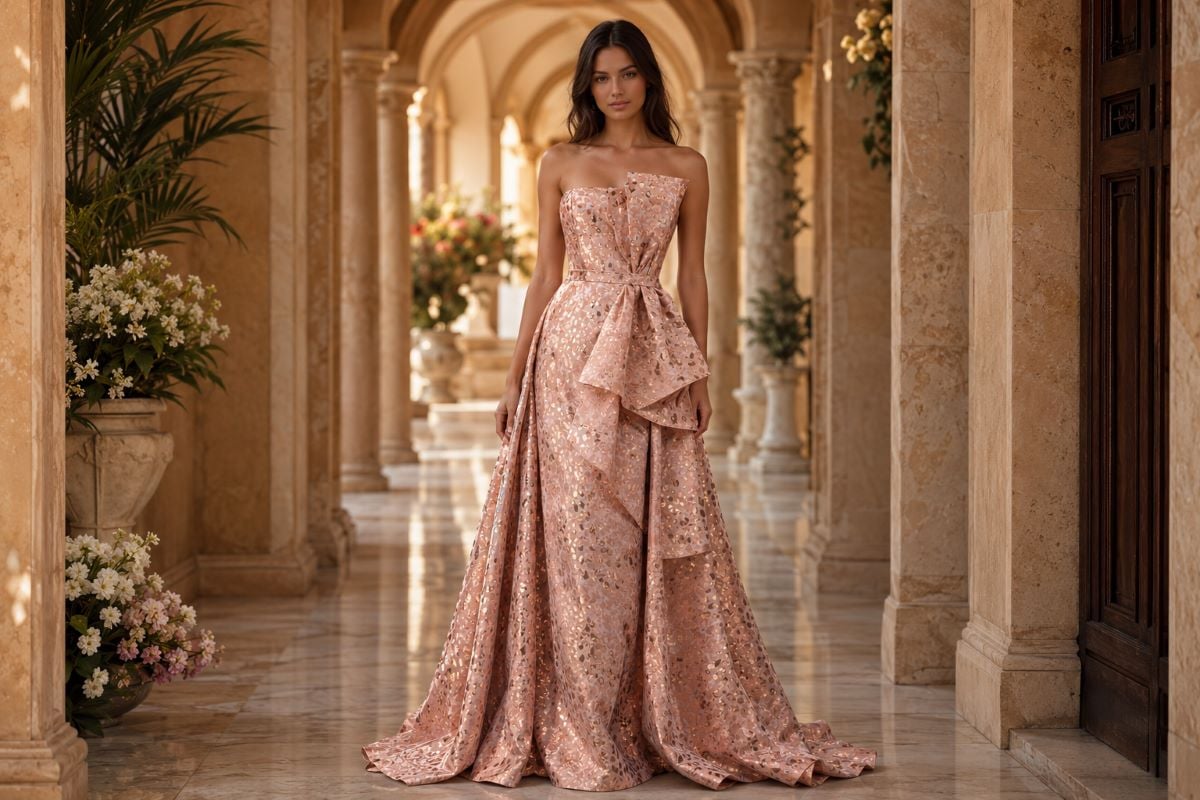
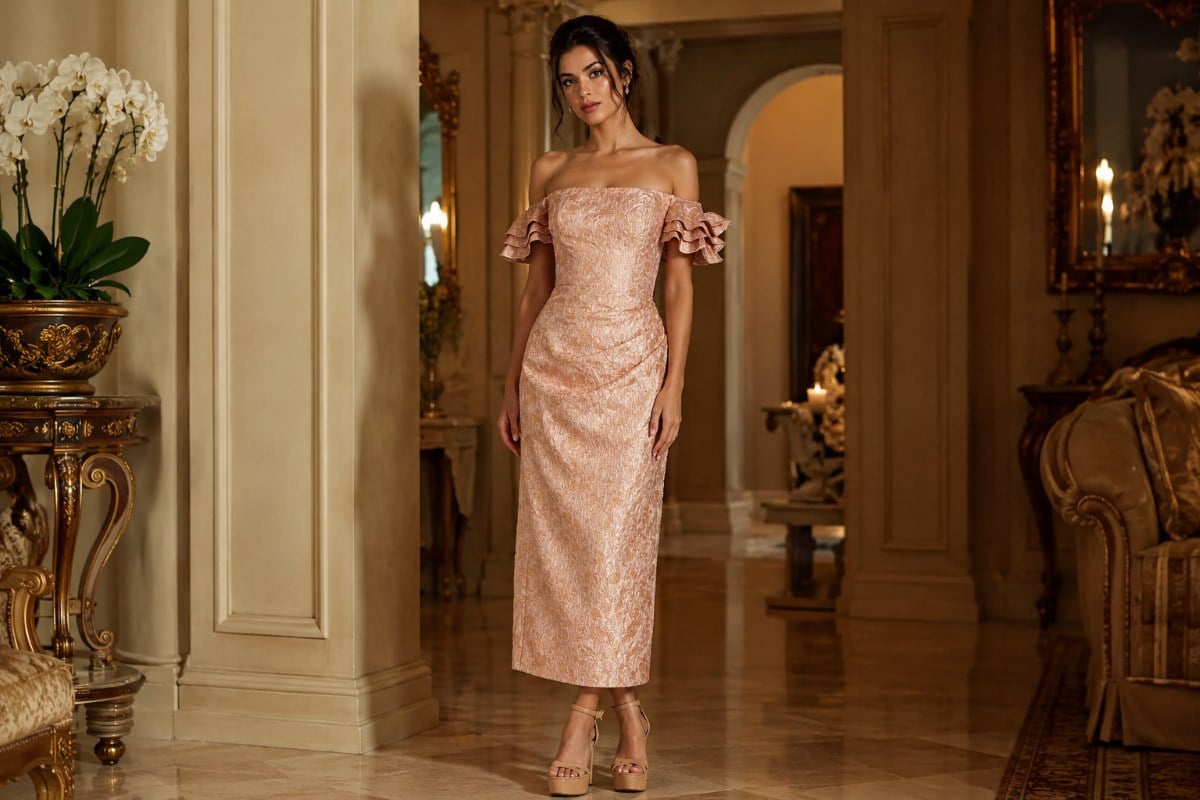
Rose gold jewelry is exceptionally forgiving; it flatters almost every single skin tone effortlessly, bringing out a gentle, healthy blush in pale skin while simultaneously highlighting the rich, glowing, opulent depths of darker complexions. Rose gold looks absolutely breathtaking against soft, romantic dress colors like blush pink, dusty rose, pale lavender, and soft dove grey, creating an elegant, tonal, and continuous look that feels incredibly chic.
The Art of Mixing Metals Like a Pro Stylist
If you are intimidated by the modern, fashion-forward idea of mixing metals, utilizing rose gold is the perfect gateway technique. Because it sits so comfortably between silver and yellow gold on the metallic color spectrum, it acts as a phenomenal, organic visual unifier. A beautifully curated stack of bracelets featuring silver, yellow gold, and rose gold looks highly intentional, chic, and curated, rather than haphazard, chaotic, or accidental.
If your dress features heavy silver embellishments but you strongly prefer wearing warm tones against your skin, introducing rose gold accessories is a brilliant, advanced stylist trick to seamlessly blend the cool tones of the dress with the specific warmth you desire. The old, rigid, and stuffy fashion adage stating that you must never mix gold and silver is entirely outdated. Today, expertly mixing metals is seen as a sign of advanced sartorial confidence.
Creating a Cohesive Accessory Ecosystem
Selecting the right metal for your earrings and necklaces is only part of the overarching styling equation; executing a flawless, memorable final look requires a keen, critical eye for overall outfit cohesion. The most successful outfits are those where every single element feels purposefully and deliberately connected.
Hardware Rules for Formal Footwear
Footwear is very often the final, critical piece of the formalwear puzzle. Before you finally pick the perfect shoes, consider heavily whether their visible hardware aligns with your chosen jewelry. If you select a pair of elegant, strappy sandals featuring a prominent gold buckle at the ankle, or heels adorned with silver studs or cool-toned crystal bows, this hardware undeniably becomes part of your overall metal palette.
When attending highly formal, traditional, or strict black-tie events, sticking to a single, unified metal tone across your jewelry, handbag, and shoes is often the safest, most elegant, and most widely respected route. This level of matching guarantees a streamlined, refined, and undeniably polished aesthetic that easily withstands the test of time.
Harmonizing Handbags, Clutches, and Hairpieces
Your jewelry absolutely does not exist in a vacuum; it is part of a much broader accessory ecosystem. When deciding how to accessorize your formal wear, you must view your outfit as an interconnected, harmonious network. If you are carrying a hard-shell minaudière clutch with a prominent gold clasp, or a velvet evening bag featuring a delicate, woven gold chain strap, your jewelry should ideally reflect and respect that metallic choice. While strict matching is not always mandatory, maintaining a dominant metal theme strongly anchors the look.
FAQs About Matching Jewelry with Evening Wear
1. What is the biggest mistake people make when matching jewelry metals with dresses?
The most common mistake is ignoring the dress’s built-in hardware and embellishments. Wearing a heavy yellow gold necklace with a gown that is densely covered in icy silver sequins creates an immediate visual clash. Always let the dominant embellishment of the dress dictate your primary jewelry metal to ensure a cohesive, professional look.
2. Can I wear yellow gold jewelry with a cool-toned dress like navy or emerald?
Absolutely. While silver is the traditional, “safe” pairing for cool tones, pairing a dark navy or emerald green gown with rich yellow gold creates a stunning, high-contrast, and incredibly luxurious look. This warm-cool juxtaposition is a favorite among celebrity stylists for making a bold red-carpet statement.
3. I have warm undertones but I love the design of a silver necklace. Should I avoid it?
You don’t have to avoid it, but you should style it strategically. If you have warm undertones but want to wear silver, try choosing a piece that incorporates warm-toned gemstones (like citrine or ruby) to bridge the gap. Alternatively, wear the silver as a bracelet or ring rather than a necklace, keeping the cool metal slightly further away from your face so it doesn’t wash out your complexion.
4. Does my jewelry need to match my date’s accessories?
It is not a strict requirement, but subtle coordination elevates the overall aesthetic, especially for formal photographs. If you are wearing silver jewelry, your date opting for silver cufflinks, a silver tie bar, or a silver-faced watch shows incredible attention to detail without looking overly forced or matching in a cliché way.
5. Is it acceptable to wear rose gold to a strict black-tie event?
Yes, rose gold is completely acceptable and highly encouraged for black-tie events. It offers a sophisticated, romantic, and vintage-inspired elegance that works beautifully for formal occasions. It is particularly stunning when paired with neutral gowns, blush tones, or as a softening contrast against severe black dresses.
Matching jewelry metals with dresses is the final, thrilling step in your event preparation, transforming a beautiful garment into a complete, iconic look. By deeply understanding the intricate interplay of metals, skin undertones, colors, and textures, you ensure your final appearance is flawlessly cohesive, intentional, and undeniably professional. When you are ready to find the dress that will serve as the spectacular, premium foundation for your impeccably styled look, we invite you to explore the full Jovani collection at an authorized retailer near you to discover the gown of your dreams.