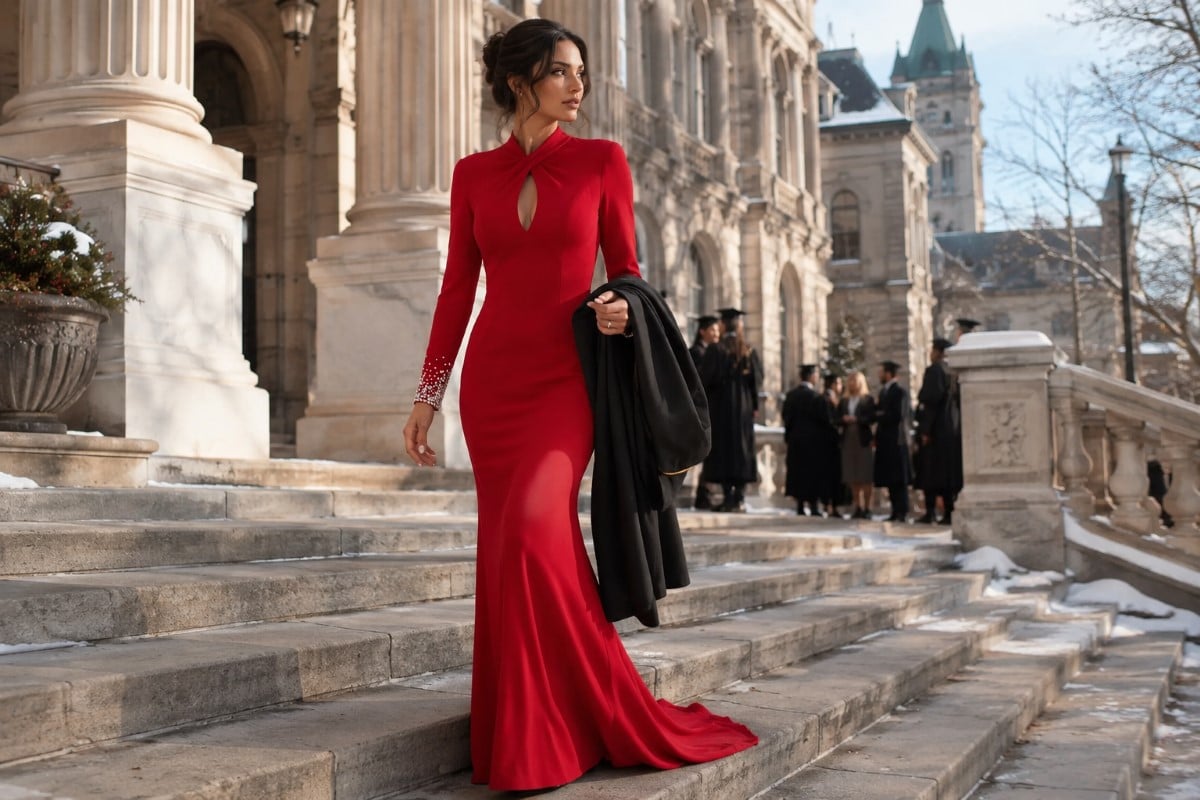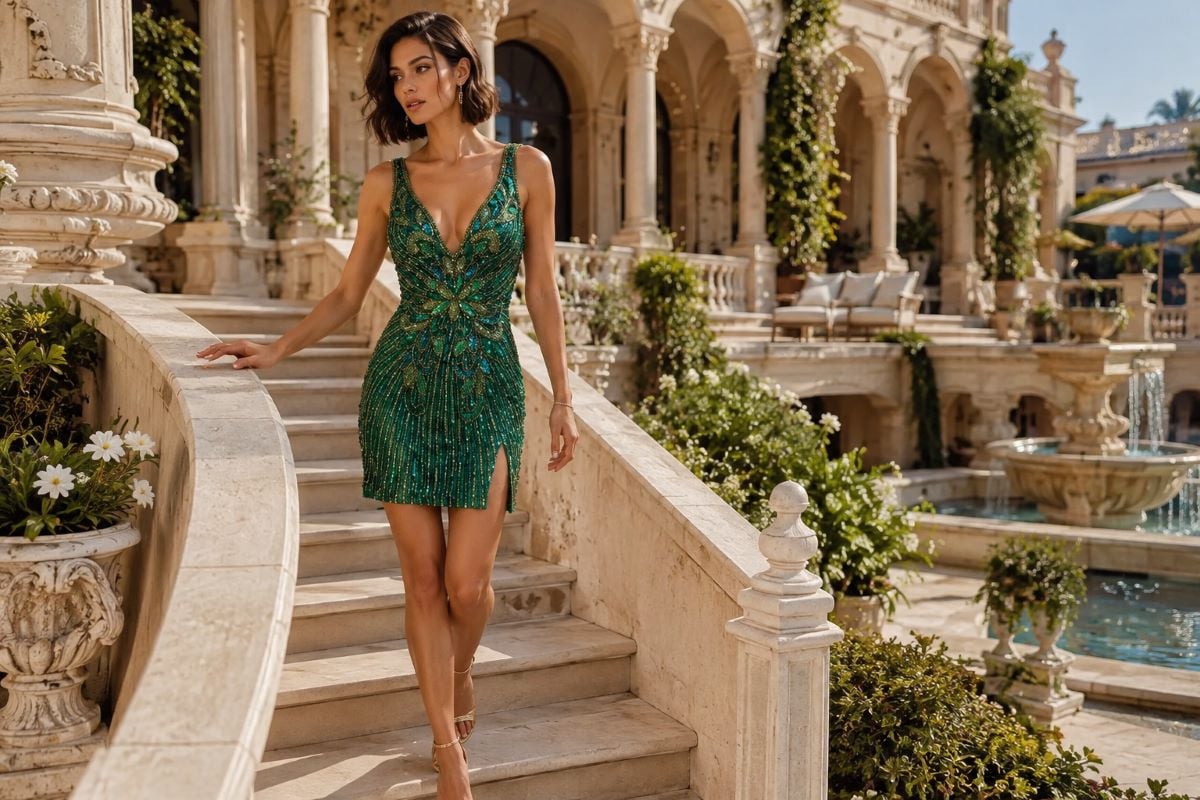

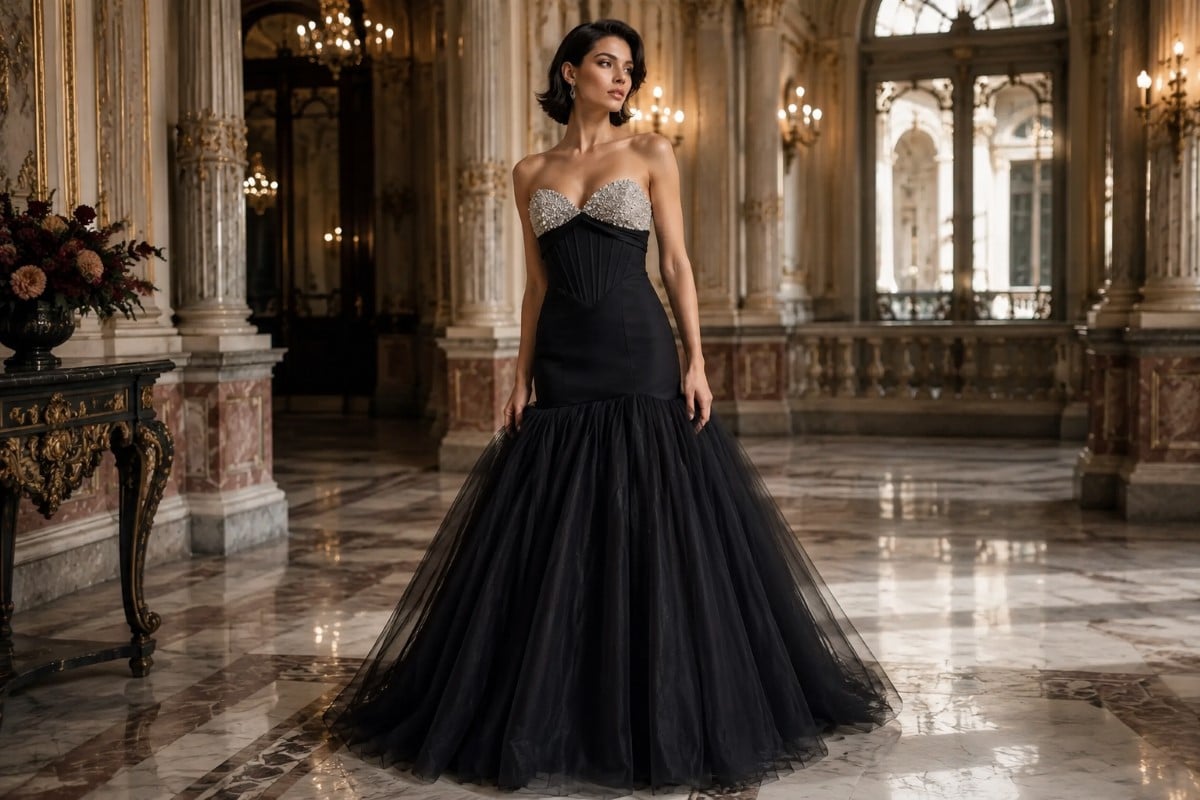
The drop waist dress places its waistline lower than the natural waist, usually at the hip, creating a long, smooth line through the torso that reads as both vintage and current. Where most dresses define the waist at its narrowest point, the drop waist skims past it and seams the bodice to the skirt down at the hip, which changes the whole proportion of the silhouette. The effect is elongating, modern, and a little unexpected, which is exactly why the drop waist has moved from a 1920s signature to one of the most talked-about silhouettes in formalwear again. This guide covers what defines a drop waist dress, why it flatters, who it suits best, the silhouettes and occasions it works for, and how to style it so the lowered waistline reads as deliberate and elegant rather than accidental.
What defines a drop waist dress
A drop waist dress is defined by a waistline seam that sits below the natural waist, typically at the hip or low torso, rather than at the narrowest part of the body. This is the single feature that separates it from every other silhouette: the bodice extends past the natural waist before meeting the skirt, which shifts the visual break point downward and lengthens the upper body.
The lowered seam creates a long, smooth line from the shoulders through the hip, where the skirt then begins. Depending on the design, the skirt can fall straight, flare gently, or drop into pleats or fullness from the hip, each creating a different effect. The defining quality is always that long, uninterrupted torso line, which gives the drop waist its sleek, elongating character. The range of formal gowns shows how a waistline placement shapes the whole proportion of a gown, and the drop waist brings a distinctly modern, lengthening line to whatever skirt follows it.
Why the drop waist flatters
The drop waist flatters through elongation and proportion, which is part of why it has returned to favor. Understanding how it works helps in deciding whether it suits you.
Elongating the torso
By moving the waistline seam down to the hip, the drop waist lengthens the visual line of the torso, which reads as elegant and elongating. This makes the silhouette especially flattering for anyone who wants to create the impression of a longer upper body, since the eye travels uninterrupted from the shoulders to the hip before reaching the skirt. The long line is the source of the drop waist’s sleek, modern appeal.
Reshaping proportion
The drop waist shifts where the eye perceives the waist, which can rebalance proportions in flattering ways. For a figure with a shorter torso, the lowered seam adds length to the upper body, while for a balanced figure, it creates a fashion-forward proportion that reads as intentional and current. The silhouette tends to flatter straighter and leaner figures most naturally, since it does not cinch the natural waist, though a well-constructed drop waist with shaping through the bodice can flatter a range of figures. The key is the fit through the torso and where exactly the seam falls, since a drop waist that sits at the right point on the hip reads as deliberate and elegant.
The drop waist across silhouettes
The drop waist adapts across several skirt shapes, and the skirt changes the whole character of the dress. A drop waist with a straight or column skirt reads as sleek and modern, with the long torso line continuing into a clean, narrow skirt for a streamlined effect. A drop waist with a flared or A-line skirt creates a softer, more romantic look, with the fullness beginning at the hip rather than the waist.
A drop waist with pleats or gathered fullness at the hip nods most directly to the silhouette’s 1920s heritage, creating movement and a vintage-inspired quality. Across these variations, the lowered waistline is the constant, while the skirt determines whether the dress reads as sleek, romantic, or vintage. Considering the waistline and the skirt together leads to the most flattering and cohesive result, since the two work as a pair. The styles built around the little black dress show how a clean silhouette anchors a versatile look, and a drop waist brings a distinctive, elongating line to that foundation.
Occasions for a drop waist dress
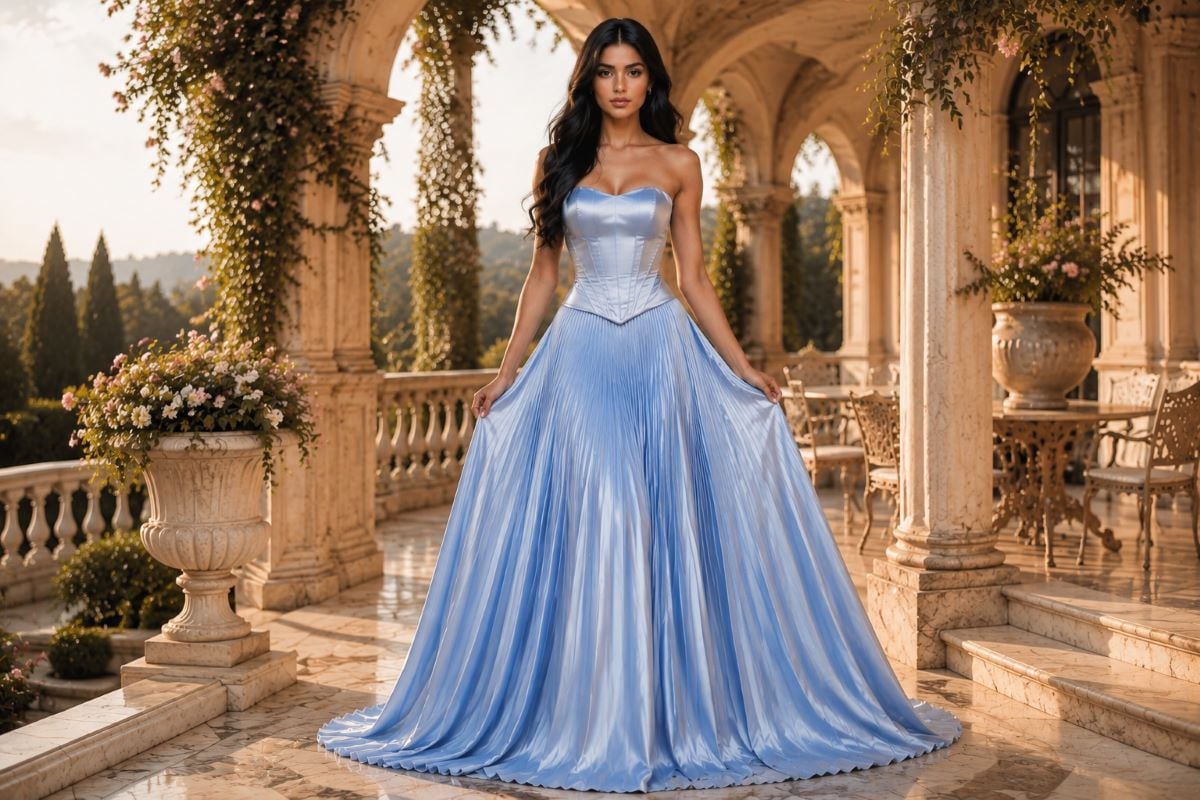
The drop waist suits a range of occasions, with its sleek, fashion-forward line reading as current across formality levels. For a cocktail party or semi-formal event, a drop waist cocktail dress reads as modern and distinctive, with the elongating line setting it apart from more conventional silhouettes. The range of cocktail and party dresses shows how the silhouette reads in a shorter, semi-formal length.
For a formal evening or black-tie event, a floor-length drop waist gown reads as elegant and architectural, with the long torso line creating a striking, contemporary silhouette. For a prom or formal dance, a drop waist brings a fashion-forward, vintage-inspired quality that stands out, and the range of prom outfits shows how a distinctive silhouette reads for a younger formal occasion. Across occasions, the drop waist reads as intentional and current, which is part of its appeal for anyone who wants a silhouette that is not the expected choice.
The drop waist among waistlines
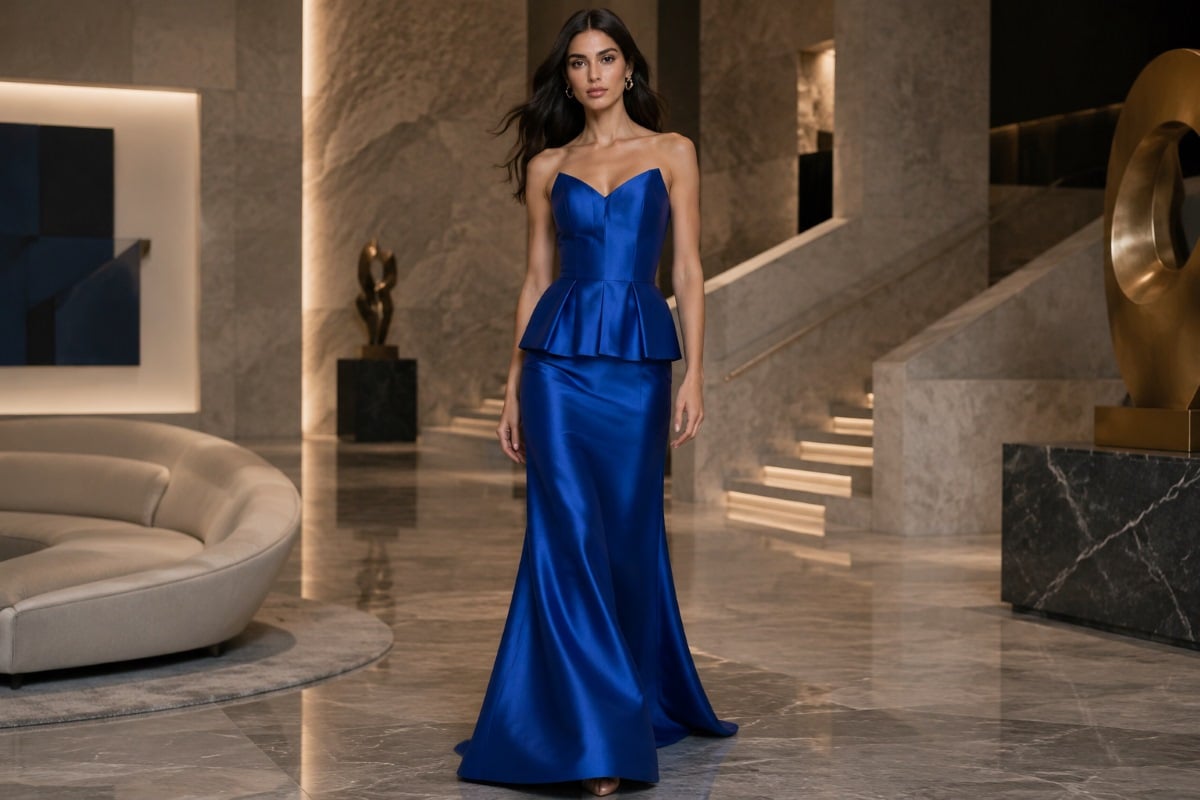
The drop waist is one of several waistline placements, and understanding where it sits helps clarify what it offers. Where a natural waist defines the body at its narrowest point and an empire waist sits just below the bust, the drop waist sits lowest of all, at the hip, creating the longest torso line of any waistline. This makes it the most elongating and the most distinctive of the common waistline placements.
Each waistline creates a different proportion and flatters different figures, so the right one depends on the effect you want and your body’s lines. The drop waist is the fashion-forward, elongating choice, which suits someone drawn to a sleek, modern, or vintage-inspired line rather than a classic cinched waist. For a fuller sense of how waistline placement changes a dress, the guide to types of dress waistlines covers how each waist position reads, which helps clarify what the drop waist offers by comparison.
For the related question of how a waistline shapes a formal silhouette, the guide to evening dresses that highlight the waistline covers the broader role the waist plays in a gown.
Styling a drop waist dress
Styling a drop waist is about complementing its long line, which guides the proportions of the whole look.
Accessories and proportion
Because the drop waist creates a long torso line, accessories work best when they complement rather than interrupt it. A belt at the natural waist would fight the silhouette’s whole point, so the waist is generally left clean. Statement earrings draw the eye upward to the face, while a longer necklace can echo the vertical line of the silhouette. Shoes that continue the leg line, such as a heel in a tone close to the hem, reinforce the elongating effect. The principle is to support the long line rather than break it up.
Pairing with a neckline
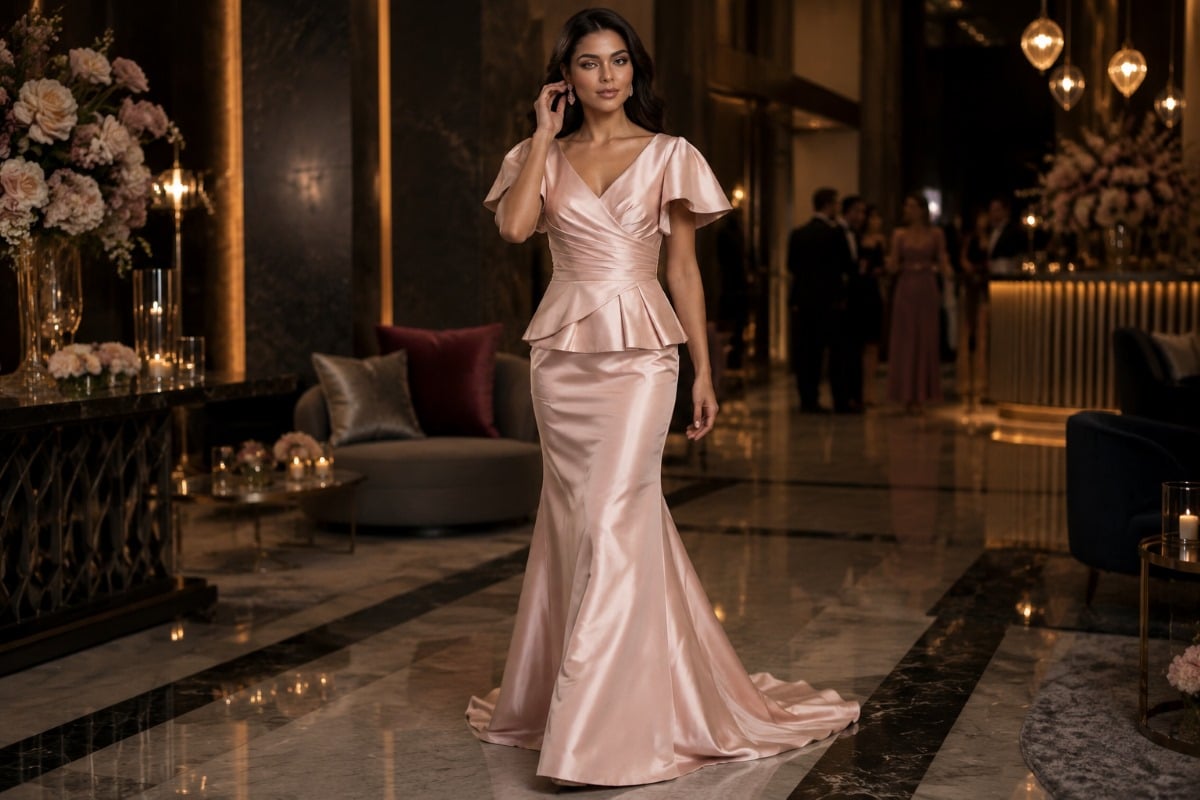
The neckline pairs with the drop waist to balance the silhouette, and the right one depends on the effect you want. A V-neck or sweetheart adds a vertical or softening line at the top that complements the long torso, while a clean boat or square neckline reads as modern against the sleek waistline. Because the drop waist already creates a strong vertical proportion, the neckline can add a focal point at the shoulders without competing. For help pairing the silhouette with a flattering neckline, the guide to the best necklines for different body shapes covers how necklines work with a figure, which applies directly to balancing a drop waist.
The drop waist’s vintage and modern appeal
Part of the drop waist’s current popularity comes from its rich history, which gives it a quality that is both nostalgic and fresh. The silhouette defined the flapper dresses of the 1920s, where the lowered waistline and loose, often beaded skirts captured the era’s break from the corseted shapes that came before. That heritage gives the drop waist an instantly recognizable vintage character, evoking the glamour of the Jazz Age.
In its current form, the drop waist reads as both a nod to that history and a thoroughly modern silhouette, which is part of why it feels fresh again. A contemporary drop waist gown can read as sleek and architectural rather than purely retro, depending on the fabric and the cut, which gives the silhouette range. This combination of vintage roots and modern interpretation is exactly what makes the drop waist appealing now, since it offers a silhouette with history and a current edge at once. The range of contemporary gowns shows how a fashion-forward silhouette reads in a current design context, which suits the drop waist’s modern revival.
Choosing a quality drop waist dress
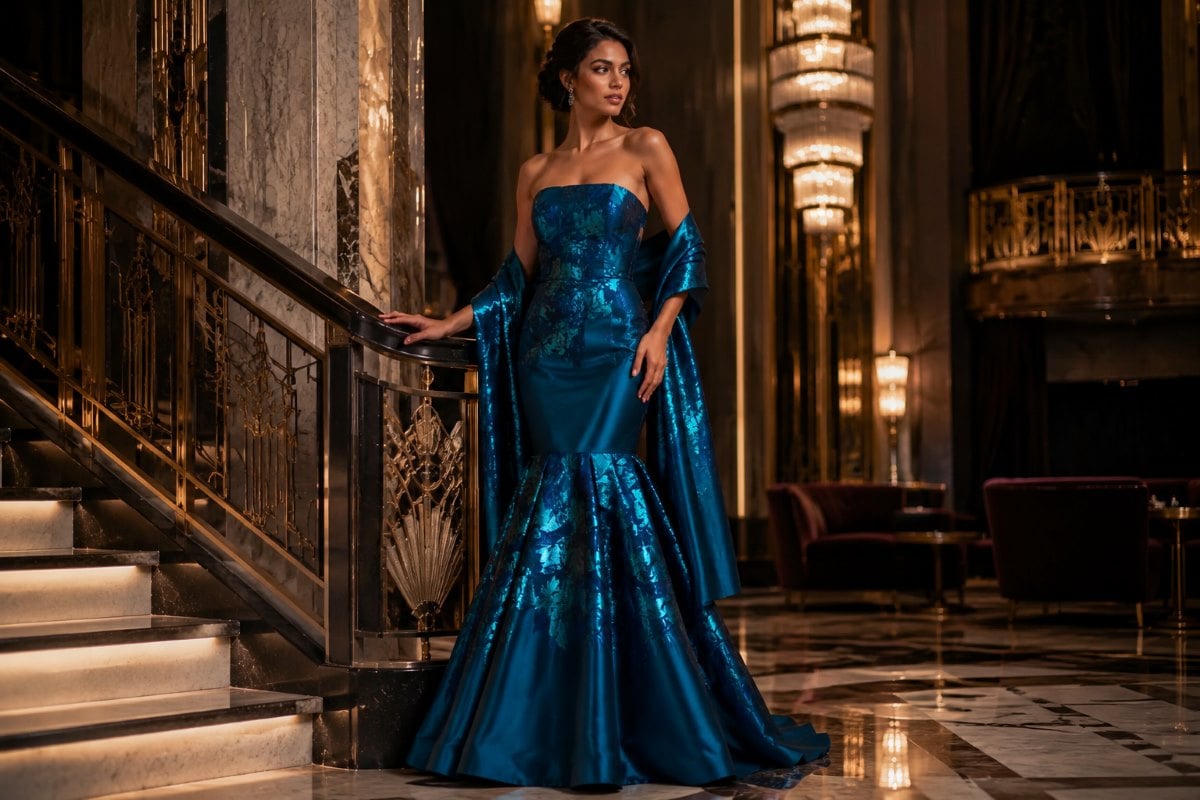
When choosing a drop waist dress, the placement of the waistline seam and the fit through the torso make all the difference, since the silhouette depends on the seam falling at the right point. First, check where exactly the waistline sits, since a quality drop waist places the seam at a flattering point on the hip, while a poorly placed seam can read as awkward or ill-fitting. Second, confirm the bodice fits smoothly through the torso, since the long line depends on a clean, skimming fit from the shoulders to the hip.
Third, consider the skirt and how it falls from the dropped waist, since the skirt determines whether the dress reads as sleek, romantic, or vintage. A well-made drop waist dress in a quality fabric reads as elongating and deliberate, with the long line doing much of the work. Because the silhouette’s effect depends on precise placement and fit, seeing how a specific dress sits is worthwhile, and a fitting at a retailer that carries formalwear confirms the line flatters. To see how the drop waist translates across cocktail, evening, and formal silhouettes for your next event, explore the current styles through an authorized Jovani retailer.
The drop waist through fashion history
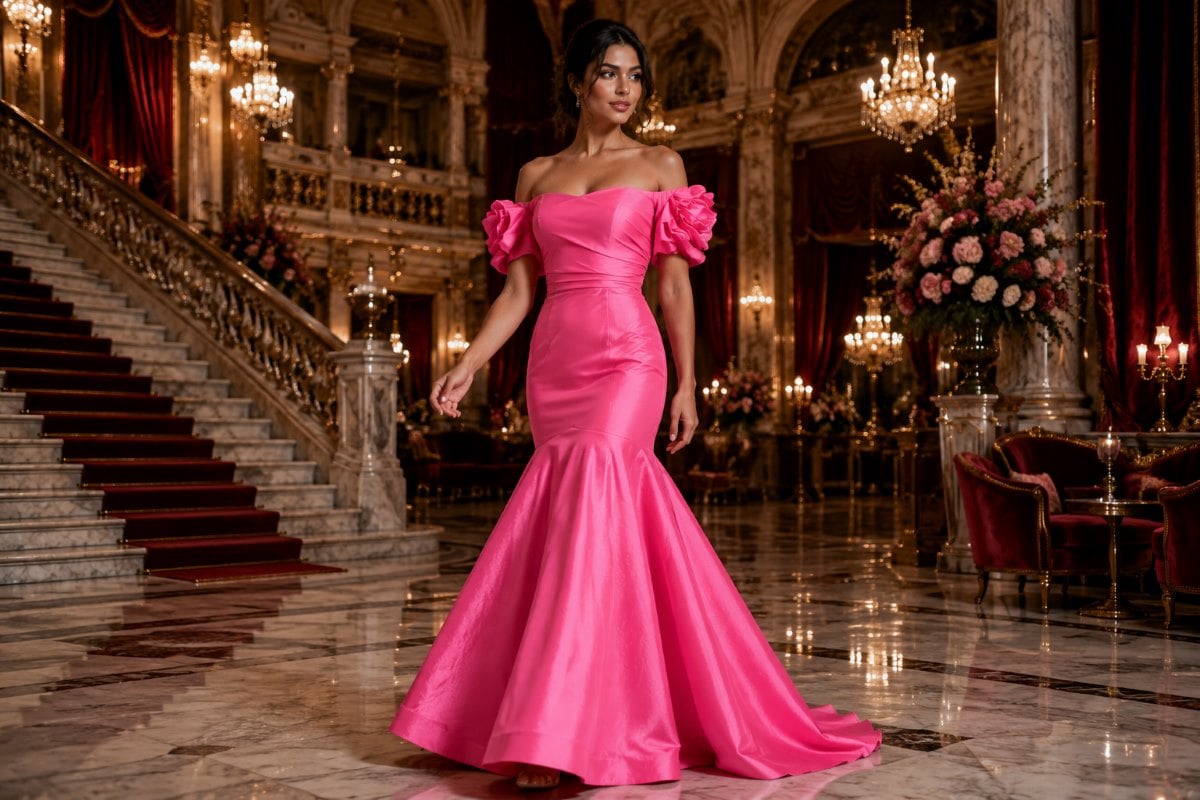
The drop waist is one of the most historically resonant silhouettes in formalwear, most famously associated with the 1920s, when the dropped waistline defined the era’s iconic flapper dresses. In that decade the silhouette represented a break from the tightly corseted shapes that came before, offering a looser, more fluid line that suited the energetic social dancing of the period. This heritage is part of why a drop waist dress carries a sense of vintage glamour even in a thoroughly modern design.
The silhouette has returned to prominence many times since, each revival drawing on that original sense of relaxed, elongating elegance. A modern drop waist dress can read as a deliberate nod to the 1920s, particularly in a beaded or fringed design, or it can read as cleanly contemporary in a simple, structured fabric. This range is part of the silhouette’s appeal, since the same basic line can be styled to feel either retro or current depending on the fabric and detailing.
For a modern wearer, this history matters because it gives the drop waist a depth that a purely trend-driven shape lacks. Choosing a drop waist connects the wearer to nearly a century of fashion history while reading as fresh and intentional, which is a rare combination. The silhouette’s periodic returns also speak to its enduring flattery, since a shape that keeps coming back is one that consistently works. Understanding where the drop waist comes from helps a wearer style it with confidence, whether leaning into its vintage roots or treating it as a clean, modern line that happens to carry a rich heritage.
Understanding the Drop Waist: Common Queries
What is a drop waist dress?
A drop waist dress has a waistline seam that sits below the natural waist, typically at the hip, rather than at the narrowest part of the body. The bodice extends past the natural waist before meeting the skirt, which shifts the visual break point downward and creates a long, smooth line through the torso. The skirt then falls from the hip, whether straight, flared, or pleated. This lowered waistline gives the drop waist its sleek, elongating, and distinctive character.
Is a drop waist dress flattering?
Yes, the drop waist flatters through elongation and proportion. By moving the waistline down to the hip, it lengthens the visual line of the torso, which reads as elegant and elongating, especially for anyone who wants the impression of a longer upper body. It tends to flatter straighter and leaner figures most naturally since it does not cinch the natural waist, though a well-constructed drop waist with shaping through the bodice can flatter a range of figures when the seam falls at the right point.
Who should wear a drop waist dress?
The drop waist suits anyone drawn to a sleek, modern, or vintage-inspired line rather than a classic cinched waist. It is especially flattering for figures with a shorter torso, since the lowered seam adds length to the upper body, and for straighter, leaner figures, since it works with their natural lines. A well-constructed drop waist with shaping through the bodice can flatter fuller figures too. The key is the fit through the torso and where exactly the seam falls on the hip.
What occasions suit a drop waist dress?
The drop waist suits a range of occasions. For a cocktail party or semi-formal event, a drop waist cocktail dress reads as modern and distinctive. For a formal evening or black-tie event, a floor-length drop waist gown reads as elegant and architectural. For a prom or formal dance, it brings a fashion-forward, vintage-inspired quality that stands out. Across occasions, the silhouette reads as intentional and current, suiting anyone who wants a look that is not the expected choice.
How is a drop waist different from an empire waist?
The two waistlines sit at opposite ends of the torso. An empire waist sits high, just below the bust, creating a flowing line from the chest down. A drop waist sits low, at the hip, creating the longest torso line of any waistline. An empire waist tends to read as romantic and Grecian, while a drop waist reads as sleek, fashion-forward, and vintage-inspired. They flatter different figures and create very different proportions, so the right one depends on the effect you want.
How do you style a drop waist dress?
Style a drop waist to complement its long line rather than interrupt it. Leave the waist clean, since a belt at the natural waist would fight the silhouette’s whole point. Statement earrings draw the eye to the face, while a longer necklace echoes the vertical line, and a heel in a tone close to the hem continues the leg line. Pair it with a neckline that adds a focal point at the shoulders, like a V-neck, sweetheart, or clean boat neckline, without competing with the long torso line.