
The evolution of formal dress codes has turned what was once a rigid, uncomplicated set of rules into a nuanced landscape of personal expression and modern etiquette. For many, the invitation to a gala, a high-profile wedding, or an opera opening marked “Black Tie” feels restrictive. Yet, the question often arises: is it possible to bend the rules? Specifically, women frequently search for guidance on wearing a cocktail dress for black tie event occasions, wondering if the traditional requirement for a floor-length gown has any flexibility in the contemporary social sphere. This guide aims to answer that question, exploring the intersection of modern luxury, personal style, and the high standards of evening decorum expected by hosts and peers alike.
The Evolution and Modern Interpretation of Formal Dress Codes
Navigating the complexities of modern social invitations can feel like decoding a secret language. When you receive an invitation that specifies “Black Tie,” the standard expectation is a floor-length evening gown. This signals that the host has curated a highly formal experience. However, the interpretation of this standard has undergone a significant transformation, reflecting a shift toward personal style and the recognition that a dress is not merely a costume, but a statement of character.
Historical Foundations vs. Modern Interpretation
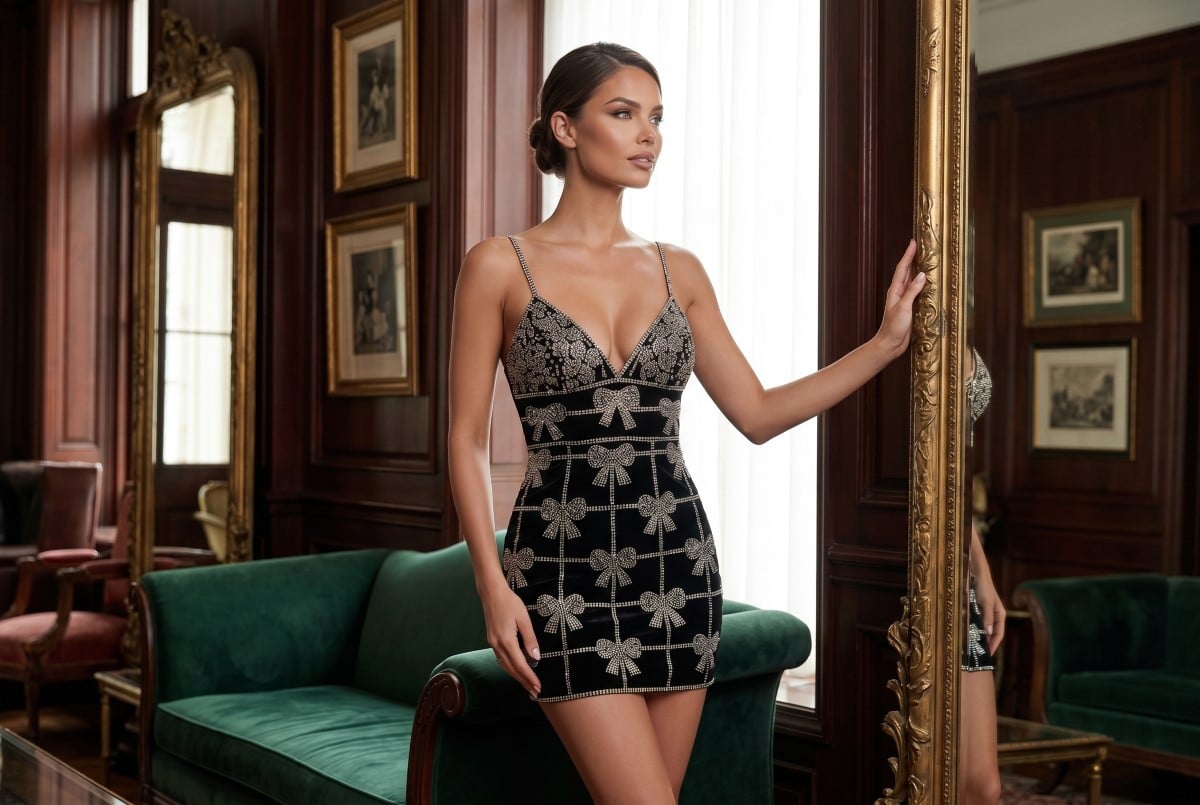
Historically, the black tie dress code was designed to create a sense of uniformity and decorum. For women, this meant the floor-length evening gown was the only acceptable choice for decades. Yet, as fashion has democratized and lifestyle habits have changed, we have moved into an era where “formality” is defined by the quality of the garment rather than the amount of fabric used. Today, a cocktail dress for black tie event can be entirely appropriate, provided it carries the visual weight of formal attire. The shift is not about abandoning tradition, but about redefining it to suit a generation that values versatility and modern design sensibilities.
The Shift in Etiquette and Social Norms
The modern attendee understands that elegance is a mindset. A dress is just one component of an overall aesthetic, yet it remains the cornerstone of your formal presentation. As our references in jovani-blog-new_6.txt suggest, the way we perceive formal wear today is deeply linked to sustainability and longevity. Investing in a piece that can be styled for multiple occasions is no longer considered “underdressed”—it is considered savvy. Whether attending a high-stakes corporate dinner or a charitable fundraiser, the focus is increasingly on the “wow” factor of the design itself, rather than the length of the skirt.
Navigating the Black Tie Requirement
When you are faced with a high-stakes invitation, understanding the nuances of the host’s expectations is paramount. While there are hard rules, there is also room for interpretation.
Distinguishing Between Black Tie and Cocktail
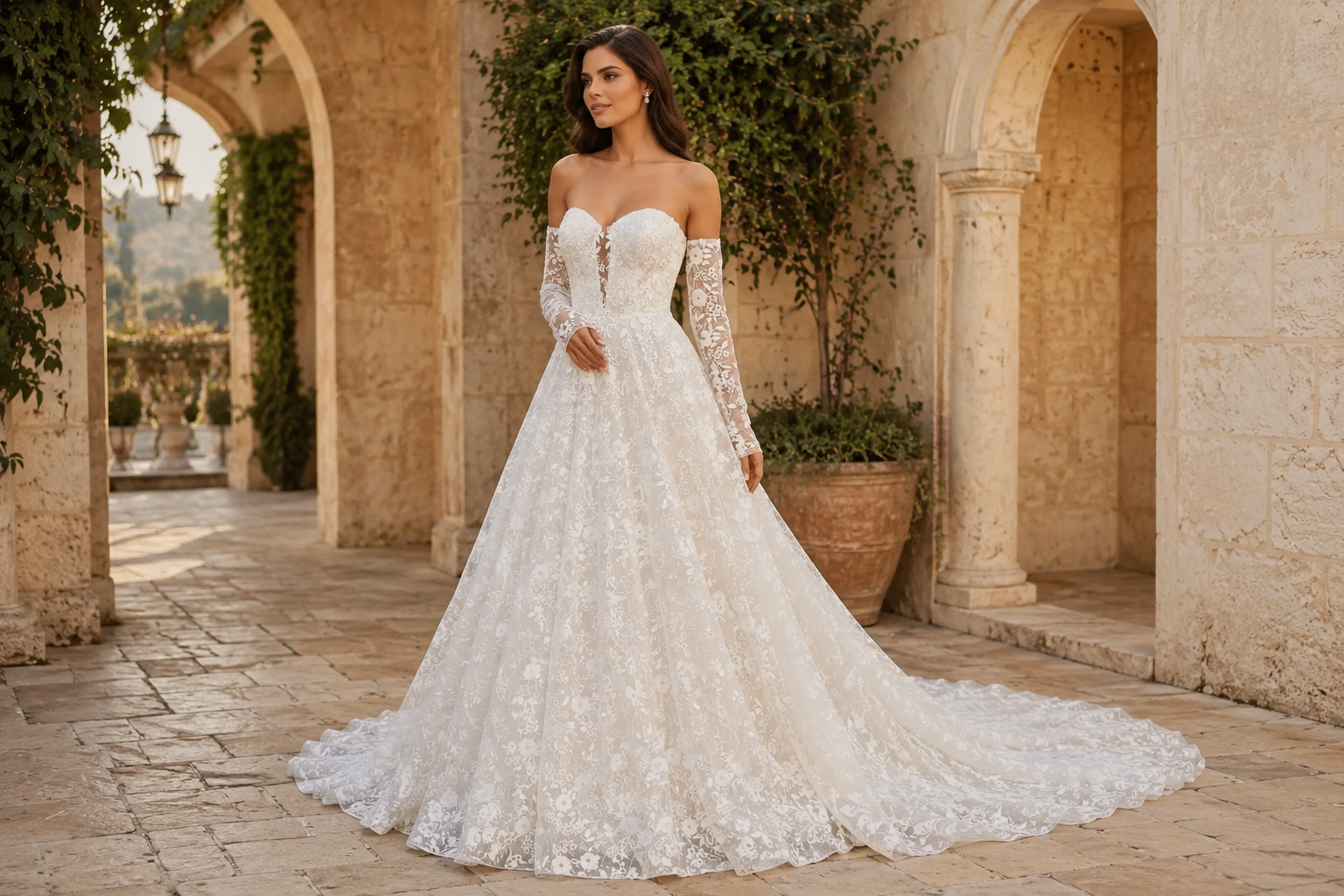
Traditionally, the “black tie” label precludes cocktail dresses in favor of full-length evening wear. However, the definition of “cocktail attire” has undergone a metamorphosis. Today, many women opt for cocktail gowns that offer the same level of refinement, craftsmanship, and luxury as a full-length gown. The key lies in the distinction: if you are going to wear a shorter dress, it must be so impeccably designed that it commands the same level of respect and presence as a floor-length piece. It shouldn’t look like a casual party dress; it should look like a masterpiece of evening design. It is about the “gravity” of the dress—does it feel grounded, substantial, and elevated?
Decoding “Black Tie Optional”
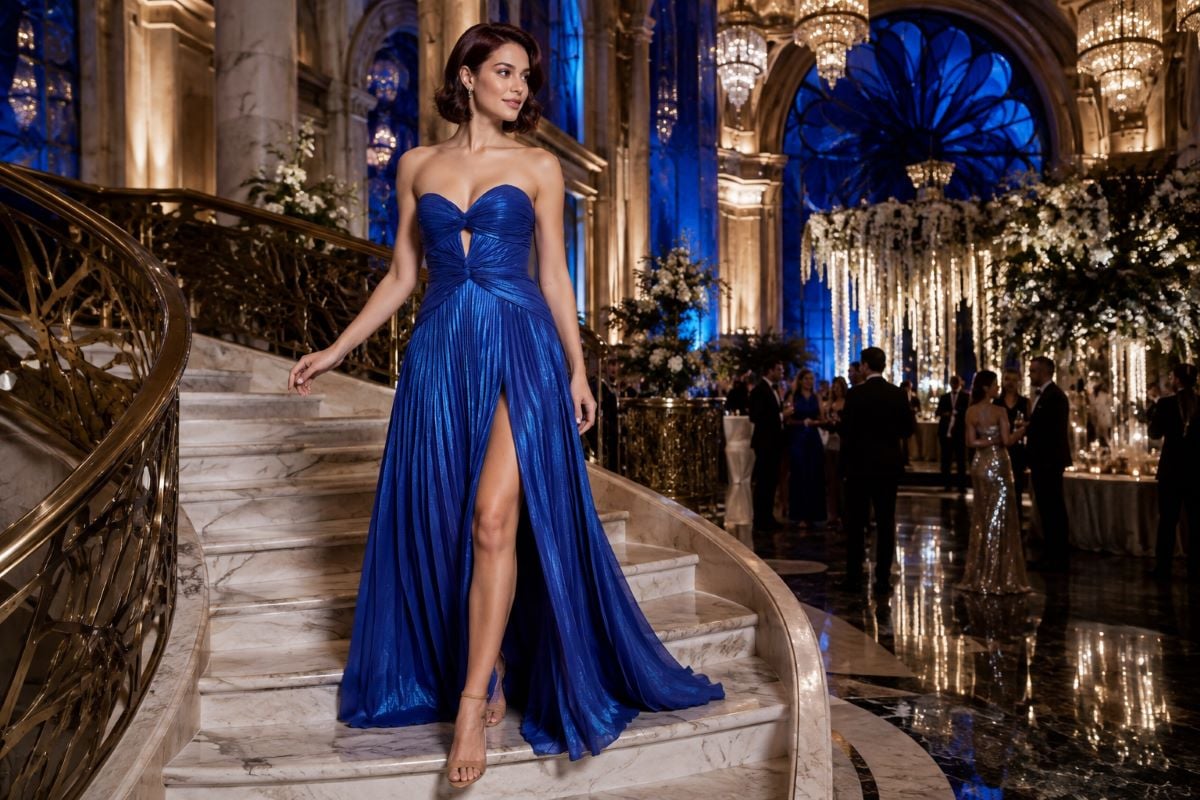
The phrase “Black Tie Optional” is perhaps the most confusing directive a guest can receive. It essentially gives you a choice: you can stick to the traditional rules and wear a full-length gown, or you can lean into refined, high-end designs that offer more flexibility. If you are debating a cocktail dress for black tie event settings, “Optional” is your green light. It implies that while the hosts are dressed to the nines, they understand that some guests may prefer the mobility and modern flair of a chic, shorter silhouette. This is where Jovani’s design philosophy truly shines, as we create pieces that transcend the standard aesthetic and enter the realm of true high-fashion formal wear. For those seeking the gold standard of formality, our collection of black tie dresses offers the perfect balance of traditional grandeur and modern construction.
The Physics of Formality: Why Construction Matters
The success of your outfit is rarely about the hemline itself; it is about the architecture of the garment. When deciding whether to wear a cocktail dress for black tie event ceremonies, the most important factor is the garment’s architecture. You cannot simply wear any dress from your wardrobe; the piece must exhibit the hallmarks of high-end evening wear.
Internal Architecture and Support
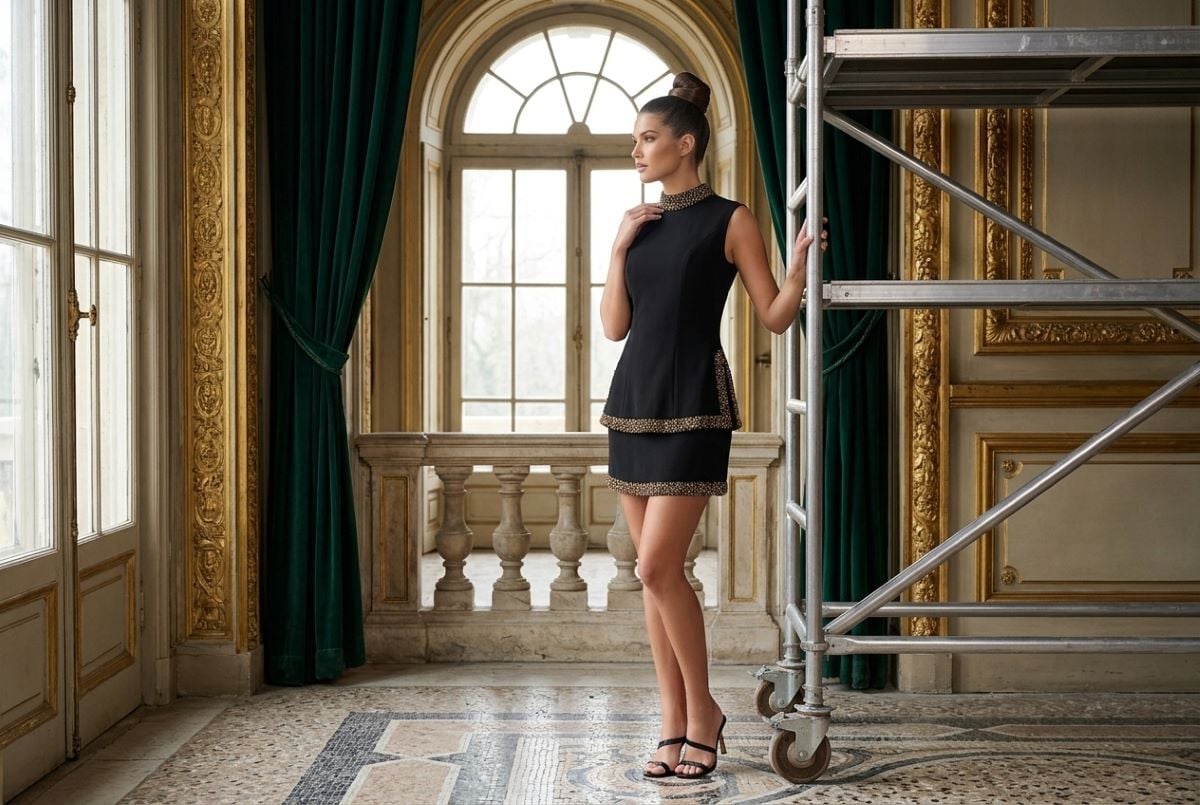
Look for internal boning, structured cups, and high-quality linings. A garment intended for a black tie setting should feel substantial. When you hold a Jovani dress, you can feel the weight of the quality—the lining that smooths the silhouette and the tailoring that ensures the dress stays perfectly in place through an entire evening of dancing and socializing. Structural integrity is what separates a standard dress from one that commands respect in a high-formality room.
Fabric Selection as a Tool for Formality
Your choice of textile is your first line of defense against looking underdressed. Understanding the best fabrics for luxury evening wear is paramount. Avoid light, casual cottons, jersey knits, or overly sporty materials. Instead, look for heavy, luxurious fabrics that hold their shape and suggest grandeur. Think of high-quality satins, structural brocades, or intricate lace overlays. These fabrics communicate to the room that you have dressed with intent. The interplay of textile and silhouette creates a narrative of luxury that is essential when breaking from traditional floor-length expectations.
Choosing the Right Silhouette for Formality
The silhouette of your dress is the framework of your entire look. To successfully wear a cocktail dress for black tie event scenarios, you need a silhouette that feels deliberate, architectural, and undeniably grand, regardless of the hemline.
Why Midi Lengths Succeed
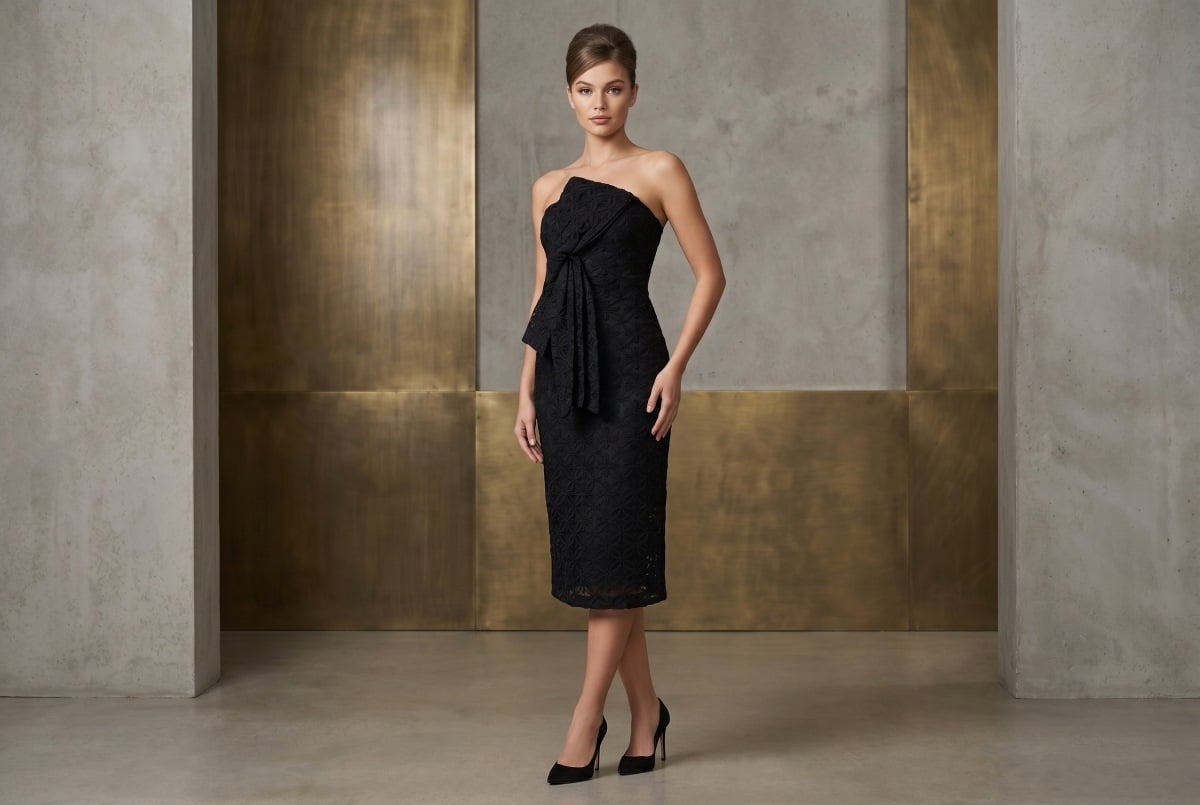
While a standard mini dress is likely inappropriate for black tie, a midi-length dress can be a revelation. Midi formal gowns have surged in popularity because they provide the drama of a longer gown while allowing for the ease of movement that a shorter dress affords. A midi dress that hits just below the knee or mid-calf is a sophisticated choice that feels inherently formal. When choosing these styles, look for asymmetric cuts or elegant draping that add visual interest without sacrificing the solemnity of the occasion.
The Power of Texture and Detail
Lace is perhaps the most versatile fabric in the formal world. It is simultaneously delicate and bold, timeless and trendy. Whether you are looking for a dress with a lace bodice or an entirely lace gown, the texture adds a layer of depth that simplifies styling—you don’t need much jewelry when your dress is a work of art. Browse our curated collection of lace formal dresses to see how different patterns and weaves can elevate your look from standard cocktail to black tie worthy. A lace overlay, particularly one with a beaded finish, provides the visual complexity that formal events demand.
Styling Your Look for Maximum Sophistication
If you have decided to wear a shorter dress to a formal function, your styling must be flawless. This is not the time for casual hair or everyday makeup. Your look needs to be polished from head to toe.
Selecting Footwear for Formal Settings
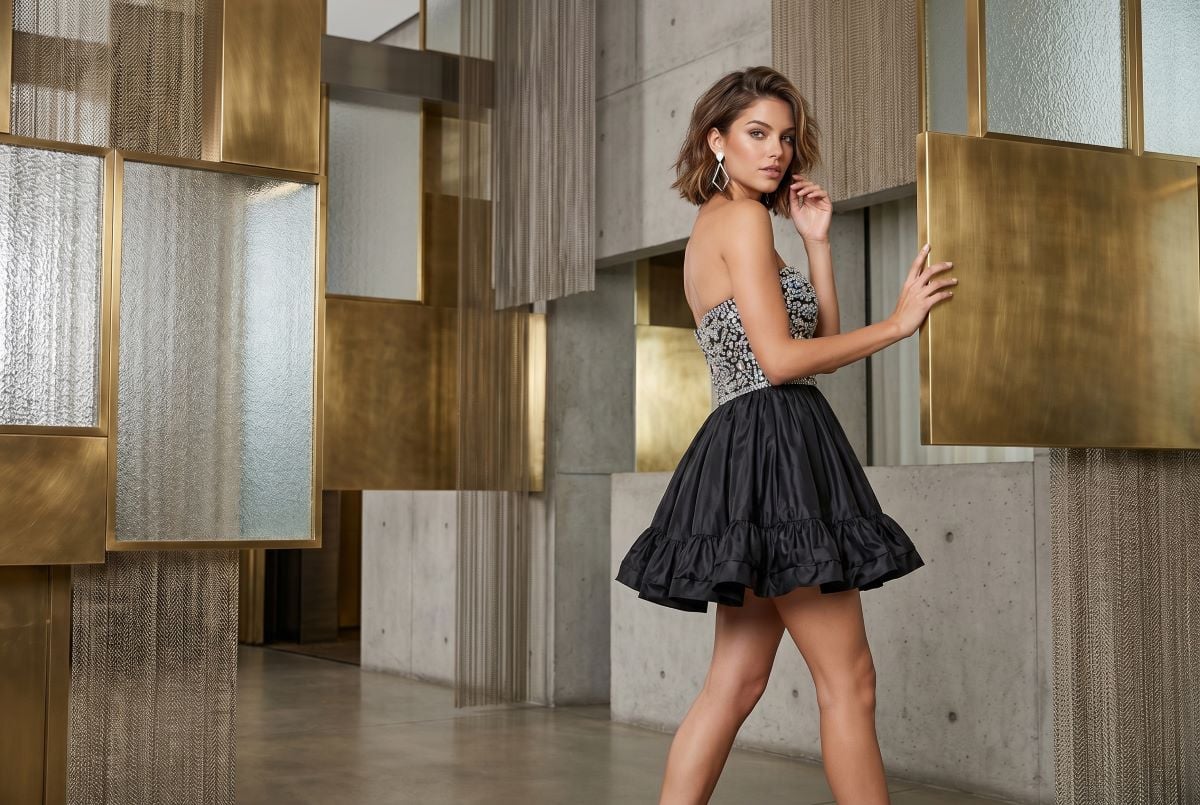
Shoes can make or break a formal ensemble. When wearing a cocktail-length dress, your footwear is on full display. Avoid chunky platforms or casual sandals that suggest a beach vacation. Instead, opt for a sleek, pointed-toe stiletto or a refined, metallic heel. The silhouette of your shoe should complement the lines of your dress. If your dress is heavily embellished, keep your shoes simple. If your dress is minimalist, you have the freedom to choose a statement shoe.
The Psychology of Accessorizing
Accessories serve to frame the face and highlight the features of the dress. When styling a cocktail dress for black tie event settings, consider the neckline of your dress. High necklines pair beautifully with statement earrings and an elegant updo, while V-necks provide an opportunity for a delicate necklace. The rule of thumb for formal jewelry is to choose one or two focal points rather than overwhelming the look. The key is balance: if your dress features intricate necklines or beadwork, let the dress be the star and keep the jewelry refined and minimal. For comprehensive advice, see our evening dress style guide, which covers the art of accessorizing with grace and precision.
Common Pitfalls to Avoid in Formal Attire
Even with the best intentions, it is easy to misstep when interpreting a dress code. Avoiding these common mistakes will ensure you remain a paragon of style throughout the evening.
The Over-Accessorizing Trap
The biggest mistake many guests make is trying too hard. If you have chosen a cocktail dress for black tie event occasions, you may feel the need to “pump it up” with excess jewelry, a heavy clutch, and bold makeup to prove you are dressed up enough. This usually has the opposite effect. True luxury lies in restraint. Trust the design of the dress; you don’t need to overcompensate. A well-tailored dress speaks for itself.

Seasonal Appropriateness
Formal events are bound by the seasons as much as they are by dress codes. A cocktail dress that is perfect for a summer garden gala may look completely out of place at a winter black tie ball. Consider the material: velvets and heavier silks are ideal for cooler months, while lighter, flowy fabrics work better in the heat. Always be mindful of the venue’s climate control—if the event is in the winter, having a matching, high-quality wrap or shawl is not just practical; it’s a necessary part of your formal silhouette.
The Jovani Commitment to Quality and Design
Jovani has spent decades perfecting the art of the formal dress. We understand that our clients are not just buying a garment; they are investing in a moment. Our approach to design ensures that every piece is crafted to make the wearer feel empowered and appropriately dressed for any setting. We do not sell directly to consumers; our dresses are sold through an elite network of boutiques, ensuring that every purchase is accompanied by a professional fitting and styling experience. Learn more in our latest documentation: jovani-blog-new_6.txt.
Design Expertise and Quality Assurance
At Jovani, we view our creations as wearable art. Our design team monitors global fashion trends while remaining deeply rooted in the classic principles of couture. This dual focus allows us to produce pieces that feel fresh and modern but never trendy or fleeting. When you select a piece from our collection, you are choosing design expertise that has been refined through years of working with the world’s finest textiles.
Professional Finishing and Styling
As outlined in pages products site jovani_6.txt, every Jovani garment undergoes rigorous quality checks. From the hidden hem stitches to the reinforcement of beaded bodices, our attention to detail is unmatched. When you select a formal dress, you aren’t just selecting a style; you are selecting a construction that is built to endure the rigors of an entire night of social engagement. For comprehensive tips on how to prepare your look, consult our guide on how to accessorize formal evening wear.
FAQs About Formal Attire for Black Tie Events
Addressing common queries helps potential clients feel confident in their sartorial choices.
1. Can I wear a cocktail dress to a black tie wedding?
If the invitation explicitly states “Black Tie,” a floor-length gown is the safest and most traditional choice. However, if the invitation says “Black Tie Optional,” a sophisticated cocktail dress that features formal details, luxurious fabric, and a modest length is perfectly acceptable.
2. What is the difference between a cocktail dress and a formal evening dress?
Generally, a cocktail dress is knee-length or midi-length and designed for semi-formal to formal events. A formal evening dress is typically floor-length and crafted from high-end materials like silk, chiffon, or satin, designed for the most formal of occasions.
3. Are short dresses ever appropriate for a gala?
Yes, provided they are designed as high-fashion pieces rather than casual wear. A midi or high-low hemline, crafted from evening-appropriate fabrics and featuring structural tailoring, can be an excellent choice for a gala where the vibe is modern and creative.
4. What should I look for when shopping for a cocktail dress for a formal event?
Focus on the fabric quality, construction (look for boning and linings), and the level of detail (beading, embroidery, or unique drapery). Avoid casual fabrics like jersey or cotton, and ensure the fit is impeccable.
5. Does a cocktail dress need to be black to be appropriate?
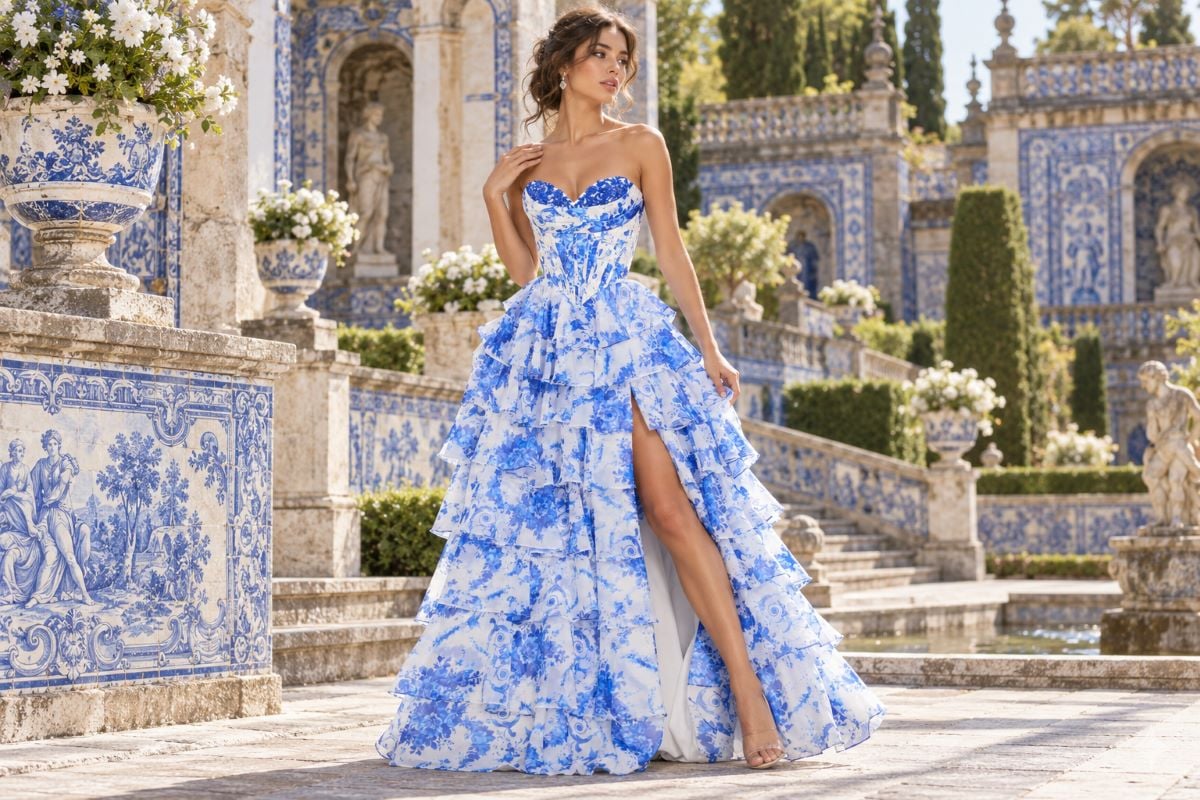
Absolutely not. While black is a timeless choice, many formal events today embrace vibrant colors, metallics, and prints. The appropriateness of the color depends more on the season and the tone of the event than on traditional rules. Focus on choosing a color that complements your complexion and fits the aesthetic of the venue.
Choosing a garment that balances individual style with the requirements of a formal event is an art form. Whether you choose to adhere strictly to the traditional floor-length gown or embrace the modern versatility of an elevated cocktail-length piece, your commitment to quality and thoughtful styling will ensure you look and feel your best. The journey to the perfect outfit begins with understanding your personal style and finding a designer who understands the power of a well-crafted silhouette. We invite you to explore our full collection of formal wear to find a piece that defines your next unforgettable moment.