
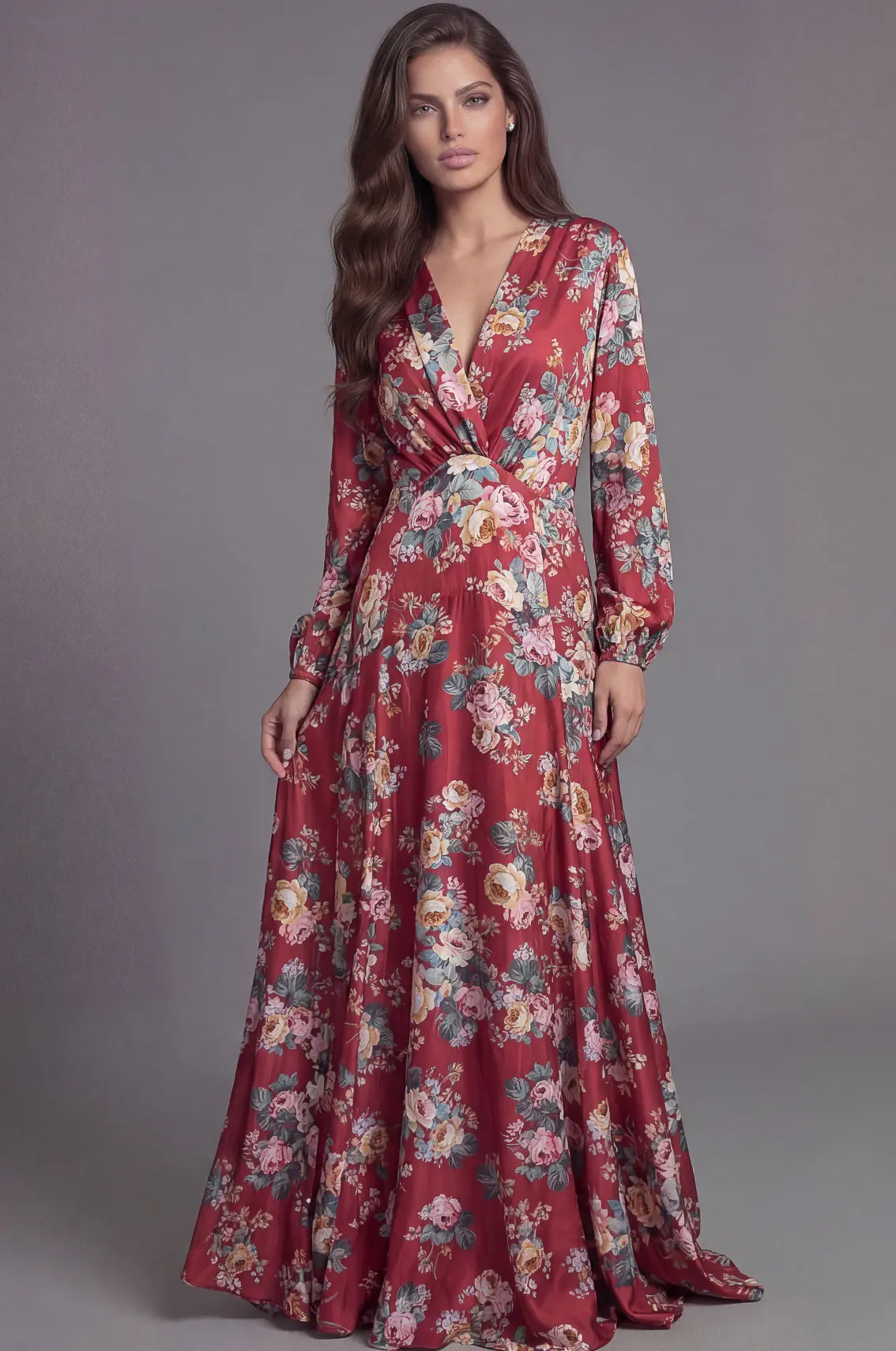
1 Colors
Wedding Guest Dresses
Wedding guest dresses should feel right for the invitation and equally convincing once the celebration begins. Jovani brings together fluid evening silhouettes, tailored cocktail lengths, and expressive details that make each look distinctive without overwhelming it. Consider a sleek crepe column for a city reception, softly draped satin for a formal dinner, or an airy A-line for a garden ceremony. The right wedding guest dress is as much about fit as appearance: a secure neckline, a waist that sits in the correct place, and fabric that moves comfortably from the ceremony to the dance floor.
Products
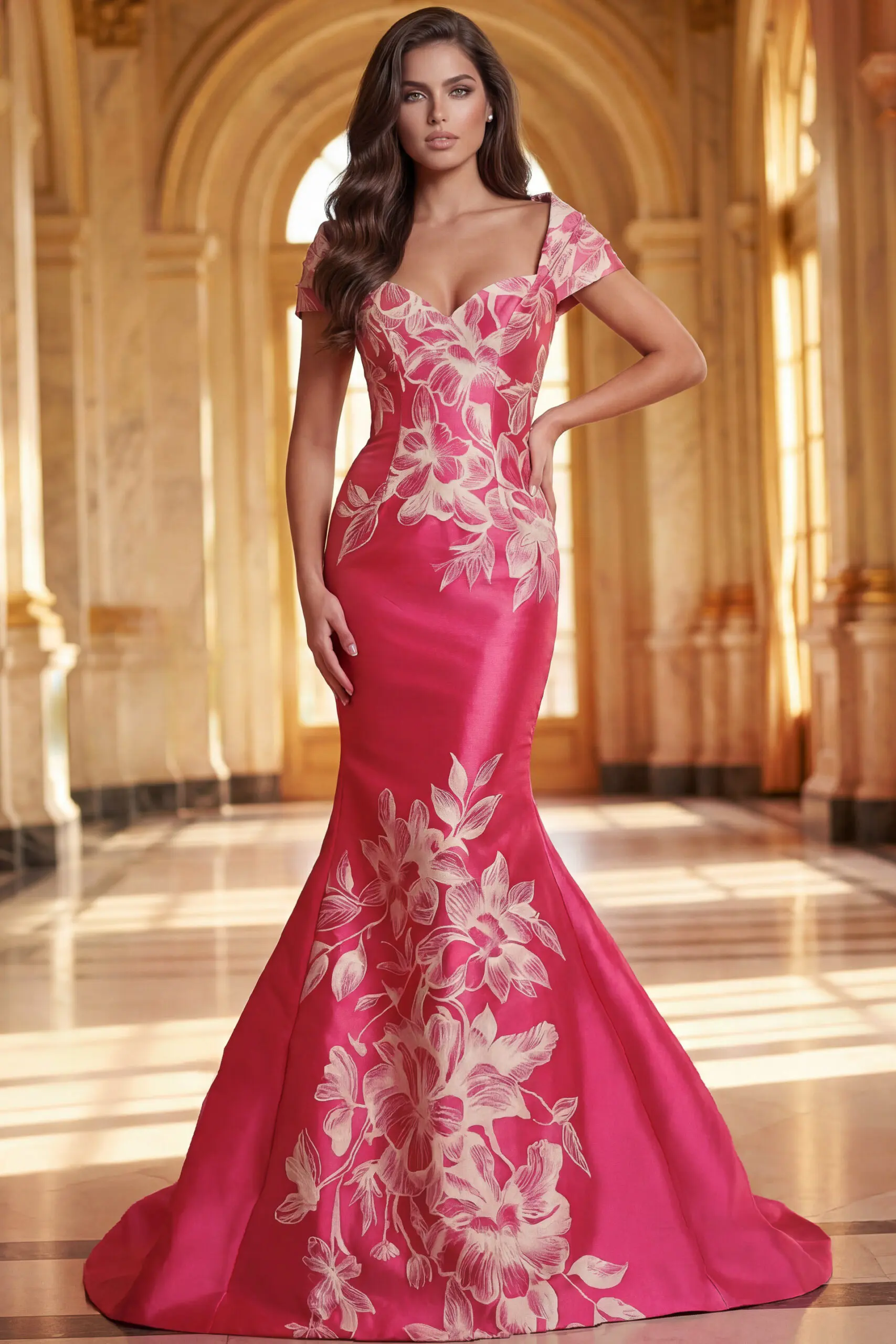
1 Colors
Off Shoulder Pink Floral Mermaid Gown 49641
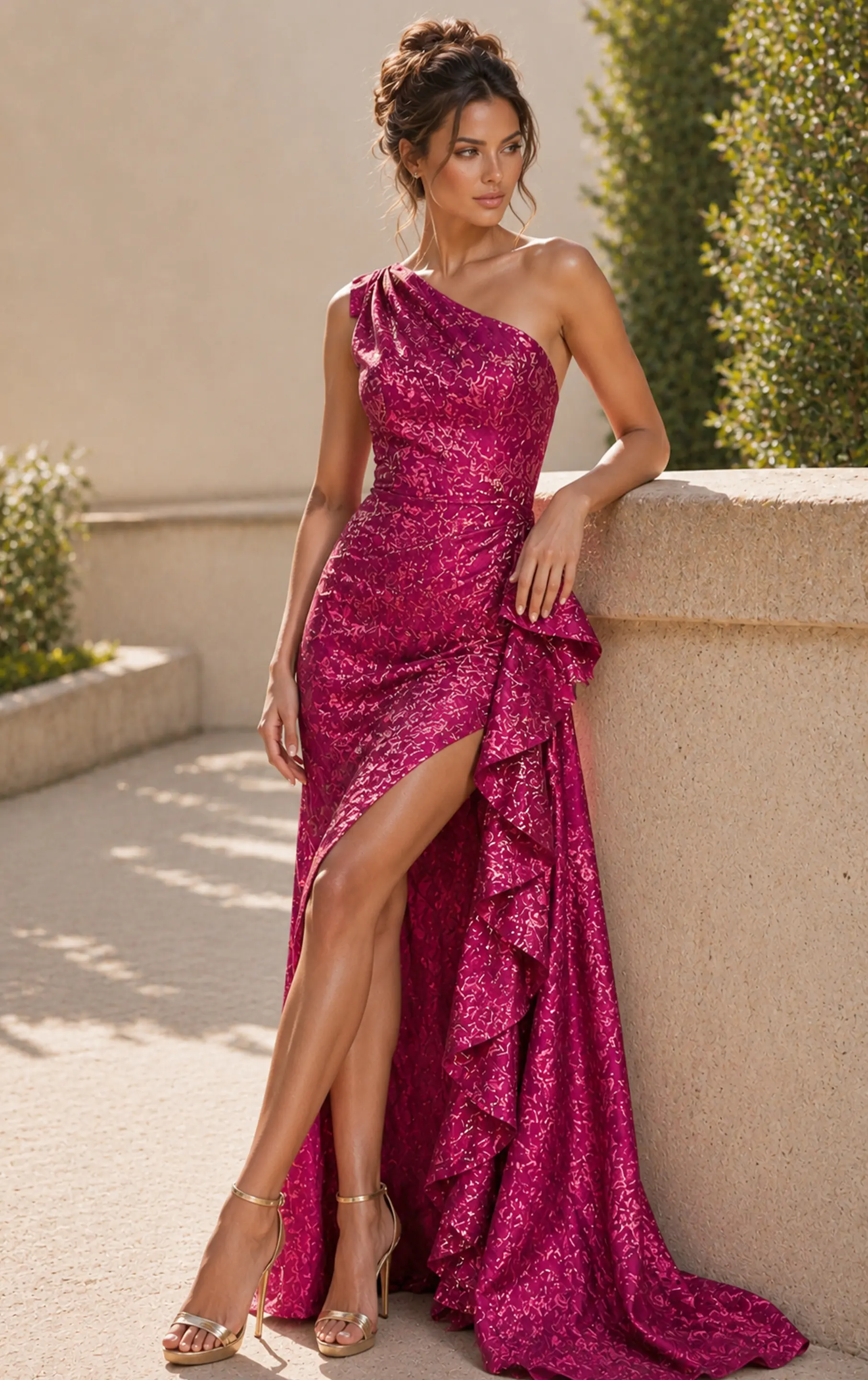
1 Colors
Mermaid Gown with Ruffle 52736
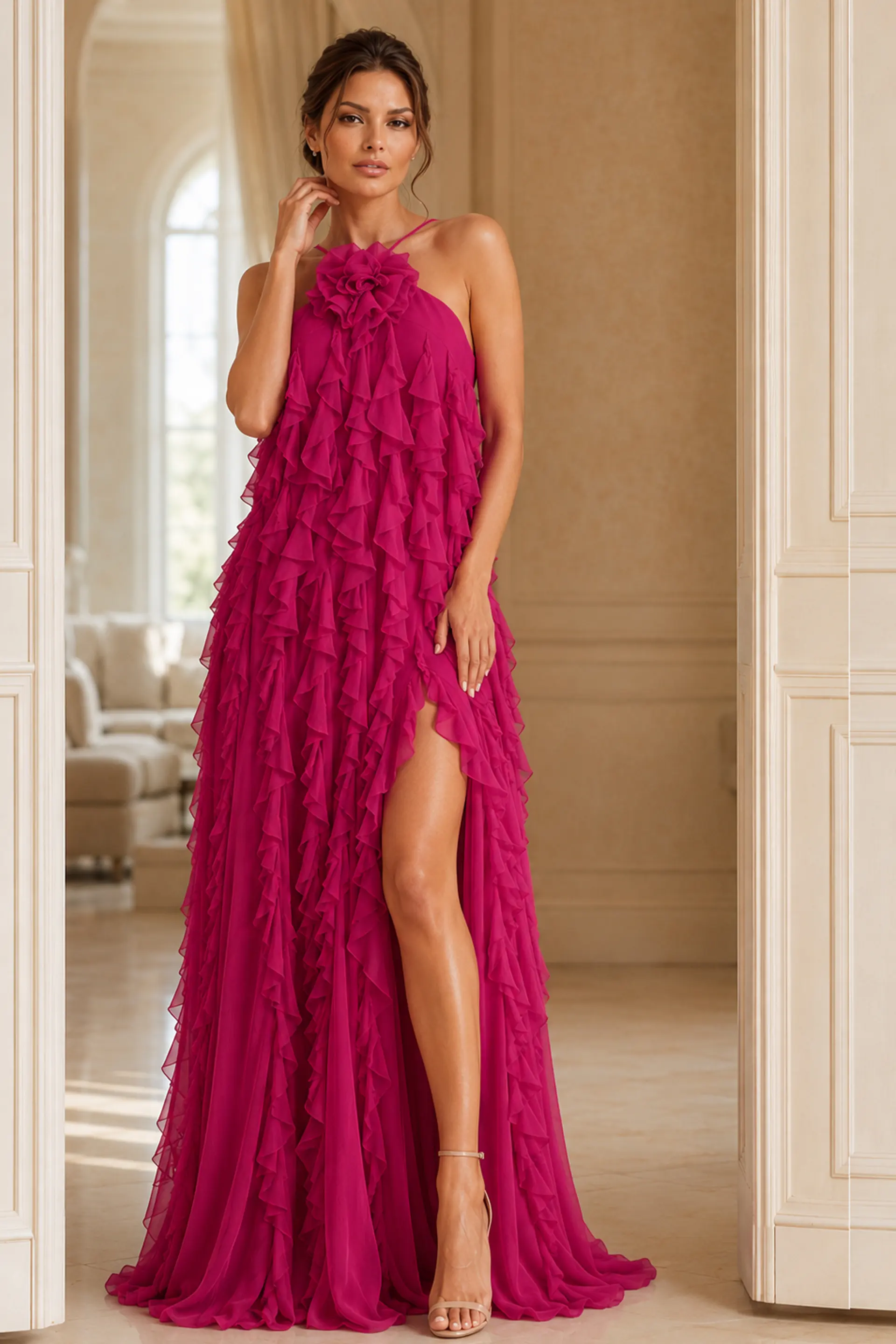
4 Colors
Halter Gown With Cascading Ruffle Layers 39823
2 Colors
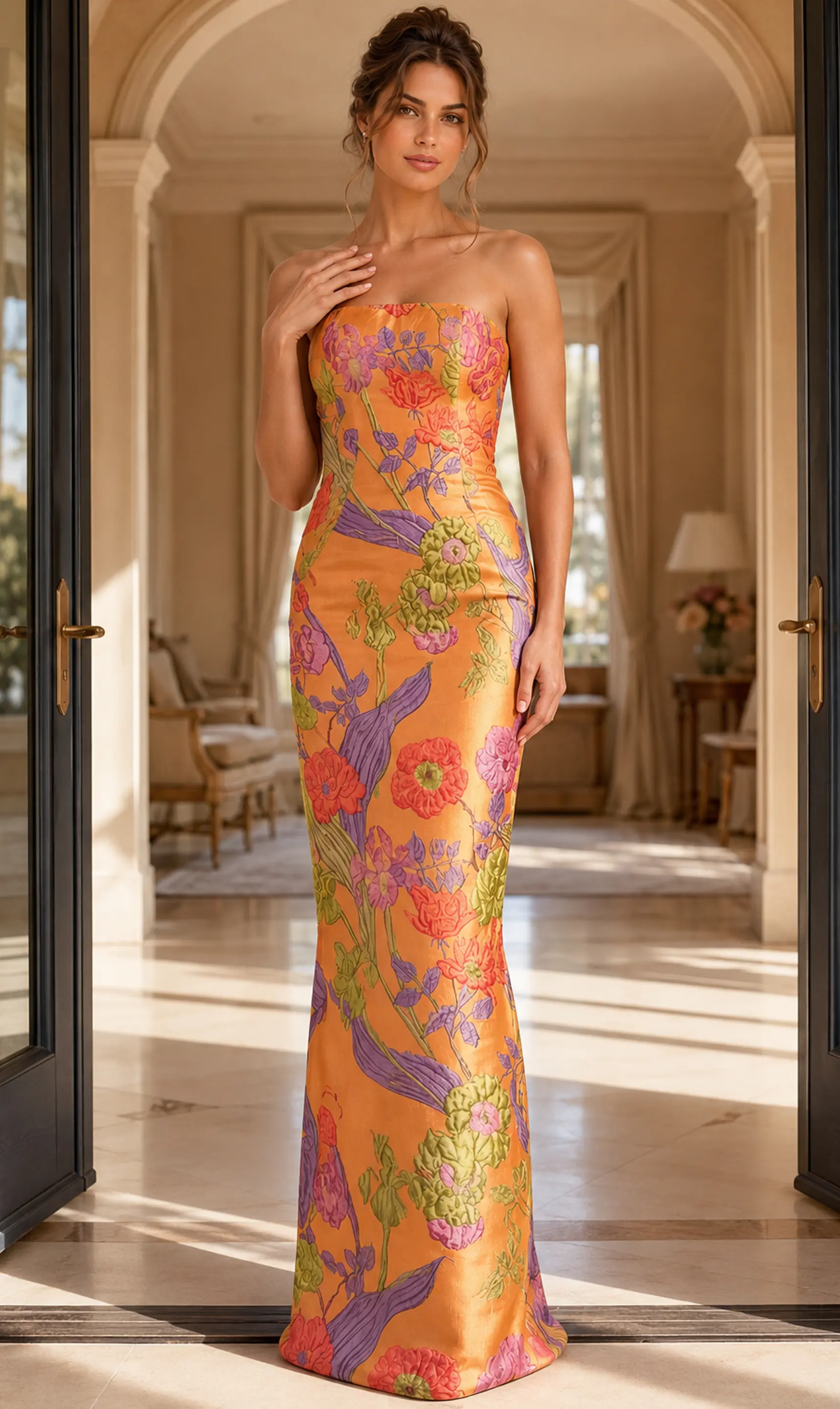
Strapless Floral Satin Fitted Evening Gown 49342
5 Colors
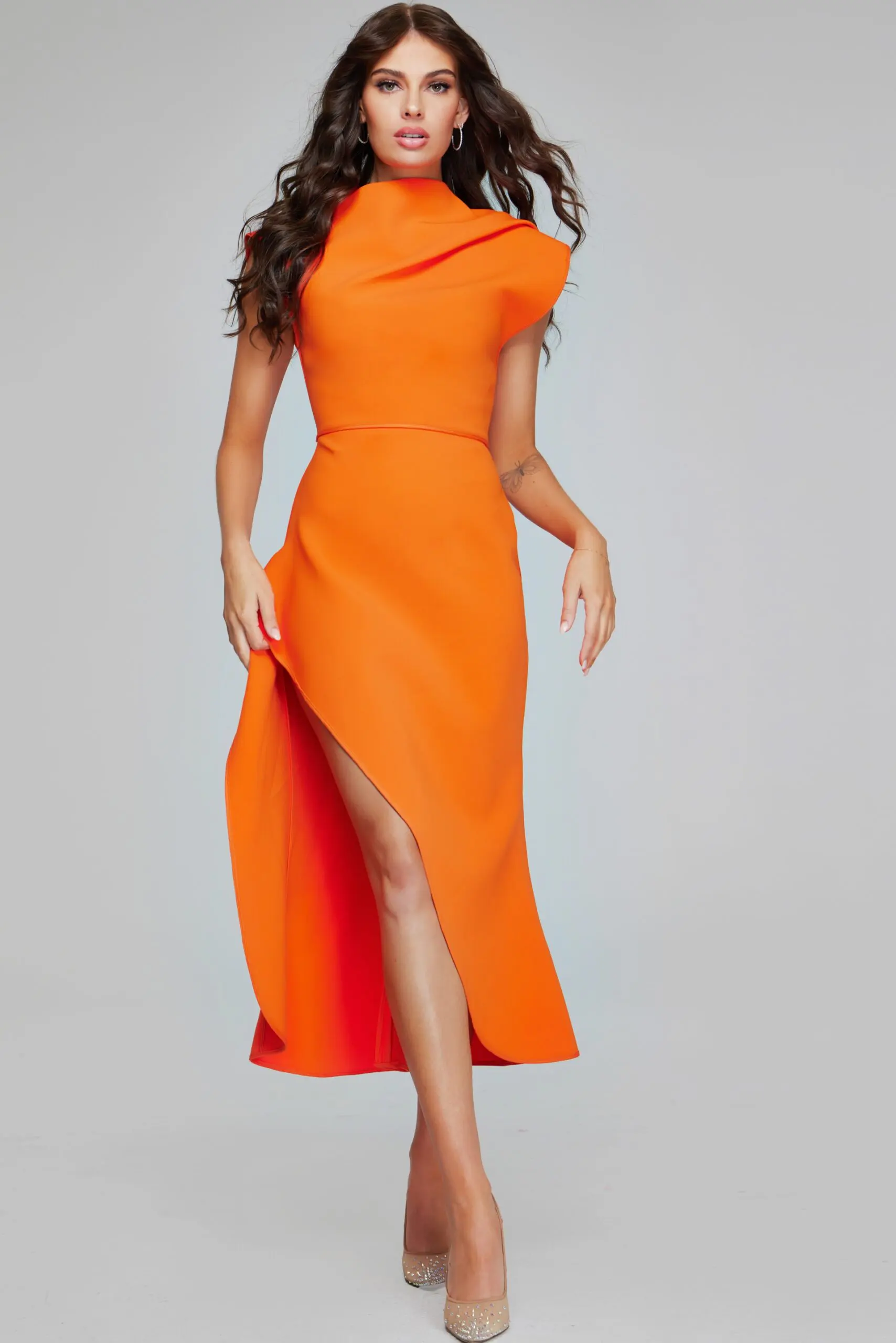
Orange midi Contemporary Dress 40300
1 Colors
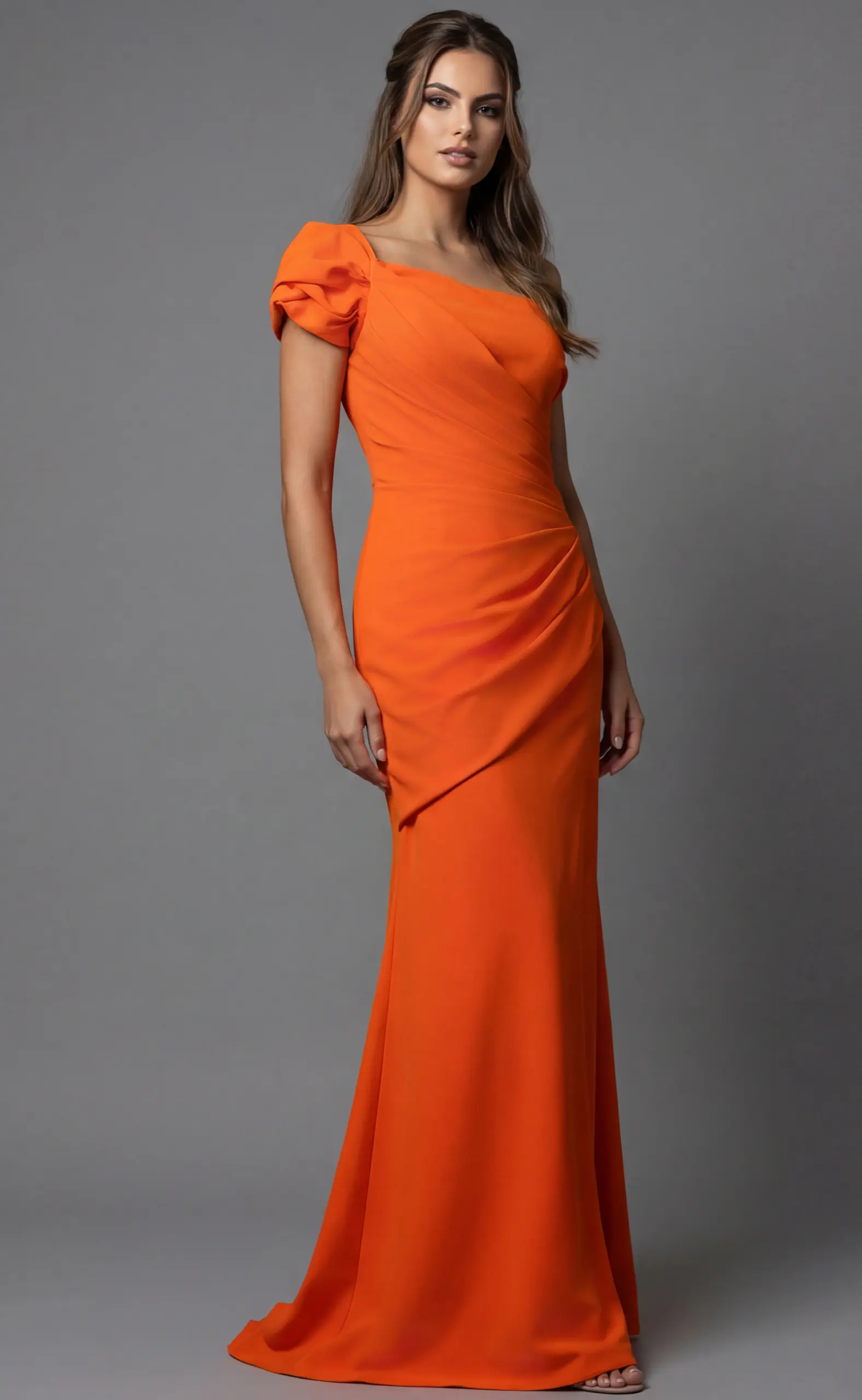
One Shoulder Draped Evening Gown With Soft Pleating 09961
3 Colors
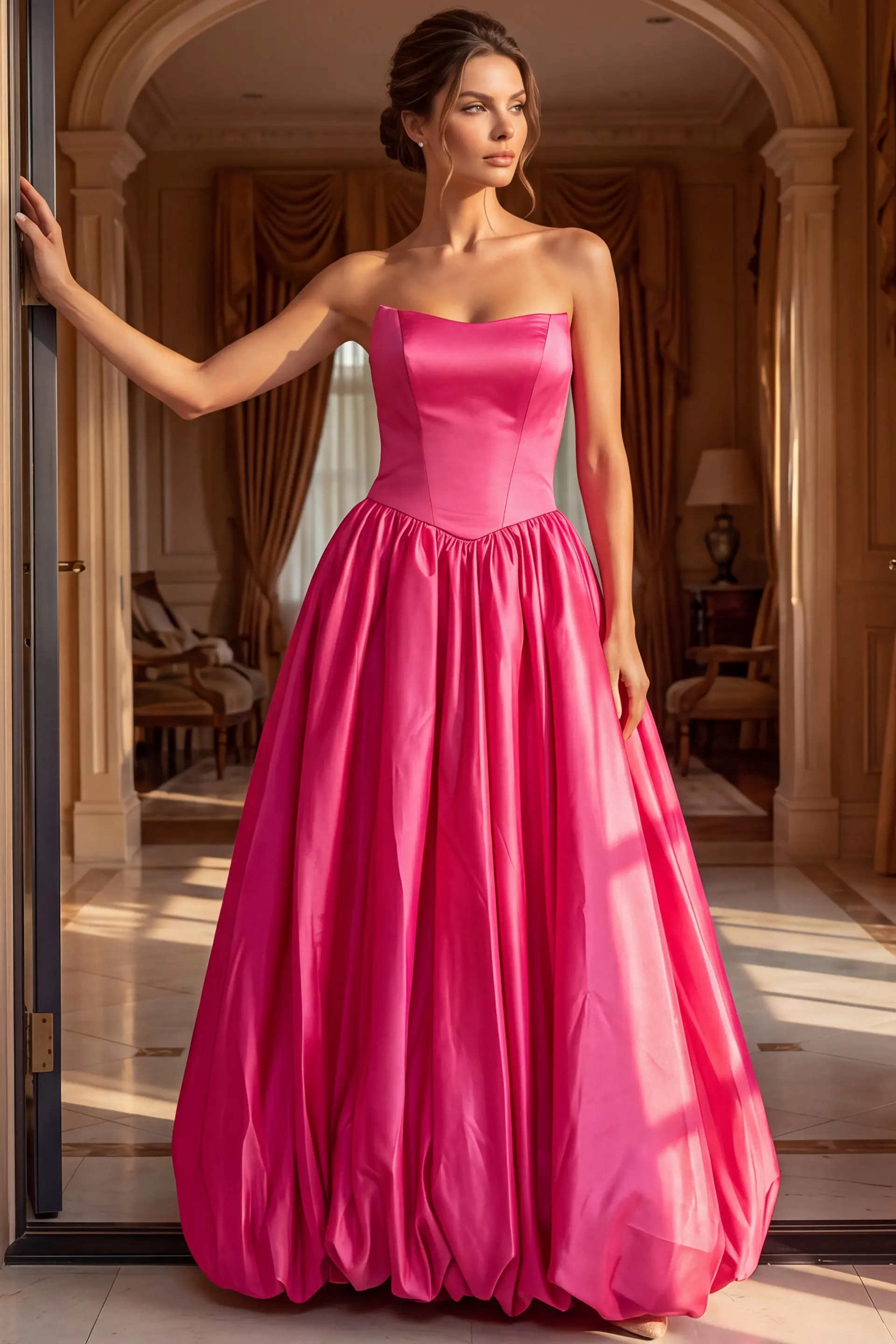
Strapless Satin Ball Gown With Gathered Skirt 48482
4 Colors
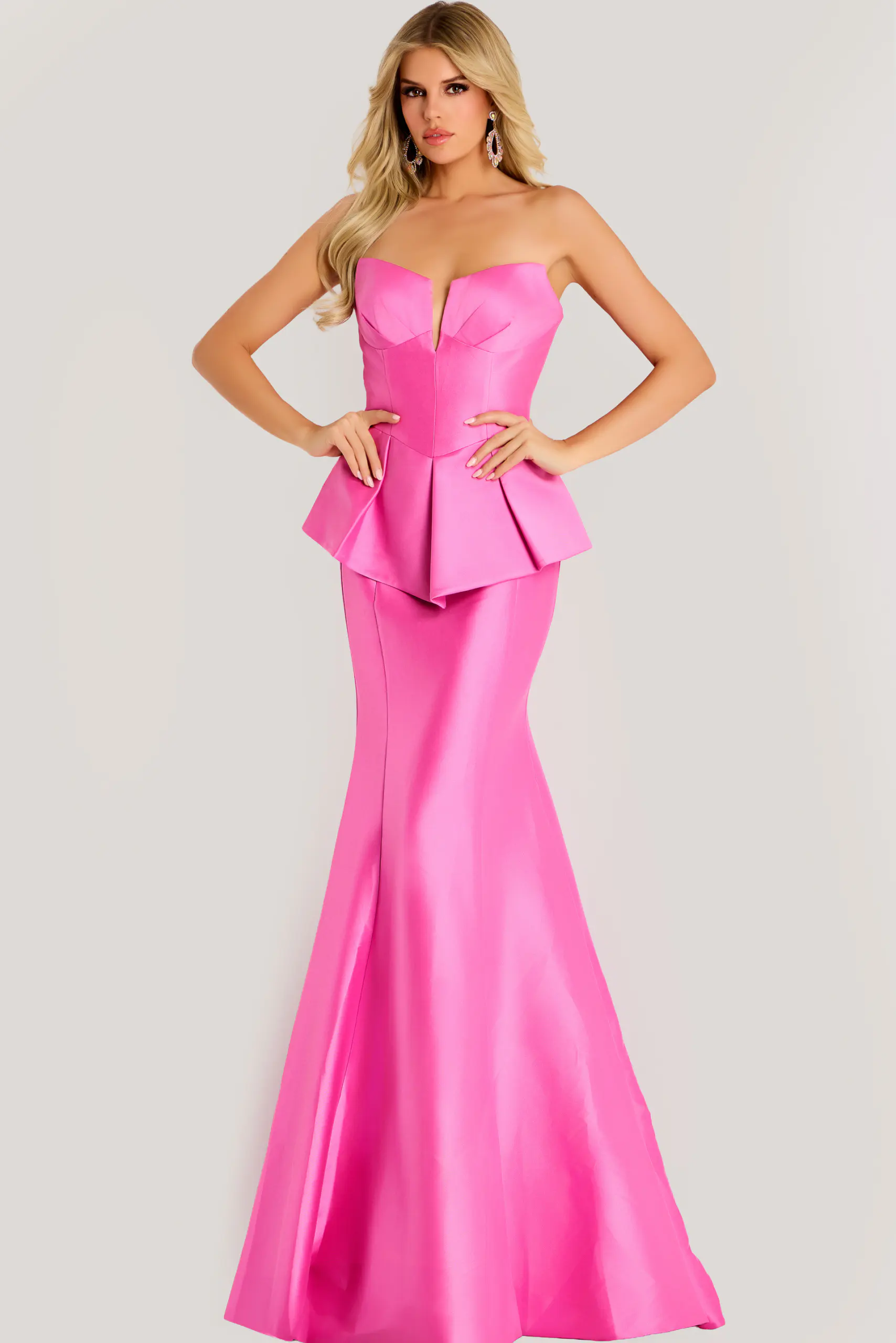
Peplum Gown With Mermaid Skirt 49071
3 Colors
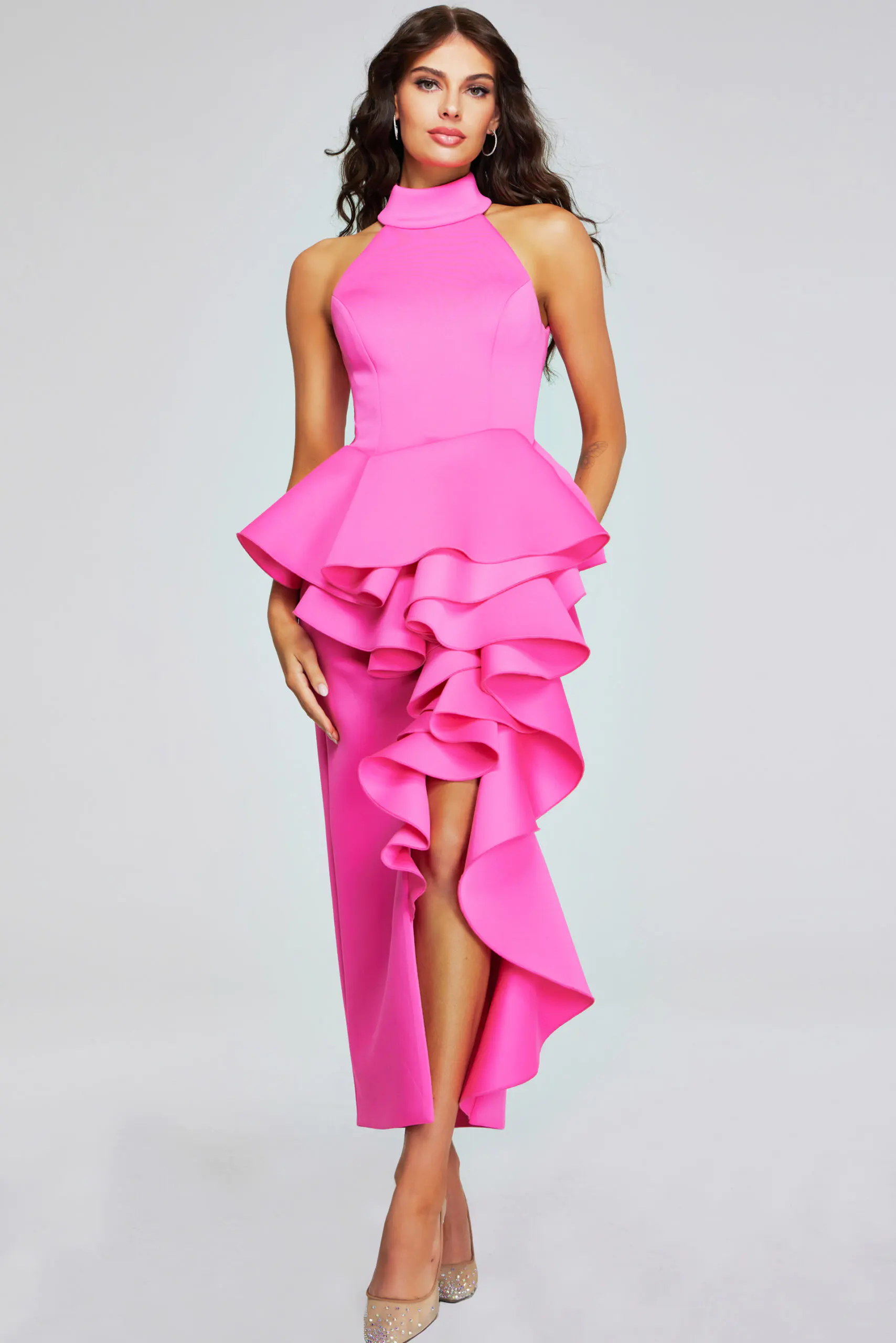
Pink High Neck Ruffle Gown 37090
4 Colors
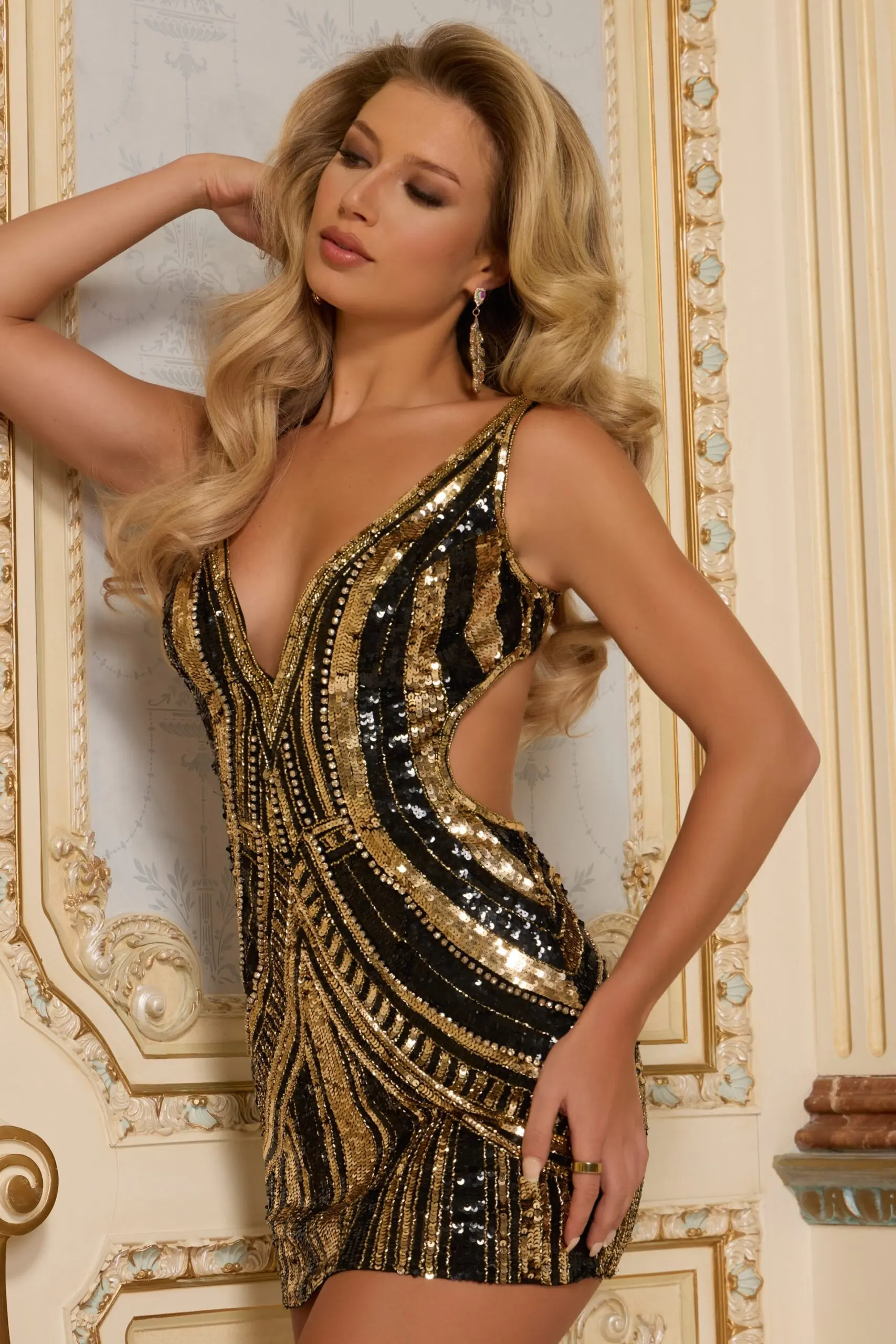
Plunging Neckline Dress With Side Cutouts 46872
4 Colors
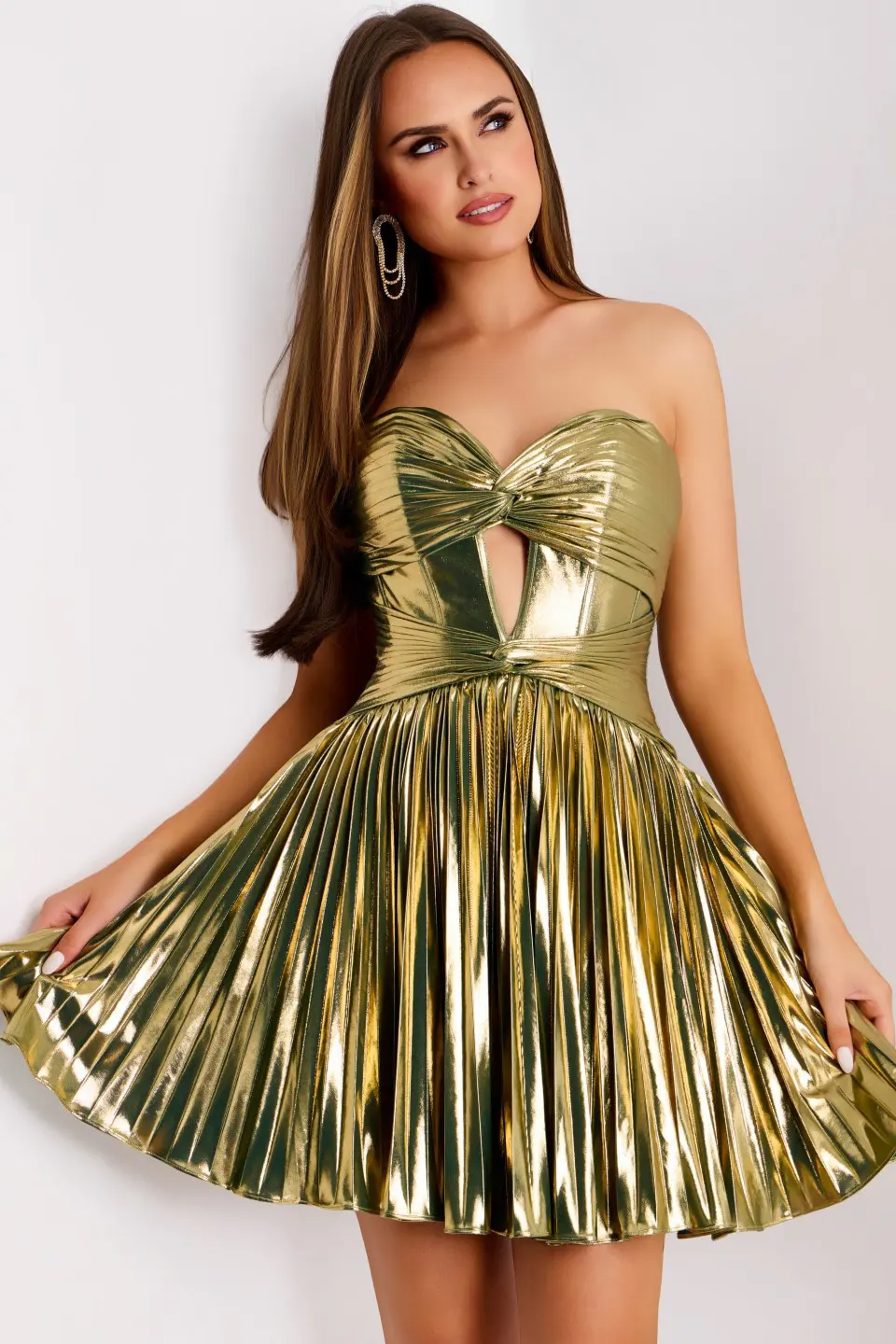
Sweetheart Metallic Pleated Mini Dress 45686
5 Colors
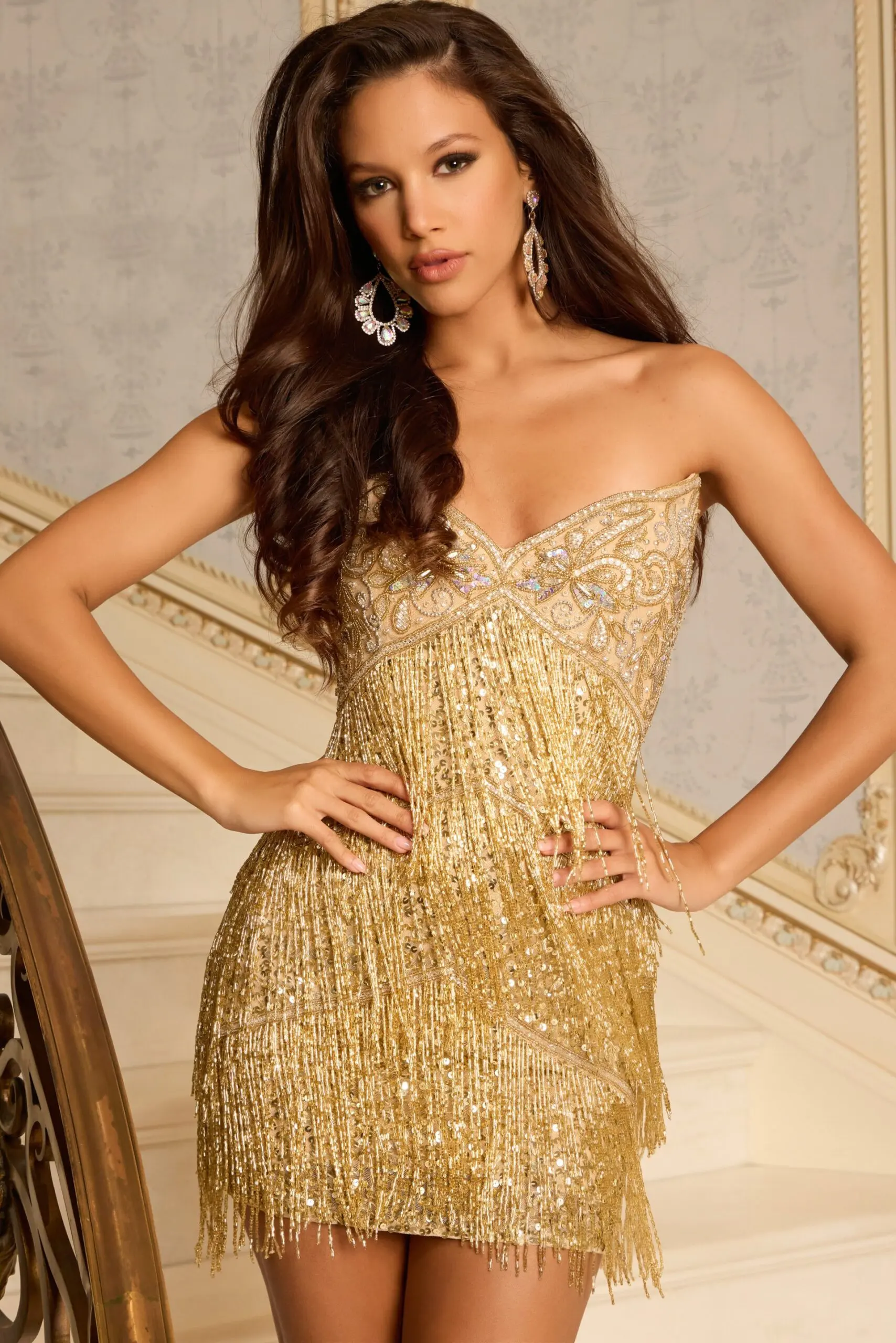
Gold Beaded Fringe Strapless Mini Dress 46998
5 Colors
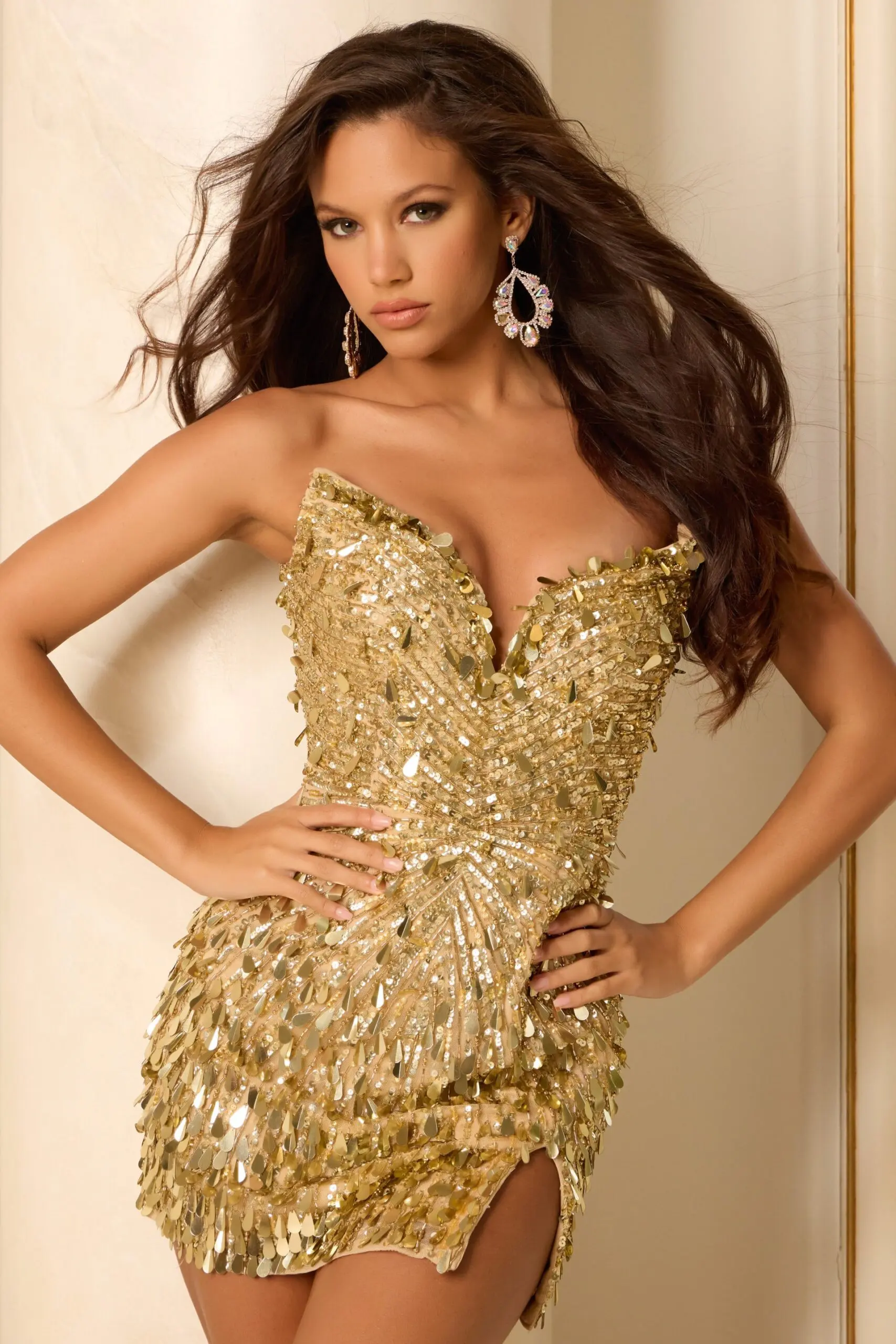
Crystal Encrusted Corset Sheer Waist Dress 46715
4 Colors
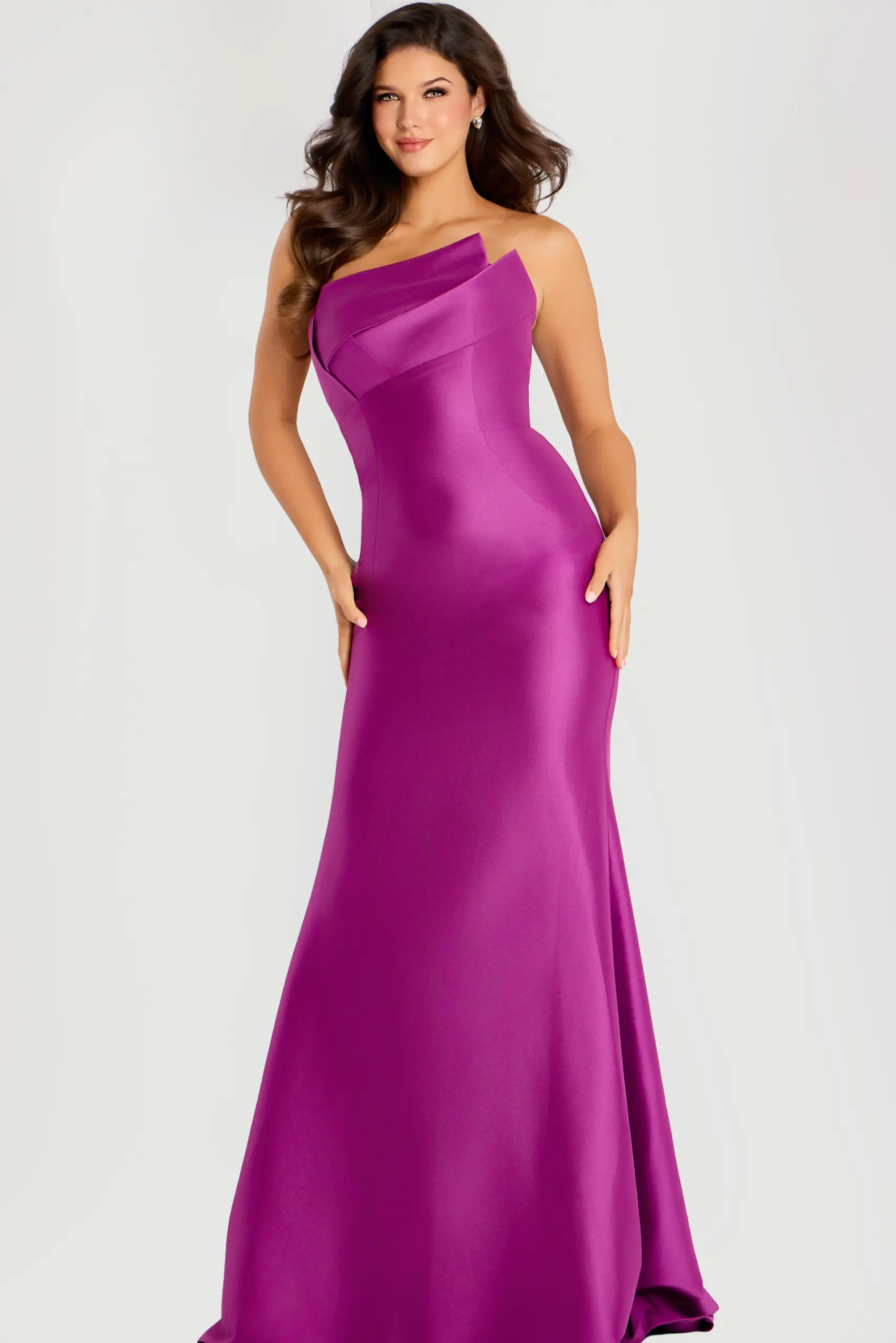
Satin One-Shoulder Mermaid Gown 44529
4 Colors
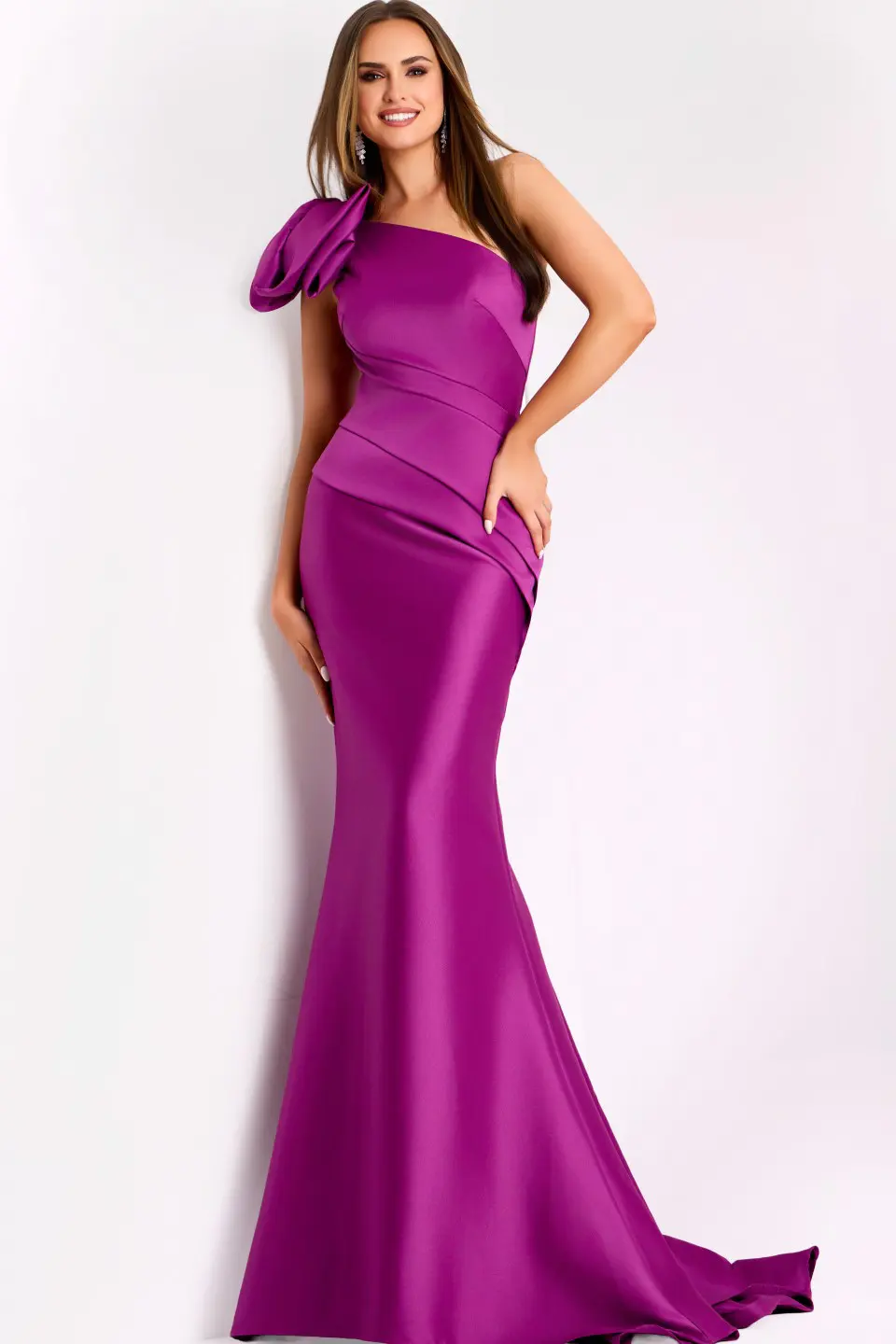
One-Shoulder Mermaid Gown with Dramatic Floral Detail 43273
4 Colors
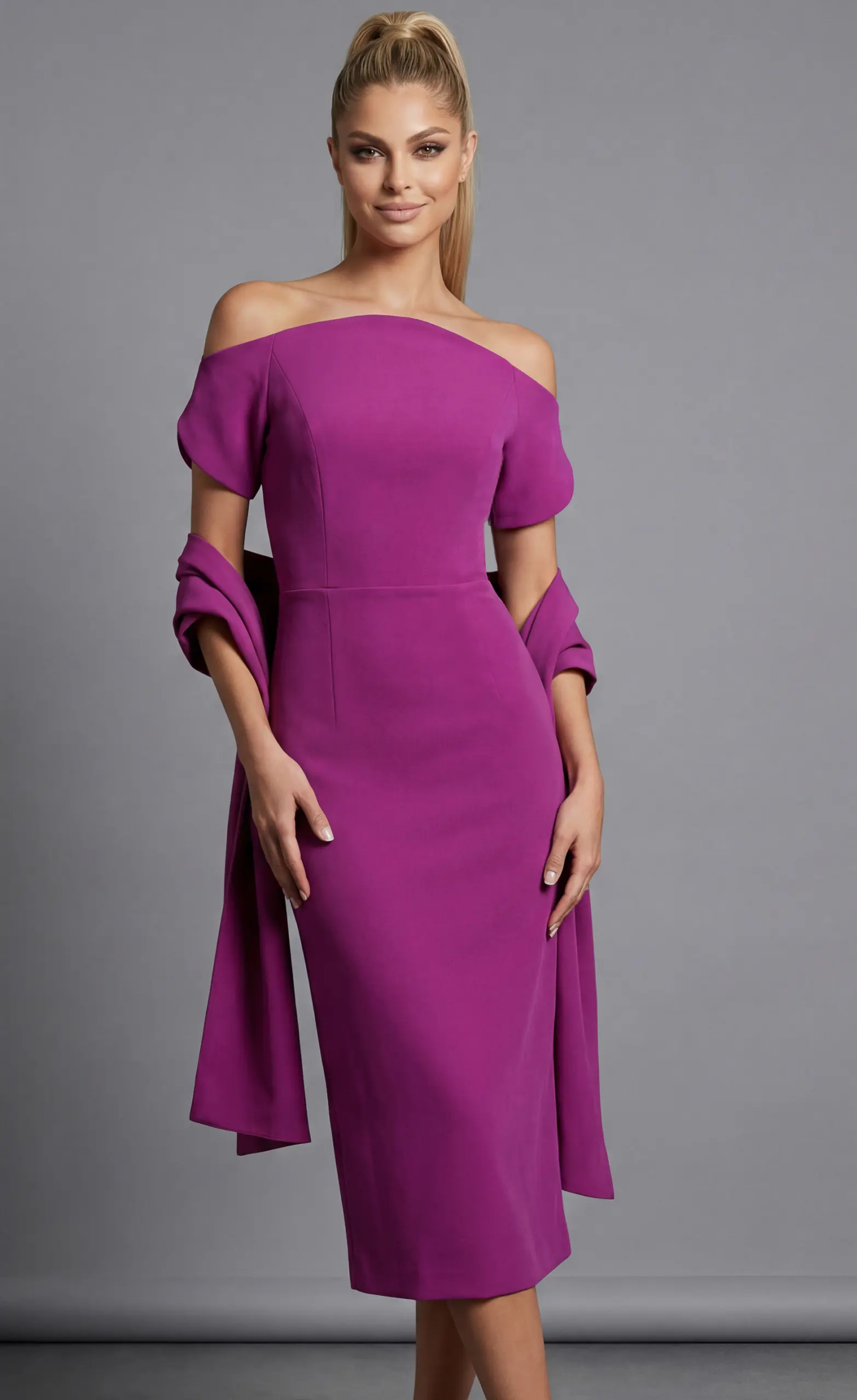
Magenta Off Shoulder Fitted Dress 44730
3 Colors
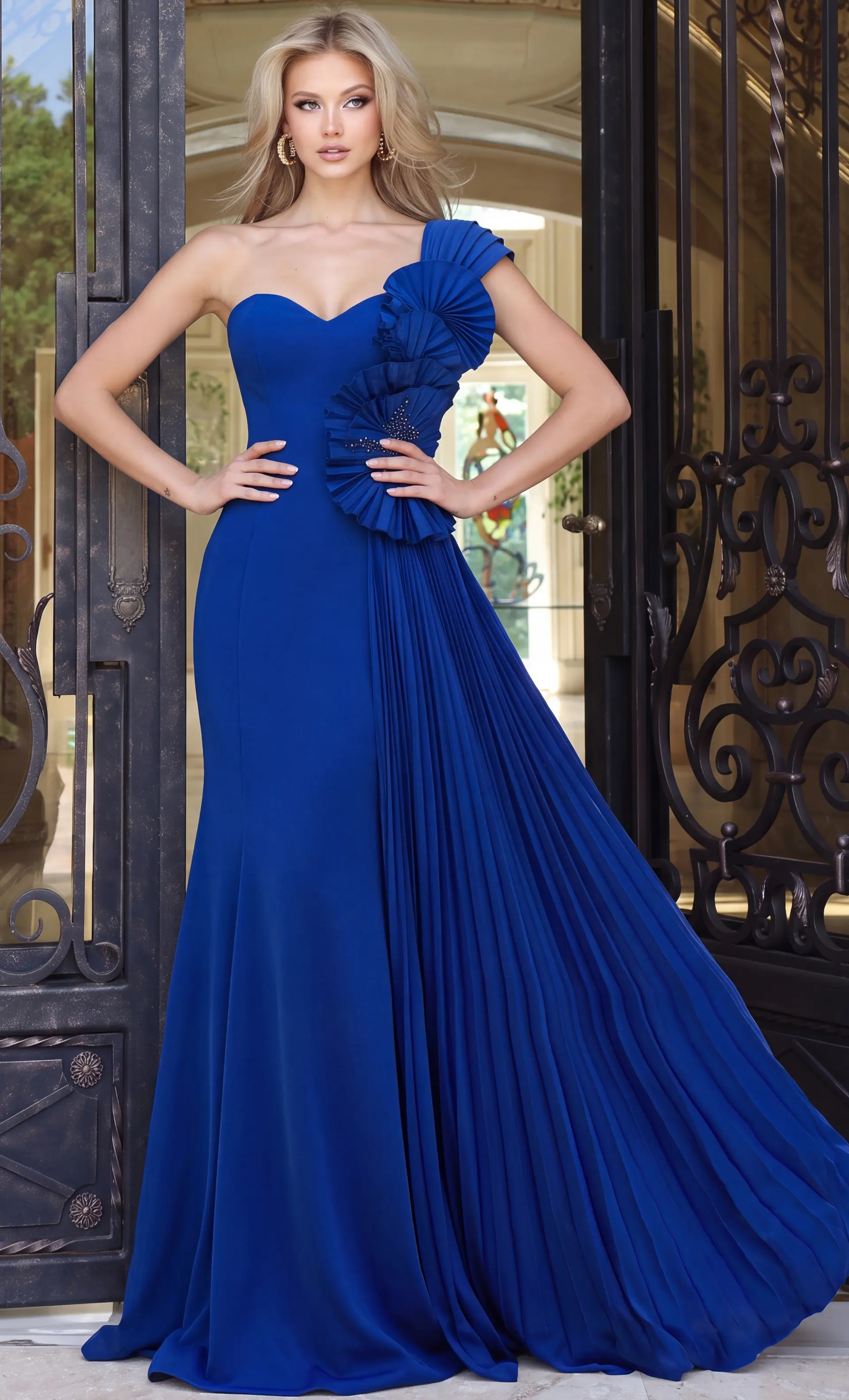
One Shoulder Pleated Gown with Floral Ruffle Detail 47202
5 Colors
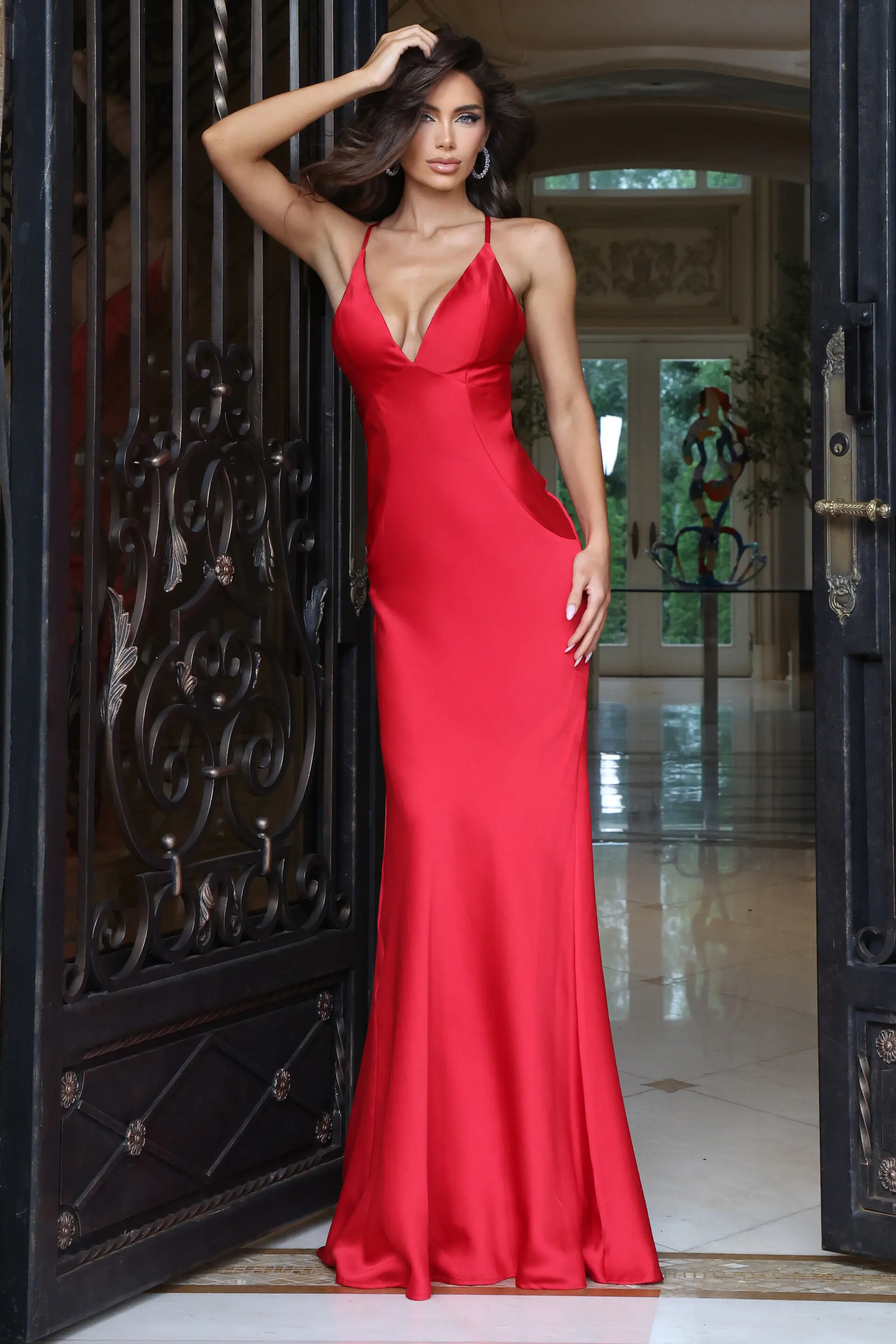
Fitted Dress with Deep V-Neck and Crisscross Back 42561
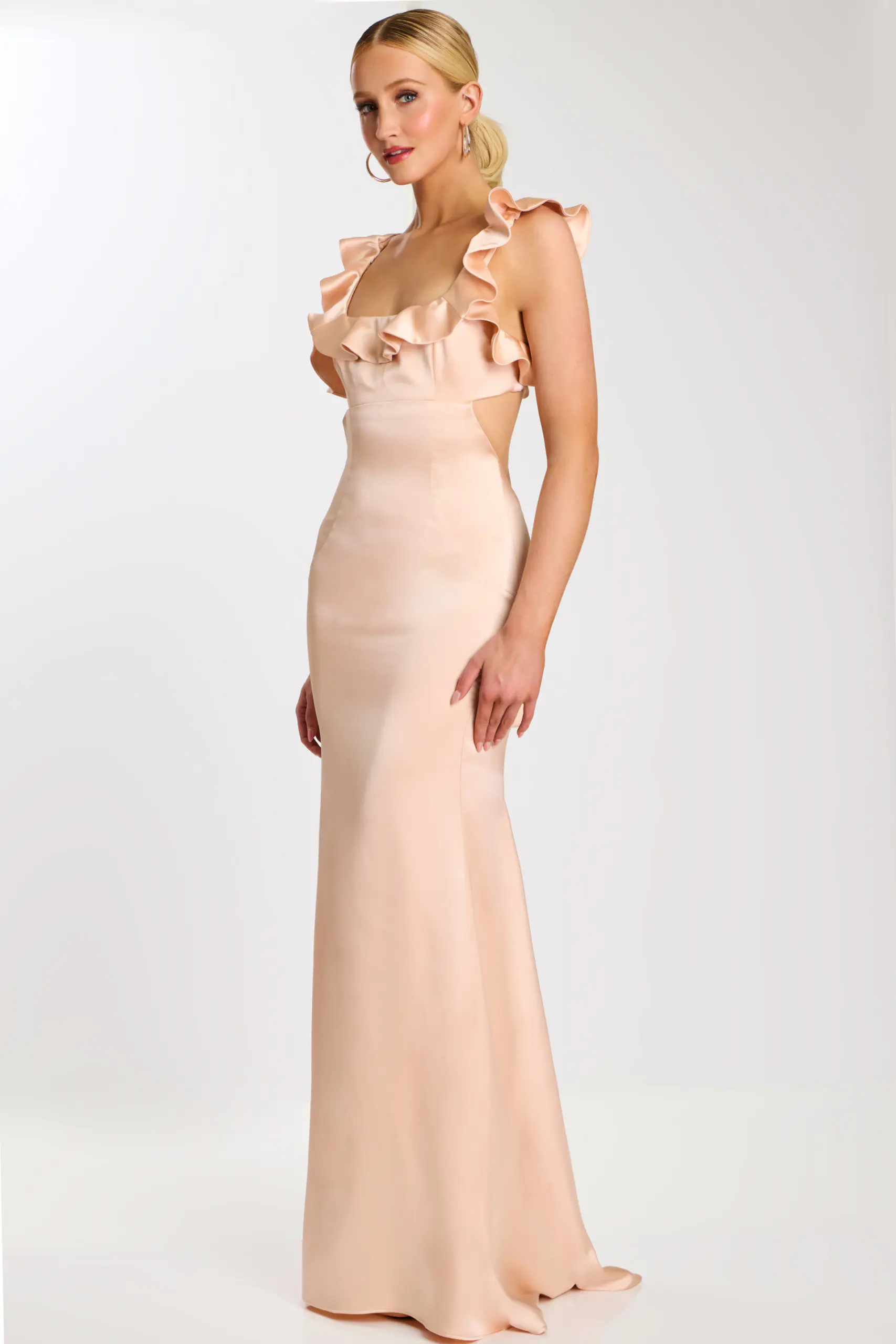
Satin Ruffle Gown with Open Back and Tie Bow Detail 43478
2 Colors
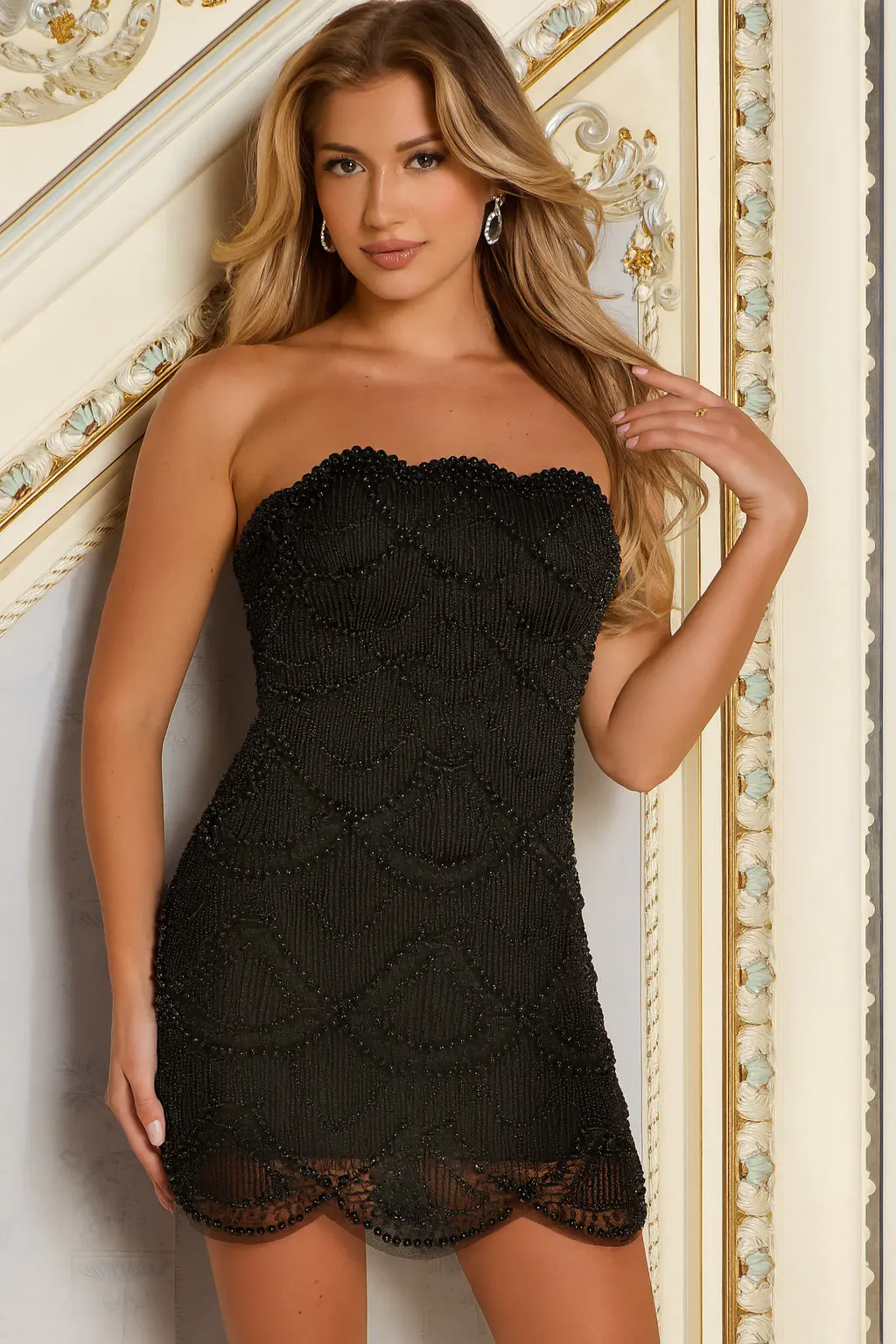
Strapless Pearl Mini Dress With Sheer Scallop Hem 46220
3 Colors
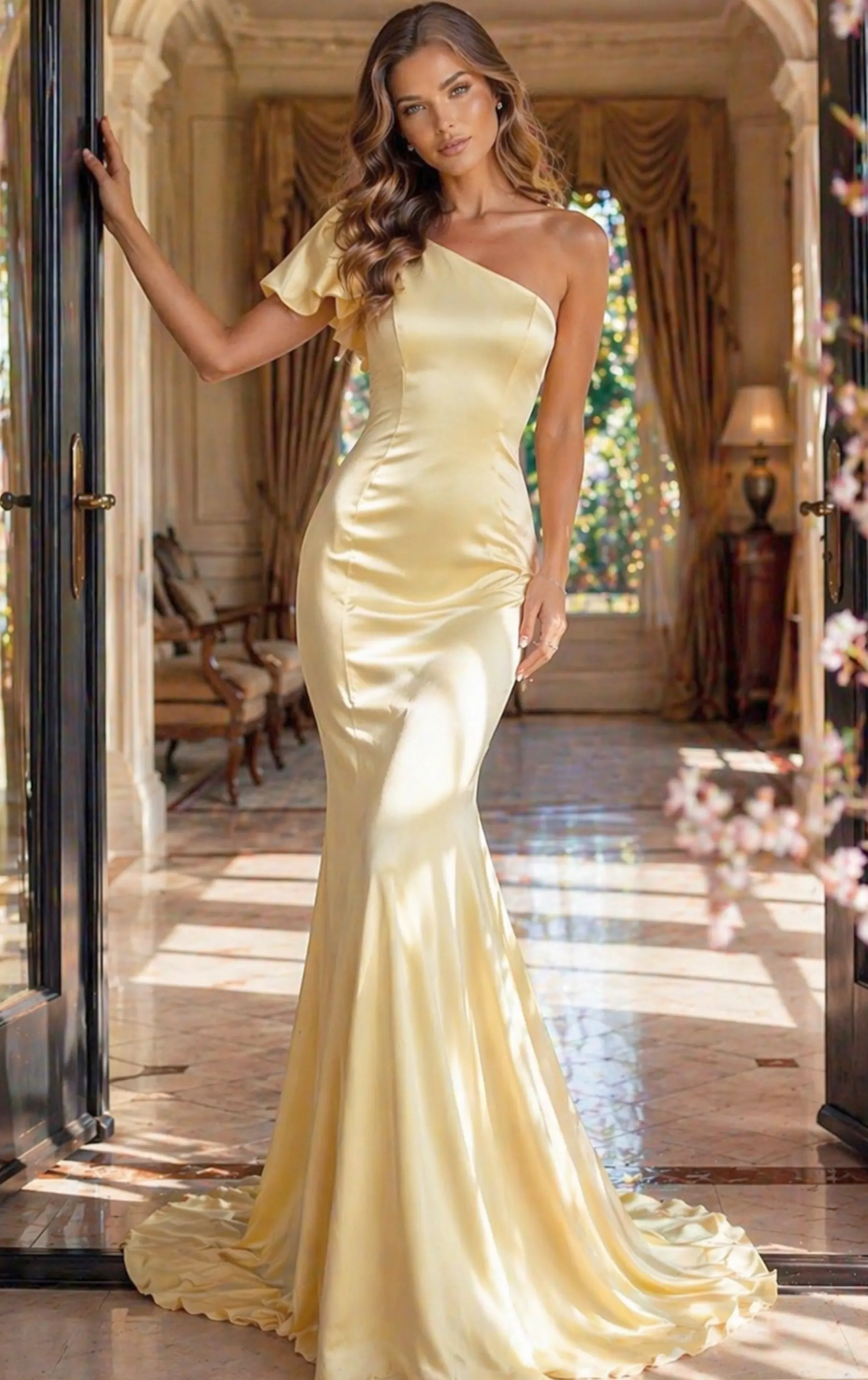
One Shoulder Fitted Gown with Bow Detail 49848
5 Colors
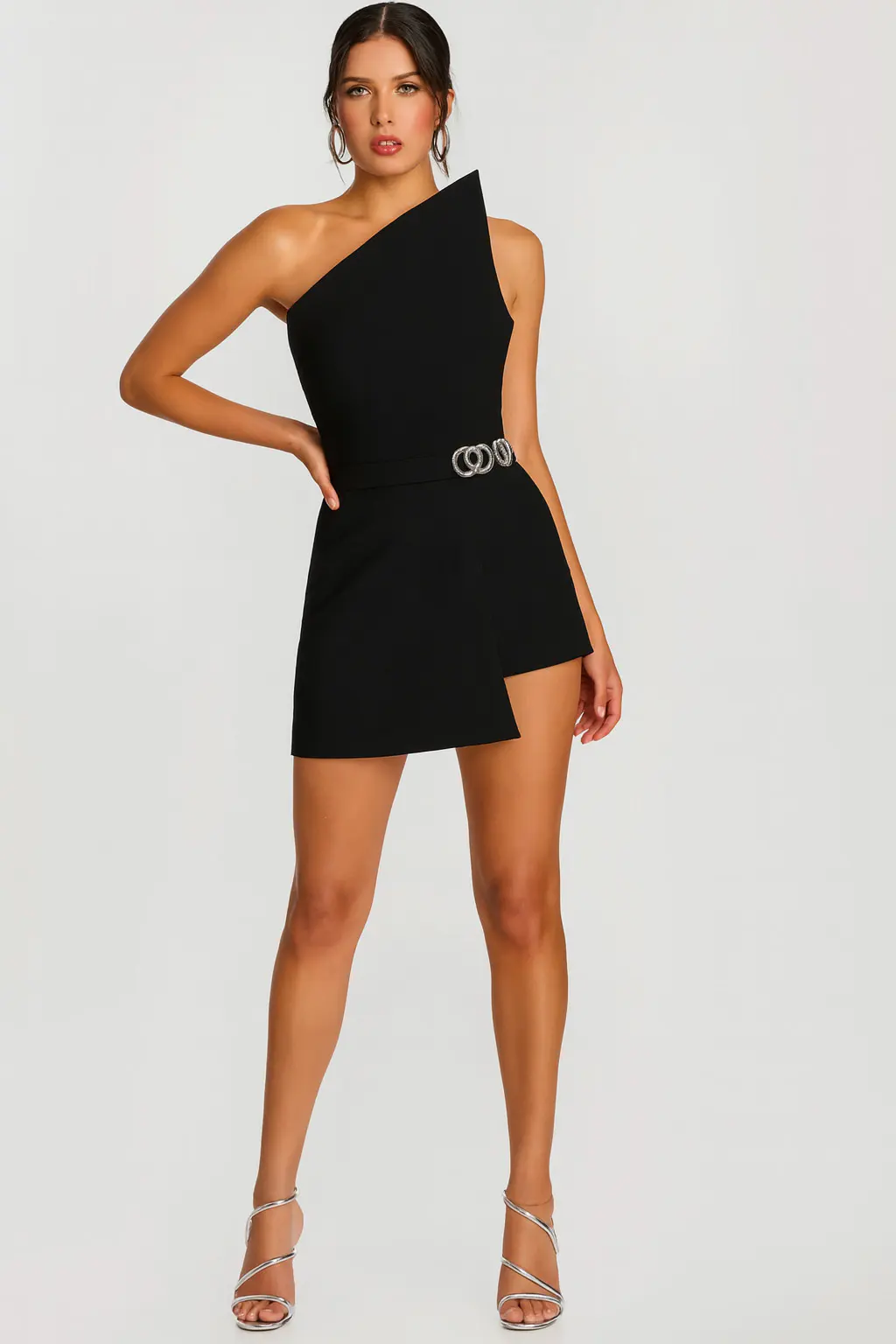
One Shoulder Ivory Romper with Heart Belt Detail 48667
6 Colors
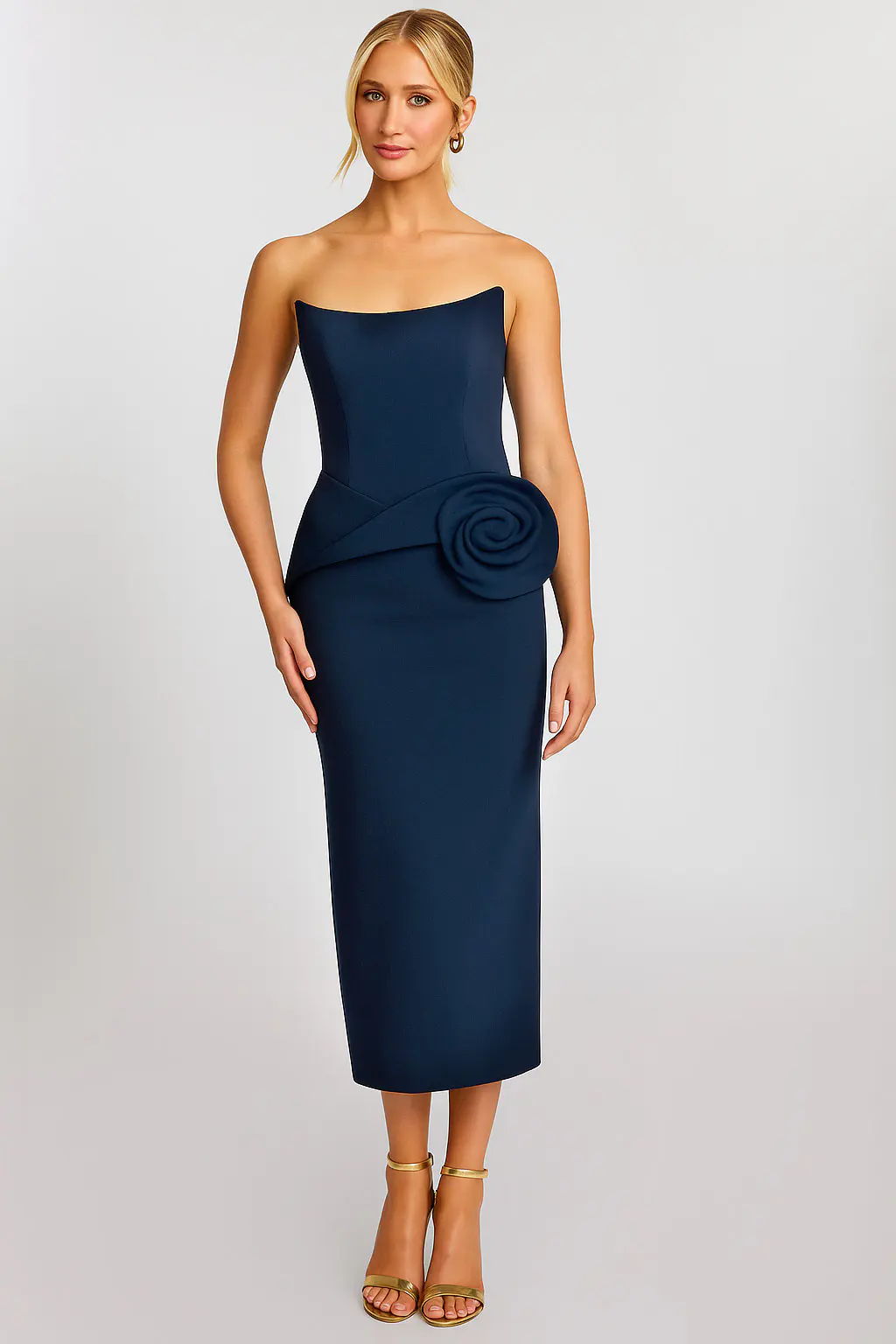
Elegant Strapless Midi Dress with Satin Rose Detail 48208
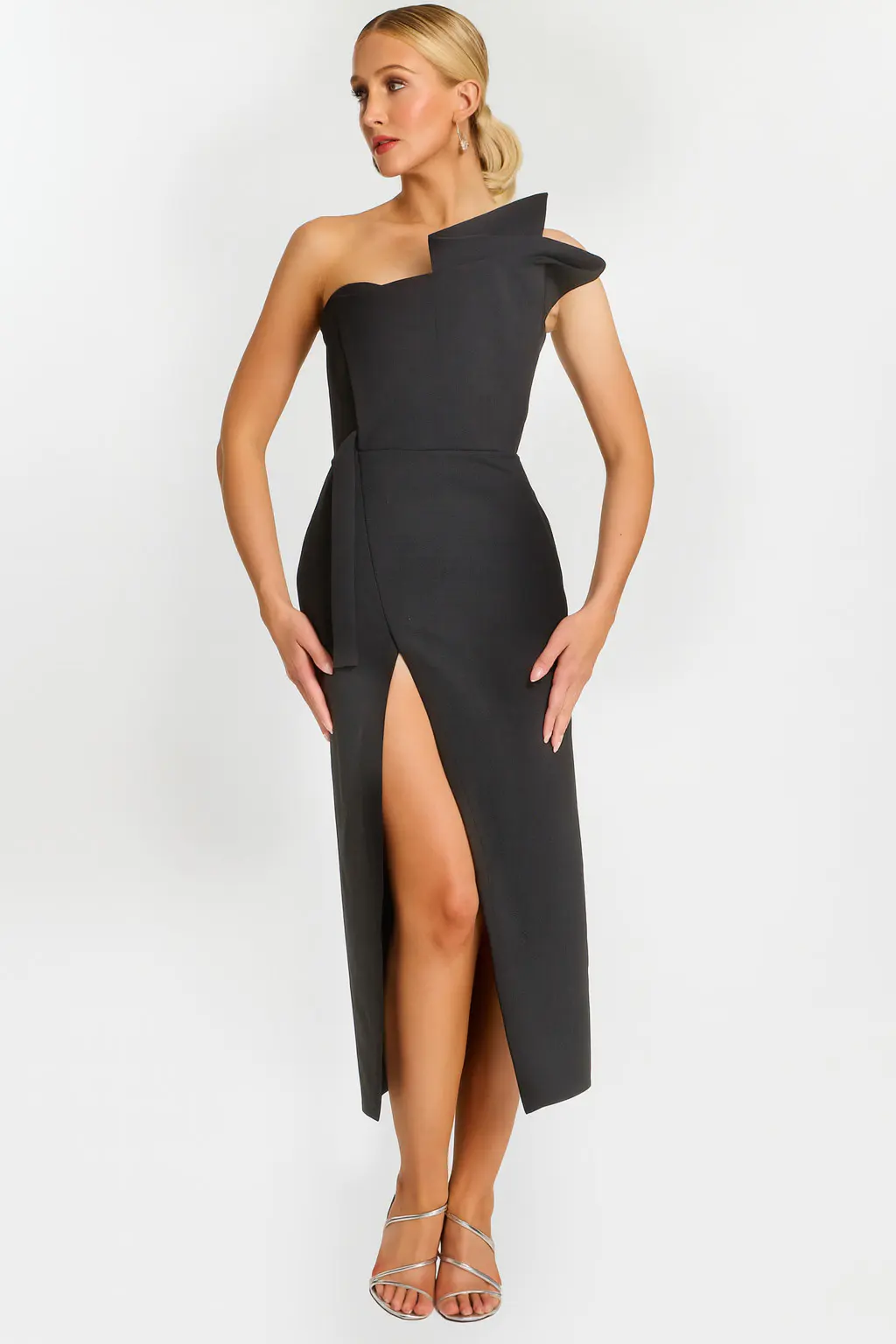
4 Colors
One Shoulder Ivory Midi Dress With Front Slit 48205
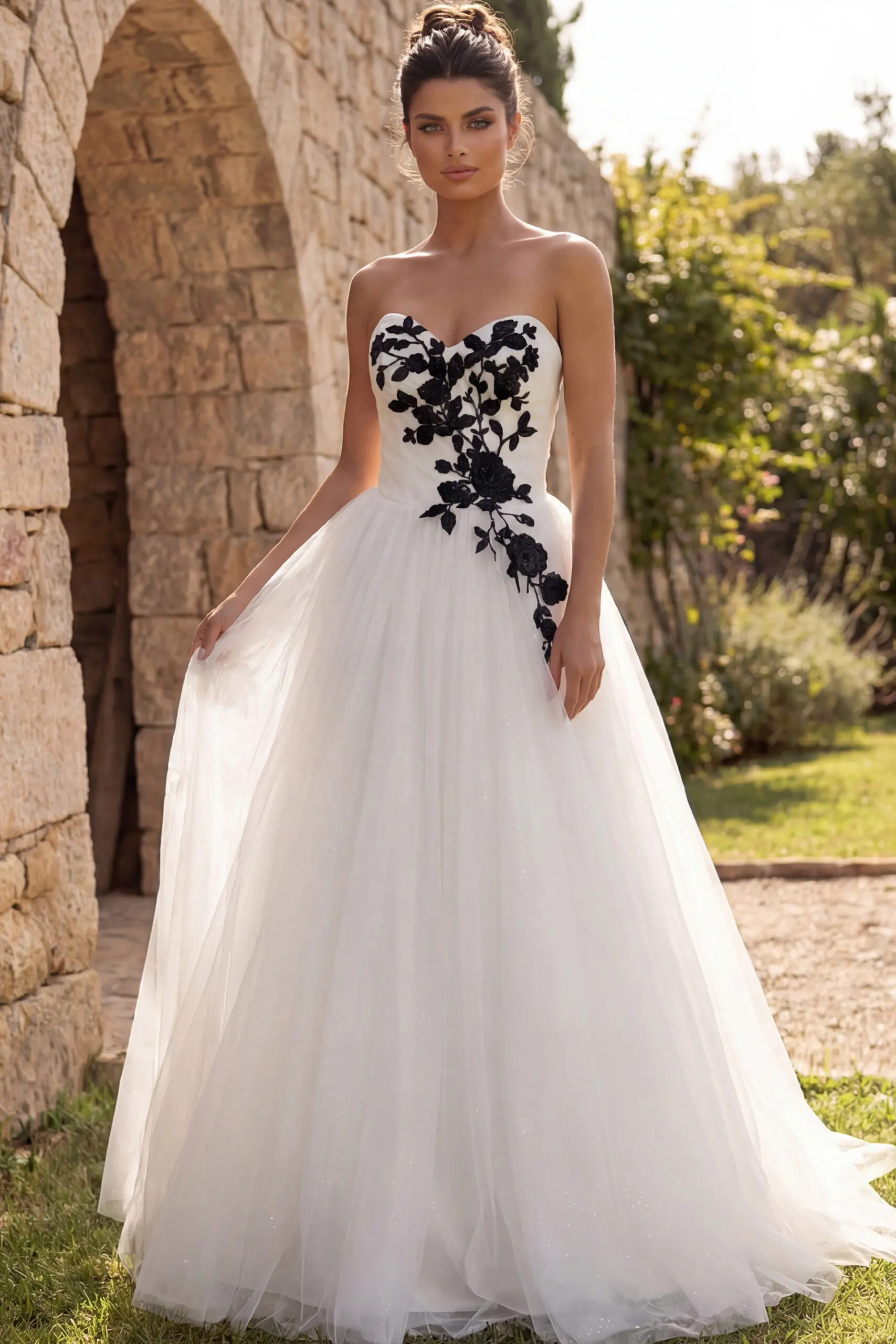
2 Colors
Strapless Ball Gown with Floral Appliqué Bodice JB43233
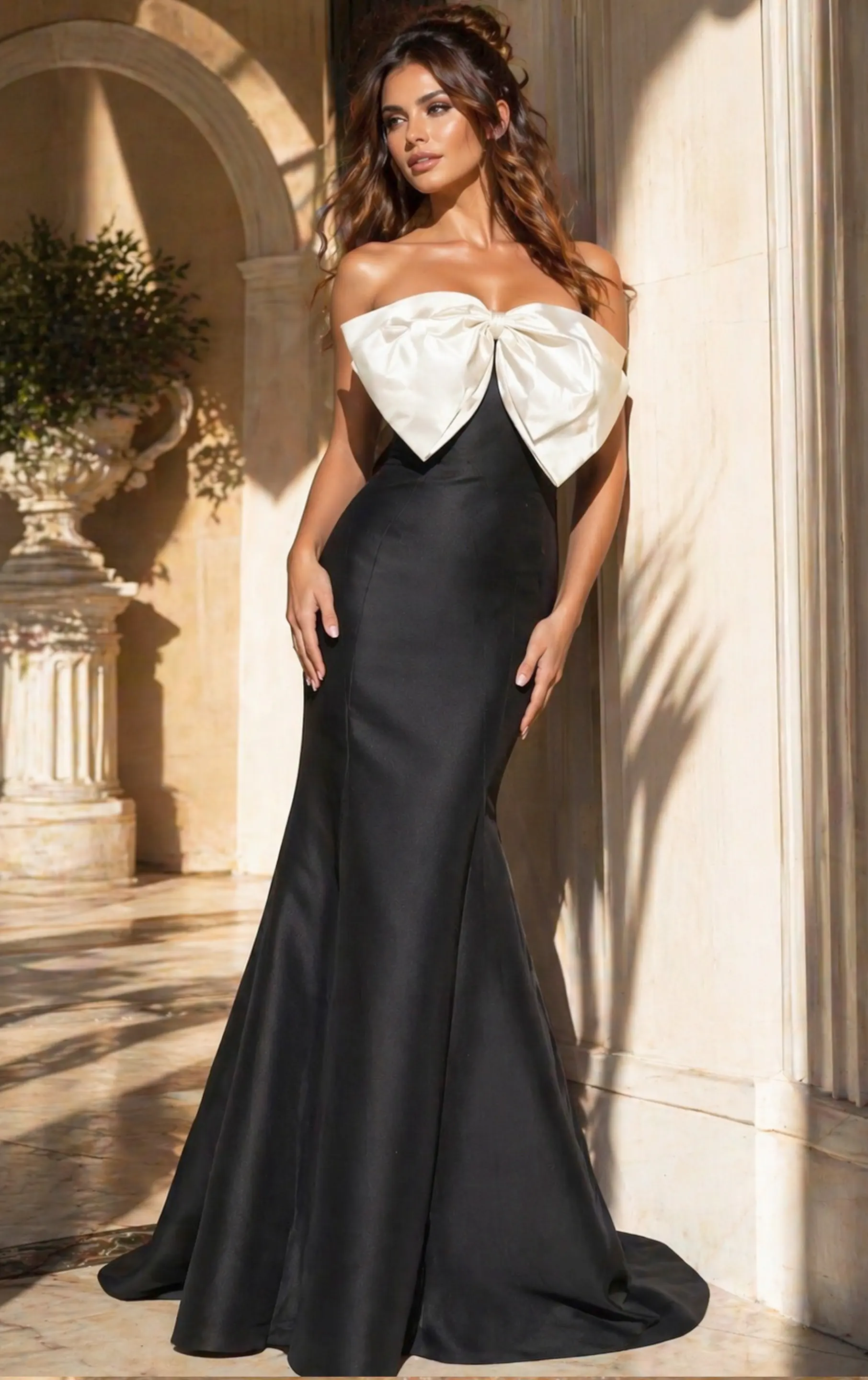
1 Colors
Black Strapless Evening Gown with Statement Bow Detail 49078
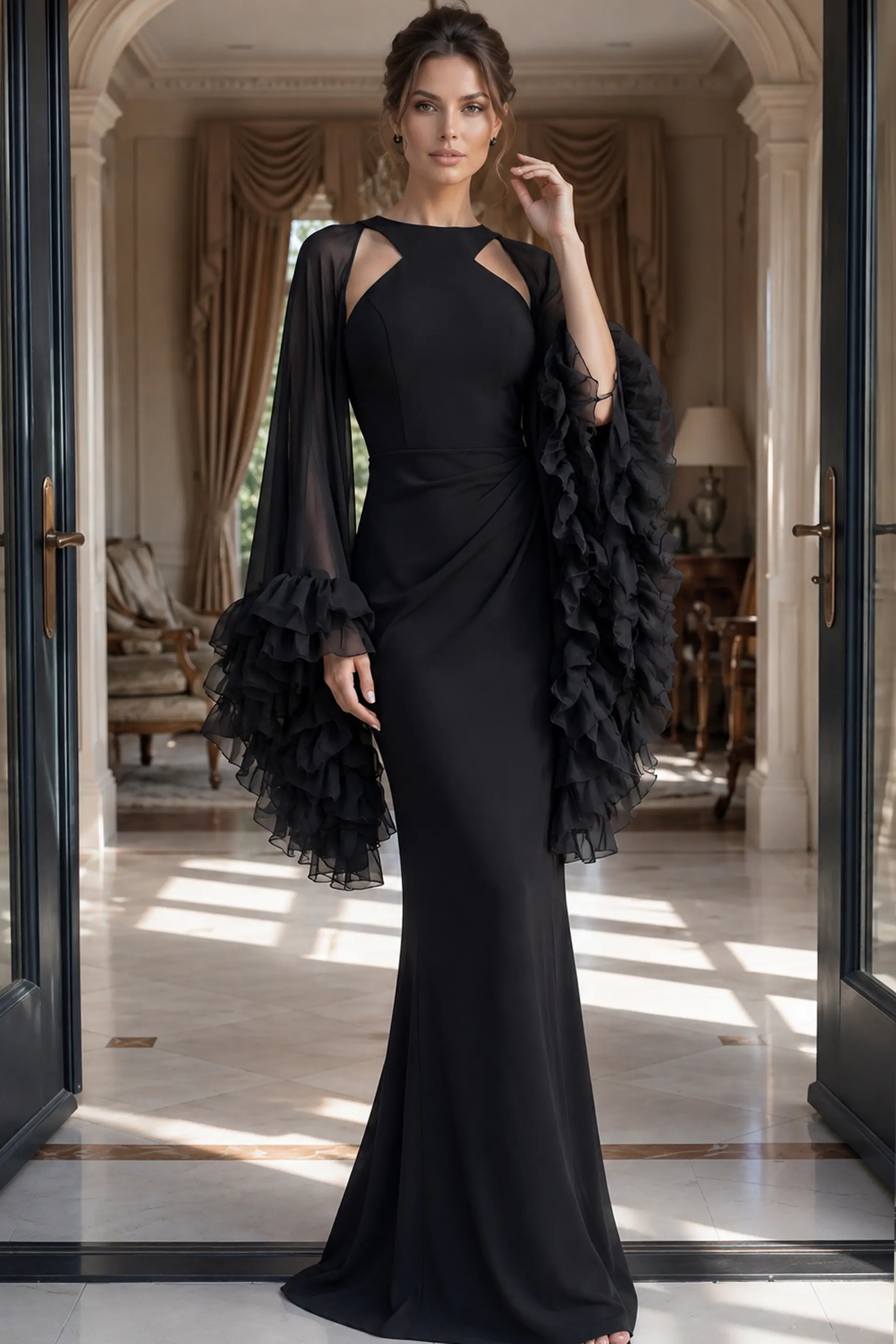
1 Colors
Cutout Cape Sleeve Gown With Ruffle Cuffs 49448
7 Colors
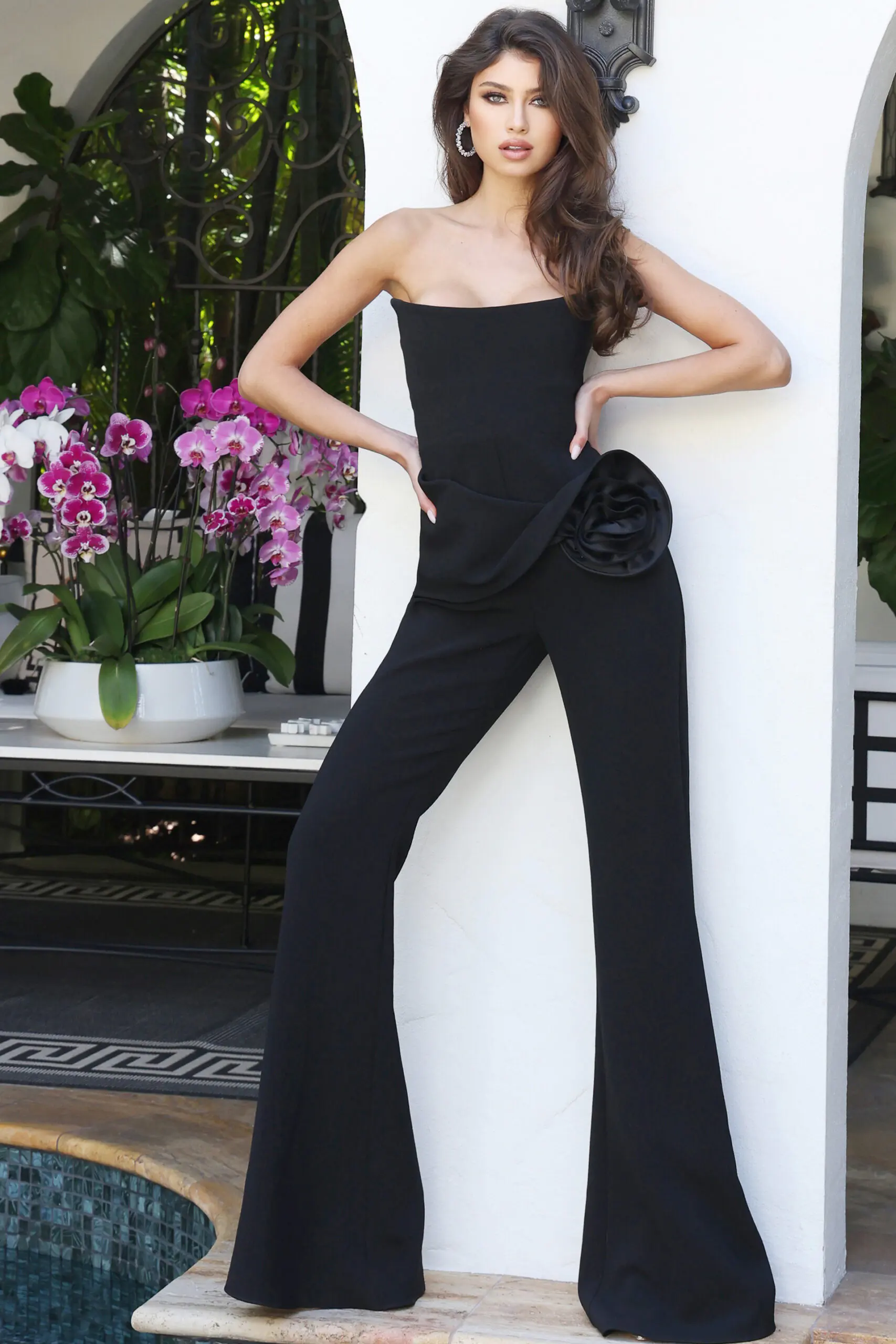
Strapless Black Jumpsuit with Rosette Waist 48209
4 Colors
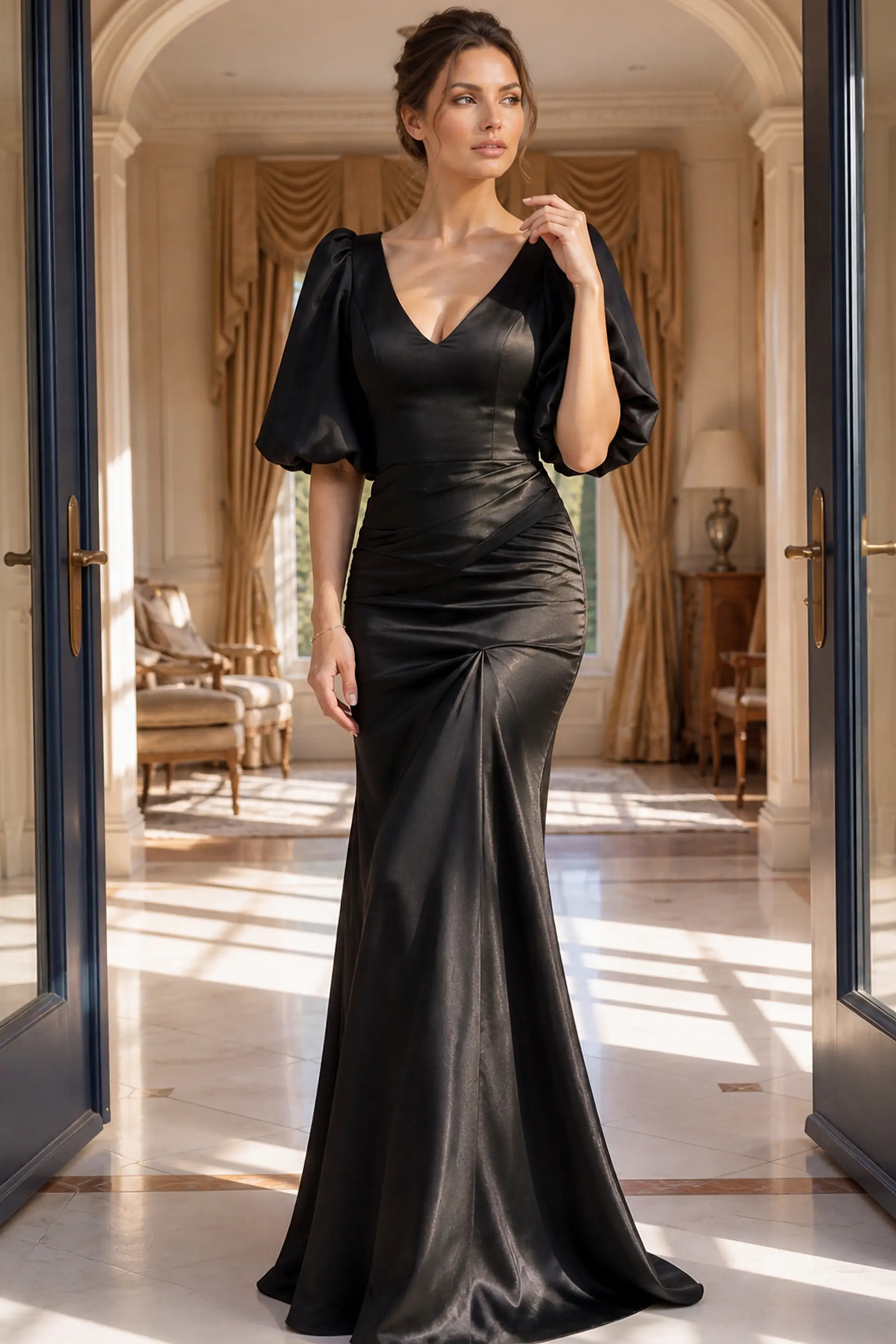
Black Satin V Neck Puff Sleeve Mermaid Gown 43818
4 Colors
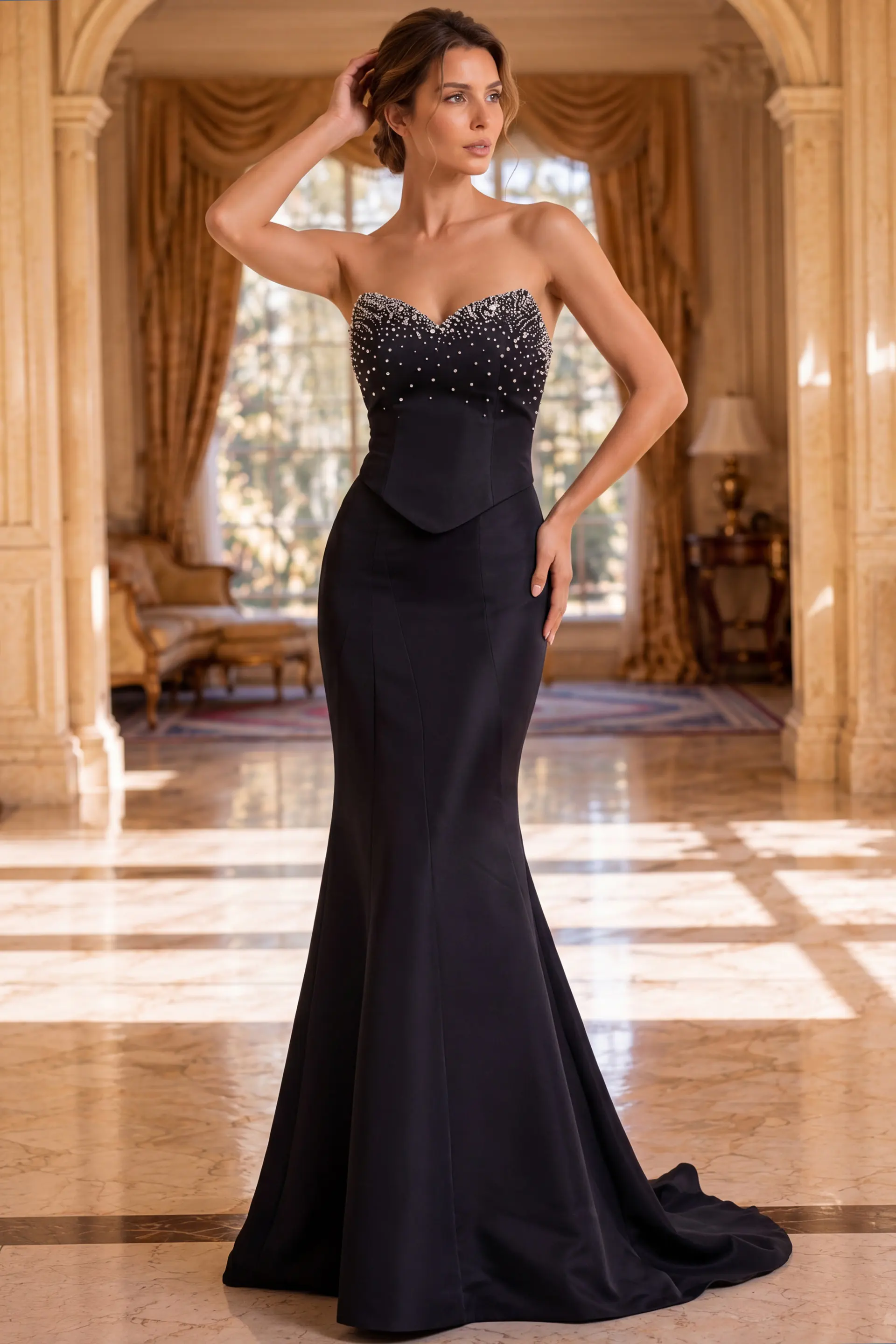
Strapless Beaded Bodice Mermaid Gown 49076
7 Colors
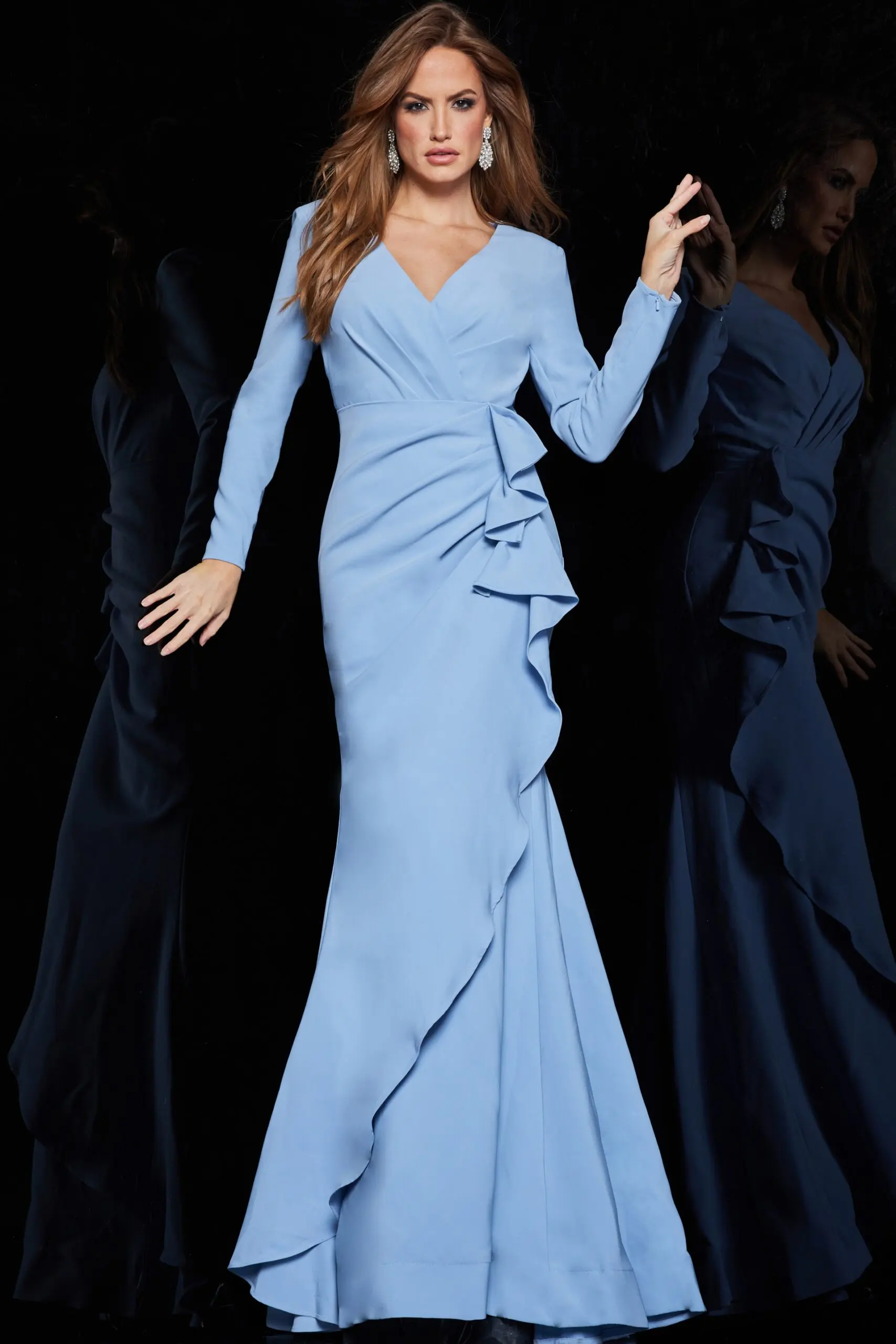
Light Blue Long Sleeve Crepe Gown 06995
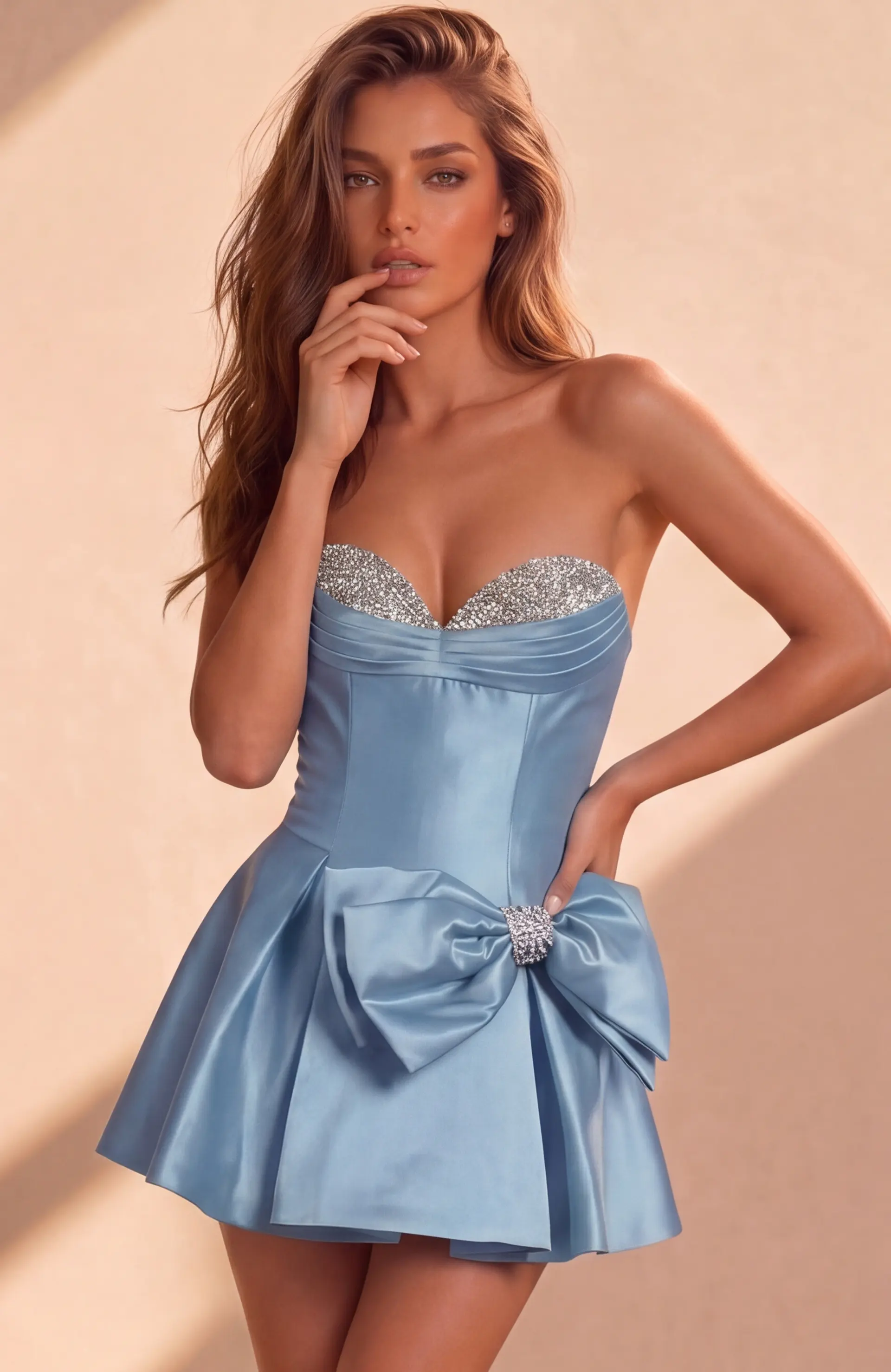
2 Colors
Strapless Satin Mini Dress with Oversized Side Bow 49909
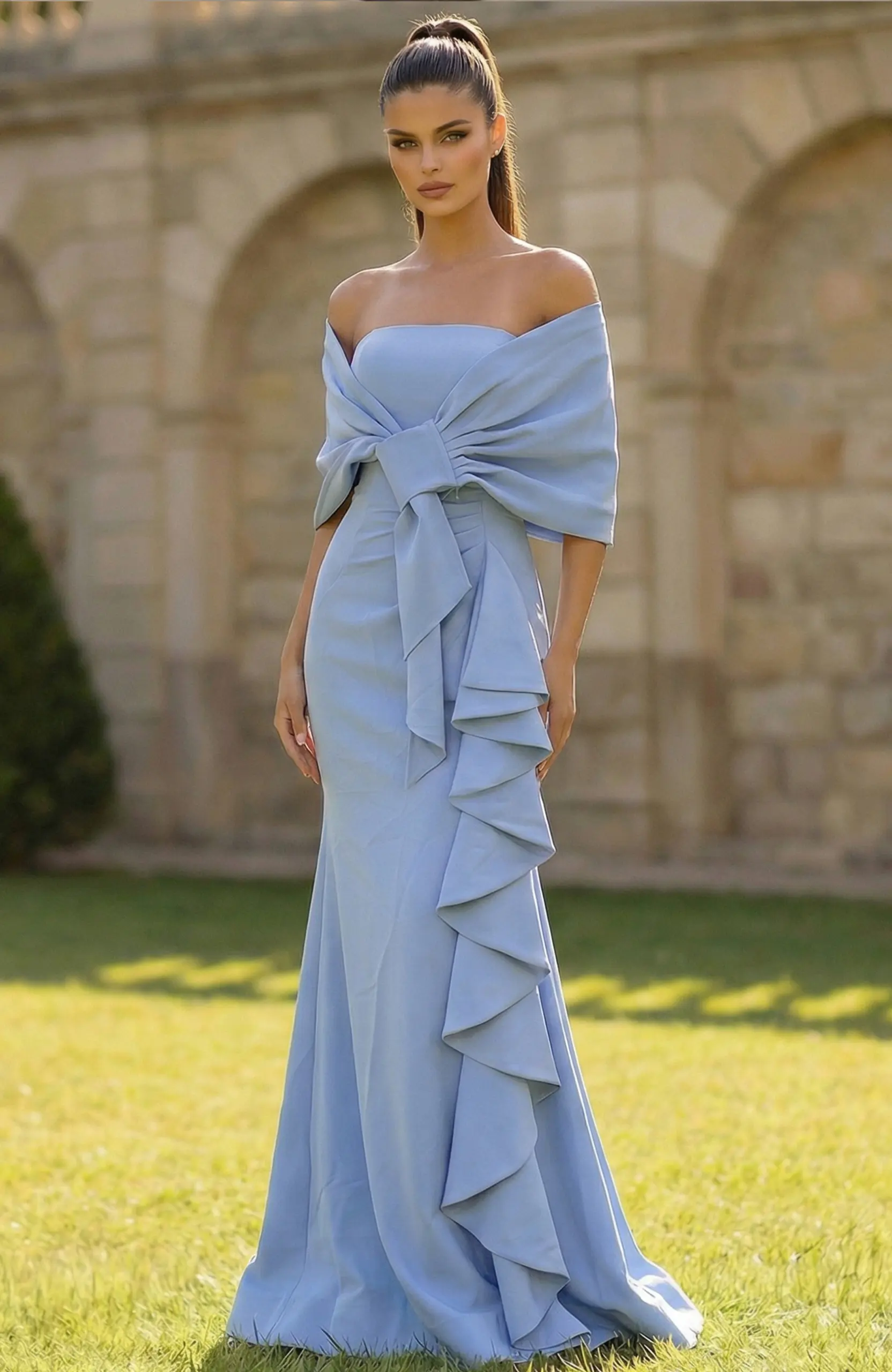
5 Colors
Off Shoulder Gown With Draped Wrap Detail 50270
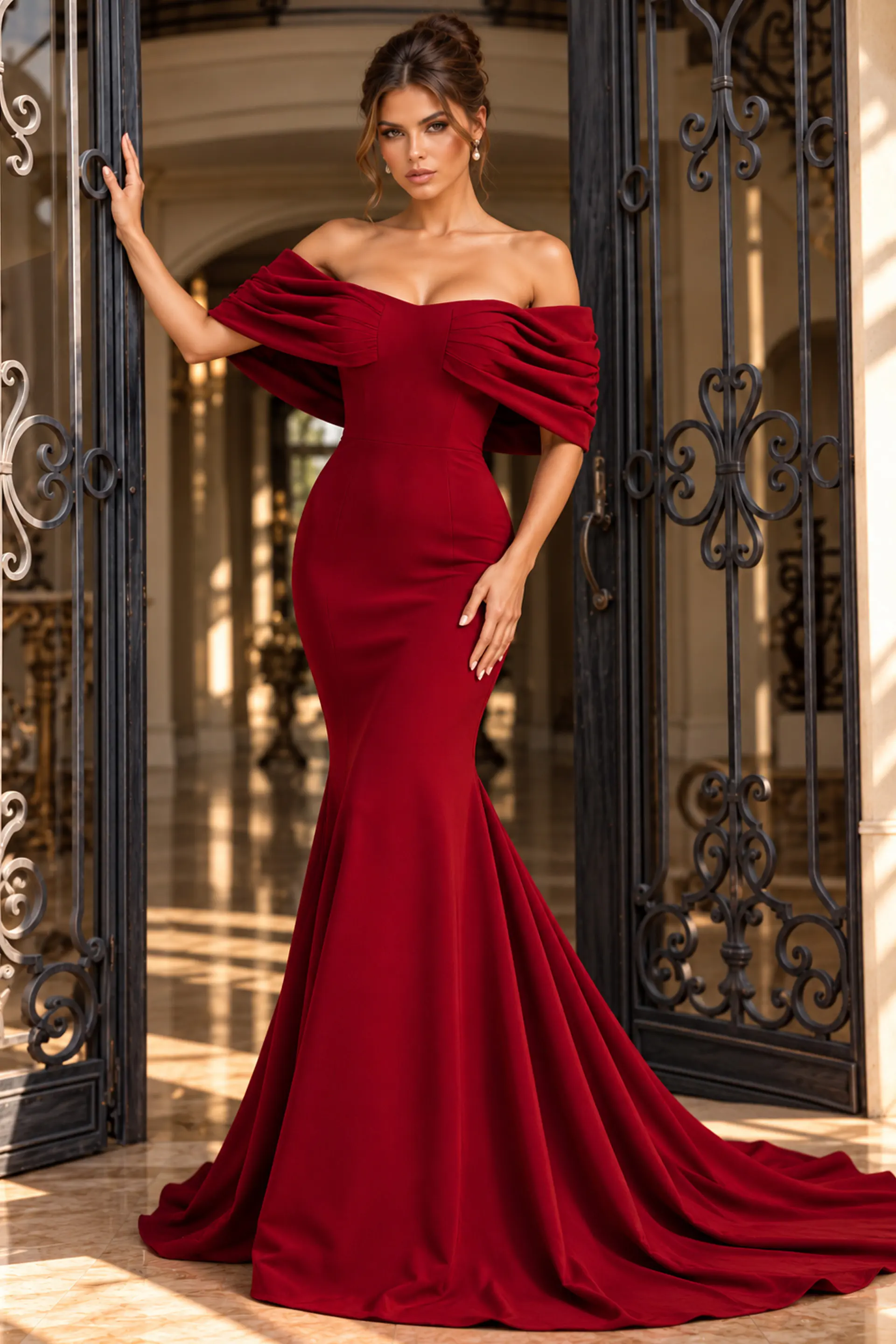
3 Colors
Black Off Shoulder Mermaid Dress 47657
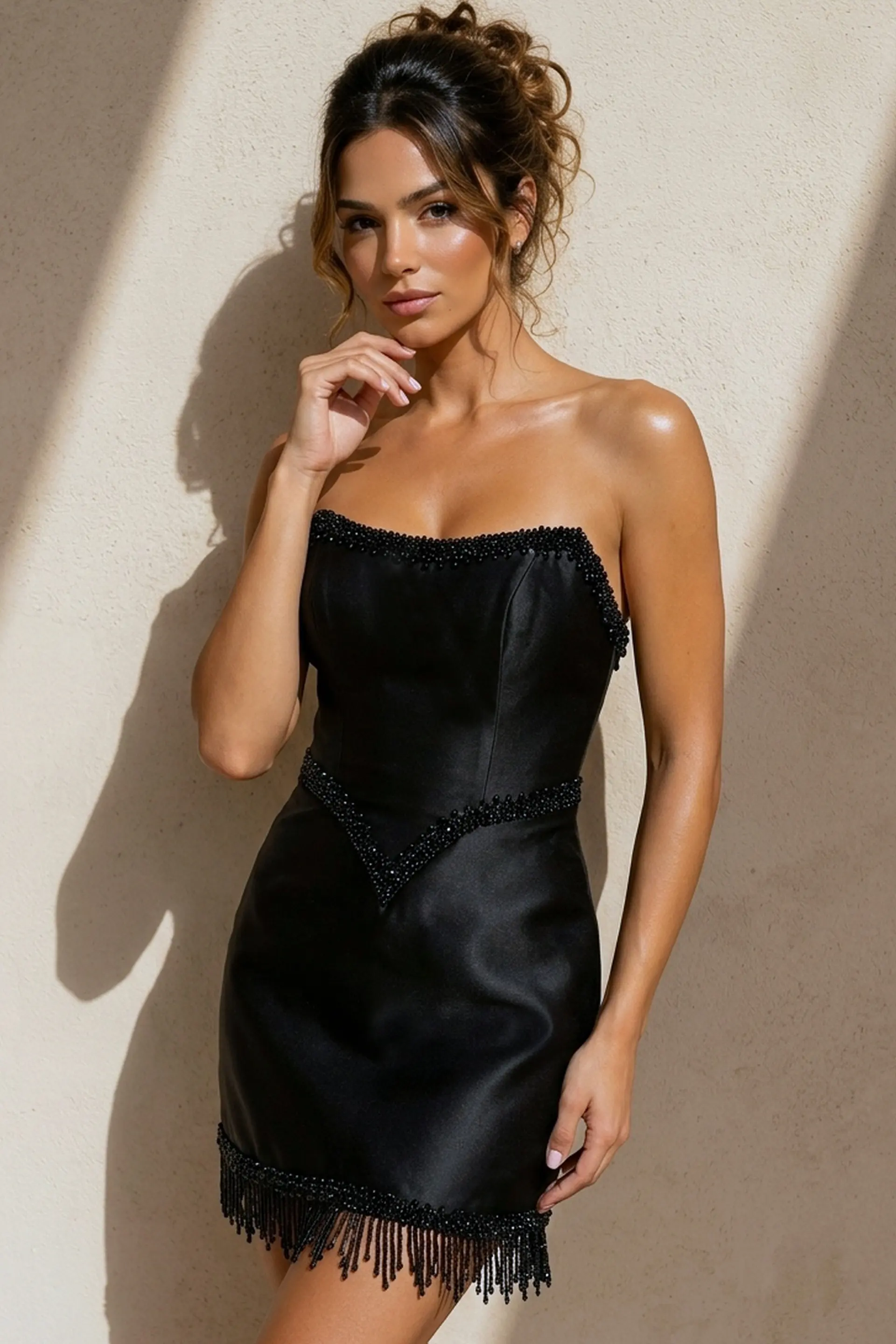
2 Colors
Strapless Mini Dress With Scalloped Hem 48787
Trending Now
Wedding Guest trends: what boutiques are ordering
Boutiques order months before the season starts. Here is what Jovani retailers are choosing.
The most popular wedding guest styles
8 Colors
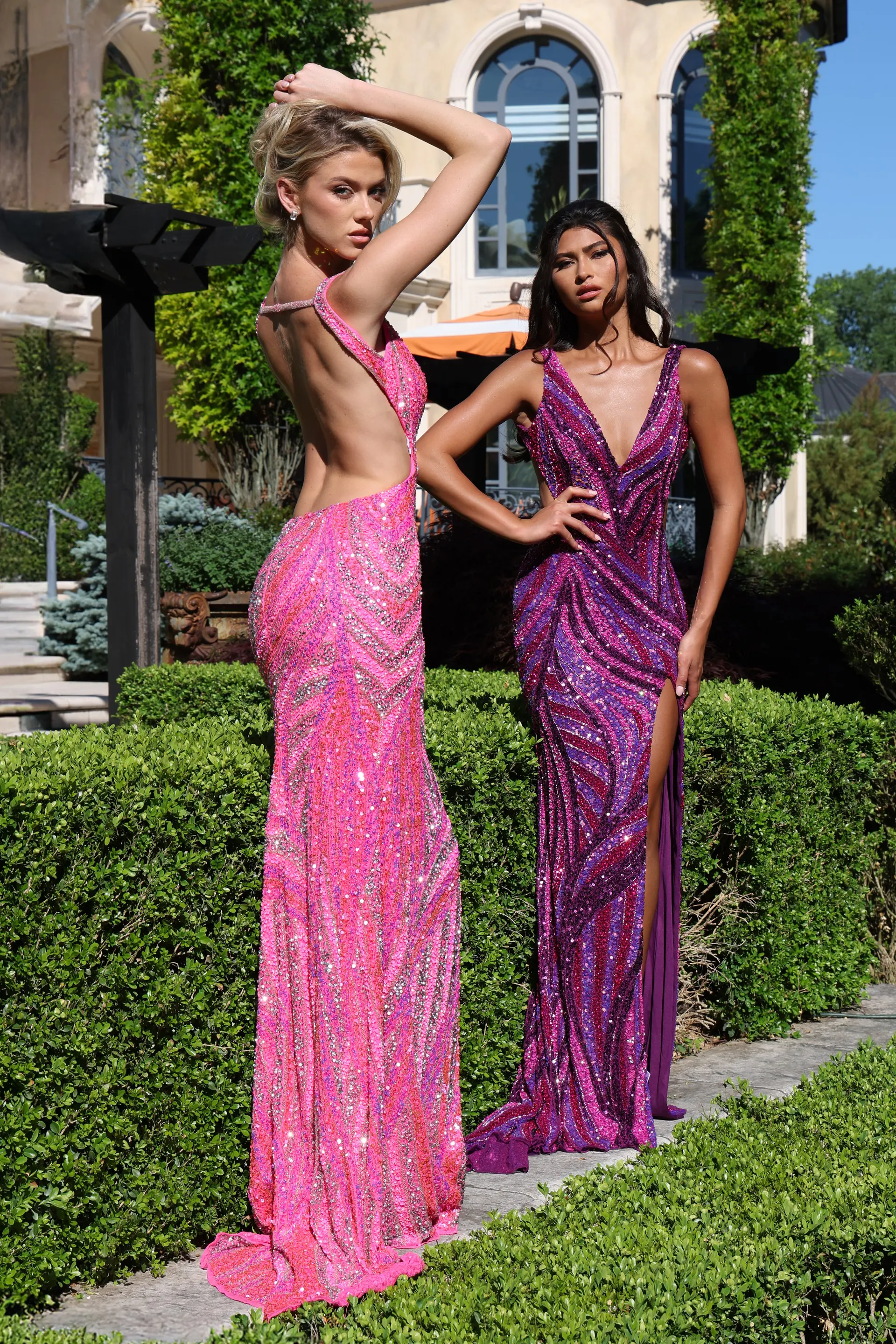
Deep V Sequin Gown with Side Cutouts 47793
13 Colors
Plunging Sequin Gown with High Slit and Open Back 43623
7 Colors
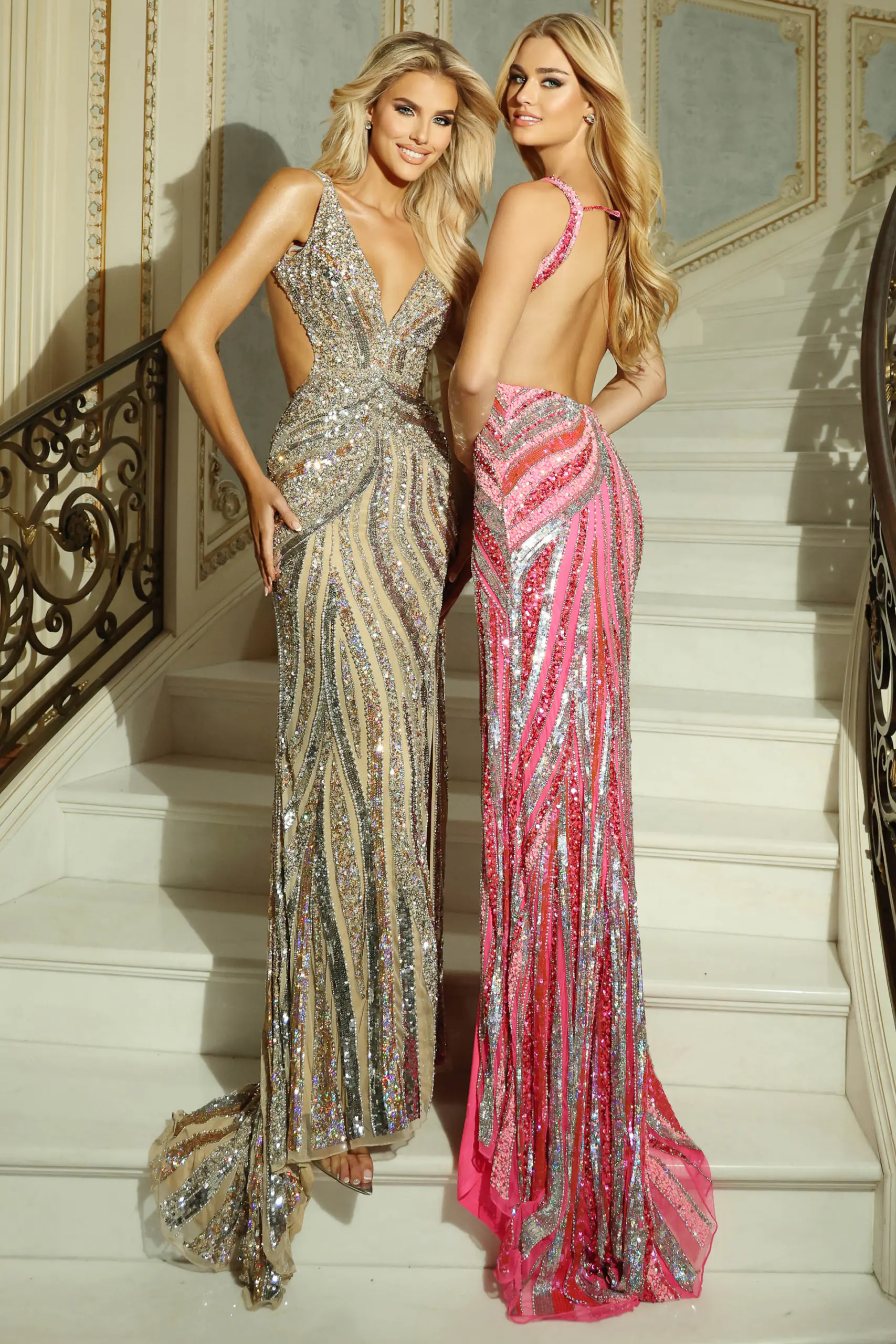
Open Back Beaded Prom Dress With High Slit 49244
8 Colors
Dazzling Lilac Sequin Strapless Gown with Floral Accents 42154
16 Colors
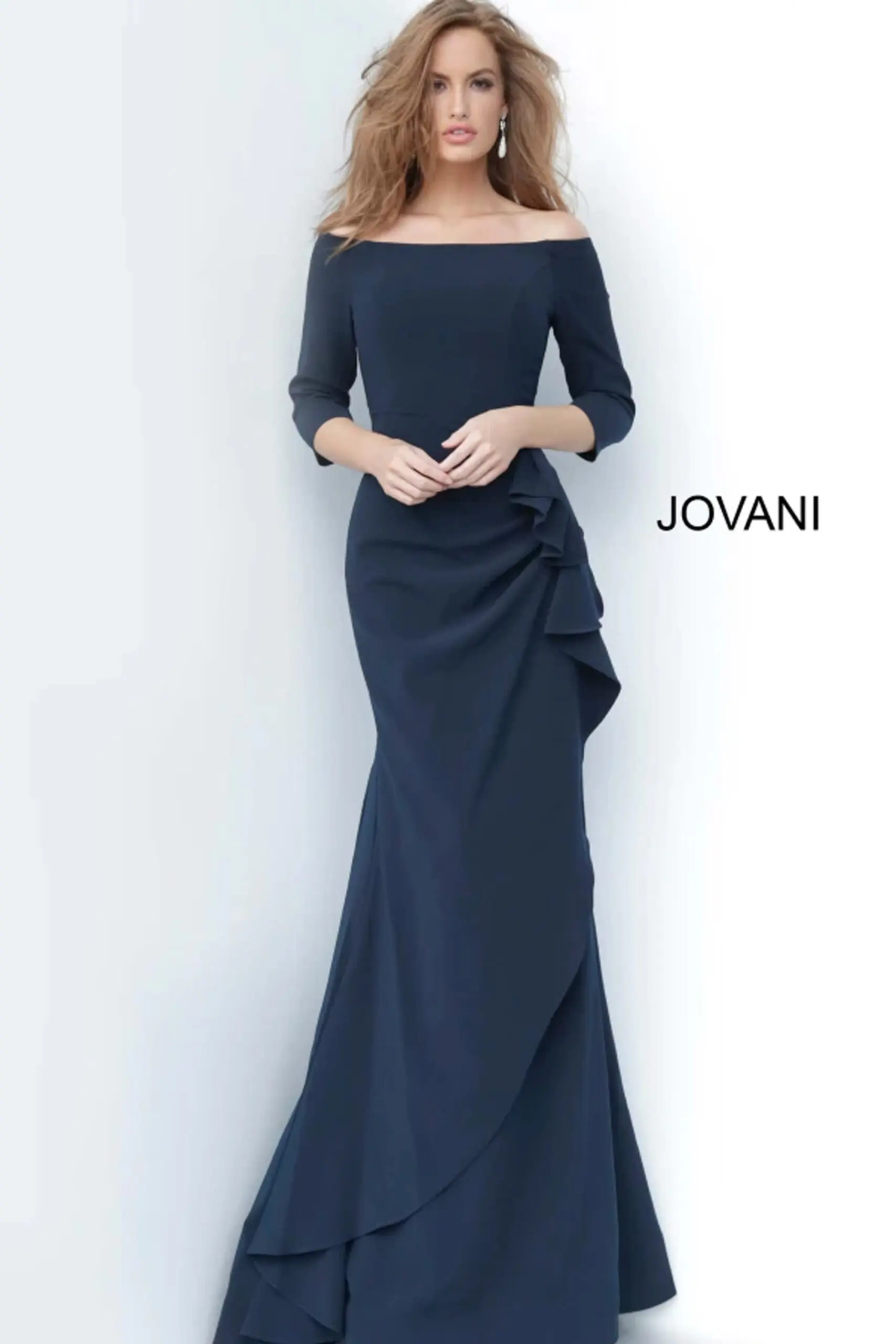
Jovani 00446 Off the Shoulder Ruched Dress
4 Colors
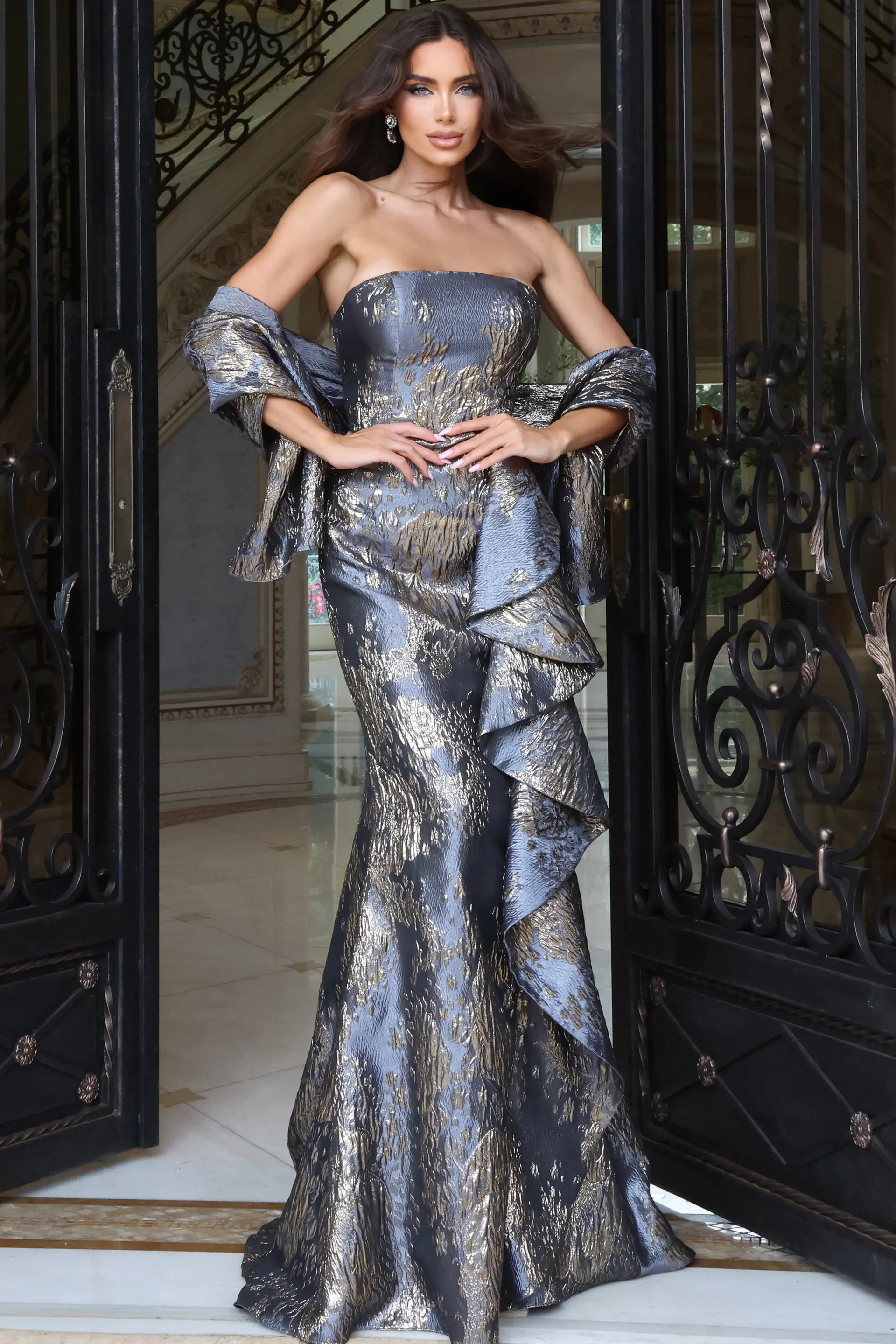
Gunmetal and Gold Strapless Gown with Cascading Ruffle 42028
11 Colors
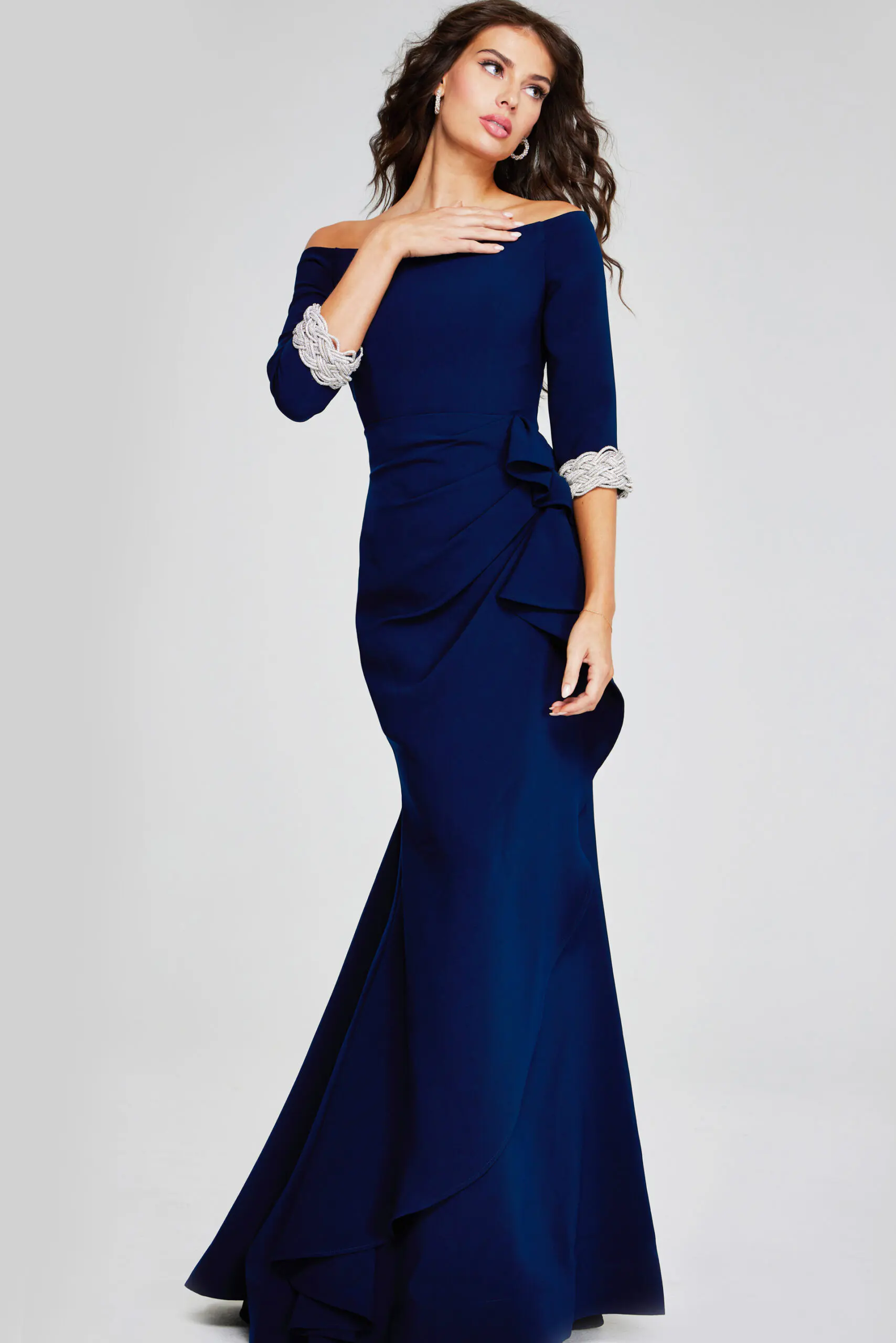
Navy Off-Shoulder Gown with Beaded Cuffs 42409
7 Colors
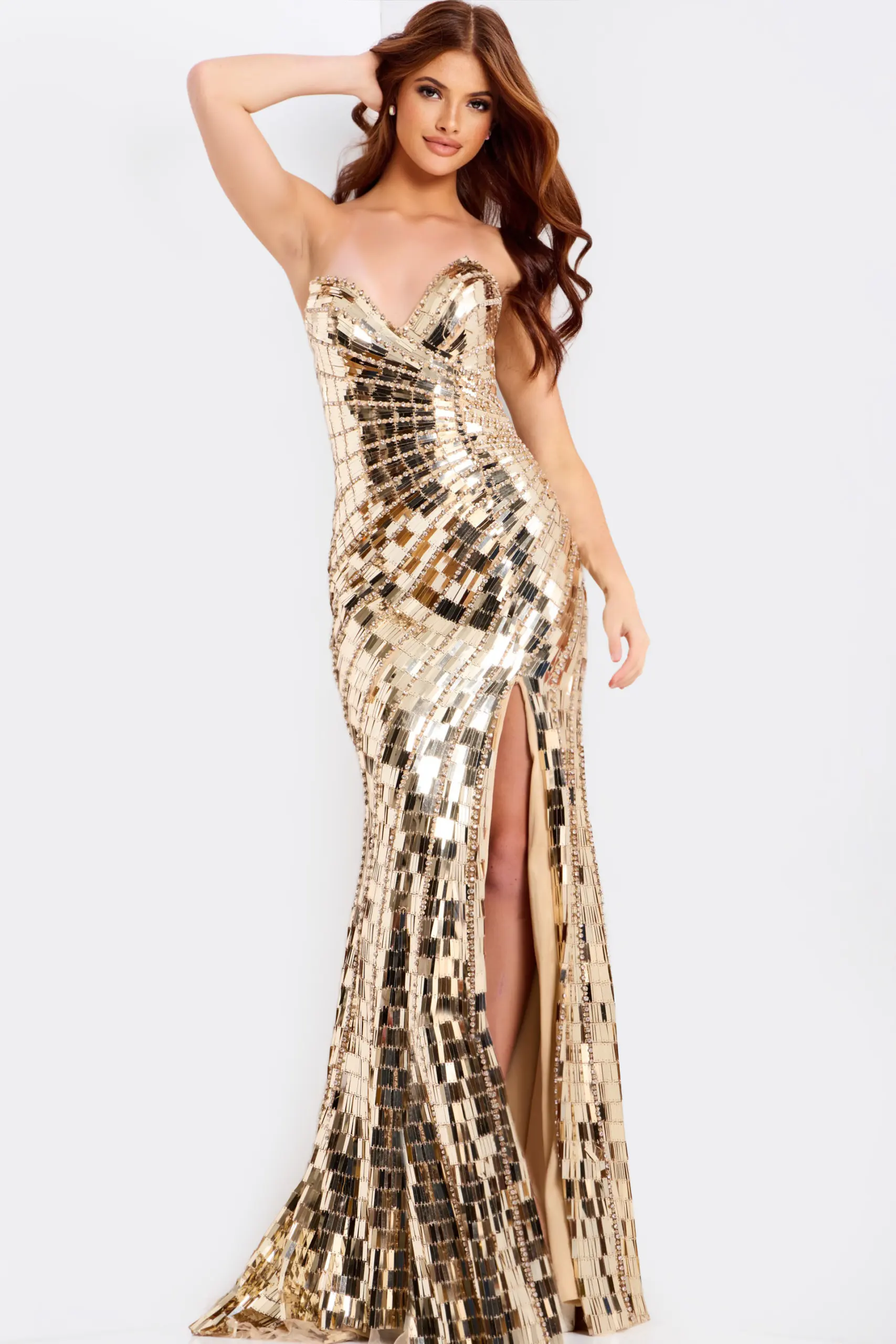
Mirror Sequin Sweetheart Prom Dress With Slit 50228
The wedding guest colors boutiques ordered most
Blue led the orders, with black, pink and green close behind.
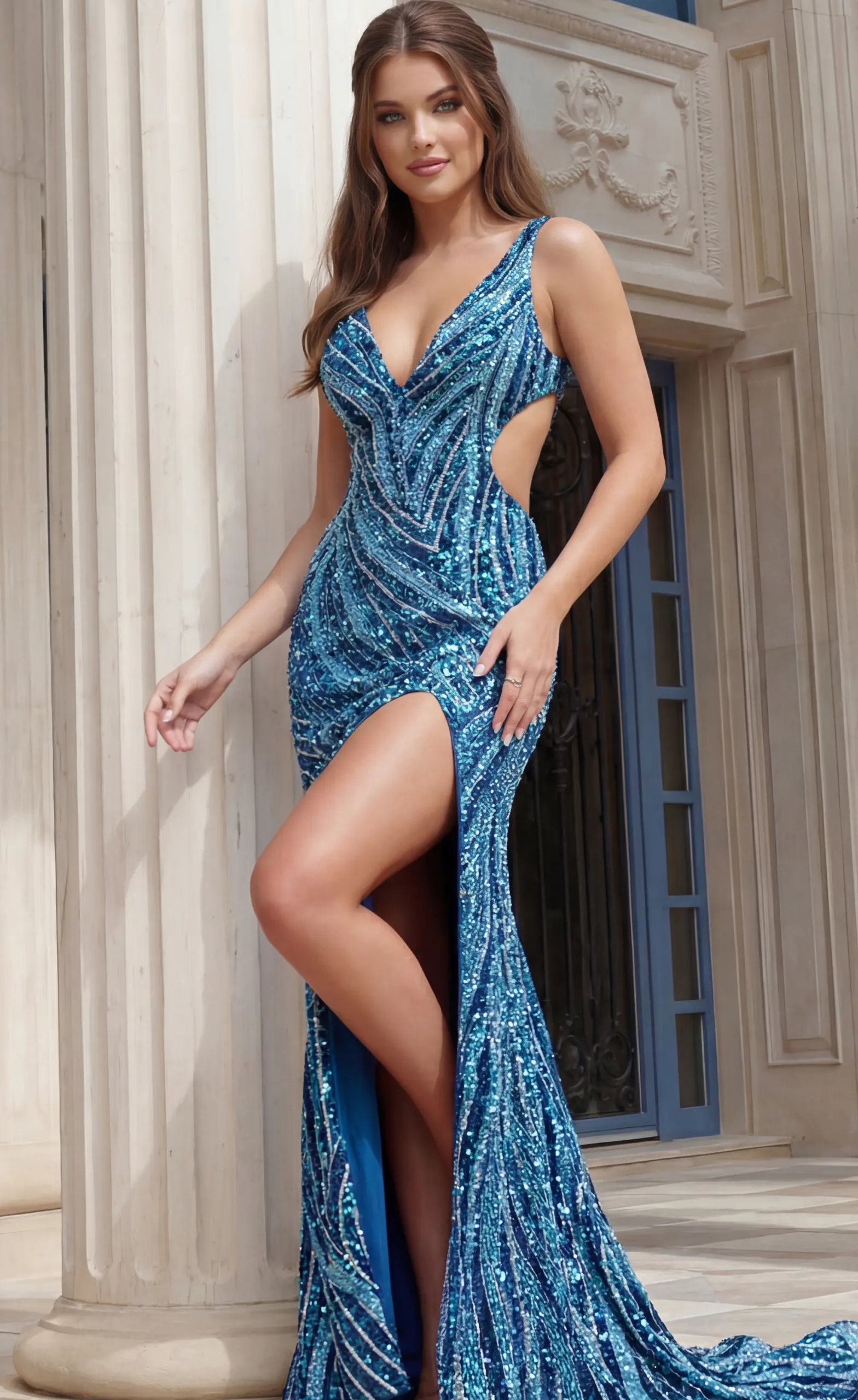 Blue wedding guest dresses22% of dresses ordered · navy, royal and light blue
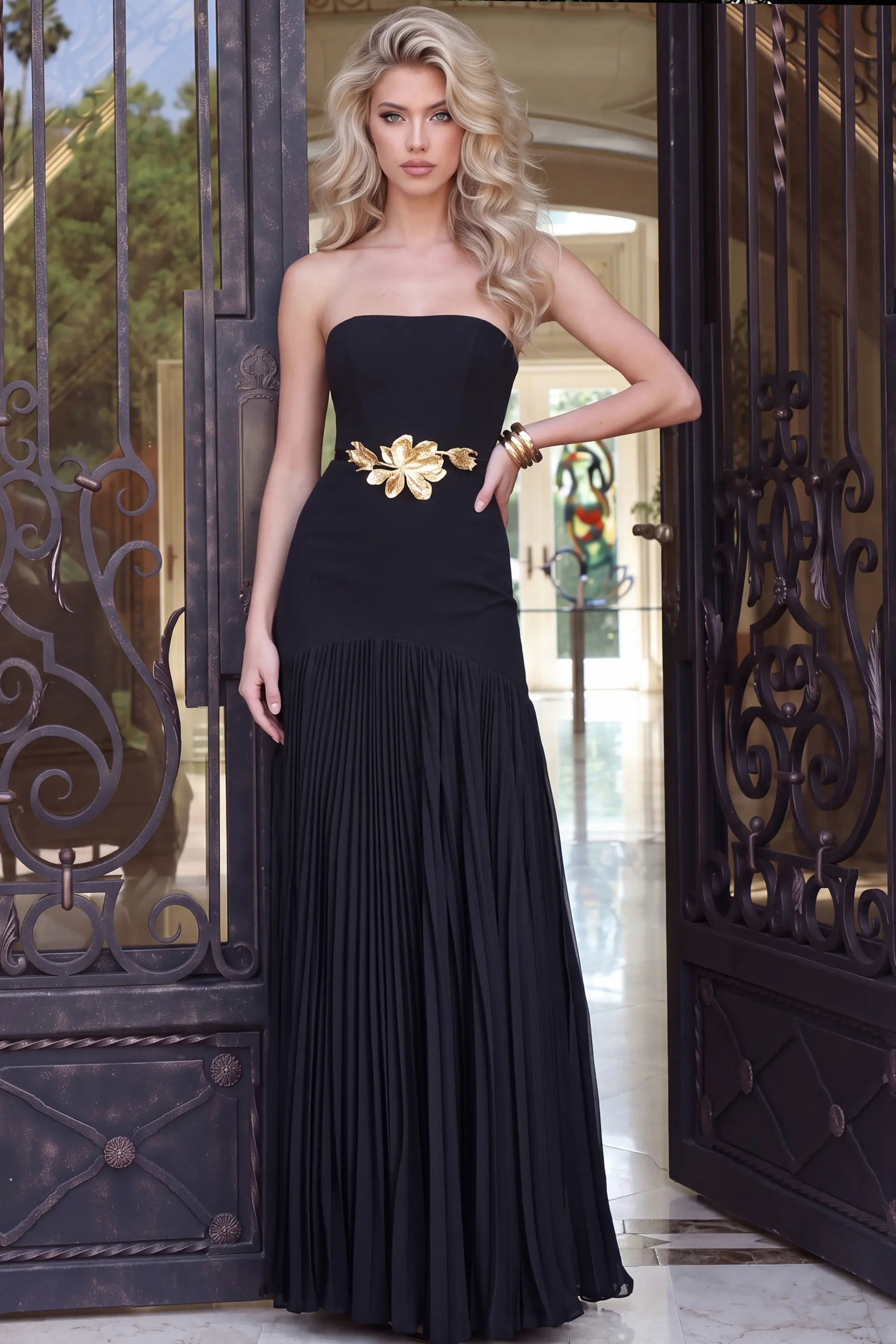 Black wedding guest dresses14% of dresses ordered · black, black multi and black gold
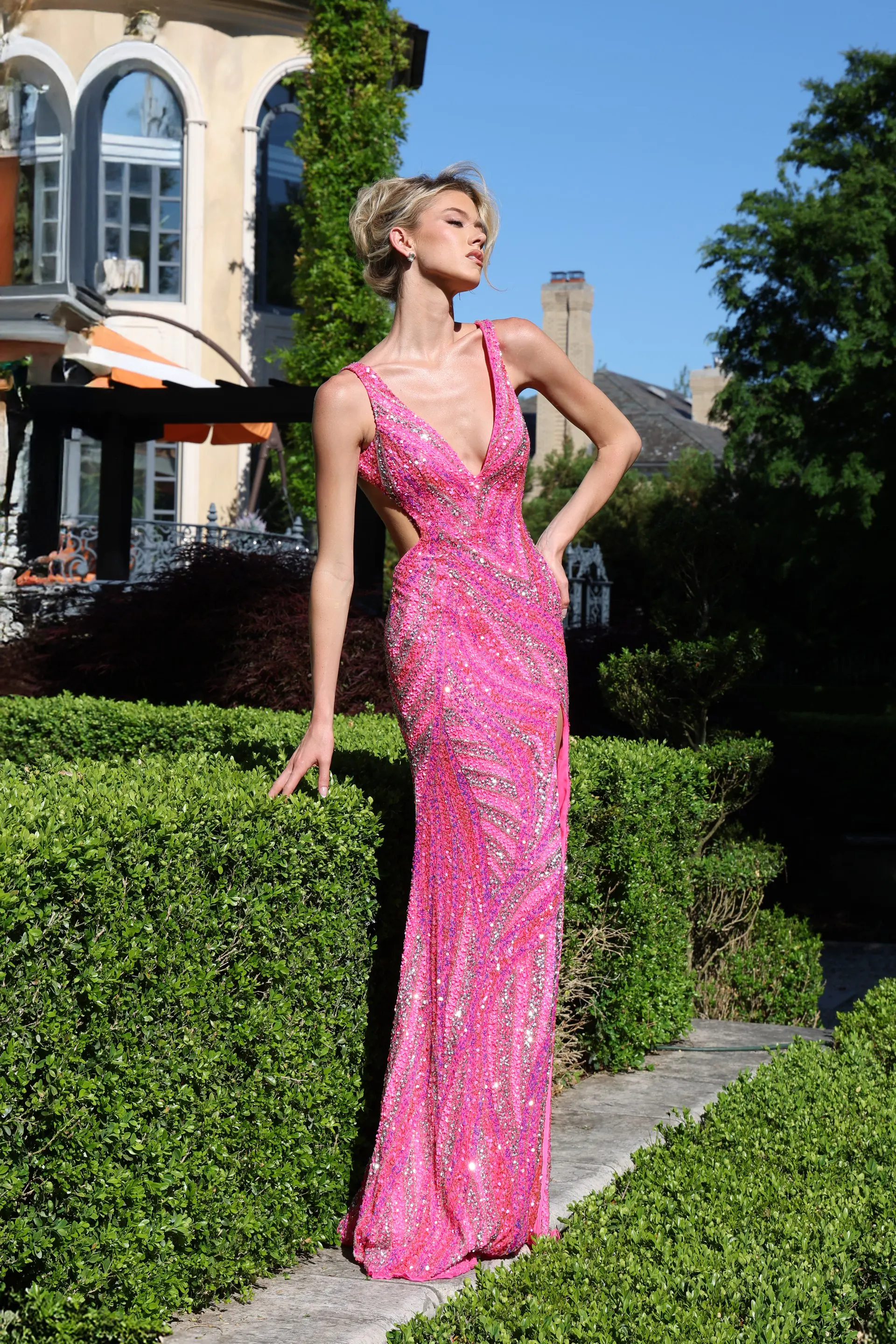 Pink wedding guest dresses11% of dresses ordered · fuchsia, pink and blush
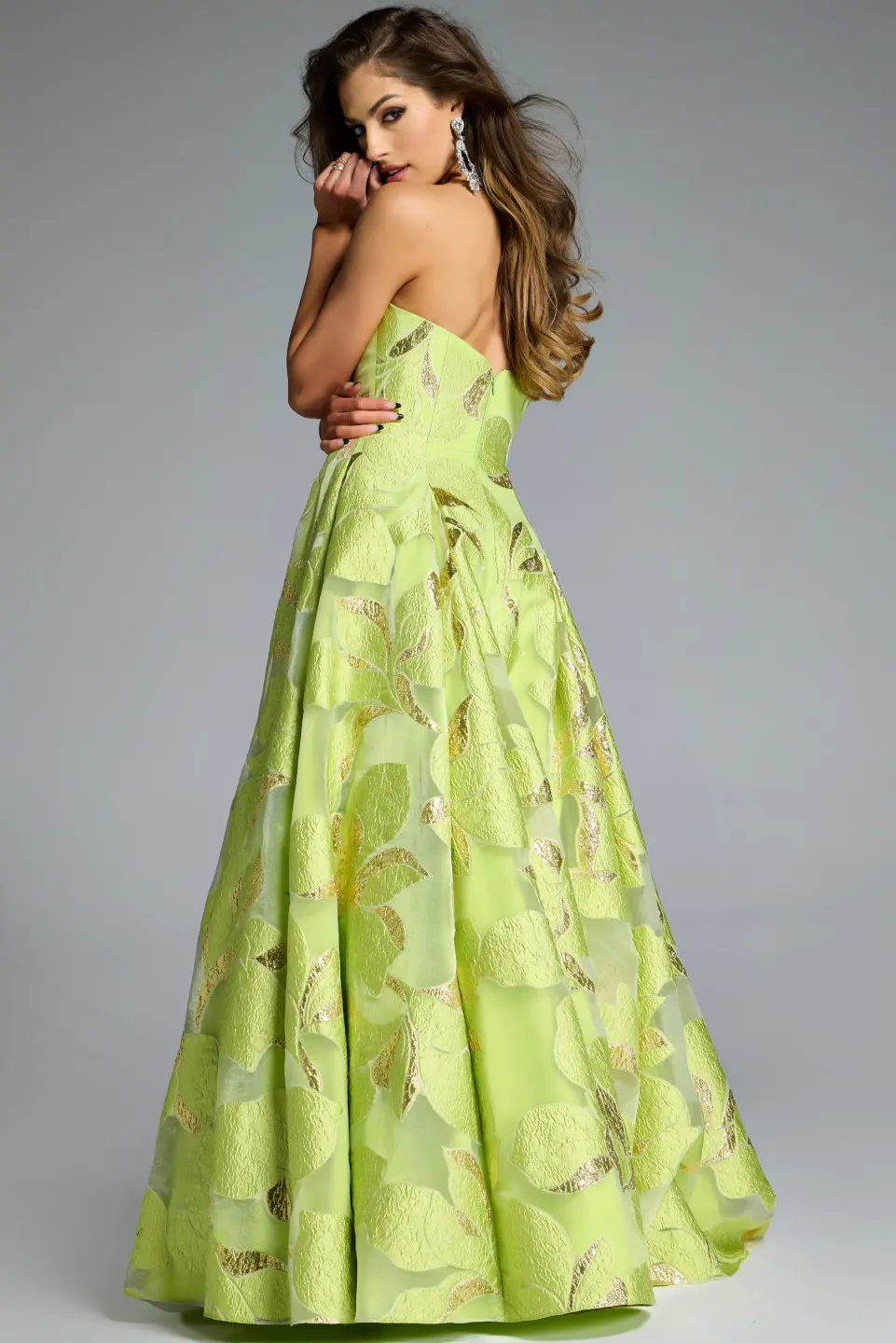 Green wedding guest dresses9% of dresses ordered · green, emerald and hunter
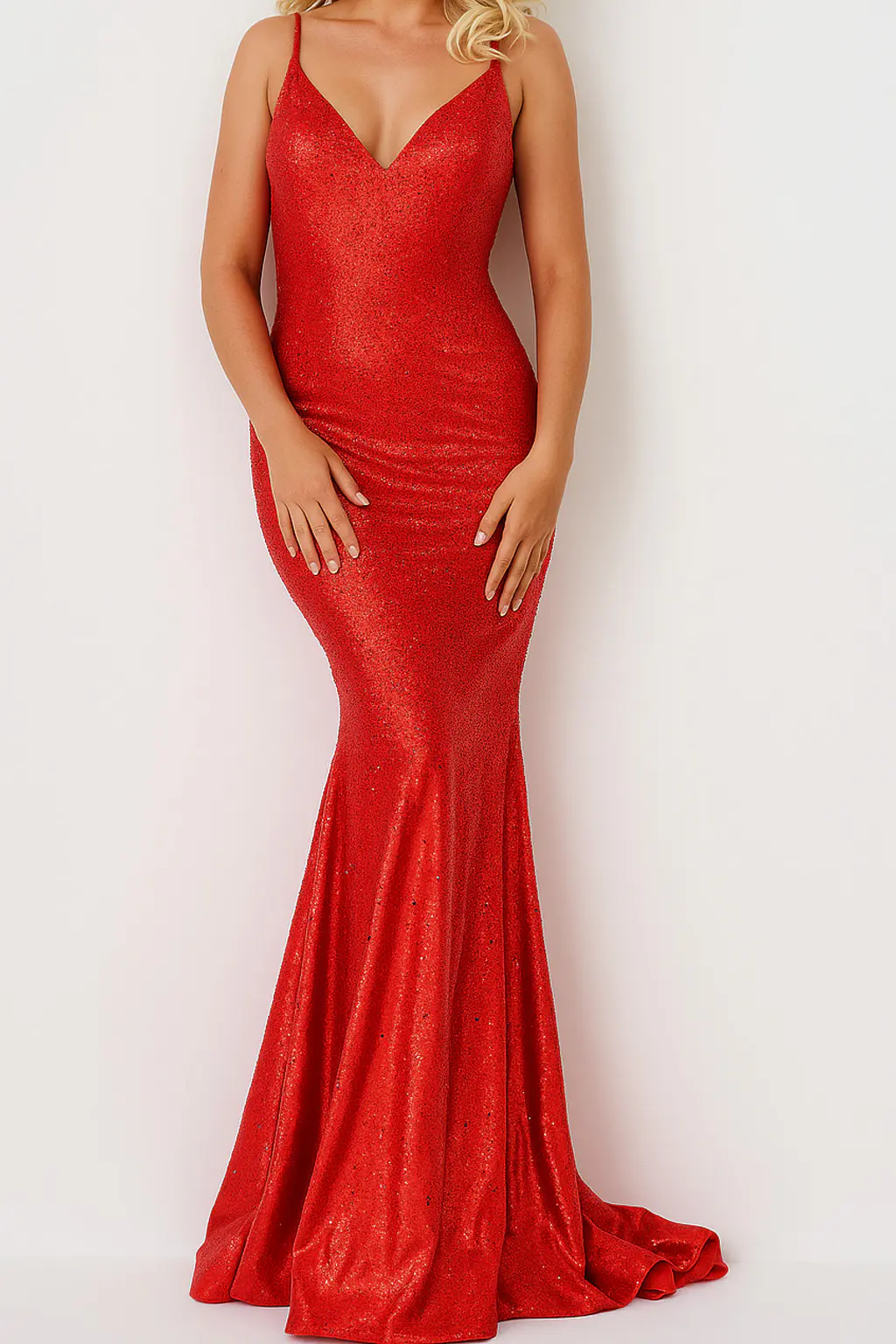 Red wedding guest dresses8% of dresses ordered · red, burgundy and wine
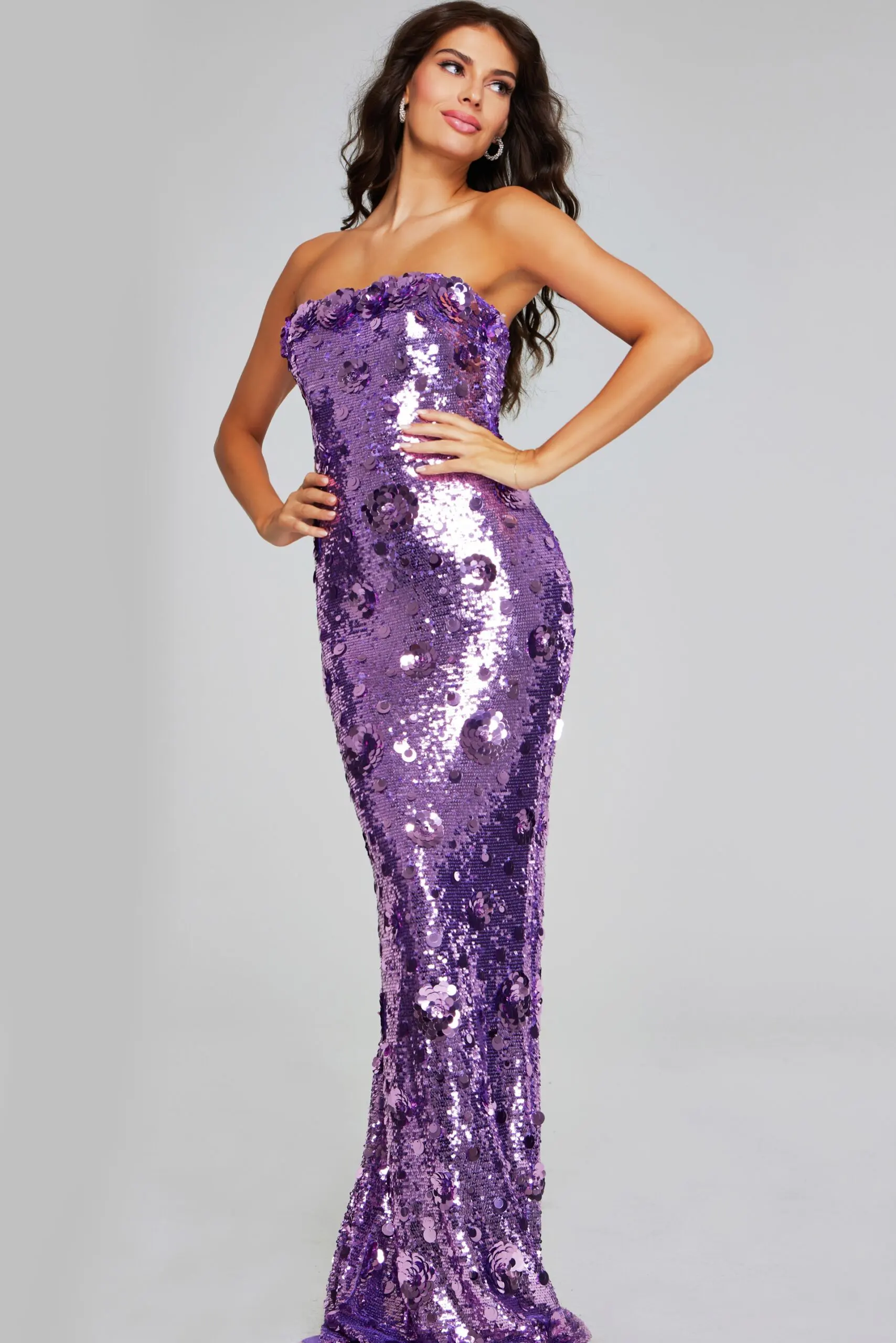 Purple wedding guest dresses7% of dresses ordered · lilac, plum and purple multi
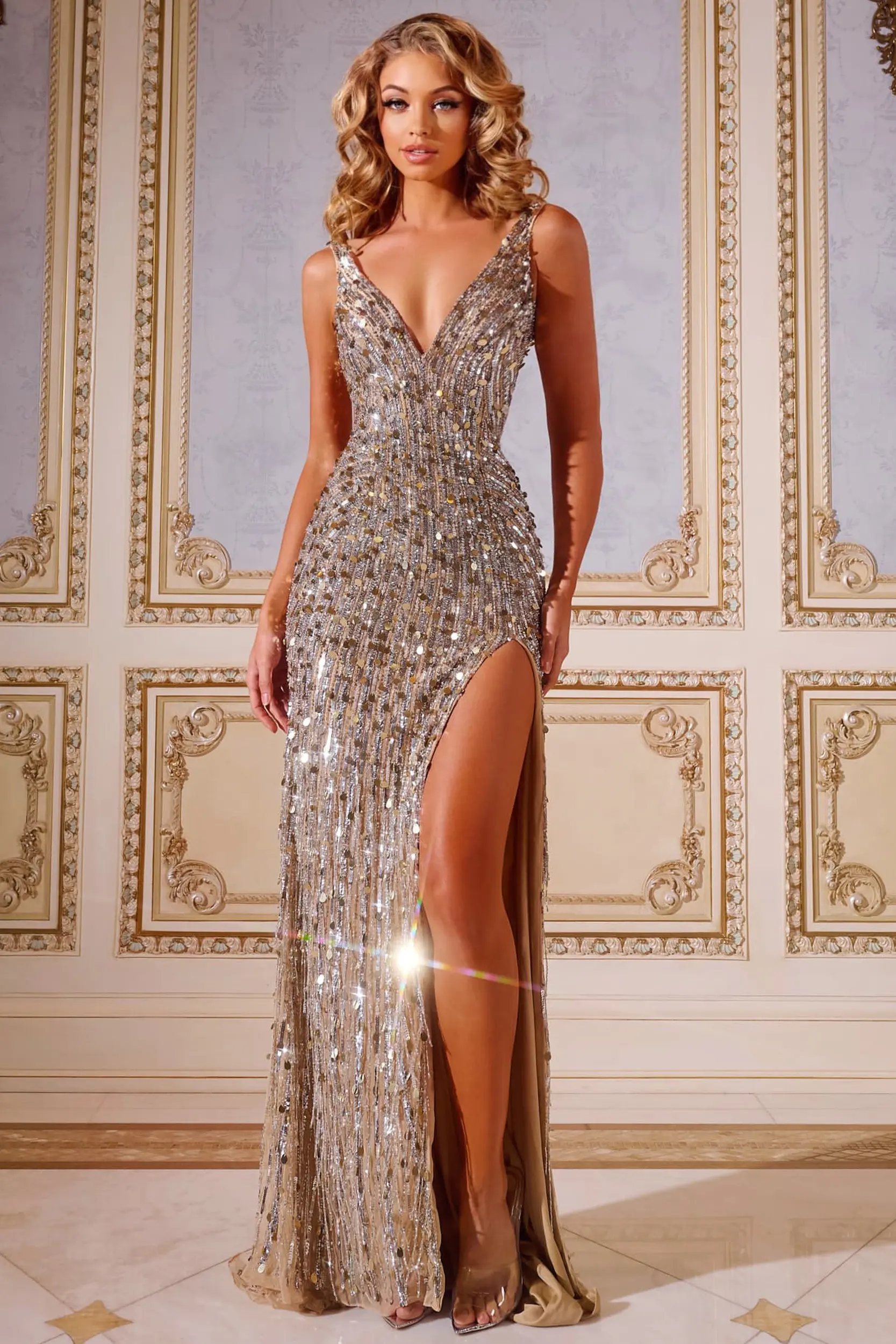 Champagne wedding guest dresses5% of dresses ordered · nude, nud silver gold and nude multi
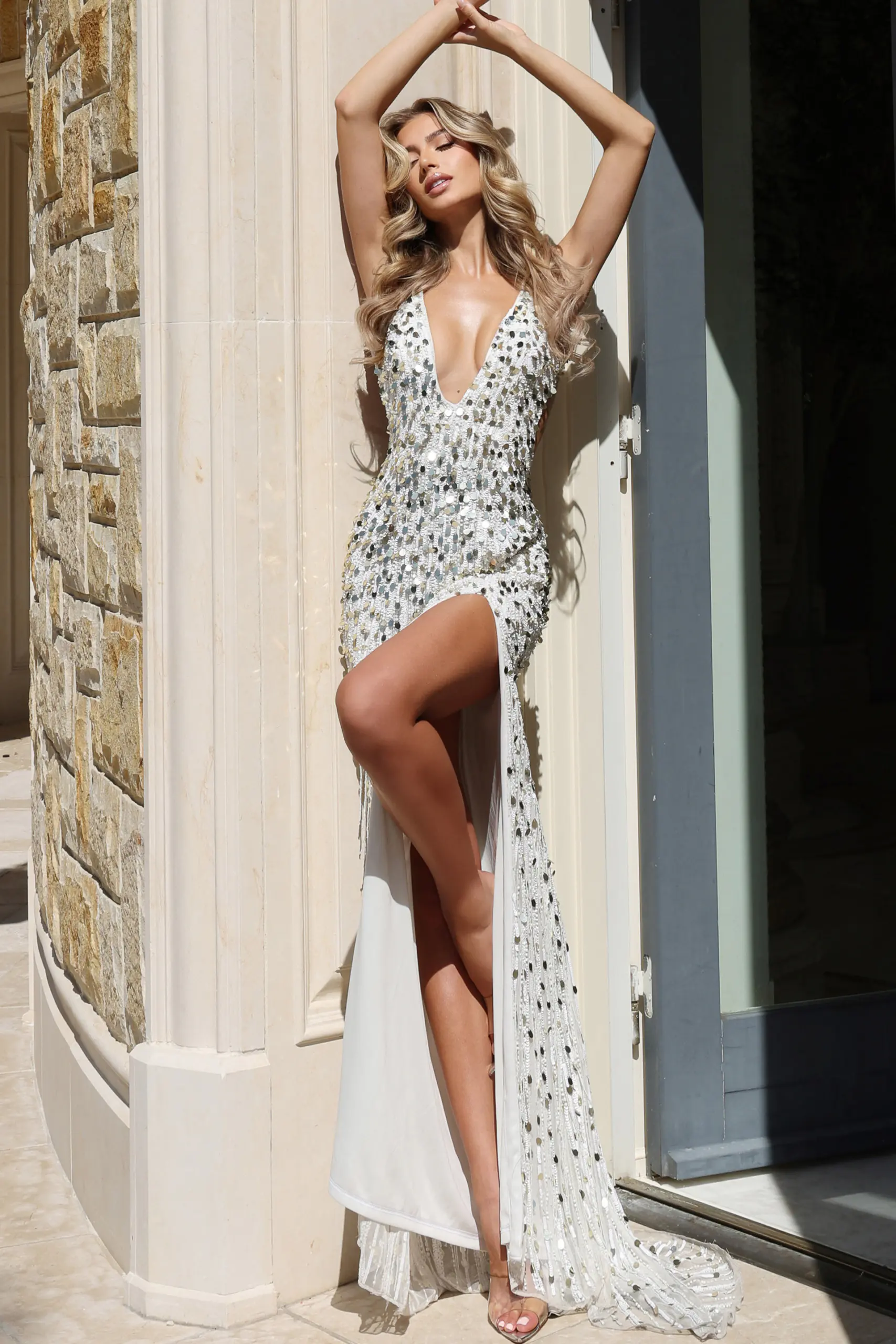 White wedding guest dresses5% of dresses ordered · off white, ivory and white
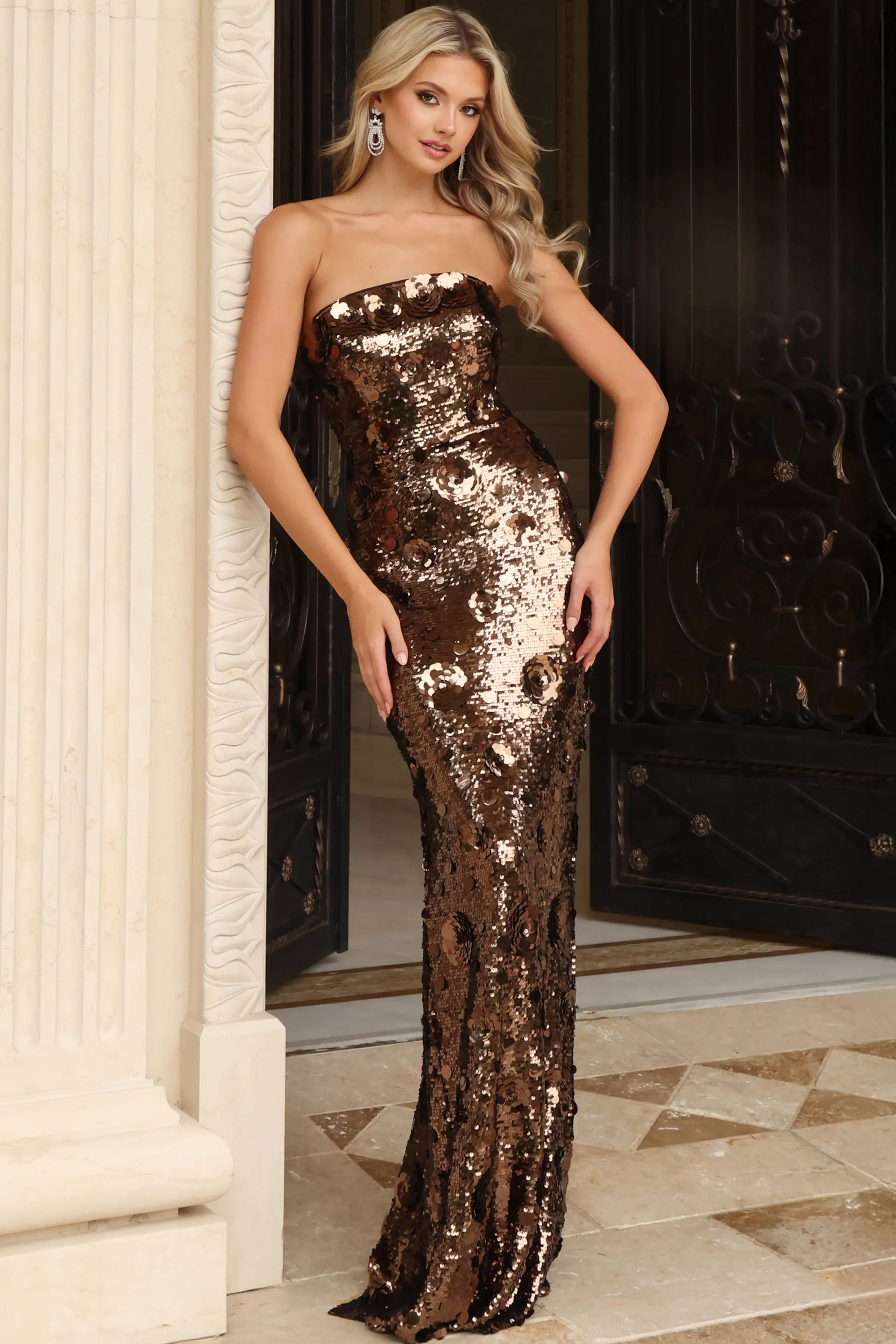 Brown wedding guest dresses4% of dresses ordered · brown, chocolate and taupe
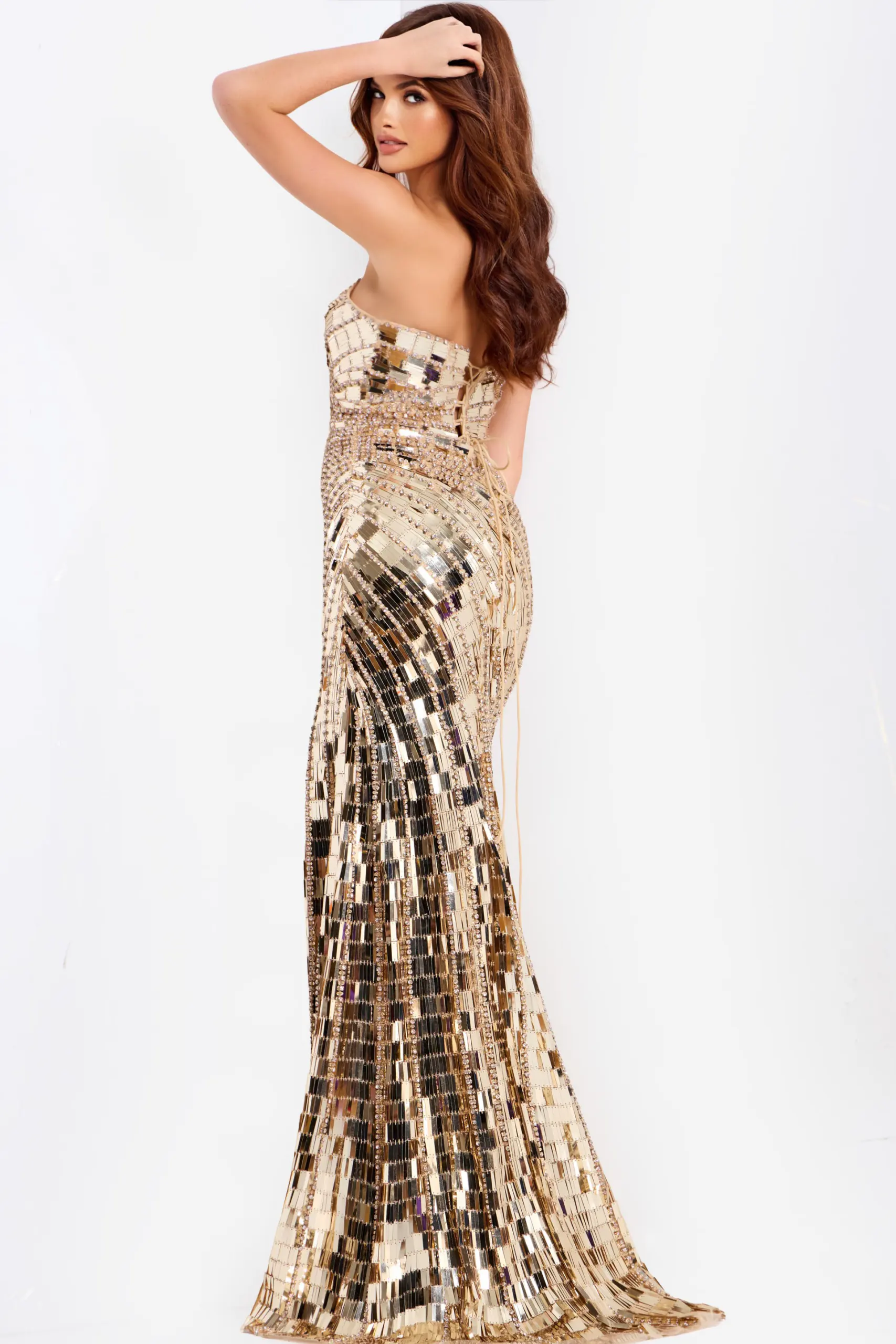 Gold wedding guest dresses4% of dresses ordered · gold, gold silver and dark gold
Based on wholesale orders from Jovani retailers, April 2026 to October 2026.
About This Category
Wedding Guest Dresses by Dress Code and Setting
The invitation is the clearest guide to length and finish. For black-tie receptions, long wedding guest gowns give the occasion its expected formality without requiring theatrical volume. A streamlined column in crepe feels restrained and architectural; a softly flared satin gown has more movement, especially when the skirt is cut to fall cleanly from the waist. A discreet slit can make a fitted floor-length style easier to walk in.
Cocktail attire allows a wider choice of hemlines. A polished midi with sculptural draping works for an evening venue, while short wedding guest dresses in structured crepe or floral jacquard suit less formal celebrations. For a daytime ceremony, prioritize texture and ease over sparkle. At a beach or garden wedding, consider how the skirt behaves in wind and whether the hem will clear grass, sand, or uneven paths. The dress code sets the boundaries; the venue helps refine the final choice.
Silhouettes That Work with Your Proportions
A good silhouette creates balance before accessories enter the picture. Sheath and column dresses skim the body without adding fullness, giving elongated lines that work particularly well in matte crepe. Mermaid shapes sit closer through the hips before opening at the lower skirt, a more defined option for formal receptions. A fit-and-flare cut releases earlier and can feel easier for sitting, walking, and dancing.
For a softer shape, A line wedding guest dresses bring definition at the waist with room through the hips. The effect changes with fabric: satin holds a clearer outline, while chiffon creates an airy sweep. Pay attention to where the waist seam lands, particularly on petite or long-torso proportions. Ruching can soften the transition between bodice and skirt, while diagonal draping draws the eye across rather than straight down the figure. The aim is not to follow a rigid body-shape rule, but to find a cut that sits correctly and feels balanced from every angle.
Necklines and Sleeves That Change the Mood
A neckline often establishes the character of a dress more clearly than embellishment. sweetheart wedding guest dresses have a gently shaped bodice that works with fitted mermaid silhouettes or fuller skirts. A one-shoulder neckline introduces asymmetry without needing elaborate jewelry, while a softly draped cowl adds movement near the face. High necklines are especially effective on clean, narrow columns.
Sleeve choice should follow both the setting and the dress's construction. A sleeveless wedding guest gown can look composed in a formal room when the fabric and hemline are appropriate, and it leaves space for a shawl or tailored wrap during the ceremony. Long sleeves in crepe or delicate lace offer another kind of presence for cooler weather. On strapless and off-the-shoulder designs, inspect the bodice fit carefully: the dress should feel secure without constant adjustment. Consider your preferred undergarments before settling on a neckline or back detail.
Fabrics and Finishing Details Worth Comparing
Fabric changes the way a wedding guest gown looks in motion and in photographs. Satin reflects light and makes pleats, folds, and sculpted waist details more noticeable. Crepe provides a quieter, matte finish, particularly appealing in close-fitting shapes where clean seam lines matter. Chiffon adds softness and movement to layered skirts; jacquard and brocade bring pattern through woven texture rather than print. For evening celebrations, restrained beading or sequins can create interest without covering every surface.
Construction matters just as much as the outer fabric. A lined bodice can help a fitted style sit smoothly, while thoughtfully placed seams define the waist without relying entirely on stretch. Check the closure, the amount of give across the hips, and whether the lining follows the outer skirt. At Jovani, a dress might look dramatic because of a single sculptural ruffle or an asymmetric drape rather than heavy decoration. Compare the side and back views as carefully as the front; these details often determine which design feels more refined when worn.
Colors and Seasonal Details with Staying Power
Color should complement the setting without competing with the wedding party. Navy, emerald, plum, and burgundy lend depth to evening receptions; softer rose, blue, and lavender shades feel lighter for spring and summer ceremonies. Botanical prints can suit garden venues, while clean jewel tones read more formally under evening lighting. Unless the couple specifically requests it, avoid white and bridal-looking ivory. Black can be appropriate for many evening weddings, provided it respects any stated dress code or cultural expectations.
When browsing wedding guest dresses 2027, focus on expressive details anchored by a clear silhouette: asymmetric necklines, sculpted floral accents, controlled draping, and fabrics with subtle texture. Rather than choosing a look solely because it feels new, consider whether its proportions and color will still appeal at another event. A rich solid shade or understated print leaves more room to change the styling, whether that means metallic sandals in summer or a tailored jacket during cooler months.
Find the Right Fit and a Dress You'll Wear Again
The most worthwhile purchase is a dress that works for the actual day, not just the fitting-room mirror. When comparing wedding guest gowns, check how the bodice feels seated, how easily the skirt moves on stairs, and whether the straps or neckline stay in place as you turn. A close-fitting mermaid hem may need additional room for walking, while a voluminous skirt requires attention to its weight and length. Tailoring the hem or waist can make a meaningful difference, particularly with structured fabrics.
Think about cost in terms of construction, alterations, and future wear rather than embellishment alone. A well-fitted satin midi or crepe column can move between cocktail receptions, formal dinners, and other celebrations with a change of accessories. Before deciding, compare color options, size measurements, lining, and the actual fabric composition on the individual product page. The strongest choice is the one whose shape, finish, and level of formality make sense for the event and for your wardrobe beyond it.