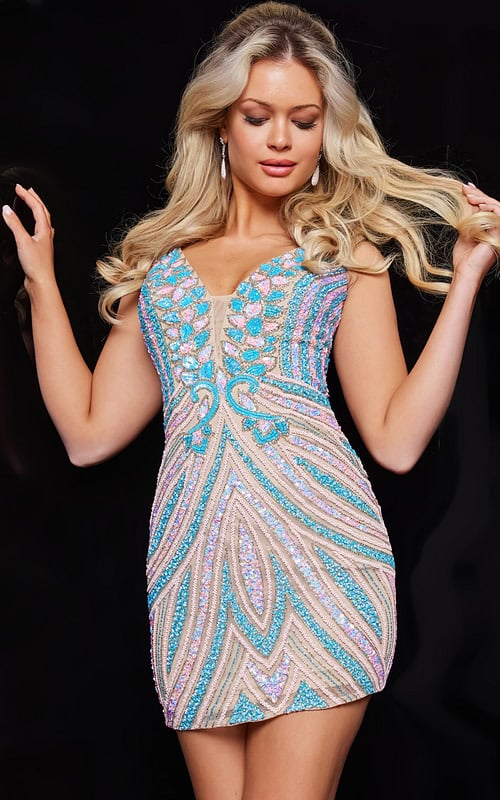
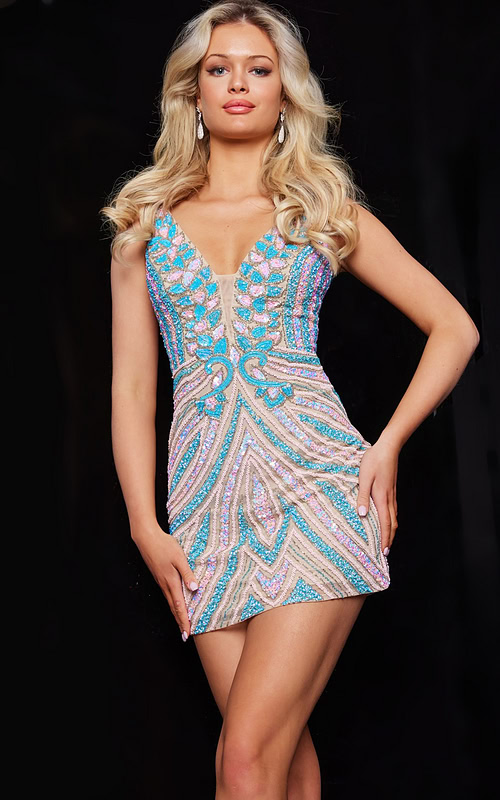
Sequin Cocktail Dresses: Compare Shine, Weight, and Drape
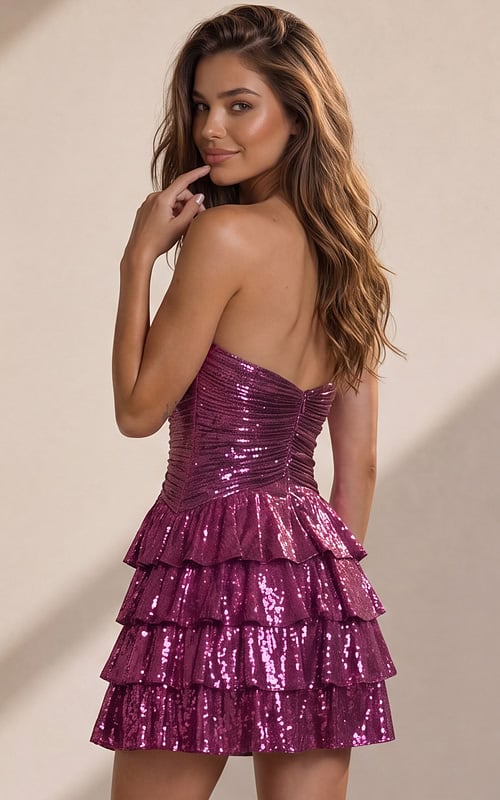
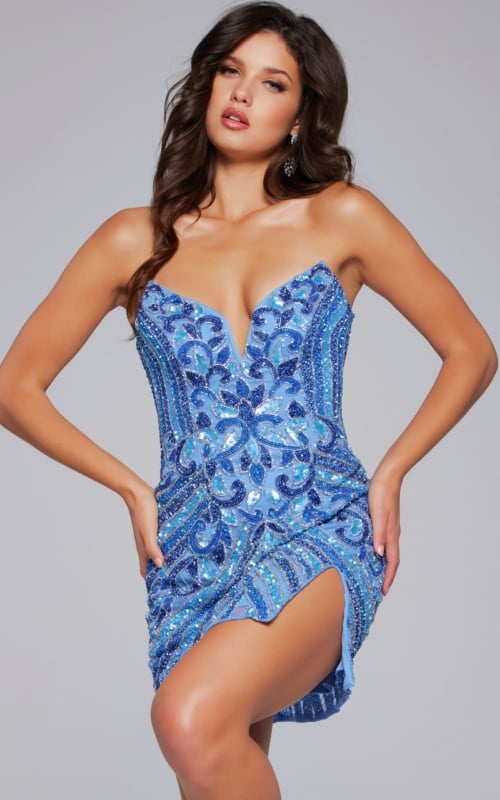
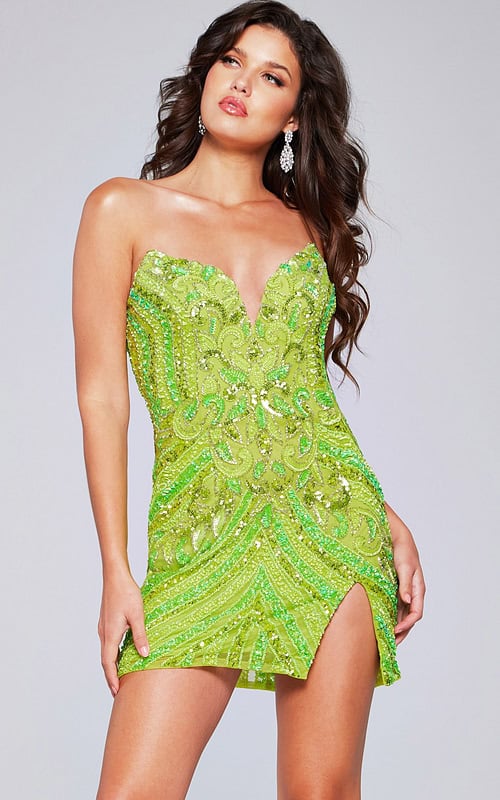
Sequin cocktail dresses can look similar in a product grid while behaving very differently once worn. Start with the base beneath the embellishment. Sequins attached to stretch mesh or a flexible knit usually allow more body movement than dense embroidery on a firmer base, while heavier allover coverage can make a skirt hang straighter. Check whether the sequins continue across side seams, waist seams, and darts; placement around those areas affects how smoothly the dress follows the body. Lining also matters because it separates the embellished surface from the skin and can help the garment slide on more cleanly.
If you are still deciding how much embellishment you want, compare the wider range of cocktail and party dresses before narrowing by surface finish. Sparse placement keeps more of the base visible, while closely packed sequins create more uniform reflection and can visually strengthen a fitted silhouette.
Choose the Silhouette by How the Sequin Base Behaves
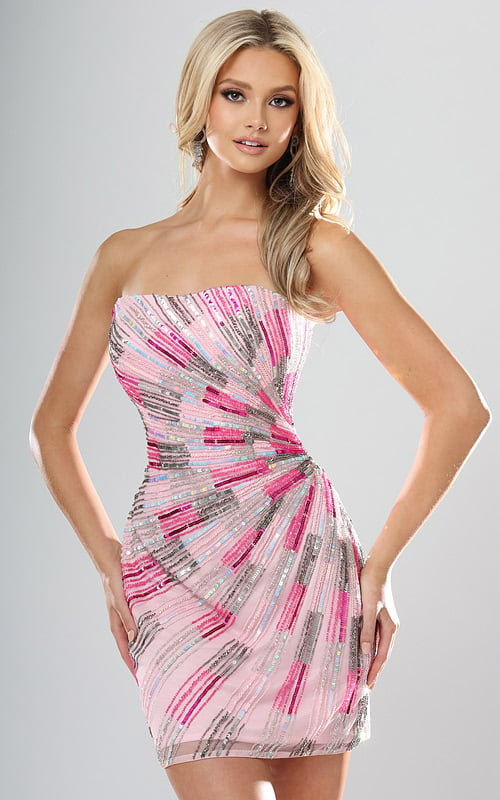
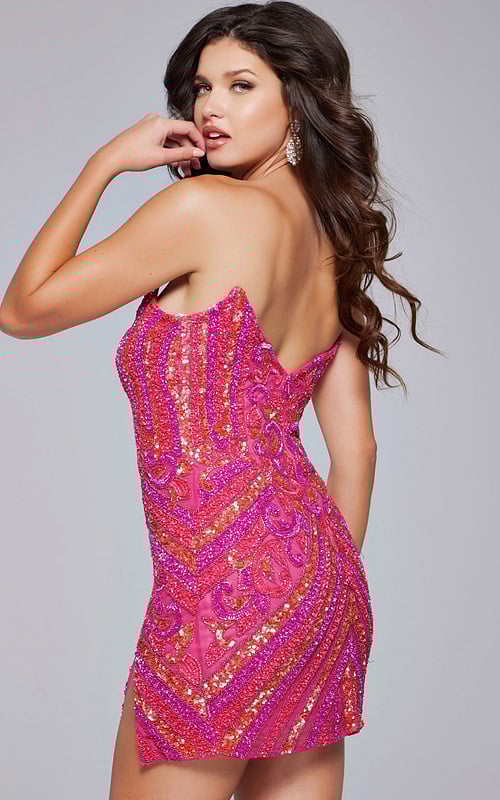
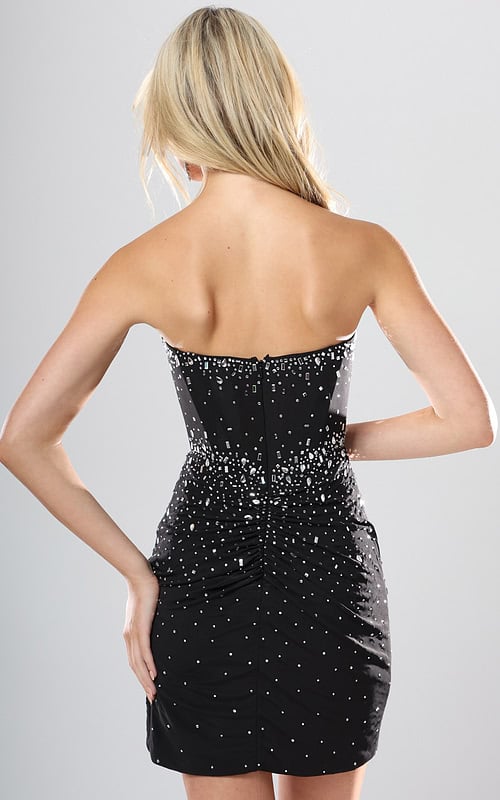
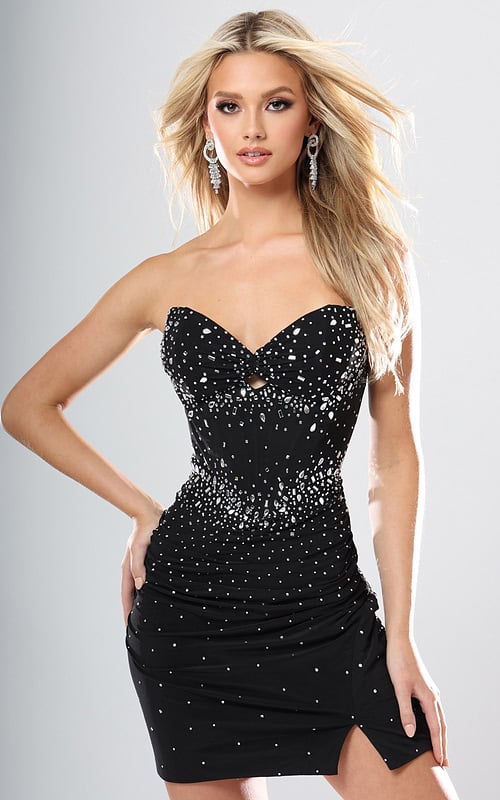
A bodycon or sheath shape puts the most emphasis on stretch, seam placement, and recovery. In close-fitting sequin cocktail dresses, look for a base that can flex at the waist and hip without pulling the embellishment apart or creating horizontal stress lines. Princess seams, shaped side seams, and a defined waist can distribute fit more evenly than simple tube-like construction. If the skirt is very short, check the back hem while sitting as well as standing; a firm embellished base may not settle downward as readily as a plain stretch fabric.
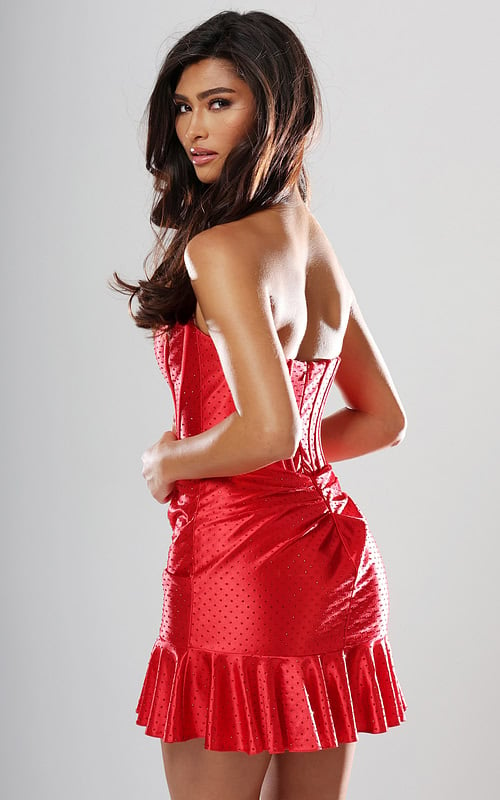
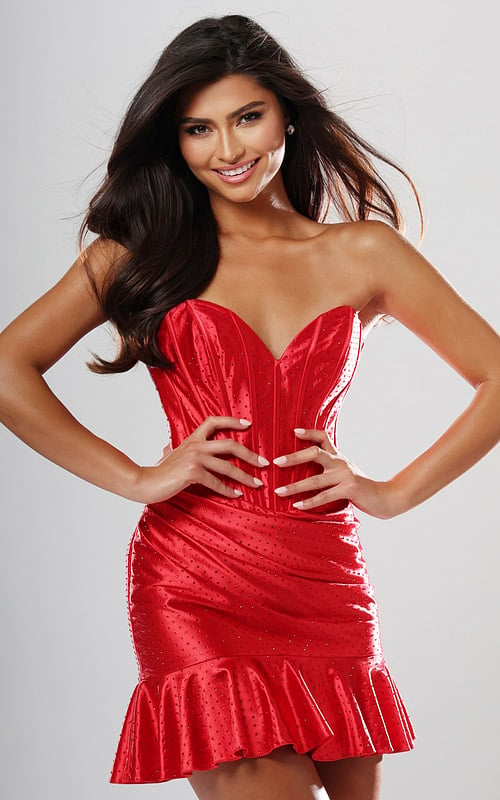
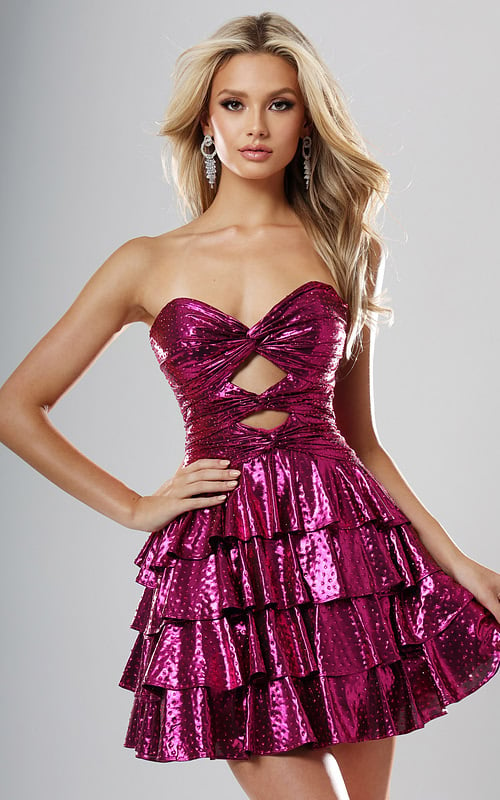
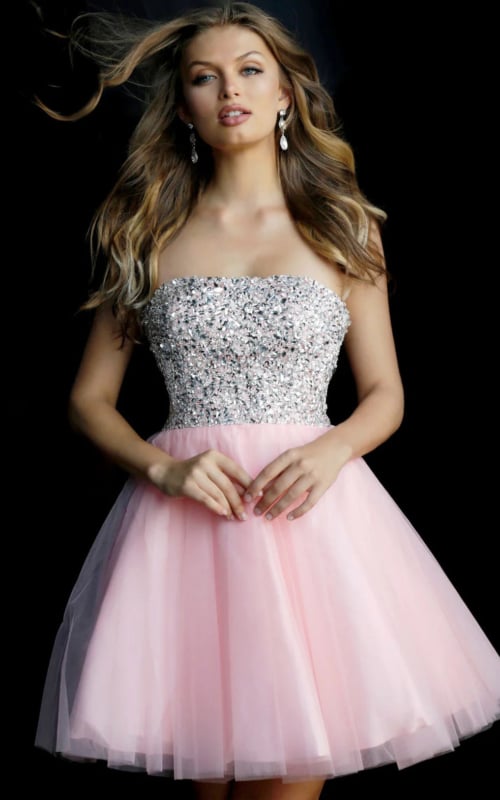
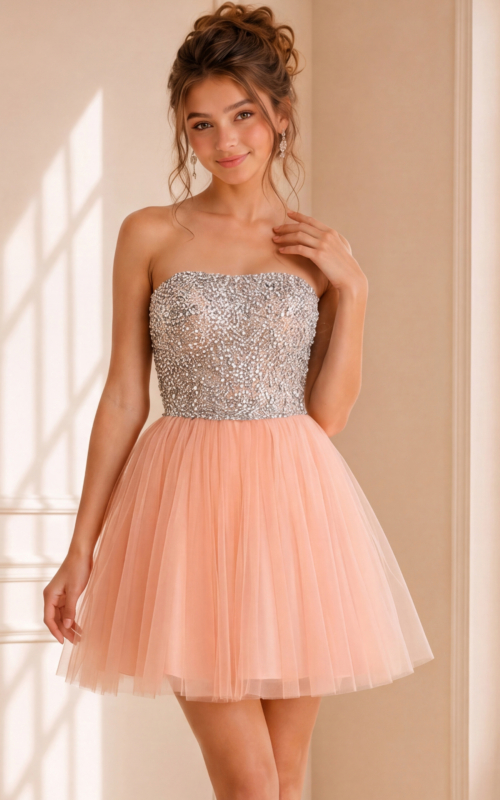
Fit-and-flare and A-line shapes give the embellished surface more room to move. A softer base lets the skirt swing, while a structured base creates a cleaner outward shape. For a useful contrast, satin cocktail dresses show how a smooth, unembellished surface drapes with less texture and surface resistance. That comparison helps clarify whether you prefer fluid movement or the more defined texture of sequins.
Fit, Lining, and Stretch Should Be Checked Together
The most useful fit question is not simply whether a sequin cocktail dress stretches, but where it stretches. A flexible skirt does not guarantee a comfortable bodice, and a stretch-mesh shell may still be stabilized by lining, boning, cups, or seam tape. Check the product description for both the outer layer and lining, then consider how those layers work together. A fitted lining can limit the effective stretch of the embellished shell, while a smoother lining may reduce friction when walking or sitting.
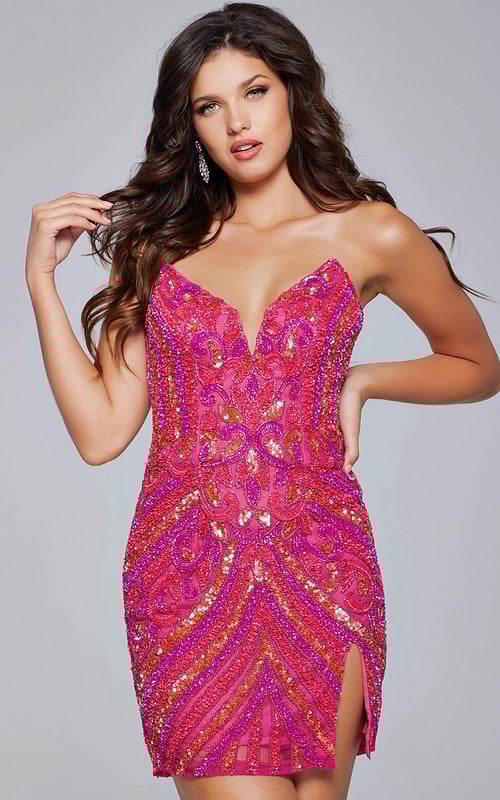
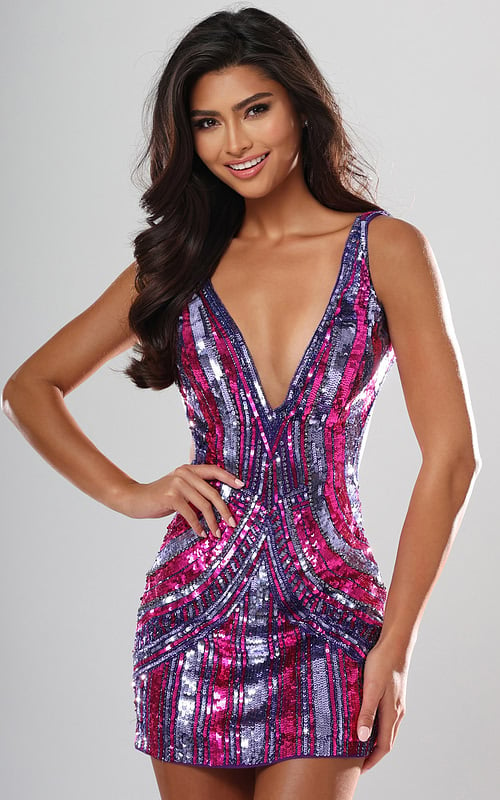
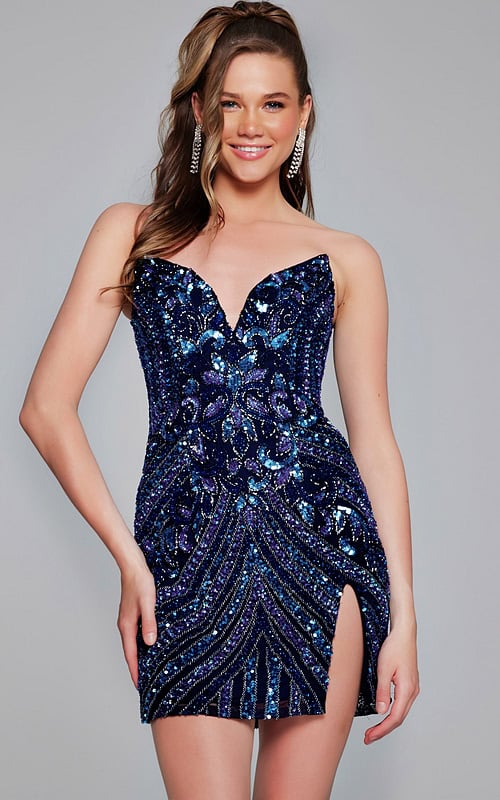
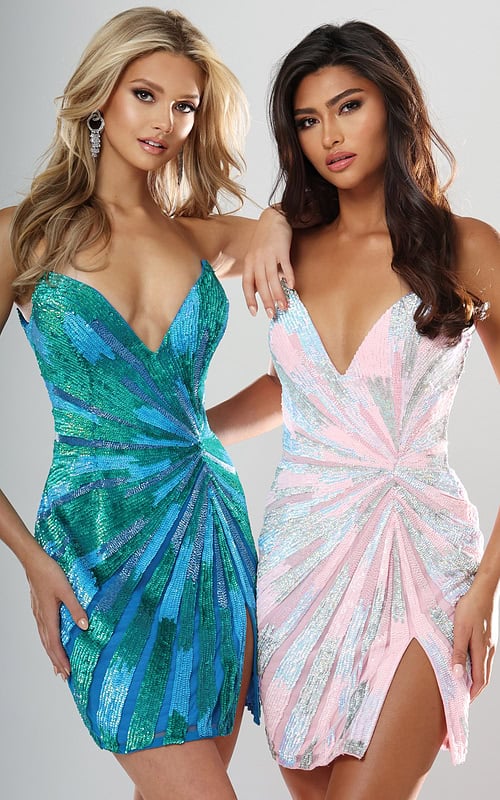
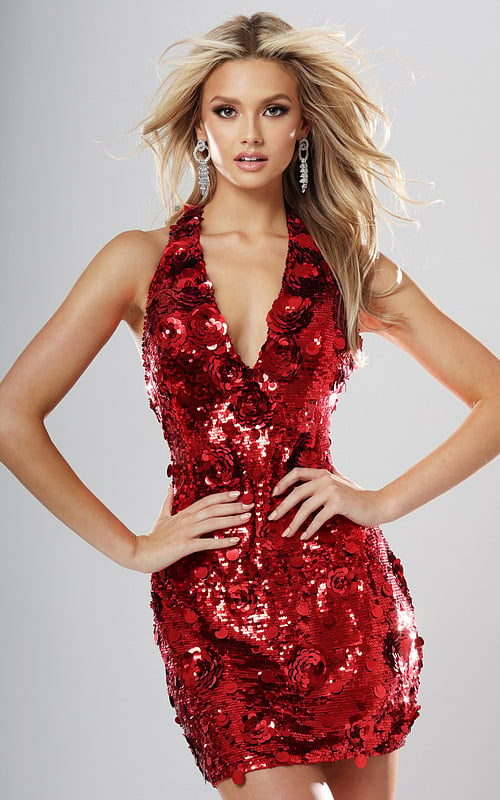
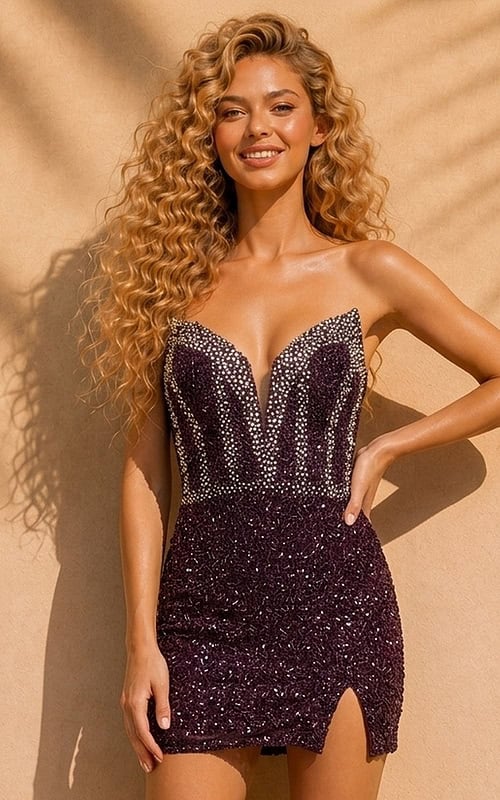
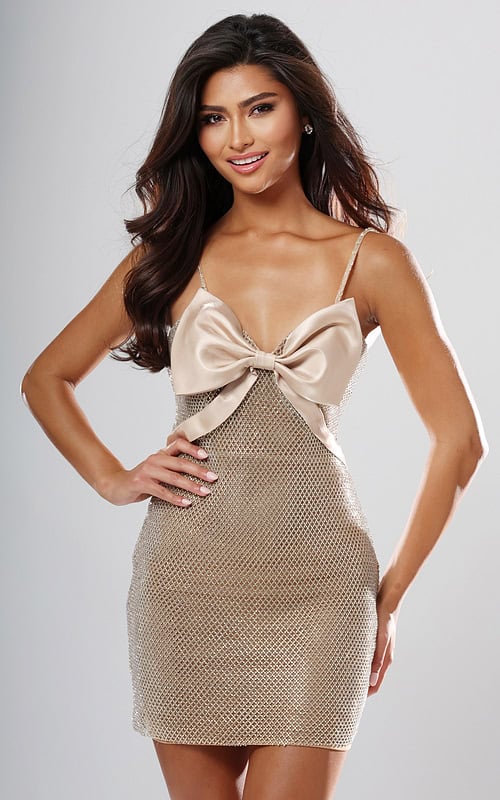
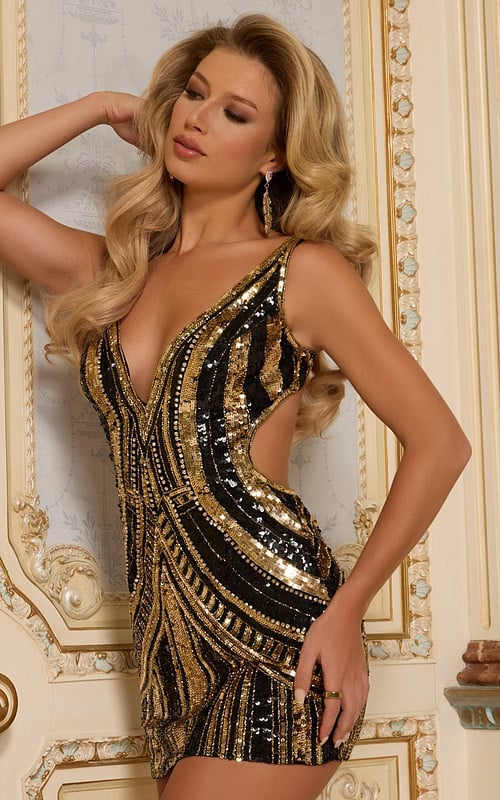
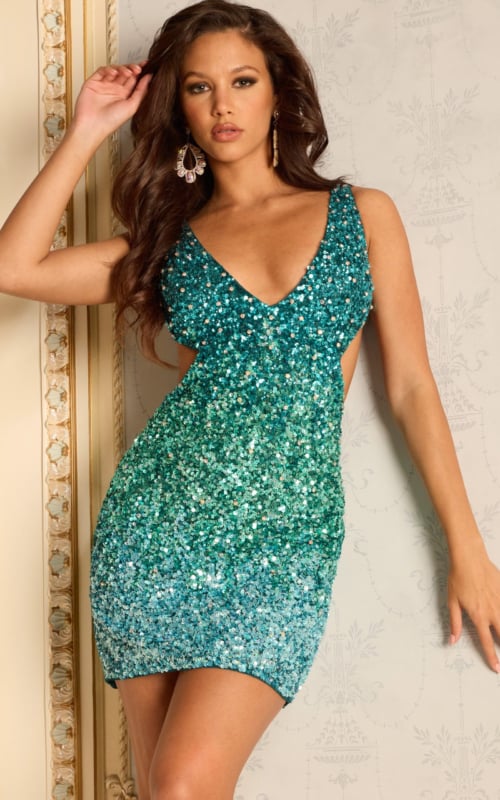
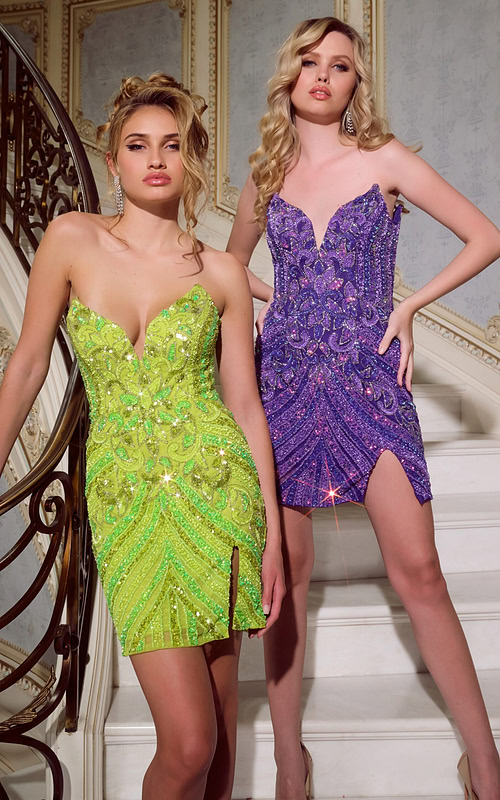
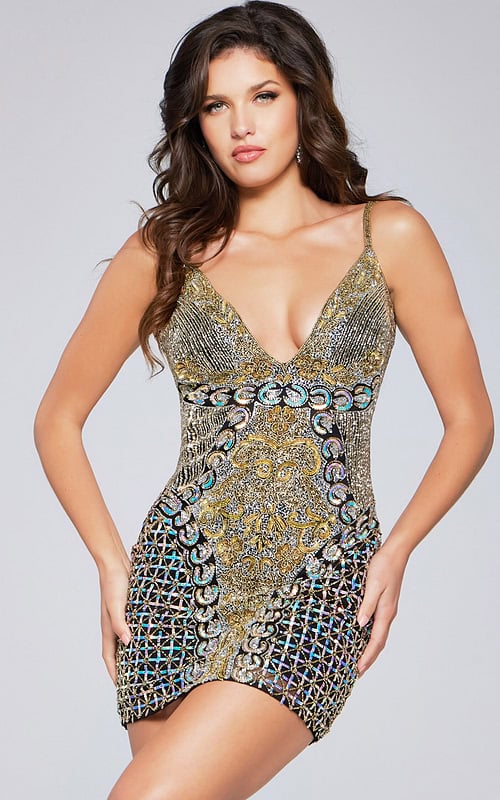
Bust construction deserves separate attention. With deeper necklines, security depends on strap placement, cup shape, center-front structure, and how firmly the bodice sits against the body. Compare v neck cocktail dresses when you want to see how neckline depth changes support and coverage without changing the overall cocktail length. Jovani’s focus on shaping and construction is most useful here: a visually light neckline can still feel controlled when the internal structure is doing the work.
Necklines and Back Details Change How the Dress Is Supported
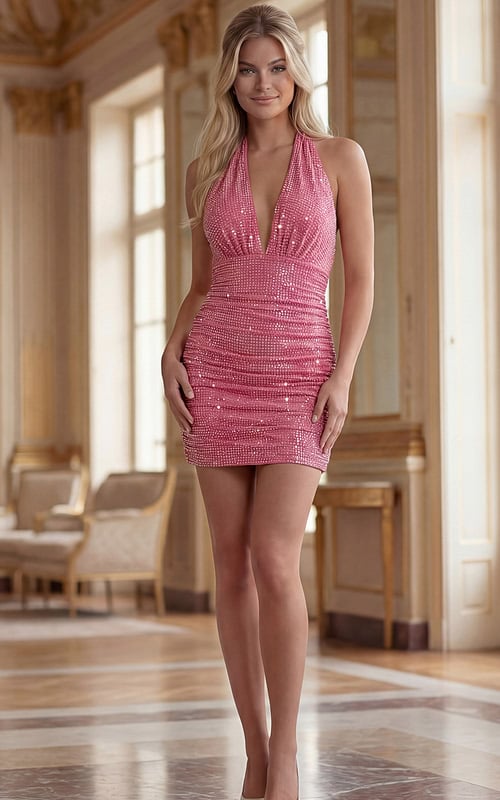
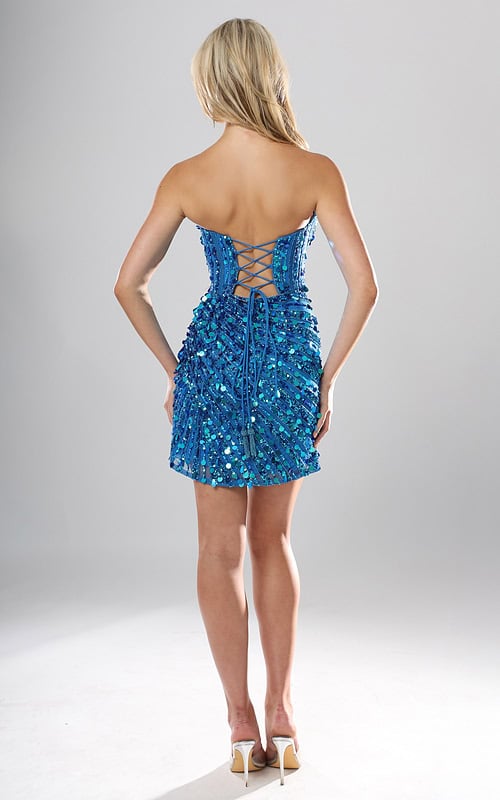
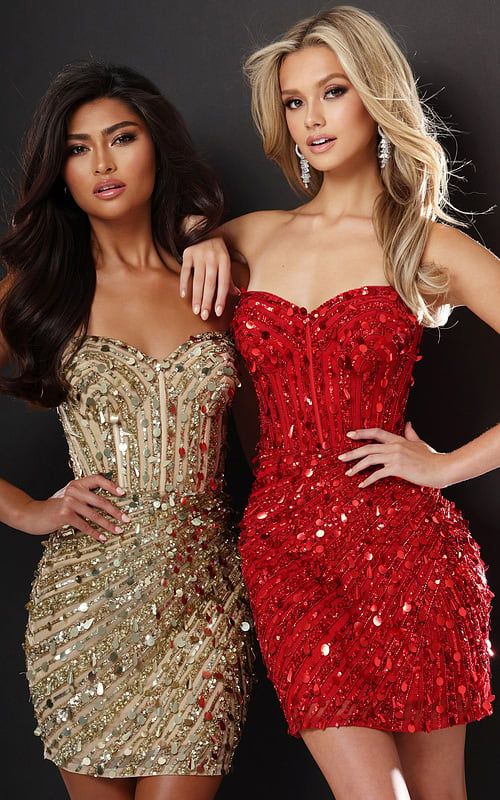
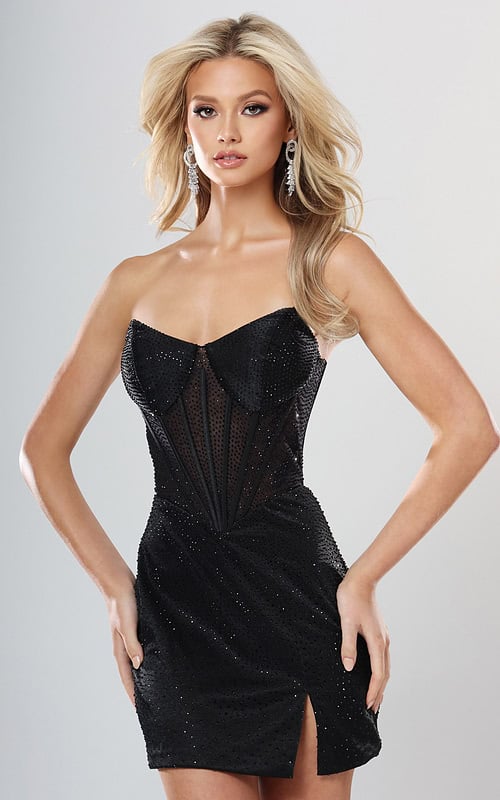
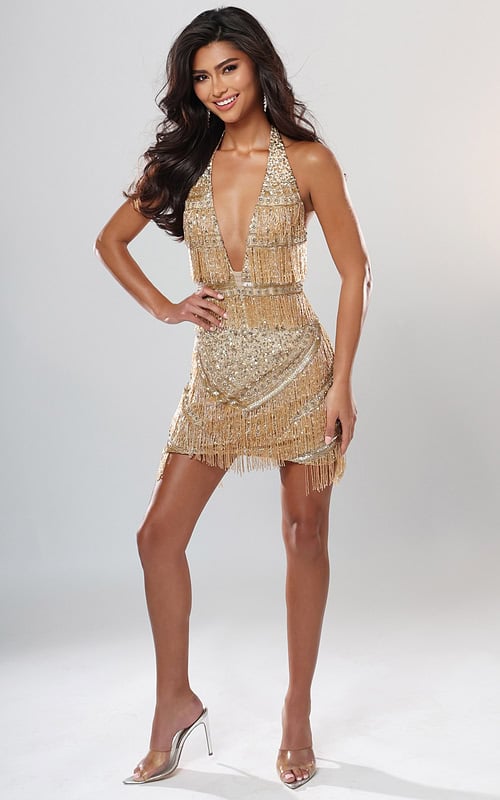
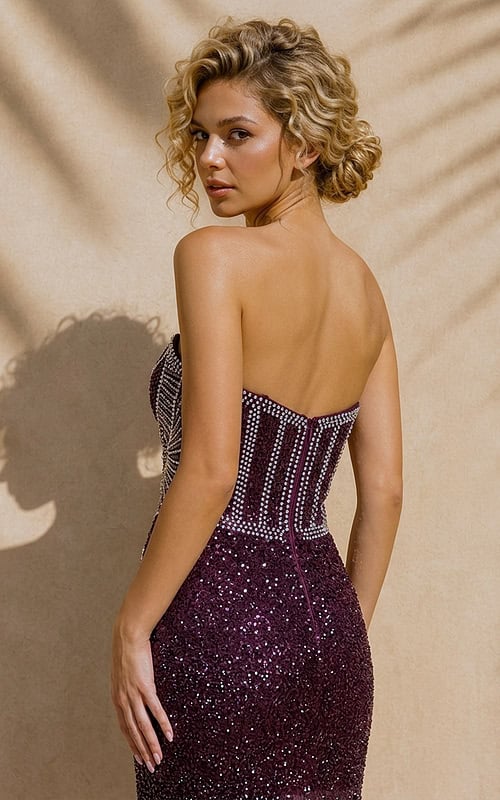
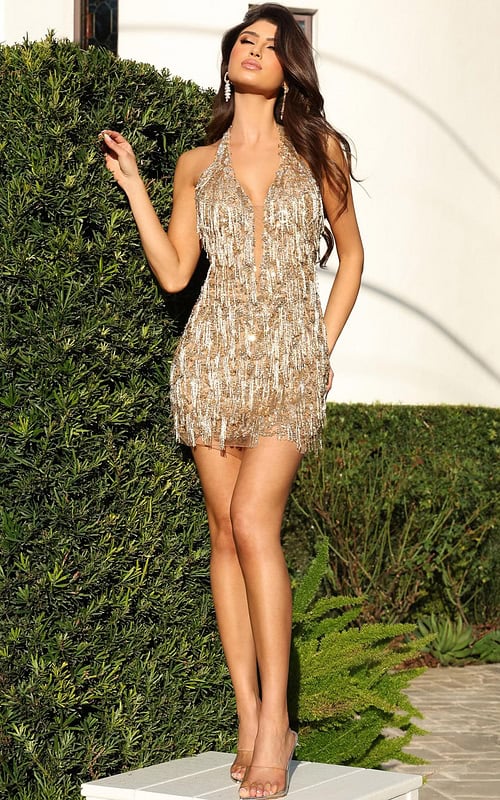
Sequins draw attention to edges, so neckline and back construction become especially noticeable. Strapless designs need a stable bodice that stays in position without constant adjustment; look for boning, shaped cups, or a firm upper edge when those details are listed. Halter necks shift support toward the neck and upper back, while V-necks place more emphasis on strap position and center-front control. A high neckline spreads the embellished surface more evenly across the upper body.
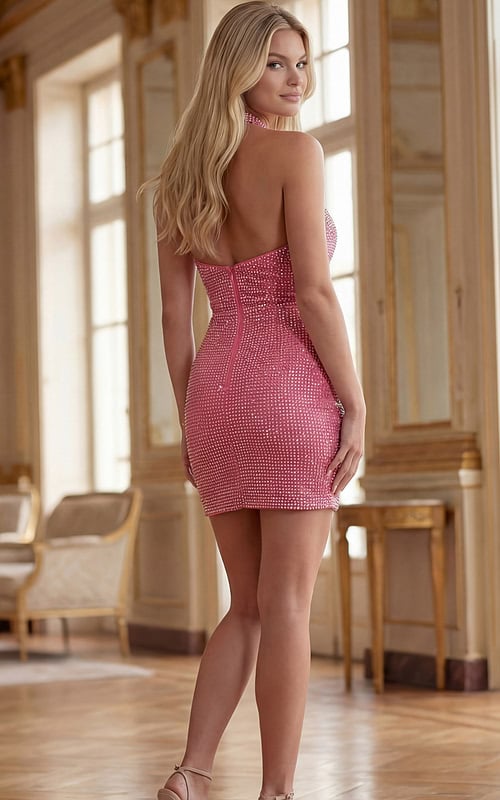
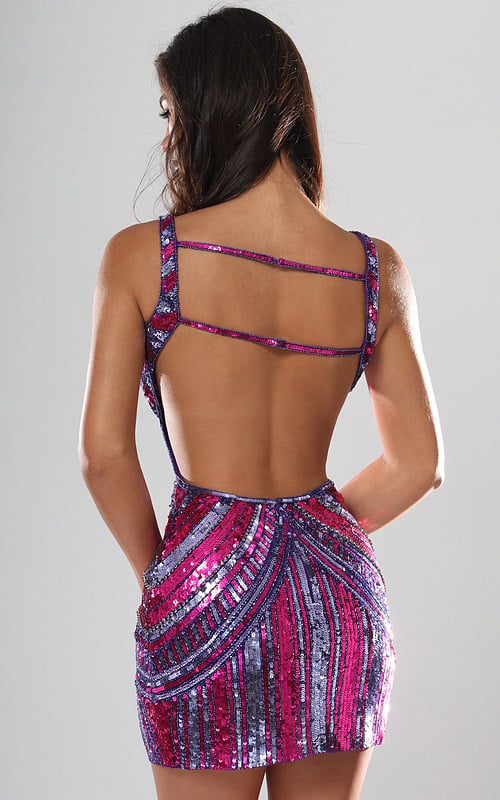
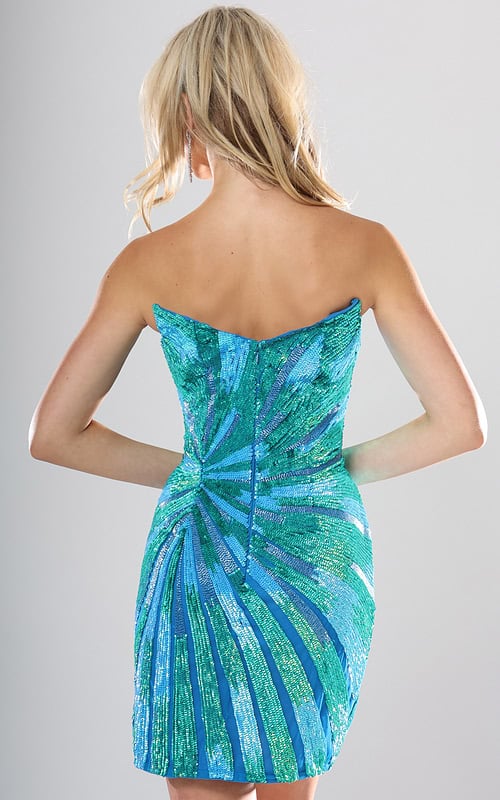
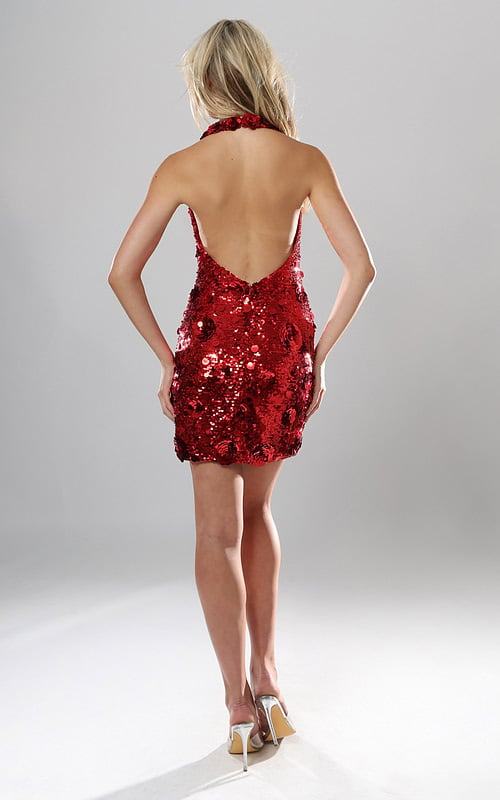
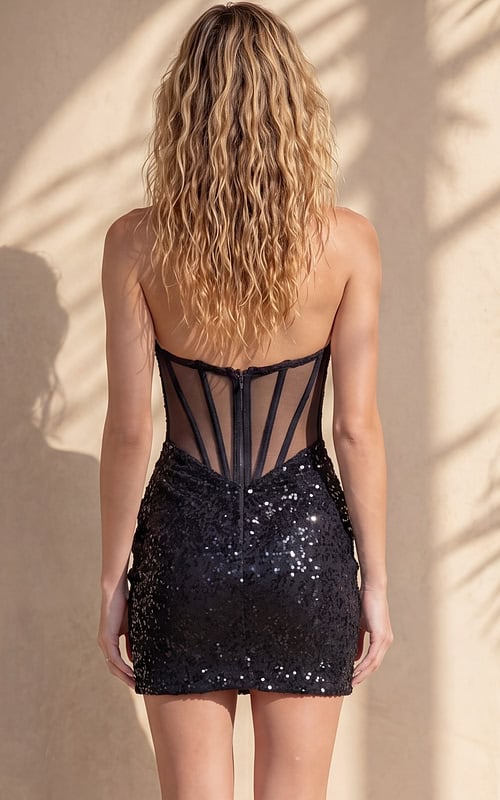
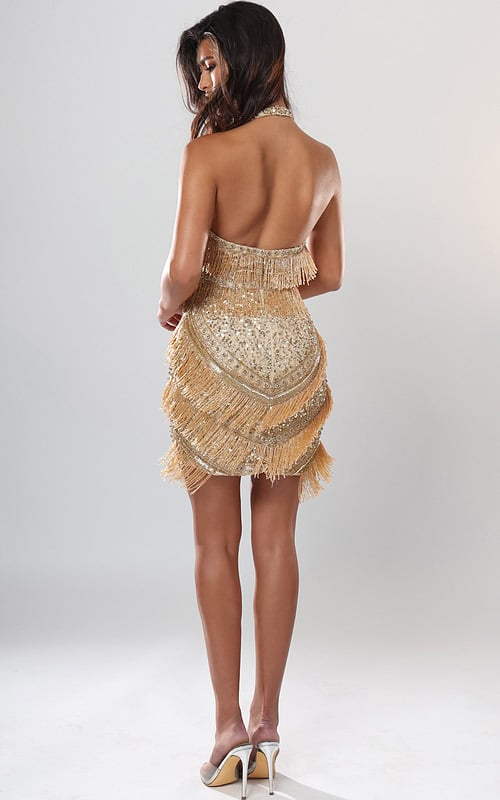
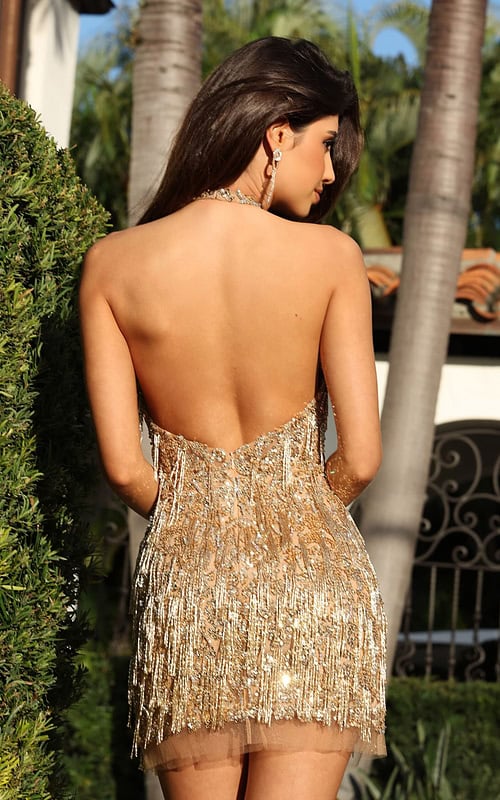
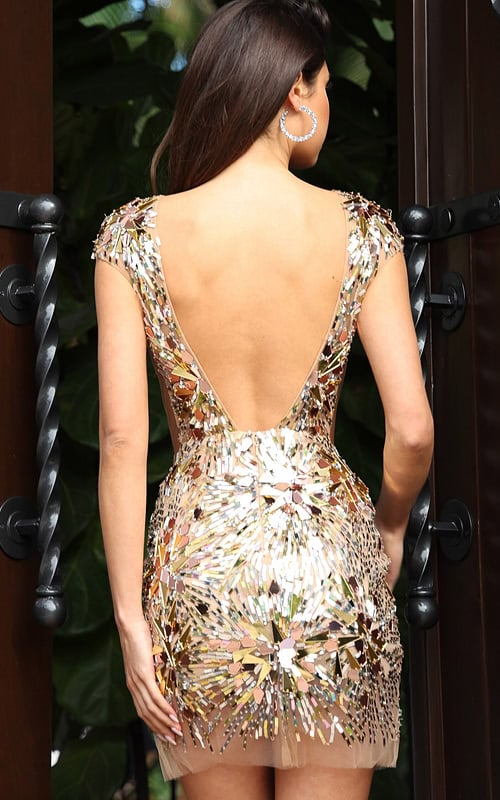
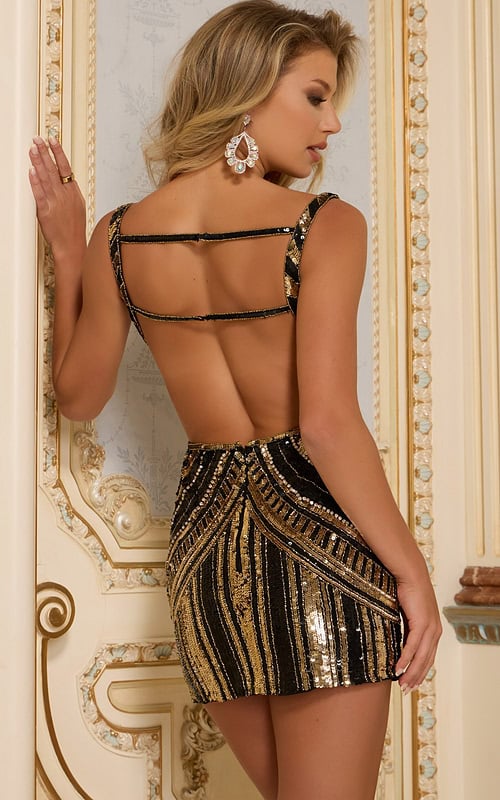
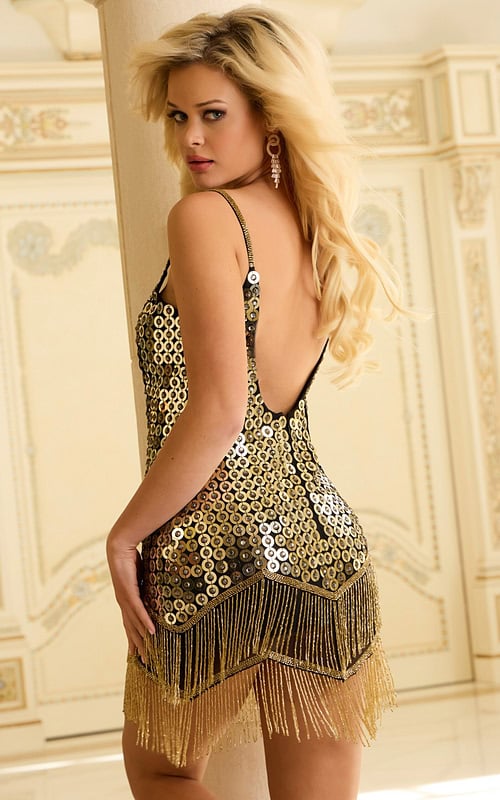
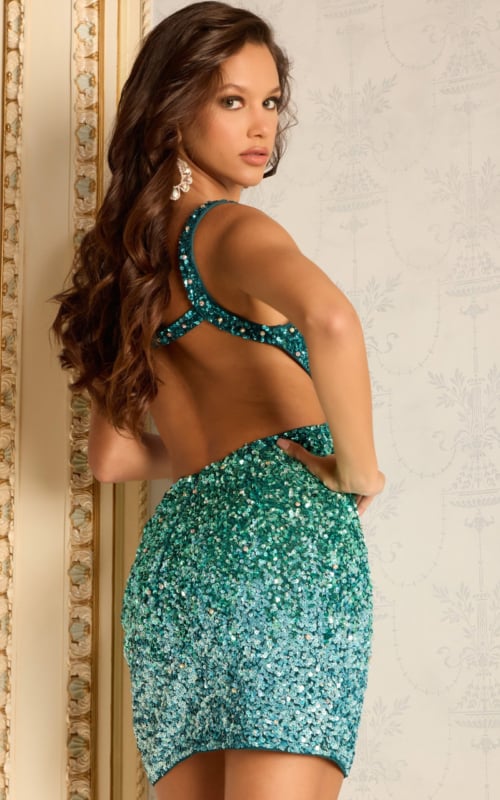
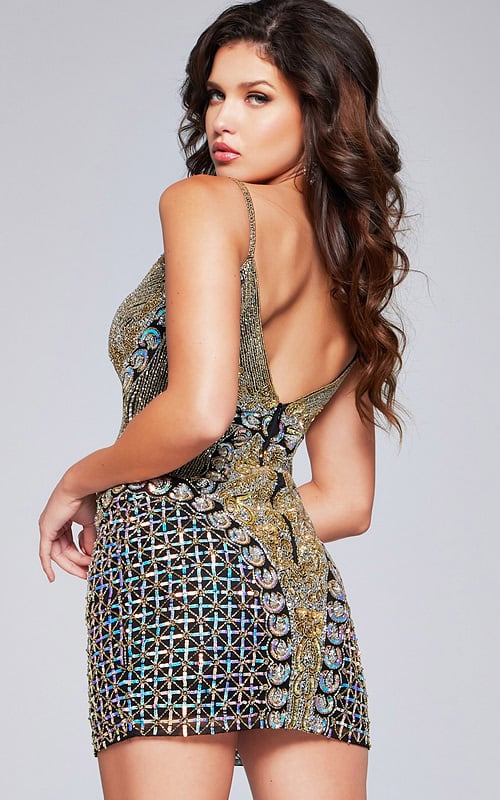
Open backs require a different check: the lower the back, the more the front, side seams, straps, or halter construction must stabilize the bodice. Compare backless cocktail and party dresses when the back detail is a priority, and halter short and cocktail dresses when you want more shoulder definition with an exposed back. These are related design paths, not substitutes for checking the individual dress construction.
Use Length and Proportion to Control the Visual Weight
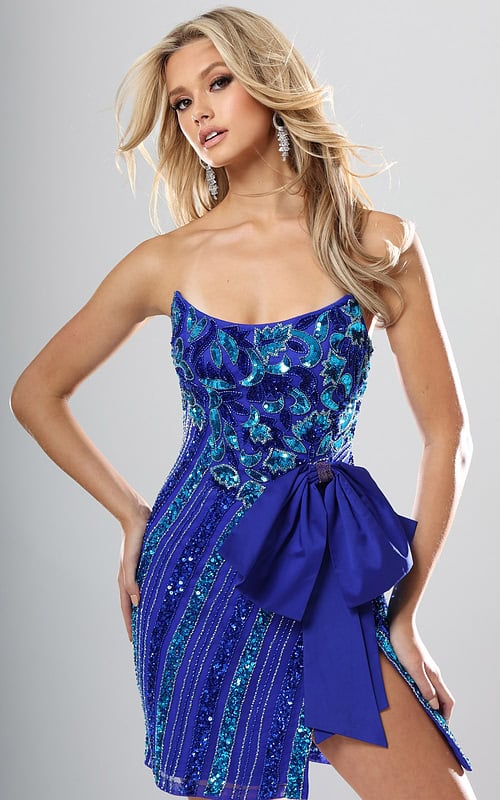
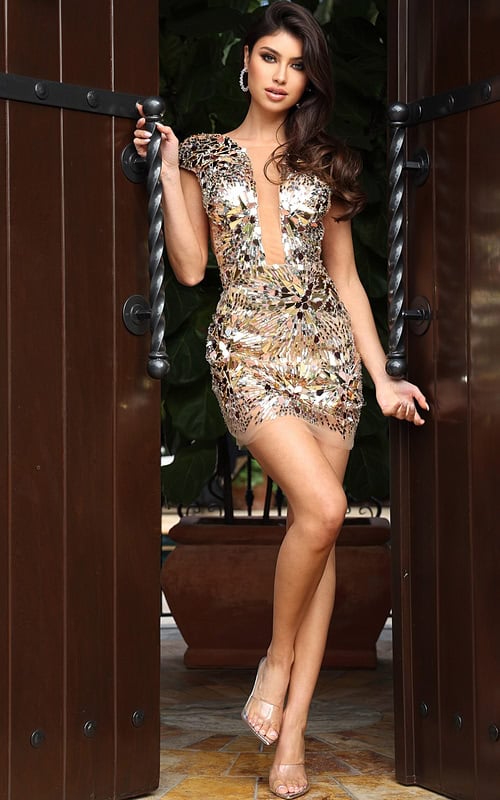
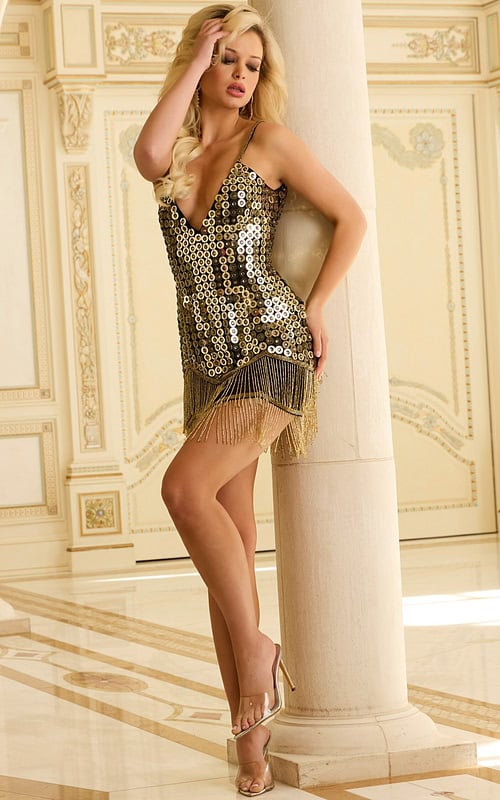
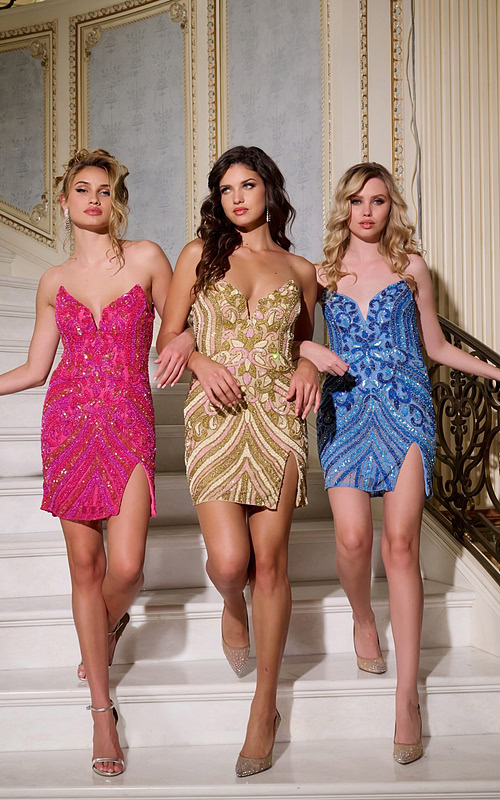
Because sequins add texture, hem length affects how much visual weight the dress carries. Sequin cocktail dresses in mini lengths concentrate the shine into a compact silhouette, so a simple neckline or cleaner seam layout can keep the proportions balanced. Knee-length and midi versions spread the embellished area over more fabric; this can work well when the sequin pattern is fine, tonal, or interrupted by panels, draping, or a slit.
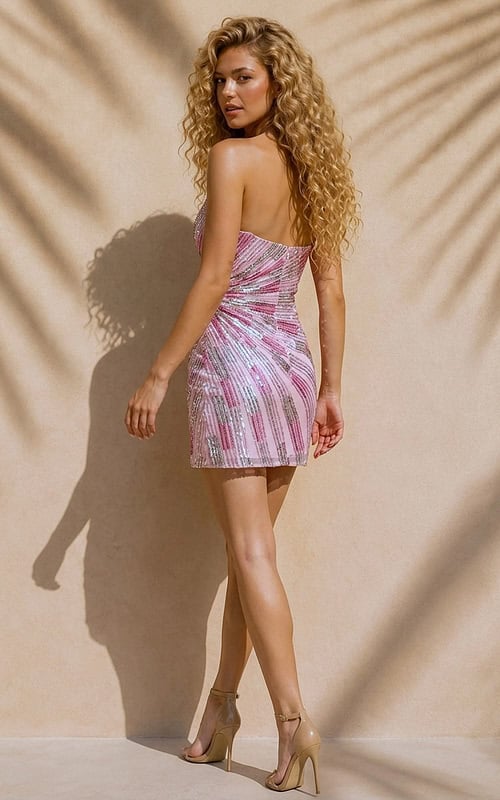
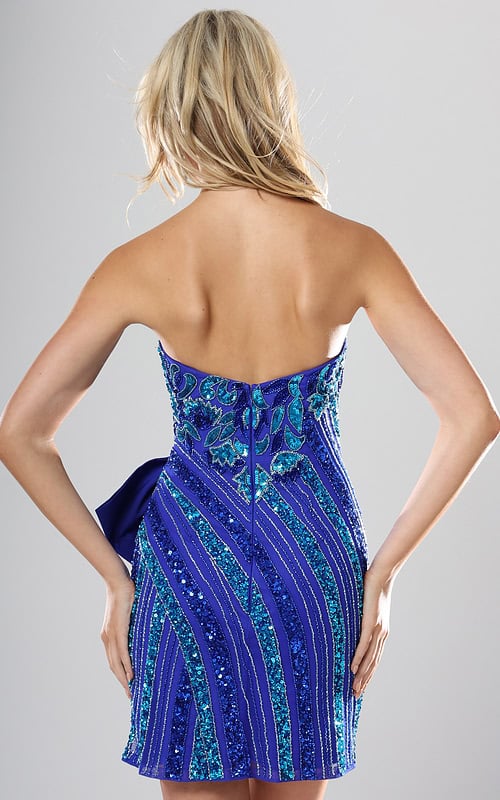
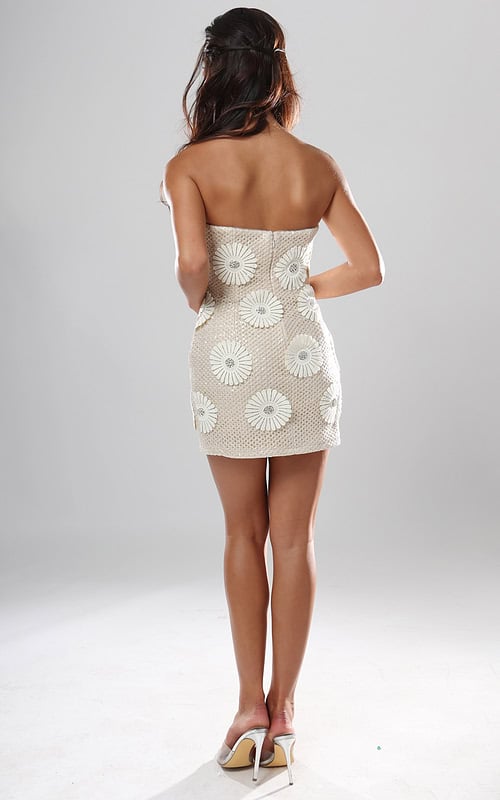
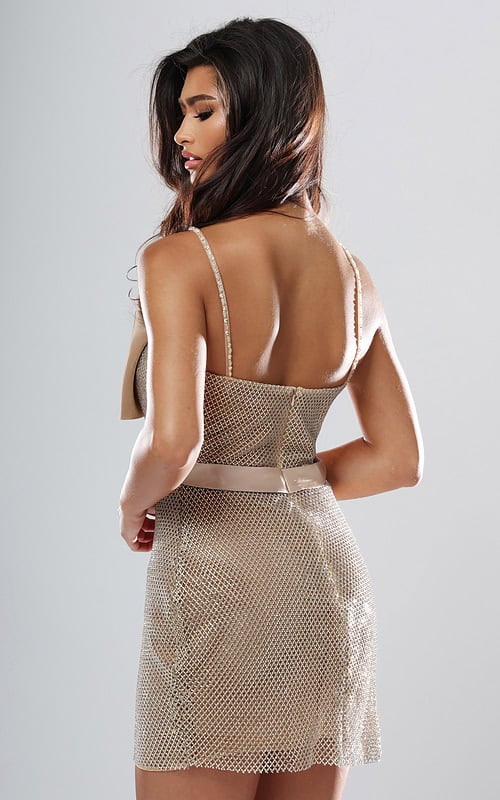
Movement is the practical test. A straight mini should allow a full walking stride without riding up, while a fitted midi needs enough room through the knee or a vent, slit, or stretch base. A fuller skirt should return to shape after sitting rather than collapsing into stiff folds. Use side and back views to judge where the hem falls and whether the lining ends at the same point as the embellished outer layer.
Compare Color, Sequin Scale, and Dress-Code Intensity
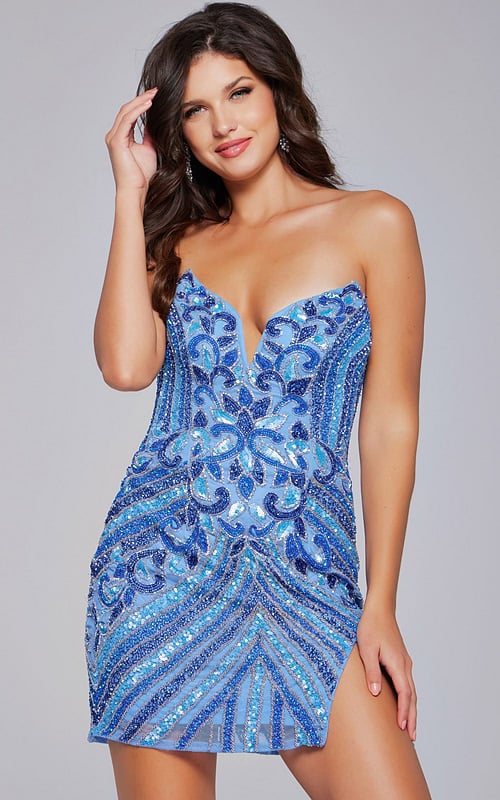
Color changes how strongly sequins read under light. Black, navy, and deeper jewel tones can make the reflective effect feel more concentrated because the contrast appears mainly when the surface catches light. Silver, gold, pale metallics, and bright colors keep more of the surface visually active even in softer lighting. Large paillettes create distinct points of reflection and more movement, while smaller sequins can produce a finer, more continuous finish.
For a cocktail dress code, use the combination of color, coverage, neckline, and length to judge intensity rather than treating sequins as automatically too much. A clean sheath with tonal sequins can read more controlled than a short style that combines large paillettes, fringe, cutouts, and a low back. Jovani sequin cocktail dresses are easiest to compare when you look at the whole construction: base fabric, lining, silhouette, neckline, back, and hem should work together so the dress feels secure in motion as well as polished in photographs.

 Halter Cocktail Dresses